


A modern tune-up can include throttle body service and fuel system service, but not as automatic line items on every vehicle. In newer cars, a tune-up usually means inspecting and servicing wear items and performance-related components that affect ignition, airflow, fuel delivery, and emissions behavior rather than performing the old-style adjustments associated with carbureted engines. Cars.com notes that What a modern tune-up includes today may involve the engine air filter, fuel injectors, and throttle body, while Firestone describes a tune-up as inspection and replacement of components essential to engine operation. ([cars.com](https://www.cars.com/articles/whats-included-in-a-tuneup-1420663067682/?))
Throttle body service matters because the throttle body controls incoming air, and deposits can disturb idle quality, throttle response, and drivability. Fuel system service matters because injectors and related fuel-path components influence spray pattern, combustion quality, and how smoothly the engine accelerates under load. When buildup is the real cause, cleaning these areas can restore normal behavior more effectively than replacing unrelated parts. ([toptiergas.com](https://www.toptiergas.com/gasoline-brands/?))
Many drivers search this topic because they want to know when these services are actually needed. That question usually starts with symptoms such as hesitation, rough idle, poor fuel economy, hard starting, or other Signs your car needs a tune-up, but modern vehicles often require diagnosis first because those symptoms can overlap with ignition, vacuum, sensor, or emission faults. Cars.com explicitly warns that asking for a general tune-up is no longer a likely solution for every running problem. ([cars.com](https://www.cars.com/articles/signs-you-may-need-a-tune-up-1420680392461/?))
The practical decision, then, is not whether these services sound useful in theory, but whether they fit your car’s maintenance condition, mileage, symptoms, and manufacturer recommendations. Below, the article explains what each service does, how it compares with spark plugs and filters, when it is worth paying for, and where tune-up maintenance ends and diagnostic testing begins.
Are Throttle Body and Fuel System Services Included in a Modern Tune-Up?
Yes, throttle body and fuel system services can be included in a modern tune-up because newer tune-ups focus on engine efficiency, drivability, and condition-based maintenance rather than old mechanical adjustments.
To better understand that shift, it helps to start with how the term “tune-up” changed as engines moved from carburetors and distributors to electronic fuel injection, ignition coils, and computer-controlled airflow. Firestone describes a tune-up as inspection and replacement of engine-operation components, while Cars.com explains that modern tune-ups may include items such as the throttle body, fuel injectors, air filter, and PCV-related maintenance depending on need. ([firestonecompleteautocare.com](https://www.firestonecompleteautocare.com/maintain/tune-up/engine/?))
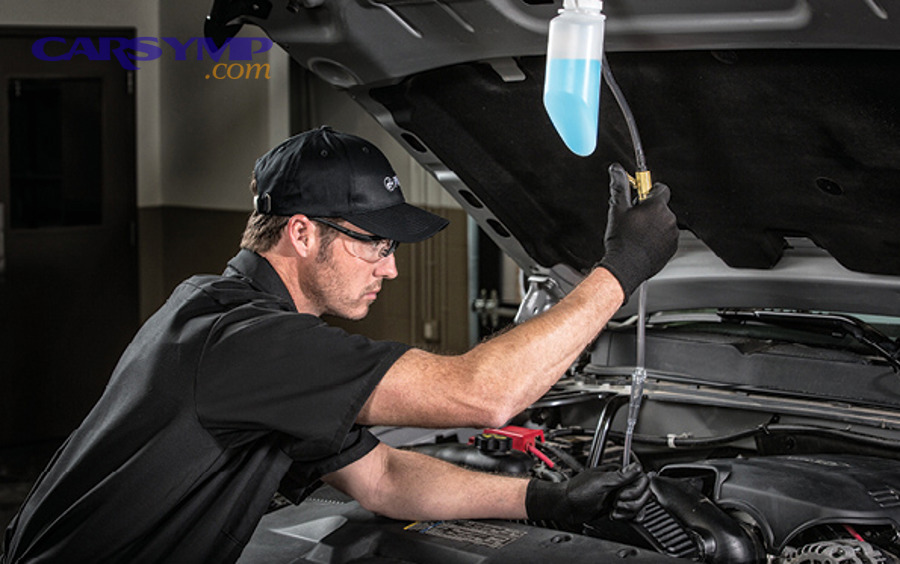
A modern tune-up is better viewed as a maintenance package than a single fixed checklist. One shop may focus on spark plugs, ignition coils, and filters. Another may add throttle body cleaning, injector service, a scan for diagnostic trouble codes, and inspection of hoses and induction components. That variability is why the phrase “included in a tune-up” needs context. If a service advisor says your car needs a tune-up, you should ask whether the estimate covers spark plugs, air and fuel filters, throttle body cleaning, injector cleaning, scan-tool inspection, or only a small subset of those items. Cars.com and Firestone both reflect this broader, vehicle-dependent definition. ([cars.com](https://www.cars.com/articles/whats-included-in-a-tuneup-1420663067682/?))
What Do “Throttle Body Service” and “Fuel System Service” Mean in a Tune-Up?
Throttle body service is airflow-system cleaning, and fuel system service is fuel-delivery cleaning or maintenance; in a tune-up, both are used to address deposit-related drivability and efficiency issues.
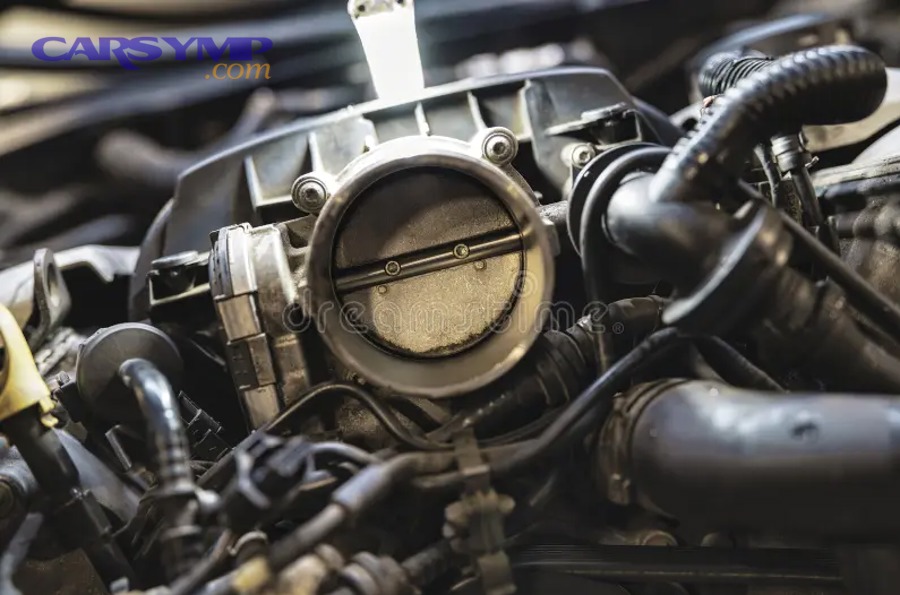
More specifically, the throttle body sits between the intake ducting and intake manifold and regulates airflow into the engine. Over time, varnish and carbon-like deposits can accumulate around the throttle plate and bore, especially in engines that experience short trips, repeated idling, or crankcase vapor recirculation. Cleaning that area helps the plate move and meter air more accurately at idle and during tip-in acceleration. Fuel system service, by contrast, targets the fuel side. Depending on the shop and vehicle, it may refer to in-tank detergent treatment, pressurized injector cleaning, fuel rail service, or a broader induction service that addresses deposits affecting combustion and drivability. ([toptiergas.com](https://www.toptiergas.com/gasoline-brands/?))
The key point is that these are not vague upsells when they are connected to real symptoms or maintenance needs. They are targeted services for two different engine functions: air metering and fuel delivery. When buildup affects either function, the engine may idle poorly, hesitate, or lose efficiency. TOP TIER’s gasoline performance standard also emphasizes that detergency is used to minimize deposits on fuel injectors, intake valves, and combustion chambers, which helps explain why deposit control matters in everyday driving. ([toptiergas.com](https://www.toptiergas.com/wp-content/uploads/2025/01/TOP-TIER-Approved-Gasoline_Deposit-Control-Performance-Standard_Rev-G.pdf?))
Is a Tune-Up the Same as Throttle Body Cleaning and Fuel System Cleaning?
No, a tune-up is broader than throttle body cleaning and fuel system cleaning because it can also include ignition parts, air and fuel filters, inspections, and computer-based checks.
However, this distinction matters because many drivers assume one cleaning service will solve every running issue. In reality, a tune-up is a maintenance category, while throttle body and fuel system services are individual pieces inside that category when they are appropriate. Firestone’s standard tune-up service includes spark plug inspection or installation, engine air filter inspection or installation, fuel filter inspection or installation, and review of scheduled maintenance, while Cars.com notes that modern tune-ups may include injector and throttle body attention among other items. ([firestonecompleteautocare.com](https://www.firestonecompleteautocare.com/maintain/tune-up/?))
That means a driver can receive a legitimate tune-up without injector cleaning if the injectors show no service need, and a driver can receive a throttle body cleaning without receiving a full tune-up. The terms overlap, but they are not synonyms. This is especially important for managing expectations. If your concern is a rough idle, hard start, or misfire, the correct question is not “Do I need a tune-up?” but “Which maintenance or diagnostic step addresses the cause?” Cars.com explicitly states that a general tune-up is no longer a likely fix for every running problem in newer vehicles. ([cars.com](https://www.cars.com/articles/whats-included-in-a-tuneup-1420663067682/?))
According to Cars.com in December 2025, maintenance items that may require periodic attention in a modern tune-up include the engine air filter, fuel injectors, and throttle body, showing that these services are possible components, not the entire service by themselves. ([cars.com](https://www.cars.com/articles/whats-included-in-a-tuneup-1420663067682/?))
What Is Throttle Body Service and Why Does It Matter?
Throttle body service is cleaning and inspecting the throttle body so the engine can meter incoming air more accurately, idle more steadily, and respond more smoothly to driver input.
To better understand its value, think of the throttle body as the engine’s controlled air gate. If that gate becomes coated with deposits, airflow at small throttle openings can become less predictable, which is where many drivers notice unstable idle, hesitation, or touchy pedal response first.
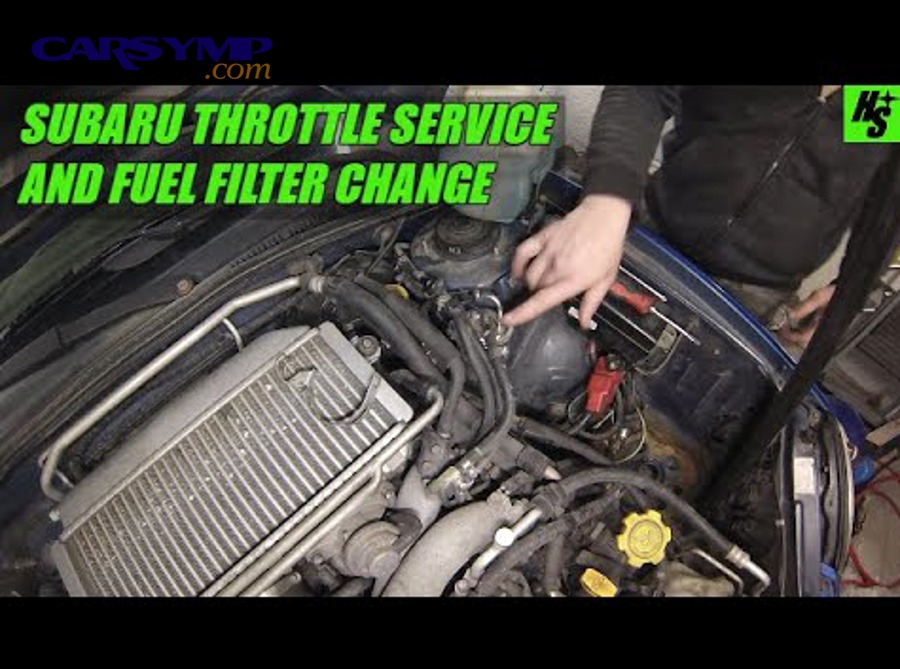
Throttle body service usually begins with inspection. A technician checks for visible residue around the throttle plate, verifies that the intake ducting is secure, and confirms whether the symptom pattern fits an airflow-control problem rather than a sensor or vacuum leak problem. Cleaning is then performed with the correct chemical and method for the vehicle, since some electronic throttle bodies are sensitive to aggressive scraping or improper manual movement. On many cars, the throttle body does not fail mechanically; it simply becomes dirty enough to affect airflow behavior near idle and light throttle.
This matters because newer engines depend on precise air measurements to match fuel delivery and ignition timing. A small deposit problem in the wrong place can create a large drivability complaint. The driver feels that as a rough idle at stoplights, slight stumbling when pulling away, or inconsistent response during low-speed parking maneuvers. That is why throttle body service has become part of the conversation about what a modern tune-up includes today. It is not nostalgic maintenance. It is airflow maintenance for computer-managed engines. Cars.com specifically identifies throttle body attention as a periodic maintenance item in modern cars. ([cars.com](https://www.cars.com/articles/whats-included-in-a-tuneup-1420663067682/?))
What Symptoms Suggest a Dirty or Restricted Throttle Body?
Common symptoms include rough idle, hesitation, unstable RPM, stalling tendency, and dull throttle response because deposit buildup can disrupt controlled airflow at low throttle openings.
For example, a car may start normally but hunt for idle speed for a few seconds. Another may feel fine at highway speed yet stumble leaving a stop. A third may feel lazy when the accelerator is first pressed, then recover once airflow increases. These patterns make sense because the throttle body has its biggest influence when airflow demand is changing or when the engine is trying to maintain a stable idle with very small throttle adjustments.
The important caution is that these symptoms are not exclusive to the throttle body. Ignition problems, vacuum leaks, fuel injector issues, and certain sensor faults can create similar complaints. That overlap is why smart service writers connect throttle body cleaning to inspection findings, not just to a generic list of complaints. Still, deposit-related airflow issues are a real and common reason a car feels less smooth than it used to. TOP TIER states that deposits in engines and fuel delivery systems can contribute to hesitation, stalling, hard starting, and reduced fuel economy. ([toptiergas.com](https://www.toptiergas.com/gasoline-brands/?))
How Does Throttle Body Cleaning Help Engine Performance?
Throttle body cleaning helps by restoring smoother airflow control, steadier idle behavior, and more predictable throttle response when deposits are the actual cause of the problem.
Specifically, cleaning removes residue from the throttle plate edge and bore where small airflow changes matter most. When the electronic throttle system no longer has to compensate for sticky or obstructed airflow, idle control often becomes more stable and off-idle acceleration feels more immediate. Drivers sometimes describe the result as a car that feels “lighter” or “less lazy,” even though no new power was created. The more accurate description is restored normal behavior.
That distinction matters for SEO and for reader trust. Throttle body cleaning is not a miracle horsepower upgrade. It is a corrective maintenance step that can improve drivability and consistency when deposits have pushed the system away from normal operation. If the real issue is a failing ignition coil, vacuum leak, or dirty mass airflow sensor, throttle body service alone will not fix it. In short, the service matters most when the symptom pattern and inspection findings agree.
According to TOP TIER’s approved gasoline materials, deposits can contribute to drivability problems such as hard starting, hesitation, and stalling, which supports the logic behind cleaning airflow and deposit-prone engine components when symptoms and inspection point in that direction. ([toptiergas.com](https://www.toptiergas.com/gasoline-brands/?))
What Is Fuel System Service and What Does It Usually Include?
Fuel system service is maintenance aimed at improving fuel delivery and combustion quality, and it usually includes injector-focused cleaning, deposit treatment, and sometimes fuel filter or induction-related work.
To better understand that phrase, it is important to know that shops do not always use it the same way. One repair order may mean a detergent treatment added to the tank. Another may mean a pressurized injector cleaning service through specialized equipment. A third may combine injector service with throttle body cleaning or an induction treatment. That variation is why drivers should ask exactly what the package includes before comparing prices.
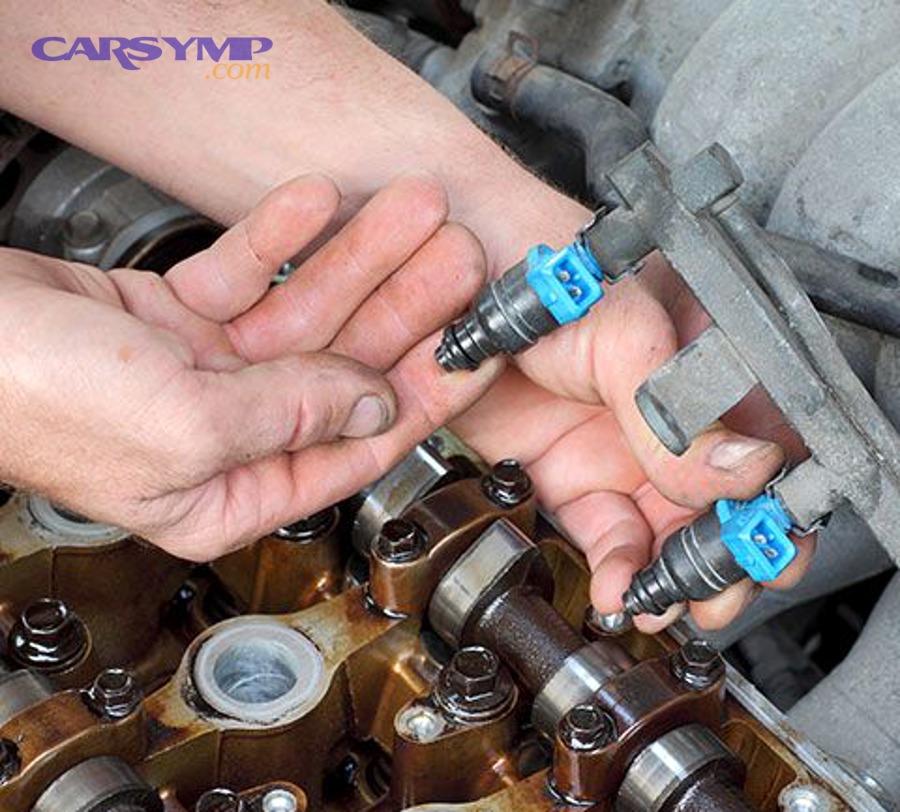
At its core, fuel system service targets deposits that interfere with proper fuel atomization and delivery. An injector that does not spray cleanly can upset combustion balance, particularly at idle and under acceleration. Jiffy Lube explains that when a fuel injector does not deliver adequate fuel to a cylinder, the combustion process is disrupted and the engine may misfire, stall, or lose performance. TOP TIER also states that deposit control additives are intended to minimize deposits on fuel injectors, intake valves, and combustion chambers. ([jiffylube.com](https://www.jiffylube.com/resource-center/bad-fuel-injector-symptoms-and-next-steps?))
Which Parts of the Fuel System Are Usually Serviced During a Tune-Up?
There are several common service targets: fuel injectors, fuel filters on applicable vehicles, fuel-path deposits, and sometimes intake-related deposits, depending on the service package.
More specifically, injectors are the most common focus because they directly affect how fuel enters the engine. On some vehicles, the fuel filter is also part of routine maintenance, though its location and service interval vary widely by design. Some shops add in-tank detergent treatment for ongoing cleaning, while others offer a pressurized service designed to clean injector internals and fuel-path deposits more aggressively. Cars.com also includes fuel injectors and, in some cases, fuel filter attention within the broader set of items that may appear in a modern tune-up. ([cars.com](https://www.cars.com/articles/whats-included-in-a-tuneup-1420663067682/?))
The reason the list varies is simple: fuel systems are not identical across all cars. A port-injected engine, a direct-injected engine, and an older return-style fuel system do not present the same deposit patterns or service opportunities. For the reader, the practical takeaway is that “fuel system service” should always be translated into named parts and named procedures before approval.
How Does Fuel System Cleaning Affect Fuel Economy and Drivability?
Fuel system cleaning can improve drivability and sometimes fuel economy because cleaner injectors support better spray patterns, steadier combustion, and smoother power delivery when deposits were causing inefficiency.
For example, a car with restricted injector flow may hesitate during acceleration, stumble at idle, or feel weak under load because combustion balance between cylinders is less consistent. Cleaning can reduce that imbalance and make the engine feel smoother and more responsive. The effect on fuel economy is usually modest rather than dramatic, but if deposit buildup has already reduced efficiency, cleaning may help bring mileage closer to normal.
A careful article should avoid promising exact MPG gains because results depend on engine condition, fuel quality, and whether deposits are truly the cause. Still, the link between deposit control and drivability is well established in mainstream maintenance guidance. TOP TIER says deposits can reduce fuel economy and contribute to hesitation and stalling, and Jiffy Lube associates injector problems with performance loss, difficult starting, and misfire behavior. ([toptiergas.com](https://www.toptiergas.com/gasoline-brands/?))
According to the TOP TIER gasoline performance standard updated in January 2025, detergent gasoline is intended to minimize deposits on fuel injectors, intake valves, and combustion chambers, highlighting why deposit control remains relevant to combustion quality and everyday drivability. ([toptiergas.com](https://www.toptiergas.com/wp-content/uploads/2025/01/TOP-TIER-Approved-Gasoline_Deposit-Control-Performance-Standard_Rev-G.pdf?))
When Do Car Owners Actually Need Throttle Body or Fuel System Service?
Car owners usually need these services when mileage, symptoms, inspection findings, or maintenance history suggest deposit buildup is affecting airflow or fuel delivery.
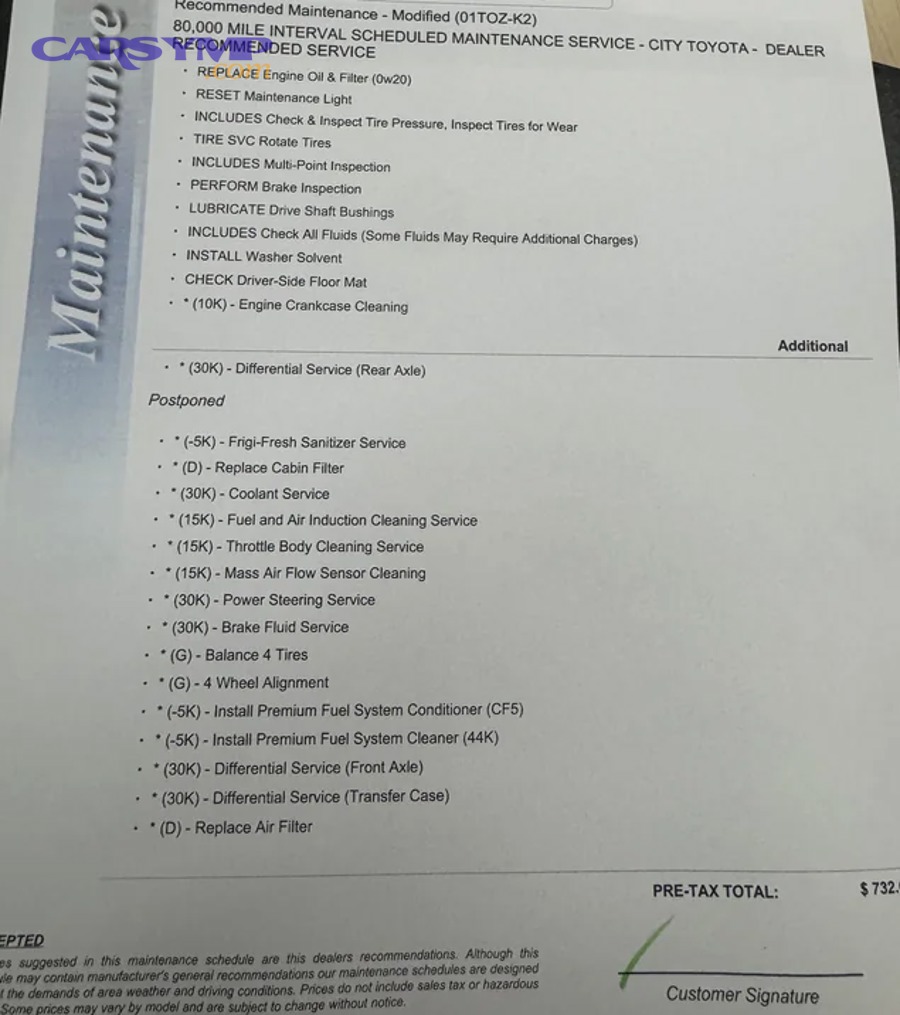
Next, the most useful way to answer this question is to combine condition-based logic with routine maintenance logic. Some cars benefit because deposits are visible or symptoms are obvious. Others benefit because the vehicle has high mileage, repeated short-trip use, or a history of inconsistent fuel quality even before the driver notices a serious complaint.
A smart maintenance decision starts with the pattern of use. Vehicles that spend most of their lives in stop-and-go traffic, extended idling, or short cold trips tend to accumulate operating conditions that encourage residue and incomplete warmup. Vehicles that rarely see highway runs may also develop drivability complaints sooner. At the same time, cars maintained on schedule with good fuel and regular air-filter service may go much longer before either service becomes useful. This is why there is no universal mileage that fits every car.
Should These Services Be Done by Mileage, Symptoms, or Inspection Results?
They should be done by a mix of mileage, symptoms, and inspection results because each factor reveals something different about maintenance timing and actual need.
More specifically, mileage provides a planning baseline, symptoms reveal when the driver can already feel a problem, and inspection confirms whether deposits are likely responsible. Relying on mileage alone can lead to overservicing. Waiting only for symptoms can delay maintenance until drivability is already poor. Inspection connects the recommendation to observable evidence, which is the best middle ground.
This balanced approach fits how modern tune-ups work. Firestone notes that tune-up scope depends on manufacturer recommendations, year, and mileage, while Cars.com stresses that a general tune-up is not always the cure for a running problem. In other words, mileage tells you when to look, symptoms tell you when to pay attention, and inspection helps decide whether throttle body or fuel system service is actually the right choice. ([firestonecompleteautocare.com](https://www.firestonecompleteautocare.com/maintain/tune-up/types/?))
Which Signs Mean These Services May Be Worth Considering?
The clearest signs include rough idle, hesitation, hard starting, poor fuel economy, weak acceleration, stalling tendency, and a generally less smooth engine response.
Besides those symptoms, service history matters. If spark plugs are fresh, the air filter is clean, scan-tool results show no obvious unrelated problem, and the engine still feels lazy or unstable at low speed, deposit-related service becomes more plausible. This is also where readers often think about signs your car needs a tune-up more broadly. The symptom list is similar, but the interpretation should be more precise: the car needs attention, not necessarily a one-size-fits-all tune-up package.
Cars.com lists engine misfire, hesitation, stalling, poor mileage, hard starting, and failed emissions performance among the classic warning signs that something in the engine-management system needs attention. Jiffy Lube similarly links injector-related problems with stalling, misfire, difficult starting, and reduced acceleration. ([cars.com](https://www.cars.com/articles/signs-you-may-need-a-tune-up-1420680392461/?))
According to Cars.com, symptoms such as hesitation, stalling, poor mileage, and hard starting are clear signs that a vehicle needs service attention, even though a traditional tune-up may not always be the exact fix. ([cars.com](https://www.cars.com/articles/signs-you-may-need-a-tune-up-1420680392461/?))
How Do Throttle Body and Fuel System Services Compare With Other Tune-Up Items?
Throttle body and fuel system services solve airflow and fuel-delivery cleanliness problems, while other tune-up items such as spark plugs and filters solve ignition and filtration problems.
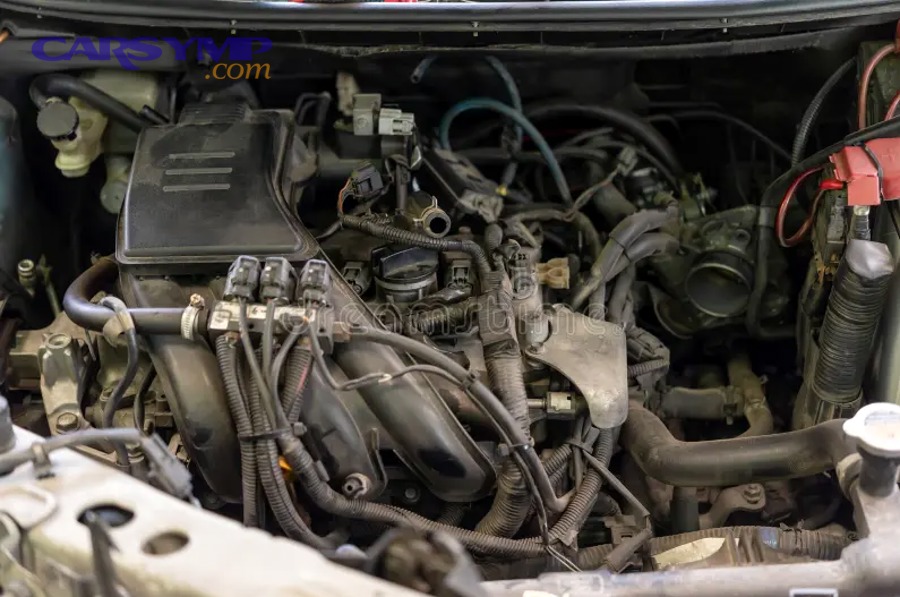
To better understand the comparison, it helps to separate tune-up items by function. Spark plugs ignite the mixture. Ignition coils deliver spark energy. Engine air filters protect airflow quality. Fuel filters, when serviceable, protect the fuel path. Throttle body service keeps airflow control clean. Fuel system service keeps injector and fuel-path deposits from harming combustion. Each item belongs to the same maintenance conversation, but each addresses a different failure mode. ([firestonecompleteautocare.com](https://www.firestonecompleteautocare.com/maintain/tune-up/?))
How Are These Services Different From Spark Plug, Air Filter, and Ignition Maintenance?
Throttle body and fuel system services clean airflow and fuel delivery, while spark plug, air filter, and ignition maintenance restore spark quality and protect intake cleanliness.
However, the overlap in symptoms is what confuses many drivers. Worn spark plugs can also cause rough idle, weak acceleration, and poor fuel economy. A clogged air filter can restrict airflow. Ignition-coil problems can create hesitation and misfire. That is why a good service recommendation starts with system function, not just with the driver’s complaint. If rough idle comes from weak spark, throttle body cleaning is not the first answer. If hesitation comes from injector imbalance or deposit-restricted airflow, cleaning may be more relevant than plug replacement.
This comparison also explains why tune-up packages vary so much. Firestone’s standard tune-up includes inspection or replacement of spark plugs, engine air filter, and fuel filter, while Cars.com notes that throttle body and injector attention may also appear in modern tune-up maintenance. A complete maintenance strategy looks across these systems rather than treating every symptom as proof that one particular service is needed. ([firestonecompleteautocare.com](https://www.firestonecompleteautocare.com/maintain/tune-up/?))
Tune-Up vs Diagnostic Service: What Is the Difference?
Tune-up service is preventive maintenance, while diagnostic service identifies the root cause of a specific problem through testing, scan data, and inspection.
Meanwhile, this is the distinction that saves drivers money. A tune-up assumes certain maintenance items will help because they wear or accumulate deposits over time. Diagnostic service asks why the symptom exists before recommending repair. On a modern vehicle, those are not competing ideas; they complement each other. Routine maintenance keeps the engine in good condition, but diagnostics become essential when the symptom could come from multiple systems.
Cars.com states directly that asking for a general tune-up is not really a viable request anymore when a running problem exists, and Firestone’s tune-up materials show that many modern tune-ups already include scan-tool review as part of a broader inspection. Together, those points support a simple rule: use a tune-up for scheduled maintenance and use diagnostics when the complaint is specific, persistent, or uncertain. ([cars.com](https://www.cars.com/articles/whats-included-in-a-tuneup-1420663067682/?))
Are These Services Always Worth It for Every Vehicle?
No, these services are not always worth it for every vehicle because benefit depends on engine condition, verified deposits, maintenance history, and whether the symptom truly points to airflow or fuel-delivery contamination.
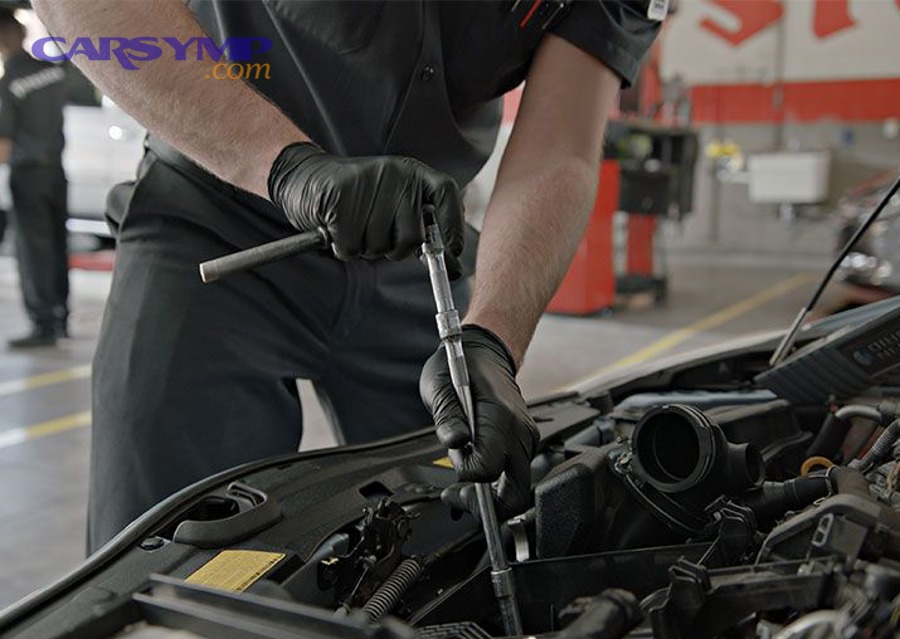
In addition, the value question should be framed around evidence, not marketing. A recently serviced car with no drivability issues and no deposit-related findings may gain little from immediate throttle body or injector cleaning. By contrast, a high-mileage vehicle with rough idle, sluggish response, and visible throttle deposits may benefit noticeably. The same service can be wise on one car and unnecessary on another.
This is where maintenance credibility matters. Shops that explain the “why” behind the recommendation tend to earn more trust than shops that sell a generic package to every customer at the same mileage. Readers should look for a reasoned connection between symptom, inspection, and service. If that connection is missing, asking questions is justified.
When Are Throttle Body and Fuel System Services Most Likely to Help?
They are most likely to help on higher-mileage vehicles, neglected-maintenance vehicles, symptom-present vehicles, and cars exposed to deposit-promoting driving conditions.
More specifically, these services tend to make the most sense when the car spends a lot of time idling, making short trips, or operating in stop-and-go traffic. They also become more relevant when the engine has been running with dirty air filters, overdue maintenance, or a history of lower-quality fuel choices. In these cases, deposit control and cleaning can restore normal operation rather than merely adding a marginal improvement.
TOP TIER’s materials reinforce this logic by connecting deposit buildup with drivability issues such as hesitation, stalling, and reduced fuel economy. That does not prove every car needs cleaning, but it does support the conclusion that cleaner fuel-path and airflow-related components can matter when deposit conditions are present. ([toptiergas.com](https://www.toptiergas.com/gasoline-brands/?))
When Might These Services Be Unnecessary or Oversold?
They may be unnecessary when the vehicle has no supporting symptoms, no visible deposit problem, recent relevant maintenance, or a more likely fault in another system.
More importantly, overselling usually happens when maintenance language is used as a substitute for diagnosis. A check-engine light caused by a failing sensor, vacuum leak, or ignition fault cannot be responsibly treated as proof that the throttle body or injectors need cleaning. Likewise, a smooth-running car that already receives proper maintenance and quality fuel may not benefit enough to justify the cost right now.
This is not an argument against the services. It is an argument for correct timing. When service is condition-based and well explained, it supports engine smoothness and efficiency. When service is sold without evidence, it becomes easy to overpay for work that does not address the actual problem. Cars.com’s warning that a generic tune-up is not always the likely fix for a running problem is especially relevant here. ([cars.com](https://www.cars.com/articles/whats-included-in-a-tuneup-1420663067682/?))
According to Firestone, tune-up needs vary by manufacturer recommendation, year, and mileage, which supports a vehicle-specific approach rather than treating every car as if it needed the same maintenance package at the same time. ([firestonecompleteautocare.com](https://www.firestonecompleteautocare.com/maintain/tune-up/types/?))
What Related Questions Help Car Owners Understand These Services More Deeply?
The most useful related questions involve idle relearn, injector-cleaning methods, fuel quality, and the difference between induction cleaning and core tune-up services.
Below, these related questions deepen the topic without changing the main answer. They help car owners understand why two cars with similar symptoms may need different service paths and why maintenance language around injectors, throttle bodies, and induction systems can sound confusing at the counter.
What Is Idle Relearn After Throttle Body Cleaning, and Do All Cars Need It?
Idle relearn is the process by which some vehicles readjust airflow and idle behavior after throttle body cleaning, and not all cars require a formal manual relearn procedure.
Specifically, electronic throttle systems may store learned values based on how the throttle body behaved before cleaning. After deposits are removed, the system may need a short period of driving or an exact relearn sequence to stabilize idle perfectly. Some vehicles handle this automatically. Others may need a scan tool or a manufacturer-specific routine. This is why a car can feel slightly different right after service even when the cleaning was correct.
The practical lesson for owners is simple: ask the shop whether your vehicle needs a relearn step and whether that step is included in the labor. That small question often separates a merely clean throttle body from a truly finished throttle body service.
How Do Fuel Injector Cleaning Methods Compare: In-Tank Additives vs Pressurized Service?
In-tank additives are lighter and easier for routine deposit control, while pressurized service is stronger and better suited to more noticeable injector-related drivability complaints.
However, the two methods are not interchangeable in every situation. In-tank additives are convenient and can support ongoing cleanliness, especially when used alongside quality detergent fuel. Pressurized services are typically chosen when a shop wants a more concentrated cleaning effect on injector performance. The stronger method usually costs more, but it may be more appropriate when symptoms are already present and inspection suggests injector deposits are part of the problem.
The best method depends on severity and goal. Preventive upkeep favors lighter routine measures. Corrective maintenance favors targeted professional service. Jiffy Lube’s injector symptom guidance supports the idea that injector-related drivability problems can be significant enough to justify more direct service. ([jiffylube.com](https://www.jiffylube.com/resource-center/bad-fuel-injector-symptoms-and-next-steps?))
Does Using Top Tier Fuel Reduce the Need for Fuel System Service?
Yes, using TOP TIER fuel can help reduce deposit buildup because it is designed to minimize deposits on injectors, intake valves, and combustion chambers.
More specifically, TOP TIER’s published standards and consumer materials describe detergent packages intended to control deposit formation in areas that directly affect drivability and efficiency. That does not guarantee a driver will never need injector or fuel system service, but it does support a preventive strategy that lowers the chance of deposit-related problems over time. MINI also states in a technical bulletin that exclusive use of TOP TIER gasoline provides the full benefit of reducing deposit buildup. ([toptiergas.com](https://www.toptiergas.com/wp-content/uploads/2025/01/TOP-TIER-Approved-Gasoline_Deposit-Control-Performance-Standard_Rev-G.pdf?))
This topic matters because preventive choices influence future maintenance. Good fuel does not replace tune-up maintenance, but it can reduce how often deposit control becomes the center of the conversation.
How Is Intake or Induction Cleaning Different From Throttle Body and Fuel System Service?
Intake or induction cleaning is a broader category that may include throttle body cleaning and other air-path treatments, while fuel system service focuses on the fuel side of combustion.
To sum up, the easiest way to separate the terms is by asking where the service acts. Throttle body cleaning acts at the airflow gate. Fuel system cleaning acts at fuel delivery. Induction cleaning can refer to a broader air-intake treatment that may overlap with throttle body work but is not identical to injector service. That is why service menus can sound similar while still describing different procedures.
For car owners, the safest approach is to ask the shop to name the exact parts being serviced, the exact method being used, and the exact symptoms or findings that justify the work. Once those three points are clear, the vocabulary of the estimate becomes much easier to understand.
According to Firestone and Cars.com, modern tune-ups are defined less by a fixed historical checklist and more by the vehicle’s current maintenance needs, which is why related services like throttle body cleaning, injector attention, filters, and diagnostic scans often appear together yet still serve different purposes. ([firestonecompleteautocare.com](https://www.firestonecompleteautocare.com/maintain/tune-up/?))
In short, throttle body and fuel system services belong inside the modern tune-up conversation because they address two core engine functions: airflow and fuel delivery. They are most valuable when symptoms, inspection, and maintenance history point toward deposit-related issues, and they are least valuable when used as generic stand-ins for real diagnosis. That balanced understanding helps car owners make better maintenance decisions and recognize both the value and the limits of these services.