

Understand Car Tune-Ups: What They Include, Warning Signs, and Service Basics for Drivers
A car tune-up is a preventive auto maintenance service that restores engine efficiency, drivability, and reliability by inspecting and replacing wear items that affect combustion and engine response. In modern vehicles, that usually means focusing on components such as Spark plugs, ignition parts, filters, scan-based checks, and selected maintenance items rather than the old-fashioned carburetor and timing adjustments people often imagine. In other words, What a modern tune-up includes today depends on the vehicle, its mileage, and its symptoms, not on a one-size-fits-all menu. (jiffylube.com)
Drivers also search this topic because they want to recognize Signs your car needs a tune-up before performance drops further. Rough idle, hesitation, hard starts, weak acceleration, lower fuel economy, and an illuminated check-engine light often push people to ask whether a tune-up will solve the problem or whether they really need diagnostic work first. That is why this guide explains both the common service items and the symptoms that point to tune-up-related maintenance. (autozone.com)
Another common question is timing. Many owners want a practical Tune-up checklist by mileage and want to know whether service should follow mileage, symptoms, or the owner’s manual. The best answer is that manufacturer schedules still lead, but mileage, age, and real-world use matter because city driving, towing, heat, short trips, and neglected maintenance change how quickly wear items lose effectiveness. (kbb.com)
Cost and service clarity matter too. A useful article on tune-ups should explain Tune-up cost estimate, Tune-up vs diagnostic service differences, and practical ways of Avoiding unnecessary “tune-up” upsells. Introduce a new idea: once you understand the service itself, you can decide what to approve, what to postpone, and which DIY tune-up tasks for beginners are realistic at home.
What Is a Car Tune-Up?
A car tune-up is a preventive engine-performance service that inspects and renews wear items affecting combustion, airflow, and drivability.
To better understand the issue, it helps to separate the modern meaning of a tune-up from the older definition that many drivers still have in mind.
Is a Car Tune-Up Still a Real Service on Modern Vehicles?
Yes, a car tune-up is still a real service because modern engines still have wear parts, still lose efficiency over time, and still benefit from scheduled inspection and replacement.
More specifically, the confusion comes from how much the term has changed. Older cars needed routine adjustments to ignition timing, idle mixture, distributor components, and carburetors. Newer vehicles use electronic controls that automatically manage much of that. Even so, engines still rely on clean airflow, strong spark, proper fuel delivery, healthy sensors, and good fluid condition. When those supporting items degrade, the vehicle may not fail immediately, but it often becomes rougher, less responsive, and less efficient.
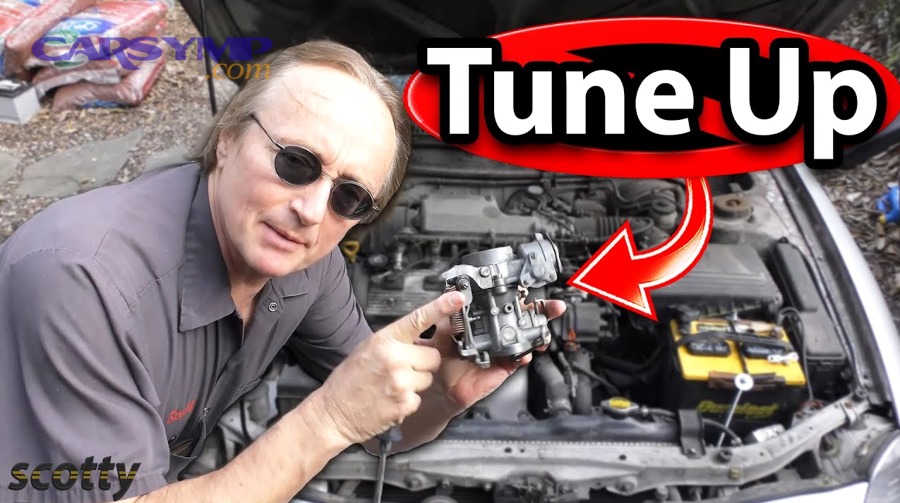
That is why many shops still use the phrase “tune-up” as a convenient umbrella term. In practice, the service usually centers on maintenance items that influence how the engine starts, idles, accelerates, and burns fuel. A modern tune-up might include spark plug replacement, ignition inspection, air-filter replacement, fluid checks, and a quick code scan. Some shops also add throttle body cleaning or selected fuel-system service when symptoms support it.
The practical takeaway for drivers is simple: the service is real, but the name is broader than it used to be. Before approving any work, ask for the exact parts and labor included, and compare that list with your owner’s manual. That small step is one of the smartest ways of Avoiding unnecessary “tune-up” upsells.
According to Jiffy Lube, a modern tune-up can include inspection of the ignition system, spark plugs, air filter, belts, hoses, fuel pump, and fluid levels, showing that the term still applies today even though the component list has evolved. (jiffylube.com)
What Does “Tune-Up” Mean Today Compared With Older Cars?
A modern tune-up means restoring engine performance through maintenance and inspection, while an older tune-up meant manual mechanical adjustment plus replacement of basic ignition parts.
However, the difference is more than terminology. On older vehicles, mechanics often adjusted idle speed, timing, and fuel mixture by hand. Today, the engine control module handles those tasks continuously using sensors and software. As a result, service has shifted away from adjustment and toward replacement, inspection, and verification.
That change matters because many drivers still expect a cheap, generic “tune-up” to cure every drivability problem. In reality, a modern tune-up is narrower and more evidence-based. If the car has worn plugs, clogged filters, dirty airflow passages, aging coils, or overdue fluids, tune-up work can produce a real improvement. If the car has a failing injector, vacuum leak, timing problem, or damaged catalytic converter, a tune-up alone will not fix it.
This is also where Throttle body and fuel system services in tune-ups should be handled carefully. These services may help when symptoms such as rough idle, sticky throttle response, or carbon buildup support them. They are not always automatic requirements. The best shops explain why a cleaning or additive service is recommended instead of selling it as a default line item.
If you use symptom-focused resources such as carsymp.com for early research, treat them as a starting point, then confirm the actual maintenance needs with your manufacturer schedule and inspection results.
According to Kelley Blue Book, current tune-up services vary by mileage, age, and symptoms and may include items such as an oil change, spark plugs, filter replacements, a diagnostic scan, and fluids, which reflects the modern maintenance-based definition of the term. (kbb.com)
What Does a Car Tune-Up Include?
A car tune-up commonly includes ignition-related wear parts, intake and airflow checks, selected fluid checks, filter replacement, and a basic performance review.
Let’s explore the issue in a practical way, because the most common mistake drivers make is assuming every shop includes the same services.
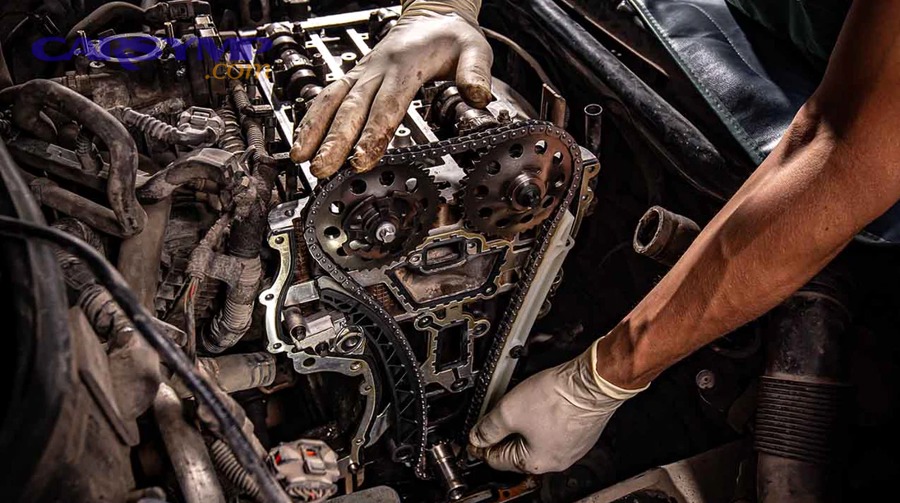
What Parts and Service Items Are Commonly Included in a Tune-Up?
There are 6 main groups of tune-up items: ignition parts, airflow parts, fuel-related checks, fluid checks, scan checks, and visual inspections.
Specifically, the first group is ignition service. This usually means replacing Spark plugs and inspecting coils, plug wires, or boots when the vehicle uses them. Because strong spark is essential for complete combustion, worn plugs are often the most important service item in a tune-up.
The second group is airflow service. This often includes the engine air filter and, when symptoms justify it, throttle body cleaning. If the engine cannot breathe correctly, throttle response and idle quality often suffer. That is why Throttle body and fuel system services in tune-ups sometimes appear on estimates, though they should be tied to symptoms or maintenance history.
The third group is fuel-related review. Depending on the vehicle, this may include a fuel filter on serviceable systems, injector cleaner recommendations, or inspection of fuel-delivery symptoms. The fourth group is and fluids in a tune-up, which usually means checking oil condition, coolant level, transmission fluid where applicable, brake fluid level, and power steering fluid on older systems. The fifth group is scan-based checking, which helps identify misfire codes or sensor issues. The sixth group is general visual inspection of belts, hoses, battery condition, and vacuum lines.
The table below summarizes what drivers usually see in a modern tune-up.
| Service group | Common items | Why it matters |
|---|---|---|
| Ignition | Spark plugs, wires, coils, boots | Supports complete combustion and smooth operation |
| Airflow | Engine air filter, throttle body inspection | Helps idle quality and throttle response |
| Fuel-related | Fuel filter where applicable, injector review | Supports consistent fuel delivery |
| Fluids | Oil condition and major fluid checks | Helps spot neglect or related issues |
| Scan and inspection | OBD scan, belts, hoses, battery, leaks | Catches issues a parts swap alone may miss |
In short, a tune-up should be a clearly defined package, not a vague promise.
According to AutoZone, common tune-up items include spark plugs, plug wires, air filter, and fuel filter, while Kelley Blue Book says a typical tune-up may also involve filters, a diagnostic scan, and fluids depending on mileage and symptoms. (autozone.com)
Does Every Tune-Up Include the Same Components?
No, every tune-up does not include the same components because vehicle design, mileage, symptoms, and shop policy all change the scope.
For example, one engine may use long-life iridium plugs that last well beyond 100,000 miles, while another may require earlier replacement or additional intake access labor. One vehicle may have no serviceable fuel filter, while another may. Some engines use coil-on-plug ignition with no plug wires at all. As a result, the exact checklist always changes.
This is why a Tune-up checklist by mileage is more useful than a generic menu. At lower mileage, a shop may only inspect filters, scan for pending codes, and check fluid condition. At higher mileage, the same vehicle may need plugs, a deeper ignition inspection, and more detailed intake cleaning. Severe use can shorten that timeline. Frequent short trips, heavy stop-and-go driving, extreme heat, towing, and long periods of neglect all accelerate wear.
Drivers should also separate “recommended” from “required.” A shop may suggest cabin filters, wiper blades, and unrelated fluid exchanges during a visit, but those items do not automatically belong in every tune-up. The safest approach is to ask three questions: What does my manufacturer schedule call for now? What symptom is this item addressing? What happens if I delay it?
According to Kelley Blue Book, not every item happens on every tune-up visit because the recommended service depends on the vehicle’s mileage, age, and symptoms. (kbb.com)
How Does a Basic Tune-Up Compare With a Full Maintenance Service?
A basic tune-up wins for engine-performance items, while a full maintenance service is better for whole-vehicle inspection and scheduled upkeep.
Meanwhile, the distinction matters because the words sound interchangeable even though they are not. A basic tune-up focuses mainly on how the engine runs. It usually centers on plugs, ignition, airflow, and a few related checks. A full maintenance service covers broader ownership needs such as oil service, tire rotation, brake inspection, battery testing, cabin filter replacement, fluid-condition review, and manufacturer-scheduled items beyond engine performance.
If your car is running poorly, a tune-up may be the right first step only when the problem lines up with overdue wear items. If your car runs well but has reached a major service interval, broader maintenance may be the smarter purchase. The best service advisors explain this difference clearly instead of blending everything into one expensive package.
According to Kelley Blue Book’s maintenance guidance, a car maintenance checklist can include oil and fluid checks, battery testing, filter replacement, and tire inspection, which shows that full maintenance typically extends beyond the narrower scope of a tune-up. (kbb.com)
What Warning Signs Mean Your Car May Need a Tune-Up?
The most common warning signs are rough idle, hesitation, misfires, hard starts, poor fuel economy, weak acceleration, and a check-engine light.
Below, the key is to connect each symptom to the kinds of wear a tune-up can realistically address.
Can Rough Idling, Misfires, or Hard Starts Mean You Need a Tune-Up?
Yes, rough idling, misfires, and hard starts can mean you need a tune-up because worn plugs, weak ignition parts, clogged filters, or dirty airflow passages can cause all three.
More importantly, these symptoms show how tune-up issues usually appear in daily driving. The engine may shudder at stoplights, crank longer in the morning, stumble under light acceleration, or feel uneven at idle. Those signs often begin mildly and become easier to ignore than a no-start condition, which is why drivers postpone service longer than they should.
Still, symptom overlap is real. A misfire can come from bad plugs, but it can also come from coils, injectors, vacuum leaks, sensor faults, low compression, or oil contamination inside a spark plug tube. That is why symptom-based maintenance works best when it starts with a clear inspection and, where needed, a code scan.
If your check-engine light is flashing rather than steady, that is no longer a simple tune-up conversation. A flashing misfire can damage the catalytic converter, so professional diagnosis should move ahead of routine maintenance.
According to the U.S. Department of Energy, drivers should not ignore the check-engine light because it can indicate problems that affect fuel economy as well as more serious faults. (energy.gov)
What Are the Most Common Symptoms That Drivers Notice First?
There are 5 common symptom groups drivers notice first: starting problems, idle problems, acceleration problems, fuel-economy loss, and warning lights.
To illustrate, starting problems include long cranking, weak firing when cold, or the need for multiple attempts. Idle problems include shaking, unstable rpm, and occasional stalling at stops. Acceleration problems include hesitation, sluggish response, and a feeling that the vehicle is holding back. Fuel-economy loss shows up as more frequent fuel stops or a noticeable drop in average mpg. Warning-light symptoms include a steady check-engine light or a misfire-related code found during scanning.
These symptom groups matter because they help you describe the problem clearly. Instead of saying “the car feels off,” tell the shop whether the issue happens cold or hot, during idle or acceleration, under load or at cruise, and whether it began suddenly or slowly. That level of detail helps separate basic tune-up needs from deeper failures.
This is also where How tune-ups improve MPG and drivability becomes practical rather than theoretical. When ignition, airflow, and basic maintenance items are restored, the engine usually runs smoother, responds faster, and wastes less fuel.
According to AutoZone, fixing a vehicle that is badly out of tune can provide a noticeable boost to engine performance and fuel economy, which matches the symptoms many drivers notice before service. (autozone.com)
How Can You Tell the Difference Between a Tune-Up Need and a Bigger Engine Problem?
A tune-up need usually develops gradually in wear items, while a bigger engine problem often triggers severe symptoms, specific fault codes, or mechanical evidence.
However, the difference becomes clearer when you look for pattern and severity. Gradual roughness, a mild mpg decline, and overdue plugs point toward maintenance. Heavy smoke, loud mechanical noise, repeated flashing misfire warnings, overheating, coolant loss, or oil-fouled plugs point toward a bigger problem.
You should also think in terms of response to maintenance. If the vehicle is overdue for plugs and filters, routine service is reasonable. If the car already had those items replaced recently and still misfires, stalls, or lacks power, the next step is usually diagnosis, not another maintenance package.
That distinction protects your budget. It is the heart of Tune-up vs diagnostic service differences. A tune-up replaces expected wear items. Diagnostic service identifies the cause of a fault. One is maintenance; the other is investigation. Good shops know when to stop selling maintenance and start testing.
According to Kelley Blue Book, tune-up services can include a diagnostic scan, which shows that scan data often complements maintenance when symptoms may involve something more than routine wear. (kbb.com)
When Should Drivers Get a Tune-Up?
Drivers should get a tune-up when the manufacturer schedule, mileage, and real symptoms all point to wear in engine-performance components.
To better understand timing, think of tune-ups as schedule-led but symptom-adjusted service.

Should You Get a Tune-Up by Mileage, by Symptoms, or by Maintenance Schedule?
The best method uses 3 factors together: the manufacturer maintenance schedule, current mileage, and real-world symptoms.
Specifically, the owner’s manual should come first because it reflects your engine design, plug type, and service intervals. Mileage then tells you where the vehicle sits within that plan. Symptoms tell you whether wear is already affecting performance sooner than expected.
A practical Tune-up checklist by mileage often looks like this:
- Lower mileage: inspect filters, review fluid condition, scan for pending issues, and verify no drivability symptoms.
- Mid mileage: review air filter condition, inspect ignition components, confirm idle quality, and compare service history with the manual.
- Higher mileage: prepare for spark plug service, deeper ignition inspection, more careful airflow cleaning, and closer leak or hose checks.
This is also where owners should separate beginner-friendly work from professional work. Some DIY tune-up tasks for beginners include replacing an engine air filter, checking fluid levels, reviewing service history, and inspecting battery terminals. Spark plug replacement can also be beginner-friendly on some engines with open access, but it becomes much riskier when plugs are buried or easily cross-threaded.
According to Kelley Blue Book, the right tune-up items depend on mileage, age, and symptoms, which supports using all three factors together rather than relying on mileage alone. (kbb.com)
Are Tune-Up Intervals the Same for Every Vehicle?
No, tune-up intervals are not the same for every vehicle because engines, plug materials, operating conditions, and service access vary widely.
For example, long-life iridium plugs may last much longer than older copper-style plugs. Turbocharged engines can place more stress on combustion-related parts. High-mileage cars may also need attention sooner if maintenance history is unknown. Even climate matters. Dusty roads load filters faster, and short-trip driving can increase deposits and moisture-related wear.
That variability is why the phrase “every 30,000 miles” no longer works as a universal answer. It is much safer to tie service to the exact engine, the actual parts installed, and the way the vehicle is used. If you bought a used car with incomplete records, a baseline inspection becomes even more valuable.
According to Jiffy Lube, vehicle technology changes what a tune-up includes, and according to Kelley Blue Book, service timing depends on age, mileage, and symptoms, which together explain why intervals differ by vehicle. (jiffylube.com)
Why Does a Tune-Up Matter for Performance and Reliability?
A tune-up matters because it helps the engine burn fuel more efficiently, run more smoothly, and avoid small wear issues turning into larger failures.
Besides performance, the bigger advantage is stability: the car starts more predictably, idles more calmly, and feels more consistent in daily use.
How Can a Tune-Up Improve Fuel Economy and Drivability?
A tune-up improves fuel economy and drivability by restoring combustion quality, airflow, and ignition performance in the parts most likely to wear.
For example, worn spark plugs can weaken combustion, forcing the engine to work harder for the same output. A restricted air filter can reduce airflow. Deposits in the throttle body can make response inconsistent. Weak ignition components can cause misfires or incomplete fuel burn. Once those issues are corrected, the engine usually feels smoother and wastes less fuel.
That is why How tune-ups improve MPG and drivability is not just a marketing phrase. When the service targets real wear, the improvement is often easy to feel. You may notice quicker starts, less hesitation, better idle stability, and steadier throttle response even before you calculate mpg changes.
Drivers should still keep expectations realistic. A tune-up will not turn a healthy car into a race car, and it will not fix internal engine damage. Its job is to recover lost efficiency and smoothness when normal wear has pulled the engine away from its best operating condition.
According to the U.S. Department of Energy, fixing a serious maintenance problem such as a faulty oxygen sensor can improve mileage by as much as 40%, and AutoZone notes that a badly out-of-tune car can see noticeable gains in performance and fuel economy after service. (energy.gov)
Can Skipping a Tune-Up Lead to Larger Repair Costs?
Yes, skipping a tune-up can lead to larger repair costs because wear spreads stress to related parts, symptoms become harder to diagnose, and neglected misfires can damage expensive components.
More specifically, a worn plug can force a coil to work harder. Persistent misfire can overload or overheat the catalytic converter. A restricted air filter can worsen responsiveness and fuel use. Ignoring a check-engine light can also let a minor issue grow into a more complex repair chain.
There is also a cost-of-delay problem. Early maintenance is usually predictable and budgetable. Later repair is often diagnostic, parts-intensive, and uncertain. That difference explains why tune-up work is best seen as protection against compounding wear rather than as an optional extra.
A realistic Tune-up cost estimate depends on the engine layout, the spark plug type, labor access, and how many related services are due. A small four-cylinder with easy plug access costs far less than a packed V6 or V8 that requires significant disassembly. Always ask for a written breakdown of labor, parts, and optional add-ons.
According to Jiffy Lube, tune-up pricing varies based on what is included and the vehicle make and model, while the Department of Energy notes that unresolved maintenance problems can significantly reduce fuel economy, which increases the long-term cost of delay.
How Is a Tune-Up Different From Other Car Services?
A tune-up focuses on engine-performance maintenance, regular maintenance covers broader vehicle care, diagnostics identify faults, and repairs fix confirmed failures.
Next, this distinction helps drivers buy the right service instead of paying for vague packages that do not match the actual problem.
What Is the Difference Between a Tune-Up and Regular Maintenance?
A tune-up is narrower and engine-focused, while regular maintenance is broader and follows the full service schedule for the vehicle.
For example, regular maintenance often includes oil changes, tire rotation, brake inspection, battery checks, and a full review of scheduled items. A tune-up mainly targets the systems that influence combustion and drivability. The two overlap, but they are not identical.
This distinction matters when you are approving work at a mileage milestone. If the car runs well and only needs scheduled upkeep, full maintenance may be the better phrase. If the car has hesitation, rough idle, or overdue plug service, tune-up language becomes more relevant.
According to Kelley Blue Book’s maintenance guidance, routine maintenance extends across fluids, filters, batteries, and tires, which is broader than the usual engine-performance scope of a tune-up. (kbb.com)
What Is the Difference Between a Tune-Up and Engine Diagnostics?
A tune-up replaces expected wear items, while engine diagnostics tests for the cause of a specific problem or fault code.
To illustrate, a tune-up answers, “What maintenance is due?” Diagnostics answers, “Why is this happening?” If your vehicle is overdue for plugs and has mild drivability issues, maintenance may be enough. If it has a persistent misfire after recent maintenance, a recurring code, or severe performance loss, diagnostics should come first.
This is the simplest version of Tune-up vs diagnostic service differences. One service is preventive and restorative. The other is investigative and fault-focused. When a shop cannot explain that difference clearly, the customer is more likely to overpay.
According to Kelley Blue Book, a typical tune-up may include a diagnostic scan, but scan information does not replace a true diagnostic process when the vehicle has a specific ongoing fault. (kbb.com)
Is a Tune-Up the Same as a Repair?
No, a tune-up is not the same as a repair because a tune-up manages normal wear, while a repair corrects a failed, broken, or leaking part.
However, the two can intersect. A mechanic may begin with overdue tune-up items and then find a failed coil, leaking valve cover tube seal, or cracked vacuum hose that requires actual repair. When that happens, the estimate should clearly separate maintenance work from repair work.
This separation protects trust. It also helps with budgeting because drivers can prioritize confirmed failures first and then schedule remaining maintenance logically.
According to AutoZone and Kelley Blue Book, tune-up service centers on common maintenance items such as plugs, filters, scans, and fluids, which differs from repairing a failed component or mechanical defect. (autozone.com)
Why Do Some Shops Use “Tune-Up” Differently Today?
Some shops use “tune-up” differently because the phrase is familiar to drivers, while modern service menus are more complex and vehicle-specific.
More importantly, familiarity sells. Many customers understand the word “tune-up” better than phrases like ignition maintenance, airflow service, or mileage-based engine-performance inspection. The downside is that the label can become vague. One shop may mean plugs and filters. Another may include fluid checks and a scan. A third may attach unrelated add-ons that inflate the estimate.
The best defense is simple: ask for the parts list, labor time, and purpose of each line item. Match it against the owner’s manual and the symptoms you actually have. That is the most effective strategy for Avoiding unnecessary “tune-up” upsells while still giving your vehicle the maintenance it truly needs.
According to Jiffy Lube, “tune-up services” is a catch-all term whose cost and content depend heavily on what is included, which explains why the phrase can vary from shop to shop today.
In sum, a modern car tune-up is still valuable, but only when you understand what it really covers. Once you connect the service to mileage, symptoms, owner’s-manual timing, and clearly defined parts, a tune-up becomes a smart maintenance tool rather than a vague sales term.


