


A tune-up restores MPG and smooth drivability by correcting the maintenance-related issues that make an engine burn fuel less efficiently and respond less smoothly. When spark delivery weakens, airflow becomes restricted, or deposits disrupt the air-fuel balance, a car often idles rougher, accelerates less cleanly, and uses more fuel than it should. A modern tune-up does not magically upgrade a healthy vehicle, but it can recover performance that has gradually slipped away. (energy.gov)
That is why everyday drivers usually care less about the label “tune-up” and more about the real-world result. They want to know which parts actually affect fuel economy, which services make a car feel smoother in traffic, and whether common symptoms such as hesitation, rough idle, or hard starts point to worn maintenance items or something bigger. Those questions matter because the difference between restored efficiency and wasted money often comes down to choosing the right service at the right time. (energy.gov)
A second layer of the topic involves expectations. Some drivers assume any tune-up should create a dramatic MPG increase, while others assume modern cars no longer benefit from tune-up work at all. In reality, the outcome depends on what is worn, how long the issue has been present, and whether the vehicle has fallen behind on scheduled maintenance. A neglected engine often shows noticeable improvement, while a well-maintained one may only gain modestly because there was less performance to recover in the first place. (afdc.energy.gov)
A third layer involves decision-making. Drivers need to separate legitimate maintenance from unnecessary extras, especially when shops bundle add-ons under the broad word tune-up. That is where clear explanations of service intervals, symptoms, and component-level effects become useful. Below, the article breaks down what a tune-up really does, which parts matter most, and how to think about DIY tune-up tasks for beginners, Throttle body and fuel system services in tune-ups, and Avoiding unnecessary “tune-up” upsells.
What does a tune-up actually do for MPG and drivability?
A tune-up restores lost fuel efficiency, smoother idle, and cleaner acceleration by correcting wear or restriction in the ignition, air, and fuel systems.
To better understand the heading, think of a tune-up as restoration rather than reinvention. A car that ran cleanly when new already had its baseline efficiency and drivability. Over time, however, spark plugs wear, filters collect dirt, deposits build up, and small weaknesses in ignition or airflow begin to show up as roughness, hesitation, or lower MPG. A proper tune-up targets those losses so the engine can get closer to the condition it was designed to deliver.
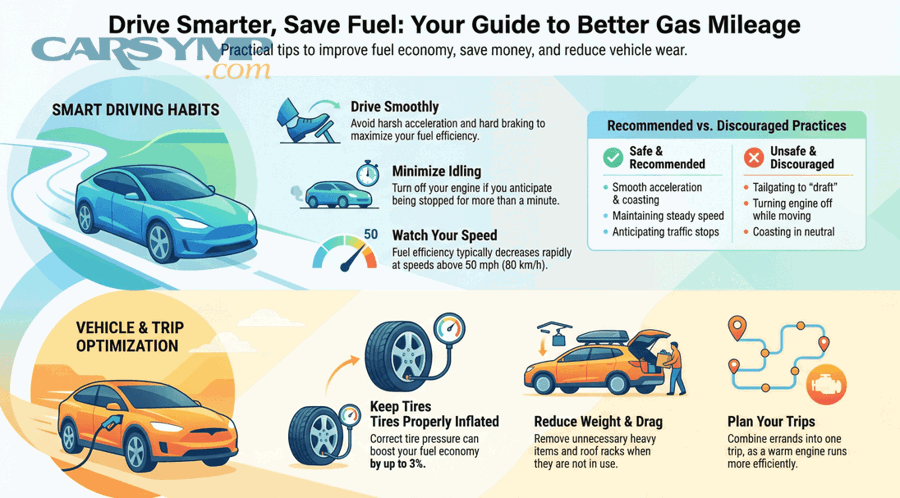
In practical terms, that means a tune-up affects how completely the engine burns fuel, how steadily it idles, how easily it starts, and how smoothly it responds when you press the gas pedal. If combustion becomes weaker or less consistent, the driver often notices a rougher idle, slower pickup, or more fuel used for the same trip. That is why the phrase “improve MPG and drivability” makes sense only when the vehicle has something to recover.
Can a tune-up really improve gas mileage and make a car drive smoother?
Yes, a tune-up can improve gas mileage and make a car drive smoother because it restores efficient combustion, corrects airflow restriction, and reduces ignition-related hesitation or misfire.
Specifically, the biggest reason is combustion quality. When the spark is strong, air enters freely, and fuel is delivered and burned as intended, the engine wastes less energy. The second reason is stability. Worn tune-up items often create rough idle, stumble on acceleration, or minor misfires that make the car feel less refined even before a warning light appears. The third reason is load response. A better-running engine does not have to struggle as much under normal driving conditions, so everyday drivability improves.
That does not mean every tune-up creates a dramatic jump. If the car was already maintained well, the change may be subtle. If the car was overdue for plugs or had a maintenance-related fault, the change can be obvious. The key idea is that a tune-up helps when there is something measurable to correct, not simply because the phrase itself sounds beneficial.
According to the U.S. Department of Energy, fixing a serious maintenance problem such as a faulty oxygen sensor can improve mileage by as much as 40%, while keeping a vehicle properly maintained improves fuel economy overall. (energy.gov)
What is “drivability” in everyday driving terms?
Drivability is the way a vehicle starts, idles, responds, and moves smoothly during normal driving conditions.
More specifically, drivability is not one single part or one single symptom. It is the combined feel of the vehicle when you turn the key or press the start button, let the engine idle at a light, merge into traffic, climb a hill, or cruise through stop-and-go driving. A car with good drivability starts predictably, idles steadily, accelerates smoothly, and does not hesitate, surge, or shudder without reason.
This matters because many drivers focus only on MPG, yet they notice drivability first. They feel the shaky idle before they calculate fuel use. They notice the sluggish response before they realize the tank is empty sooner. That is why drivability is such an important part of the tune-up discussion. It translates engine efficiency into a driving experience people can feel immediately.
In short, a tune-up improves drivability when it removes the small maintenance-related problems that make a vehicle feel rough, uncertain, or inconsistent in daily use.
Which tune-up parts most affect fuel economy and smooth driving?
There are five main tune-up areas that affect MPG and smooth driving most: spark plugs, air filtration, ignition components, fuel system condition, and airflow-related service items.
To better understand which parts matter, it helps to group them by function rather than by sales package. Some tune-up parts affect how the engine lights the mixture, some affect how air gets in, and some affect how fuel is delivered. When any of those functions weaken, both fuel economy and drivability can suffer.
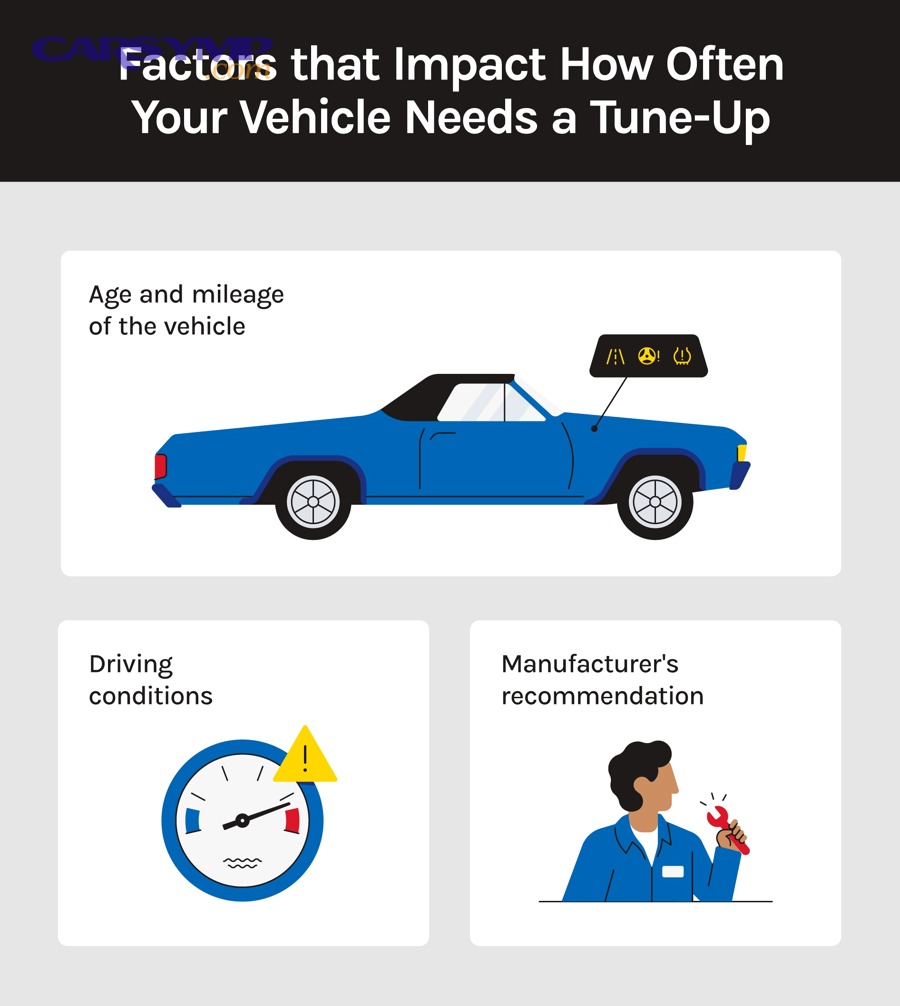
A modern tune-up usually centers on the parts that wear gradually and influence combustion the most. That includes spark plugs first, then air intake restriction, then related ignition or deposit issues that reduce smooth response. In some vehicles, the service list also includes a PCV valve, throttle body inspection, or fuel injector cleaning if symptoms or manufacturer guidance support it.
What tune-up components help MPG the most?
There are five main tune-up components that help MPG most: spark plugs, engine air filter, oxygen-sensor-related maintenance, fuel-system cleanliness, and proper ignition performance.
Specifically, spark plugs matter because weak or worn plugs can reduce combustion efficiency. The engine air filter matters because restricted airflow can disrupt the engine’s ability to breathe easily. Oxygen-sensor-related maintenance matters because fuel control depends heavily on sensor accuracy, even though that is often more diagnostic than classic tune-up work. Fuel-system cleanliness matters because uneven spray or deposit buildup can make combustion less consistent. Ignition performance matters because poor spark energy can waste fuel even when the vehicle still runs.
To make the grouping easier to follow, the table below shows what each major tune-up area commonly influences.
| Tune-up area | What it affects most | Typical MPG impact logic | Typical drivability effect |
|---|---|---|---|
| Spark plugs | Combustion quality | Reduces wasted fuel from weak ignition | Smoother idle, better response |
| Engine air filter | Airflow | Helps engine breathe with less restriction | Less sluggish acceleration |
| Ignition coils/boots | Spark consistency | Prevents incomplete burn under load | Fewer hesitations or misfires |
| Fuel system condition | Fuel delivery pattern | Supports more even combustion | Better throttle feel |
| Throttle body / PCV related airflow | Idle and airflow control | Helps stable air management | Better idle and transition off-idle |
The most important point is that MPG gains come from restoring balance. If the spark is weak but airflow is good, or if airflow is restricted but the plugs are fresh, the engine still cannot perform at its best. Tune-up work matters most when it solves the actual weak link.
According to the Department of Energy, keeping a car in good condition and correcting serious maintenance issues can materially improve fuel economy, which is why tune-up-related repairs matter most when they address a real source of efficiency loss. (energy.gov)
Which tune-up components improve drivability the most?
There are five main tune-up components that improve drivability most: spark plugs, ignition coils or boots, throttle body condition, fuel delivery cleanliness, and airflow-related maintenance items.
For drivability, the hierarchy shifts slightly. Spark quality still matters first because rough idle, stumble, and hesitation often come from weak or inconsistent ignition. Ignition coils and boots matter because they support that spark under load. Throttle body condition matters because airflow transitions at idle and low throttle can feel uneven when deposits build up. Fuel delivery cleanliness matters because poor spray can create stumble or surging. Airflow-related service items matter because a restricted filter or PCV issue can make the engine feel dull or unstable.
This is where Throttle body and fuel system services in tune-ups often enter the conversation. Some shops automatically push them as part of every tune-up, but the smarter approach is symptom-based and vehicle-specific. A dirty throttle body can absolutely contribute to rough idle or uneven throttle response, but it is not equally necessary on every vehicle at every interval. The same goes for injector cleaning. The service should match the symptom, maintenance history, and manufacturer guidance, not just a generic menu.
For everyday drivers, the simplest rule is this: the parts that most affect drivability are the ones that shape idle quality, acceleration smoothness, and low-speed response. If those are the problems you feel, your tune-up evaluation should start there.
How do spark, air, and fuel changes restore engine efficiency?
Spark, air, and fuel changes restore engine efficiency by helping the engine ignite the mixture fully, breathe with less restriction, and maintain a more stable combustion process.
Let’s explore the mechanism behind the result. An engine needs the right amount of air, the right amount of fuel, and enough spark energy to ignite that mixture at the right time. When any one of those three weakens, the engine either wastes part of the fuel, struggles to maintain steady output, or compensates in ways that reduce smoothness and economy.

A tune-up matters because the common wear items sit directly in that process. Spark plugs wear from heat and electrical stress. Air filters accumulate debris. Deposits in the throttle body or injectors can disrupt smooth airflow or fuel delivery. Even when the engine still runs, those small degradations can stack up into noticeable inefficiency.
How do worn spark plugs hurt MPG and throttle response?
Worn spark plugs hurt MPG and throttle response by weakening combustion, increasing the chance of incomplete burn, and making power delivery less consistent.
More specifically, spark plugs operate in a harsh environment. They fire constantly, absorb heat, and slowly wear at the electrode. As they wear, the gap can widen and the spark can become less reliable, especially under load. That does not always cause an immediate no-start condition. More often, it causes a softer, less efficient burn that shows up as sluggish pickup, mild hesitation, rough idle, or fuel wasted in the effort to maintain normal performance.
This is one reason a vehicle can feel “fine enough” but still perform below its potential. The change is gradual. Drivers adapt to it. Then, after fresh plugs are installed, the engine often feels cleaner and more eager because the combustion event is more consistent again.
According to a technical service bulletin published through NHTSA, carbon accumulation on spark plugs can result in rough idle or misfire, which shows how spark-plug condition directly affects smoothness and usable performance. (static.nhtsa.gov)
How do dirty filters and fuel system deposits affect smooth drivability?
Dirty filters and fuel system deposits affect smooth drivability by restricting airflow, disturbing fuel delivery, and making the engine respond less evenly at idle and during acceleration.
For example, a heavily loaded engine air filter can reduce how freely the engine breathes. On many modern vehicles, the engine control system compensates for normal filter wear quite well, so a slightly dirty filter may not create a dramatic change. Still, once restriction becomes significant, the engine can feel less responsive. Deposit buildup creates a different problem. Carbon or varnish in airflow passages or on injector tips can affect how smoothly the engine transitions from idle to light acceleration.
This is why Throttle body and fuel system services in tune-ups are sometimes worthwhile and sometimes oversold. A throttle body cleaning can help when idle control or initial throttle response has become rough due to deposits. Fuel system service can help when injector pattern or deposit-related symptoms are present. But those are not universal miracle cures. They work best when the symptom matches the service.
That distinction matters for Avoiding unnecessary “tune-up” upsells. A good shop explains why the service is recommended, what symptom or inspection result supports it, and whether the manufacturer actually calls for it. A weak explanation such as “we do this on every car” should make you slow down and ask better questions.
What signs show a tune-up may restore lost MPG and drivability?
Yes, rough idle, hesitation, hard starts, and unexplained MPG loss are common signs that a tune-up may restore performance, especially when the problem develops gradually.
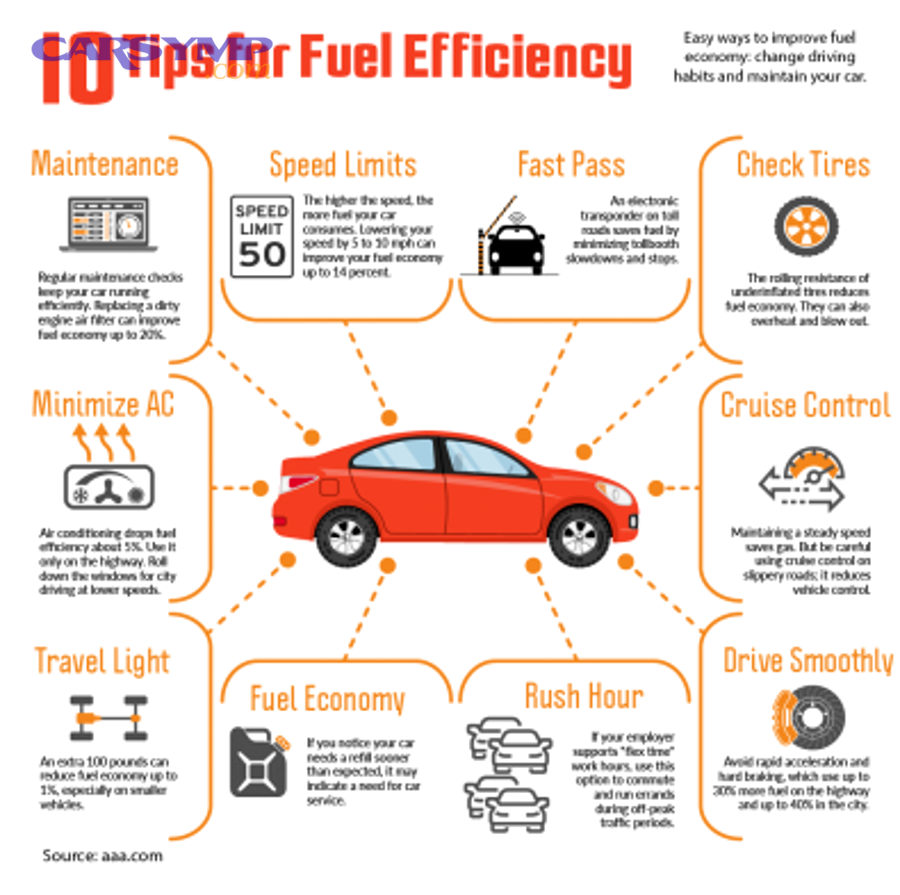
To better understand the heading, think about symptoms in clusters. One symptom alone may not tell the whole story, but several mild symptoms together often point toward maintenance-related degradation. A car that idles rougher, accelerates less cleanly, and gets fewer miles from a tank is showing the classic pattern that tune-up work is designed to investigate.
These signs matter because they help drivers decide whether to start with maintenance or jump straight to advanced diagnostics. If the symptoms line up with overdue wear items and no major warning signs are present, tune-up work is often a reasonable first step. If the symptoms are severe, sudden, or accompanied by a check-engine light, a diagnostic path becomes more important.
Are rough idle, hesitation, and lower MPG signs you may need a tune-up?
Yes, rough idle, hesitation, and lower MPG are signs you may need a tune-up because they often reflect worn ignition parts, airflow restriction, or deposit-related inefficiency.
Specifically, rough idle suggests the engine is not burning its mixture as evenly as it should at low speed. Hesitation during takeoff suggests delayed or unstable response when load changes. Lower MPG suggests the engine is using more fuel to do the same work. Together, those signs often fit the pattern of aging spark plugs, weak ignition support, restricted intake flow, or serviceable deposit buildup.
However, the timing and severity of the symptoms still matter. A mild and gradual decline often points toward maintenance items. A sudden and severe decline can point toward a fault that needs diagnosis before or alongside a tune-up. That is why the best next step is not blind part replacement but a maintenance review tied to the vehicle’s schedule and present condition.
According to the Department of Energy, regular maintenance checks help avoid fuel-economy problems caused by worn spark plugs and other vehicle issues, while the check-engine light can indicate problems that affect mileage even when the vehicle seems to run normally. (energy.gov)
Which symptoms suggest a tune-up issue versus a bigger engine problem?
Tune-up issues are more likely with gradual roughness, mild hesitation, and overdue maintenance, while bigger engine problems are more likely with severe misfire, major warning lights, or sudden loss of performance.
More specifically, a tune-up issue often develops slowly. The engine still runs, but it feels less smooth, less sharp, and less efficient. The symptoms may be most noticeable at idle, during light acceleration, or during cold starts. Bigger engine problems often feel more dramatic. The vehicle may shake heavily, flash a warning light, lose power suddenly, or show symptoms unrelated to normal wear items.
The comparison below helps separate the two patterns.
| Symptom pattern | More likely tune-up related | More likely bigger issue |
|---|---|---|
| Gradual MPG decline | Yes | Sometimes |
| Mild rough idle | Yes | Sometimes |
| Slight hesitation | Yes | Sometimes |
| Flashing check-engine light | Less likely | More likely |
| Sudden severe power loss | Less likely | More likely |
| Repeated overheating, coolant loss, loud knock | No | More likely |
This comparison is not a diagnosis, but it is a useful filter. If the car is only mildly degraded and overdue for service, a tune-up path makes sense. If the car is clearly failing, diagnostics should come first. That is another part of Avoiding unnecessary “tune-up” upsells: maintenance cannot solve every problem, and an honest shop should say so.
According to NHTSA-published service information, misfire diagnosis requires checking for stored trouble codes and correcting external spark plug or ignition coil concerns before proceeding, which reinforces the difference between basic maintenance-related causes and deeper faults. (static.nhtsa.gov)
How much improvement should drivers realistically expect after a tune-up?
A tune-up usually restores lost MPG and smoother response rather than creating dramatic gains, with the biggest improvement appearing in neglected vehicles or cars with a clear maintenance-related issue.
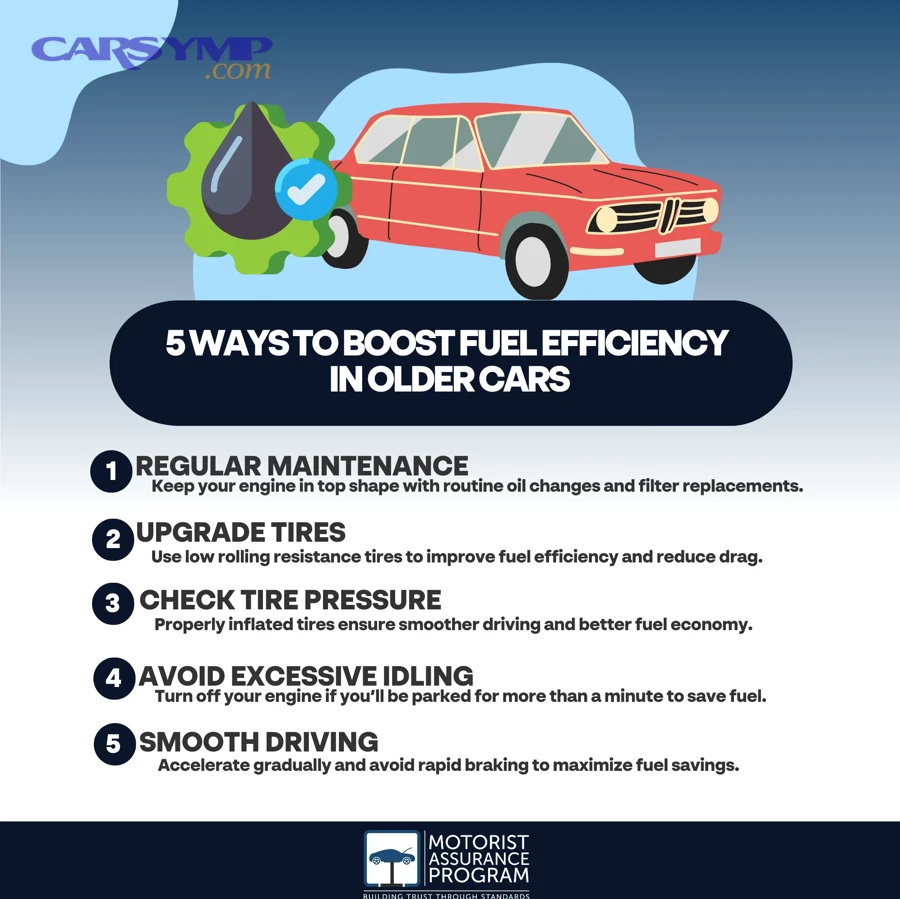
To better understand realistic outcomes, separate expectation from advertisement. A healthy, current vehicle rarely gains huge fuel economy from routine tune-up work because little performance was missing. A neglected vehicle can feel much better because several small losses are being corrected at once. The same logic applies to drivability. The more noticeable the maintenance-related symptom before service, the more noticeable the recovery afterward.
This is why the word “restore” is more accurate than the word “boost” for most everyday drivers. Restore implies recovery of lost condition. Boost suggests an upgrade beyond normal baseline. In most tune-up situations, recovery is the honest goal.
Does a tune-up increase MPG or mainly restore what the car has lost?
A tune-up mainly restores what the car has lost, while any MPG increase is usually the visible result of recovering from wear, deposits, or overdue maintenance.
Specifically, if the engine has worn plugs, a restricted filter, or another maintenance-related weakness, the car is already operating below its intended level. Replacing or cleaning the right items can make MPG rise compared with the recent average, but that increase is really a return toward normal efficiency. It is not proof that tune-ups create fuel economy out of nowhere.
This distinction helps drivers evaluate claims more carefully. If a shop promises large gains without pointing to a specific problem, that promise is too vague. If a shop explains that the car is overdue for plugs, shows restricted airflow, or identifies a related fault that hurts fuel control, the recommendation is grounded in something real.
According to a Department of Energy gas-saving publication, fixing a car that is noticeably out of tune or has failed an emissions test can improve gas mileage by an average of 4%, while severe maintenance faults can produce larger gains. (afdc.energy.gov)
What factors determine whether a tune-up noticeably improves drivability?
There are five main factors that determine whether a tune-up noticeably improves drivability: maintenance history, symptom severity, vehicle mileage, actual root cause, and how closely the service matches the problem.
The first factor is maintenance history. A well-kept car has less hidden performance to recover. The second is symptom severity. The rougher and more obvious the issue, the more likely the driver notices improvement. The third is mileage and age. Higher-mileage vehicles often accumulate more wear or deposits. The fourth is the actual root cause. If drivability issues come from a sensor fault, vacuum leak, or transmission problem, tune-up work alone may not solve them. The fifth is service accuracy. Replacing the right worn part matters more than buying the biggest maintenance package.
This is also where DIY tune-up tasks for beginners can make sense. Replacing an engine air filter, checking service records, inspecting obvious intake components, or replacing spark plugs on an accessible engine can produce meaningful results when the job matches the vehicle’s need. But beginner work should stay within safe limits. If access is poor, scan data is needed, or misfire diagnosis is unclear, professional help is the better path.
In short, a noticeable improvement comes from correct targeting. A tune-up works best when the vehicle is overdue, the symptoms fit, and the service addresses the real source of the problem.
How is a modern tune-up different from a diagnostic service or general maintenance?
A modern tune-up restores serviceable wear items, a diagnostic service finds root causes, and general maintenance covers the broader schedule of routine vehicle care.

To better understand the heading, imagine three overlapping circles. A tune-up sits inside routine maintenance because it focuses on engine-related wear items that affect efficiency and drivability. Diagnostics sit beside it because they identify why a symptom is happening. General maintenance sits above both because it includes many other services, from oil changes to fluid inspections to brake work.
That distinction matters because many people use the word tune-up as a catch-all phrase. Shops know that, so the term can become vague. For the driver, the smarter question is not “Do I need a tune-up?” but “Which maintenance or diagnostic step matches my symptom and my schedule?”
What is the difference between a tune-up and a diagnostic service?
A tune-up addresses expected maintenance items, while a diagnostic service identifies the specific cause of a symptom or fault code.
More specifically, a tune-up is preventive or restorative. It deals with known wear items such as spark plugs, filters, and certain serviceable air or fuel components. A diagnostic service is investigative. It uses scan data, testing, and inspection to determine why the vehicle is running poorly, why the warning light is on, or why a symptom persists after maintenance.
This comparison explains why some cars need both. A vehicle that is overdue for plugs and also has a fault code may need maintenance plus diagnosis. A vehicle that only has a severe fault may need diagnosis first. A vehicle that only shows mild decline and is overdue for service may begin with tune-up work. The sequence depends on evidence, not on the popularity of the word tune-up.
This distinction is essential for Avoiding unnecessary “tune-up” upsells. If a symptom clearly requires testing, a shop should not hide behind a generic service package. Likewise, if the issue is simply overdue maintenance, the shop should not overcomplicate it into expensive diagnosis without reason.
Should everyday drivers get a tune-up, a diagnosis, or both?
Everyday drivers should get a tune-up when maintenance is overdue, a diagnosis when symptoms are severe or sudden, and both when a neglected vehicle also shows active faults.
Specifically, choose a tune-up first when the vehicle has a gradual decline, no major warning signs, and a clear overdue maintenance history. Choose diagnosis first when the check-engine light is on, the engine misfires badly, the problem appeared suddenly, or the symptoms point beyond normal wear. Choose both when the vehicle obviously needs service but also has coded faults or persistent drivability issues.
A practical checklist helps:
- Start with the owner’s maintenance schedule.
- Note whether symptoms were gradual or sudden.
- Check whether the warning light is on.
- Ask the shop which symptom or inspection result supports each recommendation.
- Separate necessary items from optional add-ons.
That last step is where many drivers save money. A legitimate tune-up is not the same as a pile of loosely related services. A good shop can explain why each item belongs. A weak shop sells “peace of mind” without evidence. When you understand the difference, you can approve real maintenance and decline fluff.
When is a tune-up worth it for modern cars and different mileage stages?
Yes, a tune-up is worth it for modern cars when maintenance items are due, symptoms match serviceable wear, or the vehicle has clearly lost smoothness and efficiency over time.
Next, it helps to place tune-ups in the reality of modern vehicles. Older cars once needed frequent ignition adjustments and simpler service patterns. Newer cars have longer-lasting plugs, smarter engine controls, and more stable fuel management. That does not eliminate tune-up value. It changes when and why tune-up work matters.

Modern cars need fewer traditional tune-up actions, but they still rely on wear items that eventually affect MPG and drivability. So the better question is not whether tune-ups still exist, but which tune-up items matter at your mileage and condition.
Do modern cars still need tune-ups like older vehicles did?
Modern cars still need tune-up-related maintenance, but not as often or in the same form as older vehicles did.
However, the reason has changed. Older vehicles often needed frequent ignition adjustment, simpler component replacement, and more hands-on mechanical correction. Modern vehicles use long-life spark plugs, electronic engine management, and more precise fuel control. That reduces frequency, but it does not remove wear. Spark plugs still age. Intake systems still collect deposits. Air filters still load with debris. Sensors and coils still affect how the engine runs.
So the real difference is interval and precision. A modern tune-up is less about “tuning” and more about replacing or servicing the few items that still influence combustion and drivability when they wear out. The service is usually more targeted, more schedule-based, and more dependent on symptoms and scan information than old-school tune-up culture.
What mileage milestones make tune-up items more relevant?
There are three broad mileage stages where tune-up items become more relevant: early ownership checks, midlife scheduled service, and high-mileage symptom-based restoration.
In the early stage, the focus is mostly inspection and schedule awareness. The vehicle may not need much beyond filters and routine checks. In the midlife stage, longer-life spark plugs and other tune-up items often come into the picture according to manufacturer intervals. In the high-mileage stage, the issue becomes broader: deposits, coils, airflow cleanliness, and accumulated wear can all influence drivability even if the car still runs.
The exact mileage always depends on the vehicle. Some spark plugs last far longer than older designs. Some throttle-body issues show up earlier in stop-and-go use. Some engines remain very smooth well past expected intervals because they have been cared for consistently. That is why the owner’s manual remains the first reference point, while symptoms help confirm whether the service is timely or urgent.
Is a tune-up worth it if your MPG dropped only a little?
Yes, a tune-up can be worth it after a small MPG drop if the vehicle is overdue for service, but no, it is not automatically worth a large service package without evidence.
More specifically, a small drop by itself does not prove the engine needs major tune-up work. Weather, trip length, tire pressure, fuel blends, and driving habits also affect MPG. But if the small MPG drop appears alongside rough idle, hesitation, harder starts, or overdue spark plugs, tune-up work becomes much more reasonable.
This is where disciplined decision-making pays off. First, check the basics. Second, compare current symptoms with maintenance history. Third, ask whether the recommended service addresses a real issue or merely sounds comprehensive. That process keeps the tune-up conversation grounded.
According to the EPA, vehicle condition affects fuel economy, but real-world mileage varies for many reasons, so maintenance should be evaluated alongside actual symptoms and operating conditions rather than by MPG change alone. (epa.gov)
How does a tune-up compare with replacing only one worn part?
A full tune-up is best when several maintenance items are due together, while replacing one worn part is best when one clearly identified item is the only real problem.
On the other hand, this is where many drivers either overspend or underspend. They overspend when they buy a full package even though only one item has failed. They underspend when they replace one obvious item but ignore several overdue components that are all contributing to the same decline. The better choice depends on the pattern of wear.
If the car is overdue across multiple tune-up items, a grouped service can make sense. If the vehicle is current on most maintenance and only one part is weak, targeted replacement is smarter. That is the practical heart of Avoiding unnecessary “tune-up” upsells. Shops should explain whether they are solving one confirmed weakness or refreshing a whole overdue system. Once that is clear, the recommendation becomes much easier to judge.
For beginners, this is also the safest way to think about DIY tune-up tasks for beginners. Replace a clearly due air filter. Replace accessible spark plugs if the procedure is straightforward and the torque specs are known. Do not assume every symptom justifies a full menu of cleaners, additives, and bundled services. The best tune-up is the one that fits the actual condition of the car.
In short, tune-ups improve MPG and drivability when they restore lost combustion efficiency and smooth response through the right maintenance at the right time. They are worth doing when the vehicle is overdue, the symptoms fit, and the recommendation is based on evidence rather than upselling.