


New tires should be balanced as soon as they are installed because a brand-new tire-and-wheel assembly can still have small weight variations that create vibration, uneven tread wear, and extra stress on steering and suspension parts at speed. That is why balancing is treated as part of proper new tire installation rather than an optional add-on. (continental-tires.com)
The next question is not only whether balancing is necessary, but how it should be done well. Good results depend on correct mounting, inspection of the wheel and tire before spinning, accurate centering on the balancer, and smart weight placement that solves the imbalance without creating cosmetic or fitment problems. (michelinman.com)
Then, many drivers want to know which method makes sense for their situation. Standard balancing works for most everyday installations, while road force testing becomes more useful when a vehicle still shakes after a normal balance, when low-profile tires are involved, or when a technician suspects uniformity, runout, or bead-seating problems. (hunter.com)
Introduce a new idea: balancing does not end when the car leaves the shop. Car owners also need to know how to recognize a bad balance job, when to rebalance after installation, and how wheel balancing differs from alignment, rotation, and mounting so they can ask for the right service at the right time. (bridgestonetire.com)
Do New Tires Need to Be Balanced Right Away?
Yes, new tires need to be balanced right away because new assemblies still have slight heavy and light spots, balancing reduces vibration, and proper balance helps protect tread life and ride quality.
To better understand this issue, it helps to look at what “new” really means in tire service.
Why Does a Brand-New Tire Still Have Weight Imbalance?
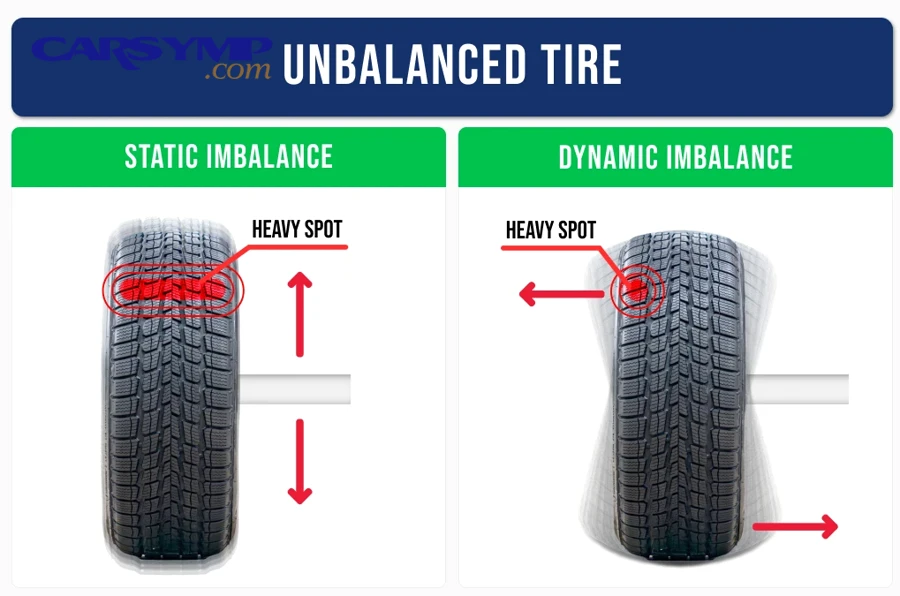
A brand-new tire is new, but it is not perfectly uniform in mass all the way around. The tire has manufacturing tolerances, the wheel has its own tolerances, and once both parts are mounted together, the assembly can develop a combined heavy spot. That is the practical reason shops use a balancing machine even when the tire just came out of the wrapper.
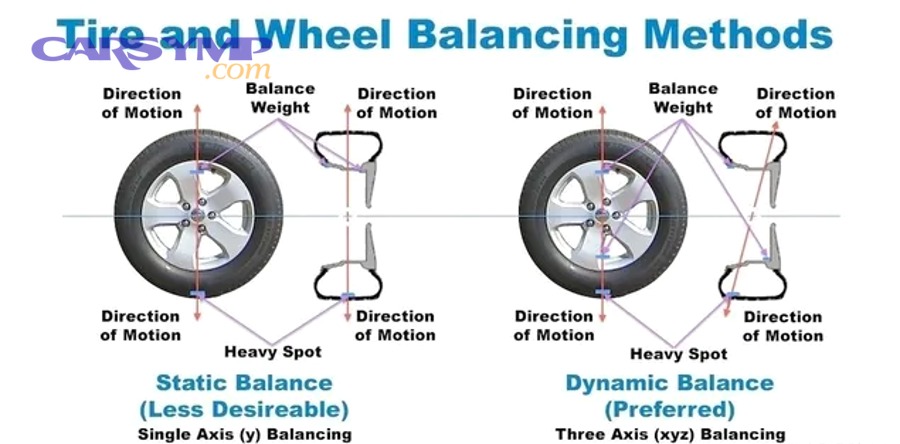
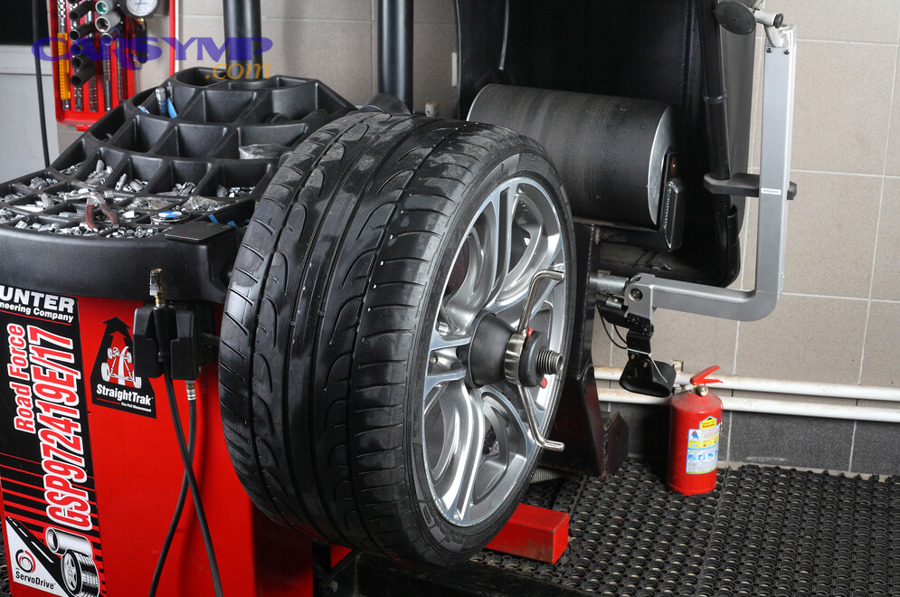
More specifically, wheel balancing corrects the total assembly, not just the tire by itself. A technician spins the mounted wheel and tire together because the imbalance comes from the relationship between both parts. If the machine finds uneven mass distribution, it tells the technician where to place weight so the assembly rotates more evenly. Bridgestone explains that balancing uses a machine to indicate where weight should be added so the tire-and-wheel assembly is equalized all around, while Continental notes that proper balance distributes weight equally around the circumference. (bridgestonetire.com)
This point matters because many car owners assume a new product should already be perfectly balanced. In reality, the tire manufacturer can build within spec and the wheel can be within spec, yet the mounted combination can still need correction. Michelin also treats professional mounting and balancing as part of normal new tire service, which reinforces that balance is expected at installation, not only after a problem appears. (michelinman.com)
What Problems Can Happen If New Tires Are Not Balanced?
Unbalanced new tires can cause steering wheel shake, seat or floor vibration, uneven tread wear, and additional stress on suspension and steering components. Those effects usually become more noticeable at certain road speeds because imbalance grows more obvious as rotational speed increases.
Specifically, the first symptom most drivers notice is vibration on the highway. A front-wheel imbalance often shows up in the steering wheel, while a rear imbalance may feel more like a shake in the seat or cabin floor. If the condition continues, the tire can wear irregularly and the car may feel less refined even if alignment is correct. Continental states that unbalanced wheels can cause uncomfortable vibration and premature wear, and Bridgestone links regular balancing with longer tire life and better performance. (continental-tires.com)
The cost of skipping balance also grows over time. A driver might save a small service charge on installation day but lose more value through shortened tire life, repeat shop visits, and unnecessary suspension complaints later. That is why the best practice is simple: balance at installation, then monitor how the car feels as the tires break in over the first drives.
According to Continental, properly balanced tires distribute weight equally around the wheel assembly, while unbalanced wheels can create vibrations and premature wear of tires and related components. (continental-tires.com)
What Are the Best Practices for Balancing New Tires?
The best practices for balancing new tires are to inspect first, mount carefully, center the wheel accurately, and place the correct amount of weight in the correct location.
Next, each part of that process matters because a balancer can only fix what the technician measures correctly.
What Steps Should Be Followed Before the Wheels Are Balanced?
The most important step before balancing is inspection. A technician should check the tire, wheel, and mounting condition before assuming a vibration problem is only a weight problem.
For example, Michelin advises visual inspection before mounting because damage, improper repairs, or rim issues can compromise safety, performance, and tire longevity. That matters in real service work because a bent wheel, poorly seated bead, wrong fitment, or damaged rim can produce symptoms that look like simple imbalance but will not be solved by adding weights alone. (michelinman.com)
A strong pre-balance routine usually includes these checks:
- Confirm the wheel and tire are compatible and in good condition
- Inspect the rim for bends, cracks, corrosion, or debris where the bead seats
- Verify directional or asymmetric tire orientation if the tire is marked
- Seat the beads properly and inflate to the correct pressure
- Mount the assembly accurately on the balancer so the machine reads the wheel center correctly
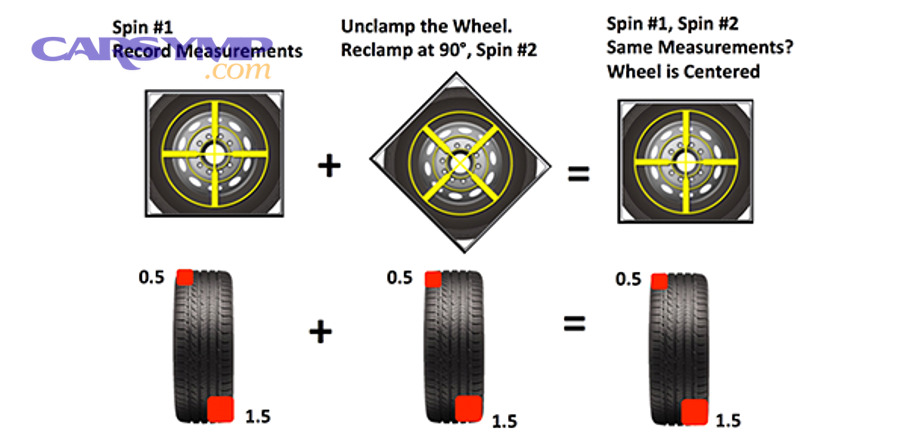
Hunter notes that precise wheel balancing depends on accurate center mounting and distortion-free clamping, which means the assembly has to be positioned correctly on the balancer before the machine reading can be trusted. (dev-huntercom-core.hunter.com)
This is also why experienced shops often separate “installation quality” from “balance quality.” If a tire is not seated correctly or the wheel is not centered correctly on the machine, the final result may still vibrate even if the display says the wheel is balanced. Hunter further notes that improper bead seating and bent rims are among the non-balance-related problems diagnostic balancers can identify. (hunter.com)
Which Weight Placement Practices Help Achieve the Best Result?
The right weight placement uses the least corrective weight necessary, places it where the machine specifies, and matches the wheel type so the fix is both effective and appropriate for the rim design. That is the heart of “Weight types and placement considerations.”
More specifically, technicians usually choose between clip-on weights and adhesive weights. Clip-on weights are common on many steel wheels because they attach securely to the rim flange and are quick to install. Adhesive weights are often preferred on alloy wheels because they can be hidden behind spokes, reduce cosmetic impact, and avoid marring a visible lip. Michelin explains that balancing, alignment, mounting, and fitment work together as a system, so weight choice should fit the wheel and service goal rather than follow a one-method-only habit. (michelinman.com)
Placement also matters as much as weight type. The technician should clean the mounting surface for adhesive weights, avoid placing weights where brake hardware or spoke geometry can interfere, and follow the balancer’s inner and outer plane instructions. On many modern machines, smart placement strategies can reduce total weight use while still achieving an acceptable result. Hunter states that its SmartWeight approach is designed to provide the best possible balance while reducing the amount of weight needed. (hunter.com)
In practical terms, car owners do not need to tell a shop exactly where to put weights, but they should expect the shop to use a method that suits the wheel. If you have premium alloy wheels, asking whether the shop uses adhesive weights on the inside barrel is reasonable. If you have basic steel wheels, clip-on weights may be completely appropriate.
According to Hunter, precise wheel balancing relies on accurate centering and wheel protection, while its balancing technology can reduce the amount of corrective weight required when used properly. (dev-huntercom-core.hunter.com)
Which Balancing Method Is Best for New Tires?
Standard balancing is best for most normal new-tire installations, road force balancing is best for persistent vibration cases, and diagnostic balancing is most useful when the problem may involve runout, uniformity, or mounting issues.
Let’s explore how those methods differ in real-world service.
What Is the Difference Between Standard Balancing and Road Force Balancing?
Standard balancing measures mass imbalance and tells the technician where to add weight. Road force balancing goes further by applying a roller load against the tire to simulate road contact and detect issues that a standard spin alone may miss.
That difference matters when a car still vibrates after a normal balance. A standard balancer can correct heavy and light spots, but it cannot always explain tire uniformity issues, rim runout, bead seating problems, or force variation that shows up only under load. Hunter describes Road Force equipment as capable of identifying tire uniformity issues, bent rims, improper bead seating, and tire pull concerns. (hunter.com)
Road force balancing and when it helps becomes easier to understand if you think about symptom severity. If you install ordinary all-season tires on a family sedan and the car drives smoothly, a standard balance is often enough. If you install low-profile tires on large wheels, notice a highway shake after balancing, or have a more vibration-sensitive vehicle, road force testing can save time because it helps separate a true balance issue from a tire or wheel uniformity issue. Hunter’s literature also notes that proper bead seating can reduce road force vibration on average and that combining bead seating improvement with match-mounting can greatly reduce vibration complaints. (hunter.com)
When Is a Basic Balance Good Enough and When Should You Upgrade?
A basic balance is usually good enough for routine daily driving when the wheel is straight, the tire seats properly, and the car leaves the shop with no vibration. An upgraded diagnostic balance is more appropriate when symptoms persist, the wheel-and-tire package is less forgiving, or the customer expects a higher refinement standard.
More specifically, these situations often justify moving beyond a basic balance:
- Persistent vibration after a fresh installation
- Low-profile or ultra-high-performance tires
- Large-diameter wheel packages
- Premium sedans, EVs, or luxury vehicles where minor shake is easier to notice
- History of bent wheels, curb strikes, or pothole damage
- Repeat balancing that does not solve the complaint
On the other hand, upgrading every ordinary installation to road force testing is not always necessary. The better best practice is diagnostic escalation: start with correct mounting and correct wheel balancing, then move to a more advanced method if the vehicle still shows a speed-specific vibration.
According to Hunter, its diagnostic Road Force balancers can detect non-balance issues such as rim runout, tire uniformity problems, and improper bead seating, while properly seated beads can reduce road force vibration on average by about 7 pounds in its cited testing. (hunter.com)
How Can Car Owners Check Whether New Tires Were Balanced Properly?
Car owners can check a new tire balance by driving at several speeds, watching for vibration patterns, and asking the shop targeted questions if the vehicle still shakes.
Besides the machine result, the road test is what confirms whether the service solved the real problem.
What Driving Symptoms Suggest the Balance Is Off?
The most common sign of an incorrect balance is vibration that appears at certain speeds, often on the highway, then fades or changes outside that range. That symptom pattern is typical because imbalance interacts with rotational speed rather than remaining equally strong at every speed.
For example, a driver may feel the steering wheel tremble at 55 to 70 mph, the seat buzz at highway pace, or the whole vehicle feel less settled than it did before tire service. Continental identifies static or dynamic imbalance as one common source of vibration, and Bridgestone notes that improper balance can lead to uneven wear and vibration at higher speeds. (continental-tires.com)
It also helps to separate balance symptoms from alignment symptoms. Balance issues usually create shake. Alignment issues are more likely to make the car pull, leave the steering wheel off-center, or create unusual wear patterns across the tread over time. Some overlap exists, but the feel is different enough that drivers can usually describe the problem if they pay attention to when and how it happens. Continental’s alignment guidance points to pulling, uneven wear, and an off-center steering wheel as common alignment clues. (continental-tires.com)
What Should You Ask the Shop If the Car Still Vibrates After New Tires?
If the car still vibrates, ask the shop whether the wheels were rechecked for balance, whether the wheel is bent, whether the beads are fully seated, and whether road force testing is appropriate. Those questions move the conversation from guessing to diagnosis.
More specifically, useful questions include:
- Can you rebalance all four assemblies and verify centering on the balancer?
- Did you inspect for wheel runout or rim damage?
- Are the beads fully seated on all four tires?
- Would road force testing help isolate a uniformity issue?
- Did any weight fall off or require repositioning?
- Could the vibration be coming from alignment, suspension, or another rotating part?
That last question matters because not every post-install vibration is caused by poor wheel balancing. Hunter explicitly lists bent rims, tire pull issues, uniformity concerns, and bead-seating problems as conditions its diagnostic equipment can uncover. Michelin also emphasizes that balancing, mounting, fitment, and alignment function as a system rather than isolated services. (hunter.com)
According to Continental, unbalanced wheels create vibration, while separate alignment-related symptoms include pulling and an off-center steering wheel, which helps drivers describe the problem more accurately to a shop. (continental-tires.com)
How Often Should New Tires Be Rebalanced After Installation?
New tires should usually be rechecked or rebalanced at regular service intervals and sooner after impacts, repairs, or vibration complaints.
In addition, balancing works best as part of ongoing tire maintenance, not as a one-time event.
Should Tire Balancing Be Done Again at Rotation Intervals?
Yes, balancing should often be reviewed at rotation intervals because tires wear over time, weights can shift or come off, and rotation is the natural service moment to correct emerging vibration before it becomes tire damage.
Specifically, rotation and balance are closely linked in maintenance schedules. Bridgestone says balancing every 5,000 to 6,000 miles can help maximize tire life and performance, and it also notes that many tires are rotated in the 5,000 to 8,000 mile range, with rebalancing often done with every other rotation. (bridgestonetire.com)
That does not mean every car must be rebalanced on every single rotation no matter what. A smoother rule is this: if the tires are wearing normally and the car feels stable, the shop may inspect and decide whether rebalancing is needed; if the driver reports new vibration or uneven feel, balancing should move higher on the checklist. The best practice is preventive attention rather than waiting for a serious shake.
Which Conditions Mean You Should Rebalance Sooner?
You should rebalance sooner after pothole impacts, curb strikes, flat repairs, unusual wear, or any new vibration because those events can change the wheel-and-tire assembly or knock off weights.
For example, a pothole can bend a wheel slightly, a repair can alter the tire assembly enough to justify another balance, and a lost adhesive weight can create a new shake almost immediately. Even seasonal changes in wheel-and-tire sets can justify checking balance when assemblies go back on the car. Continental and Bridgestone both tie proper tire service to preserving performance, comfort, and wear life, and Hunter identifies mounting and uniformity factors that can also influence vibration outcomes. (continental-tires.com)
Car owners can use a simple rule: if the vehicle drives differently after a wheel event, service event, or impact event, have balance checked before assuming the problem will go away on its own.
According to Bridgestone, balancing every 5,000 to 6,000 miles is a standard recommendation, while its tire-care guidance also says many tires are rotated every 5,000 to 8,000 miles and often rebalanced with every other rotation. (bridgestonetire.com)
How Does Balancing New Tires Compare With Other Tire and Wheel Services?
Balancing solves rotational weight imbalance, alignment corrects wheel angles, rotation redistributes wear positions, and mounting puts the tire onto the wheel assembly.
More importantly, understanding those differences helps car owners buy the right service instead of paying twice to chase the wrong problem.
The table below compares the four services drivers most often confuse after buying new tires.
| Service | Main purpose | Typical symptom or trigger | What it does not replace |
|---|---|---|---|
| Wheel balancing | Corrects uneven weight distribution in the tire-wheel assembly | Speed-specific vibration, shake after tire installation | Alignment, tire repair, wheel straightening |
| Wheel alignment | Corrects wheel angles so tires track properly | Pulling, crooked steering wheel, uneven wear patterns | Balancing, rotation, mounting |
| Tire rotation | Moves tires to new positions to even out wear | Scheduled maintenance, uneven front/rear wear | Balancing or alignment diagnosis |
| Tire mounting | Installs the tire onto the wheel | New tire purchase, replacement, repair | Final balancing or alignment |
What Is the Difference Between Tire Balancing and Wheel Alignment?
Tire balancing and wheel alignment solve different problems. Balancing addresses how evenly the assembly rotates, while alignment addresses the angle and direction in which the wheels point and roll.
However, drivers often confuse them because both services affect comfort and tire wear. A car with poor balance may shake at speed. A car with poor alignment may pull to one side, show an off-center steering wheel, or wear the tire shoulders unevenly. Continental’s alignment guidance highlights pulling, uneven wear, and steering-wheel position as common indicators, while its balancing guidance focuses on vibration and premature wear from uneven mass distribution. (continental-tires.com)
This comparison matters after new tire installation because some shops recommend both services together. Sometimes that is justified, especially if the old tires wore badly or the vehicle has hit potholes. Sometimes it is not. The right choice depends on symptoms, wear history, and inspection results.
How Is Balancing Different From Tire Rotation and Tire Mounting?
Balancing differs from rotation because rotation changes tire position on the vehicle, while balancing corrects how a specific wheel-and-tire assembly spins. Balancing differs from mounting because mounting installs the tire on the wheel, while balancing fine-tunes the mounted assembly.
For example, a technician can mount a tire correctly and still need to balance it. A technician can rotate tires and decide they do not need rebalance if the assemblies remain smooth and the owner reports no vibration. Michelin’s service guidance explains that mounting and balancing go together during new tire installation, while Bridgestone links rotation and balance in long-term tire care. (michelinman.com)
This is why the phrase “I got new tires, so everything should already be handled” can be misleading. A quality installation includes mounting and balancing, but it does not automatically include alignment unless inspection or wear patterns justify it. Asking the shop exactly which services were performed is always smart.
Which Weight Types Work Best for Steel Wheels vs Alloy Wheels?
Clip-on weights usually work well for many steel wheels, while adhesive weights are often preferred for alloy wheels because they protect appearance and can be hidden more easily. That is the practical answer, although wheel design can change the final choice.
Specifically, alloy wheels often benefit from adhesive weights mounted on the inner barrel because they preserve the visible outer lip and reduce the chance of cosmetic marks. Steel wheels can accept clip-on weights more easily because flange access is simpler and appearance is usually less sensitive. The broader principle behind wheel balancing is that the corrective method should fit the wheel construction and the service goal. Michelin’s guidance that balancing, mounting, and fitment work together supports that system-based approach. (michelinman.com)
For the driver, the takeaway is simple: if you care about wheel appearance, ask the shop what weight type it plans to use before the work begins.
Are Specialty Methods Like Road Force or Balancing Beads Worth It?
Road force balancing can be worth it when standard balancing does not solve a vibration complaint, while balancing beads are more niche and are usually discussed more often in specialty or heavy-duty contexts than in mainstream passenger-car service.
More specifically, road force testing earns its value through diagnosis. It helps when a standard balance says the wheel is fine but the car still shakes. That is because the issue may be load-related rather than simple static or dynamic imbalance. Hunter’s diagnostic material supports this by identifying force variation, rim runout, and bead-seating issues that ordinary balancing may not fully explain. (hunter.com)
Balancing beads, by contrast, sit outside the mainstream best-practice path for ordinary passenger cars getting new tires at a retail shop. They may be discussed in certain specialty applications, but most car owners choosing new tires today will get the clearest, most predictable result from a good installation, accurate wheel balancing, and road force testing only when symptoms justify it.
According to Michelin, mounting and balancing are standard parts of professional new tire service, while Continental and Bridgestone both connect proper balance to reduced vibration and better wear, making conventional shop balancing the default best practice for most drivers. (michelinman.com)
In short, the best practices for balancing new tires are not complicated, but they are precise. Balance the tires at installation, make sure the shop inspects and mounts them correctly, choose weight placement that suits the wheel, escalate to road force balancing when symptoms demand deeper diagnosis, and recheck balance as part of normal tire maintenance. Done that way, new tires deliver the smoother ride, steadier wear, and better ownership experience that drivers expect when they invest in a fresh set.