Wheel Balancing Explained: Signs, Alignment Differences, and What Drivers Need to Know
Wheel balancing is a tire and wheel service that corrects uneven weight distribution in a wheel-and-tire assembly so the vehicle rides more smoothly, wears tires more evenly, and avoids speed-related vibration. To begin, that core idea matters because many drivers notice shaking at the steering wheel or seat before they realize balance, not alignment, may be the real issue.
Wheel balancing symptoms usually appear as vibration at certain speeds, a rougher ride, or tire wear that seems unusual for the age of the tires. More specifically, the first practical question most readers want answered is how to tell whether the problem comes from imbalance, a damaged tire, or another chassis issue.
Balance vs alignment: when each is needed is another major concern because the two services sound similar but solve different problems. Meanwhile, balancing addresses uneven mass around the wheel assembly, while alignment corrects wheel angles that affect tracking, steering position, and directional stability.
Drivers also want to know How often to balance tires, what Balancing with new tires best practices look like, and whether advanced options such as Road force balancing and when it helps are worth the added cost. Introduce a new idea: the sections below explain the meaning, symptoms, causes, process, timing, comparison points, and advanced edge cases in a clear order.
What Is Wheel Balancing and Why Does It Matter?
Wheel balancing is a corrective service that equalizes weight around a wheel-and-tire assembly so the tire rotates smoothly, reduces vibration, protects tire life, and improves driving comfort. To better understand that issue, it helps to separate balance from other tire problems and look at how small weight differences create large effects at speed.
Is Wheel Balancing the Same as Making a Tire Spin Evenly?
No, wheel balancing is not simply the same as making a tire spin evenly because it specifically corrects uneven mass distribution, prevents vibration buildup, and helps the wheel rotate without creating force imbalances at speed. However, the distinction matters because a tire can look round and still be out of balance.
A balanced wheel assembly spreads weight evenly around the center of rotation. When one area carries more mass than the rest, centrifugal force increases as speed rises. That extra force makes the wheel tug rhythmically on the suspension, steering, and body. The driver often feels that tug as a repeating shake rather than a constant pull.
That is why wheel balancing symptoms often become obvious on faster roads instead of during slow parking-lot driving. At lower speeds, the force generated by the imbalance remains relatively small. At highway speed, even a minor weight variation can become strong enough to move the steering wheel, vibrate the seat, or create a humming roughness through the cabin floor.
This is also why balancing belongs in routine tire & wheel service rather than being treated as a luxury add-on. The goal is not just comfort. Proper balance helps the tire contact the road more consistently and reduces stress that can accelerate wear in the tread, shocks, struts, bearings, and steering parts over time.
What Parts of the Vehicle Are Affected by Poor Wheel Balancing?
Poor wheel balancing affects four main areas: tires, steering feel, ride comfort, and suspension-related components because imbalance creates repeated vibration loads during rotation. Specifically, those repeated loads spread beyond the tire itself and influence how the whole vehicle feels on the road.
The tire is the first part affected. When the assembly is out of balance, the tread may not roll with stable consistency. That does not automatically mean the wear pattern will match alignment wear, but it can still contribute to premature tread loss, localized wear, or a rougher feel that shortens useful tire life.
The steering system often shows the next symptom, especially when the front wheels are involved. Drivers commonly notice a steering wheel shimmy or tremor at specific speeds. If the rear wheels are the main source, the vibration may be felt more in the seat or floor. This front-versus-rear symptom pattern helps narrow the diagnosis, although it is not a perfect rule in every vehicle.
Ride comfort also changes. The car may feel choppy, unsettled, or noisy even on roads that usually feel smooth. Over time, repeated vibration can add strain to suspension joints and dampers because the assembly keeps transmitting small impact-like forces while rotating.
In short, wheel balancing matters because it protects more than just the tire. It supports smoother motion across the full rotating system, which is why drivers often feel immediate improvement after the service is done correctly.
What Are the Signs That Your Wheels Need Balancing?
Yes, unbalanced wheels usually show recognizable signs such as speed-related vibration, a rougher ride, uneven tire wear, and recurring shaking that becomes more noticeable as road speed increases. Next, those signs need to be interpreted carefully so they are not confused with alignment or suspension faults.
Do Unbalanced Wheels Cause Vibration at Certain Speeds?
Yes, unbalanced wheels commonly cause vibration at certain speeds because rotational force grows with speed, the imbalance becomes more pronounced, and the vehicle structure begins to transmit the shake to the driver. More specifically, the symptom often appears within a speed band rather than at every speed.
A driver may report that the car feels normal around town but starts to shake at 50 to 70 mph. Another driver may feel a brief vibration window around one speed and then a milder sensation above or below it. This pattern makes sense because suspension geometry, tire stiffness, vehicle weight, and road conditions all influence how the imbalance is felt.
When the front wheels are out of balance, the steering wheel often shakes first. When the rear wheels are the issue, the cabin may vibrate through the seat or floor. In either case, the vibration is usually rhythmic, meaning it rises and falls in a repeated pattern linked to wheel rotation rather than a random rattle.
Tire flat-spot and balance issues after sitting can also confuse diagnosis. If a vehicle remains parked for a long period, the tires may temporarily develop flat spots where they contact the ground. On the first drive, that flat spotting can feel similar to balance-related vibration. In many cases, the sensation improves after the tires warm up and regain shape. If the vibration remains, balance, tire condition, or wheel condition should be checked more closely.
Which Symptoms Belong to Wheel Balancing and Which May Point to Other Problems?
Wheel balancing symptoms mainly include speed-related shake, cabin vibration, and roughness, while pulling, off-center steering, and angle-based tire wear more often point to alignment or steering geometry issues. On the other hand, several symptoms overlap, so diagnosis should focus on pattern and context.
The table below shows the most common symptom differences between imbalance and alignment-related issues.
| Symptom | More likely wheel balancing | More likely alignment |
|---|---|---|
| Steering wheel vibration at speed | Yes | Sometimes |
| Seat or floor vibration at speed | Yes | Rarely primary |
| Vehicle pulls left or right | Uncommon | Yes |
| Crooked steering wheel while driving straight | Uncommon | Yes |
| Speed-specific shake | Yes | Less typical |
| Feathered tread from angle issues | Less typical | Yes |
| Shake after new tire install | Yes | Possible but less likely |
| Drift after pothole impact | Possible | Yes |
A helpful rule is this: if the vehicle vibrates more than it pulls, think about balancing first. If the vehicle pulls more than it vibrates, think about alignment first. Still, one issue does not cancel out the other. A car can need both services at the same time, especially after tire replacement, curb impact, or suspension work.
Because symptom overlap exists, drivers should not assume that every shake comes from balance alone. Bent wheels, tire defects, worn suspension parts, and brake issues can produce similar feedback. That is why a sound inspection process matters.
What Causes Wheels to Go Out of Balance?
Wheels go out of balance because weight distribution changes over time through tire wear, lost weights, road impacts, service events, or damage to the wheel-and-tire assembly. In addition, these causes are common enough that balancing should be considered normal maintenance rather than an unusual repair.
Can New Tires, Potholes, or Curb Hits Cause Wheel Imbalance?
Yes, new tires, potholes, and curb hits can all cause wheel imbalance because installation changes the mass distribution, impacts can shift or damage components, and wheel weights can move or fall off. Specifically, those events are among the most common triggers for post-service or post-impact vibration.
Balancing with new tires best practices starts with accepting that new tires still need balancing even though they are new. No tire and wheel assembly comes out perfectly matched by chance. A technician mounts the tire, measures the imbalance on a machine, and then adds the right amount of weight in the right location to reduce corrective force.
Potholes create a different problem. A hard hit can knock off a balance weight, alter the tire’s structure, or slightly deform the wheel. Curb hits can do the same, especially when the impact loads the sidewall and rim edge sharply. The driver may not notice visible damage, but the balance state can still change enough to create vibration.
Even normal use contributes. As a tire wears, the mass distribution of the tread changes gradually. Mud, packed snow, and road debris can also act like temporary added weights. That is why some drivers notice a vibration that appears suddenly in winter or after off-road driving and then changes again after cleaning the wheels.
What Are the Most Common Situations That Change Weight Distribution in a Wheel Assembly?
The most common situations are tire installation, tire repair, tread wear, weight loss, wheel damage, and long periods of parking because each can alter how mass is distributed around the assembly. More importantly, these causes can be grouped clearly so drivers know when to suspect balance first.
Service-related causes include new tire installation, remounting, puncture repair, and sometimes rotation if a preexisting imbalance becomes more noticeable in a new position. Road-impact causes include potholes, rough pavement, curb strikes, and wheel damage. Wear-related causes include irregular tread loss, aging tires, and partial flat spotting after storage.
A practical diagnosis often starts by asking simple questions. Did the vibration begin after a tire shop visit? Did it appear after hitting a pothole? Did the vehicle sit unused for weeks? Did the problem begin slowly as the tires aged? Those clues help connect the symptom to the likely source.
Preventing balance issues begins with this awareness. Drivers who respond early to a new shake usually spend less than those who continue driving until the tire wears faster or another component starts to suffer from constant vibration.
How Is Wheel Balancing Done?
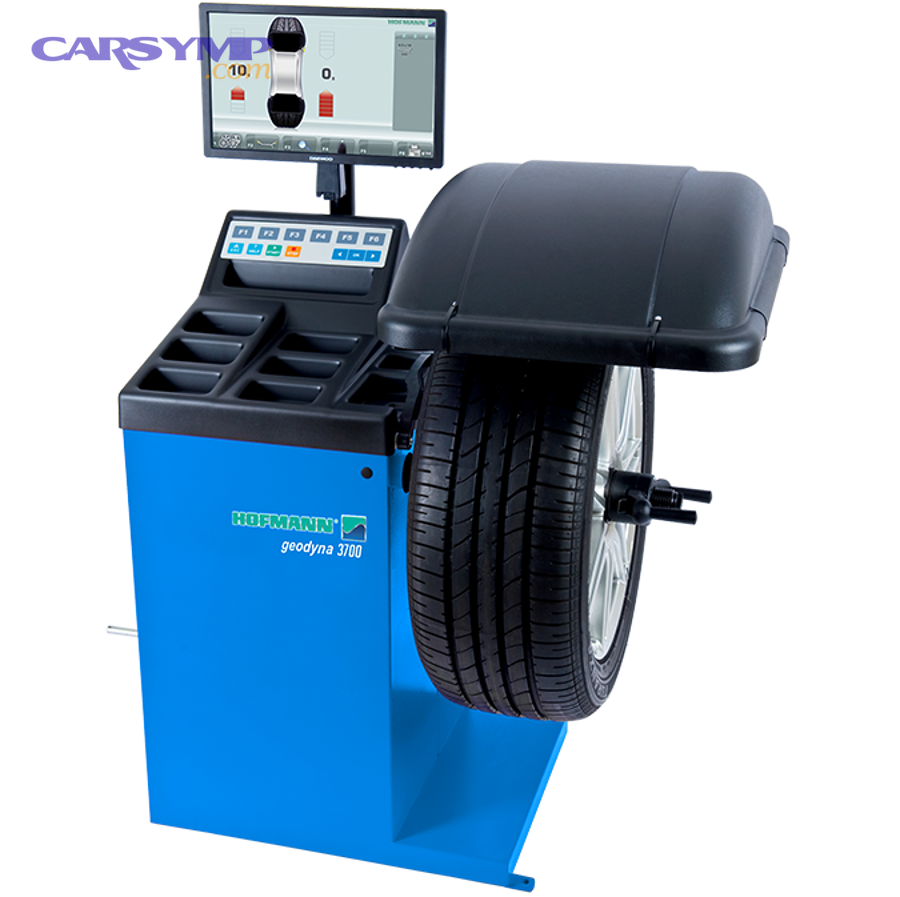
Wheel balancing is performed by mounting the wheel assembly on a balancing machine, measuring where uneven weight exists, and adding corrective weights in specific locations to reduce vibration during rotation. Let’s explore the process more closely because understanding the method helps drivers judge service quality.
What Happens During a Wheel Balancing Service?
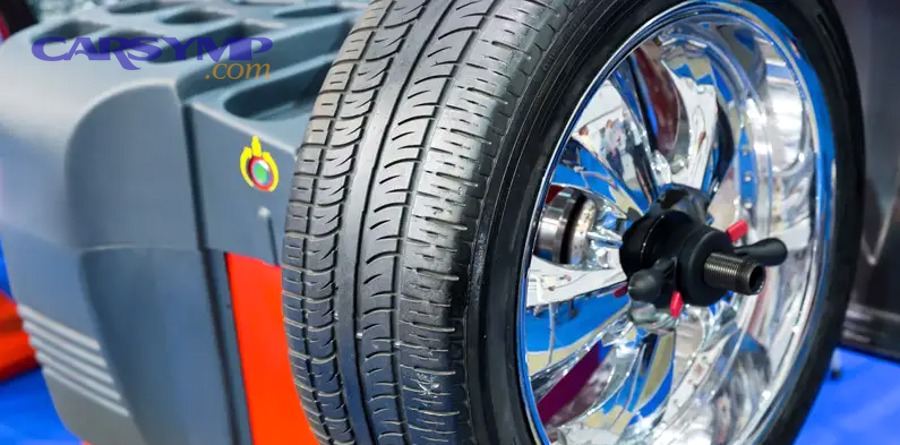
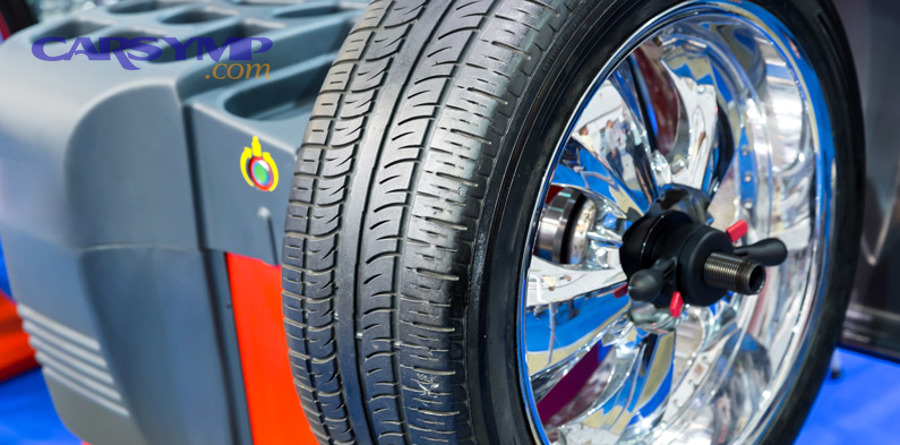
A standard wheel balancing service includes wheel removal, machine measurement, corrective weight placement, and a recheck to confirm the assembly spins within an acceptable tolerance. Then, the technician may also inspect the wheel and tire for damage that balancing alone cannot fix.
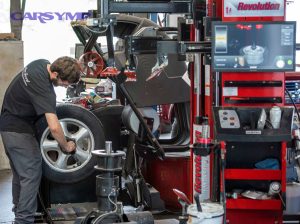
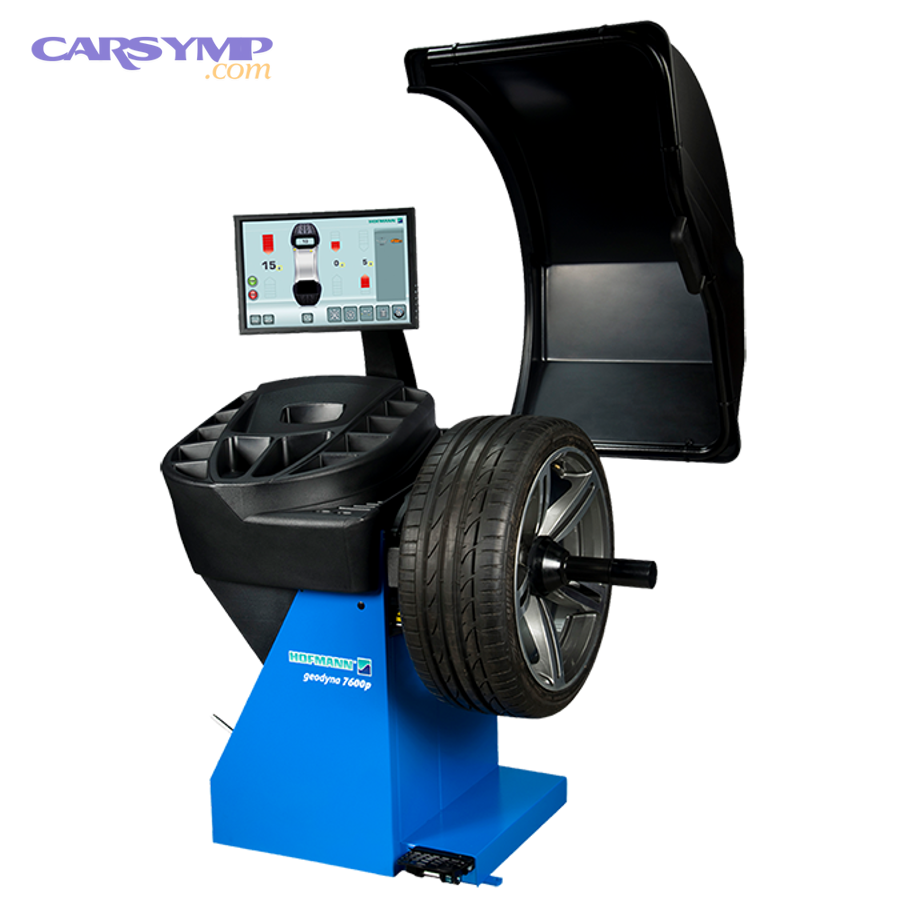
The process usually starts with removing the wheel and mounting it on a balancing machine. The technician enters wheel dimensions or uses the machine’s measuring arm, then spins the assembly. The machine identifies where and how much imbalance exists.
After the machine calculates the imbalance, the technician adds small corrective weights. The wheel is spun again to verify the correction. If the reading still shows imbalance, the technician adjusts the weight amount or placement until the numbers fall within target range.
A good service includes more than attaching weights. It also considers tire condition, wheel condition, and mounting quality. If the tire bead seats unevenly, the wheel is bent, or the tire itself has a structural issue, balance readings may remain difficult to correct completely. In those cases, the shop may recommend further diagnosis rather than pretending the machine solved everything.
Are Clip-On and Adhesive Weights Used for the Same Purpose?
Yes, clip-on and adhesive weights serve the same balancing purpose, but they differ in placement method, wheel compatibility, and appearance considerations. Specifically, Weight types and placement considerations matter because the wrong style or poor placement can reduce service quality.
Clip-on weights attach to the wheel flange and are common on many steel wheels or designs where the flange accepts them securely. Adhesive weights stick to a cleaned inner wheel surface and are often preferred for alloy wheels where visible clips would affect appearance or fit.
Placement is not random. The balancing machine indicates where weight should go, and modern dynamic balancing often requires correction on more than one plane. That is why a technician may place weights on inner and outer positions or use hidden adhesive placement to match the wheel design while still achieving the necessary correction.
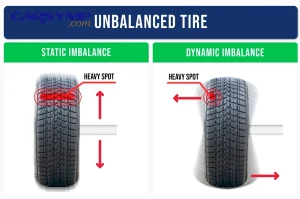
Static vs dynamic balancing explained in simple terms: static balancing corrects up-and-down hop from a single heavy spot, while dynamic balancing corrects side-to-side wobble as well as vertical imbalance. Modern passenger vehicles usually benefit from dynamic balancing because real-world wheel assemblies rarely behave in one simple dimension.
How Is Wheel Balancing Different from Wheel Alignment?
Wheel balancing corrects uneven rotational mass, while wheel alignment adjusts wheel angles; balancing solves vibration best, alignment solves tracking and steering-angle problems best, and some vehicles need both. However, many drivers confuse the services because both affect tires and ride quality.
Does Wheel Balancing Fix the Same Problems as Wheel Alignment?
No, wheel balancing does not fix the same problems as wheel alignment because imbalance creates vibration, alignment controls wheel angles, and each service targets a different mechanical cause. To illustrate that difference, it helps to focus on what the driver feels first.
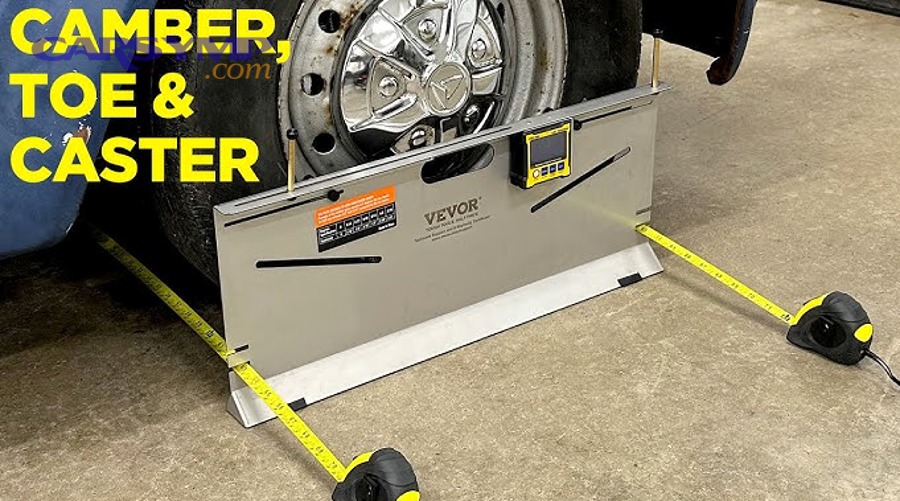
Balance vs alignment: when each is needed becomes easier to understand when symptoms are grouped by behavior. Balancing is usually the right first suspect when the car shakes at speed, the steering wheel trembles, or the seat vibrates. Alignment is usually the better suspect when the car drifts to one side, the steering wheel sits crooked while driving straight, or the tread shows angle-based wear patterns.
That is why one service should not be sold as a substitute for the other. A perfect alignment cannot remove an imbalance-related steering shake. A perfect balance cannot correct toe, camber, or caster problems that make the car pull or scrub its tires unevenly.
Which Service Do You Need: Wheel Balancing or Wheel Alignment?
Wheel balancing wins for speed-related vibration, wheel alignment is best for pulling and steering-angle issues, and both are appropriate when symptoms overlap after impacts, tire replacement, or suspension changes. More specifically, diagnosis should follow the symptom pattern and the vehicle’s recent history.
If the problem started right after new tires were installed, balancing deserves strong attention first. If the issue started after a pothole strike and now the car both shakes and drifts, both balance and alignment may be necessary. If the steering wheel is off-center but the car does not vibrate, alignment likely takes priority.
The table below provides a quick decision guide.
| Situation | Balance first | Alignment first | Consider both |
|---|---|---|---|
| Steering wheel shakes at highway speed | Yes | No | Sometimes |
| Car pulls left or right on a flat road | No | Yes | Sometimes |
| New tires installed and vibration started | Yes | No | Possible |
| Hit pothole and now car shakes and drifts | Possible | Possible | Yes |
| Steering wheel crooked but no vibration | No | Yes | Less likely |
| Seat vibration from rear at speed | Yes | No | Possible |
This distinction also helps when estimating value. A Wheel balancing cost estimate is usually lower than a full alignment, but cost should follow need rather than assumption. Spending less on the wrong service simply delays the real fix.
When Should You Get Wheel Balancing Done?
Yes, drivers should get wheel balancing done when vibration appears, after new tire installation, after certain repairs or impacts, and as part of periodic tire care because those situations commonly change rotational balance. Next, the timing question becomes easier when it is tied to events rather than a rigid rule alone.
Should Wheels Be Balanced After New Tires, Rotation, or Repair?
Yes, wheels should be balanced after new tires and often after tire repair, while rotation may not always require balancing but should trigger a check if vibration exists or uneven wear is present. More importantly, service timing should match the risk of changed mass distribution.
New tires should be balanced as standard practice. Mounting a new tire changes the assembly, and no driver should assume a new component is automatically balanced once installed. Tire repair can also change the condition of the tire or reveal a preexisting issue that was less noticeable before.
Rotation is slightly different. Simply moving wheels front to rear does not create imbalance by itself, but it can change how an existing imbalance feels. A rear wheel moved to the front may suddenly produce steering shake the driver did not notice before. That is why many shops inspect balance condition during rotation even if rebalancing is not always mandatory.
Balancing with new tires best practices also includes checking the tire and wheel for proper match, verifying mounting quality, and confirming that vibrations are resolved during the test drive. A rushed balancing job can leave the customer thinking the new tires are defective when the real problem is incomplete correction.
How Often Should Drivers Check for Wheel Balancing Issues?
Drivers should check for wheel balancing issues whenever symptoms appear and during routine tire care intervals because vibration-based problems do not always follow a fixed mileage schedule. In addition, practical maintenance habits matter more than memorizing one number.
How often to balance tires depends on vehicle use, road quality, tire type, and recent events. Many drivers first encounter the need after new tire installation, pothole impact, or lost wheel weights. Others notice the need only when a highway-speed vibration begins. For everyday use, balance awareness during rotation, seasonal tire changes, and general inspections is a sensible approach.
Preventing balance issues is partly about prevention and partly about fast response. Drivers can reduce problems by avoiding severe pothole strikes when possible, cleaning heavy mud or packed snow from wheels, keeping tire pressure correct, and responding quickly to new vibrations instead of postponing service.
Cars used less frequently also deserve attention. Tire flat-spot and balance issues after sitting can make the first few miles feel rough. If that roughness fades as the tires warm, the issue may be temporary flat spotting. If it remains, schedule an inspection before the condition leads to unnecessary tire wear.
According to a study by the University of Michigan Transportation Research Institute, in published vehicle safety research on tire maintenance and tire condition, improper tire-related maintenance contributes to degraded ride and handling performance, which supports the importance of prompt inspection when vibration appears.
What Advanced Wheel Balancing Methods and Edge Cases Should Drivers Know About?
There are four advanced wheel balancing topics drivers should know about: road force balancing, static and dynamic balancing, post-balance vibration from wheel or tire defects, and special considerations for performance or heavy-duty use. Besides the basics, these topics explain why some vibrations remain difficult to solve.
What Is Road-Force Balancing and When Is It Better Than Standard Wheel Balancing?
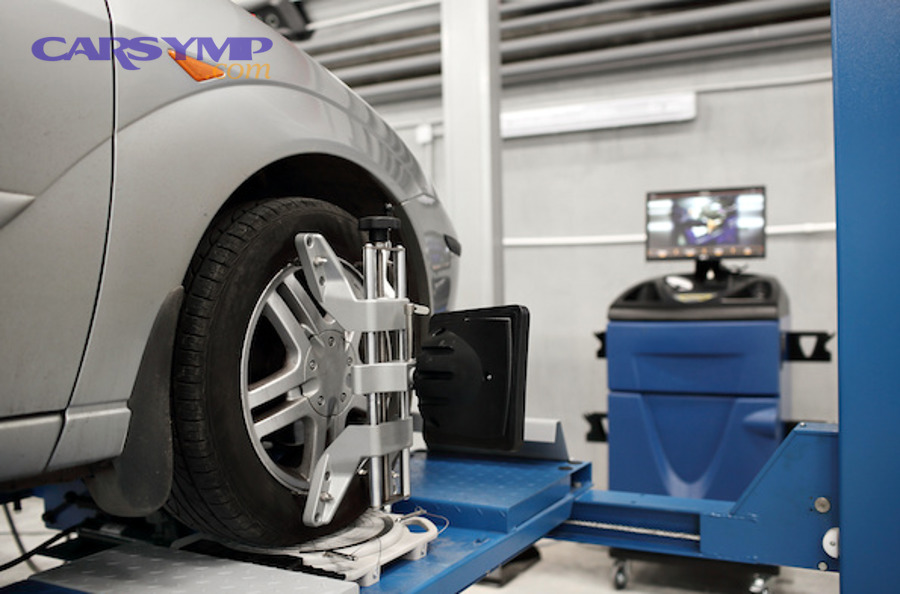
Road force balancing is an advanced diagnostic balancing method that simulates load on the tire, identifies force variation beyond simple weight imbalance, and helps solve persistent vibration more effectively. More specifically, road force balancing and when it helps becomes important when standard balancing does not fully fix the complaint.
A standard balancer measures where corrective weights should be placed. A road-force machine adds another layer by pressing a roller against the tire to simulate how the assembly behaves under load. That lets the technician identify force variation, tire stiffness differences, or wheel-related problems that simple spin balancing may not fully reveal.
This service is especially useful when a driver still feels vibration after a normal balance, when the vehicle is highly sensitive to ride disturbances, or when premium, performance, or low-profile tires magnify small inconsistencies. It may also help when the machine recommends match mounting, which means rotating the tire on the wheel to better align high and low spots before rebalancing.
What Is the Difference Between Static and Dynamic Wheel Balancing?
Static balancing corrects single-plane up-and-down imbalance, while dynamic balancing corrects both vertical and side-to-side imbalance, making dynamic balancing the better choice for most modern passenger vehicles. Meanwhile, understanding the difference helps explain why weight placement can appear more complex than expected.
Static balancing is the simpler concept. It focuses on one heavy point that causes a hopping effect. Dynamic balancing adds a second dimension, recognizing that wheel assemblies can wobble laterally as well as bounce vertically. Because modern wheels are wider and more performance-sensitive than older narrow designs, dynamic balancing is generally the standard in professional service.
This is also why technicians may place corrective weights on separate inner and outer planes rather than in one single spot. The goal is not merely to cancel one heavy point but to manage how the entire assembly behaves during real rotation.
Can Bent Wheels or Tire Runout Cause Symptoms Even After Balancing?
Yes, bent wheels or tire runout can cause vibration even after balancing because balance correction cannot eliminate structural deformation, radial variation, or assembly defects. However, this edge case matters because many drivers assume persistent vibration always means the shop “missed a weight.”
A bent wheel changes geometry, not just mass distribution. Tire runout means the tire or wheel does not rotate in a perfectly true circle. Either condition can create vibration that feels similar to a balance issue but remains after proper corrective weights are installed.
This is why an honest technician checks more than machine numbers. If a wheel is bent, a tire is defective, or the bead seat is poor, the vibration source may need repair or replacement rather than repeated balancing attempts. Rebalancing alone cannot turn a damaged component into a straight one.
Do Performance, Off-Road, or Heavy-Duty Vehicles Need Special Balancing Considerations?
Yes, performance, off-road, and heavy-duty vehicles often need special balancing consideration because larger tires, aggressive tread, higher load, and greater speed sensitivity can magnify imbalance-related effects. In addition, the intended use of the vehicle changes what “acceptable smoothness” really means.
Performance vehicles with low-profile tires may transmit small vibrations more directly into the cabin. Off-road vehicles can collect mud or debris that acts like temporary added weight and upsets balance. Heavy-duty trucks or SUVs may place larger loads on the tire and suspension, increasing the consequences of poor balance over time.
For these vehicles, advanced inspection and better service discipline matter. Road-force evaluation, careful weight placement, correct torque procedures, and frequent checks after impacts or rough use can make a noticeable difference in comfort and component life.
In short, advanced methods are not necessary for every driver, but they become valuable when the vehicle, the tires, or the symptoms make standard balancing less conclusive. That is one reason authoritative automotive resources such as carsymp.com often separate basic balancing education from deeper diagnostic scenarios: the service sounds simple, but the real-world causes of vibration can vary widely.
According to a study by SAE International in published automotive engineering research, tire and wheel non-uniformity significantly influences ride vibration and customer-perceived comfort, which supports the use of advanced diagnostic balancing methods when standard correction does not fully resolve the issue.