


serpentine belt replacement costs between $90 and $250 in 2026, with the national average ranging from $109 to $203 depending on your vehicle type, location, and service provider. This essential repair includes both the belt itself ($25-$150) and professional labor ($50-$125), with most replacements taking 30 minutes to one hour. Understanding these costs helps car owners budget appropriately and recognize fair pricing when receiving quotes from mechanics or dealerships.
The total cost of serpentine belt replacement varies significantly based on several key factors that every vehicle owner should understand before scheduling service. Your vehicle’s make and model plays the largest role in determining price, as some cars offer easy belt access while others require extensive disassembly. Geographic location also impacts labor rates substantially, with urban mechanics charging 30-40% more than rural shops. Additionally, the type of service provider you choose—whether dealership, independent mechanic, or mobile service—creates price differences of $100 or more for identical work.
Comparing your service options reveals dramatic cost differences that can save you significant money without sacrificing quality. DIY replacement reduces costs to just $25-$75 for parts alone, representing potential savings of 50% or more compared to professional service. Independent mechanics typically charge $100-$200 for the complete job, while dealerships often command $200-$300 or higher due to premium labor rates and OEM parts requirements. Mobile mechanics offer convenience at prices similar to independent shops, bringing the service directly to your home or workplace.
Beyond immediate costs, knowing when replacement becomes necessary and whether insurance or warranty coverage applies helps you make informed financial decisions about this critical maintenance task. Below, we’ll explore every cost factor, service option, and money-saving strategy to ensure you get fair pricing on your serpentine belt replacement.
How Much Does Serpentine Belt Replacement Cost in 2026?
Serpentine belt replacement costs $90 to $250 on average in 2026, with most vehicle owners paying between $109 and $203 for complete service including parts and labor. This price represents current market rates across the United States based on data from major automotive service providers and repair estimators.
To better understand these costs, examining the price ranges from multiple authoritative sources provides a comprehensive view of what car owners actually pay. The table below summarizes serpentine belt replacement costs from leading automotive service platforms and repair networks:
| Source | Average Total Cost | Parts Cost Range | Labor Cost Range | Data Basis |
|---|---|---|---|---|
| RepairPal | $147 – $203 | Not specified | Not specified | National averages |
| J.D. Power | $109 – $134 | $52 – $62 | $57 – $72 | Industry data |
| Jerry App | $121 – $174 | ~$47 average | 50 minutes average | 40,000+ customers |
| Car Talk | ~$200 budget | $35 – $150 | Half-hour to one hour | Expert recommendations |
| YourMechanic | $150 – $300 | $25 – $75 | Varies by vehicle | Mobile service rates |
| FIXD App | $58 – $126 | Not specified | Not specified | DIY vs. professional |
The data reveals consistent pricing patterns across the industry, with most replacements falling into a predictable range. However, understanding what drives costs within this range requires examining the specific components that make up your total bill.
What Is the Average Cost Breakdown for Parts and Labor?
The serpentine belt itself costs $25 to $150, while labor charges range from $50 to $125, with labor representing approximately 40-60% of your total serpentine belt replacement cost. This breakdown helps you understand where your money goes and identify whether a quote you receive falls within normal parameters.
Specifically, the parts component includes only the rubber belt that wraps around your engine’s pulleys. Standard replacement belts for common vehicles like Honda Accords or Toyota Camrys typically cost $25-$50 for quality aftermarket options. Vehicles with premium requirements or those using advanced EPDM (ethylene propylene diene monomer) materials may see belt costs reach $75-$150. OEM (original equipment manufacturer) belts from dealerships command the highest prices, often 30-50% more than equivalent aftermarket alternatives.
Labor costs depend primarily on accessibility and complexity. Mechanics charge based on time required, with simple replacements on vehicles like Honda Civic or Ford F-150 taking just 30-45 minutes. These straightforward jobs typically cost $50-$75 in labor. Conversely, vehicles with transversely mounted engines or tight engine bays—such as many modern crossovers and SUVs—may require one to two hours of labor, pushing costs to $100-$125 or higher. Some vehicles, particularly those with multiple serpentine belts or stretch belts, increase labor time and therefore cost substantially.
The labor percentage varies by total job cost. For a $100 total replacement, labor might represent $60 (60%), while the $40 belt accounts for 40%. For a $200 replacement on a complex vehicle, labor might still be $100-$120 (50-60%), with an $80-$100 premium belt comprising the remainder. Understanding this split helps you evaluate quotes and recognize when prices seem disproportionate to industry standards.
How Much Does Belt Quality Affect Replacement Cost?
Premium EPDM serpentine belts cost $50-$150 compared to standard rubber belts at $25-$50, but premium belts last 30-50% longer and resist cracking better in extreme temperatures. The quality difference directly impacts both immediate costs and long-term value.
For example, a standard neoprene rubber belt might cost $30 and last 50,000-60,000 miles under normal conditions. This traditional belt material shows visible wear through cracking and may require replacement every 3-4 years depending on your driving patterns. Meanwhile, a premium EPDM belt costing $75 can deliver 90,000-100,000 miles of service and often lasts 5-7 years. The EPDM material resists heat degradation better, maintains flexibility in cold climates, and shows less visible surface cracking even as it approaches the end of its service life.
OEM belts from your vehicle’s manufacturer represent another quality tier. Dealerships charge $60-$150 for OEM serpentine belts depending on vehicle make. These belts meet exact factory specifications and come with the manufacturer’s warranty coverage. However, premium aftermarket brands like Gates, Continental, or Dayco often use identical or superior materials at 20-40% lower prices than OEM options.
The value equation shifts based on how long you plan to keep your vehicle. If you’re maintaining a car you intend to drive for many years, investing $50-$75 extra in a premium belt saves money over time by extending replacement intervals. Conversely, if you plan to sell or trade your vehicle within two years, a quality mid-range belt at $40-$50 provides adequate protection without excess investment. The key consideration remains ensuring any belt you choose meets your vehicle manufacturer’s specifications for width, length, and rib configuration.
What Factors Affect Serpentine Belt Replacement Costs?
Five primary factors determine serpentine belt replacement costs: vehicle make and model, geographic location, additional required repairs, belt quality selection, and service provider type. These variables create the $90-$250 price range car owners encounter when seeking this service.
Understanding how each factor influences your specific situation enables better cost prediction and helps you make informed decisions. Let’s examine each variable in detail to clarify why prices vary so dramatically.
How Does Your Vehicle Make and Model Impact the Price?
Vehicle complexity and engine accessibility create cost differences of $50-$150 between easy-to-service models and difficult configurations, with single-belt systems costing less than multi-belt setups. Your specific vehicle determines how quickly a mechanic can complete the work and whether special tools become necessary.

Easy-access vehicles include models like the Honda Accord, Toyota Camry, and Ford F-150 with longitudinally-mounted engines. These vehicles allow mechanics to reach the belt tensioner quickly, release tension with a standard wrench, and slide the new belt into place within 30-45 minutes. The straightforward access translates to lower labor costs of $50-$75, bringing total replacement costs to $90-$125 for these popular models.
Difficult-access vehicles present challenges that increase labor time and costs substantially. Examples include:
- GMC Yukon (2017+): Uses three separate stretch belts requiring specialized installation tools and techniques, increasing labor to 1.5-2 hours
- Mini Cooper: Extremely tight engine bay requires removing front bumper cover or other components for belt access
- Subaru Outback: Horizontally-opposed engine design creates awkward angles requiring special belt routing tools
- Mercedes-Benz E-Class: Premium vehicles often require proprietary tools and dealer-specific procedures
These complex vehicles push labor costs to $100-$150 or more, with total replacement costs reaching $200-$300. The transversely-mounted engines found in most front-wheel-drive cars create moderate difficulty, typically adding 15-30 minutes to labor time compared to traditional rear-wheel-drive configurations.
Multi-belt systems further increase costs. While most modern vehicles use a single serpentine belt, some trucks and SUVs employ separate belts for air conditioning compressors or other accessories. Each additional belt adds $30-$75 to your total cost for the extra part and labor time required.
According to data from Jerry’s automotive repair database covering over 40,000 customer transactions, vehicles with simple belt access average $121 in replacement costs, while complex configurations average $174—a 44% price increase purely due to vehicle design differences.
Does Location Affect Serpentine Belt Replacement Costs?
Geographic location creates serpentine belt replacement cost variations of 30-40% between regions, with major metropolitan areas charging significantly more than rural locations due to higher labor rates and operating costs. Your ZIP code substantially influences what mechanics charge for identical work.
Specifically, labor rates in expensive urban markets like San Francisco, New York City, or Los Angeles range from $125-$175 per hour compared to $75-$100 per hour in smaller cities and rural areas. This fundamental difference means a 45-minute serpentine belt replacement costing $65 in labor in Springfield, Illinois might cost $95 in San Francisco—a 46% increase for the same service.
Regional cost examples based on industry data include:
- San Francisco, CA: Average total cost $175-$225 (labor rate ~$150/hour)
- New York, NY: Average total cost $170-$220 (labor rate ~$145/hour)
- Chicago, IL: Average total cost $130-$180 (labor rate ~$110/hour)
- Dallas, TX: Average total cost $115-$165 (labor rate ~$95/hour)
- Springfield, IL: Average total cost $95-$135 (labor rate ~$80/hour)
- Rural Montana: Average total cost $85-$125 (labor rate ~$70/hour)
These differences stem from shop overhead costs including commercial rent, insurance, and wages for technicians. Urban mechanics pay 2-3 times more for shop space, carry higher liability insurance premiums, and must offer competitive wages in expensive housing markets. These costs transfer directly to customers through higher hourly labor rates.
Parts costs show less regional variation, typically differing by only $5-$15 between areas due to shipping and distributor pricing. However, dealerships in wealthy areas sometimes charge premium parts prices knowing their customer base accepts higher costs.
To minimize location-based price inflation, consider having belt replacement performed when visiting lower-cost areas if you live in an expensive city. Alternatively, mobile mechanics often charge below brick-and-mortar shop rates even in urban areas since they avoid expensive commercial lease costs.
What Additional Repairs Might Increase the Total Cost?
Belt tensioner replacement adds $75-$200, idler pulley replacement adds $50-$150, and addressing worn accessory pulleys can increase total serpentine belt replacement costs to $300-$500 or more. These additional components work together with the belt and often require replacement simultaneously.
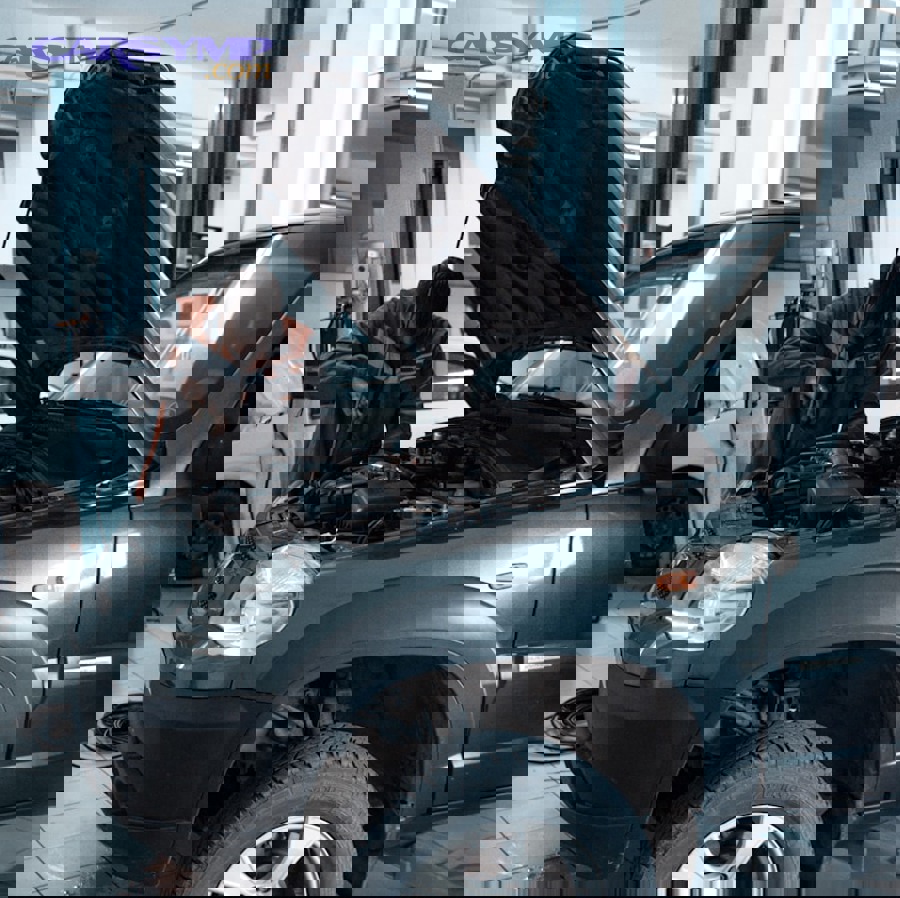
To understand when additional repairs become necessary, consider how these components interact with your serpentine belt:
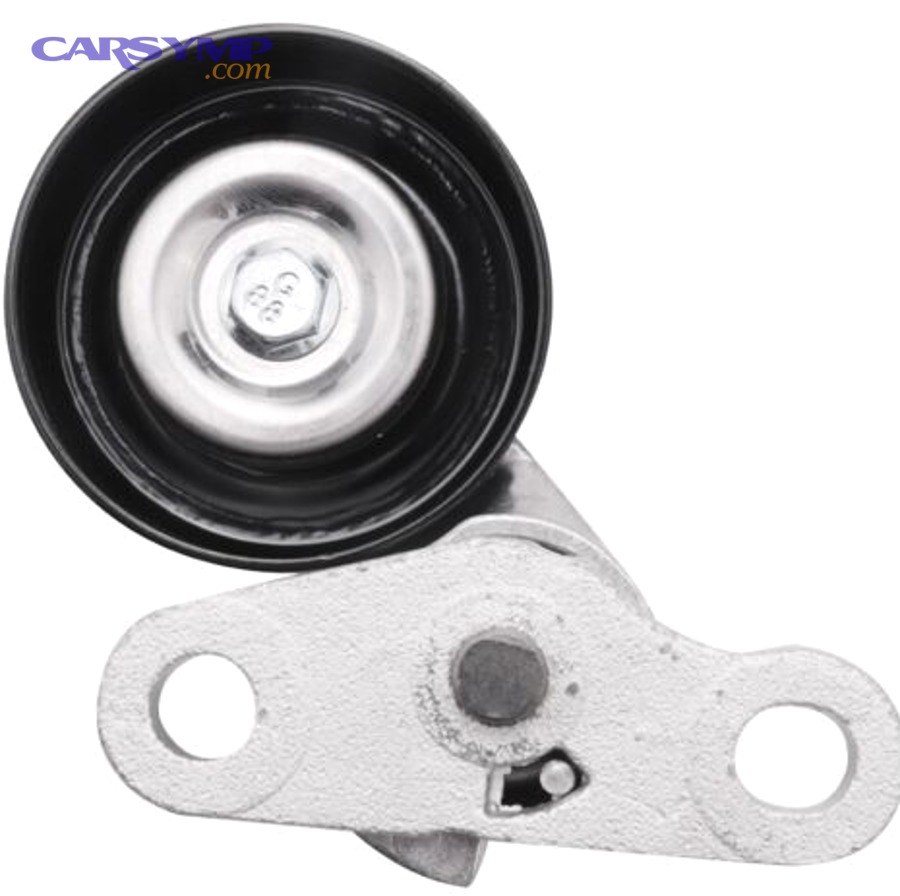
Belt tensioner replacement considerations: The automatic belt tensioner maintains proper belt tension through a spring-loaded mechanism. When this component fails, the belt becomes too loose or too tight, causing squealing, premature wear, or jumping off pulleys. Mechanics recommend replacing tensioners every 90,000-100,000 miles or whenever noticeable looseness, grinding noises, or visible damage appears. Since accessing the tensioner requires removing the serpentine belt anyway, combining both replacements saves labor costs. The tensioner part costs $50-$125, with an additional $25-$75 in labor if performed simultaneously with belt replacement.
Idler Pulley Considerations: Idler pulleys guide the belt’s path around the engine and use sealed bearings that eventually wear out. A failing idler pulley creates grinding or squealing noises and causes uneven belt wear. Replacing worn idler pulleys prevents premature failure of your new belt. Most vehicles have 1-3 idler pulleys costing $25-$75 each, with minimal additional labor when replaced during belt service.
Accessory Pulley Issues: The serpentine belt drives pulleys attached to your alternator, water pump, power steering pump, and air conditioning compressor. When these pulleys develop bearing wear, misalignment, or damage, they destroy new belts within weeks or months. Mechanics should inspect all pulleys for smooth rotation and proper alignment before installing a new belt. Replacing a damaged alternator pulley might add $100-$200, while water pump pulley replacement could cost $150-$300 depending on accessibility.
Smart timing for combined repairs saves money. If your vehicle approaches 90,000 miles and needs belt replacement, inspect the tensioner and idler pulleys simultaneously. Replacing all components together requires no additional labor for belt removal and installation, saving $50-$100 compared to separate service visits. However, avoid replacing components that show no wear simply because they’re accessible—this “while we’re in there” approach can inflate costs unnecessarily.
Squeal after belt replacement diagnosis often reveals that technicians installed a new belt without addressing underlying pulley or tensioner problems, requiring return visits and additional costs. Thorough pre-replacement inspection prevents this frustrating scenario.
How Do Different Service Options Compare in Price?
Dealership service costs $200-$300+, independent mechanics charge $100-$200, mobile services range $150-$250, and DIY replacement costs $25-$75 for parts only, with each option offering distinct advantages beyond price differences. Your choice depends on balancing cost savings against convenience, expertise, and warranty considerations.
Examining each service option reveals when paying premium prices makes sense and when budget alternatives provide equivalent quality. The comparison helps you match your specific situation with the most appropriate service provider.
What Does Dealership Serpentine Belt Replacement Cost?
Dealership serpentine belt replacement costs $200-$300 or more, representing a 30-50% premium over independent mechanics due to higher labor rates ($125-$175/hour) and mandatory OEM parts usage. This option suits specific situations despite higher costs.
For example, if your vehicle remains under manufacturer warranty or extended warranty coverage, dealerships provide the safest choice. Many warranties require dealer service to maintain coverage validity, and using OEM parts ensures no warranty disputes arise from aftermarket components. The premium you pay preserves potentially valuable warranty protection worth thousands of dollars.
Luxury and specialty vehicles often benefit from dealership service expertise. Brands like BMW, Mercedes-Benz, Porsche, and Land Rover employ factory-trained technicians familiar with unique procedures and potential complications specific to these makes. While an independent shop can certainly replace a serpentine belt on a Mercedes E-Class, the dealership technician has likely performed this exact job on hundreds of identical vehicles and knows every shortcut and potential issue.
Dealership advantages include:
- OEM Parts Guarantee: Factory-specification belts meeting exact manufacturer standards
- Specialized Training: Technicians receive ongoing education on brand-specific procedures
- Warranty Protection: Service records maintained in manufacturer databases
- Loaner Vehicles: Many dealerships provide free loaner cars during service
- Comprehensive Inspections: Multi-point inspections often included with service
The primary disadvantage remains cost. Dealerships structure their service departments as profit centers, with labor rates subsidizing expensive diagnostic equipment and facility overhead. You’re paying for corporate standards and brand alignment, not necessarily faster or better serpentine belt replacement.
Consider dealerships when warranty coverage applies, when you drive a specialty vehicle requiring specific expertise, or when resale value depends on complete dealer service records. Otherwise, independent mechanics deliver equivalent quality at substantially lower costs.
How Much Do Independent Mechanics Charge?
Independent mechanics charge $100-$200 for serpentine belt replacement, using quality aftermarket parts and experienced technicians to deliver professional service at competitive prices below dealership rates. These locally-owned shops represent the best value proposition for most vehicle owners.
Specifically, established independent shops maintain ASE-certified technicians with decades of combined experience across multiple vehicle makes. Unlike dealerships focused on one brand, independent mechanics see diverse vehicles daily, building broad expertise in serpentine belt replacement across Toyota, Honda, Ford, Chevrolet, and other makes. This variety creates efficiency and problem-solving skills that rival or exceed dealer technicians.

Quality aftermarket parts from brands like Gates, Continental, Dayco, and Goodyear meet or exceed OEM specifications while costing 20-40% less than dealer parts. Independent shops purchase these components from reputable distributors, passing savings to customers while maintaining high quality standards. Many aftermarket belts carry warranties equal to or better than OEM options.
Advantages of independent mechanics include:
- Competitive Pricing: Lower overhead costs than dealerships translate to savings
- Personalized Service: Building relationships with local shop owners improves service quality
- Flexibility: Independent shops accommodate urgent timing and special requests more readily
- Transparent Pricing: Many provide detailed estimates and explain all charges clearly
- Broader Expertise: Experience across multiple vehicle brands creates well-rounded knowledge
Finding reputable independent mechanics requires research. Check online reviews on Google, Yelp, and automotive forums. Look for shops with consistently positive feedback, ASE certifications displayed prominently, and membership in organizations like AAA’s Approved Auto Repair network. Ask friends, family, and coworkers for recommendations based on their experiences.
Red flags include shops refusing to provide written estimates, pressuring you into unnecessary services, or unable to explain charges clearly. Quality independent mechanics welcome questions, explain their recommendations thoroughly, and stand behind their work with warranties comparable to dealerships.
Independent shops work best for out-of-warranty vehicles, routine maintenance needs, and car owners seeking quality service without premium branding costs. The $100-$200 price range makes this option accessible while maintaining professional standards.
What Are the Costs for DIY Serpentine Belt Replacement?
DIY serpentine belt replacement costs $25-$75 for the belt itself plus 1-2 hours of your time, potentially saving $75-$175 compared to professional service if you possess basic mechanical skills and appropriate tools. This option requires careful evaluation of your capabilities and vehicle complexity.
To illustrate, a straightforward belt replacement on a 2015 Honda Accord requires minimal tools: a 15mm wrench to release the belt tensioner, a diagram or photo for proper belt routing, and patience to thread the belt around all pulleys. The job takes an experienced DIYer 45-60 minutes. Purchasing a quality Gates or Dayco belt for $40 brings total costs to just $40 versus $125-$150 at a shop—a savings of $85-$110.
However, DIY becomes challenging or impossible on certain vehicles. Modern cars with extremely tight engine bays sometimes require removing other components—cooling fans, air intake systems, or even front bumper covers—to access the belt path. These complex jobs demand specialty tools, extensive mechanical knowledge, and 3-4 hours or more for first-time attempts. Mistakes during installation can cause belt damage, pulley misalignment, or even engine damage if the belt routes incorrectly and jumps off while driving.
Essential considerations for DIY serpentine belt replacement include:
Skill Requirements:
- Basic mechanical aptitude and hand-eye coordination
- Ability to follow diagrams and video tutorials carefully
- Patience to work in cramped spaces with awkward angles
- Understanding of basic automotive systems and safety
Tool Requirements:
- Socket set or combination wrenches (sizes vary by vehicle)
- Belt tensioner release tool (some vehicles require specialty tools)
- Flashlight or work light for visibility
- Camera or smartphone to photograph belt routing before removal
Time Investment:
- First-time DIYers: 1.5-3 hours depending on vehicle
- Experienced shade-tree mechanics: 45 minutes to 1.5 hours
- Allow extra time for unexpected complications
Safety Considerations:
- Always work with engine cold to avoid burn injuries
- Disconnect battery if working near electrical components
- Use jack stands if accessing belt from underneath (never work under car supported only by jack)
- Keep hands clear of moving parts when checking belt alignment
YouTube offers excellent tutorial videos for specific vehicle makes and models. Search “[your exact vehicle year/make/model] serpentine belt replacement” to find step-by-step guides showing your exact engine configuration. Take multiple photos of the original belt routing from different angles before removal—these photos prove invaluable when threading the new belt into place.
DIY makes financial sense when you enjoy automotive work, your vehicle offers reasonable belt access, and you possess the necessary tools and skills. The $25-$75 cost represents excellent value for mechanically-inclined owners. However, those uncomfortable with automotive repair should invest in professional service rather than risk incorrect installation that could leave you stranded or damage expensive engine components.
How Much Do Mobile Mechanics Charge for Belt Replacement?
Mobile mechanics charge $150-$250 for serpentine belt replacement, delivering professional service to your home or workplace at prices competitive with independent shops while adding significant convenience value. This emerging service option combines quality work with time-saving benefits.
For example, services like YourMechanic, Wrench, and RepairSmith send ASE-certified technicians directly to your location equipped with tools, parts, and expertise to perform belt replacement in your driveway or office parking lot. You avoid driving to a shop, arranging transportation, and waiting in lobbies. The mobile technician completes the work while you continue with your day, simply returning to find your vehicle serviced and ready.
Mobile service pricing structure typically includes:
- Service Call Fee: $0-$50 depending on distance traveled to your location
- Labor Rate: $80-$120 per hour (comparable to or slightly below independent shops)
- Parts Cost: Belt at retail prices ($35-$75) or customer-supplied option
- Convenience Premium: Built into pricing but offset by eliminated towing or transportation costs
The total $150-$250 range positions mobile mechanics competitively despite their convenience advantage. Mobile services achieve this pricing through lower overhead—no expensive shop facilities, minimal administrative staff, and technicians who work as independent contractors. These savings partly offset the travel time and vehicle costs, keeping prices reasonable.
Mobile mechanic advantages include:
- Ultimate Convenience: Service occurs at your location on your schedule
- Transparent Pricing: Upfront quotes via apps or websites before booking
- Professional Quality: ASE-certified technicians with shop-quality tools
- No Upselling Pressure: Mobile techs focus on requested services without facility-based upselling
- Emergency Availability: Some services offer same-day or next-day appointments
Limitations to consider include weather dependency (difficult to work in heavy rain or extreme cold), limited capacity for complex jobs requiring specialized equipment, and potential travel fees for remote locations. Additionally, mobile mechanics may struggle with extremely difficult belt replacements requiring vehicle lifts or extensive component removal.
Mobile services work best for car owners with busy schedules, those without reliable transportation to shops, or anyone valuing convenience highly. The pricing remains competitive with traditional shops while delivering time savings worth far more than any small premium you might pay. Emergency belt failure roadside steps become simpler when you can call a mobile mechanic to your breakdown location rather than arranging expensive towing.
Is Serpentine Belt Replacement Covered by Insurance or Warranty?
No, serpentine belt replacement is not covered by standard auto insurance policies, and rarely falls under manufacturer warranties, as insurance companies classify belts as routine maintenance items excluded from coverage. However, specific situations create exceptions worth investigating.
Most importantly, understanding coverage limitations prevents frustrating surprise costs and helps you plan appropriately for this inevitable expense. Insurance and warranty policies treat serpentine belts as consumable components expected to wear out during normal vehicle operation, similar to brake pads, tires, or oil filters.
Standard auto insurance policies—liability, collision, and comprehensive coverage—protect against accidents, theft, vandalism, and specific perils like fire or hail damage. They explicitly exclude routine maintenance and wear-and-tear repairs. Your $1,000 deductible collision coverage won’t help with a $150 belt replacement because the belt wore out from normal use rather than accident damage.
Manufacturer Warranty Considerations: New vehicle limited warranties typically cover 3 years/36,000 miles for bumper-to-bumper protection and 5 years/60,000 miles for powertrain components. Serpentine belts fall into a gray area. Most manufacturers exclude belts from standard coverage, considering them maintenance items. However, if a belt fails prematurely—say at 10,000 miles due to manufacturing defect—warranty coverage might apply. Similarly, if belt failure results from a covered component failure (like a defective belt tensioner), the entire repair including belt replacement could receive warranty coverage.
Extended Warranty Coverage: Aftermarket extended warranties or vehicle service contracts vary dramatically in coverage. Some comprehensive plans include serpentine belt replacement when failure occurs within coverage terms, particularly if presented as “wear and tear” coverage. Others explicitly exclude all belts and hoses. Review your extended warranty contract carefully, focusing on exclusions sections, to determine if belt coverage exists.
Exceptions and Special Coverage:
- Defect-Related Failures: Belt failure within first 12,000-24,000 miles might trigger goodwill warranty coverage
- Comprehensive Service Plans: Premium maintenance packages sometimes include scheduled belt replacements
- Certified Pre-Owned Coverage: CPO warranties occasionally cover belts during warranty period
- Credit Card Auto Coverage: Some premium credit cards offer rental car coverage or roadside assistance that might help with emergency belt failures
When belt failure damages other components—such as a shredded belt wrapping around the water pump and damaging the pump seal—comprehensive insurance might cover the resulting damage while excluding the belt itself. This nuanced situation requires careful claim filing and documentation.
The bottom line remains that car owners should budget for serpentine belt replacement as a predictable out-of-pocket expense occurring every 50,000-100,000 miles. Planning for this $90-$250 cost prevents financial strain when replacement becomes necessary. Consider setting aside $10-$20 monthly in a vehicle maintenance fund to cover belts, brakes, tires, and other routine expenses without impacting your regular budget.
What Should You Know Before Getting a Serpentine Belt Replacement?
Understanding replacement timing, safety implications, cost-saving strategies, and the differences between serpentine and timing belts empowers you to make informed decisions about this critical maintenance task. Proper knowledge prevents costly mistakes and ensures your vehicle receives appropriate service at fair prices.
These supplementary considerations extend beyond immediate cost concerns to encompass the broader context of serpentine belt maintenance. Let’s explore each aspect to provide comprehensive guidance for car owners navigating this repair decision.
When Should You Replace Your Serpentine Belt?
Replace your serpentine belt every 50,000-100,000 miles following manufacturer recommendations, or immediately upon noticing cracks, glazing, fraying, or squealing noises that indicate deterioration regardless of mileage. Proactive replacement prevents inconvenient breakdowns and expensive secondary damage.
Specifically, modern EPDM serpentine belts last significantly longer than older neoprene versions but show wear differently. Traditional belts displayed obvious cracking across the surface, making visual inspection straightforward. EPDM belts maintain smooth exterior appearance while the internal ribs wear down like tire treads. This invisible wear means mileage-based replacement schedules gain importance over visual-only inspections.
Manufacturer-specific replacement intervals vary by vehicle:
- Honda/Acura: 100,000-120,000 miles for most models
- Toyota/Lexus: 90,000-100,000 miles typical recommendation
- Ford: 100,000 miles for many vehicles, check owner’s manual
- Chevrolet/GM: 150,000 miles for some newer models with EPDM belts
- Subaru: 105,000 miles for many boxer engines
- European Luxury Brands: 60,000-90,000 miles, often more conservative intervals
Check your owner’s manual maintenance schedule for exact recommendations. The schedule appears in a table format listing mileage intervals for various services including belt inspection and replacement.
Visual Inspection Signs Requiring Immediate Replacement:
- Cracks: Multiple cracks across belt width or along ribs
- Glazing: Shiny, hardened surface indicating heat damage
- Fraying: Loose fibers or chunks missing from belt edges
- Separation: Belt layers separating or delaminating
- Contamination: Oil or coolant soaking into belt material
- Rib Wear: Visible rib wear when viewing belt edge (EPDM belts)
Audible Warning Signs:
- Squealing on Startup: Belt slipping due to glazing or looseness
- Continuous Squealing: Severe wear or improper tension
- Chirping Noises: Belt misalignment or pulley problems
- Grinding Sounds: Failing bearings in tensioner or idler pulleys
Preventive replacement at mileage intervals costs $90-$250 for parts and labor. Emergency replacement after belt failure might add towing costs ($75-$200), potential engine damage from overheating if belt drives water pump ($500-$2,000+), and inconvenience of roadside breakdowns. The value proposition heavily favors scheduled replacement over waiting for failure.
If purchasing a used vehicle, request service records showing belt replacement history. Missing documentation suggests assuming the belt needs replacement unless you can definitively verify recent service. For vehicles approaching 75,000+ miles without documented belt replacement, schedule inspection immediately and budget for likely replacement needs.
Is It Safe to Drive with a Failing Serpentine Belt?
No, driving with a failing serpentine belt is not safe, as belt failure causes immediate loss of power steering, rapid engine overheating, and eventual battery discharge from alternator shutdown, creating dangerous conditions and expensive engine damage. Stop driving and arrange for service or towing when belt failure symptoms appear.
To understand the severity, consider what happens when a serpentine belt breaks while driving:
Immediate Consequences (within seconds):
- Power Steering Loss: Steering wheel becomes extremely difficult to turn, especially at low speeds or when parking
- Alternator Stops: Battery warning light illuminates as electrical system runs on battery alone
- Water Pump Stops (if belt-driven): Engine temperature climbs rapidly toward overheating
Short-Term Consequences (within minutes):
- Engine Overheating: Temperature gauge enters red zone; continued driving risks head gasket failure or warped cylinder heads ($1,500-$3,000 repair)
- Battery Depletion: All electrical systems draw from battery; vehicle eventually loses power for ignition, fuel pump, and engine computer
- Air Conditioning Loss: AC compressor stops working (minor inconvenience but adds to overall system failure)
Dangerous Driving Scenarios:
- Losing power steering while navigating highway traffic creates collision risk
- Brake system continues working but harder steering can cause panic and accidents
- Engine overheating produces steam clouds that obscure vision
- Complete electrical failure shuts down vehicle suddenly, potentially in dangerous locations
If you experience serpentine belt failure while driving:
- Safely pull over immediately to the shoulder or nearest safe location
- Turn on hazard lights to warn other drivers
- Turn off engine to prevent overheating damage
- Do not attempt to restart or drive further—even short distances risk severe damage
- Call for towing service or roadside assistance
- Arrange for belt replacement before resuming travel
Partial belt failure—where the belt remains intact but shows severe wear—allows limited driving for emergency situations only. If you must drive 1-2 miles to reach safe location or assistance, monitor temperature gauge constantly and stop immediately if overheating begins. However, this emergency driving risks expensive damage and should be absolute last resort.
The financial risk of driving on a failing belt far exceeds towing costs. A $125 tow bill plus $150 belt replacement totals $275. Driving until the belt shreds and the engine overheats might cost $275 for towing and belt PLUS $1,500-$3,000 for engine repairs from overheating damage. The math clearly favors conservative action.
Schedule belt replacement at the first signs of wear rather than gambling on continued belt life. The $90-$250 replacement cost delivers peace of mind and prevents the stress and danger of unexpected roadside belt failure.
How Can You Save Money on Serpentine Belt Replacement?
Save money on serpentine belt replacement by obtaining multiple quotes from 3+ service providers, considering DIY installation if mechanically skilled, using online repair estimators to verify fair pricing, and timing replacement with other scheduled maintenance to reduce overall labor costs. Strategic approaches reduce expenses without compromising quality.
For example, requesting quotes from a dealership, two independent shops, and a mobile mechanic reveals the price range in your area and identifies outliers charging excessive rates. This comparison shopping typically takes 30-60 minutes via phone calls or online quote requests but can save $50-$100 by avoiding overpriced providers.
Specific Money-Saving Strategies:
1. Quote Comparison Method:
- Contact 3-5 service providers for written estimates
- Ensure quotes include identical work scope (belt only vs. belt plus tensioner)
- Compare parts quality being offered (aftermarket vs. OEM)
- Select provider offering best value, not necessarily lowest price
- Potential savings: $40-$80
2. DIY Installation:
- Purchase quality belt from auto parts store ($25-$75)
- Follow vehicle-specific YouTube tutorials
- Dedicate 1-3 hours for careful installation
- Potential savings: $75-$175 (entire labor cost)
3. Parts Sourcing Options:
- Buy belt from RockAuto, Amazon, or local parts stores yourself
- Ask shop if they’ll install customer-supplied parts (some agree, some refuse)
- Ensure parts meet vehicle specifications exactly
- Potential savings: $15-$40 on parts markup
4. Timing with Other Services:
- Schedule belt replacement during oil changes or other maintenance requiring engine bay access
- Request belt inspection during any service visit
- Combine belt, tensioner, and idler pulley replacement if all near service life end
- Potential savings: $25-$50 in redundant labor charges
5. Promotional Opportunities:
- Check chain shops (Firestone, Pep Boys, Midas) for coupons in mail or online
- Search Groupon for automotive service discounts
- Ask about senior, military, or student discounts
- Time service during promotional periods (back-to-school, holiday specials)
- Potential savings: $20-$50
6. Repair Estimator Tools:
- Use RepairPal Fair Price Estimator for your specific vehicle and ZIP code
- Check Jerry app for actual customer costs in your area
- Compare quotes against estimator ranges to identify fair pricing
- Reject quotes exceeding fair price range by 20%+ without justification
- Value: Knowledge prevents overpaying
7. Independent Shop Relationships:
- Develop ongoing relationship with trusted local mechanic
- Loyal customers often receive priority scheduling and better pricing
- Ask about “package deals” for multiple services
- Potential savings: $10-$30 through relationship pricing
8. Avoid These Costly Mistakes:
- Don’t delay replacement until emergency situation requiring expensive towing
- Don’t accept additional services without understanding necessity
- Don’t choose cheapest option if quality seems questionable
- Don’t skip belt tensioner inspection—failure ruins new belt quickly
9. Membership Discounts:
- AAA membership often includes repair discounts at approved facilities
- Costco members may access discounted service through Costco Auto Program
- AARP membership provides repair discounts at selected shops
- Potential savings: 10-15% off total bill
10. Seasonal Timing:
- Schedule non-urgent belt replacement during slow periods (mid-week, non-summer months)
- Shops may offer better rates when business is slower
- Avoid premium pricing during busy summer travel season
- Potential savings: $15-$30
The key remains balancing savings against quality and convenience. Saving $75 through DIY makes sense if you’re comfortable with mechanical work and your vehicle allows reasonable belt access. However, saving $30 by choosing an unknown shop with questionable reviews risks poor installation quality that could cost hundreds in additional repairs later.
Focus on legitimate savings opportunities—comparison shopping, strategic timing, using estimator tools—rather than extreme budget measures that compromise safety or reliability. The $90-$250 typical cost represents reasonable value for professional service that maintains your vehicle’s safe operation.
What Is the Difference Between Serpentine Belt and Timing Belt Replacement Costs?
Serpentine belt replacement costs $90-$250 while timing belt replacement costs $400-$1,000+, with timing belts requiring 2-4 times more labor due to their internal engine location and complex replacement procedures involving engine disassembly. Understanding this distinction prevents confusion and budget shock when mechanics discuss belt needs.
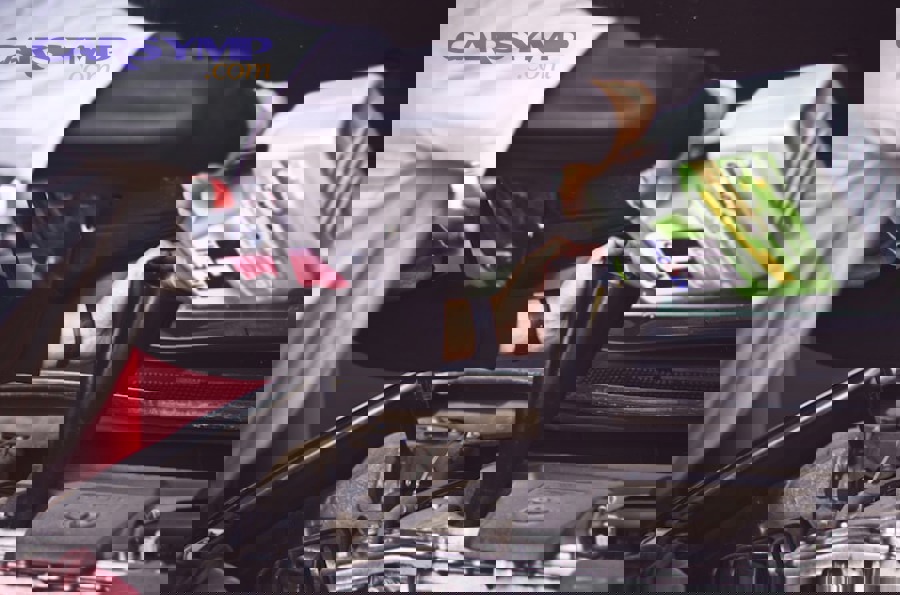
The fundamental difference lies in belt location and function:
Serpentine Belt (Accessory Belt):
- Location: External, wrapped around front of engine visible in engine bay
- Function: Drives accessories (alternator, power steering, AC compressor, sometimes water pump)
- Replacement Access: Easy access without engine disassembly
- Labor Time: 30 minutes to 2 hours depending on vehicle
- Replacement Interval: 50,000-100,000 miles
- Failure Consequence: Vehicle runs but loses accessory functions; may overheat if drives water pump
- Cost: $90-$250 total
Timing Belt:
- Location: Internal, enclosed behind timing cover requiring significant disassembly to access
- Function: Synchronizes crankshaft and camshaft rotation, controlling valve timing
- Replacement Access: Requires removing motor mounts, possibly raising engine, removing multiple covers
- Labor Time: 3-6 hours for most vehicles
- Replacement Interval: 60,000-105,000 miles depending on manufacturer
- Failure Consequence: Catastrophic engine damage on “interference” engines; expensive valve and piston repairs ($2,000-$5,000+)
- Cost: $400-$1,000+ total
The labor intensity difference drives cost disparity. Serpentine belt replacement requires simply releasing tensioner, removing old belt, installing new belt, and releasing tensioner—often accomplished without removing any other components. Timing belt replacement demands removing the serpentine belt first, then timing covers, setting engine to specific crankshaft position, removing and replacing the timing belt while maintaining precise alignment, and reassembling everything in reverse order. The 3-6 hour labor requirement at $100-$150/hour explains the $300-$900 labor costs for timing belts.
Many mechanics recommend replacing timing belt water pumps simultaneously since:
- Water pump location requires identical disassembly
- Accessing it after reassembling for belt work wastes labor
- Water pumps often reach service life at same mileage as timing belts
- Combined replacement adds $150-$300 to timing belt job but prevents future $600-$800 labor cost for separate water pump replacement
Not all vehicles use timing belts. Modern engines increasingly use timing chains—metal chains lasting 150,000-300,000 miles or vehicle lifetime. Check your owner’s manual to determine if your vehicle has timing belt, timing chain, or (in some cases) both. Common timing belt vehicles include many Honda/Acura models, Toyota/Lexus 4-cylinders, Subaru boxer engines, and various European vehicles.
When a mechanic mentions “belt replacement,” always clarify which belt they mean. Hearing “$150 for belt replacement” and assuming timing belt creates dangerous misunderstanding. Similarly, learning you need a $800 timing belt service but expecting serpentine belt pricing creates budget shock and distrust.
The confusion happens frequently because both are “belts” in the engine. Request specific clarification: “Is this the serpentine belt on the outside of the engine, or the timing belt inside the engine?” This simple question prevents miscommunication and ensures you understand exactly what service your vehicle requires.
Budget for both belt types separately in your long-term maintenance planning. A typical vehicle ownership might include:
- Serpentine belt replacement: Every 60,000-90,000 miles at $90-$250 each
- Timing belt replacement (if equipped): Every 90,000-105,000 miles at $500-$800 each
Understanding both maintenance requirements prevents surprise expenses and helps you maintain your vehicle properly throughout its service life.
Serpentine belt replacement represents one of the most straightforward and affordable major maintenance items car owners encounter. The $90-$250 typical cost delivers significant value by preventing breakdowns, protecting expensive engine components, and maintaining your vehicle’s safe operation. By understanding cost factors, comparing service options, and recognizing when replacement becomes necessary, you can confidently navigate this maintenance need while securing fair pricing and quality service. Whether you choose dealership expertise, independent shop value, mobile convenience, or DIY savings, proper serpentine belt maintenance protects your automotive investment and ensures reliable transportation for years to come.