


Certifications that matter for independents are the ones that buyers recognize, can verify, and use as a shortcut to trust—so the “right” credential is the one that directly maps to the work you sell and the clients you want to win. Next, this guide shows how to pick certifications with the highest ROI instead of collecting badges that don’t change your close rate.
Then, you’ll learn the difference between a certification, a credential, and a license—because mixing these terms can lead to costly mistakes, especially in regulated work. Moreover, you’ll get a practical way to decide what’s required versus what’s simply helpful.
In addition, we’ll break down certification priorities by niche and buyer type, so you can match your choices to the people actually hiring you—consumers, SMBs, enterprise procurement, or government. More importantly, you’ll see how to avoid over-certifying while still signaling authority.
Introduce a new idea: the final sections focus on a selection framework and how to present certifications so they convert into proposals, interviews, and signed contracts—without sounding like you’re “selling credentials” instead of outcomes.
What certifications “matter” most for independent contractors and freelancers?
The certifications that “matter” most for independent contractors and freelancers are the ones that buyers recognize, can verify, and link to reduced risk—because they prove capability, compliance, or process quality in a way your portfolio alone may not. Next, we’ll define what “matter” means so you can choose credentials strategically instead of emotionally.
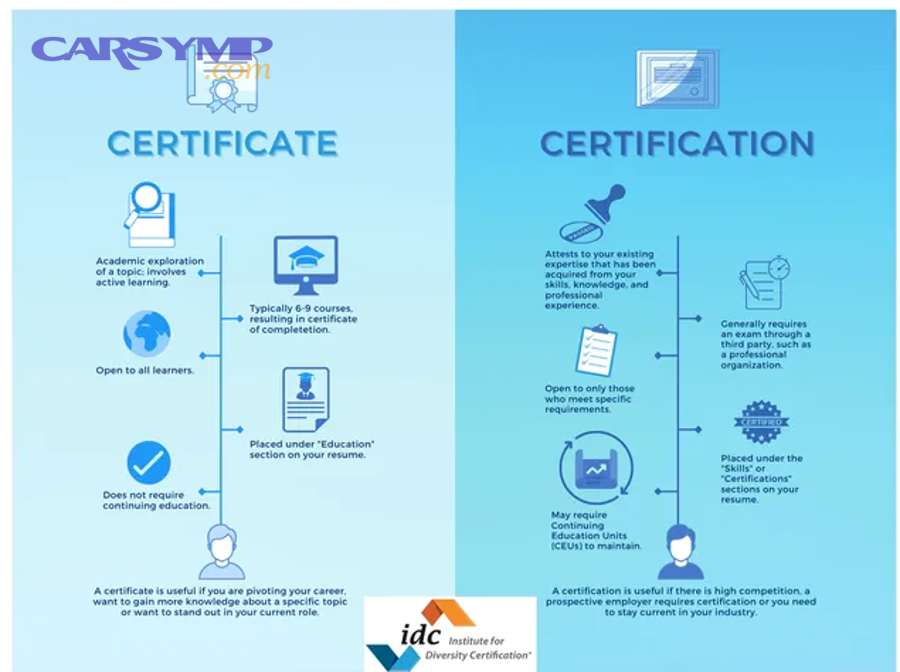
A certification becomes valuable when it changes buyer behavior. Buyers hire faster when they trust you, pay more when they believe your work is consistent, and renew contracts when your delivery is predictable. That is why “what matters” is not a generic list—it is a shortlist that aligns with your niche, your client’s verification habits, and your revenue model.
When you work independently, certifications do three concrete jobs:
- They reduce perceived risk when the client cannot fully evaluate your work upfront.
- They signal specialization when you are competing against generalists.
- They act as a procurement-friendly proof point when the buyer must justify vendor selection.
That foundation makes the next step simple: define the specific “kind” of value you need the certification to deliver.
What does “matter” mean in practice—credibility, compliance, or capability proof?
“Matter” means a certification reliably increases trust and opportunity because it delivers credibility, compliance, or capability proof that a target buyer understands. Specifically, you should treat certifications as tools with one job: make it easier for the client to say “yes.”
1) Credibility (trust shortcut)
A credibility certification works when the buyer lacks time or expertise to evaluate you fully. This is common in consulting, marketing, IT, project-based work, and many B2B services. Credibility credentials are strongest when:
- The issuer is widely recognized in your market.
- The exam or assessment is respected (proctored, hands-on, rigorous).
- The certification appears in job posts, RFPs, or vendor requirements.
2) Compliance (permission or standards alignment)
Compliance credentials matter when the buyer’s risk is legal, safety-related, or contractual. Here, the buyer wants proof you meet rules, not just skill.
- In regulated work, the buyer often asks for licenses first.
- In risk-sensitive industries, the buyer asks for safety, security, or quality certifications that reduce liability.
3) Capability proof (specific skill verification)
Capability credentials matter when buyers want proof you can deliver a narrow, technical output. Vendor and role-based certifications often fall here. They are especially powerful when:
- The work is platform-specific or tool-specific.
- The client wants standardized competence across contractors.
- The buyer is comparing multiple providers with similar portfolios.
The practical takeaway is clear: pick the bucket first, then pick the certification.
Which certification categories deliver the biggest ROI for independents?
There are 5 main types of certifications that deliver the biggest ROI for independents: role-based skill certifications, methodology/process certifications, vendor/platform certifications, compliance/safety certifications, and business/eligibility certifications—based on the primary buyer requirement they satisfy. Then, you can prioritize what improves your win rate fastest.
1) Role-based skill certifications (prove you can do the job)
These fit roles like analyst, bookkeeper, marketer, developer, tech, designer, and many service providers.
- Best when clients hire by role title and expect standardized competence.
- Strongest when paired with a portfolio that shows outcomes.
2) Methodology/process certifications (prove you deliver predictably)
These fit project-driven work where stakeholders fear missed deadlines, scope creep, and chaos.
- Best when you manage complex work streams or coordinate others.
- Valuable when buyers want governance, documentation, and repeatability.
Evidence matters here because buyers often equate process with reduced risk. According to a PMI survey announcement in 2025, U.S. respondents with PMP certification reported a median salary of $135,000 compared with $109,157 for non-certified respondents (about a 24% difference), suggesting buyers and employers value standardized project delivery signals. According to a study by Project Management Institute (PMI) from its survey reporting, in 2025, PMP-certified respondents reported higher median pay than non-certified peers. (pmi.org)
3) Vendor/platform certifications (prove tool competence)
These fit cloud platforms, ad platforms, CRMs, cybersecurity tools, analytics suites, and many product ecosystems.
- Best when your deliverable is tightly coupled to a platform.
- Helps when clients search by vendor name (“certified [platform] expert”).
4) Compliance/safety certifications (prove risk management)
These fit safety-sensitive industries, security-sensitive environments, and regulated operational contexts.
- Best when clients require documented compliance.
- Often required to pass vendor onboarding or site access.
5) Business/eligibility certifications (prove status or access)
These fit markets where certification unlocks procurement categories or preferred vendor programs.
- Best when you sell into enterprise or public sector systems.
- Useful when certification changes which bids you can even submit.
ROI comes from matching category to buyer behavior, not from collecting the “most impressive” badge.
Are certifications still worth it if you already have a strong portfolio?
Yes—certifications are still worth it even with a strong portfolio because they (1) reduce buyer doubt faster, (2) unlock procurement filters and compliance requirements, and (3) help you reposition into higher-paying niches without rebuilding proof from scratch. However, your next move should be targeted, not automatic.
First, a portfolio proves outcomes, but it does not always prove standardization. Some buyers want a recognized signal because it is easier to justify internally than “trust me, look at my past work.”
Second, many vendor onboarding systems and enterprise procurement checklists use certifications as filters. A portfolio might never be reviewed if you fail a credential gate.
Third, certifications are a bridge when you pivot. If you change niche—say, from general IT support to cloud security—buyers want proof that you can deliver in the new scope.
A helpful decision rule is simple: if your target clients ask for certifications, list them in job posts, or verify compliance, certification adds leverage even when your portfolio is strong.
What’s the difference between a certification, a credential, and a license?
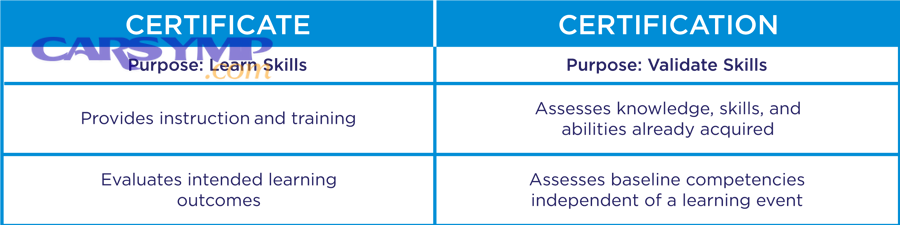
A certification validates competence against a standard, a credential is the broader umbrella for any formal proof of qualification, and a license is legal permission to perform regulated work—so licenses control “can you do this,” while certifications influence “should we hire you.” Next, we’ll translate these definitions into decisions you can apply immediately.
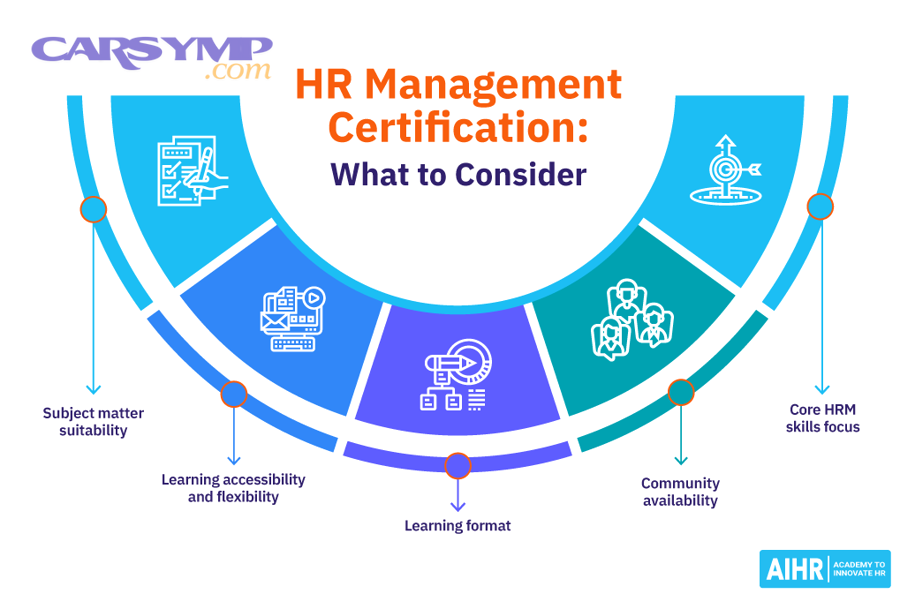
Terminology confusion is expensive for independents because it creates two common mistakes:
- You assume a certification gives you legal permission to operate.
- You assume a license automatically convinces buyers of quality.
The truth is more practical: a license reduces legal risk, while a certification reduces performance risk. Buyers care about both, but they evaluate them differently.
Is a license a type of credential—and why does it matter for independent work?
A license is a type of credential because it is an official, documented authorization, typically issued by a government authority, that grants legal permission to perform certain work. Specifically, it matters because operating without required licensing can expose you and your client to penalties, contract termination, and liability.
For independent work, licensing matters in three ways:
- Market access: You may be barred from jobs without it.
- Pricing power: Licensed providers can often charge more because they meet a legal threshold.
- Trust language: Many buyers search and filter by “licensed,” especially in local services.
Even if your niche is not heavily regulated, you should still understand the license boundary because clients often ask “Are you licensed?” as a shorthand for credibility.
Can a certification replace a license?
No—a certification cannot replace a license in regulated contexts because a license is legal permission and certification is skill validation; they serve different functions, are issued by different authorities, and carry different consequences if missing. However, a certification can complement a license by signaling quality beyond minimum legal compliance.
Here is a practical way to avoid confusion:
- If the work is regulated, you need the license first.
- If the buyer is risk-sensitive, you add certifications that reduce performance and compliance risk.
- If you are competing on quality, certifications help you differentiate beyond “I’m legally allowed to do this.”
This distinction protects you from overselling a credential and protects clients from misunderstanding what you provide.
How do clients interpret “certified” versus “licensed” when hiring?
Licensed wins in legal permission, certified wins in demonstrated competence, and insured/bonded is best for risk transfer—so buyers interpret “licensed” as minimum requirement, “certified” as quality signal, and “insured” as financial protection. Meanwhile, the buyer’s context determines which term they care about most.
Consumers often interpret “licensed” as “safe to hire” and “certified” as “extra expertise.”
Enterprises often interpret “licensed” as compliance and “certified” as standardized training.
Procurement teams interpret both as documentation they can store and audit.
That is why your marketing should avoid vague claims. Instead of saying “fully certified,” you should say “certified in X by Y, current through Z,” and separate that from licensing statements when relevant.
Which certifications should you prioritize by niche and buyer type?
There are 4 main ways to prioritize certifications by niche and buyer type: match to procurement filters, match to compliance exposure, match to platform dependency, and match to trust gaps—based on what your buyer must prove internally to hire you. Next, we’ll turn that into a buyer-first map you can use to build a short, profitable credential stack.
A certification strategy fails when it starts with what feels impressive rather than what converts. Buyers do not pay for your identity; they pay for reduced risk and predictable outcomes.
Start by identifying your buyer type:
- Consumer/direct-to-local: trust is emotional and social, and proof must be simple.
- SMB owner/operator: trust is practical; they want competence and responsiveness.
- Enterprise/procurement: trust is documented; they want standards, security, and auditable proof.
- Public sector: trust is compliance-heavy; they want eligibility and documentation.
Then choose the certifications that match how that buyer buys.
What certifications do enterprise and procurement teams care about most?
Enterprise and procurement teams care most about process and risk certifications, platform/vendor certifications, and security/compliance credentials—because these are easy to verify, easy to document, and directly reduce operational risk. More specifically, they care about what can be audited.
Enterprise buyers tend to reward certifications that show:
- Standardized delivery: your work follows recognized methods and controls.
- Security awareness: you can handle sensitive systems and data responsibly.
- Scalability: your approach can be repeated across teams and locations.
They also care about renewal status, because expired credentials undermine audit confidence. This is where credential hygiene becomes a competitive advantage.
What certifications matter most when you sell directly to consumers?
When you sell directly to consumers, the certifications that matter most are local-trust signals, safety-relevant credentials, and brand-recognized proofs—because consumers want reassurance quickly and rarely research complex certification trees. However, the key is to translate credentials into plain-language benefits.
This is where the local services example becomes useful. If you are an independent mechanic, many customers will not evaluate your diagnostic methodology—they will evaluate trust signals and clarity. You can support that trust with:
- Clear explanations of what your certifications mean in everyday outcomes.
- Visible proof of ongoing training if you service newer vehicles or advanced systems.
- Simple documentation in estimates and invoices.
This is also where readers often ask: How to evaluate a local mechanic shop without becoming a technical expert. Certifications help, but they work best as part of a trust bundle:
- Reviews + repeat customers
- Transparent estimates
- Clean, organized workspace
- Clear warranty and parts policies
- Documented training or recognized credentials
Which certifications help you switch niches or raise your rates fastest?
Specialist certifications win for niche switching, methodology certifications are best for rate increases tied to delivery reliability, and vendor certifications are optimal for platform-based premium services—so your “fastest” path depends on whether you are changing what you do, how you deliver, or what tools you command. Then, you can choose the shortest bridge to a higher-value market.
If you are switching what you do:
Pick a certification that proves competence in the new scope, then build 2–3 case studies that mirror the buyer’s environment.
If you are increasing rates in the same niche:
Add a process or quality credential that helps you sell predictability, not just raw skill.
If you are moving into platform premiums:
Add vendor certifications that buyers explicitly search for, and create service packages tightly linked to that platform.
The most profitable certification is usually the one that changes your positioning in a way buyers already understand.
How do you choose the right certification without wasting money?
Choose the right certification by scoring options across 5 factors—buyer demand, issuer credibility, proof strength, time-to-complete, and renewal burden—so you invest in credentials that increase conversions and pricing power instead of just adding lines to your profile. Next, we’ll turn that into a simple comparison method.
Independents waste money on certifications for three predictable reasons:
- They follow generic “top certifications” lists rather than their buyer’s requirements.
- They overestimate the marketing value of a badge that clients do not recognize.
- They underestimate renewal and maintenance costs.
A good certification decision looks like a business decision, not a personal development decision.
What is a simple scoring checklist to compare certifications?
A simple scoring checklist compares certifications using 5 criteria—demand, credibility, verification, effort, and maintenance—so you can rank options objectively and pick the one most likely to impact revenue. Specifically, you score each factor from 1–5 and prioritize the highest total.
Below is a table showing what each criterion means and what “high score” looks like.
| Criterion | What you’re measuring | High-score signals |
|---|---|---|
| Buyer demand | Do target clients ask for it? | Appears in job posts, RFPs, vendor checklists |
| Issuer credibility | Does the market respect the issuer? | Recognized organization, clear standards, reputation |
| Proof strength | Does it truly validate competence? | Proctored exams, hands-on assessments, rigorous requirements |
| Effort to earn | Can you complete it efficiently? | Clear learning path, realistic prep time |
| Maintenance burden | Will it remain current without draining you? | Reasonable renewal cycle, manageable CE requirements |
Once you score, you do one more check: ask whether the certification supports your offer. A credential that does not map to a service package rarely pays back quickly.
Evidence can support why this approach matters. According to a study by the University of Minnesota from the Department of Sociology, in 2022, workers with professional certification showed higher average weekly earnings than those without certification in the analyzed sample, suggesting credentials can carry economic value when they reflect recognized competence. (pmc.ncbi.nlm.nih.gov)
Should you pick a vendor certification or a vendor-neutral certification first?
Vendor certifications win in platform-specific work, vendor-neutral certifications are best for broad credibility across tools, and role-based certifications are optimal for proving job-readiness—so your first choice should match whether clients hire you for a tool, a role, or an outcome. Then, you can stack the other type later.
Pick vendor first when:
- Your deliverable is built inside a specific platform (cloud, CRM, ads, analytics).
- Clients search for “certified [vendor]” and filter based on that phrase.
- The market has clear partner ecosystems and recognized badges.
Pick vendor-neutral first when:
- You advise across tools or customize stacks for different clients.
- Buyers care about principles, frameworks, and transferable competence.
- You want flexibility to serve multiple ecosystems without rebranding constantly.
A vendor credential can be a sharp spear, but a neutral credential can be a wide net. Your job is to choose based on where the money is coming from.
How many certifications do you actually need before diminishing returns?
Yes—there is a point of diminishing returns, and most independents only need 1–2 core certifications plus 1 specialization because (1) buyers stop caring after the top signals, (2) too many badges can dilute positioning, and (3) maintenance overhead grows faster than client impact. However, the exact number depends on your niche and buyer type.
A practical “good” stack looks like this:
- One core credential that signals your primary competence or permission.
- One process or quality signal if you sell complex work.
- One specialization that supports a premium package.
Anything beyond that should be justified by a specific buyer requirement or a new service line. Otherwise, you are paying renewal fees for marketing that does not convert.
How should you present certifications so they convert into clients?
Present certifications by pairing each credential with a buyer-facing benefit, placing proof where the buyer makes decisions, and making verification effortless—so certifications increase close rate instead of becoming decorative badges. Next, we’ll map placement and proof to the real client journey.
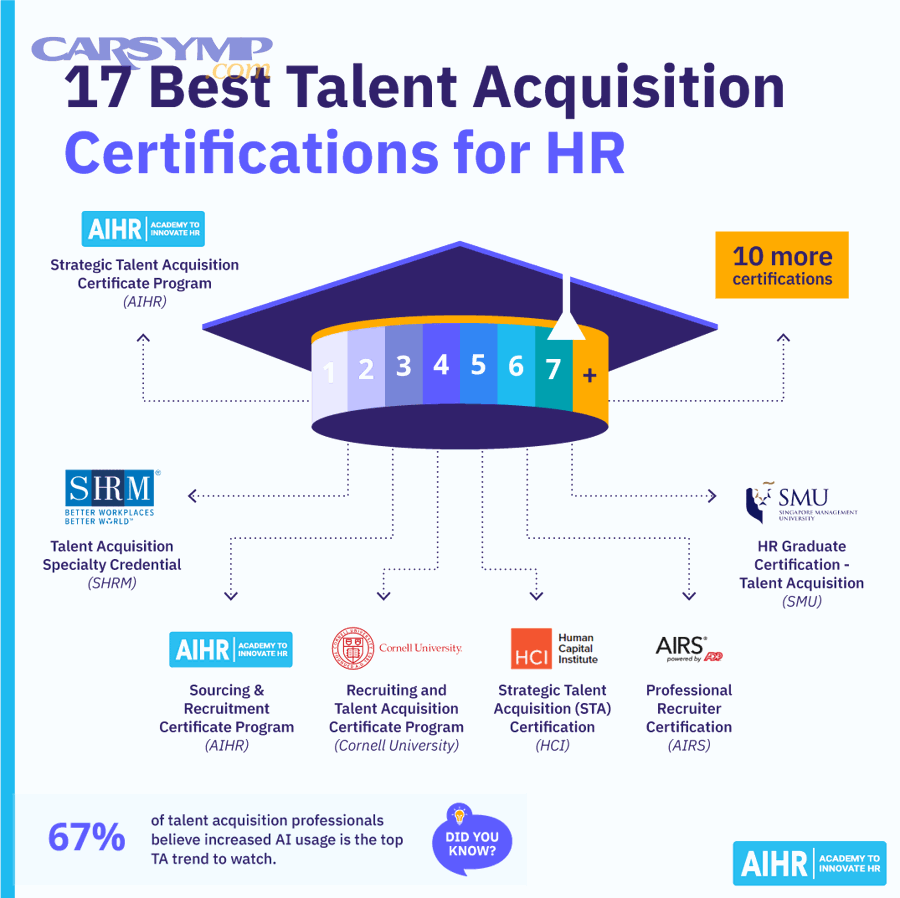
A certification only converts when a buyer sees it at the right moment and understands what it means. Independents often hide credentials in a resume-style list, but buyers do not hire resumes—they hire outcomes with reduced risk.
Your goal is to turn each certification into a “proof block”:
- What it is (name and issuer)
- What it proves (capability, process, compliance)
- Why it matters (benefit to the client)
- How it can be verified (registry, ID, link, expiry)
That structure keeps your terminology consistent and prevents vague claims.
Where should certifications appear—LinkedIn, website, proposals, or invoices?
Certifications should appear on LinkedIn for discovery, on your website for authority, in proposals for decision support, and on invoices only if it reinforces legitimacy—because each channel matches a different stage of the buyer journey. Then, you can place the right proof in the right place.
LinkedIn (discovery and filtering):
- Put core credentials in the headline or featured section.
- Add issuer and dates in the certifications section.
- Use one short line connecting the credential to outcomes.
Website (authority and trust building):
- Create a “Credentials & Standards” section on your about/service pages.
- Add proof blocks near service packages where they are relevant.
- Use simple language that explains benefits, not just names.
Proposals (decision and justification):
- Include a short “Proof & Risk Reduction” section.
- Add the certification only when it supports the client’s stated concern.
- Provide verification links if available.
Invoices (legitimacy and retention):
- Use credentials sparingly.
- Add only if it supports a service warranty, compliance statement, or professional standard.
If you sell local services—like an independent mechanic—your proposal equivalent may be an estimate. In that case, certifications convert best when combined with clear, customer-friendly policies and trust signals. That is where Questions to ask about warranty and parts becomes a practical conversion tool: buyers feel safer when they see you welcome scrutiny.
Do clients verify certifications—and what proof do they trust most?
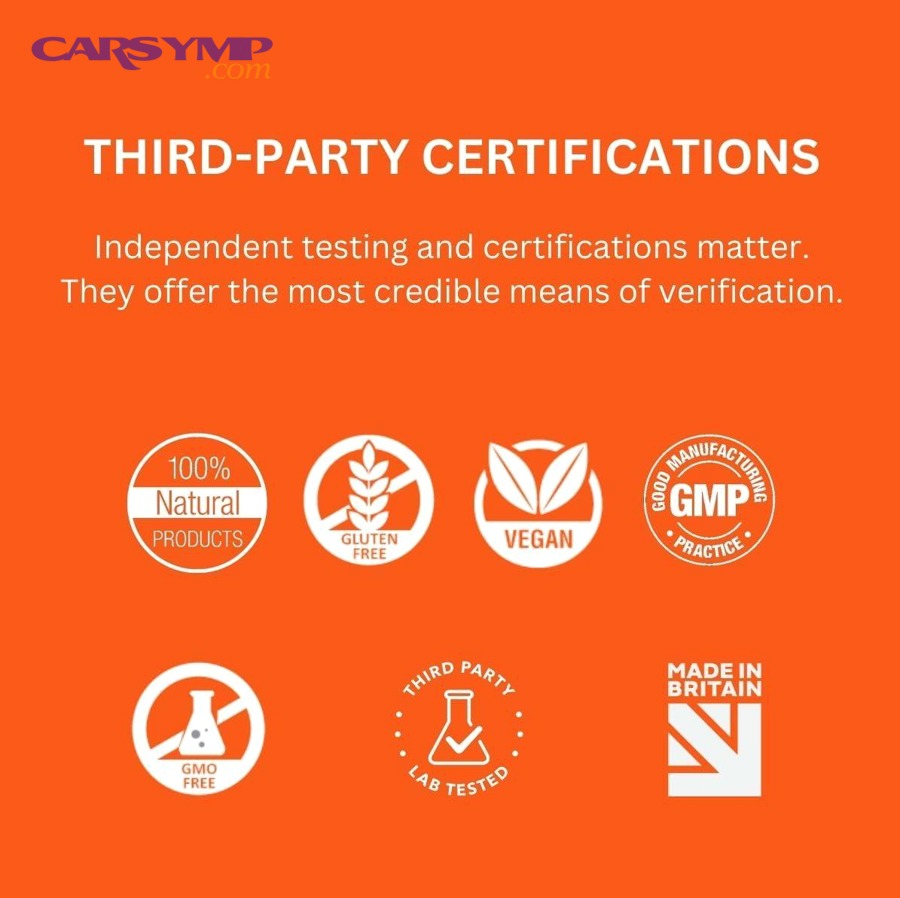
Yes—clients often verify certifications because (1) procurement and risk teams require auditability, (2) consumers fear scams in local services, and (3) certification fraud is easy to claim but harder to prove—so trusted proof is the simplest proof to check. However, verification intensity varies by buyer type.
Clients tend to trust these proofs most:
- Issuer registry lookups (best for enterprise/procurement)
- Digital badges with verification (useful when reputable)
- Certificate IDs and expiry dates (helps for compliance and currency)
- Training transcripts or continuing education records (strong in technical niches)
Local buyers verify differently. If someone is choosing a mechanic, they may not look up a badge registry, but they will evaluate consistency signals. That is why How to evaluate a local mechanic shop often comes down to documentation and clarity, not technical jargon:
- The shop explains diagnoses in plain language.
- Estimates include labor, parts, and options.
- The warranty terms are written and specific.
- The shop shows replaced parts when requested (where appropriate).
- The shop communicates delays and approvals clearly.
A certification supports trust best when it sits inside a transparent customer experience.
How do you combine certifications with a portfolio to increase close rate?
A portfolio wins in outcomes, certifications win in trust acceleration, and a combined proof narrative is optimal for closing because it shows you delivered results and you meet recognized standards. Then, you can structure your pitch so credentials support the story instead of replacing it.
Use this simple conversion structure:
- Outcome first: show a relevant result (before/after, metrics, customer impact).
- Method second: explain the process you used to achieve it (your repeatable approach).
- Credential third: connect your certification to why that method is reliable.
- Risk reducer: add warranty, SLA, quality controls, or compliance notes.
This structure also supports retention. Clients stay when they trust your consistency, and consistency is where process credentials shine.
For local services, the “portfolio” might be case notes and service records. That is where Building a relationship with a mechanic becomes a strategic advantage: repeat customers trust your judgment faster, approve work more easily, and refer others because your documentation and communication reduce uncertainty.
Evidence can help justify why buyers value certified capability in performance terms. According to an IDC finding cited by Microsoft, certified teams responsible for core IT activities were reported as generally more productive than uncertified staff, reinforcing why organizations treat certifications as operational risk reducers. According to a study by IDC referenced in Microsoft partner communications from 2023, in 2023, certified teams for core IT activities were reported as more productive than uncertified staff. (microsoft.com)
What pitfalls and edge cases should independents watch for with certifications and licenses?
Independent professionals should watch for vanity certifications, lapsed renewals, jurisdiction licensing traps, and overstated claims because these issues (1) damage credibility, (2) create legal or contractual exposure, and (3) increase maintenance costs without improving conversions. Next, we’ll separate reliable signals from risky shortcuts.

Even strong credentials can backfire when presented poorly or maintained carelessly. Buyers interpret sloppiness as operational risk. That is why the final step is not “get more certifications,” but “protect the signal quality of the certifications you already have.”
What are the red flags of a “vanity certification” versus a reputable one?
A reputable certification has clear standards, meaningful assessment, and recognizable issuer credibility, while a vanity certification sells status without proof—so you can spot low-value credentials by looking for weak exams, vague outcomes, and aggressive marketing promises. Specifically, watch for these red flags:
- The certification promises guaranteed income, clients, or job placement.
- The assessment is unproctored, trivial, or absent.
- The issuer is unknown in your market and has no transparent standards.
- There is no renewal process, continuing education expectation, or ethics policy.
- The credential title sounds impressive but lacks a clear competence definition.
Reputable certifications tend to be boring in how they describe themselves. They emphasize standards and competence, not hype.
How do renewal, continuing education, and expiration affect credibility?
Renewal and expiration affect credibility because buyers interpret current credentials as proof you keep skills up to date, while lapsed credentials signal neglect—so you should treat renewal as part of your brand maintenance. Then, you can present credentials in a way that increases trust instead of inviting skepticism.
Best practices include:
- Show current status and expiration dates where relevant.
- Avoid listing lapsed certifications as if they are active.
- Maintain a renewal calendar so credentials do not quietly expire.
- Keep proof of continuing education in case a buyer asks for it.
This matters most in fast-changing tool ecosystems and compliance-sensitive markets, where currency is part of competence.
Do licensing rules change by state—and can reciprocity reduce the burden?
Yes—licensing rules can change by state, and reciprocity can reduce the burden in some cases because licensing is jurisdiction-based and tied to local regulation, while reciprocity depends on agreements and equivalency standards. However, reciprocity is not universal, so you must confirm requirements in each jurisdiction where you work.
A practical, low-risk approach is:
- Identify whether your service is regulated in your service area(s).
- Confirm requirements before marketing “licensed” claims.
- Use precise language: “licensed in [state/jurisdiction]” rather than broad statements.
This protects you and it protects clients from misunderstanding your operating scope.
Can certifications impact insurance, bonding, or RFP scoring?
Yes—certifications can impact insurance, bonding, or RFP scoring because (1) they can signal risk management maturity, (2) they can support eligibility or evaluation criteria in formal bids, and (3) they can reduce perceived performance risk for underwriters and procurement reviewers. However, the impact varies widely by industry and buyer policy.
To use this ethically and effectively:
- Claim impact only when you have a concrete link (buyer requirements, RFP language, insurer guidance).
- Position certifications as risk reducers, not guarantees.
- Tie each credential to a control: documentation, standards, safety practices, or quality assurance.
When you apply this carefully, certifications become a real business lever rather than a marketing ornament.

Evidence (if any): According to a study by the University of Minnesota from the Department of Sociology, in 2022, workers with professional certification showed higher average weekly earnings than those without certification in the analyzed sample, indicating that recognized credentials can correlate with measurable economic value when they reflect real competence. (pmc.ncbi.nlm.nih.gov)