


Most “brake service” visits boil down to three core items—pads, rotors, and brake fluid—plus an inspection that tells you whether you’re simply checking wear or actually fixing a safety problem. This guide breaks down the common brake services you’ll hear at a shop, what each one includes, and how they connect to real-world symptoms like squealing, vibration, or a soft pedal.
Next, we’ll make the big decision easy: inspection vs replacement. You’ll learn what technicians measure, what numbers matter (pad thickness, rotor condition, fluid health), and how to interpret recommendations so you replace parts only when it makes sense.
Then, we’ll connect everyday driver questions to the right service category—noises, warning lights, pulling, pulsation, and braking feel—so you can describe your issue clearly and get a more accurate estimate.
Introduce a new idea: once you understand the service “menu,” you’ll also know what to expect during an appointment and how special cases like ABS and electronic parking brakes can change the plan.
What are “common brake services,” and what parts do they cover?
Common brake services are the standard maintenance and repair actions that keep your braking system safe—typically inspecting wear, replacing pads/shoes, addressing rotors/drums, and servicing brake fluid—with extra attention to calipers, lines, and hardware that affect stopping power and pedal feel. To better understand what you’re paying for, it helps to map each service name to the exact parts it touches and the problem it’s meant to prevent.
What does a brake inspection include, yes or no—does it always require part replacement?
No— a brake inspection does not always require part replacement because (1) many issues are simply normal wear within safe limits, (2) some symptoms come from dirt/heat or driving conditions rather than failed parts, and (3) measurements often show you can safely “monitor” instead of replacing today. More specifically, the purpose of an inspection is to measure, verify, and predict, not automatically replace components.
A solid brake inspection usually includes:
- Pad/shoe thickness check (front and rear, inner and outer if visible)
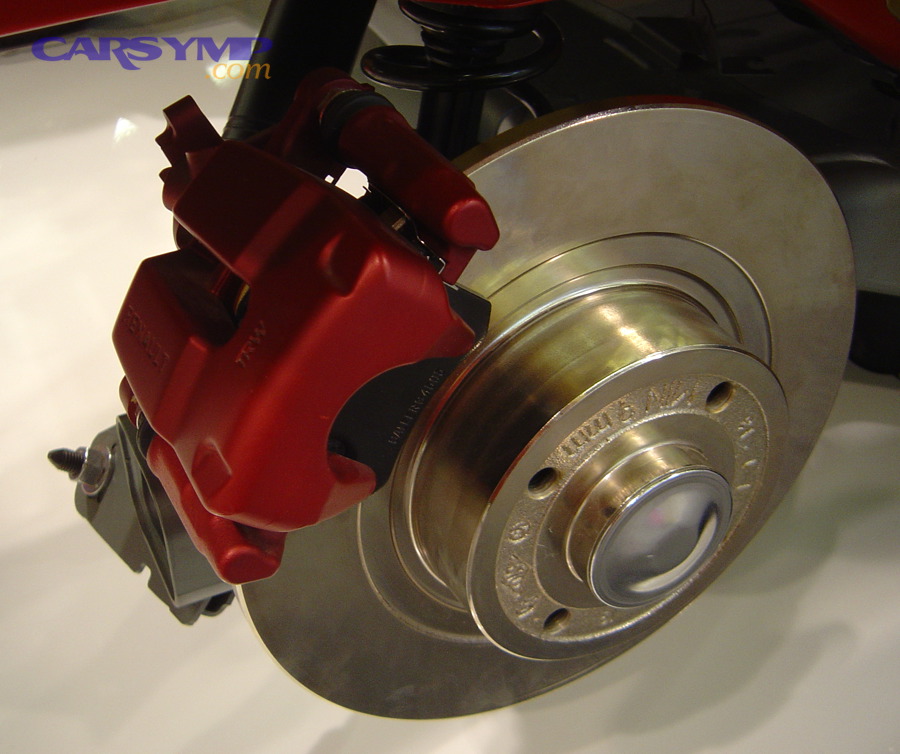
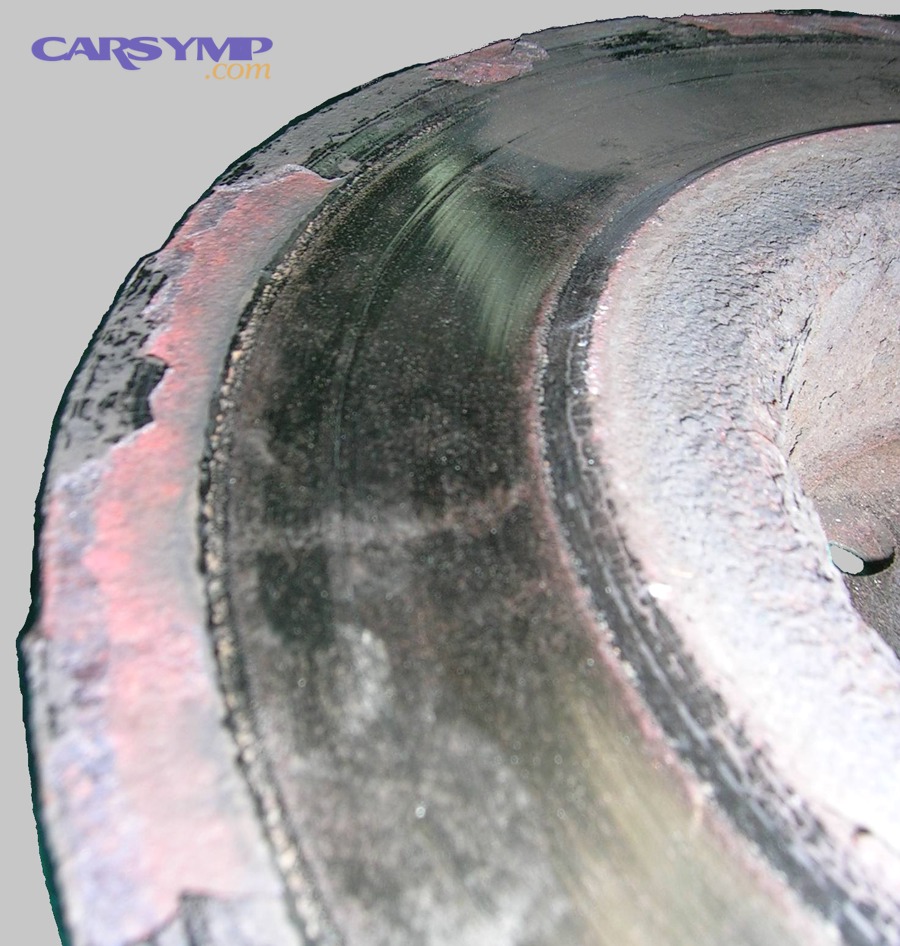
- Rotor/drum surface condition (scoring, heat spotting, cracks, rust ridges)
- Rotor thickness and/or runout checks when vibration/pulsation is reported
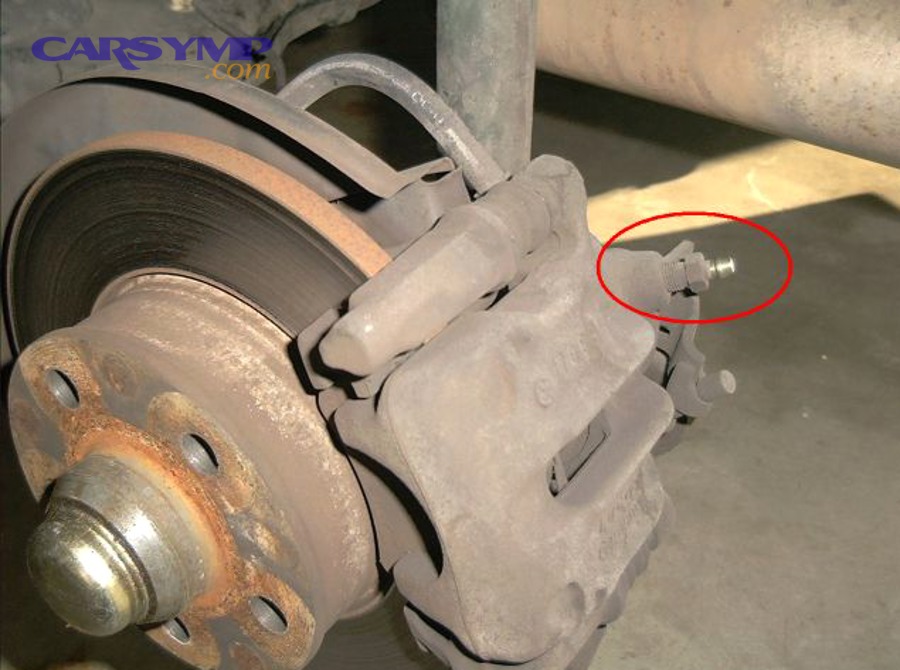
- Caliper operation (sliding pins, piston movement, uneven pad wear clues)
- Brake fluid condition (level, color; sometimes moisture/boiling point testing)
- Leaks and hose/line condition (wetness, cracking, corrosion, chafing)
- Parking brake function (especially rear brakes and electronic systems)
- Road test interpretation (noise, pull, pedal travel, ABS engagement feel)
What makes this useful for everyday drivers is that the inspection should end with a clear decision: safe to drive and monitor, service soon, or service now. If the shop can’t explain what they measured and why it matters, that’s a sign you’re not getting the full value of an inspection.
Which brake components are “wear items,” and which are “service-as-needed”?
There are 3 main groups of brake components—wear items, conditional parts, and fluids—based on how predictably they degrade over time. For example, pads wear in a mostly predictable way, while calipers usually last longer but can fail suddenly if they seize or leak.
1) Wear items (expected to wear down)
- Brake pads (disc brakes)
- Brake shoes (drum brakes)
- Brake hardware (clips, shims, anti-rattle springs—often replaced with pads)
2) Service-as-needed parts (replace when measurements or symptoms justify it)
- Rotors/drums (replace/resurface depending on thickness, damage, vibration)
- Calipers/wheel cylinders (replace if leaking, seized, or causing uneven wear)
- Hoses/lines (replace if leaking, bulging, cracking, corroded, or damaged)
- Master cylinder/booster (less common, but critical when they fail)
3) Fluids (age + contamination-driven)
- Brake fluid (hygroscopic—absorbs moisture over time, affecting performance)
This grouping matters because it prevents a common misunderstanding: “If pads are worn, everything must be replaced.” In reality, pads are normal wear items; rotors and hydraulics are conditional and should be justified with measurements and symptoms.
What does a brake fluid flush/bleed mean, and why is it considered a brake service?
A brake fluid flush/bleed is a hydraulic service that replaces old fluid and removes air (or moisture-contaminated fluid) from the brake system to restore consistent pressure transfer, pedal feel, and heat resistance—especially under repeated or hard braking. In addition, this is the part of brake care most drivers forget because it doesn’t look “worn” like pads do.
Here’s the practical difference:
- Bleeding focuses on removing air bubbles from lines/calipers after repairs or if the pedal feels spongy.
- Flushing focuses on replacing old fluid throughout the system, which helps reduce moisture-related boiling and internal corrosion risk.
Why does moisture matter? Brake fluid naturally absorbs water from the air over time. Water lowers the fluid’s effective boiling point, and when fluid boils under heat, it can create compressible vapor—meaning the pedal can feel soft and braking can fade.
Evidence: According to a study by National Taipei University of Technology from the Department of Mechanical Engineering, in 2006, researchers reported that brake fluid’s hygroscopic behavior (absorbing moisture) reduces boiling point and can deteriorate braking functionality, supporting the need for fluid condition monitoring and timely replacement. (ntut.elsevierpure.com)
Which brake services are most common for everyday drivers—and when are they needed?
There are 5 main types of common brake services—inspection, pads/shoes replacement, rotor/drum service, fluid service, and caliper/line repairs—based on what part is responsible for stopping force, heat control, or hydraulic pressure. Next, we’ll connect each service type to the triggers that make it necessary, so you can match your symptoms to the right category.
What are the most common brake services by category (pads, rotors, fluid, hardware, calipers)?
There are 5 main categories of brake services—pads/shoes, rotors/drums, fluid, hardware, and calipers/hydraulics—based on what is wearing, what is managing heat, and what is transmitting pressure. Specifically, the category tells you whether you’re addressing friction material, a heat surface, or the hydraulic “push” behind braking.
1) Pads/shoes service (friction material)
- Replace pads (disc) or shoes (drum) when worn or contaminated
- Often includes cleaning and inspection of contact points
2) Rotor/drum service (heat + friction surface)
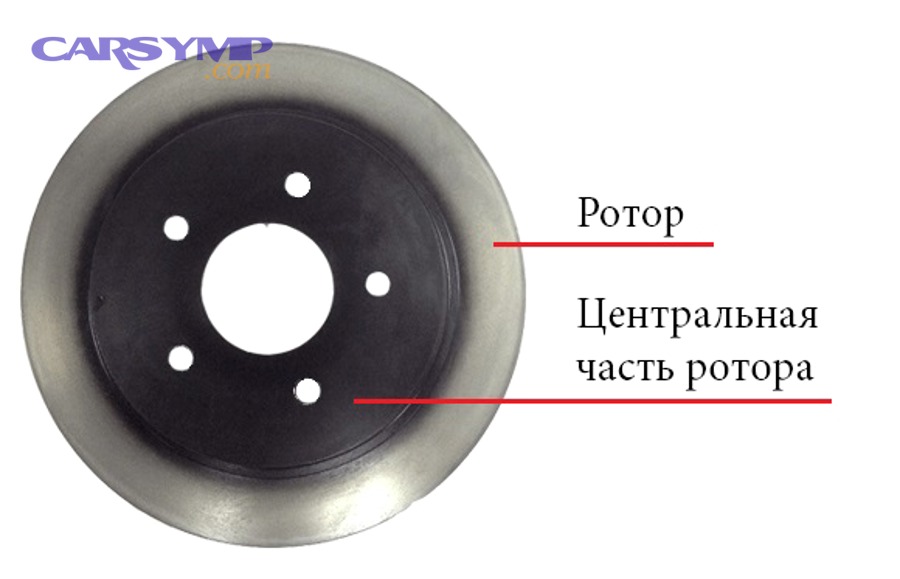
- Replace or resurface rotors/drums when damaged, too thin, or causing pulsation
- Addresses vibration, noise, or uneven braking feel
3) Brake fluid service (hydraulic performance)
- Flush/bleed to remove moisture/old fluid or air
- Helps maintain consistent pedal feel and heat resistance
4) Hardware service (small parts that control noise and movement)
- Replace clips, shims, springs, and anti-rattle parts with pads when needed
- Prevents squeaks, chatter, and uneven pad wear
5) Calipers/lines/hydraulic repairs (pressure delivery + mechanical movement)
- Repair/replace sticking calipers, leaking wheel cylinders, hoses, or lines
- Fixes pulls, uneven wear, soft pedal, or fluid loss
For everyday drivers, most visits start with pads, but the “supporting” categories (hardware and hydraulics) often decide whether the fix lasts 6 months or 6 years.
What symptoms usually point to specific services (noise, vibration, pulling, soft pedal)?
There are 6 common symptom groups that point to specific brake services—based on whether the problem is friction, heat surface distortion, hydraulic pressure, or mechanical binding. For example, vibration under braking usually suggests a rotor-related condition, while a soft pedal points you toward fluid/air/leaks.
Here’s a practical symptom-to-service map:
1) Squealing when braking
- Often: pads worn close to wear indicators, glazing, or hardware issues
- Possible services: pad replacement, hardware kit, cleaning/anti-noise measures
2) Grinding / metal-on-metal sound
- Often: pads fully worn, backing plate contacting rotor
- Possible services: pads + rotors (and inspection for caliper damage)
3) Pulsation in pedal / steering wheel shake when braking
- Often: rotor thickness variation/runout or uneven friction transfer
- Possible services: rotor service + pad check + hub cleaning/torque verification
4) Car pulls left/right when braking
- Often: sticking caliper, uneven pad contamination, hose restriction, alignment/tire factors
- Possible services: caliper service/replace, hose inspection, brake balance evaluation
5) Soft/spongy pedal
- Often: air in system, old fluid, internal leak, or external leak
- Possible services: bleeding/flushing, leak diagnosis, hydraulic repair
6) Brake warning light / ABS light
- Often: low fluid from wear or leak, sensor issue, ABS fault
- Possible services: inspection first, then targeted repair and diagnostics
The key is to describe symptoms precisely: when it happens (cold/hot), which speeds, which wheel area, and whether it changes after a few stops. That helps the shop avoid guesswork and helps you avoid unnecessary parts.
Is it safe to keep driving with brake noises—yes or no?
No— it’s not always safe to keep driving with brake noises because (1) some noises indicate immediate loss of friction material (grinding), (2) others signal heat damage or reduced braking consistency (pulsation/vibration), and (3) continuing can turn a small wear-item job into rotor/caliper damage. More importantly, brake noise is your early warning system, and the safest move is to classify the noise before you “test it for a few more days.”
Use a quick decision rule:
- Stop driving (or drive only to a nearby shop) if you have: grinding, a sudden loud scrape, a pedal that sinks, burning smell, smoke, or loss of braking confidence.
- Schedule inspection soon if you have: repeated squeal, vibration, new pull, or warning lights.
- Monitor briefly if you have: occasional light squeak in wet conditions that disappears quickly (but still inspect if it persists).
This isn’t about being alarmist—it’s about preventing escalation. Pads are relatively routine; damaged rotors and overheated components are where costs and risk rise quickly.
Inspection vs replacement: what’s the difference, and how do you know which you need?
Inspection wins for clarity, replacement wins for fixing confirmed wear, and targeted repair is optimal for symptom-driven faults—because inspection finds the “why,” replacement removes worn friction material, and targeted repair restores proper movement/pressure when the system is binding or leaking. However, the real skill is knowing which recommendation is justified by measurements and which is a guess.
What does “inspect” mean compared to “replace,” and what decisions come from each?
Inspection means measuring and verifying condition so you can decide what’s required; replacement means installing new parts because the measurements or symptoms show the old ones can’t safely do their job. Meanwhile, the decisions from each are different: inspection produces a plan, replacement executes the plan.
Inspection typically produces:
- Pad/shoe thickness numbers
- Rotor/drum condition notes (and thickness if measured)
- Leak/binding observations
- Fluid condition assessment
- A priority list: now / soon / monitor
Replacement typically includes:
- New pads/shoes (and often hardware)
- Rotor service if required
- Caliper slide/piston checks and cleaning
- Proper torque procedures and a road test
- Bedding-in guidance
The most trustworthy recommendation explains the link between what was measured and what action follows. If a shop can show you the worn pad thickness or rotor condition and connect it to the symptom you reported, you’re in “inspection-driven replacement,” which is exactly what you want.
Do rotors always need replacement with pads—yes or no?
No— rotors do not always need replacement with pads because (1) rotors may still be within thickness and condition limits, (2) some noise/vibration is caused by pad material transfer or hardware issues rather than rotor damage, and (3) rotor replacement should be justified by measurements like thickness, surface damage, or pulsation complaints. On the other hand, rotors do often need service when pads have been run too long or when vibration is present.
A practical way to think about it:
- Pads-only may be reasonable when: rotors are smooth, within spec, and there’s no pulsation or heat damage.
- Pads + rotor service is likely when: there’s vibration/pulsation, heavy scoring, cracks, heat spots, or significant rust ridges.
- Rotor replacement becomes more likely when: rotors are too thin to safely resurface, or the damage pattern suggests uneven braking that will quickly ruin new pads.
Because rotors manage heat and provide the friction surface, they strongly influence how long your new pads last and whether the brake feel is smooth. The goal isn’t “replace everything”—it’s “replace what will fail or cause repeat symptoms.”
Which measurements matter most (pad thickness, rotor thickness, leaks, fluid condition)?
There are 4 measurement priorities that matter most—pads, rotor condition, hydraulic integrity, and fluid health—based on what most directly affects stopping performance and safety. To illustrate, pad thickness tells you remaining friction life, while leaks tell you whether the system can hold pressure at all.
1) Pad/shoe thickness (friction life)
- Ask: “What are the measurements at each wheel?”
- Uneven wear often signals caliper or hardware issues
2) Rotor/drum condition + thickness (smoothness + heat capacity)
- Ask: “Is there scoring, cracking, or pulsation-related variation?”
- If vibration exists, ask how they verified the cause
3) Leaks or pressure-loss indicators (safety-critical)
- Ask: “Any fluid loss at calipers, wheel cylinders, hoses, or lines?”
- Low fluid could be pad wear, but it could also be a leak—very different meaning
4) Brake fluid condition (consistency + heat resistance)
- Ask: “Is the fluid old/dark, or did you test moisture/boiling point?”
- Old fluid can contribute to soft pedal and fade risk under heat
If you want a quick script, use: “Show me the measurements and explain how they connect to my symptom.” That single sentence protects you from replacing parts based on vague language like “it looks worn.”
What should you expect during a brake service appointment at a shop?
A brake service appointment should follow a predictable flow—symptom intake → inspection measurements → written recommendations → approved repair → post-repair verification—so you understand what’s happening and why. Besides making the process less stressful, knowing the steps helps you spot vague recommendations and avoid paying for work that isn’t tied to your actual problem.
What steps happen from check-in to test drive, and what should be documented?
A typical brake service appointment includes 6 steps—intake, inspection, estimate, authorization, repair, and verification—based on standard workflow needed to keep safety-critical work traceable. Then, the documentation becomes your safeguard: it turns “trust me” into “here’s what we found.”
Step 1: Check-in and symptom capture
- When does the noise occur? Which side? Any warning lights?
- Any recent work (tires, suspension, previous brake job)?
Step 2: Inspection and measurements
- Pad thickness at each wheel (and uneven wear notes)
- Rotor/drum condition and thickness checks when relevant
- Fluid level/condition and leak check
Step 3: Written estimate and prioritization
- Must-do now vs recommended soon vs monitor
- Parts options and warranty info where applicable
Step 4: Authorization
- You approve the work, ideally line-by-line
Step 5: Repair
- Replace parts, service rotors if needed, address caliper movement issues
- Hardware replacement where appropriate
Step 6: Post-service verification
- Pedal feel check, leak re-check, road test
- Notes on bedding-in recommendations for new pads/rotors
What should be documented?
- Measurements (pad thickness, rotor condition notes)
- Parts installed (brand/type) and any machining/replacement actions
- Any additional issues discovered and whether you approved them
This is where you can naturally protect yourself with Red flags and scam avoidance: if you don’t receive measurements, if you’re pressured to approve immediately without explanation, or if the shop won’t show you worn parts, slow down and request clarity before proceeding.
How can you compare recommendations without being upsold?
You compare brake recommendations best by using 3 criteria—measurement proof, symptom linkage, and risk timing—because those criteria separate “necessary safety work” from “optional convenience work.” More importantly, comparing recommendations doesn’t mean distrusting every shop; it means requiring a consistent logic chain.
Use this comparison framework:
1) Measurement proof
- “What are my pad measurements front vs rear?”
- “Are rotors within spec, and what justifies service?”
2) Symptom linkage
- “How does this recommendation fix the vibration/noise I reported?”
- “If we do pads only, what symptom might remain?”
3) Risk timing
- “Is this unsafe now, or safe to monitor for a few weeks?”
- “What happens if I delay this specific line item?”
If you want a second opinion quickly, you might search mobile mechanic near me for an on-site inspection—especially if the car is safe to drive but you want another set of measurements. Just remember: brakes are safety-critical, so choose providers who document findings clearly and use correct torque and bedding practices.
Should you replace brake fluid when doing pads/rotors—yes or no?
No— you do not always need to replace brake fluid when doing pads/rotors because (1) pad/rotor replacement doesn’t automatically contaminate the fluid, (2) fluid condition depends more on age and moisture absorption than on pad wear alone, and (3) a flush should be justified by fluid condition, spongy pedal symptoms, or service history gaps. Especially, the right choice is “condition-based,” not “bundle-based.”
Brake fluid service is smart when:
- You have a soft/spongy pedal or inconsistent braking feel
- The fluid is very dark, or the car has long unknown service history
- You drive in heat-heavy conditions (mountains, towing, frequent braking)
- ABS/complex hydraulic work was performed and bleeding procedures are required
A helpful analogy: pads and rotors are “friction parts,” while fluid is the “pressure medium.” Replacing friction parts doesn’t guarantee the pressure medium is healthy, but a poor pressure medium can make even new pads feel disappointing.
What brake-service cases are “special” (ABS, EPB, diagnostics), and how do they change the repair plan?
Special brake-service cases happen when modern systems—ABS/ESC electronics, electronic parking brakes (EPB), or advanced diagnostics—add required steps beyond basic pad-and-rotor work. In addition, these systems can change what “safe to drive” means when warning lights appear, because the car may still brake but lose stability control features.
Does ABS require special brake service steps—yes or no?
Yes— ABS can require special brake service steps because (1) some systems need scan-tool procedures to fully bleed or cycle valves, (2) warning lights can indicate sensor or hydraulic faults that change the repair priority, and (3) ABS/ESC involvement can affect stability and traction behavior even if base braking still works. Moreover, ABS-related steps are about restoring the system’s ability to modulate braking safely, not about making the car “stop faster” in every situation.
What changes with ABS?
- Diagnostics first when ABS lights are on: fault codes can guide you to a sensor, tone ring, wiring, or module issue.
- Bleeding procedures can be more complex: some systems need valve cycling to remove trapped air.
- Test drive verification may include checking ABS engagement behavior and ensuring lights stay off.
This is also where battery health matters in a non-obvious way: low voltage can cause strange warning light behavior and intermittent electronic faults. If you’re seeing multiple warning lights—including ABS—checking charging system health is a smart supporting step before replacing expensive modules.
What is an electronic parking brake (EPB) service mode, and when is it required?
Electronic parking brake (EPB) service mode is a manufacturer-defined state that retracts or relaxes the EPB mechanism so rear brakes can be serviced safely, often requiring a scan tool or specific in-vehicle procedure. Next, the critical point is that EPB changes the “rear brake job” from purely mechanical to partially electronic.
EPB service mode is often required when:
- Replacing rear pads on vehicles with caliper-integrated EPB motors
- Performing certain rear caliper services
- Resetting or calibrating components after service so the system applies correctly
Why it matters:
- Forcing components without service mode can damage the EPB mechanism.
- Some vehicles require an electronic reset so the parking brake clamps properly after new pads are installed.
If your provider seems unfamiliar with EPB steps on your vehicle, that’s a good reason to seek a specialist or a shop that can show you the correct procedure in service documentation.
What rare causes make brakes feel “warped” even when rotors look fine (runout vs thickness variation)?
Runout “wins” as a cause when installation/hub issues create a wobble, thickness variation is best explained by uneven wear or friction transfer over time, and pad deposits are optimal to consider when symptoms come and go with heat—because each mechanism produces pulsation differently. However, the common driver experience is the same: the steering wheel shakes or the pedal pulses, so you need a clear comparison.
Rotor runout (wobble) tends to be associated with:
- Debris/rust between hub and rotor
- Uneven lug torque
- Hub face imperfections
Disc thickness variation (DTV) tends to be associated with:
- Uneven wear patterns that develop over time
- Heat cycling and repeated braking patterns
- Sometimes a history of mild rubbing/contact
Friction transfer (pad deposits) tends to be associated with:
- Heat-related changes (worse after heavy braking)
- Improper bedding-in
- Certain pad compounds under certain driving patterns
A reputable shop explains which one is most likely for your car by connecting your driving symptom pattern (speed/temperature dependency) to the measurements they took.
Which small parts are easy to miss but cause big problems (hardware, slide pins, shims)?
There are 4 commonly missed “small parts”—hardware clips, shims, slide pins, and pad abutment surfaces—based on how they control pad movement, noise, and even wear. Especially, these parts determine whether new pads glide smoothly or drag and squeal.
1) Hardware clips and anti-rattle springs
- Control pad position and prevent chatter
- Missing or reused damaged hardware increases noise risk
2) Shims and anti-noise layers
- Help reduce vibration and squeal (NVH control)
- Incorrect placement can create persistent noise
3) Caliper slide pins
- Allow the caliper to center and clamp evenly
- Dry/corroded pins can cause uneven wear and pulling
4) Pad contact/abutment surfaces
- Rust buildup can “pinch” pads and prevent release
- Cleaning and correct lubrication (where appropriate) matters
This is why “pads replaced” isn’t always the same as “brakes fixed.” A complete brake service treats the braking system as a set of moving parts, not just friction material.
Evidence: According to a study by the University of Waikato from the Psychology Department, in 2010, a sudden brake warning system improved following-driver response time by 0.34 seconds, which the researchers noted could translate to about 4.7 meters saved at 50 km/h—highlighting how small timing differences can meaningfully affect crash risk. (researchcommons.waikato.ac.nz)
Evidence (if any)
According to a study by National Taipei University of Technology from the Department of Mechanical Engineering, in 2006, researchers reported that brake fluid’s moisture absorption reduces boiling point and can deteriorate braking functionality—supporting condition-based brake fluid service as part of common brake maintenance. (ntut.elsevierpure.com)
According to a study by the University of Waikato from the Psychology Department, in 2010, researchers found that activating hazard lights during sudden braking (a warning enhancement) produced 0.34 s faster responses than standard brake lights, corresponding to about 4.7 m distance saved at 50 km/h. (researchcommons.waikato.ac.nz)