


Hiring a mobile mechanic is safest when you verify credentials first—confirm identity, check licensing/registration where applicable, validate insurance coverage, and verify relevant certifications like ASE before you authorize repairs. Next, you’ll learn a practical, document-based checklist you can run in minutes, so you can hire confidently instead of guessing.
Then, if your main concern is certifications, this guide shows how to verify ASE credentials and how to interpret what a specific certification actually means for the repair you’re hiring them for—whether it’s diagnostics, brakes, or a battery issue.
Moreover, because licensing and insurance requirements can vary by state and service type, you’ll also learn how to confirm what “licensed” and “insured” really mean in your area and what proof you should request in writing.
Introduce a new idea: the fastest way to reduce risk is to treat credential verification like a short process—ask for proof, match names and dates, and compare two options using a simple scoring method.
What does it mean to “verify a mobile mechanic’s credentials”?
Verifying a mobile mechanic’s credentials is a proof-based process that confirms the technician and business are real, qualified, and covered—by checking identity, licensing/registration (when required), insurance, and certifications like ASE before you authorize repairs.
To better understand what you’re verifying, it helps to separate “claims” from “evidence” and focus on documents that can be cross-checked.
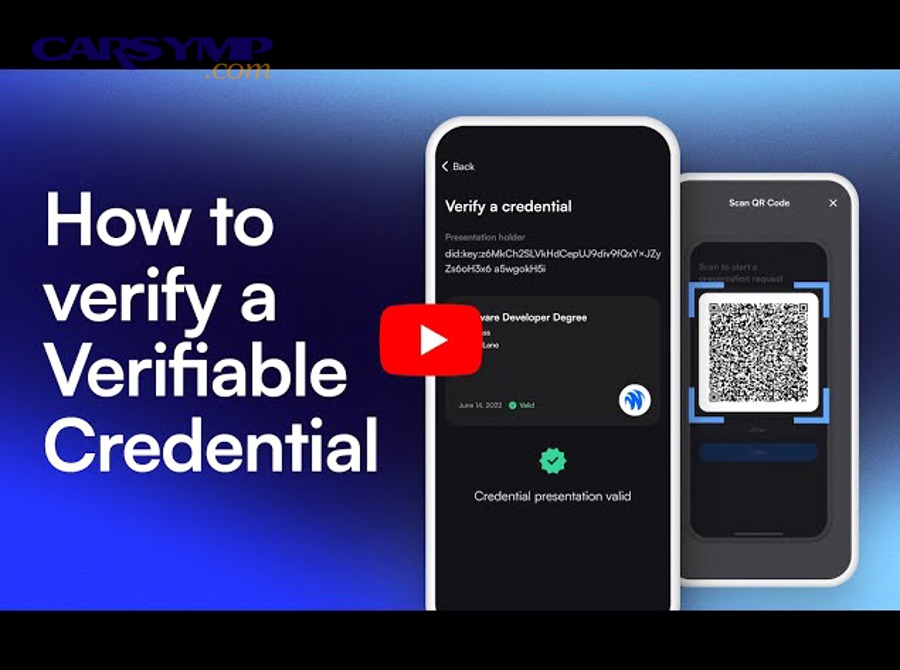
At a practical level, “credentials” are not a single certificate. Credentials are a set of trust and competence signals that you can confirm quickly:
- Identity: the person and business match what’s on the invoice, estimate, and any listings.
- Qualifications: relevant training and certification (such as ASE) for the job being performed.
- Legal/administrative status: business registration and licensing where applicable (varies widely).
- Insurance coverage: active policies that reduce your financial exposure if something goes wrong.
- Documentation habits: a written estimate, clear work authorization, and a warranty policy you can reference later.
The key is consistency. If the mechanic’s name, business name, phone number, and paperwork don’t match, verification fails even if they show a badge or a screenshot.
Can you safely hire a mobile mechanic without verifying credentials first?
No, you generally cannot safely hire a mobile mechanic without verifying credentials first because it increases your risk of (1) paying for unnecessary or poor-quality repairs, (2) liability exposure if damage or injury occurs, and (3) having no enforceable paper trail for disputes or warranty claims.
More importantly, mobile work happens at your home or workplace, so you need stronger—not weaker—proof that the provider is legitimate.
Here’s why skipping verification tends to backfire:
- Your downside is larger than your upside. The upside of skipping checks is speed. The downside is paying twice, being stranded, or dealing with property damage with no coverage.
- “mobile mechanic near me” searches create urgency bias. When you’re stressed and just want the car running, it’s easier to accept vague answers. That urgency is exactly when scammers and low-quality operators do best.
- No documentation means no leverage. If you don’t have a written estimate and a clear authorization trail, disputes become “your word vs theirs.” That’s a weak position—especially if the outcome is a new warning light, new noises, or recurring Car Symptoms.
Specifically, a quick verification sequence protects you even if you don’t understand cars. You’re not judging technical skill—you’re checking whether the provider behaves like a legitimate business with traceable proof.
According to a study by the University of Alabama from a criminology research context cited in an auto-repair fraud literature survey, in 1985, researchers found female customers paid significantly more for unnecessary repairs than male customers, highlighting how information gaps can be exploited.
What documents should you ask for to confirm a mobile mechanic is legitimate?
There are 5 main document types you should ask for to confirm a mobile mechanic is legitimate: proof of identity/business, proof of certification, proof of insurance, a written estimate/work authorization, and a written warranty/parts policy—based on the criterion of whether each item can be verified and used in a dispute.
Below, you’ll see exactly what to request and what each document should contain so you can confirm legitimacy without overcomplicating it.
A strong document pack usually includes:
- Identity + business details
- Government ID (you don’t need a copy—just a match)
- Business name, address (or registered agent/service area), phone, email
- Certification proof (if claimed)
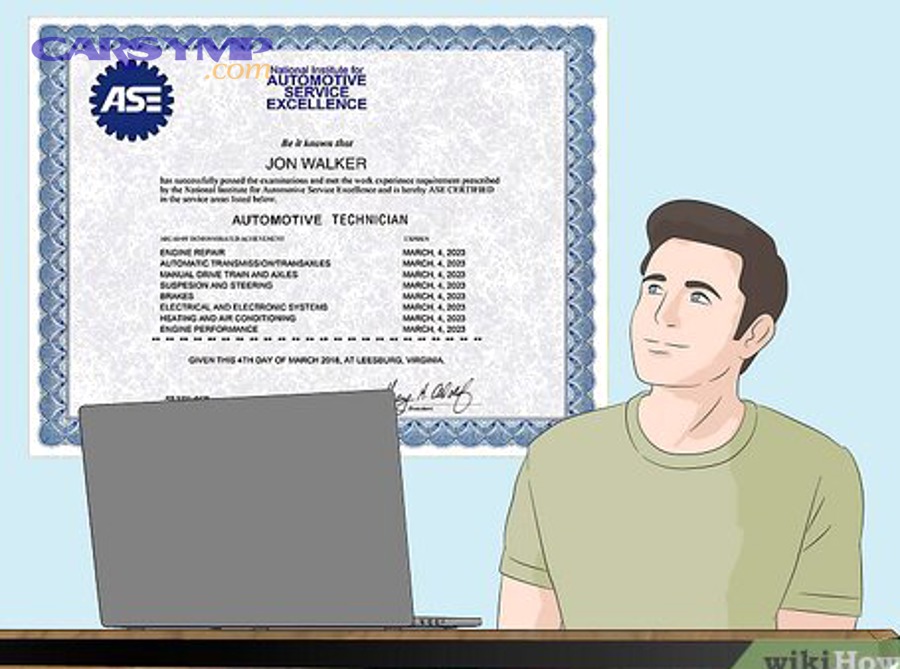
- ASE credentials (or other relevant certs), with details you can verify
- Insurance proof
- Certificate of Insurance (COI) and carrier info; active policy dates
- Written estimate + work authorization
- Line items for labor and parts; diagnostic fees; total range; signature/approval
- Warranty and parts policy for mobile repairs
- Clear terms for labor and parts; exclusions; how claims are handled
What proof of identity and business details should match across documents?
A legitimate mobile mechanic’s identity is consistent when the name and contact details match across their ID, estimate, invoice, business listing, and payment account—and inconsistency is a stronger red flag than almost any negative review.
However, a single mismatch doesn’t always mean fraud, so you should focus on whether the mismatch has a reasonable explanation that can be supported in writing.
Use this quick match checklist:
- Name match
- The name on the estimate/invoice should match the person doing the work or clearly identify the business owner/employer.
- Business name match
- The business name should match what appears online (Google listing, website, invoices).
- Contact match
- Phone and email should match the estimate and invoice. Be cautious with mismatched numbers or disposable emails.
- Payment match
- The payee name on digital payment requests should match the business or the person listed on the estimate.
If the mechanic says “I’m working under another shop’s name,” that can be legitimate—but only if the paperwork clearly states who is responsible for warranty and liability.
What should a written estimate and work authorization include to protect you?
A protective written estimate includes itemized labor and parts, a clear diagnostic scope, an approval step before additional work, and a warranty statement—so you can control cost and prove what you agreed to if problems appear later.
Next, the estimate becomes your control tool because it defines the work before a wrench turns.
A solid mobile repair estimate should include:
- Vehicle details: year/make/model, VIN (optional but helpful), mileage
- Customer concern: the symptom in plain language (e.g., “no start,” “battery drains overnight,” “brake squeal”)
- Diagnostic approach: what they will test and what counts as a diagnosis vs “parts swapping”
- Line items: labor hours/rate, parts cost, shop supplies, taxes, fees
- Authorization rules: “No additional work without approval” + how approval happens (text, email, signed)
- Completion criteria: what “fixed” means (start reliably, no warning light, verified charging voltage, road test results)
- Warranty and parts policy for mobile repairs: duration, conditions, exclusions, who handles defective parts
This is where you prevent the common trap: approving a vague “fix” that turns into multiple add-ons because nothing was defined.
How do you verify ASE certification for a mobile mechanic?
You verify ASE certification by collecting the mechanic’s ASE identification details, confirming their certification status through ASE-recognized verification steps, and matching the specific ASE areas to the repair you’re hiring them for—so the credential is relevant, not just impressive.
Then, you use the certification as one input in a broader legitimacy check, not as a substitute for insurance or documentation.
A practical ASE verification flow looks like this:
- Ask what ASE certifications they hold and which apply to your job.
- Ask for their ASE ID number or a photo of their credential card/badge.
- Check that the credential is current (ASE certifications require periodic recertification; “I passed once” is not the same as “currently certified”).
- Match the specialty to the work (brakes vs electrical vs engine performance).
- Document the claim (save screenshots/texts so the claim can’t “change” later).
If the mechanic refuses to share any details beyond “I’m ASE certified,” treat it as an unverified claim and proceed as if the certification is unknown.
Does having ASE certification guarantee the mechanic is trustworthy?
No, ASE certification does not guarantee a mechanic is trustworthy because (1) it proves competency in tested areas rather than honesty, (2) it does not replace active insurance or strong documentation, and (3) it does not guarantee the certification matches the specific repair you need.
However, it still matters because it can reduce the odds of poor diagnostic logic—especially when paired with a written estimate and a clear test plan.
Think of ASE like this: it’s a skill signal, not a character reference.
Use ASE as a positive indicator only when:
- The certification is current and relevant to your job.
- The paperwork is clean: estimate, authorization, warranty.
- The business behavior is professional: clear communication, transparent pricing, proof of insurance.
According to a study by the University of Arkansas from the Department of Workforce Development Education (graduate research), in 2014, the research examined perceived benefits of earning ASE certifications such as career advancement and recognition—showing ASE is widely treated as a meaningful professional signal, even though it is not a full trust guarantee.
Which ASE areas matter most for common mobile repairs (brakes, battery, diagnostics)?
There are 4 main ASE relevance buckets for common mobile repairs—Brakes, Electrical/Electronic Systems, Engine Performance, and Maintenance/Light Repair—based on the criterion of which systems the job touches and what testing is required.
Next, mapping your repair to the right bucket helps you avoid the common mistake of hiring a “certified” mechanic whose certification doesn’t match your problem.
Use this job-to-skill mapping:
- Brakes (e.g., squeal, vibration, soft pedal)
- Look for brake-focused competency: inspection habits, measurement, fluid checks, road test protocol.
- Battery and no-start / charging issues
- For battery problems, you want electrical testing behavior: load testing, voltage drop tests, alternator output checks, parasitic draw checks.
- Diagnostics (check engine light, intermittent issues)
- Look for strong diagnostic workflow: scan tool data interpretation, test confirmations, and documented results.
Even if you don’t know the exact ASE test codes, the mechanic should be able to explain why their training matches the task and what tests they will run.
How can you check licensing and insurance when rules vary by state?
You can check licensing and insurance despite state variation by verifying business registration and any required trade credentials through official state resources, then confirming active insurance coverage with a Certificate of Insurance that matches the business name and dates.
Moreover, you should treat “licensed” as a claim that must be defined locally, because many states regulate certain auto-related services differently than general repair work.
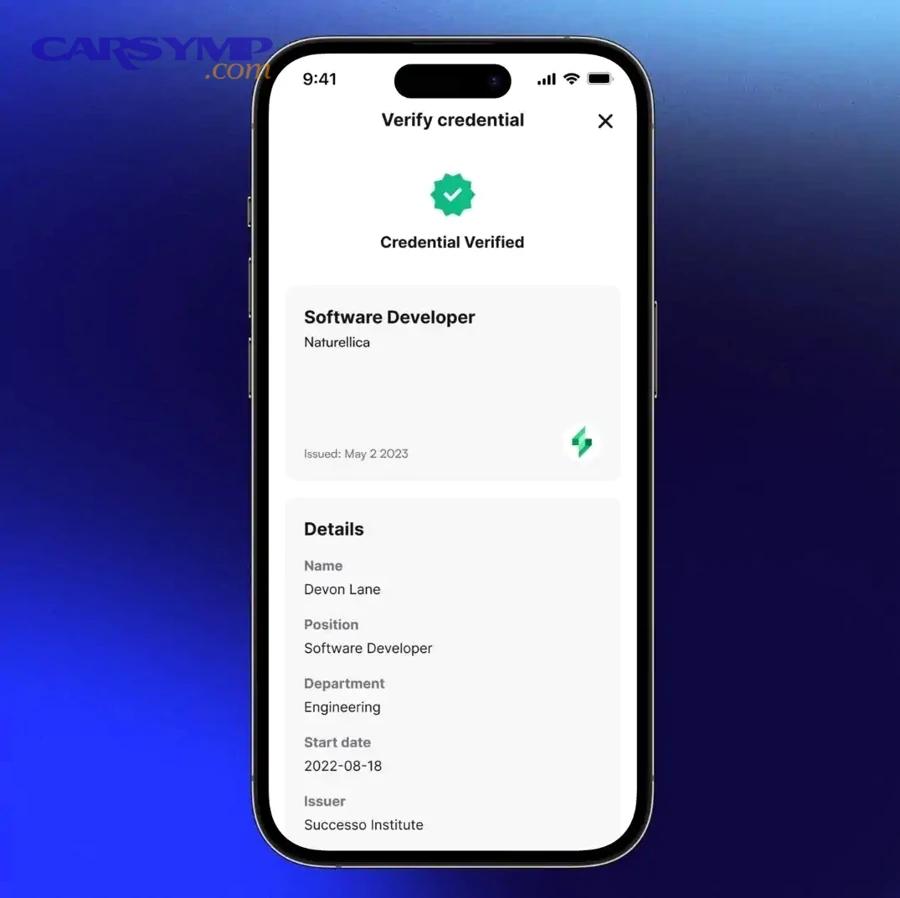
Start with a simple rule: verify what applies to the service, not what the mechanic says applies.
- Business registration is often verifiable through a Secretary of State business search (varies by state).
- Special service licensing may exist for inspections, emissions, or specific regulated services.
- Insurance is always relevant because it affects who pays if something goes wrong.
A good sign is when the mechanic can say, in plain terms: “Here’s my business registration name, here’s my proof of insurance, and here’s what I’m covered to do.”
What types of insurance should a mobile mechanic carry, and what minimum details should you confirm?
There are 3 main insurance types a mobile mechanic may carry—liability coverage, garage/operations-related coverage, and workers’ compensation (if they have employees)—based on the criterion of what risk each policy is designed to cover.
Besides, your goal isn’t to become an insurance expert; it’s to confirm the policy is active, matches the provider, and has meaningful limits.

Minimum details to confirm on a COI:
- Named insured: must match the business on your estimate/invoice.
- Policy effective dates: must be current on the day of service.
- Carrier name: real insurer, not “self-insured” wording without proof.
- Coverage type: general liability / garage liability (naming varies).
- Limits: confirm the coverage isn’t trivial (limits vary; you’re looking for “real business-level coverage,” not a token policy).
If the mechanic says, “I’m insured but don’t have paperwork,” that’s not verification. Treat it as uninsured until proven otherwise.
What’s the difference between a “licensed,” “certified,” and “insured” mechanic?
Licensed wins in compliance, certified is best for demonstrated competency, and insured is optimal for financial protection—because each term solves a different problem: legal status, skill validation, and liability coverage.
However, the terms are often used loosely in ads, so you should require proof for each one separately.
- Licensed: a credential granted by a government agency where required. Verification usually happens through an official database or documented license number.
- Certified: a skill credential (like ASE) that indicates tested knowledge in an area. Verification comes from the cert body and current status.
- Insured: an active policy that can pay claims if damage occurs. Verification comes from insurance documentation and carrier details.
A useful mental model: licensed = permission, certified = capability, insured = protection.
For example, government consumer guidance commonly recommends checking official databases for licensing and business registration, then confirming insurance status through verifiable documentation.
What red flags suggest a mobile mechanic’s credentials may be fake or risky?
There are 8 common red flags that suggest a mobile mechanic’s credentials may be fake or risky: refusal to share documentation, inconsistent identity, vague estimates, pressure tactics, unusual payment demands, no warranty clarity, poor diagnostic behavior, and evasive answers about insurance—based on the criterion of whether the issue prevents verification.
Especially, the most dangerous pattern is when the mechanic tries to move you from “proof” to “trust me.”
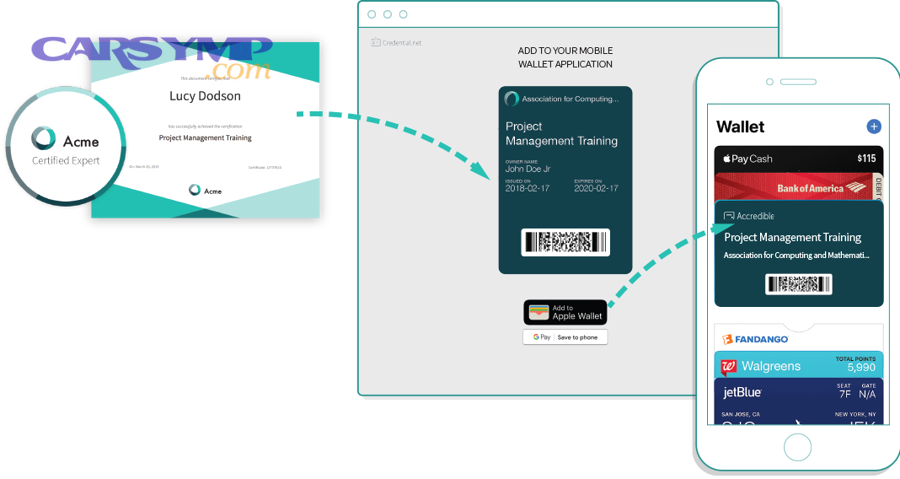
Watch for these specifics:
- They won’t provide a written estimate or they keep it vague (“we’ll see when I get there” with no range).
- They won’t show proof of insurance or they claim insurance is “private.”
- They use urgency to override questions (“I have another job, pay now or I leave”).
- They ask for payment methods that remove protections (untraceable transfers, “friends and family” requests).
- They can’t explain test steps for your symptom (especially electrical issues like battery drain).
- They avoid warranty details or change the warranty story mid-conversation.
- They show screenshots instead of verifiable documents (easy to fake, hard to validate).
- Their business identity is unstable (new name every month, mismatched phone numbers, no consistent receipts).
According to a study by Monash University Accident Research Centre from its crash research publications, in 2002, in-depth studies cited in their review found that brakes comprise the largest source of vehicle defects that cause crashes, underscoring why credential verification matters for safety-critical work.
Are upfront deposits normal for mobile mechanics?
Yes, upfront deposits can be normal for mobile mechanics, but only when (1) the parts are special-order or expensive, (2) the deposit is documented on a written estimate with a clear refund rule, and (3) you receive an invoice/receipt tied to the business identity.
However, deposit requests become risky when they are urgent, undocumented, or tied to untraceable payment methods.
A safe deposit pattern:
- Written estimate shows deposit amount and what it covers (parts vs scheduling).
- Refund/cancellation rules are written.
- You get a receipt immediately.
A risky deposit pattern:
- “Pay now, no paperwork.”
- “Send it friends-and-family.”
- “I can’t put that in writing.”
What should you do if the mechanic won’t share proof of insurance or certification?
No, you should not proceed if the mechanic won’t share proof of insurance or certification because (1) you cannot confirm liability coverage, (2) you cannot validate the competence claim, and (3) you lose leverage if work quality is poor or damage occurs.
In addition, the correct move is to end the booking politely and choose a provider who can document their claims.
A simple response script:
- “Thanks—before I schedule, I need a written estimate and proof of insurance. If you can’t provide those, I’ll have to pass.”
If you found them through a platform, save the conversation and use the platform’s support tools—your saved messages become your evidence trail.
How do you compare two mobile mechanics’ credentials and choose the safer option?
Mechanic A wins in verification completeness, Mechanic B is best for price transparency, and Mechanic C is optimal for safety-critical experience—because the safest choice is the provider who can prove identity, coverage, and process, not the one with the boldest claim.
Meanwhile, you can choose confidently by scoring each mechanic on the same criteria instead of relying on gut feelings.
Use a simple scoring rubric (0–2 points each):
- Verification pack (0–2): ID match + business name + consistent contact info
- Insurance proof (0–2): COI present, current dates, matches business
- Certification relevance (0–2): ASE/other proof + matches the job
- Estimate quality (0–2): itemized, written, authorization rules included
- Warranty clarity (0–2): written “Warranty and parts policy for mobile repairs”
- Diagnostic behavior (0–2): explains tests, documents results, avoids guessing
- Reputation footprint (0–2): consistent reviews, clear business listing, stable history
The mechanic with the highest score is usually the safer choice—even if they’re not the cheapest—because they’ve reduced your uncertainty with proof.
What’s the best “verification checklist” you can run in 10 minutes before booking?
There are 7 steps in the best 10-minute verification checklist: confirm identity, confirm business details, request insurance proof, verify certification claims, demand a written estimate, confirm warranty policy, and document everything—so you can book with confidence and reduce the chance of repeat Car Symptoms after the repair.
Thus, this checklist works because it’s fast, consistent, and proof-based.
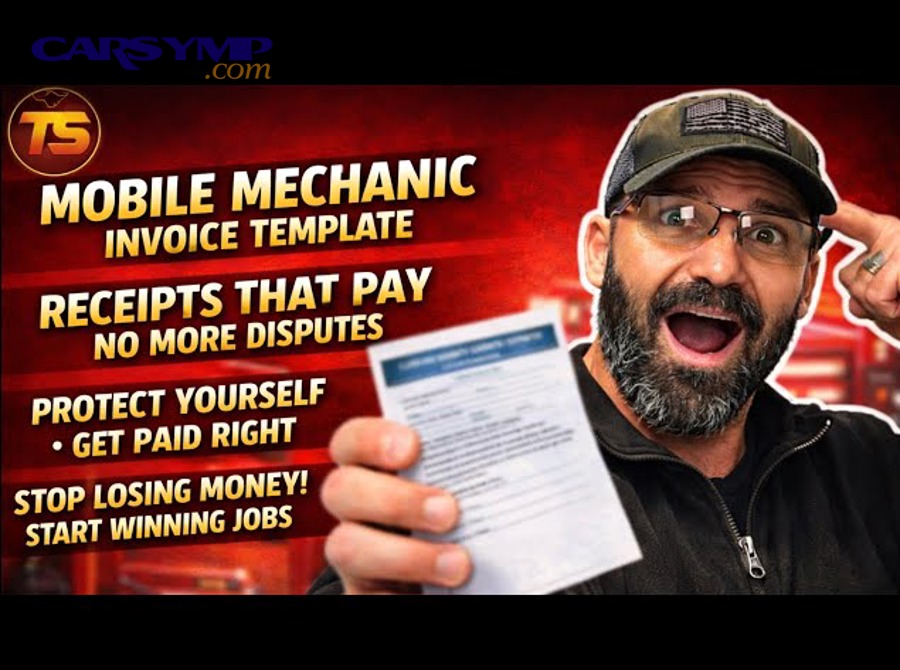
10-minute checklist (copy/paste into your notes):
- What is your full name and business name as it will appear on the invoice?
- What phone/email will you use for estimates and receipts? (Must match paperwork.)
- Can you send proof of insurance (COI) showing active dates and the named insured?
- If you claim ASE: what certifications, and can you share your credential details?
- Can you send a written estimate with parts/labor and “no extra work without approval”?
- What is your Warranty and parts policy for mobile repairs (in writing)?
- How will you verify the fix (test results, road test, charging voltage, etc.)?
If your issue is electrical—like a dead battery or a drain—add:
- “Will you do a load test and charging system test, and will you share the readings?”
What special credential checks matter for high-risk jobs (EVs, safety inspections, and complex diagnostics)?
Special credential checks matter most for high-risk jobs because you must confirm the mechanic’s training and safety process for the specific system, not just general repair ability—especially for EV/hybrid high-voltage work, safety inspections, and complex intermittent diagnostics.
Moreover, high-risk jobs create higher consequences, so you should tighten verification instead of relaxing it.
This is where many consumers get misled: a mechanic may be excellent at basic maintenance yet unqualified for high-voltage procedures or regulated inspection work.
Do you need an EV/hybrid-qualified mechanic for battery or high-voltage work?
Yes, you typically need an EV/hybrid-qualified mechanic for high-voltage battery or hybrid system work because (1) high-voltage safety procedures are specialized, (2) incorrect handling can create serious injury or vehicle damage risk, and (3) proper diagnosis requires specific tools and training.
However, you may not need special EV credentials for a standard 12-volt battery replacement on some vehicles—so the key is clarifying which “battery” you’re talking about.
Ask directly:
- “Is this the high-voltage traction battery system or the 12-volt battery?”
- “What safety steps and tools will you use?”
- “Can you document test results and the final verification steps?”
If the mechanic can’t explain basic safety steps in plain terms, you should treat that as a hard stop.
How is a platform “background check” different from independent verification?
Platform verification wins in convenience, independent verification is best for proof you can keep, and combining both is optimal for risk reduction—because platforms may screen providers, but you still need documents that match your job and protect you if a dispute happens.
On the other hand, relying only on a platform badge can leave gaps in insurance proof, warranty clarity, or estimate detail.
A practical approach:
- Use the platform to discover options.
- Use independent verification to confirm insurance, estimate, and warranty terms in writing.
What should you do if the mechanic is “certified” but uninsured?
No, you should not hire a mechanic who is certified but uninsured because (1) certification does not pay for damage, (2) uninsured work can shift costs to you if something goes wrong, and (3) disputes become harder to resolve without coverage and documentation.
Especially, if the job involves brakes, steering, or anything safety-critical, uninsured work is a risk multiplier.
A safer alternative:
- Choose a mechanic who can provide proof of insurance and a written warranty policy, even if they cost slightly more.
Which repairs are most risky to approve without a shop-level warranty or paperwork?
There are 4 main repair groups that are most risky to approve without shop-level warranty or paperwork: brakes, steering/suspension, engine timing/major engine work, and complex electrical diagnostics—based on the criterion of safety impact and the likelihood of expensive follow-on failures.
In short, these categories need documentation because the cost of being wrong is high.
Examples of risk amplification:
- Brakes: poor parts, improper torque, incomplete bleed → safety risk
- Steering/suspension: loose components → handling instability
- Major engine work: misdiagnosis → repeated breakdowns and high costs
- Electrical diagnostics: parts swapping → recurring Car Symptoms and escalating expense
When these jobs come up, insist on:
- Written estimate with test steps
- Clear verification criteria (“what success looks like”)
- Written Warranty and parts policy for mobile repairs
Evidence (if any)
According to a study by the University of Alabama from a criminology research context cited in an auto-repair fraud literature survey, in 1985, researchers found female customers paid significantly more for unnecessary repairs than male customers, showing how consumers can be overcharged when verification is weak.
According to a study by Monash University Accident Research Centre from its crash research publications, in 2002, in-depth studies cited in their review found that brakes comprise the largest source of vehicle defects that cause crashes, reinforcing why credential verification matters for safety-critical mobile repairs.
According to a study by the University of Arkansas from the Department of Workforce Development Education, in 2014, graduate research examined perceived benefits of ASE certifications such as professional recognition and advancement, showing why ASE is commonly treated as a meaningful competency signal when it is current and relevant.