


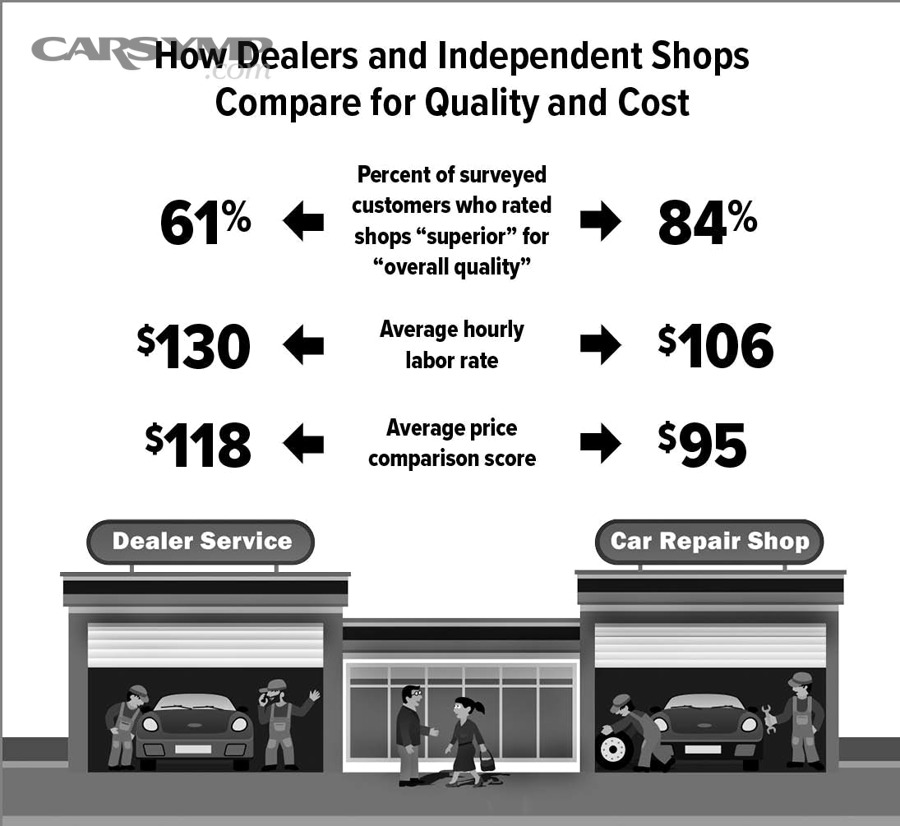
Most of the time, mobile mechanic pricing vs shop pricing comes down to total cost, not the posted labor rate: mobile can be cheaper for straightforward, driveway-safe repairs, while shops often win when a job needs heavy diagnostics, specialized equipment, or a lift.
Next, the real difference is how each bill is built—labor model, trip/service-call fees, parts markup, diagnostic time, and overhead—because those line items determine whether a quote that “looks cheaper” actually costs less.
Then, the best choice also depends on the repair category: quick standardized jobs tend to price competitively at-home, but complex drivability issues and equipment-required services usually favor in-shop work.
Introduce a new idea: beyond price alone, smart drivers protect their budget by comparing estimates correctly, understanding Warranty and parts policy for mobile repairs, and using Red flags and scam avoidance so the “cheapest option” doesn’t become the most expensive outcome.
Is a mobile mechanic cheaper than a repair shop for total cost (yes or no)?
Yes—mobile mechanic pricing can be cheaper than shop pricing for total cost, mainly because you can avoid towing/downtime, reduce “shop-only” fees, and pay for simpler labor on standardized repairs that don’t require a lift or extensive diagnostics.
Next, the key is to compare out-the-door totals using the same scope, the same parts quality, and the same warranty terms—otherwise you are comparing numbers, not value.
Does “total cost” mean more than just the hourly labor rate?
Total cost is the full, paid-out amount for a repair, including labor, parts, diagnostics, fees, taxes, and the real-world costs of getting the car repaired (like towing, rides, or lost time), not just the mechanic’s hourly rate.
To begin, hourly rate is only one line item, and it often hides the bigger drivers of your final invoice.
A practical “total cost” checklist looks like this:
- Labor: hourly, flat-rate, or minimum charge
- Diagnostics: scan fee, test time, “diagnosis waived if you repair” policies
- Parts: OEM vs aftermarket, markup, shop-supplied vs customer-supplied
- Service call / trip fee (mobile) or shop supplies / environmental fees (shop)
- Taxes & disposal: fluids, batteries, tires (varies by location)
- Logistics: towing, rideshare, time off work, childcare, or downtime costs
This is why a shop that advertises a lower hourly rate can still cost more if the job includes multiple shop fees, higher parts markup, or additional diagnostic time. Meanwhile, a mobile mechanic can quote a slightly higher hourly rate but still win on total cost if the job is clean, accessible, and doesn’t need a second visit.
When is the answer “Yes—mobile is cheaper”?
There are 4 main situations where mobile is cheaper—standardized work, easy access, minimal diagnostics, and avoided logistics—because those conditions reduce billable hours and remove towing or shop overhead from the equation.
Then, if your goal is “fix it quickly with predictable cost,” these categories often favor at-home service.
Mobile tends to win on total cost when:
- The repair is standardized and repeatable
- Battery replacement, alternator replacement, starter replacement
- Brake pads/rotors (many everyday vehicles)
- Serpentine belt, tensioner, idler pulley
- Spark plugs and ignition coils (when accessible)
- The problem is already diagnosed
- You have a confirmed failed part, a prior diagnosis, or clear symptoms that match a known fix
- The vehicle is accessible and safe to work on
- Flat driveway/parking area, adequate lighting, safe jacking points, no severe corrosion surprises
- You avoid a towing bill or major downtime
- A no-start car at home is the classic “mobile advantage” scenario
This is also where many people search “mobile mechanic near me”—not because the shop is always overpriced, but because the cost of getting to the shop can be the hidden expense. If your car cannot be driven safely, the “cheaper shop quote” can become more expensive once towing, waiting, and missed work are included.
When is the answer “No—shop is cheaper”?
There are 4 main situations where a shop is cheaper—equipment-required work, diagnostic-heavy issues, complex multi-system repairs, and reduced rework risk—because a shop can complete the job faster with specialized tools, better access, and controlled working conditions.
However, “cheaper” here often means “cheaper after you include the cost of getting it fixed correctly in one pass.”
Shops often win when:
- The job needs a lift or shop equipment
- Alignments, tire mounting/balancing
- Press work, bushing installation, certain suspension jobs
- Exhaust fabrication or complex welding
- The complaint needs deep diagnostics
- Intermittent check-engine light with drivability symptoms
- Electrical faults that require extended testing and access to wiring diagrams
- The repair is large or multi-step
- Timing chain/belt jobs on cramped engines
- Cooling system issues that require pressure testing + multiple components
- Second-visit risk is high for mobile
- A mobile tech may start a job, discover seized fasteners, missing tools, or required machining, and then you still end up at a shop—paying twice for time and logistics
Evidence (cost structure reality check): According to a study by the University of Minnesota from the Center for Transportation Studies, in 2003, vehicle operating cost models treat maintenance and repair as distinct cost components within overall operating costs, highlighting that repair expenses are only one part of “what it costs to run a car,” alongside other real-world cost categories. (lrrb.org)
What exactly drives the price difference between mobile mechanics and shops?
Mobile mechanic pricing wins on convenience and lower fixed overhead, while shop pricing wins on efficiency and equipment access, so the “better deal” depends on how the job converts time, tools, and logistics into dollars.
Specifically, the best way to understand this difference is to break the bill into a simple cost map: labor model, fees, parts, warranty, and time-to-finish.
How do labor models differ (hourly vs flat-rate) and how do they affect what you pay?
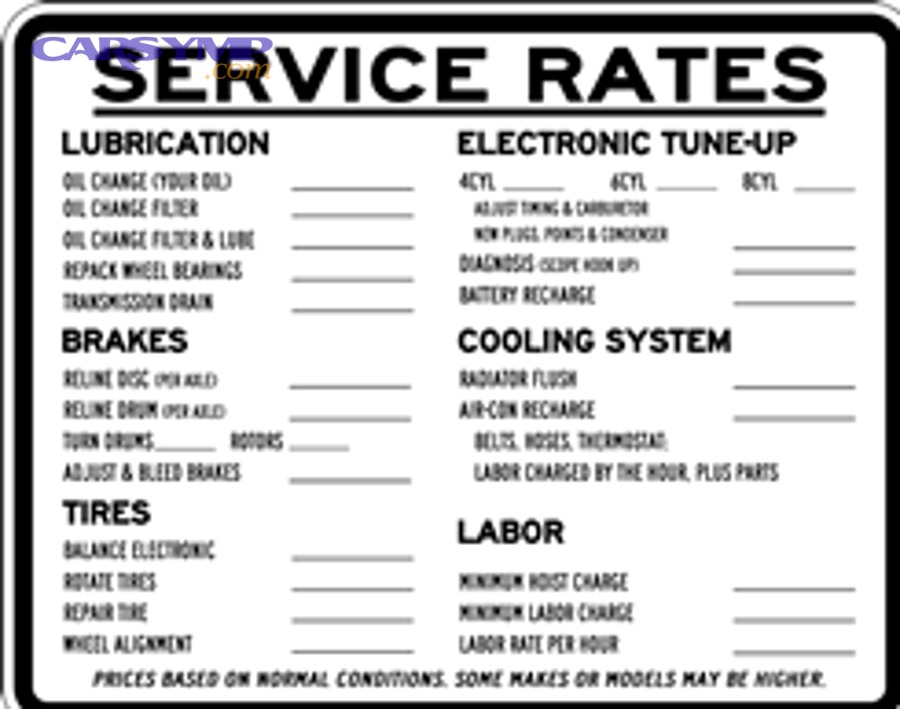
Labor models differ in 3 main ways—time billing, book-time billing, and minimum charges—and each changes your final price even for the same repair.
To better understand why quotes vary so much, you need to know what the shop or mobile tech is actually selling: time, outcome, or a packaged job.
1) Hourly (time-and-materials)
- You pay for the time spent on your vehicle
- Common with mobile techs, diagnostics, and unusual repairs
- Best for: unknown problems, complex troubleshooting, non-standard work
- Risk: time can expand when access is difficult or surprises appear
2) Flat-rate / book time
- You pay a set labor amount based on standard labor guides
- Common in shops for common repairs
- Best for: predictable, repeatable repairs
- Risk: if the book time is high or your car is unusually difficult, you may pay more than the clock time
3) Minimum labor / bundled package pricing
- A mobile tech may have a minimum (e.g., one-hour minimum) or bundle certain services
- Shops may bundle inspections or “shop fee” line items
- Best for: small jobs where predictability matters
- Risk: tiny tasks can become expensive if minimums apply
When comparing mobile mechanic pricing vs shop pricing, you should ask: “Is this a fixed price for the job, or a price that can change?” That single question often determines whether a quote is budget-friendly or unpredictable.
What fees are unique to each option (service call, shop supplies, storage, environmental fees)?
There are 6 common fee types that change mobile mechanic pricing vs shop pricing—service-call fees, diagnostics, shop supplies, environmental/disposal, storage, and admin add-ons—and you should spot them before you approve work.
Meanwhile, drivers who focus only on labor rate often miss these fees because they appear near the bottom of an estimate.
Mobile-leaning fees (more common at-home):
- Trip/service-call fee: travel, time to arrive, setup/cleanup
- After-hours or emergency premium: urgent dispatch
- Remote-area surcharge: distance and traffic time
Shop-leaning fees (more common in-shop):
- Shop supplies fee: rags, cleaners, small consumables
- Environmental/disposal: fluids, filters, batteries, tires
- Storage/lot fee: if a vehicle sits after completion (varies by shop)
- Admin/“hazardous materials”: sometimes a catch-all line item
A fair quote clearly labels these. An unfair quote hides them. If you want a fast sanity check, ask for an estimate that shows:
- labor line(s)
- parts line(s) with part quality stated
- fee line(s) with names and amounts
- tax line(s) separated from fees
That format makes the difference between “pricing” and “surprise pricing.”
How do parts pricing and markup compare (OEM vs aftermarket, customer-supplied parts, warranty implications)?
Parts pricing differs because shops often bundle sourcing + warranty support into markup, while mobile mechanics may offer more flexible sourcing—but the cheapest part can be the most expensive decision if warranty terms are weak.
More specifically, parts cost is where “same repair” can vary wildly, so you must lock parts quality before you compare quotes.
OEM vs aftermarket
- OEM: typically higher cost, often strong fit and reliability
- Aftermarket: wide range—economy to premium; quality varies by brand and part type
- Best practice: compare like-for-like (OEM vs OEM or premium aftermarket vs premium aftermarket)
Customer-supplied parts
Some mobile techs and shops allow customer parts, but many attach conditions:
- Labor warranty may not cover failures caused by a customer-supplied part
- If the part is wrong, you may pay extra labor for delays and rework
- Return policies become your responsibility, not the mechanic’s
This is where you should explicitly clarify Warranty and parts policy for mobile repairs. A strong policy states:
- what parts are used (OEM, premium aftermarket, economy)
- how long the part is covered
- how long labor is covered
- what happens if the part fails (return visit policy, exclusions)
A cheap estimate that uses unknown parts and offers no labor warranty is not a bargain—it is a gamble.
Which option is cheaper for common repairs: at-home vs in-shop price comparison by job type?
Mobile wins for simple, standardized repairs, shops win for diagnostic-heavy and equipment-required work, and hybrid decisions (mobile diagnosis → shop repair) can be optimal when the issue is uncertain.
Then, the fastest way to decide is to match your repair to the category that best predicts cost, speed, and rework risk.
For quick, standardized repairs, which option usually wins on cost?
Mobile usually wins on cost for quick standardized repairs, shops are best when the same job requires lift access or specialized tools, and DIY is optimal only when you can verify safety and quality.
To illustrate why, these repairs have predictable steps and minimal diagnostic time, so at-home service can reduce total cost by avoiding shop overhead and logistics.
Repairs that often favor mobile on total cost:
- No-start basics: battery replacement, terminal cleaning, jump-start diagnosis
- Charging/starting: alternator and starter (when accessible)
- Brakes: pads/rotors on common vehicles (not performance or rust-seized cases)
- Ignition maintenance: spark plugs/coils when the engine layout is accessible
- Belts: serpentine belt and tensioner on non-cramped engine bays
- Minor sensor swaps: oxygen sensors in accessible positions, basic ABS sensors (vehicle-dependent)
Why mobile can be cheaper here:
- minimal diagnostic time
- predictable labor
- fewer “shop-only” fees
- reduced downtime (no drop-off, pickup, or waiting room time)
However, “standardized” does not mean “risk-free.” A brake job can still reveal seized slide pins, warped hubs, or rusted fasteners. That’s why your quote should state how the tech handles “unforeseen conditions” (flat add-on, hourly conversion, or stop-and-approve).
For diagnostic-heavy problems, which option usually wins on cost?
Shops usually win on cost for diagnostic-heavy problems because they can test faster with more tools, better access, and a controlled environment, even if the hourly rate looks similar to mobile.
Besides, diagnostics is where the cheapest initial estimate most often becomes the biggest final bill.
Diagnostic-heavy examples:
- intermittent misfires
- random stalling
- electrical drains
- complex check-engine light cases
- drivability issues that require smoke testing, live-data interpretation, or multi-step verification
Why shops tend to be more cost-effective here:
- quicker access to scan tools, smoke machines, and service information
- ability to keep the car for longer tests without trip fees
- lift access for inspections that require undercarriage visibility
- easier “test-and-confirm” loops after repairs
A useful way to think about this: when the problem is uncertain, you are buying process (testing) before you buy parts (repair). Shops are optimized for process.
Evidence (diagnostics + repair cost modeling): According to a study by Argonne National Laboratory from the Systems Assessment Center, in 2021, total cost of ownership work includes detailed treatment of per-mile maintenance and repair costs across vehicle types and mileages, reinforcing that repair costs are best understood as structured cost components rather than a single hourly rate. (publications.anl.gov)
For lift- or machine-required work, is a shop effectively the only cost-effective choice?
Yes—a shop is effectively the only cost-effective choice for lift- or machine-required work, because alignments, tire services, press work, fabrication, and many suspension or drivetrain repairs require equipment that cannot be replicated safely and efficiently at-home.
However, mobile can still play a smart role by confirming the diagnosis and helping you avoid unnecessary shop work.
Jobs that are typically shop-only in practice:
- Wheel alignment
- Tire mounting and balancing
- Exhaust welding/fabrication
- Press work (bearings, bushings in many cases)
- Major leaks requiring extended access and cleanup
- Transmission or engine internal repairs
Mobile can still add value by:
- identifying the true failed component before you pay for shop labor
- providing a second opinion on recommended repairs
- handling pre-shop tasks (battery, starter, minor sensor fixes) so the shop visit is smaller and more targeted
The cost-effective strategy here is not “mobile vs shop.” It’s “mobile where it reduces uncertainty, shop where it reduces labor time.”
How can everyday drivers compare quotes fairly and avoid overpaying (mobile or shop)?
You can compare quotes fairly by using a written, apples-to-apples checklist, verifying parts and warranty terms, and screening for red flags before authorizing work.
More importantly, because price differences often come from scope and assumptions, the best quote is the one that clearly defines what you are buying.

What questions should you ask to get an apples-to-apples written estimate?
There are 10 questions you should ask to compare mobile mechanic pricing vs shop pricing fairly, and each question removes a common “quote gap” that makes one estimate look cheaper than it is.
Then, when both providers answer the same questions in writing, the better value becomes obvious.
Ask these questions:
- Is this price fixed for the job or time-and-materials?
- What exactly is included and excluded in the scope?
- What diagnostic steps are included, and is diagnosis billed separately?
- What parts brand/grade will you use (OEM, premium aftermarket, economy)?
- Are parts and labor both warranted, and for how long?
- If the part fails, what is the return-visit policy?
- What fees apply (service-call fee, shop supplies, disposal, taxes)?
- What happens if fasteners are seized or rust adds time?
- How long will the repair take from start to finish?
- Will you provide the replaced parts (where legal) and document the work?
To make this practical, here is a simple comparison table structure you can copy into a note app. It shows the exact line items that usually decide the winner:
| Line item | Mobile quote | Shop quote | What to verify |
|---|---|---|---|
| Labor (rate/hours or flat) | Fixed vs variable, minimum charges | ||
| Diagnostics | Included? billed? waived? | ||
| Parts (grade/brand) | OEM vs aftermarket tier | ||
| Fees | Service call vs shop supplies | ||
| Warranty | Parts + labor terms | ||
| Total out-the-door | Taxes included? |
This table works because it forces both sides into the same language: labor, parts, fees, and warranty.
How do you verify value—not just a low price (warranty, credentials, reviews, rework policy)?
Value means your car is fixed correctly with predictable support afterward, so you verify value by checking warranty clarity, credentials, proof of insurance, and a rework policy that protects you if the first attempt doesn’t solve the issue.
In addition, value is where the terminology must stay consistent: you are comparing mobile mechanic pricing vs shop pricing only after you confirm both providers deliver the same outcome quality.
What “value verification” looks like:
- Credentials and competence signals
- documented experience on your make/model
- certifications (where relevant), training, or specialty focus
- Insurance and professionalism
- proof of business insurance
- clear communication, written estimates, documented approvals
- Warranty clarity
- parts warranty length
- labor warranty length
- what is excluded (customer parts, pre-existing issues, unrelated failures)
- Rework policy
- how they handle a comeback
- whether follow-up labor is covered within a reasonable period
This is where a “cheap” quote can be expensive: if the provider refuses to define warranty coverage, you are paying for uncertainty.
What red flags suggest hidden fees or low-quality work?
There are 7 red flags that signal hidden fees or low-quality work—no written estimate, vague parts, pressure tactics, unclear warranty, inconsistent diagnosis, refusal to itemize fees, and evasive communication—and each increases your chance of overpaying or paying twice.
Especially when you are hiring a mobile mechanic near me, these red flags are the fastest way to filter out bad outcomes.
Red flags to watch for:
- No written estimate before work begins
- Parts described as “standard” with no brand or grade
- A quote that changes dramatically without a clear reason
- Pressure tactics (“authorize now or price doubles”)
- Refusal to itemize fees (trip fee, supplies, disposal, taxes)
- Warranty language that is vague or missing
- Diagnosis that jumps straight to expensive parts without test results
Use Red flags and scam avoidance as a process, not a vibe:
- Ask for an itemized estimate
- Ask for parts grade
- Ask for warranty terms in writing
- Ask what test confirmed the diagnosis
- Approve work step-by-step when uncertainty is high
Evidence (repair cost variability across life/usage): According to a study by West Virginia University from the Benjamin M. Statler College of Engineering and Mineral Resources, in 2016, life-cycle maintenance analysis showed measurable differences in maintenance cost per mile across vehicle technologies and operating conditions, reinforcing that “repair cost” is not a single fixed number and depends on context. (researchrepository.wvu.edu)
What hidden or uncommon factors can flip mobile vs shop pricing in edge cases?
Hidden factors can flip the cost advantage when they change feasibility, add delays, or shift who pays logistics, so your “cheapest” option can become expensive if you ignore rules, coverage, vehicle type constraints, or warranty restrictions.
Now that the core comparison is clear, below are the edge-case variables that quietly decide the true total.

Can parking rules, HOAs, or city ordinances make “at-home” repairs impossible or more expensive?
Yes—parking rules and property restrictions can make at-home repairs impossible or more expensive, because they can force rescheduling, limit safe work space, or trigger towing/violations, which adds cost without improving the repair.
Next, this is most common in dense urban areas, apartment complexes, or HOA-controlled neighborhoods.
How this flips the cost equation:
- You book a mobile job, but the tech cannot legally or safely work where the car sits
- You pay a trip fee or cancellation fee (depending on policy)
- You still must move the vehicle, often requiring towing
- You lose time and may pay for a second visit
Cost-smart workaround:
- confirm the work location (driveway vs street)
- ask if the provider can work in a parking structure or lot
- move the car to a permitted spot before the appointment, if possible
Does insurance or roadside assistance coverage change the true cost (towing, reimbursement, claims)?
Yes—insurance and roadside coverage can change true total cost, because towing-to-shop may be covered while a mobile trip fee is not, or vice versa, depending on your policy and membership benefits.
However, coverage only helps if you confirm it before you choose the repair path.
Two common coverage-driven outcomes:
- Covered towing makes shop pricing more attractive
- If towing to a preferred shop is covered, the “logistics advantage” of mobile shrinks
- Mobile becomes cheaper when it prevents a tow entirely
- If you would pay towing out-of-pocket, mobile can win even with a service-call fee
What to do:
- check roadside terms (tow mileage limit, eligible events, preferred providers)
- ask whether reimbursement requires itemized receipts
- avoid filing unnecessary claims if it could raise premiums (policy-dependent)
The point is simple: total cost is not just what the mechanic charges—it is who pays the transportation problem.
Are EVs/hybrids priced differently for mobile vs shop due to tooling and safety requirements?
EVs and hybrids can be priced differently because high-voltage safety, specialized diagnostics, and limited service scope reduce the number of providers and can increase diagnostic time, especially for faults outside basic maintenance.
Besides, many mobile services restrict EV/hybrid work to lower-risk tasks, which changes your “option set” more than your hourly rate.
Where EV/hybrid jobs may still suit mobile:
- tire rotations (if supported), cabin filters, wiper service
- 12V battery service (model-dependent)
- basic brake inspection (though many EV braking systems are unique)
Where shops tend to dominate:
- high-voltage system faults
- thermal management/cooling issues
- complex drivetrain diagnostics
- software-related service (often dealer or specialized shop)
If you drive an EV or hybrid, the cost-effective move is to confirm scope first, then compare pricing within the smaller pool of qualified providers.
Do warranties (manufacturer or extended) restrict where you should repair—and affect pricing?
Yes—warranties can restrict where you should repair or what documentation you must keep, which can affect total cost if a cheaper provider cannot meet warranty requirements or supply approved parts and records.
More importantly, warranty compliance is a “hidden cost” because noncompliance can make a future claim harder or impossible.
How warranty restrictions change total cost:
- an extended warranty may require approved shops or pre-authorization
- documentation requirements can add administrative steps
- certain parts may need to be OEM or approved equivalents
- repairs must be recorded with itemized invoices
This ties directly back to Warranty and parts policy for mobile repairs: if a mobile provider cannot document parts, labor, and procedures in the way your warranty administrator requires, the “savings” may be offset by future out-of-pocket costs.
Evidence (if any)
- University of Minnesota (Center for Transportation Studies) vehicle operating cost work treats maintenance/repairs as structured components within overall operating costs. (lrrb.org)
- Argonne National Laboratory total cost of ownership research quantifies maintenance and repair costs across vehicles and usage intervals, supporting component-based comparisons beyond hourly rate. (publications.anl.gov)
- West Virginia University life-cycle maintenance research shows measurable variation in maintenance cost per mile across vehicle contexts, reinforcing “it depends” as a data-backed reality. (researchrepository.wvu.edu)