


ABS warning light diagnosis starts by treating the light as a system fault indicator: your base brakes can still work, but anti-lock control (and often traction/stability features) may be reduced or disabled until the cause is fixed.
To narrow the problem quickly, focus on whether the ABS light on behavior is constant, intermittent, or triggered by speed, bumps, rain, or turning—those patterns usually map to sensors, wiring, wheel bearings, or power supply issues.
Next, confirm what’s happening with a proper scan of the ABS controller (not just generic engine codes), then validate the suspect corner with a simple visual inspection and a targeted test rather than swapping parts blindly.
Giới thiệu ý mới: below is a practical, step-by-step flow you can follow—starting with safety decisions, then moving from fast checks to deeper tests that separate sensor faults from module or hydraulic unit problems.
Key entities to understand: wheel speed sensor, tone ring/reluctor, ABS control module, hydraulic control unit (HCU), pump motor, brake fluid, fuses/relays, wiring harness, wheel bearing/hub, traction control/stability control.
Is it safe to drive when the ABS light is on?
Usually yes for short, careful driving—but with the ABS light on you should assume anti-lock braking and related stability functions may be unavailable, so stopping and steering in an emergency can be harder, especially on wet or loose surfaces.
To start safely, separate “driveable with caution” from “stop and tow,” then move into diagnosis with that risk in mind.
When should you stop driving immediately?
Stop driving if the brake warning light (red) is also on, the pedal sinks, braking feels weak/spongy, you hear grinding, you smell burning, or you see brake fluid leaking—those can indicate a base brake issue, not just ABS.
Next, if any of those signs appear, prioritize safe parking and professional inspection before continuing troubleshooting.
- Red brake warning + ABS light: treat as high risk.
- Pedal behavior change (soft/sinking) or long stopping distance.
- Noise/heat/leak at a wheel or under the hood near brake lines.
What changes in braking should you expect without ABS?
You can still brake normally, but in a panic stop your wheels may lock on slick surfaces, which reduces steering control and can increase stopping distance depending on conditions and tires.
To keep control while diagnosing, leave more following distance and avoid harsh braking until the fault is repaired.
Does the light always mean the ABS system is fully off?
Most of the time, yes: the system will usually disable ABS and sometimes traction/stability if it can’t trust wheel speed data or detect hydraulic faults.
After that, your next step is to confirm exactly which subsystems are disabled by scanning the ABS controller.
What does an ABS warning light actually mean?
An ABS warning light means the anti-lock braking system detected a fault in its sensors, wiring, control electronics, or hydraulic/pump components, so it can’t reliably modulate brake pressure during wheel slip.
To understand the message behind the light, connect the warning to what ABS needs to function: accurate wheel speed input and controlled hydraulic pressure output.
What are the most common categories of causes?
There are three main categories: (1) sensor/input issues, (2) electrical/power/communication issues, and (3) hydraulic/pump/control unit issues.
Next, use the symptom pattern (intermittent vs constant, speed-related vs random) to pick the highest-probability category first.
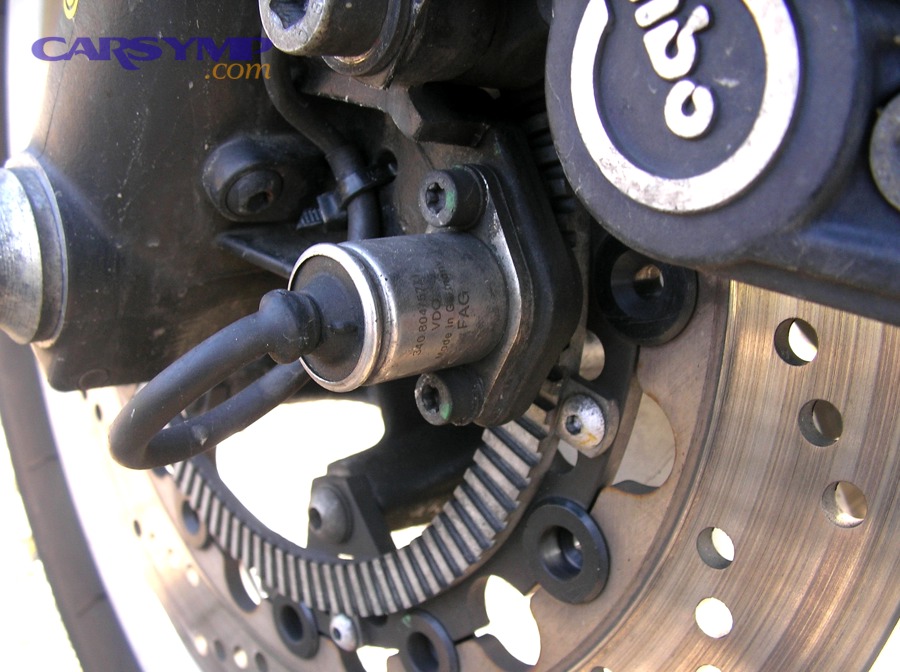
- Input side: wheel speed sensor, tone ring, air gap, debris, hub/bearing play.
- Electrical side: fuse/relay, low voltage, corroded connectors, broken wires, CAN communication.
- Hydraulic/control side: ABS module logic faults, valve block issues, pump motor problems, internal HCU leaks.
Why does ABS care so much about wheel speed signals?
Wheel speed is the core truth ABS uses to detect slip; if one wheel reports impossible speed behavior, the controller can’t safely modulate pressure and will disable the feature to avoid unintended braking actions.
To verify whether wheel speed is trustworthy, you’ll test signal consistency across wheels and inspect the sensor/tone ring area.
Can low battery voltage trigger the light?
Yes, low voltage during starting or a weak charging system can cause transient faults in modules that are sensitive to power dips.
After that, confirm battery/charging health and clear codes; if they return, continue deeper into the specific fault path.
Which quick checks can you do in 10 minutes without tools?
You can often find obvious ABS faults in under 10 minutes by looking for damaged wiring at the wheels, heavy debris on the sensor area, blown fuses, mismatched tires, and loose connectors near the ABS unit.
To keep it efficient, follow a short checklist before you plug in any scanner.
What should you inspect at each wheel first?
Inspect the wheel speed sensor harness and connector for rubbing, cracking, broken clips, and green/white corrosion, then look at the tone ring area for mud, rust flakes, or physical damage.
Next, if you find damage, fix that first because it often resolves intermittent lights without replacing expensive components.
- Harness routing: look for stretch points near steering knuckle and suspension travel.
- Connector seal: check for water intrusion signs.
- Tone ring/reluctor: look for missing teeth, heavy rust swelling, or cracks.
How can tire problems cause an ABS warning?
Mismatched tire sizes or very uneven tread can create abnormal wheel speed differences that some systems interpret as implausible, especially when combined with a marginal sensor or bearing.
After that, confirm all four tires match the recommended size and have similar wear before chasing electronics.
Which under-hood checks are worth doing fast?
Check ABS-related fuses and visible connectors at the ABS unit and fuse box, and look for signs of rodent damage or recent repair work that may have disturbed grounds.
To continue methodically, do the scan next so you’re not guessing which circuit matters.
How do you pull the right ABS codes and freeze-frame data?
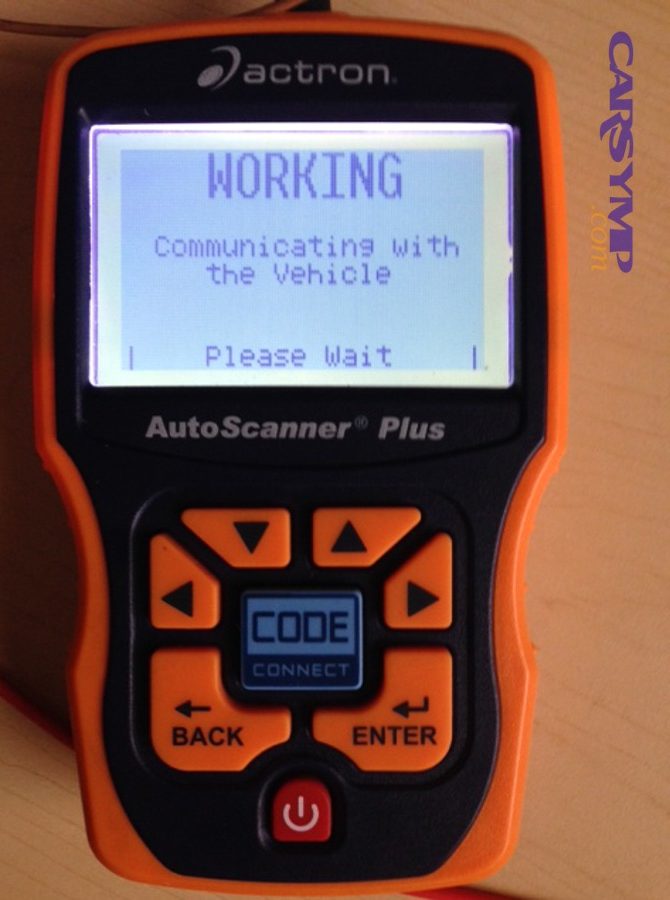
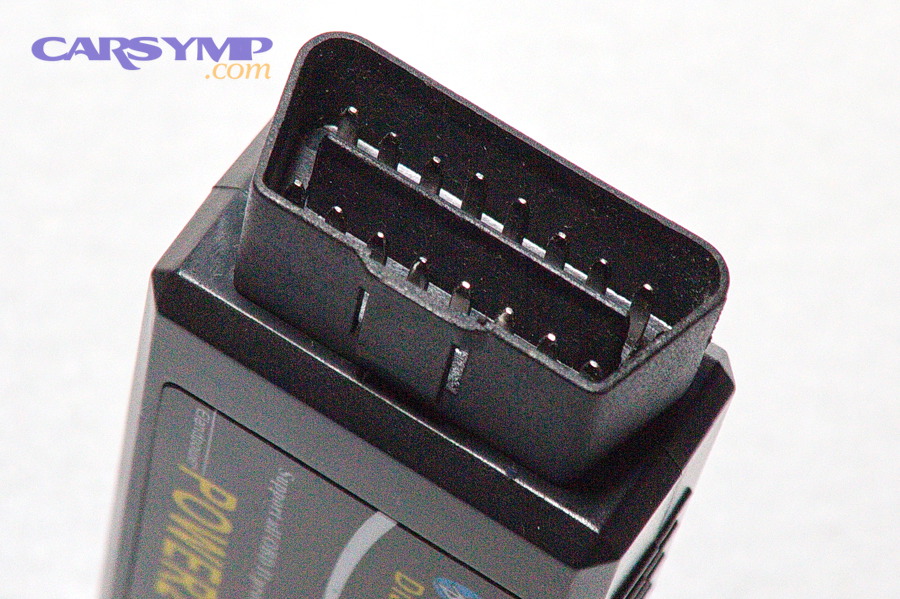
The fastest accurate path is scanning the ABS controller directly with a tool that can read chassis/ABS codes (often “C” codes) and live wheel speed data, not just engine “P” codes.
Next, treat codes as a map: they point to a circuit and condition, and your job is to confirm the root cause before replacing parts.
What information should you record before clearing anything?
Record the code number, description, status, and conditions (vehicle speed, whether it happens during turning, braking, or after rain), because intermittent ABS faults can disappear after clearing and become harder to reproduce.
After that, clear codes only when you’re ready to re-test and confirm what returns.
Which live data matters most for diagnosis?
Wheel speed readings for all four wheels are the most useful live data: you’re looking for one wheel that drops out, spikes, or reports zero while moving.
Next, verify the “bad” wheel with a repeatable test: slow roll, then slightly higher speed, then a gentle turn.
How do you interpret common ABS code patterns without overreacting?
A circuit code does not automatically mean the sensor is bad; it can indicate wiring damage, connector corrosion, excessive sensor air gap, or a tone ring issue that makes the signal unreadable.
To avoid unnecessary spending, confirm the circuit integrity and signal quality before ordering parts.
This table helps you connect a symptom pattern to the most likely cause category and the next test to run.
Use it to decide whether to start at the wheel, the fuse box, or the ABS unit.
| What you notice | Most likely category | Best next test |
|---|---|---|
| Light turns on above 10–20 mph, then stays on | Wheel speed signal dropout | Watch live wheel speeds while driving slowly |
| Light appears after rain or car wash | Connector moisture/corrosion | Inspect and clean sensor connectors, check seals |
| Light random after bumps | Harness damage or loose connector | Wiggle test harness while monitoring live data |
| Multiple ABS-related lights + low-voltage history | Power/ground issue | Check battery/charging, fuses, grounds |
| Pump motor code or hydraulic valve code | HCU/module side | Confirm power supply and module commands (scan tool) |
What are the most common sensor-side causes and how do you test them?
Most ABS lights trace back to wheel speed sensing problems—a damaged sensor, dirty/misaligned tone ring, excessive air gap, or a failing hub bearing that changes the sensor relationship under load.
Next, test in the least invasive order: visual check, live data, then electrical measurements if needed.
How do you confirm a wheel speed sensor dropout on a test drive?
Drive slowly while watching live wheel speeds: the bad wheel often shows a sudden drop to zero, a jittering value, or a reading that lags others at the same speed.
After that, repeat the test while gently turning left and right; turning loads the bearing and can worsen a marginal signal.
What should you look for on the tone ring/reluctor?
Look for missing teeth, cracks, rust swelling, or packed debris that changes the signal pattern; even small distortion can create an “implausible signal” fault.
Next, clean debris carefully and re-check live data before replacing parts.
What quick electrical tests help without overcomplicating things?
Start with connector and continuity checks rather than chasing exact resistance numbers, because many modern sensors are active (digital) and won’t behave like older passive sensors.
To move forward safely, use the service manual for your exact sensor type; if you can’t confirm type, prioritize live data and physical inspection.
This table outlines practical checks you can run depending on sensor type so you don’t misdiagnose an active sensor as “open circuit” just because it doesn’t match passive resistance expectations.
It helps you choose the right test tool and avoid false failures.
| Sensor type (common) | What it usually looks like | Best practical check |
|---|---|---|
| Passive (variable reluctance) | 2-wire, generates AC signal | Spin wheel and look for steady AC voltage increase with speed |
| Active (Hall/magnetoresistive) | Often 2–3 wires, needs power | Verify power/ground, monitor digital speed output in live data |
| Integrated hub sensor | Sensor built into bearing/hub | Compare wheel speed + check for bearing play/noise |
When is the wiring, fuse, or power supply the real problem?
It’s often a power or wiring problem when multiple wheels flag at once, when the light is random across conditions, or when you see communication/voltage-related codes alongside ABS faults.
Next, prove the basics—power, ground, and clean connections—before blaming expensive control units.
How do you spot a harness problem quickly?
Look for damage where the harness flexes: near the steering knuckle, upper control arm area, strut mount travel points, and where clips are missing and the wire can rub the tire or axle.
After that, a gentle wiggle test while watching live wheel speed can reveal an intermittent open without any tools.
Why do corrosion and water intrusion matter so much?
Corrosion adds resistance and creates unstable signals, and water intrusion can cause temporary shorts—often explaining why the light appears after rain and disappears when dry.
Next, clean and reseat connectors, then retest before replacing sensors.
What’s the quickest way to rule out a simple low-voltage event?
Check for low-voltage history and charging issues (slow cranking, dim lights, recent battery change, alternator symptoms), clear the code, then see if it returns under normal driving.
To continue confidently, only chase the deeper circuit if the code repeats under stable voltage conditions.
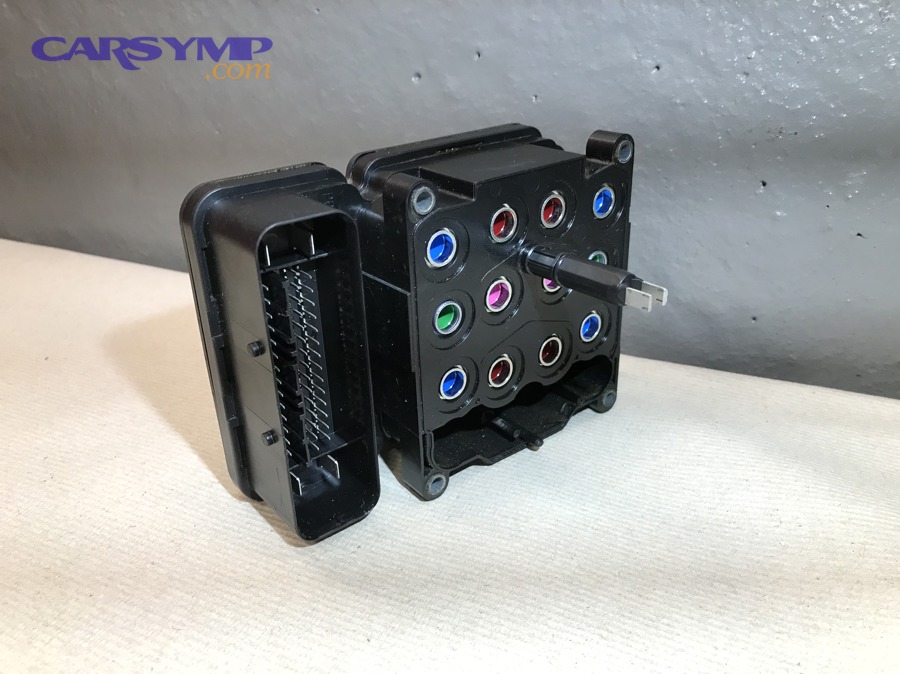
How do you tell a wheel speed sensor issue from an ABS module fault?
Sensor faults usually localize to one corner and show inconsistent wheel speed data, while module faults more often create multiple related codes, pump/valve control errors, or communication issues even when sensor data looks stable.
Next, compare evidence instead of guessing—because the wrong part choice can be the most expensive mistake in ABS diagnosis.
What is the simplest evidence-based comparison you can do?
Compare live wheel speeds and code localization: if one wheel speed drops out and the code points to that wheel circuit, start at that wheel; if wheel speeds are consistent but you have pump motor/valve control codes, investigate the control unit side.
After that, confirm by inspecting the harness and connector at the flagged wheel before replacing anything.
What patterns suggest the control unit is the likely culprit?
Patterns that suggest a module-side issue include: repeated internal control module codes, pump motor circuit faults with verified power supply, valve solenoid faults across multiple channels, or communication codes that persist after cleaning connectors and correcting voltage.
Next, if you reach this point, consider professional-level testing because module diagnosis often requires bi-directional controls and system bleeding procedures.
How should you think about “ABS module vs wheel speed sensor symptoms” in real life?
In practical troubleshooting, the phrase ABS module vs wheel speed sensor symptoms is best treated as a decision framework: corner-specific, speed-triggered, intermittent dropouts usually indicate sensor/tone ring/hub issues, while multi-code, control-output, or communication faults lean toward module/HCU diagnosis.
To keep it grounded, always anchor the decision to two things: (1) what the scanner shows in live data and (2) what you can physically verify at the wheel or the unit.
What if the ABS pump or hydraulic unit is failing?
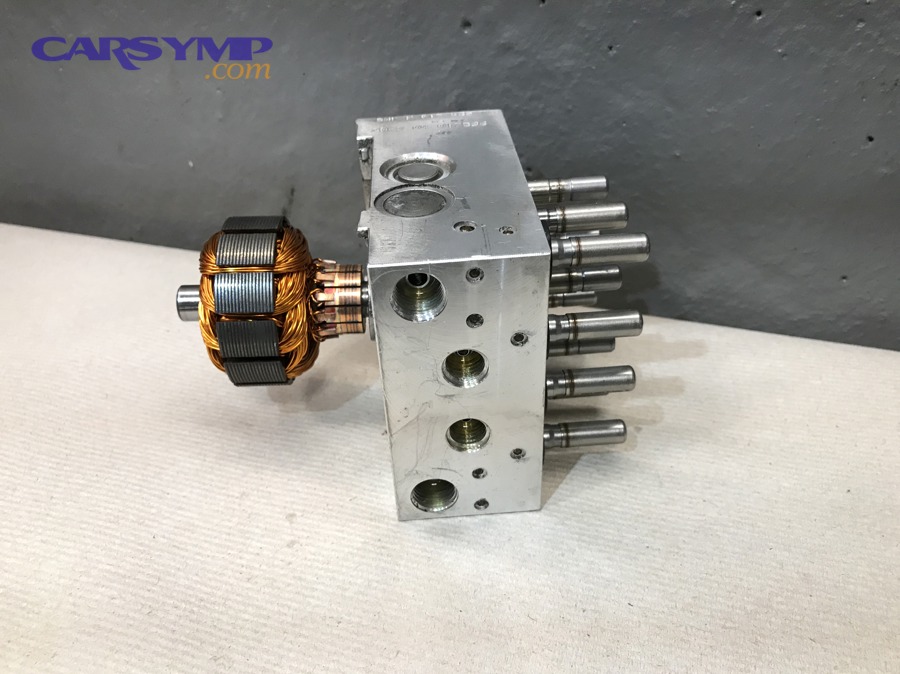
Pump or hydraulic control unit problems are less common but high-impact: they typically trigger specific pump motor, valve, or hydraulic performance codes and may be accompanied by unusual sounds from the ABS unit during self-tests.
Next, confirm the fault with the right scan capabilities because hydraulic units involve safety-critical bleeding and procedures.
What symptoms point toward pump motor or valve issues?
Clues include repeated pump motor circuit codes, a pump that runs unexpectedly, no pump actuation when commanded (if supported), or valve solenoid codes that persist even after verifying clean power and grounds.
After that, check connectors at the unit for moisture and pin fitment before concluding the unit itself is bad.
Why are hydraulic repairs different from sensor repairs?
Hydraulic repairs can introduce air into the brake system, and many vehicles require a scan-tool bleeding routine to cycle valves and purge trapped air properly.
Next, if you’re not equipped for controlled bleeding, plan for a professional service step after parts replacement.
Where does “ABS pump replacement overview” fit into planning?
As a planning concept, ABS pump replacement overview means you should account for: access to the unit (often tight), brake line handling, correct torque and sealing, fluid management, post-install bleeding (often scan-assisted), and a verification drive to confirm the controller sees stable wheel speeds and proper pressure modulation.
To minimize repeat work, pair that plan with a thorough inspection of connectors and grounds at the unit before installation.
When is it reasonable to consider ABS repair at the shop rather than DIY?
If diagnosis points to the unit side—or if bleeding requires bi-directional controls—professional ABS repair is often the safer and ultimately cheaper route because it reduces the risk of trapped air, mis-bleeding, or replacing the wrong expensive assembly.
Next, even if you DIY the diagnosis, you can hand the shop your findings (codes, live data notes, wheel identified) to shorten labor time.
Contextual Border: Up to this point, you’ve focused on getting the warning light off by isolating the fault. Next, we widen the context to preventing repeat failures and making the fix “stick” under real-world conditions.
Planning a lasting fix and preventing repeat ABS faults
A lasting fix combines correct parts, correct installation, and correct verification—because many ABS lights come back when the root cause (bearing play, corrosion, tire mismatch, or poor connector sealing) is left behind.
Next, use a prevention mindset: fix what caused the fault, then protect the system from the conditions that trigger the same failure again.
What typically drives total cost and turnaround time?
Cost is driven by diagnosis time, part type, and access difficulty: wheel sensors and harness repairs are usually faster, while hub/bearing replacements, module issues, and hydraulic work often require more labor and specialized procedures.
After that, you can reduce cost by documenting a repeatable symptom and capturing live data that clearly identifies the failing corner or system.
How do tire size, bearings, and alignment create false ABS faults?
These issues distort wheel speed reality: mismatched rolling diameter, a wobbling hub, or excessive bearing play changes the sensor air gap or signal pattern, which can look like an electrical failure to the controller.
Next, if you’ve replaced sensors but still see intermittent dropouts on the same wheel, check hub condition and tone ring integrity before blaming the controller.
What should you do after parts replacement to confirm the fix?
Confirm the fix in three steps: clear codes, verify live wheel speeds are stable across a short drive, then perform a controlled braking test on a safe surface to ensure no warning returns.
After that, re-scan for pending codes—some systems store faults as “pending” before turning the light back on.
How can you reduce the chance of the light returning?
Protect the weak points: secure the harness with intact clips, ensure connectors are clean and fully seated, keep sensor areas free of heavy debris buildup, and maintain consistent tires and proper wheel-end hardware torque.
To finish strong, schedule a quick follow-up scan a week later if the issue was intermittent, so you catch “pending” faults early.
Frequently Asked Questions
These quick answers cover the most common follow-ups drivers have after an ABS warning appears, especially when the car still seems to brake normally.
Next, use these FAQs to confirm your expectations and avoid common misconceptions that lead to unnecessary parts replacement.
Can I ignore the ABS light if the brakes feel fine?
You shouldn’t ignore it because ABS, traction control, and stability control may not be available when you need them most; the car can feel normal in gentle driving but behave very differently in a panic stop on a slippery road.
After that, treat the light as a prompt to scan and fix rather than a reason to panic.
Will a generic OBD-II reader show ABS codes?
Often no: many basic readers only show engine/emissions codes, while ABS codes live in the chassis module; you need a tool that supports ABS/ESC systems for your vehicle.
Next, if you only have a basic reader, use it to rule out voltage/engine issues, then borrow or rent an ABS-capable scanner for the real diagnosis.
Why did the light come on right after I changed a battery or did brake work?
Battery changes can cause low-voltage events, and brake or suspension work can disturb wheel sensor wiring or change sensor alignment; both can trigger faults that appear “suddenly” after maintenance.
After that, inspect connectors and harness routing near the area that was worked on, then scan for a localized code.
Can dirty wheel sensors cause the ABS light?
Yes, heavy debris, rust flakes, or metal particles can distort signals—especially on tone rings and sensor tips—leading to implausible speed readings.
Next, clean carefully and verify live data before replacing parts.
How long does it take to diagnose most ABS warning lights?
Many can be narrowed down in under an hour if you have ABS-capable scanning and follow a structured path: confirm codes, compare wheel speeds, then physically inspect the flagged corner or unit connections.
To keep it efficient, avoid clearing codes until you’ve documented conditions and confirmed the failure pattern.