


Symptoms of old brake fluid usually show up as inconsistent braking feel, longer stopping distances, and heat-related fade—because moisture and contamination change how hydraulic pressure behaves under load. If you’re noticing a spongy pedal, old fluid is one of the highest-yield suspects to check.
Beyond “feel,” aging brake fluid can quietly increase corrosion risk inside calipers, lines, and the master cylinder, which can turn a minor maintenance job into a major hydraulic repair. To understand why, you need to connect what you feel at the pedal with what’s happening in the reservoir, seals, and boiling point.
You may also wonder whether old fluid can trigger warning lights, affect ABS function, or create intermittent issues that come and go with temperature and driving style. That’s where symptom patterns—cold vs hot, highway vs city, wet weather vs dry—become your diagnostic shortcuts.
To begin, “Giới thiệu ý mới” matters here: the most reliable way to identify old fluid is to match specific pedal and braking behaviors to the physics of moisture, heat, and micro-bubbles inside the system—then verify with simple checks before you replace parts unnecessarily.
What are the most common symptoms of old brake fluid, including a spongy pedal?
Yes—old brake fluid has recognizable symptoms: a spongy pedal, brake fade when hot, inconsistent bite, and sometimes a slowly worsening pedal over months. Tiếp theo, use the symptom “when and how” to separate fluid issues from pads, rotors, or calipers.

Spongy pedal that improves after pumping
A spongy pedal that firms up after one or two quick pumps often suggests compressibility in the system—micro-bubbles, moisture-related boiling under heat, or aeration from tiny leaks. Cụ thể, old fluid doesn’t just “wear out”; it becomes more prone to holding dissolved moisture and creating vapor under stress.
Here’s the key nuance: air introduced by a leak usually gets worse quickly and can feel very soft all the time, while moisture-related softness often shows up after downhill braking, stop-and-go traffic, or repeated hard stops. Tuy nhiên, if pumping never improves the pedal, you may be dealing with a different hydraulic fault (like internal bypass in the master cylinder) rather than fluid condition alone.
Longer stopping distance and delayed bite
Old fluid can make the brakes feel like they “wait” a fraction of a second before clamping hard. To understand why, remember that your pedal force is converted into hydraulic pressure—if the fluid is compressible (even slightly), more pedal travel is spent compressing the fluid instead of moving caliper pistons.
In real driving, this shows up as “I have to push a bit deeper than I used to,” especially during emergency braking. Bên cạnh đó, drivers often mistake this for worn pads—yet pad wear tends to reduce bite gradually without creating a mushy, springy sensation.
Heat-related fade that wasn’t there before
When brake fluid absorbs moisture, its effective boiling characteristics degrade, making vapor bubbles more likely during high heat events. Theo nghiên cứu của Cơ quan An toàn Giao thông Đường bộ Hoa Kỳ (NHTSA) từ Office of Chief Counsel, vào 03/1986, moisture lowers brake fluid boiling point, increasing vapor lock risk and corrosion possibilities.
Practically, you may feel: solid brakes when cold, but a pedal that gets soft after a few hard stops and recovers after cooling. Để minh họa, think of vapor bubbles as “tiny springs” inside the hydraulic circuit—springs steal pressure and expand when hot.
Fluid that looks darker, cloudy, or “dirty” in the reservoir
Color alone is not a perfect test, but very dark, cloudy, or sedimented fluid is a strong warning sign—especially if you can’t see clear amber fluid near the reservoir walls. Ngoài ra, debris can indicate rubber degradation or corrosion products traveling through the system.
Important: reservoir appearance can be misleading because old fluid may be darker at the calipers than at the top of the system. Therefore, symptoms matter most, and visual checks are the first filter—not the final verdict.
Before the next section, note this safety anchor: federal labeling warnings emphasize keeping brake fluid clean and dry because contamination with dirt, water, petroleum products, or other materials can cause brake failure or costly repairs.
Why does old brake fluid cause a spongy pedal and longer stopping distances?
Old brake fluid causes a spongy pedal mainly because moisture and heat can create compressible vapor or micro-bubbles, reducing effective hydraulic pressure at the calipers. Sau đây, connect the pedal feel to three mechanisms: moisture absorption, aeration, and internal seal “drag.”
Mechanism 1: Moisture absorption reduces heat margin
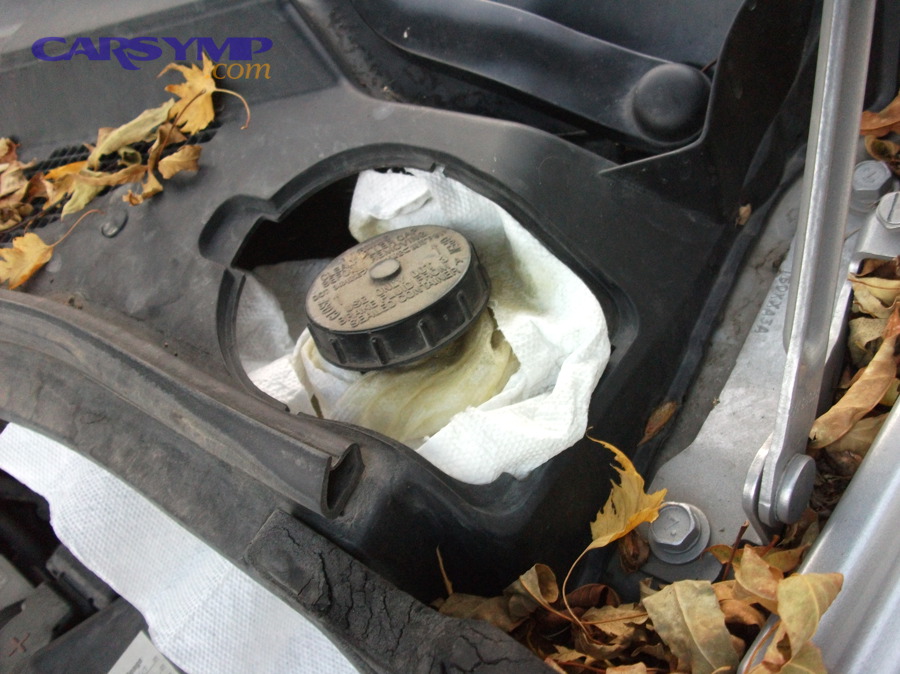
Most common automotive brake fluids (DOT 3, DOT 4, DOT 5.1) are glycol-based and hygroscopic—meaning they absorb moisture over time. As moisture content rises, heat events can push parts of the system closer to boiling, producing vapor pockets that compress under pedal pressure.
Here’s the “feel translation”: compressible pockets mean more pedal travel for the same clamp force, which can feel like delayed bite and longer stopping distance. Quan trọng hơn, it may appear intermittently—only after aggressive braking—making drivers underestimate the risk.
Mechanism 2: Micro-bubbles and aeration behave like springs
Even without full boiling, small bubbles can form from agitation, dissolved gases, or tiny leak paths that don’t drip fluid but allow air ingress. Cụ thể hơn, a small bubble volume spread across four corners can still add up to noticeable pedal travel.
This is why repeated bleeding can “temporarily fix” the symptom: you remove bubbles, but if the root cause is fluid condition plus moisture or a micro-leak, the problem returns. Ngược lại, pad and rotor issues usually don’t improve simply from hydraulic cycling.
Mechanism 3: Corrosion byproducts increase seal friction and piston retraction
Old fluid can carry corrosion byproducts and degraded rubber compounds. Over time, these can increase internal friction, affecting how caliper pistons slide and retract. The driver feels that as inconsistent bite—sometimes grabby, sometimes weak—especially when transitioning from light braking to hard braking.
Theo nghiên cứu của eCFR từ 49 CFR 571.116 (Standard No. 116), vào bản cập nhật hiện hành, brake fluid standards include corrosion, stability, and water tolerance requirements, reflecting how moisture and chemical change can degrade components.
Why this differs from a “normal soft pedal” after repairs
After brake work, a mildly soft pedal can be normal until pads bed in or minor residual air is removed. However, old-fluid softness typically has a pattern: it worsens with heat, improves when cool, and returns under repeated braking. Tóm lại, pattern beats guessing—especially before you replace calipers or the master cylinder.
Can old brake fluid trigger ABS/traction warnings or strange pulsing?
Yes, old brake fluid can contribute to ABS-related symptoms—like inconsistent pedal feedback or unusual pulsing—because moisture and contamination can affect hydraulic modulation and valve behavior. Tiếp theo, separate true ABS activation from hydraulic instability that merely feels like ABS.

False “ABS feeling” vs real ABS activation
Real ABS activation typically happens under wheel slip and comes with rhythmic pedal pulsing and often audible pump/valve noise. In contrast, hydraulic instability from bubbles or boiling can feel like a sudden drop in pedal resistance without the crisp, rhythmic modulation you expect from ABS.
To check, look for the trigger: if pulsing only appears on loose surfaces or hard panic stops, ABS is likely normal; if it appears on dry pavement at moderate braking after a long downhill, old fluid or air becomes a stronger suspect.
Why moisture matters in modulator passages
ABS units contain small passages and solenoid valves. Contamination can increase sticking risk and reduce consistent pressure control. Ngoài ra, moisture-related corrosion can produce fine particles that circulate through the system and settle in sensitive areas.
Theo nghiên cứu của eCFR từ 49 CFR 571.116, vào bản cập nhật hiện hành, labeling warnings explicitly state: “KEEP BRAKE FLUID CLEAN AND DRY,” because contamination may result in brake failure or costly repairs.
When warning lights appear with braking complaints
If ABS or traction warnings appear alongside a soft or spongy pedal, don’t assume the wheel speed sensors are the only story. A weak hydraulic baseline can push the system into abnormal operating windows, especially during rapid pressure changes.
However, warning lights also commonly come from electrical or sensor faults, so the practical move is: fix hydraulic integrity first (pedal feel, leaks, fluid condition), then scan codes if lights remain. Hơn nữa, this avoids chasing electronics while the foundation is compromised.
How can you check brake fluid condition at home (without lab tools)?
You can screen for old brake fluid using four checks: reservoir inspection, pedal pattern testing, temperature behavior, and moisture test strips. Dưới đây, treat each check as a filter—one clue is weak, but multiple clues form a reliable diagnosis.
Check 1: Reservoir inspection (what it can and cannot tell you)
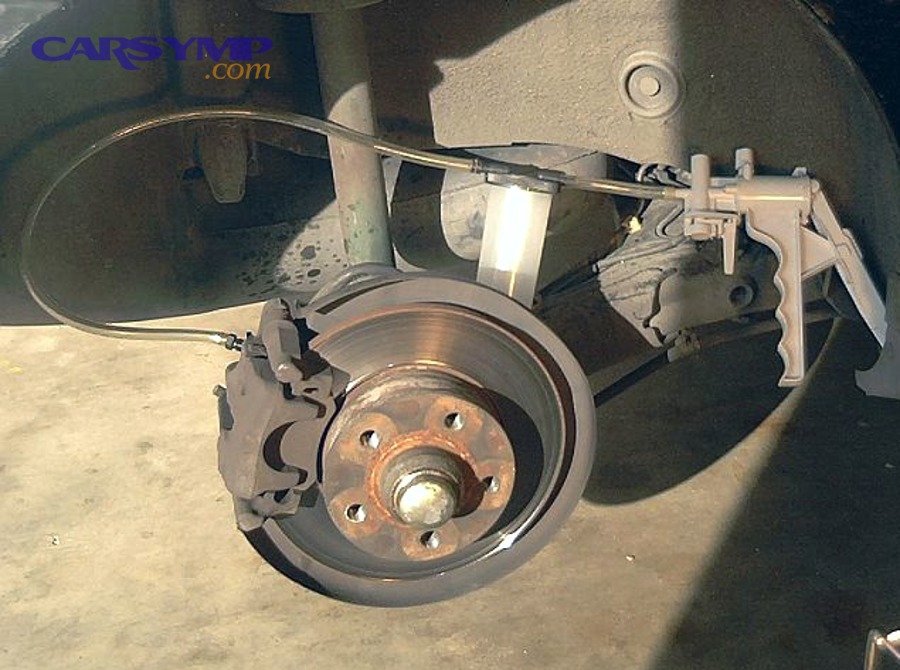
Look for: darkening beyond light amber, cloudiness, visible sediment, or a strong “burnt” odor when the cap is opened carefully. Cụ thể, very dark fluid suggests oxidation and contamination, but clear-looking fluid can still be moisture-laden—especially if it’s years old.
Also verify the cap seal and surrounding area: if the cap gasket is cracked or missing, moisture ingress accelerates. Bên cạnh đó, spilled fluid residue around the cap can indicate sloppy top-offs, which often introduce contamination.
Check 2: Pedal pattern test (cold vs hot, single stop vs repeated stops)
In a safe area, test pedal firmness with the engine on (vacuum assist active). Note the first press, then 2–3 rapid presses. If a spongy pedal firms with pumping, you’ve likely got compressibility (air/micro-bubbles) rather than pure friction issues.
Then repeat after a short drive with several moderate stops. If the pedal gets softer as the system heats, old fluid’s reduced heat margin becomes more likely. Tuy nhiên, do not perform aggressive downhill tests on public roads—safety first.
Check 3: Moisture test strips (quick, imperfect, useful)
Moisture strips can provide a quick indication of water content, but they depend on proper technique and fresh strips. Use clean tools, avoid contaminating the strip with reservoir dirt, and compare color change carefully.
Interpretation tip: treat “borderline” readings as a reason to shorten your service interval, not as proof of imminent failure. Quan trọng hơn, if symptoms are present, rely on symptom+strip together.
Check 4: Evidence of internal contamination (hoses, bleeders, and fluid draw)
If you can safely crack a bleeder during a controlled bleed procedure, compare the first fluid that exits (often darker) to fresh fluid. A strong contrast suggests the corners are carrying old, degraded fluid even if the reservoir looks acceptable.
Use a clear hose and container to look for bubbles and debris. If you see persistent micro-bubbles that don’t clear after proper bleeding steps, suspect a leak path or boiling from moisture. Đặc biệt, always re-tighten to spec and protect paint—brake fluid is paint-aggressive.
When is it unsafe to keep driving with symptoms of old brake fluid?
It’s unsafe to keep driving if old-fluid symptoms include a worsening spongy pedal, heat-related fade, or any momentary loss of braking confidence—because performance can drop sharply under emergency heat and pressure. Sau đây, use three red-flag rules to decide.
Red flag 1: Pedal drops or softens significantly after repeated stops
If the pedal becomes noticeably softer after multiple stops, especially on downhill grades or highway off-ramps, you may be approaching vapor formation under heat. This is not a “later” problem; it’s a “today” problem because emergency braking generates heat fast.
Theo nghiên cứu của NHTSA từ Office of Chief Counsel, vào 03/1986, moisture absorption degrades safety by lowering boiling point and increases vapor lock risk.
Red flag 2: You need to pump to get normal braking
Pumping once to restore firmness is a warning, not a workaround. It suggests compressibility or pressure loss. If you ever need multiple pumps to stop normally, stop driving and diagnose immediately.
Ngược lại, normal brakes should deliver predictable firmness and bite with a single press. “It stops eventually” is not an acceptable standard for hydraulic safety systems.
Red flag 3: Any external leak or low reservoir level paired with softness
Old fluid alone doesn’t usually cause the reservoir to drop suddenly; leaks do. If your fluid level is falling and the pedal is soft, treat it as urgent. Even a small leak can rapidly worsen under pressure and heat.
Do not top off and ignore the cause. A top-off can mask a failure until it becomes catastrophic. Tóm lại, diagnose the leak, then restore proper fluid condition and bleeding.
How do you restore consistent braking feel and prevent recurrence after service?
You restore consistent braking feel by removing degraded fluid and trapped gas, then protecting the system from re-contamination and moisture ingress. Tiếp theo, focus on clean technique, correct bleeding sequence for your vehicle, and verifying pedal feel under safe conditions.
Step 1: Use clean handling to avoid introducing new contamination
Brake fluid is sensitive: dirt, water, and petroleum contamination can compromise seals and performance. Keep containers closed, use clean funnels or syringes, and never reuse old fluid pulled from the system.
Theo nghiên cứu của eCFR từ 49 CFR 571.116, vào bản cập nhật hiện hành, packaging warnings include “STORE BRAKE FLUID ONLY IN ITS ORIGINAL CONTAINER… tightly closed to prevent absorption of moisture.”
Step 2: Bleed method selection (gravity, manual, vacuum, pressure)
Each method can work if done correctly. Vacuum bleeding is convenient, but it can pull air around loose bleeder threads, which looks like bubbles in the hose. Pressure bleeding is consistent but requires correct adapter sealing at the reservoir.
In practice, the “best” method is the one you can execute cleanly without introducing leaks or aeration. Bên cạnh đó, always monitor reservoir level—running it low can introduce air into the master cylinder and ABS unit.
Step 3: Confirm pedal feel and verify under controlled heat
After service, confirm a firm pedal with engine on and stable pedal height when held under steady pressure. Then do a low-speed test in a safe area: gentle stops, then a few moderate stops. If the pedal softens as heat rises, revisit bleeding quality and fluid condition.
Don’t confuse pad bedding with hydraulic softness: bedding changes bite and noise; hydraulic issues change pedal travel and firmness. Quan trọng hơn, if you serviced calipers or hoses, re-check for seepage at banjo bolts and flare fittings after a short drive.
Helpful video for technique and visual cues
Now, weave in the operational reality: a successful service also includes preventing the same degradation cycle. That includes sealing the reservoir cap properly, avoiding frequent cap opening, and using the correct fluid grade for your vehicle’s temperature demands.
Contextual Border: The sections above help you identify and act on symptoms. Beyond this boundary, we’ll expand into deeper details that change your fluid choice, service interval, and long-term reliability—without drifting away from the core intent.
Deeper details that change your fluid choice and maintenance plan
This section expands the diagnosis into “why it varies by vehicle,” focusing on grades, boiling point concepts, storage habits, and environmental handling. Tiếp theo, use these details to make your next service more durable, not just “temporarily better.”
Fluid grades and compatibility (what to match and what to avoid)
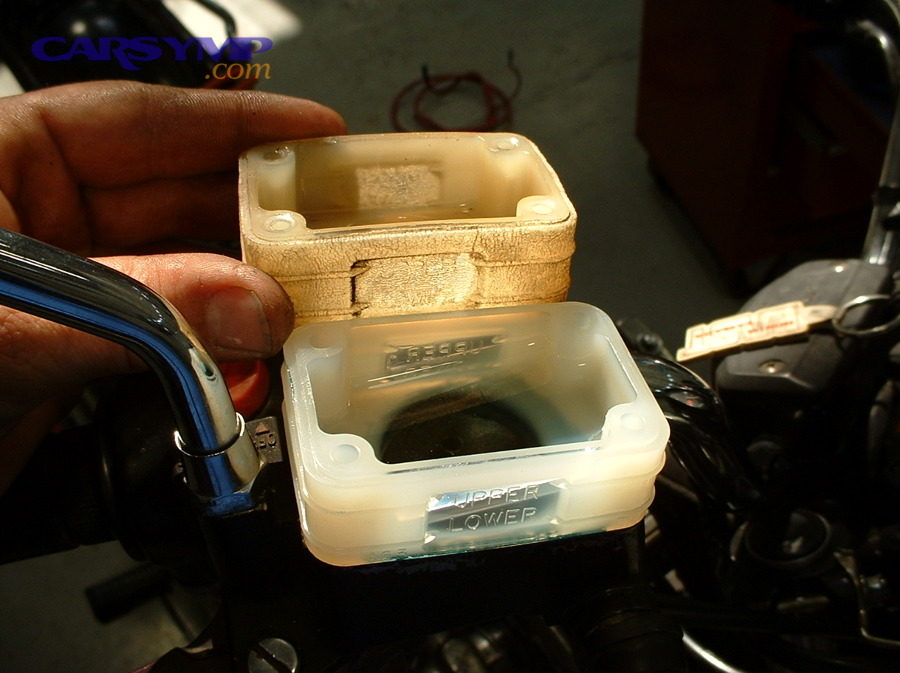
Most passenger vehicles use glycol-based fluids: DOT 3, DOT 4, or DOT 5.1. DOT 5 is typically silicone-based and is not generally interchangeable with glycol fluids. The practical rule: follow the cap/manual specification, and avoid mixing unknown types.
Here’s the phrase you’ll often see online—“DOT 3 vs DOT 4 vs DOT 5.1 explained”—but the actionable takeaway is simpler: higher DOT numbers in glycol fluids often correlate with higher boiling performance targets, but real-world performance depends on the specific product and how much moisture it has absorbed.
According to NHTSA interpretation, DOT 4 brake fluid must meet a minimum wet boiling point requirement (not less than 311°F), and labeling should reflect the wet boiling point of the fluid in the container.
Boiling point language: “wet” matters more than “dry” in real life
Brake fluid marketing often highlights dry boiling point, but your vehicle spends its life accumulating some moisture. That’s why wet boiling point is such a useful safety concept—it approximates performance after water absorption.
Theo nghiên cứu của NHTSA từ Office of Chief Counsel, vào tài liệu diễn giải, wet boiling point labeling is tied to the fluid “in the container,” and DOT 4 wet boiling point must not be less than 311°F under the standard.
Bottom line: if you drive in mountains, tow, or do repeated braking, old fluid’s reduced heat margin is more likely to show up as fade and a soft pedal when hot.
Storage and handling habits that accelerate fluid aging
Brake fluid degrades faster when it’s repeatedly exposed to humid air or stored improperly. Every time the cap is opened, moisture can be absorbed—especially if the cap seal is weak or the area is dirty.
Also, opened bottles on the shelf can absorb moisture over time. The most reliable habit is to buy only what you need for the job and discard leftover opened bottles rather than “saving it for next time.”
Note the safety language in the federal standard: “KEEP BRAKE FLUID CLEAN AND DRY” and keep the container tightly closed to prevent moisture absorption.
Environmental handling and disposal (do it safely and legally)
Used brake fluid can be contaminated and should be handled like a hazardous automotive waste in many jurisdictions. The phrase “Proper brake fluid disposal” isn’t just a checklist item—it’s part of preventing soil and water contamination and avoiding fines.
Practical approach: store used fluid in a sealed, labeled container, keep it away from children and flames, and bring it to a local hazardous waste facility or approved recycler. Never pour it onto the ground, into drains, or into household trash where leakage can occur.
Also protect vehicle paint and plastics: brake fluid can damage finishes and some materials. If spilled, rinse promptly with plenty of water (not solvent), then wipe clean.
FAQ: Symptoms of old brake fluid
These quick answers reinforce the main diagnosis patterns and help you decide what to check next. Tiếp theo, use them as a final consistency check before you commit to repairs.
Is dark brake fluid always “bad,” even if the pedal feels fine?
Dark fluid is a strong warning sign, but not absolute proof. If the pedal is firm and consistent, you can plan service soon rather than panic—yet dark fluid often indicates contamination or age, which increases future risk. Combine color with time, mileage, and heat-related behavior.
Can old brake fluid mimic a failing master cylinder?
Sometimes. Old fluid can create softness and inconsistency, but a failing master cylinder often causes a pedal that slowly sinks while you hold steady pressure. If sinking is present, inspect for internal bypass and leaks, then verify fluid condition and bleeding quality.
How quickly can old fluid symptoms appear after brake work?
If the system was opened and the fluid was already marginal, symptoms can appear quickly—especially after the first heat cycle. This is why clean technique matters and why you should avoid leaving the reservoir open for long periods during service.
Do I need special ABS procedures if the pedal is spongy?
Sometimes. Some vehicles require an ABS bleeding procedure via scan tool if air entered the modulator. In everyday language you’ll see “ABS considerations during fluid service”—the key is: if normal bleeding won’t restore firmness and there’s no leak, consult the vehicle-specific bleed procedure.
What single symptom is the biggest red flag?
A spongy pedal that gets worse with heat or requires pumping is the biggest red flag because it can indicate vapor formation or compressibility under stress—exactly when you need maximum braking. If that pattern appears, reduce driving immediately and diagnose before normal use.
Primary entity: Symptoms of old brake fluid
Secondary keyword: spongy pedal
Related concepts: wet boiling point, moisture absorption, vapor lock, corrosion, bleeding methods, hydraulic stability