


Proper brake fluid disposal means treating both used and contaminated brake fluid as household hazardous waste: keep it sealed, keep it clean (no mixing), and deliver it to an approved collection program or shop that accepts it.
Beyond simply “where to drop it off,” the safest approach also includes correct at-home storage, spill control, and labeling so you don’t create a bigger hazard in your garage or during transport.
Many people run into trouble when fluid is mixed with other liquids, absorbed into rags, or left in open pans—so this guide also covers the “messy scenarios” that usually happen in real life.
To start, let’s clarify what brake fluid is, why it’s handled differently than typical automotive liquids, and what “safe disposal” looks like step-by-step in a home workflow.
Why is brake fluid considered hazardous waste for disposal?
Brake fluid is a chemically aggressive automotive liquid that can contaminate water and soil and may carry dissolved metals once used, so it’s typically managed as hazardous waste rather than normal trash. Next, you’ll see what makes it risky in practical terms.

From an environmental standpoint, the disposal concern is straightforward: brake fluid is not meant to enter wastewater systems, storm drains, soil, or open water. Even small volumes can spread quickly because it pours easily and can seep into porous surfaces. And unlike “clean water,” it doesn’t simply evaporate away without impact.
From a safety standpoint, the disposal concern is also practical: brake fluid can irritate skin and eyes, degrade certain materials, and damage painted surfaces. If you store it improperly—open containers, unlabeled bottles, or thin plastic that deforms—you increase the chance of accidental exposure or leaks during transport.
In short, “proper” disposal is about preventing three outcomes: environmental contamination, accidental exposure, and uncontrolled mixing with other automotive liquids that complicates final handling. Next, let’s address the most common bad idea people consider first.
Can you pour brake fluid down a drain, on the ground, or into trash?
No—pouring brake fluid into drains, onto soil, or into household trash is unsafe because it can contaminate water pathways, soak into surfaces, and create handling risks for sanitation workers. Next, you’ll learn what to do instead, even if you only have a small amount.

“Down the drain” is risky for two reasons. First, household plumbing and municipal systems aren’t designed to treat this type of chemical liquid. Second, many drains connect to stormwater systems (or indirectly reach waterways), and a spill can travel far beyond your property line.
“On the ground” is worse because porous soil and concrete can absorb it, making cleanup difficult and leaving a long-term contamination spot. If it reaches groundwater or runoff channels, the harm spreads beyond the immediate stain you can see.
“In the trash” is also not appropriate in liquid form. Liquids can leak from bags, rupture containers, and create exposure during collection and sorting. Even when contained, some jurisdictions prohibit disposal of automotive chemicals in regular waste streams because landfill liners and leachate systems are not intended for uncontrolled chemical mixtures.
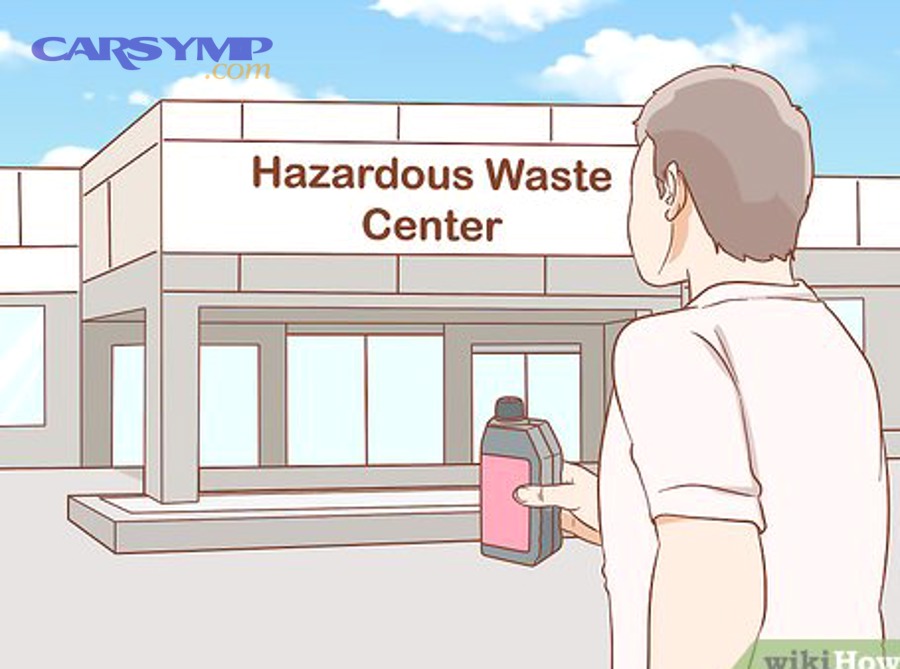
If you only have a few ounces, the right approach is still the same: seal it, label it, and deliver it to an approved drop-off option. Next, we’ll build a simple home method to collect and store it safely without special equipment.
How do you collect and store used brake fluid safely at home?
Collect used brake fluid in a clean, sealable, chemical-resistant container, keep it upright and labeled, and store it away from children, pets, and heat until you can drop it off. Next, we’ll break that into a clear, low-mess routine.
What container should you use for temporary storage?
Use a thick plastic (HDPE-style) container with a screw cap or a purpose-made fluid jug, because it reduces leak risk and resists chemical attack better than thin disposable bottles. Next, you’ll learn how to label and “future-proof” the container so nobody mistakes it later.
A practical rule: if the container feels flimsy, dents easily, or its cap doesn’t seal confidently, don’t use it. Reused beverage bottles are risky because they can be mistaken for drinkable liquids, and their plastic quality varies widely.
- Best: An empty brake fluid bottle (original container) with intact cap, or a dedicated chemical jug.
- Okay: A thick HDPE utility bottle (clean, dry, strong cap seal).
- Avoid: Thin water bottles, open pans, cups, or containers that previously held incompatible chemicals.
How should you label and secure the container?
Label the container clearly with “Used Brake Fluid—Do Not Pour Out,” date it, and keep it upright in a tray or bin so any accidental seepage is contained. Next, you’ll see how to prevent the most common storage mistake: contamination by mixing.
Include details that reduce confusion months later: “used,” “contaminated,” and “for hazardous drop-off.” If multiple people use the garage, add a simple warning like “Do not recycle” to prevent someone from tossing it into the wrong stream.
How do you prevent contamination during collection?
Keep brake fluid isolated: don’t let it mix with engine oil, coolant, solvents, or water, because mixing can change how facilities handle it and may cause rejection at drop-off. Next, we’ll cover what to do if mixing already happened.
In real DIY work, contamination happens when you drain into a pan that previously held another liquid. Dedicate one drain pan (or a clean bottle funnel) specifically for brake fluid collection. If you can’t dedicate equipment, rinse and dry thoroughly—and still assume “contaminated” when labeling.
What’s the safest short-term storage location?
Store the sealed container in a cool, dry place away from flames and out of living spaces, ideally inside a secondary tray to catch leaks. Next, we’ll move from storage to disposal routes you can use in most areas.
Avoid placing it near furnaces, water heaters, or shelves where it could fall. If you must transport it in a vehicle, keep it upright in a stable box and avoid leaving it in a hot cabin for long periods.
Where can you take brake fluid for proper disposal?
The safest disposal route is a household hazardous waste (HHW) facility, community collection event, or an automotive shop that legally accepts automotive fluids, because these routes ensure controlled handling. Next, you’ll learn how to choose the best option quickly.

Most people want a simple answer: “Where do I go?” In practice, you’ll usually have three workable paths:
- HHW drop-off sites: Often operated by municipalities or counties; designed for chemicals like automotive fluids, paints, and solvents.
- HHW collection events: Scheduled days where you bring hazardous items; sometimes seasonal or monthly.
- Participating auto shops: Some shops accept small quantities from residents, though policies vary widely.
To reduce wasted trips, call ahead or check the site’s accepted-items list. Facilities may accept brake fluid but require it to be in a sealed container; others may limit quantity or refuse mixed liquids.
Below is a quick decision table to help you choose a route based on what you’re holding. This table helps you match your situation to the most likely accepted drop-off option.
| What you have | Best drop-off option | Why it works | Common rejection reason |
|---|---|---|---|
| Sealed bottle of used brake fluid | HHW facility / HHW event | Designed for hazardous liquids | Unlabeled or leaking container |
| Brake fluid mixed with unknown liquids | HHW facility | More flexible handling procedures | Open container or no cap |
| Absorbent rags/pads with brake fluid | HHW facility (ask first) | Controlled solid-waste handling | Wet, dripping materials |
| Unopened, expired brake fluid | HHW facility / event | Still a chemical product | Damaged packaging |
If you’re unsure, default to an HHW program; it’s the most consistently appropriate route. Next, let’s handle the scenario that causes the most confusion: mixed or contaminated fluid.
What if the brake fluid is mixed with other automotive liquids?
If brake fluid is mixed with other liquids, treat the mixture as hazardous waste, keep it sealed and labeled as “mixed automotive fluids,” and take it to an HHW facility rather than guessing a shortcut. Next, you’ll learn how to classify common mixing scenarios.
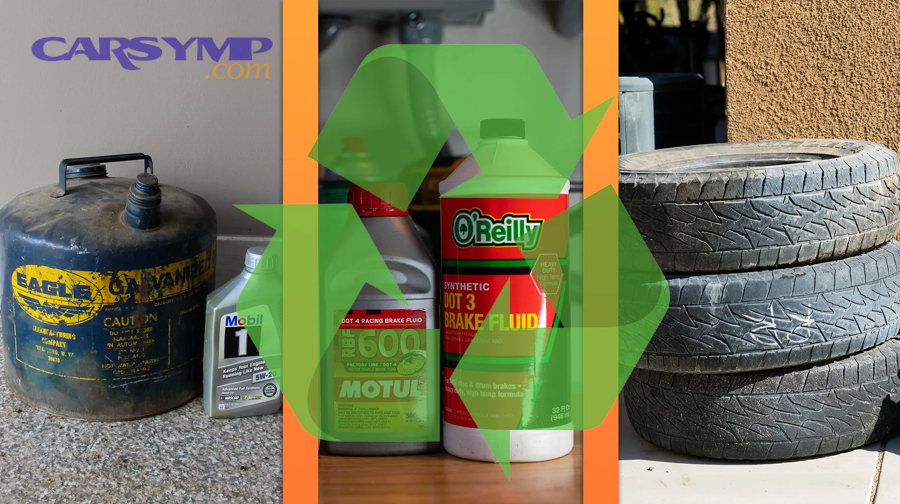
Mixing changes disposal because facilities often separate streams: some liquids can be consolidated for recycling, while others require different handling. When you mix, you remove that option and may create a waste stream that is harder to process.
How many “mix types” matter most for disposal?
There are three common mix types that matter: brake fluid with water, brake fluid with petroleum fluids (like oil), and brake fluid with solvents/cleaners; each increases disposal complexity in a different way. Next, we’ll walk through each type and what to do.
- Brake fluid + water: Still hazardous; may increase volume and leakage risk. Keep sealed and label clearly.
- Brake fluid + oil: Treat as mixed hazardous automotive waste; avoid dumping into oil recycling tanks.
- Brake fluid + solvents/cleaners: Highest caution; solvents may be more volatile. Use a robust container and deliver to HHW promptly.
Should you try to “separate” mixed liquids?
No—do not attempt to separate mixed brake fluid by settling, filtering, or heating, because you can increase exposure and create fumes or spills without reliably restoring an acceptable recycling stream. Next, focus on labeling and safe transport instead.
DIY filtering may remove debris, but it does not undo chemical mixing. The goal is not “make it reusable,” but “deliver it safely to a controlled process.”
How should you label mixed fluid so it’s accepted?
Label it with the best truthful description you can, like “Brake fluid mixed with oil” or “Brake fluid + unknown automotive liquids,” and include a date. Next, we’ll cover spill cleanup and contaminated materials, which often accompany mixed-fluid situations.
Honest labeling helps facilities protect their workers and choose the correct handling route. It also prevents your container from being rejected due to ambiguity.
How do you clean up brake fluid spills and dispose of contaminated rags?
To clean a brake fluid spill, stop the spread with absorbent material, protect yourself, collect contaminated solids into a sealed bag or container, and route them through HHW guidance rather than normal trash when they’re saturated. Next, you’ll get a step-by-step method.

What’s the safest spill response sequence?
Use a five-step sequence: contain, absorb, lift, wipe, and seal the waste, because it prevents spreading and creates a manageable disposal package. Next, we’ll detail each step with practical tips.
- Contain: Build a perimeter with absorbent pads, kitty litter, or sand to stop outward flow.
- Absorb: Apply more absorbent until the surface looks matte, not glossy.
- Lift: Scoop saturated material into a disposable tray or heavy-duty bag.
- Wipe: Use a small amount of appropriate cleaner on the surface and wipe; avoid flooding with water.
- Seal: Put contaminated solids into a sealed bag/container and label it.
Wear gloves and eye protection. Brake fluid can irritate skin and can damage paint, so keep it away from body panels and wash accidental contact areas promptly.
Can contaminated rags go in normal trash?
Sometimes lightly damp rags may be permitted locally, but saturated, dripping, or heavily contaminated rags should be treated as hazardous waste because they can leak and expose handlers. Next, we’ll show how to package them so they’re safer to transport.
Instead of guessing, follow the safer default: if the rag is wet enough to squeeze liquid out, treat it as hazardous. If it’s dry to the touch with minimal residue, some local rules may allow trash disposal—but local guidance varies.
How do you package contaminated absorbents for drop-off?
Double-bag solids, add a label like “Brake fluid contaminated absorbent,” and keep it in a rigid bin for transport so it can’t tear or leak. Next, we’ll address the confusion around unopened and expired bottles.
If you used kitty litter or sand, let it finish absorbing before sealing. Avoid overfilling bags; rupture often happens when bags are too heavy or sharply compressed in a trunk.
What should you do with unopened or expired brake fluid?
Unopened or expired brake fluid should still be treated as a chemical product: keep it sealed in its original container and deliver it to HHW collection if you won’t use it, because “unused” does not mean “safe to dump.” Next, you’ll learn how to decide between keeping, donating, or disposing.

Brake fluid is hygroscopic for many common formulations, meaning it can absorb moisture from the air once opened. That’s why old bottles—especially opened ones—are poor candidates for future critical braking work. Even unopened bottles may become questionable if the seal is compromised or stored in harsh conditions.
Is it safe to keep old brake fluid “just in case”?
It can be safe to store it if the container is intact and clearly labeled, but it may not be safe to use in a braking system if you can’t confirm its condition; disposal is often the safer choice. Next, we’ll show how to minimize waste when you plan jobs.
For many DIY drivers, the easiest waste prevention is planning: buy the amount you need and schedule related maintenance together so you finish a bottle rather than leaving it half-used for years.
Can you donate unopened brake fluid?
Sometimes you can donate sealed, in-date products to community garages or vocational programs, but only if they accept it and the packaging is undamaged; otherwise, route it to HHW. Next, we’ll connect disposal decisions to smart maintenance planning.
When donating, keep it in original packaging with a readable label. Never re-bottle into a generic container for donation.
As a practical tie-in, people often encounter leftover bottles during a brake fluid change or when comparing the Brake fluid flush vs bleed difference after noticing Symptoms of old brake fluid; in those cases, disposal planning is part of finishing the job safely without leaving risky chemicals on a shelf.
How do you transport brake fluid to a disposal site without leaks?
Transport brake fluid by sealing it tightly, placing it upright in a secondary containment bin, and keeping it stable during the drive, because most disposal mishaps happen from tipping, cap failure, or punctures in a trunk. Next, you’ll get a checklist you can follow in two minutes.
What’s the simplest transport checklist?
Use a six-point checklist: cap, label, bag, bin, stabilize, and ventilate, because it prevents the most common failure points. Next, we’ll detail each item quickly.
- Cap: Confirm the cap threads smoothly and seals fully.
- Label: “Used Brake Fluid—Hazardous” plus date.
- Bag: Put the bottle in a heavy-duty plastic bag as a backup barrier.
- Bin: Place the bagged bottle in a rigid bin or tray.
- Stabilize: Wedge it so it can’t slide or tip during turns.
- Ventilate: Keep the vehicle ventilated and avoid long hot parking stops.
If you have multiple chemicals, keep them separated in different bins. Cross-leaks can turn a small problem into a large mixed-waste mess.
Should you transport it inside the passenger cabin?
A trunk or cargo area is preferable; if you must use the cabin, keep the container sealed in a rigid bin on the floor, not on seats, to reduce tipping and reduce exposure risk. Next, we’ll explain how facilities handle intake and why your packaging matters.
Never transport open pans. Even a short drive can create slosh and vapor exposure, plus it’s far more likely to spill during sudden braking.
What happens to brake fluid after you drop it off?
After drop-off, brake fluid is typically consolidated and sent through licensed hazardous waste management channels, where it may be processed for energy recovery or treated according to local regulations rather than poured out or landfilled casually. Next, we’ll connect this to why “keeping it unmixed” helps.

Many people assume “recycling” is always the outcome, but hazardous waste management is broader than recycling. The goal is controlled handling: documented transport, appropriate storage, and processing methods that prevent release to the environment.
Keeping brake fluid separate from other liquids can allow facilities to route it efficiently. When it’s mixed, it may require different classification or be handled as a more complex stream. That’s why the earlier storage and labeling steps matter even if your volume is small.
From a DIY perspective, the most important takeaway is behavioral: you don’t need to know every industrial step, but you do need to deliver the material in a form that is safe to accept. Next, we’ll cover scenarios that apply to small shops, fleets, and anyone who wants a more “systematic” compliance mindset.
How can small shops or fleets manage brake fluid disposal responsibly?
Shops and fleets should use labeled collection containers, keep brake fluid segregated, maintain pickup records, and train staff on spill response, because consistent process reduces liability and prevents accidental mixing. Next, you’ll see a simple system you can implement without complex paperwork.

What’s a simple “segregate and record” system?
Use dedicated drums or jugs for brake fluid only, post clear signage, and record each transfer and pickup date, because traceability makes compliance easier and reduces mistakes. Next, we’ll explain how to minimize cross-contamination in a busy shop.
Even if you’re not legally required to maintain detailed manifests for small volumes, maintaining basic internal records is a low-effort way to prove responsible handling if questions arise later.
How do you reduce mixing in a fast-paced environment?
Reduce mixing by standardizing containers, restricting pour points to one station, and using color-coded labels, because most mixing happens when people improvise with whatever container is nearest. Next, we’ll link that to spill readiness.
- Standard container: One approved jug type for brake fluid only.
- One station: A single collection point rather than many random bins.
- Clear labels: Large text and hazard wording.
What should staff know about spill response?
Staff should know where absorbents are stored, how to contain spills quickly, and how to package contaminated materials, because early containment prevents spread and reduces cleanup cost. Next, we’ll transition into the contextual expansion: less common but important “edge cases” that affect disposal success.
Training doesn’t need to be long—just repeatable. A short posted checklist at the collection station often outperforms long manuals that nobody reads.
Contextual Border: The sections above cover the main how-to path for most drivers and shops. Next, we’ll expand into less common situations—material compatibility, unusual formulations, and “reuse myths”—that can quietly cause disposal mistakes.
Edge cases: reuse myths, container compatibility, and unusual formulations
Most disposal problems in edge cases come from three traps—trying to reuse old fluid, choosing the wrong container material, or assuming all brake fluids behave the same—so the safest approach is conservative handling and clear labeling. Next, we’ll address each trap directly.
Is “reusing” old brake fluid a safe idea?
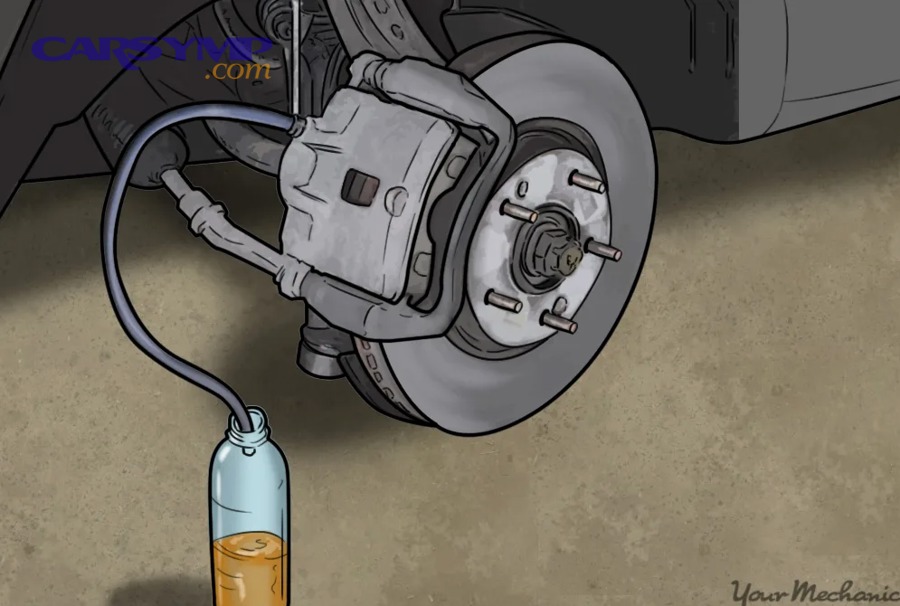
No—reusing old brake fluid is generally unsafe because it may contain moisture and contaminants and can compromise braking performance, so disposal is the better path when quality is uncertain. Next, we’ll explain why filtering is not a reliable fix.
Filtering removes particles, not absorbed moisture or chemical degradation. In a braking system, small changes in fluid behavior can have outsized consequences under heat and pressure. If the fluid’s history is unknown, treat it as waste, not a resource.
Which container materials should you avoid?
Avoid thin plastics that deform, containers that previously held strong solvents, and any bottle that could be mistaken for food or drink, because misidentification and chemical incompatibility are common failure modes. Next, we’ll offer a safe default choice.
A safe default is an intact original brake fluid bottle or a thick chemical-resistant utility container with a tight screw cap. If you must reuse a container, ensure it is clean, dry, and dedicated to this purpose going forward.
Do different brake fluid types change disposal steps?
In most household contexts, disposal steps don’t change: treat the fluid as hazardous waste, keep it sealed, and use HHW routes, because facilities handle classification downstream. Next, we’ll clarify what “unusual” still means for your handling.
Even if a formulation differs, your role remains the same: prevent release, avoid mixing, and deliver it to an approved channel. If the label indicates special warnings, include that label intact and do not transfer it to an unmarked container.
Can you mail or ship brake fluid for disposal?
Mailing or shipping brake fluid is usually impractical for individuals because shipping rules for liquids and hazardous materials can apply; local HHW programs are typically safer and simpler. Next, we’ll close with common questions that come up right before drop-off day.
If you’re relocating and can’t access HHW quickly, keep containers sealed and secured for transport to your new area’s disposal program rather than attempting ad hoc shipping solutions.
FAQ

How much brake fluid can I bring to a hazardous waste drop-off?
Limits vary by program, but many HHW sites set volume caps per household per visit; the safest move is to check accepted quantities ahead of time and split into multiple visits if needed.
Can I pour brake fluid into an “oil recycling” tank at a shop?
No—don’t assume it belongs in used-oil tanks, because brake fluid is a different waste stream and mixing can contaminate large volumes; only use a route that explicitly accepts brake fluid.
What if my brake fluid container is leaking?
Place the leaking container inside a larger sealed container or rigid bin with absorbent material, label it as “leaking,” and take it to an HHW facility promptly—avoid long storage and avoid carrying it loosely in a vehicle.
Is it okay to leave brake fluid in an open pan to “dry out”?
No—open evaporation increases exposure risk and can contaminate surfaces; seal the fluid in a proper container and dispose of it through approved channels instead.