


A realistic rotor replacement cost estimate usually lands between a basic “pads + rotors” service price and a higher total when labor time, rotor type, and hardware needs stack up.
Beyond the headline number, the biggest cost drivers are where you live, your vehicle segment (compact vs truck), whether you replace one axle or all four corners, and whether the shop includes new pads, hardware, and fluid service.
You can also lower surprises by asking for an itemized estimate that separates parts, labor hours (flat-rate), shop supplies, taxes, and any add-ons like seized fasteners or electronic parking brake service.
Next, “Giới thiệu ý mới”: we’ll break the price into parts, labor, and hidden variables so you can compare quotes confidently and avoid paying for the wrong scope.
How much does rotor replacement cost in total?
Rotor replacement cost estimate is usually a parts-and-labor total that varies widely, but you can predict it by adding rotor price + (labor rate × labor hours) + pads/hardware + fees/tax.
Next, to make that estimate accurate, we’ll separate the job into real line items and show what typically inflates the final bill.

What you’re actually paying for (the full bill breakdown)
You’re paying for rotors, technician time, and “small-but-real” shop line items, plus optional components that become required once the brakes are apart.
Besides that, knowing the structure of the invoice helps you compare two quotes that look similar but include different scope.
- Parts: rotors (per wheel), sometimes pads, sometimes caliper brackets/hardware, sometimes sensors.
- Labor: flat-rate hours for rotor service; can rise with rust, seized fasteners, or complex hub removal.
- Consumables: brake cleaner, anti-seize, lubricants, shop supplies.
- Optional-but-common: pad replacement, hardware kit, rotor set screws, slide pin service.
- Fees/tax: environmental or disposal fees and local sales tax (varies by state).
Typical price bands by vehicle type
There are 4 common price bands for rotor service: economy cars, midsize/SUV, trucks/performance, and premium/luxury—based on rotor size, rotor design, and labor complexity.
Next, match your vehicle to the right band before judging whether a quote is “high” or “fair.”
Economy/compact: Usually lowest rotor prices and quickest access, so totals often stay in the lower range.
Midsize/SUV: Heavier rotors and higher labor rates push totals into the mid range.
Trucks/performance: Larger rotors and stronger hardware raise parts cost; rusted hubs can raise labor.
Premium/luxury: Higher OEM part prices and specialty procedures increase totals.
Front axle vs rear axle vs all four: how scope changes the bill
Front rotor replacement is often the most common scope, rear can be similar or higher with electronic parking brake systems, and all four corners is usually the highest total because parts and labor multiply.
Next, the simplest way to reduce cost without reducing safety is to replace only what is worn or damaged—confirmed by measurements and symptoms.
- One axle (2 rotors): common for uneven wear patterns or front-heavy braking.
- Both axles (4 rotors): common when rotors are thin/heat-spotted at all corners or when pads are due everywhere.
- One rotor only: less common; usually only when damage is isolated and thickness/runout matches side-to-side.
What parts should be included in a proper estimate?
A proper estimate should include rotors, the correct pad match (if replacing pads), hardware, and any sensors or fasteners required for safe reassembly—otherwise the quote can look low but grow later.
Next, we’ll list what to request on the estimate so you’re comparing the same job across shops.

Rotors: economy vs coated vs performance
Rotor choices usually group into 3 types—plain economy, coated (anti-corrosion), and performance designs—and each type changes both part price and the chance of rust-related comebacks.
Next, choose rotor type based on climate and driving style, not just the lowest line item.
- Plain (uncoated) rotors: often cheapest, can surface-rust faster in wet/salty climates.
- Coated rotors: higher upfront cost, better corrosion resistance on hats/edges.
- Performance rotors: may cost more; benefit depends on application and pad choice.
Brake pads and hardware: when they should be bundled
Pads and hardware are often bundled because old pads can transfer uneven material onto new rotors, and reused clips/shims can cause noise or uneven wear.
Besides that, bundling reduces “double labor” because the brake assembly is already apart.
- Pads: replacing pads with rotors is common to protect the new rotor surface.
- Hardware kit: clips/shims/abutment hardware can prevent squeal and sticking.
- Slide pin service: cleaning and relubing reduces tapered wear and drag.
Sensors, fasteners, and the “small parts” that change the final price
Wear sensors, rotor set screws, caliper bracket bolts, and anti-rattle parts can be the difference between a stable estimate and a last-minute add-on.
Next, ask the shop to note whether these are included, optional, or “as needed after inspection.”
According to research by the National Highway Traffic Safety Administration (NHTSA) from its Office of Vehicle Safety Research, in March 2020, brake-related defects remain a meaningful factor in vehicle safety investigations and underscore why correct parts and assembly practices matter.
How does labor cost affect the estimate?
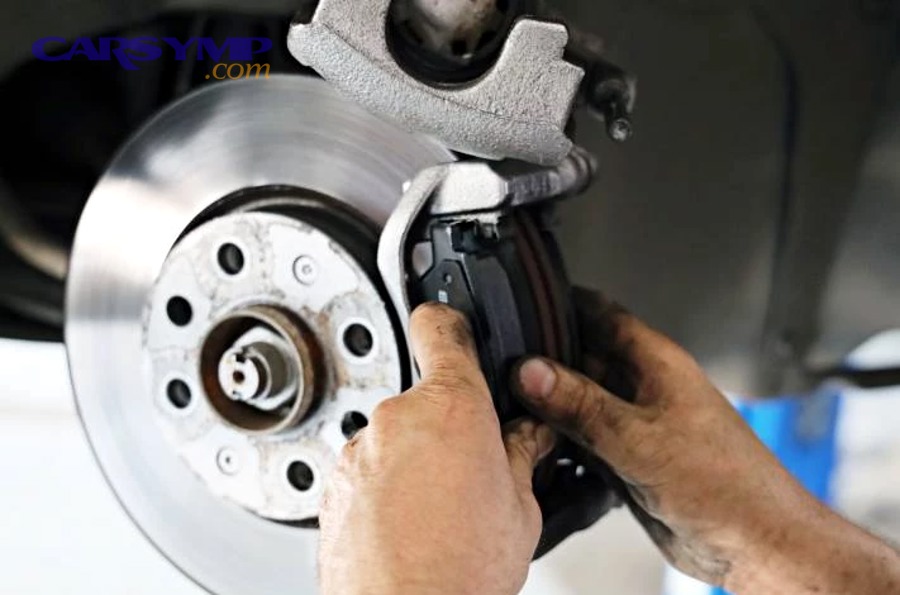
Labor cost affects rotor replacement more than most drivers expect because labor rate differs by city and the flat-rate time can rise with rust, seized hardware, or complex rear parking brake systems.
Next, we’ll translate “labor hours” into what it means on your invoice and what questions reveal whether the quote is realistic.
Flat-rate time vs real time: why quotes vary
Flat-rate time is a standardized labor estimate, while real time can be shorter or longer depending on vehicle condition; your bill typically follows the flat-rate line item, not the stopwatch.
Next, the key is to confirm whether the quote is “flat-rate only” or includes contingencies for rust and seized components.
- Lower labor: clean, low-rust vehicles with straightforward caliper access.
- Higher labor: heavy corrosion, seized rotor-to-hub bond, stuck set screws, or rear EPB procedures.
Regional labor rates and shop type
Labor rates differ by region and shop type: independent shops often price competitively, while dealers may have higher rates and may specify OEM parts by default.
However, the best value is the quote that includes correct scope and verified measurements, not the lowest hourly number.
What can legitimately add labor time
There are 5 legitimate labor add-ons that can raise a rotor replacement estimate: severe rust, seized fasteners, hub cleaning, caliper/bracket service, and parking brake procedures.
Next, you can ask the shop to list which add-ons are already included versus “if needed.”
- Seized rotor/set screws: drilling or extraction work.
- Rust-bonded rotor to hub: extra time to remove and clean mating surfaces.
- Stuck slide pins: removal, cleaning, or replacement.
- Rear parking brake system: electronic retraction/service mode or drum-in-hat adjustment.
- Wheel studs/lug issues: replacement adds parts + labor.
Should you resurface or replace rotors to save money?
Replace rotors when thickness, runout, heat damage, or surface condition makes machining unsafe or short-lived; resurface only when the rotor has enough usable thickness and the shop can cut it within spec.
Next, we’ll turn that rule into a cost-and-risk comparison so you can choose the cheaper option only when it truly stays cheaper long-term.
Cost comparison: resurfacing vs replacement (what to expect)
Resurfacing can reduce parts cost but may add labor and may not be available everywhere; replacement costs more in parts but often reduces comebacks when rotors are already near limit or damaged.
However, the best “value” is the option that preserves thickness margin and prevents repeat labor.
Below, “bảng này chứa gì/giúp gì”: this table summarizes when resurfacing vs replacing is cost-effective and what risks each option carries, so you can choose based on specs and condition.
| Option | When it makes sense | Cost impact | Main risk |
|---|---|---|---|
| Resurface | Rotor is smooth, not heat-cracked, and has enough thickness margin | Lower parts; may add machining labor | Ends up too thin, returns with pulsation/noise sooner |
| Replace | Rotor is thin, scored, heat-spotted, warped, or rust-pitted | Higher parts; labor often similar | Higher upfront cost |
How “minimum thickness” protects your budget
Minimum thickness is the safety limit set by the manufacturer; if resurfacing pushes a rotor close to that limit, you may pay less today but pay again sooner due to reduced heat capacity and wear margin.
Next, ask the shop to measure and document the rotor thickness before any machining decision.
When replacement is the cheaper long-term choice
Replacement is usually cheaper long-term if the rotor is near limit, has deep grooves, has heat checks, or shows hub-face corrosion that causes runout—because repeat labor costs more than the rotor itself.
Next, if a quote seems high, confirm whether the shop is preventing repeat work by replacing marginal rotors now.
According to research by SAE International from its Brake and Chassis technical community, in June 2019, braking performance and vibration control depend heavily on rotor condition, runout, and proper service procedures—factors that influence whether resurfacing will last.
What hidden costs can inflate a rotor replacement quote?
Hidden costs usually come from hardware, seized fasteners, caliper issues, or “while you’re in there” items like fluid service—things that aren’t obvious until the brakes are disassembled.
Next, we’ll list the most common add-ons so you can ask about them upfront and reduce surprises.

Hardware kits, caliper service, and bracket replacement
Hardware kits are small but important; caliper slide problems can force extra labor; and some vehicles require bracket replacement or special hardware, which changes the estimate.
Besides that, a shop that refuses to service slides or replace hardware may be offering a lower quote that risks noise and uneven wear.
Rust, stuck screws, and hub cleaning
Rust-related labor add-ons are common in salt-belt regions: rotor-to-hub bonding and stuck set screws can turn a simple rotor swap into extraction and cleanup work.
Next, ask if the quote assumes “standard removal” or includes time for rust mitigation.
Brake fluid service and “inspection” charges
Some shops include a brake inspection in the service, while others itemize it; fluid exchange may be recommended based on time and condition and can add to the total.
Next, request the quote as an itemized estimate so you can approve add-ons deliberately.
After-service noise or vibration recheck
A recheck for noise or pulsation can cost time if issues appear after installation; a strong shop policy includes test drives and bedding guidance to reduce comebacks.
Next, ask whether post-service diagnostics are covered if a vibration appears immediately after the brake job.
Contextual Border
Up to this point, you have a practical way to estimate rotor replacement cost by separating scope, parts, and labor. Next, we’ll zoom into less-common but high-impact details—rotor designs, specs, and quote tactics—that can change your decision.
Advanced factors that change rotor replacement value

Drilled/slotted vs plain rotors: when the premium pays off
Plain rotors are often best for daily driving value, while drilled/slotted designs can be useful in specific heat-management or performance contexts; the “premium” pays off only when matched with correct pads and driving conditions.
However, paying more for design without a matching use case often increases cost without extending life.
Thickness specs, runout, and why documentation matters
Documented thickness and runout protect your estimate because they justify whether machining is allowed, whether replacement is needed, and whether post-service vibration is a rotor issue or a hub mounting issue.
Next, ask for the numbers in writing—before and after service—so you can compare quality across shops.
How to request an estimate that doesn’t “balloon” later
The best estimate is one that lists parts brand/type, includes hardware assumptions, specifies labor hours, and defines “as-needed” items with a clear approval step.
Next, use a short script when calling shops so you get comparable quotes.
- “Is this quote for one axle or both, and does it include pads and hardware?”
- “What rotor type is included—plain, coated, or performance?”
- “Are seized screws/rust removal included or billed if needed?”
- “Will you document rotor thickness and runout?”
Video: seeing the rotor replacement process (to understand labor)
Watching the steps helps you understand why labor varies: wheel removal, caliper support, rotor removal, hub cleaning, hardware install, torque sequence, and test drive/bedding guidance.
Next, use this context to judge whether a quote includes the steps that prevent repeat vibration.
FAQ
Can you replace rotors without replacing pads?
Yes, but it’s often not ideal because old pads can have uneven wear or embedded material that quickly marks the new rotor; replacing pads with rotors commonly improves bedding and reduces noise risk.
Next, if pads are nearly new and evenly worn, ask the shop to inspect pad face condition and confirm compatibility before reusing.
Is it safe to drive with worn rotors to “save money”?
No, if rotors are below spec, cracked, or causing severe pulsation, you risk reduced braking performance and damage to pads and calipers; delaying can increase total cost.
Next, if symptoms are mild, get thickness/runout measured so you can plan repairs without guessing.
How can I tell if a quote is missing important items?
If the quote doesn’t specify axle scope, pad inclusion, hardware, rotor type, labor hours, and “as-needed” rust/fastener policy, it’s likely incomplete and will rise later.
Next, request a line-item estimate and compare two shops on the same scope, not the same final number.
What’s the best way to lower rotor replacement cost without lowering quality?
The best method is to target the correct scope (one axle vs both) based on measured specs, choose a value rotor type suited to your climate, and ensure the shop includes hub cleaning and correct torque practices.
Next, prioritize documented measurements and an itemized estimate—those reduce repeat labor, which is the most expensive mistake.
Rotor replacement cost estimate; brake rotor replacement; rotor estimate; brake service pricing; labor rate and flat-rate time; rotor thickness; runout documentation; pad and rotor scope; coated vs plain rotors; comparison shopping checklist