


Cold weather can freeze up a parking brake when moisture turns to ice inside the cable housing or bonds brake friction material to the drum/rotor, so the most effective prevention is to reduce trapped water, choose smart parking habits, and keep the parking-brake system moving freely before winter hits.
If your parking brake is already stuck, you can usually free it safely by warming the vehicle and using controlled, low-risk release steps—without overheating the rear brakes or damaging the cables.
You’ll also get a clear explanation of why freezing happens in the first place (wet slush, overnight temperature drops, salt and grime), so you can recognize the conditions that trigger a freeze-up before it costs you time—or a tow.
Introduce a new idea: the same winter “stuck” symptoms can come from very different hardware (mechanical cable vs electronic parking brake, drum vs disc), so the main content below is structured to help you decide what’s happening and what to do next.
Can a parking brake freeze in winter—yes or no?
Yes—parking brakes can freeze in winter because moisture can ice-bond the brake shoes/pads to the drum/rotor, ice can lock a parking-brake cable in its sleeve, and road slush/salt can turn normal sliding parts into sticky, dragging rear brakes. However, freezing is not random; it usually follows predictable patterns—wet driving, parking immediately, and then a sharp temperature drop.
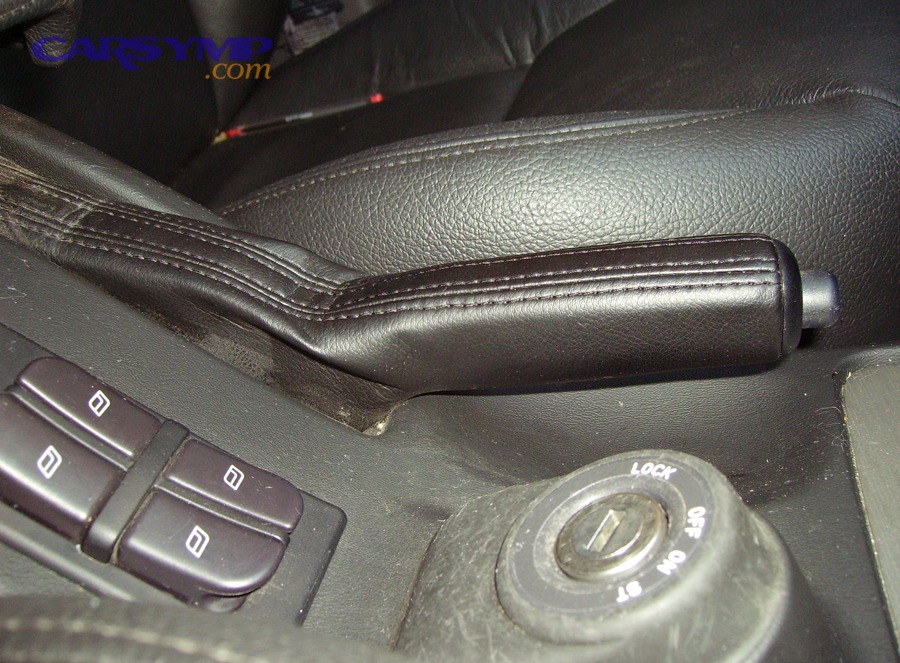
To connect this to what you feel in the driver’s seat, think of a frozen parking brake as one of two problems: the brake is still applied even after you “release” it, or the mechanism won’t fully release because ice or corrosion is holding it. Either way, the rear brakes can drag, overheat, and wear quickly—so it matters to diagnose it early.
Is it safe to drive if the parking brake feels stuck after you release it—yes or no?
No—it’s not safe to drive when the parking brake feels stuck because rear brake drag can overheat components, reduce traction and control (especially on snow), and damage pads/shoes, rotors/drums, and cables. More specifically, a “slight drag” that you ignore can become Grinding or dragging rear brakes from parking brake within a few minutes if the brake is truly still applied.
Below are quick, practical checks that keep you safe before you try any “get it unstuck” tricks:
- Heat/smell check (without touching): if you smell burning friction material or see smoke near a rear wheel, stop and call for help.
- Vehicle behavior check: if the car feels unusually sluggish, pulls to one side, or shudders from the rear, assume drag.
- Sound check: a constant scrape or grind from the rear after “release” is a red flag, not a “drive it off” situation.
Then, to keep the hook chain moving forward: if you’ve confirmed it’s not safe to drive with drag, the next step is understanding what “freezing” actually means mechanically—because the safest fix depends on what froze.
What does it mean when a parking brake “freezes,” and what actually freezes?
A parking brake “freeze” is a cold-weather lockup where ice or contamination prevents the parking-brake mechanism from releasing, typically involving the cable, the caliper/drum linkage, or the friction surface bonding to the drum/rotor. In other words, something that should slide or separate simply can’t—because water turned into a solid wedge.
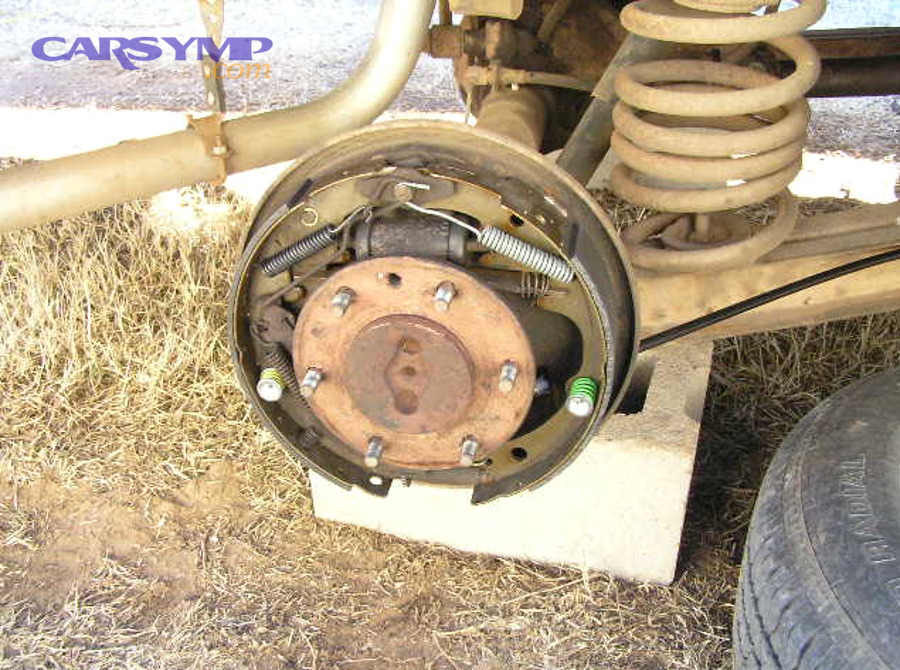
To connect this to real winter driving, the freezing chain usually looks like this: you drive through wet slush → water and grit enter the brake area → you park and apply the parking brake → temperatures drop → the water freezes or the contaminated surfaces “stick” under pressure.
What are the most common winter causes: cable ice, frozen shoes/pads, or seized hardware?
There are 3 main winter causes of parking-brake freeze-ups: (1) cable ice in the housing, (2) friction material stuck to a drum/rotor, and (3) seized or sticky hardware from salt and corrosion—based on where the mechanism loses movement. To better understand which one you have, use these fast identifiers:
- Cable ice (most common on older cable systems):
- The lever/pedal may feel normal, but release doesn’t “snap back” cleanly.
- One side may stick more than the other if water entered one cable run.
- The problem often appears after wet conditions followed by a hard freeze.
- Shoes/pads stuck to drum/rotor (bonded surfaces):
- The release action feels normal, but the car refuses to roll at first.
- When it breaks free, you might hear a single “pop” (bond releasing).
- More likely after parking right after driving (warm, wet brakes).
- Seized/sticky hardware (salt + corrosion + grime):
- The issue repeats even in milder cold, not just extreme freezes.
- You may notice reduced return tension or uneven release over time.
- This is where parking brake repair becomes the long-term solution, not repeated winter workarounds.
When is freezing most likely: after a car wash, wet slush parking, or temperature swings?
Wet slush parking is usually the highest risk, car washes are a close second, and temperature swings are the multiplier—because all three load the system with water and then rapidly remove the heat that would otherwise evaporate it. Specifically:
- Wet slush + salted roads: slush packs into wheel wells, carries salty water into brake hardware, then freezes into an abrasive ice crust.
- Car wash + overnight freeze: water gets forced into seams and cable boots; parked immediately afterward, it can freeze where you can’t see it.
- Temperature swings (day thaw, night freeze): repeated cycles encourage both ice formation and corrosion “stiction,” making components stick even when there’s no visible ice.
According to a study by University of Udine from the mechanical engineering research community, in 2023, corrosion-stiction in automotive braking systems under static conditions was highlighted as a recognized mechanism for brakes sticking after environmental exposure.
How do you prevent parking brake freeze-ups in winter (best practices checklist)?
Prevent winter parking-brake freeze-ups by following 7 steps—keep moisture out, dry the brakes before parking, choose smart parking habits, avoid trapping slush, maintain cable and hardware movement, and use alternatives when conditions are high-risk—so the brake releases normally the next time you drive. More importantly, prevention works best when you treat the parking brake as a system (cable + hardware + friction surfaces), not just a lever you pull.
Here’s a practical prevention checklist you can apply immediately:
- Dry-out habit before parking (especially after slush):
- During the last minute of driving, do a few gentle, normal brake applications to warm and dry the surfaces.
- Avoid aggressive braking; you’re evaporating moisture, not generating heat for performance.
- Avoid “set-and-forget” in high-risk wet freezes:
- If roads are wet and temperatures are falling, consider alternatives (covered below).
- The goal is to avoid clamping wet friction material against a surface that will freeze.
- Don’t park with packed snow against the rear wheels:
- If it’s safe, clear heavy snow buildup around the rear wheels/wheel wells after parking.
- Packed snow becomes meltwater that refreezes into a brake lock.
- Keep the mechanism moving during the season:
- A parking brake that never gets used can develop stiffness; one that’s used properly stays freer.
- The key is using it on days that aren’t wet-freeze conditions.
- Schedule a pre-winter inspection for known weak points:
- Cable boots, housing ends, rear caliper levers, and drum hardware are common water-entry and stiction points.
- Watch for early warning signs:
- Increased lever travel, uneven feel, weak hold on hills, or slow release are signals to address it before deep winter.
- If you already have symptoms, stop “hoping” and address the root:
- A recurring winter freeze-up is often a cable sealing problem or corrosion; at that point, a Parking brake cable replacement overview becomes relevant because replacing a compromised cable is sometimes the only real fix.
Should you use the parking brake in freezing weather—yes or no?
Yes, you can use the parking brake in freezing weather—but only when conditions are low-risk, because using it on dry cold days prevents stiffness, it’s still a key safety device on hills, and it helps secure a manual-transmission vehicle when used correctly. However, the “yes” comes with a decision rule: avoid setting it immediately after wet/slushy driving when a freeze is imminent.
- Dry cold (no wet slush, no car wash): generally safe to use; it can keep the system exercised.
- Wet slush + temperatures dropping fast: avoid if you have safe alternatives; risk of bonding/ice is high.
- Steep incline: safety priority rises; if you skip it, you must compensate with stronger alternatives (chocks/curb wheel position) and correct gear/Park usage.
Transitioning from “should you” to “what else can you do,” the next section gives safe alternatives that still prevent rollaway without inviting freeze-ups.
What are safer alternatives to relying on the parking brake on ice: Park/gear, wheel chocks, curb-wheeling?
There are 4 safer alternatives to relying on a parking brake in wet-freeze conditions: using Park (automatic) or selecting gear (manual), using wheel chocks, turning wheels toward/away from the curb based on slope, and choosing flatter parking when possible—based on reducing roll risk without clamping wet brakes.
- Automatic transmission: shift to Park and confirm the vehicle fully settles before you release the foot brake.
- Manual transmission: select 1st gear when facing uphill or reverse when facing downhill (common practice), and let the drivetrain resistance help hold.
- Wheel chocks: the most reliable physical barrier on steep or icy surfaces.
- Curb-wheeling: turn the steering so the vehicle rolls into the curb if it moves, not into traffic.
Important nuance: these are risk-management tools, not excuses to ignore basic parking safety. If you must park on a steep slope in winter, redundancy is your friend.
What simple pre-winter maintenance reduces freezing risk: cleaning, lubrication, adjustment, inspection?
There are 4 simple maintenance actions that reduce winter freezing risk: inspect cable boots and housings for water entry, verify full release and strong return action, clean and protect exposed linkages from salt buildup, and adjust or replace worn components that can’t hold or release consistently. Besides improving winter reliability, this is the core of preventing “surprise” winter parking brake repair visits.
- Cable condition: torn boots, cracked housings, kinked routing, frayed ends.
- Rear hardware movement: caliper levers (disc systems) or internal linkage (drum systems) should move freely and return fully.
- Holding ability: should hold on an appropriate incline without excessive lever/pedal travel.
- Release quality: should feel consistent, not sticky or delayed.
According to a study by Firestone Complete Auto Care from its automotive service guidance, in 2021, cold-weather freezing was described as a cause of stuck parking brakes, and warming the vehicle was recommended as a practical way to melt ice and aid release.
How do you unfreeze a stuck parking brake safely (step-by-step)?
Unfreeze a stuck parking brake using a low-risk 6-step method—confirm it’s fully released, warm the vehicle, attempt gentle re-engagement/release, test controlled rocking only if safe, check for drag/heat, and stop for professional help if red flags appear—so you avoid overheating or cable damage. Next, the guiding principle is “release first, force last,” because forcing a frozen mechanism can turn a small problem into a cable or caliper failure.
- Confirm full release (don’t assume):
- Fully disengage the lever/pedal/switch.
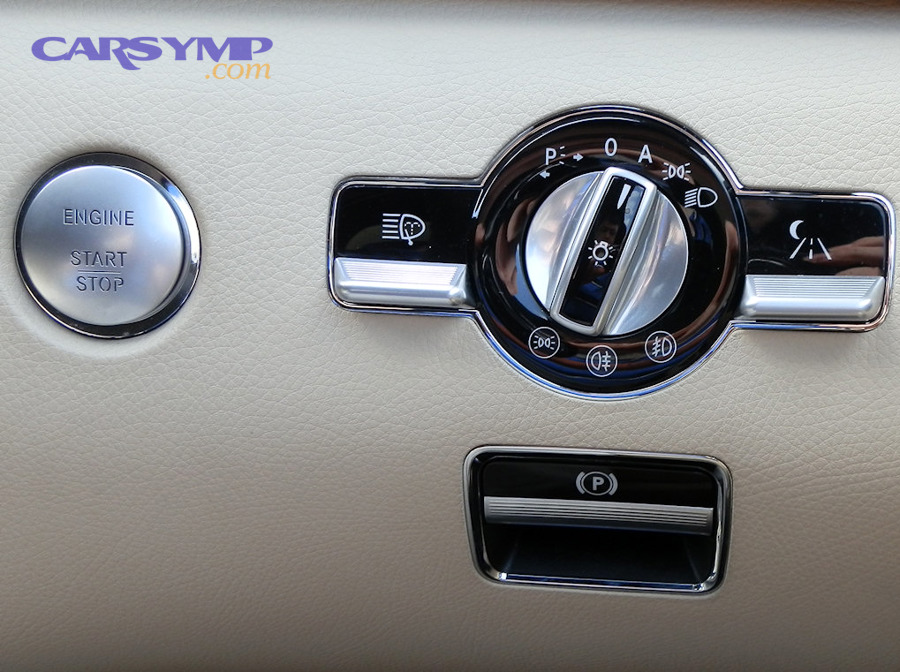
- If you have an electronic parking brake, follow the normal release procedure and verify the indicator behaves normally.
- Warm the system gradually:
- Start the car and let it idle long enough to put some heat into the cabin and drivetrain.
- Heat migration alone can help melt ice around cable runs and underbody areas.
- Re-apply and release gently (controlled cycling):
- Apply the parking brake lightly and release it again.
- This can break thin ice films and free sticky linkage without brute force.
- Test movement slowly in a safe, open area:
- Try to roll a few inches with minimal throttle.
- If the vehicle refuses to move or the rear feels “anchored,” stop and reassess.
- Check for drag indicators before you keep trying:
- Listen for grinding, scraping, or sustained squeal from the rear.
- If you detect persistent drag, do not “drive it off.”
- Escalate only if safe—and know when to stop:
- If you need help, professional inspection is often cheaper than replacing overheated rear brakes.
- This is where a shop may confirm whether you need a cable service, caliper service, or a full Parking brake cable replacement overview.
Should you “rock” the car or apply throttle to break it free—yes or no?
No—you should not rely on rocking or throttle as your first move because it can turn mild bonding into damaged friction material, it can overheat rear brakes if the brake is still applied, and it can cause loss of control on ice. However, there’s a controlled exception: if you’re on flat ground, the area is clear, and you’ve confirmed the brake is released as far as it will go, a gentle fore-aft movement can sometimes break a light bond—without sustained throttle.
- Use the lightest throttle possible.
- Stop immediately if you hear ongoing Grinding or dragging rear brakes from parking brake.
- Never attempt this in tight spaces, near pedestrians, or on steep slopes.
According to a study by Firestone Complete Auto Care from its brake safety guidance, in 2021, warming the car and gently attempting release cycles was presented as a safer approach than forcing the vehicle free when ice may be present.
What are the red flags that mean you should stop and get professional help or towing?
There are 6 red flags that mean you should stop and get professional help: burning smell, smoke, a rear wheel that becomes very hot, sustained grinding/scraping, strong pulling to one side, and a parking brake warning light or “service” message that persists after release—based on risk of brake damage and loss of control.
- Burning smell / smoke: friction is generating dangerous heat; you can damage pads/shoes and rotors/drums quickly.
- One rear wheel hot: likely one-sided sticking (cable, linkage, caliper, or shoe hardware).
- Sustained grinding: metal contact or debris; continuing can destroy the friction surface.
- Vehicle pulls: uneven rear brake drag can destabilize the car on snow.
- Warning indicators: Parking brake warning light causes range from a brake still applied to a switch/EPB fault; if it won’t clear, it needs diagnosis.
- Repeat freeze-ups: recurring events often point to compromised sealing or corrosion; this is when recurring “winter fixes” become more expensive than actual parking brake repair.
What’s the difference between cable parking brakes and electronic parking brakes (EPB) in winter freezing risk?
Cable parking brakes win for mechanical simplicity and easier DIY inspection, EPB systems are best for consistent automated clamping and integration features, and neither is “immune” to winter sticking—because the risk shifts from cable freeze to actuator/caliper mechanism sticking and sensor-based faults. Meanwhile, understanding your type determines what you can safely try at home—and what you shouldn’t.
Mechanical cable systems (handbrake/e-brake cable):
- Strength: straightforward linkage; physical cables; easier to visually inspect.
- Winter weakness: water can enter cable housings; cables can freeze or corrode internally.
- Common winter symptom: lever moves but brake doesn’t fully release on one side.
Electronic parking brake (EPB):
- Strength: consistent actuation and integration with hill-hold/auto-hold on many vehicles.
- Winter weakness: caliper actuators can stick; electrical faults can trigger warnings; release can be limited by system logic.
- Common winter symptom: warning message, limited release, or a motor/actuator fault that requires scanning.
This is also where the phrase Parking brake warning light causes becomes important: on EPB, a warning may indicate a system fault, not just “brake applied.”
Which type is more likely to freeze: mechanical cable or EPB—and why?
Mechanical cable systems are more likely to freeze from moisture inside the cable sleeve, while EPB systems are more likely to “stick” due to actuator/caliper mechanism issues or fault logic—because the vulnerable component changes from a long moisture-prone cable to a motorized caliper assembly. In short: cable systems fear water in the sleeve; EPB systems fear actuator and control faults in harsh conditions.
According to a study by Performance Auto Specialists from its winter brake safety guidance, in 2020, forcing a frozen parking brake was warned against because it can damage cables or caliper components, reinforcing that design differences change failure points but not the “don’t force it” rule.
What are winter edge cases and less-obvious factors that cause parking brake problems (beyond freezing)?
Winter parking-brake problems aren’t only about ice; they also come from drum vs disc design differences, salt-driven corrosion that mimics freezing, high-risk moisture patterns like car washes before hard freezes, and recurring wear that signals it’s time for repair or replacement—especially when symptoms repeat. In addition, this is the point where micro-semantics matter: “stuck,” “dragging,” and “warning light” can each indicate different failures.
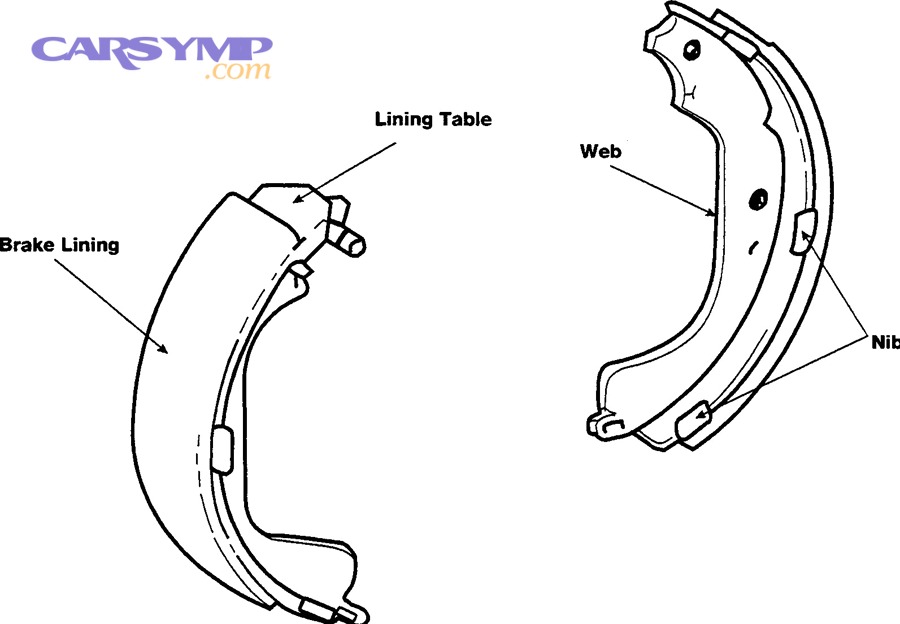
To better understand these edge cases, the next H3 sections isolate the “rare but real” scenarios that help you stop guessing.
How do rear drums vs rear discs change freeze/stick symptoms and fixes?
Rear drums win for protected internal packaging, rear discs are best for heat dissipation and consistent braking feel, and each changes freeze/stick behavior because drums can trap moisture inside while discs can expose caliper linkages to salt and grime.
- Drum-style parking brakes (or drum-in-hat setups):
- Moisture can linger inside the drum.
- Shoes can bond to the drum surface after wet parking.
- Break-free may feel like a “pop,” then normal movement—unless hardware is corroded.
- Disc-style systems (parking brake integrated into caliper or separate mechanism):
- Exposed linkages and levers can collect salt and grime.
- Sticky caliper levers can prevent full release and create persistent drag.
- This is a common pathway to “I released it, but the rear brakes are still dragging.”
When the symptom is repeatable or one-sided, the fix is often a targeted parking brake repair rather than winter-only tricks.
Can road salt and corrosion mimic a “frozen” parking brake—yes or no?
Yes—road salt and corrosion can mimic a frozen parking brake because corrosion-stiction can hold brake components under static pressure, salt accelerates rust on exposed mechanisms, and gritty contamination reduces return movement, creating the same “won’t release” feeling even above freezing. Especially in regions that heavily salt roads, the system may “stick” after parking even when temperatures are only mildly cold.
- True freezing tends to be strongly tied to overnight hard freezes and wet exposure.
- Corrosion/stiction tends to worsen over the season and may appear after any wet drive, not only extreme cold.
If you keep experiencing it, a technician may recommend cable or hardware service; that’s where a Parking brake cable replacement overview is often the correct next step.
What scenarios are highest-risk but rarely mentioned: car wash then overnight freeze, heated garage-to-outside, coastal humidity?
There are 3 rarely mentioned but high-risk scenarios: washing the car before an overnight freeze, moving from a heated garage into subfreezing air, and humid coastal air that loads components with moisture—because each traps water in places that later freeze or trigger stiction.
- Car wash → park immediately → temperature drop: pressurized water reaches cable ends and seams; then freezes where it’s hard to dry.
- Heated garage → outside: warm air holds more moisture; as it cools quickly outdoors, moisture condenses and freezes on cold metal.
- Coastal humidity + cold: moisture remains high even when it’s cold; repeated cycles feed corrosion and sticking.
A simple habit change—drying brakes before parking and avoiding immediate set after wet exposure—often prevents these entirely.
When should you replace parts (cables, calipers, shoes/pads) instead of repeating quick fixes?
Replace parts instead of repeating quick fixes when the sticking recurs, the brake doesn’t hold reliably, the release is uneven or delayed, or you get persistent warnings—because recurring drag can destroy rear brakes and a compromised cable or actuator rarely “heals” on its own.
- Recurring freeze-ups: more than once in a season, especially after you changed habits → likely sealing/cable issue.
- One-sided drag: indicates a specific component failing (one cable, one caliper lever, one shoe set).
- Persistent indicator: repeated parking brake warning light causes require diagnosis; on EPB, scan tools may be needed.
- Noise + heat: if you’ve had repeated Grinding or dragging rear brakes from parking brake, you may have already damaged friction surfaces.
If you need a symptom library to cross-check what you’re experiencing, you’ll sometimes see sites like carsymp.com compiling symptom-to-cause lists—but for safety-critical brake issues, confirm the diagnosis with a qualified inspection when red flags appear.
According to a study by the Transportation Research Board from its winter maintenance and deicer research syntheses, in 2006, chloride-based deicers were associated with accelerated corrosion mechanisms that can degrade vehicle components over time, supporting the need for replacement when corrosion-driven sticking becomes chronic.
Evidence (if any)
- Stuck/frozen parking brake release guidance: Firestone Complete Auto Care describes cold-weather freezing as a cause of a stuck parking brake and recommends warming the vehicle and gently attempting release cycles.
- Freeze-up prevention caution: Performance Auto Specialists warns against forcing a frozen parking brake due to potential cable or caliper damage.
- Corrosion-stiction mechanism: A 2023 open-access technical review authored by University of Udine researchers discusses corrosion-stiction in automotive braking systems under static conditions, supporting the “salt + moisture + time” sticking pathway.
- Road-salt corrosion context: Transportation research syntheses document chloride-based deicer corrosion effects on vehicles, which helps explain why winter sticking can persist even when it isn’t strictly “ice.”