


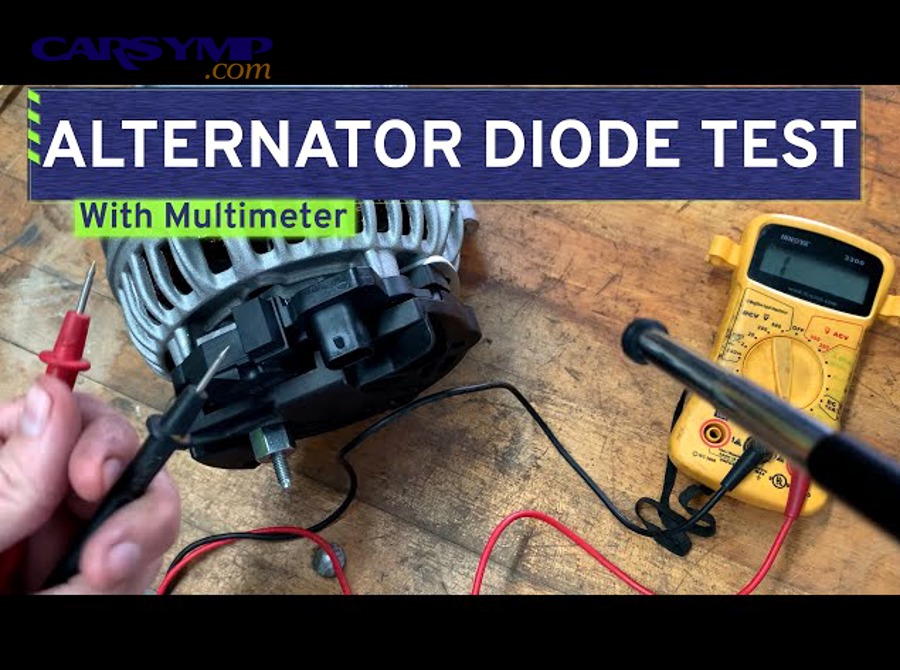
Alternator diode drain symptoms usually show up as a “good battery that keeps dying,” especially after the car sits overnight or for a day or two. The root issue is a leaking diode inside the alternator that quietly pulls current when the engine is off, so the battery is drained before you even turn the key.
To make the diagnosis practical, this guide explains what an alternator drain feels like in real life, which symptoms are most specific, and why some cars show confusing “charging looks fine” behavior during the day but fail to start the next morning.
Beyond symptoms, you’ll learn simple confirmation tests you can do with basic tools, plus how to separate a diode leak from other parasitic draws that mimic the same dead-battery pattern.
To connect everything into a repeatable plan, Giới thiệu ý mới: we’ll move from the most recognizable warning signs to step-by-step checks that pinpoint the alternator as the source—before you replace parts you don’t need.
Search intent map: identify symptoms → confirm with tests → rule out look-alikes → choose a repair path with confidence.
What is an alternator diode drain, and why can alternator drain look “random”?
An alternator diode drain is a parasitic electrical draw caused by a leaking rectifier diode that lets current flow backward through the alternator when the engine is off. Next, understanding the diode’s role makes the symptoms feel predictable instead of random.
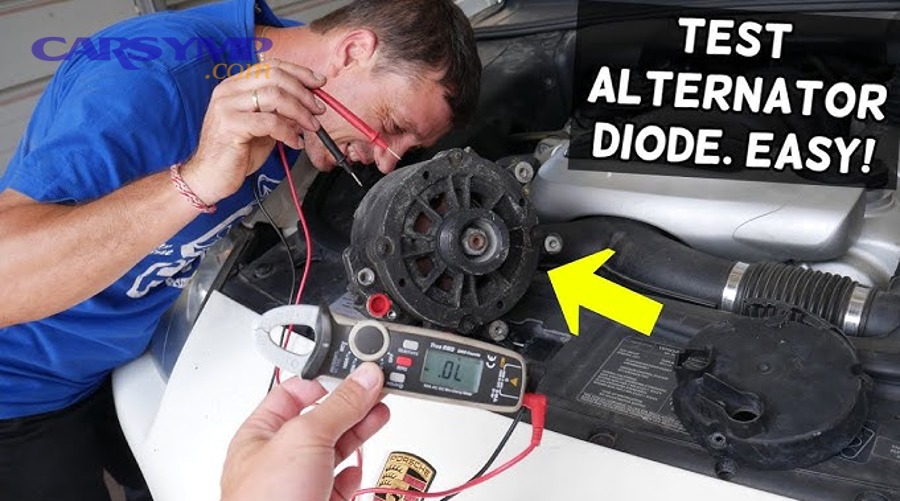
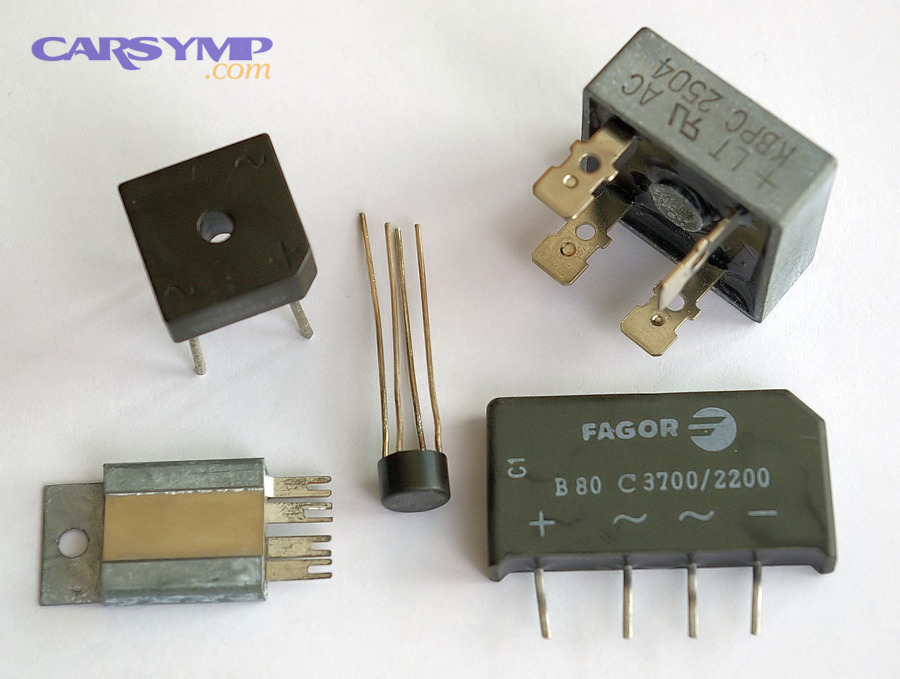
Specifically, alternators create AC power and use a rectifier (a pack of diodes) to convert AC to DC for the battery and vehicle electronics. A healthy diode acts like a one-way valve: it allows current to flow out of the alternator to the battery while the engine is running, and it blocks current from flowing back into the alternator when the engine is off.
However, when a diode leaks (or partially shorts), it becomes a “two-way valve” under certain conditions—heat soak after driving, moisture intrusion, vibration damage, or internal contamination. That’s why alternator drain often looks inconsistent: one night the car starts fine, another night it’s dead, even though your driving routine hasn’t changed.
To make this tangible, alternator diode drain typically creates a steady draw that may be small enough to hide among normal vehicle standby loads at first. Over time, the leak worsens, turning a borderline situation into an obvious no-start pattern.
In practice, the “randomness” comes from variables that change the leak rate: alternator temperature, battery state of charge, ambient temperature, and how long the vehicle sits. As a result, the same vehicle can show a normal start after a short sit, but fail after a longer sit—even with a battery that tests “okay” at a parts store.
To connect this to what you actually notice at the wheel, the next section lays out the symptom cluster that most strongly points to the alternator diodes rather than the battery alone.
Which alternator diode drain symptoms are most specific, and what do they feel like?
Yes—there are specific patterns for alternator diode drain symptoms, and the most telling clue is repeated battery death after sitting, despite normal starts right after a drive. Next, we’ll group the symptoms by what you can observe without tools.
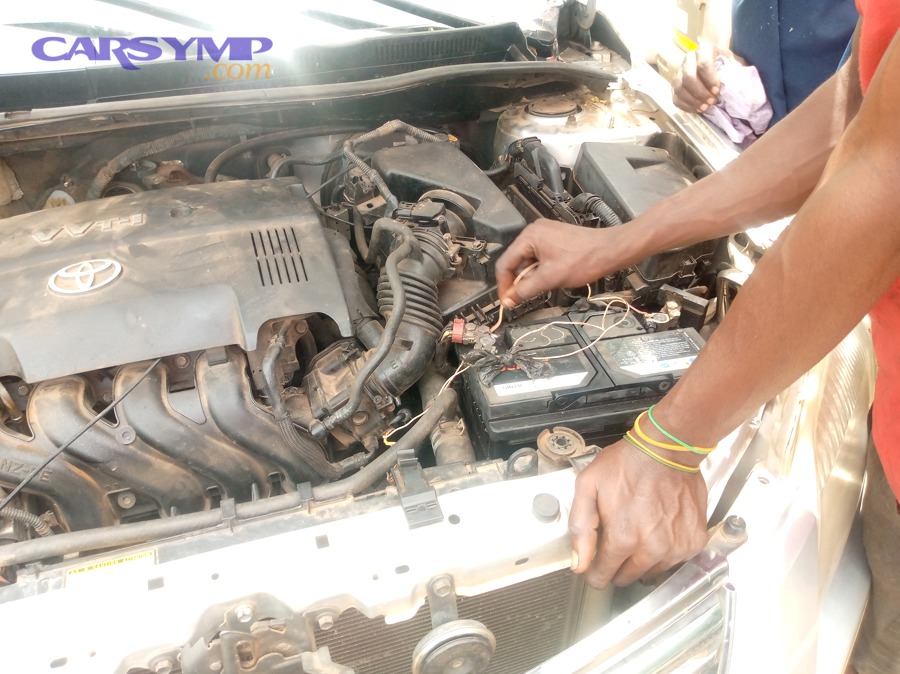
1) “Drives fine, dies later” behavior is the signature. You drive, park, and everything seems normal—then the next morning the starter clicks, cranks slowly, or the dash lights dim dramatically. If you jump-start it, it runs fine again and may even show a “healthy” charging voltage.
2) Overnight voltage drop that repeats in cycles. If you measure battery voltage with a simple meter, you may see something like 12.6V after driving and resting, but 12.1–12.2V the next morning, and much lower after another day. The important point is the pattern: the drop correlates with sitting time more than with driving time.
3) Warm alternator after the car has been off. In some cases, the alternator housing feels slightly warm even after the vehicle has been parked for a while. It’s not a guaranteed sign, but it can happen when current is flowing through the rectifier/diode pack.
4) Subtle electrical oddities that come and go. You may notice intermittent dimming, faint whining noise through the speakers, or small fluctuations in cabin lights. These aren’t “proof,” but they fit the story when combined with repeated dead-battery events.
5) Battery and alternator both “test good” at quick checks. This is where people get stuck. A battery can pass a quick load test right after a jump and a short drive, and the alternator can show normal voltage at idle—yet the problem persists because the drain happens when the engine is off.
To keep the diagnosis honest, it helps to separate symptoms that are strong indicators from symptoms that are just common with any low voltage. The table below summarizes what each symptom suggests and how it changes your next move.
This table contains common symptom patterns and what they most strongly point to, so you can decide whether to test the alternator first or look for other draws.
| What you notice | Most likely meaning | Best next step |
|---|---|---|
| Starts fine after driving, dead after sitting overnight | Parasitic draw is more likely than weak charging | Measure key-off current draw, then isolate alternator |
| Battery repeatedly low even after replacement | Something is draining or battery not being charged fully | Check for AC ripple + key-off alternator isolation test |
| Charging voltage looks normal at idle (around mid-13s to mid-14s) | Diode leak can still exist even if regulator holds voltage | Test ripple and do diode/drain checks |
| Faint whine in audio that changes with RPM | Possible rectifier/diode issue or grounding/noise | Check alternator ripple + grounds |
| Cranks slow only in cold mornings | Could be battery capacity + mild drain | Check resting voltage trend over 24–48 hours |
Now that you know what to look for, the next step is turning symptoms into confirmation—because the fastest way to stop guessing is to measure the drain and prove whether the alternator is involved.
How can you confirm alternator drain from a leaking diode with simple tests?
You can confirm alternator drain by measuring key-off current draw and isolating the alternator, then cross-checking with ripple or diode tests to avoid false conclusions. Next, we’ll walk through a tool-light process that works even for beginners.
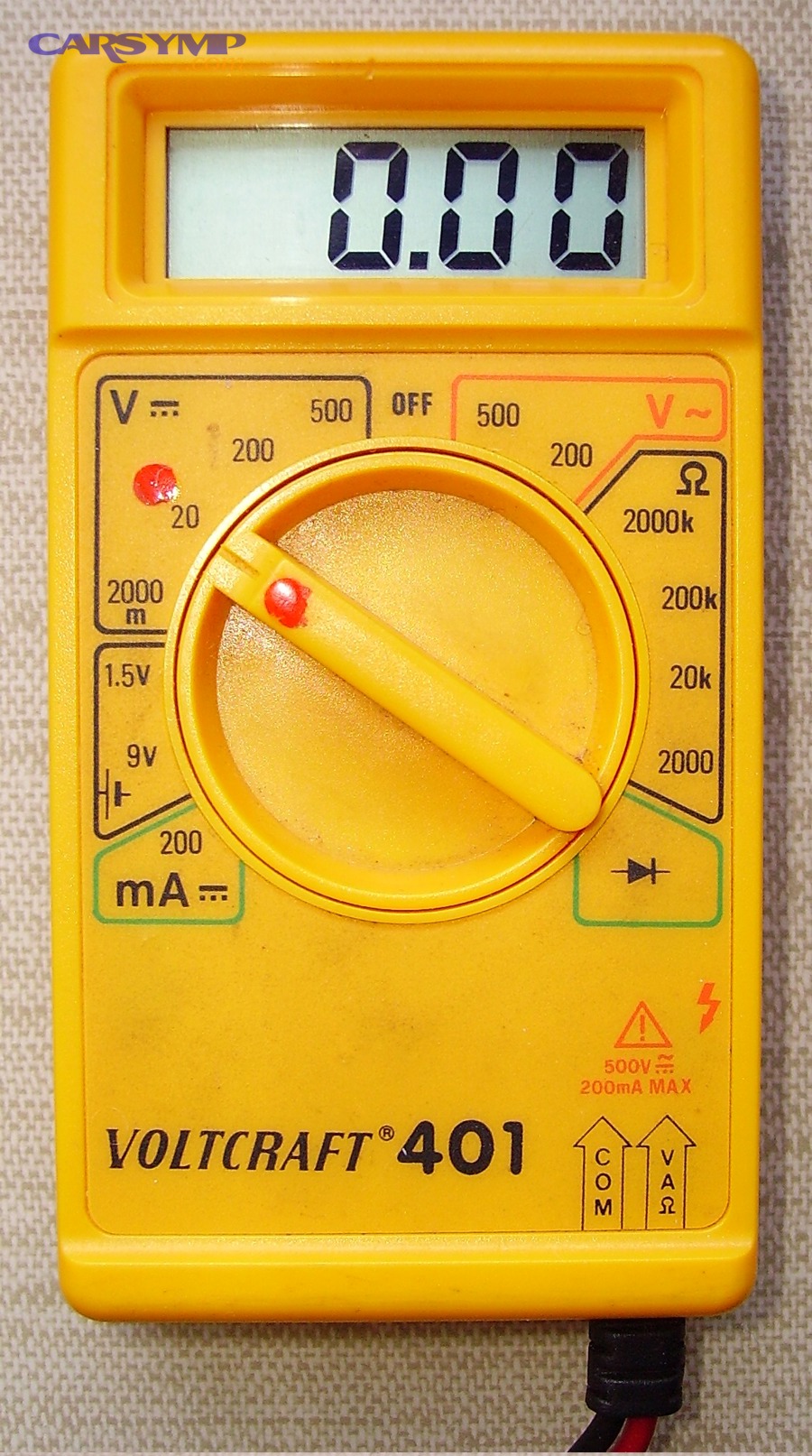
Before testing, set expectations: modern vehicles normally have some standby draw (memory, security, modules). The goal isn’t “zero,” it’s to find an abnormal draw and prove its source. Also, some modules take time to “go to sleep,” so patience matters.
Step 1: Measure key-off current draw the safe way
Use a multimeter (ammeter mode) or a clamp meter to measure current leaving the battery with the vehicle off. Next, let the car sit until modules sleep, because measuring too soon can exaggerate draw and mislead you.
Here’s a practical approach:
- Turn the car off, remove the key, close doors (use the latch trick if you must keep a door open).
- Wait for sleep mode (often 10–45 minutes depending on vehicle).
- Measure draw at the battery: either in series (meter between negative cable and battery post) or with a DC clamp meter around the cable.
If you see a stable draw that seems higher than expected, don’t panic yet—your next move is to isolate circuits to identify the contributor.
Step 2: Isolate the alternator without pulling every fuse
The most direct alternator check is disconnecting the alternator output or unplugging the alternator electrical connector and watching the draw change. Next, you’re not “fixing” anything yet—you’re proving cause and effect.
What to do (conceptually):
- With the draw measured and stable, safely disconnect the alternator’s main output cable (or unplug the alternator connector) following vehicle-specific precautions.
- Watch the meter: if draw drops sharply, the alternator/diode pack is a prime suspect.
- Reconnect and confirm repeatability: drop occurs again when disconnected.
Repeatability is important because some vehicles wake modules when you touch wiring; you want a consistent result that survives the “vehicle woke up” noise.
Step 3: Check AC ripple as a diode health clue
AC ripple testing looks for leftover alternating current on the DC system, which can rise when a diode fails. Next, this is not the only test, but it’s a strong supporting signal when symptoms and isolation agree.
How it’s commonly done:
- Engine running, set the meter to AC volts and measure across the battery terminals.
- Higher-than-typical AC ripple can suggest rectifier issues, especially if it climbs with electrical load.
Because meters and vehicles vary, treat ripple as a confirmation tool rather than a stand-alone verdict. If isolation testing shows the alternator is the drain source, that’s your anchor; ripple helps strengthen the conclusion.
Step 4: Use a “sit test” to link symptoms to the drain
A sit test tracks battery voltage drop over time after fully charging the battery, then comparing the drop with and without alternator connection. Next, it turns a vague complaint into a timeline you can trust.
How it works in plain terms: record resting voltage, let the car sit for 12–24 hours, record again. If you can safely repeat the sit window with the alternator disconnected (or after alternator repair), the change in voltage trend is a powerful confirmation.
To keep your diagnosis complete, you also need to rule out common “look-alikes” that cause the same dead-battery experience—especially those that don’t show up in quick alternator tests.
What else can mimic alternator diode drain symptoms, and how do you rule it out?
Yes—several issues can mimic alternator diode drain symptoms, including lighting circuits, modules that won’t sleep, and wiring faults that create parasitic loads. Next, we’ll compare the most frequent look-alikes and the fastest ways to separate them.
Start with a mindset shift: symptoms tell you “battery is low,” but they don’t tell you why. To prevent expensive guesswork, rule-outs must follow evidence: measure draw, isolate sources, then confirm with a repeatable change.
When you suspect a drain, it’s easy to jump to the alternator because it’s a common culprit. However, the best techs treat the alternator as one candidate among several—until isolation proves it.
Lighting and switch-related drains that stay hidden
Interior, glovebox, trunk, vanity, and under-hood lights can remain on due to misadjustment or failing switches, and they don’t always look “obviously on” in daylight. Next, a quick nighttime inspection plus draw isolation helps avoid chasing the wrong part.
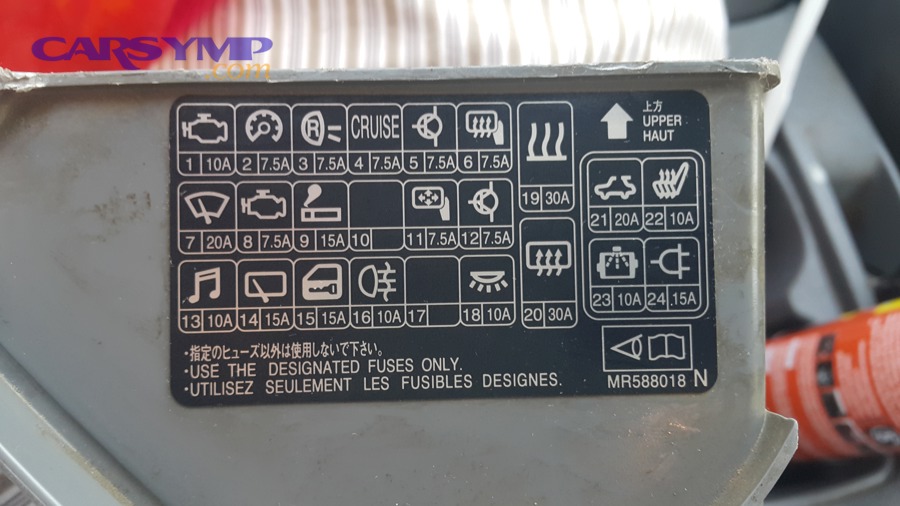
In the real world, a single small bulb can drain a battery over time, especially if the vehicle sits. That’s why the phrase Bad door switch and interior light drain matters: a door-ajar signal can keep a courtesy light circuit active or prevent modules from sleeping properly—without triggering an obvious warning every time.
Control modules that don’t go to sleep
Infotainment, telematics, alarm systems, aftermarket remote starters, and even a failing door latch module can keep the network awake and raise standby draw. Next, the clue is often a draw that stays high and doesn’t settle down after the normal sleep window.
When a module refuses sleep, pulling fuses (one at a time) can reveal which circuit drops the draw. If no fuse changes the draw meaningfully, alternator isolation becomes even more valuable—because the alternator output path may bypass typical fuse pull strategies.
Battery issues and charging profile problems
A battery can be marginal even if it passes a quick test, especially if it’s been repeatedly drained or is mismatched to the vehicle’s charging strategy. Next, tracking resting voltage, cranking voltage, and recovery voltage after a full charge helps separate “weak capacity” from “active drain.”
At this stage, it’s useful to follow a structured battery drain diagnosis routine: fully charge the battery, confirm it holds charge disconnected from the car, then reconnect and test key-off draw. This sequence prevents a weak battery from masquerading as a mysterious electrical issue.
Wiring faults and moisture-related leakage
Chafed wires, water intrusion, or corrosion can create sneaky current paths that vary with humidity and temperature. Next, when the drain seems weather-dependent, inspect harness routing points and look for corrosion at high-current junctions.
Once you’ve separated look-alikes, the next question becomes practical: if it really is the alternator diodes, how urgent is it—and what collateral damage might be happening while you keep jump-starting the car?
Is it safe to keep driving with alternator drain, and what damage can it cause?
No—continuing to drive with an alternator drain is not reliably safe, because repeated deep discharges shorten battery life, can stress the alternator further, and may trigger low-voltage faults that affect steering, braking, or engine control systems. Next, let’s break down what’s at risk and why.
The biggest risk is not usually “the car explodes,” but rather a cascade of reliability failures:
- Battery sulfation and capacity loss: deep discharges damage the battery’s ability to store energy, so even if you fix the drain later, the battery may never fully recover.
- Unpredictable no-start events: the car may strand you at work, at the airport, or in unsafe locations.
- System undervoltage errors: modern vehicles can set multiple fault codes and behave strangely when voltage drops during cranking.
- Increased alternator heat load: an alternator that’s already compromised may run hotter while trying to recharge a repeatedly drained battery.
To be precise, the alternator diode leak itself is a key-off problem, but its consequences show up during starting and during recovery charging. The more often you jump-start and run the alternator hard to refill the battery, the more thermal stress you add—creating a feedback loop where the alternator gets worse over time.
There is also a practical safety angle: some vehicles depend on stable voltage for advanced driver assistance features, electric power steering behavior, or electronic throttle response. Even if those systems usually tolerate variation, repeated low-voltage events increase the chance of glitches at the worst time.
So, if your symptom pattern strongly fits alternator diode drain and your tests point in that direction, the best “safe” plan is to treat it as a near-term repair rather than a long-term inconvenience.
Next, we’ll focus on repair choices—because not every alternator failure requires the same solution, and your goal is to fix the root cause without paying twice.
What fixes an alternator diode drain, and how do you verify the repair worked?
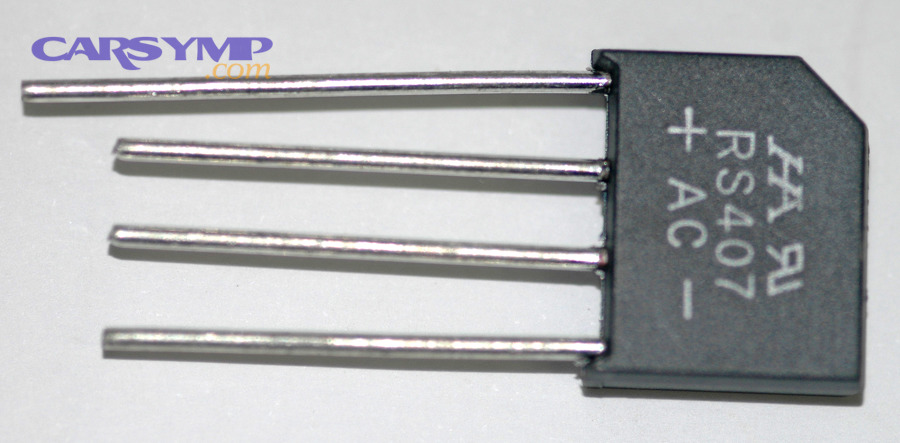
The fix is to repair or replace the alternator’s rectifier/diode pack (often by replacing the alternator assembly), then verify success by repeating the same draw and voltage tests that proved the problem. Next, we’ll map the repair options to symptoms and confirmation results.
There are three realistic repair paths, and the “best” one depends on your vehicle, labor access, and alternator type:
Option 1: Replace the alternator with a quality new unit
A new alternator often provides the cleanest reset if you want maximum reliability. Next, you’re paying for fewer unknowns—especially if your old alternator has bearing wear, heat damage, or contamination beyond the diode pack.
New doesn’t always mean perfect, so choose reputable sources and verify the unit matches your vehicle’s amperage rating and connector style. If your vehicle has smart charging, confirm compatibility to avoid charging strategy conflicts.
Option 2: Install a high-quality remanufactured alternator (with caution)
Reman alternators can be cost-effective, but quality varies widely depending on how thoroughly the rectifier, regulator, and windings are renewed. Next, if reman is your route, look for strong warranty terms and good supplier reputation to reduce repeat failures.
Diode drain complaints sometimes happen after low-quality reman installs—because a marginal rectifier can leak under heat. This is why verifying with post-repair draw measurement is not optional; it’s your proof.
Option 3: Rebuild the alternator or replace only the rectifier/diode pack
In some cases, you can rebuild the alternator or replace the diode trio/rectifier assembly directly. Next, this can be excellent if you have a trusted rebuilder, because it targets the exact failure and can preserve OEM housings and fitment.
That said, rebuild quality depends on parts and workmanship. If bearings and slip rings are worn, replacing only diodes may fix drain but leave noise or reduced output later. So the smarter rebuild includes inspection of bearings, regulator, slip rings, and heat damage.
How to verify the fix (the “no-guess” checklist)
Verification is a three-part loop: repeat draw test, repeat ripple check if you used it, and repeat the sit test. Next, you’re aiming for consistent, boring results—no drama.
- Key-off draw test: confirm the standby draw returns to a normal settled value after the sleep period.
- Isolation confirmation: disconnecting the alternator should no longer create a dramatic drop because it’s no longer the drain source.
- Sit test: battery voltage should hold much more steadily over 12–24 hours.
Before moving on, there’s one more crucial piece: preventing recurrence. You can replace an alternator and still get future drain symptoms if the root causes—heat stress, repeated deep discharge, or accessory installation—remain unchecked.
Contextual border: when symptoms are clear, but the “why” still matters
At this point, you can identify and confirm alternator diode drain in a practical way. Next, we cross the contextual border into deeper mechanics and rare patterns that explain why diodes leak under certain conditions and why some vehicles are more prone than others.
Why do alternator diodes leak, and what rare patterns make the drain harder to catch?
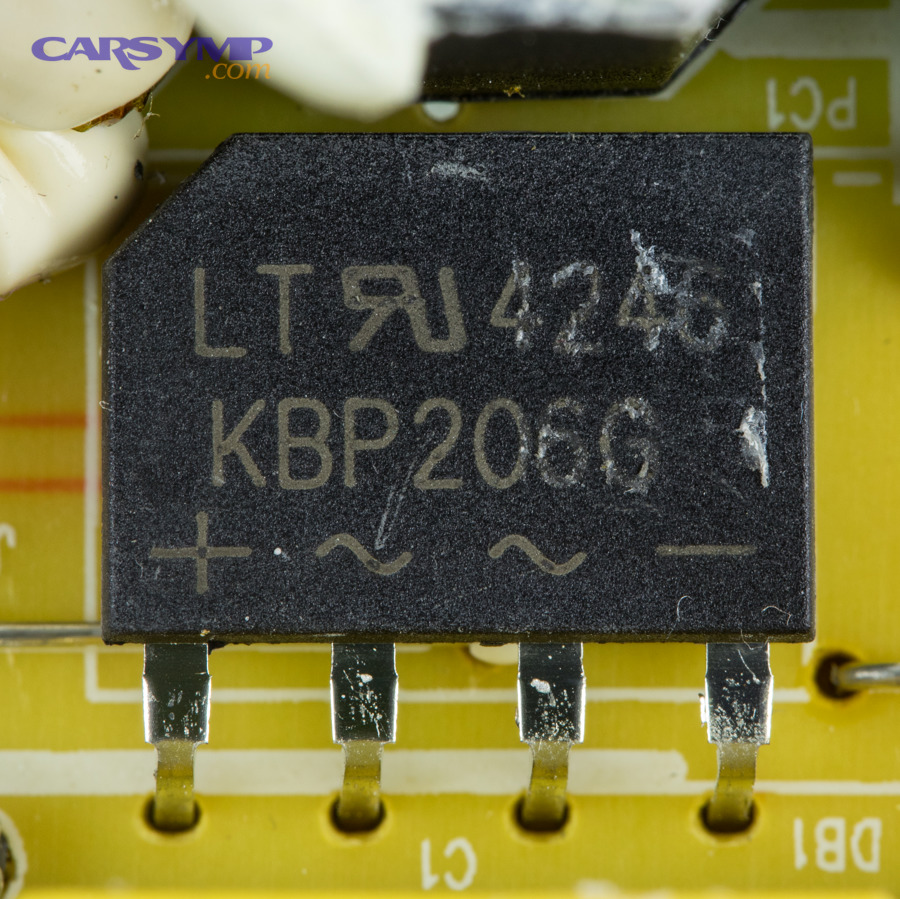
Alternator diodes leak mainly from heat-related aging, electrical stress, and contamination, and rare patterns appear when temperature and sleep-mode behavior interact in ways that hide the drain during quick tests. Next, we’ll cover four less-obvious factors that change how the symptoms present.
Heat soak after shutdown can increase leakage temporarily
Right after you park, under-hood temperatures can rise briefly even though the engine is off. Next, that heat soak can worsen diode leakage, meaning the drain may be strongest in the first hour after shutdown—exactly when you’re least likely to be measuring it.
This explains a confusing scenario: you test draw in the morning and it looks moderate, but the battery still dies overnight because the drain was heavier right after the last drive. To catch this, measure draw soon after shutdown and again after the sleep window to compare the profile.
Repeated deep discharges accelerate failure loops
Deep discharging a battery forces the alternator to work harder and hotter to recharge it, which increases stress on the rectifier and regulator. Next, the more you jump-start, the more you may be speeding up the alternator’s decline.
That’s also why it’s smart to charge the battery with an external charger during diagnosis instead of relying on the alternator alone—because it reduces stress while you’re still hunting the problem.
Some vehicles hide the drain behind network wake-ups
Touching the car, opening doors, or connecting meters can wake modules and change the baseline draw, hiding the alternator’s contribution. Next, this is why repeatability and stable sleep-state testing are more important than one quick reading.
In other words, don’t let a single “it looked fine” result override the pattern. Build confidence by repeating the same test conditions and confirming the same outcome—especially when alternator isolation causes a consistent draw reduction.
Aftermarket accessories and wiring can create confusing overlaps
Audio amps, dash cams, trackers, and remote-start systems can create drains that coexist with a diode leak, making the total draw look worse and the diagnosis messier. Next, if your measured draw is very high, treat it as a two-problem possibility rather than assuming one silver bullet.
This is where prevention becomes part of the fix: once you repair the alternator, reduce future low-voltage events and clean up accessory wiring to avoid repeating the cycle.
FAQ: Alternator diode drain symptoms and practical next moves
These questions come up when people experience repeated no-start events and want to know what’s normal, what’s not, and what to test next. Next, each answer stays focused on practical outcomes and evidence-based troubleshooting.

Can the alternator charge normally and still drain the battery when the car is off?
Yes. A diode can leak during key-off conditions while the regulator still maintains normal charging voltage with the engine running. Next, that’s why isolation and key-off current draw testing matter more than a simple “charging voltage looks good” reading.
Will replacing the battery fix alternator diode drain symptoms?
No—replacing the battery alone usually only resets the clock. Next, if the diode leak remains, the new battery will drain the same way, and repeated deep discharges will shorten its life quickly.
Why does the car start fine after a jump, then act normal for the rest of the day?
Because the alternator can refill enough charge to mask the problem short-term. Next, the drain happens while parked, so daytime behavior can look normal until the sitting window repeats the discharge cycle.
How do I reduce the risk of the problem coming back after repair?
Focus on system habits and wiring integrity rather than just parts. Next, How to prevent future battery drain includes keeping the battery fully charged during troubleshooting, avoiding repeated jump-start cycles, verifying accessory wiring, and rechecking key-off draw after any electrical modifications.
What if my tests show a drain, but alternator isolation doesn’t change it?
Then the alternator is less likely to be the main culprit. Next, follow a methodical fuse-by-fuse approach, look for modules that won’t sleep, and inspect lighting circuits and switches—because multiple parasitic draw sources can create the same dead-battery pattern.
Is there a “fastest single test” for alternator diode issues?
The fastest practical proof is a key-off draw measurement that drops significantly when the alternator is disconnected, then repeats reliably when reconnected. Next, ripple testing can support the conclusion, but isolation plus repeatability is the strongest shortcut.
Summary: Alternator diode drain symptoms become easy to trust when you connect them to measurements: key-off current draw, alternator isolation, and a sit test. Tóm lại, once you prove the alternator is the drain source, the right repair and verification steps stop the cycle—and protect your new battery from the same fate.