


A vacuum leak misfire usually shows up as a rough idle, random or cylinder-specific misfire codes, and fuel trims that climb positive because “unmetered air” sneaks in after the MAF sensor and forces a lean mixture. The fastest way to spot it is to connect the symptoms (idle quality + smell/sound) with one or two quick checks (fuel trims, spray test, or smoke test) before you start swapping parts.
Next, it helps to know when these misfires are worst—because vacuum leaks often hit idle and light throttle harder than highway cruising. Once you understand that pattern, you can stop chasing the wrong problem and focus on the intake/vacuum side of the engine.
Then, you’ll want to separate vacuum-leak misfire signs from other common causes like ignition or fuel delivery problems. That’s where targeted engine misfire diagnosis logic matters: the right comparison prevents expensive “Spark plug vs coil vs injector diagnosis” guesswork.
Introduce a new idea: the moment you suspect a vacuum leak, you should confirm it with a repeatable test and follow a safe repair sequence—because running lean and misfiring can overheat the catalytic converter and create new problems after the original leak is fixed. (pure.kaist.ac.kr)
What is a vacuum leak misfire (and why does it happen)?
A vacuum leak misfire is a lean-misfire condition caused by unmetered air entering the intake after the engine’s air-measuring point (usually the MAF), which dilutes the air-fuel mixture until one or more cylinders misfire.
To better understand the “why,” focus on how the ECU reacts when extra air sneaks in.
Definition: What does “unmetered air” mean in modern fuel-injected engines?
Unmetered air is air the ECU didn’t account for when it calculated fuel delivery. In most MAF-based systems, the ECU assumes that all intake air passes through the MAF. If a hose cracks, a gasket leaks, or a valve sticks open after the MAF, the engine gets more air than expected—so injected fuel becomes “not enough,” and the mixture goes lean.
What you feel from the driver’s seat depends on how much extra air is leaking in:
- Small leak: idle hunts, occasional stumble, mild misfire counts.
- Moderate leak: rough idle, stalls at stops, strong positive long-term fuel trim.
- Large leak: hard start, immediate stalling, sometimes a loud hiss.
Meronymy: Which engine parts are most likely to cause a vacuum leak misfire?
Vacuum leaks come from “parts-of-the-system,” not just one component. The most common leak points are:
- Vacuum hoses & elbows: cracked rubber, loose clamps, brittle plastic tees.
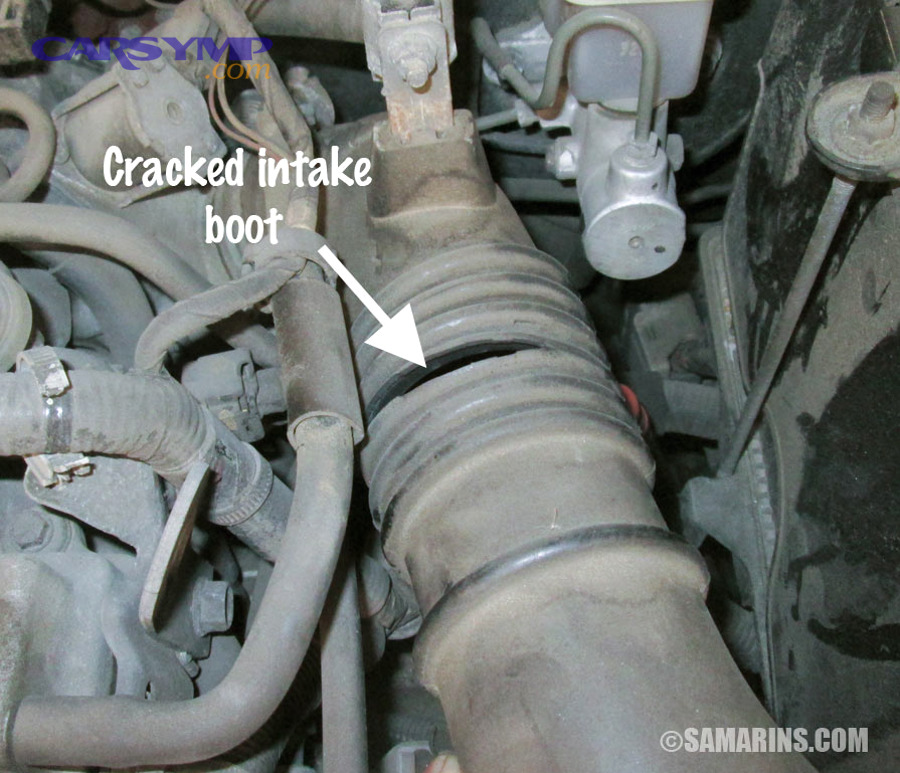
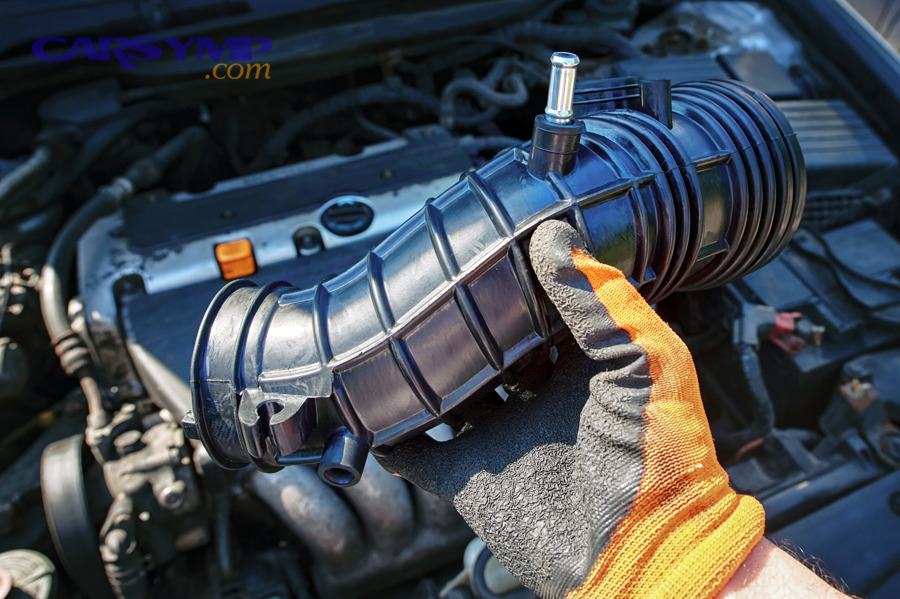
- Intake boot / ducting: split bellows between MAF and throttle body (a classic unmetered-air path).
- Intake manifold gasket(s): leaks at the head interface, often worse cold.
- PCV system: torn PCV hose, stuck PCV valve, cracked valve cover breather fittings.
- Brake booster hose/diaphragm: big leak, often with a firm brake pedal.
- EVAP purge valve stuck open: acts like a controlled leak that becomes uncontrolled at idle.
- Throttle body gasket / spacer seals: leaks right where airflow matters most.
If you remember one concept for Misfire symptoms and quick checks, it’s this: a vacuum leak is an air problem that masquerades as an ignition problem.
Are vacuum leak misfires usually worse at idle?
Yes—vacuum leak misfires are usually worse at idle, because (1) intake vacuum is high and pulls more air through small openings, (2) the engine is running on minimal airflow so even a small leak is a big percentage of total air, and (3) fuel control is sensitive at idle where the mixture can tip lean quickly.
Next, use the “idle pattern” as a diagnostic filter.
Boolean: Does the idle get smoother when you raise RPM slightly?
Often, yes—and that’s a helpful clue. If you raise RPM to ~1,500–2,000 and the engine smooths out, the leak may become a smaller percentage of total airflow. That doesn’t prove a vacuum leak, but it nudges your diagnosis toward intake/air.
Exceptions matter, though:
- A bad coil can also smooth out at higher RPM (until load increases).
- A fuel delivery issue can get worse under load, even if idle is okay.
- A large leak can be rough everywhere, not just idle.
Definition: Why does a vacuum leak “act lean” and trigger fuel trims?
The ECU watches oxygen sensors and adjusts fuel to hit its target mixture. With extra air entering, the ECU adds fuel:
- Short-Term Fuel Trim (STFT) rises first (fast correction).
- Long-Term Fuel Trim (LTFT) rises if the condition persists (learned correction).
A practical rule of thumb for DIY diagnosis:
- High positive trims at idle that drop toward normal at 2,500 RPM strongly suggest a vacuum leak (or PCV/EVAP-related unmetered air).
- Trims high at all RPM/load can suggest MAF misreporting, fuel pressure issues, or exhaust leaks affecting O2 readings.
This is why “vacuum leak misfire signs” are as much about patterns as symptoms.
What are the 9 telltale signs of a vacuum leak causing a misfire?
There are 9 main vacuum leak misfire signs most DIY drivers can spot, based on idle behavior, OBD data, sound/smell cues, and simple tests.
Then, use the list like a checklist—because no single sign is perfect by itself.
Grouping: What symptoms can you feel or hear without tools?
- Rough idle / shaking at stops
A lean cylinder misfires most noticeably when the engine is barely spinning. - Hissing or whistling from the engine bay
A sharp hiss near a hose, manifold edge, or throttle body can point to the leak area. - Stalling on cold start or when shifting into gear
Cold engines need more stable fueling; a leak steals that margin. - Random stumble when accessories load the engine
A/C on, steering at idle, or electrical loads can tip a borderline mixture into misfire.
Grouping: What scan-tool signs point specifically toward unmetered air?
- Positive fuel trims (especially at idle)
Look for elevated STFT/LTFT at idle that improves with RPM. - Lean codes with misfire codes
Common pairings: P0171/P0174 (system too lean) plus P0300 (random misfire) or P030X. - Misfire counts concentrated at idle/low load
Some scan tools show live misfire counters; vacuum-leak misfires cluster at low load.
Grouping: What quick physical checks strengthen the diagnosis?
- Spray-test response near a suspected leak point
If you carefully apply a controlled spray (appropriate product, safe method) near a gasket or hose and idle changes, that’s a strong clue. - Smoke-test confirmation (the gold standard)
Smoke escaping at a manifold seam, PCV hose, injector seal, or brake booster line is hard evidence.
If you’re doing engine misfire diagnosis efficiently, the goal is to collect 3–4 signs that agree with each other before you replace anything.
Vacuum leak misfire vs other misfire causes (spark, coil, injector, compression): how do you tell?
A vacuum leak usually “wins” as the cause when misfires are worst at idle, fuel trims are strongly positive, and symptoms improve with RPM; ignition faults often worsen under load, injectors show cylinder-specific fueling clues, and compression issues stay consistent across conditions.
However, you still need a structured comparison—otherwise you’ll fall into “parts roulette.”
Comparison: Vacuum leak vs spark plug vs ignition coil vs injector
The table below summarizes what each cause typically looks like in real-world Misfire symptoms and quick checks (patterns matter more than single symptoms):
| Suspected cause | Misfire pattern | Fuel trim tendency | Fastest confirming test |
|---|---|---|---|
| Vacuum leak (unmetered air) | Worst at idle/light throttle | Often positive, improves with RPM | Smoke test; idle-vs-RPM trims |
| Spark plug wear/fouling | Can be load-sensitive or cylinder-specific | Often near normal (unless severe) | Plug inspection; swap test |
| Ignition coil weakness | Often worse under load/boost | Usually near normal | Coil swap; load test |
| Injector issue (clog/leak) | Cylinder-specific; can worsen with load | Varies (lean for clogged; rich for leaking) | Balance test; injector swap |
| Compression/mechanical | Persistent, cylinder-specific | Often near normal | Compression/leak-down |
Comparison: Vacuum leak vs exhaust leak vs MAF sensor error
These three can all create lean signals, so separate them cleanly:
- Vacuum leak: trims worst at idle; smoke shows leak on intake/vacuum side.
- Exhaust leak upstream of O2: can fake lean readings; often noisier; trims may vary differently with load.
- MAF underreporting: trims can be high across a broader RPM range; cleaning/testing MAF and checking airflow readings helps.
This is where Spark plug vs coil vs injector diagnosis becomes faster: if trims scream “air problem,” you stop chasing ignition first.
How can you confirm a vacuum leak misfire at home (without guessing)?
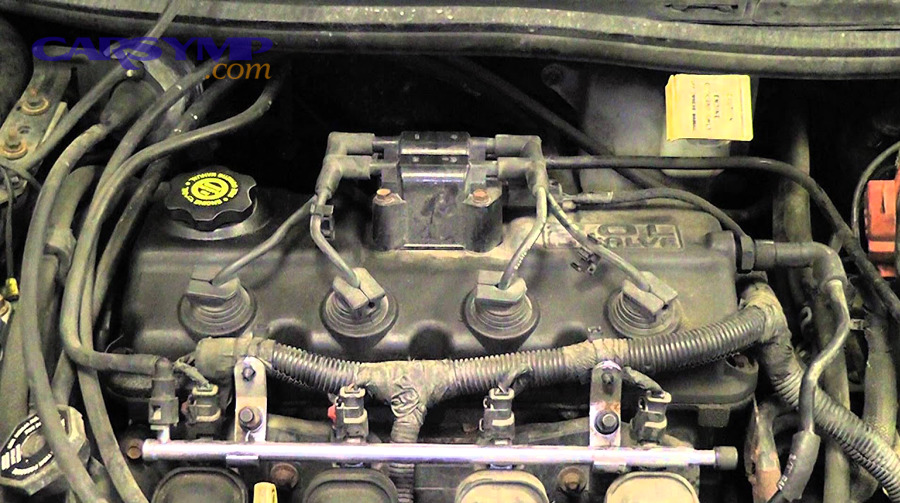
The best confirmation method is a 4-step process—(1) scan and read patterns, (2) inspect high-probability leak points, (3) run a controlled confirmation test (preferably smoke), and (4) verify the fix with trims and misfire counters.
Next, treat this like a repeatable procedure, not a one-off hunch.
How-to: Step 1 — Scan for codes and look at live data (idle vs 2,500 RPM)
Start with the lowest-effort, highest-value check:
- Pull codes and freeze-frame data.
- Warm the engine (unless symptoms are cold-only; note both).
- Watch STFT/LTFT at idle, then hold ~2,500 RPM.
- If trims drop significantly with RPM, unmetered air is a prime suspect.
Also look at:
- Idle RPM stability (hunting can indicate air control issues).
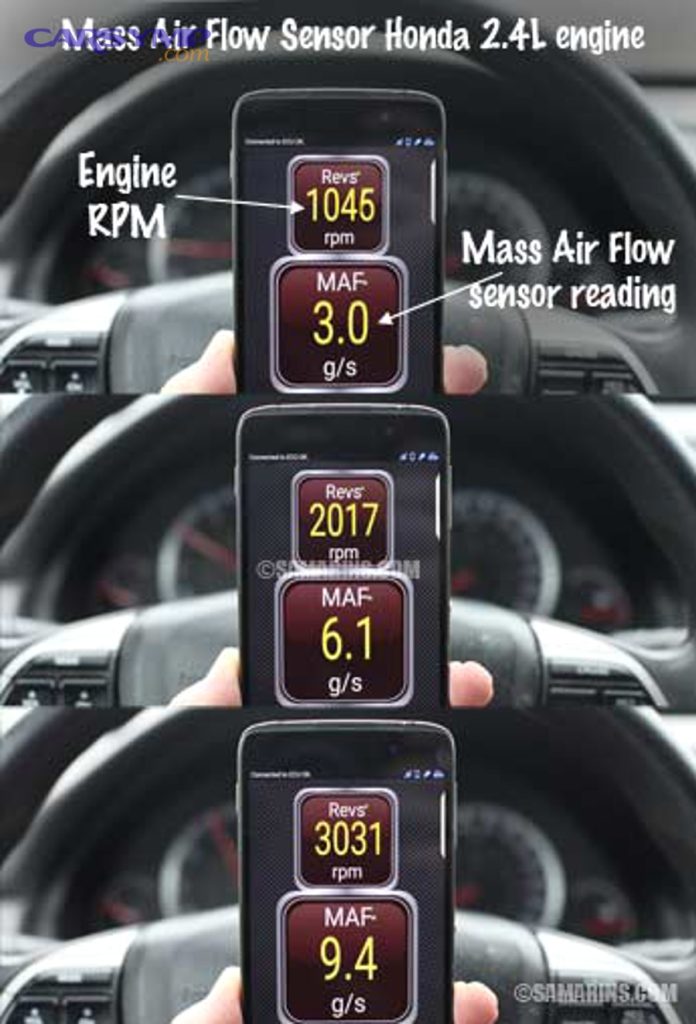
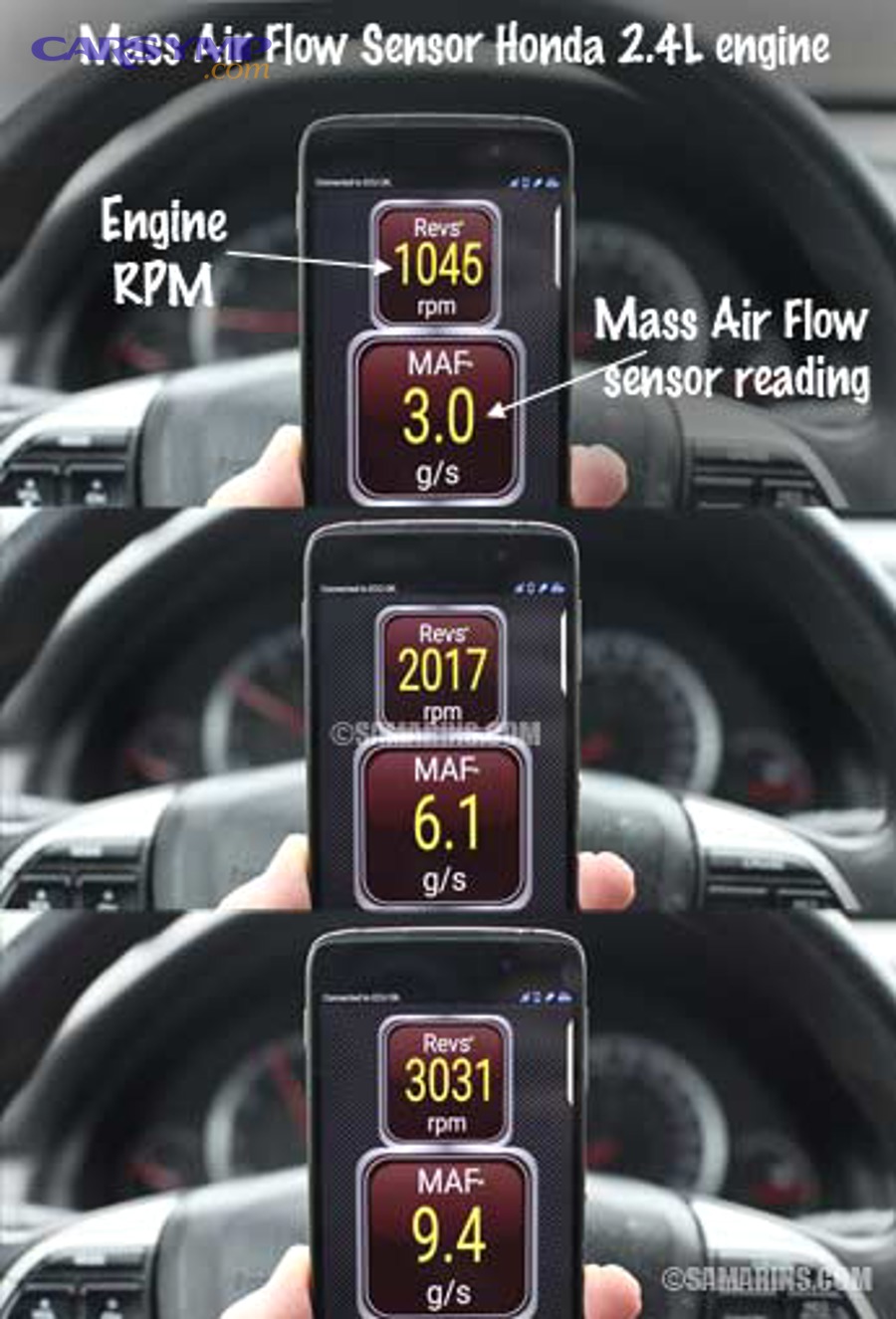
- MAF g/s at idle vs typical ranges for your engine size (big outliers can hint at airflow measurement issues).
How-to: Step 2 — Visual and “hands-on” inspection (the 10-minute sweep)
Inspect:
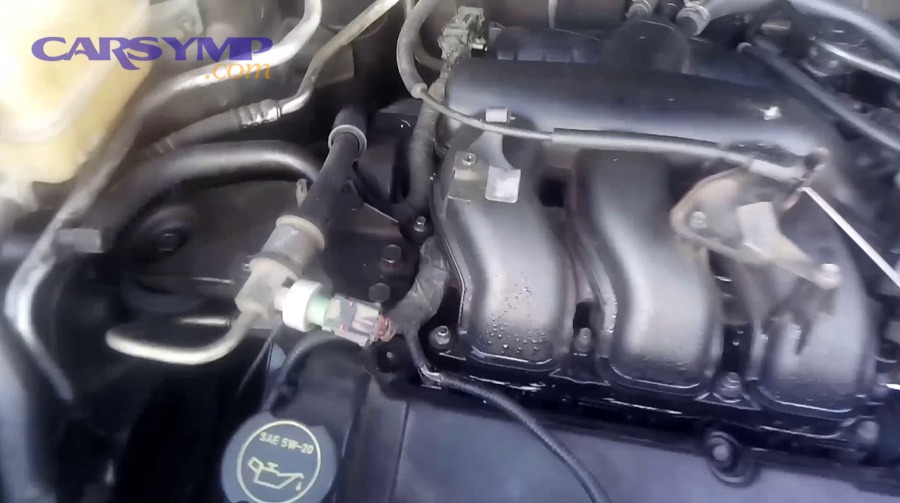
- PCV hoses for splits (especially at elbows).
- Brake booster hose for cracks or loose fittings.
- Intake duct for tears in accordion sections.
- Loose clamps near throttle body and intake tube.
- Manifold area for oily dirt tracks (sometimes a leak “prints” a dust pattern).
Tip: If the engine bay is safe to access, gently flex hoses—old rubber cracks open when moved.
How-to: Step 3 — Choose your confirmation test (spray vs smoke)
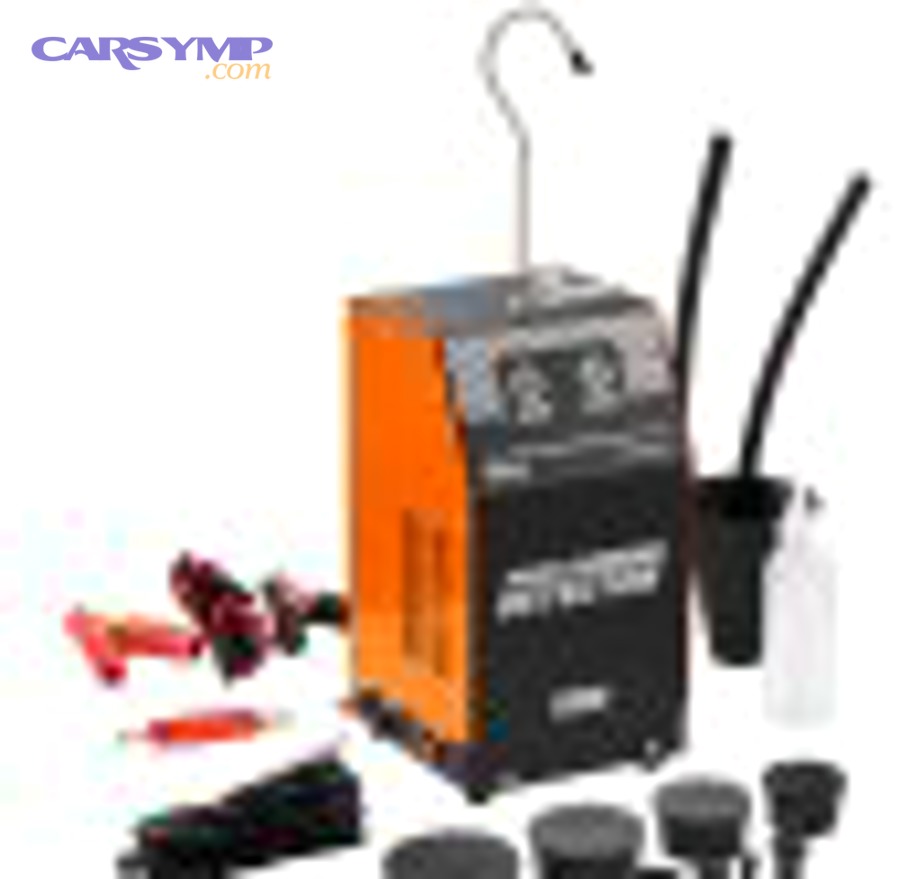
Smoke test is best because it shows the leak directly. A DIY smoke method can work, but a proper smoke machine is the cleanest way to avoid false results.
If you do a spray test, be careful:
- Use minimal product.
- Avoid hot exhaust components.
- Watch for an immediate change in idle quality or trims.
How-to: Step 4 — Verify with “before vs after” numbers
After the suspected leak is repaired:
- Clear codes (if appropriate).
- Recheck idle trims and 2,500 RPM trims.
- Confirm misfire counters drop to near-zero at idle.
Evidence: According to a study by Korea Advanced Institute of Science and Technology from the Department of Mechanical Engineering, in 2002, catalyst temperature exceeding 1050°C can deactivate the catalytic converter, and misfire was identified as a condition that can contribute to drastic thermal aging. (pure.kaist.ac.kr)
What should you do after you spot the signs (repair order + “misfire after repairs” troubleshooting)?
A smart fix path is: repair the air leak first, reset/verify fuel control, and only then chase leftover misfires—because many “new” symptoms after a vacuum leak repair are actually adaptation issues, disturbed connectors, or a second hidden leak.
Then, use a repair order that prevents the common “Misfire after repairs troubleshooting” spiral.
How-to: Repair order that prevents repeat work
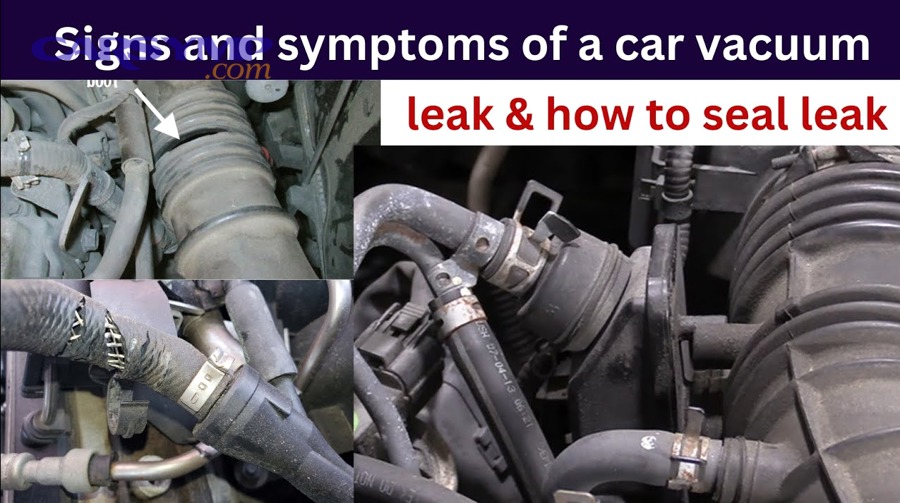
- Fix obvious leaks first (hoses, clamps, intake boot)
These are fast, cheap, and often the real cause. - Address PCV/EVAP causes next
- Replace cracked PCV hoses and brittle fittings.
- If EVAP purge is suspected stuck open, test/replace it (common on many platforms).
- Move to intake manifold gaskets and throttle body seals
These are more labor-intensive; do them after you’ve ruled out the easy stuff. - Clear codes and perform a verification drive
Watch trims and misfire counters again—don’t assume.
Why misfires sometimes persist briefly after fixing a vacuum leak
After repair, the ECU may need time to relearn fuel trims. Typical scenarios:
- Trims were heavily learned: the engine can run a bit rich/odd until adaptation settles.
- You disturbed ignition connectors: a coil plug not fully seated creates a “new” misfire.
- Secondary leak appears: moving hoses can crack a second weak point.
- Underlying ignition wear was masked: the leak was the loudest problem, not the only one.
“Still misfiring?” — The fastest follow-up checks
If misfires remain after repair, run these in order:
- Recheck all clamps and hoses you touched.
- Confirm MAF electrical connector and intake duct seals.
- Inspect spark plugs for wear/contamination (now is when ignition weaknesses show up).
- Do targeted Spark plug vs coil vs injector diagnosis with swap testing (one cylinder at a time).
- If a single cylinder remains problematic, consider compression testing.
Evidence: According to a study by Chalmers University of Technology from the Department of Applied Mechanics, in 2011, even a 2% misfire rate was associated with sharply increased HC and CO emissions, and sustained catalyst temperatures around 900–1000°C were discussed as capable of causing irreversible catalyst damage. (publications.lib.chalmers.se)
What rare issues mimic vacuum leak misfire signs (and what’s the opposite problem)?
A few rare (but real) issues can mimic vacuum leak misfire signs, and the opposite condition—running rich instead of lean—creates a different symptom set that helps you avoid misdiagnosis.
In addition, keep these edge cases in mind when your data doesn’t match the “classic” vacuum leak pattern.
Comparison: What can look like a vacuum leak but isn’t?
- Exhaust leak before the upstream O2 sensor: can trick the sensor into reporting lean.
- MAF contamination/underreporting: “thinks” less air is entering than reality; trims go positive.
- EGR valve stuck open at idle (where equipped): acts like a huge controlled leak, causing rough idle/misfire.
- Wrong PCV valve flow rate (aftermarket mismatch): can behave like a calibrated vacuum leak.
- Cam timing issues (rare, but possible): can cause unstable idle and lean-ish corrections.
Antonym: What does the “opposite” problem (rich misfire) look like?
A rich misfire usually flips several clues:
- Fuel trims go negative (ECU removing fuel).
- You may smell raw fuel more strongly.
- Sooty plugs, black tailpipe residue, or poor mileage can show up.
- Misfires may worsen when warm, depending on cause (leaking injector, fuel pressure regulator, etc.).
Use this “lean vs rich” contrast as a semantic guardrail: vacuum leak misfire signs are lean-biased by nature, so if your trims and plugs scream rich, you’re likely chasing the wrong root cause.