If you’re trying to figure out whether the thermostat, radiator, or water pump is causing your engine to run hot, the fastest path is a structured overheating diagnosis: match the overheating pattern to the most likely part, then confirm with a few simple checks instead of guessing and replacing parts.
Next, you’ll learn what each cooling-system part actually does and how that role creates distinct “clues” (like temperature swings, idle-only overheating, or persistent heat at highway speed) that point you toward one component over the others.
Then, you’ll get symptom checklists and practical tests—especially the ones that help you separate “looks the same on the gauge” problems (like a clogged radiator vs low flow) into a clear direction, including a Cooling system pressure test explained in plain English.
Introduce a new idea: you’ll finish with safe decision-making—Safe steps when car overheats on road, what to fix first when evidence is mixed, and how to reduce the odds of Preventing recurring overheating in the future.
What does each cooling-system part do: thermostat vs radiator vs water pump?
Thermostat wins in temperature control, the radiator is best for heat removal, and the water pump is optimal for coolant circulation—because each is a different “job role” inside the same cooling system.
To better understand why your engine overheats, start by matching the symptom to the function that might be failing.
What is a thermostat and how does it control coolant flow?
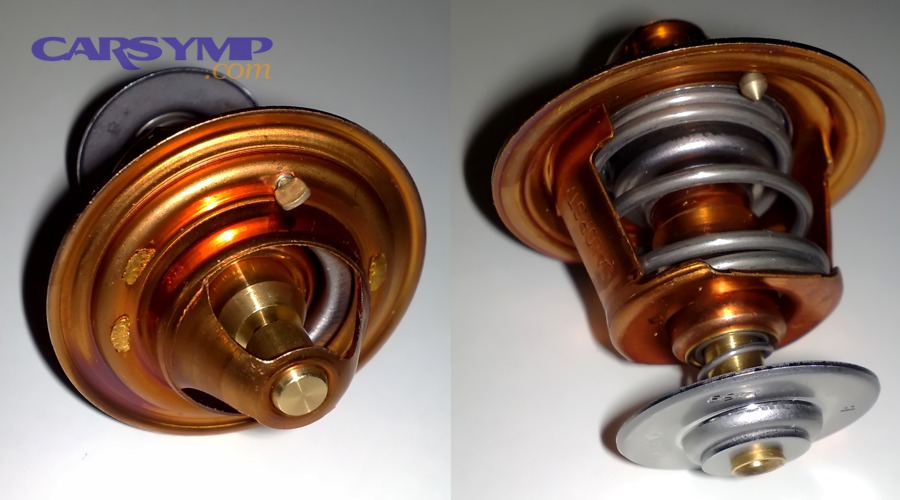
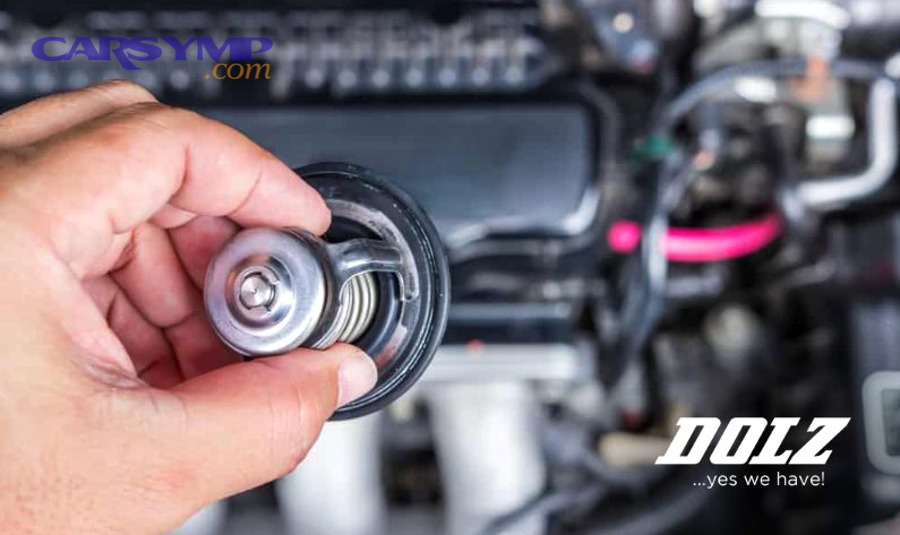
A thermostat is a temperature-activated valve that opens at a calibrated point to send hot coolant to the radiator, helping the engine reach and maintain stable operating temperature.
More specifically, the thermostat creates two distinct failure “signatures” because it can fail stuck closed or stuck open:
- Stuck closed (or not opening enough): coolant can’t reach the radiator effectively, so the engine temperature rises quickly once warmed up. This is the classic “needle climbs toward hot” scenario.
- Stuck open: the engine may run cooler than intended, warm up slowly, and cycle oddly because it can’t hold heat long enough to stabilize.
- Intermittent sticking: the gauge may swing hot/cool as the valve opens late or inconsistently.
These patterns happen because the thermostat sits at a control point: it doesn’t “cool” anything by itself—it routes flow. That’s why a thermostat problem often looks like bad control (swings, sudden spikes) rather than gradual loss of cooling capacity. Thermostat failure modes like “stuck closed” and “stuck open” are commonly described in automotive thermostat education resources.
What is a radiator and how does it remove heat from coolant?
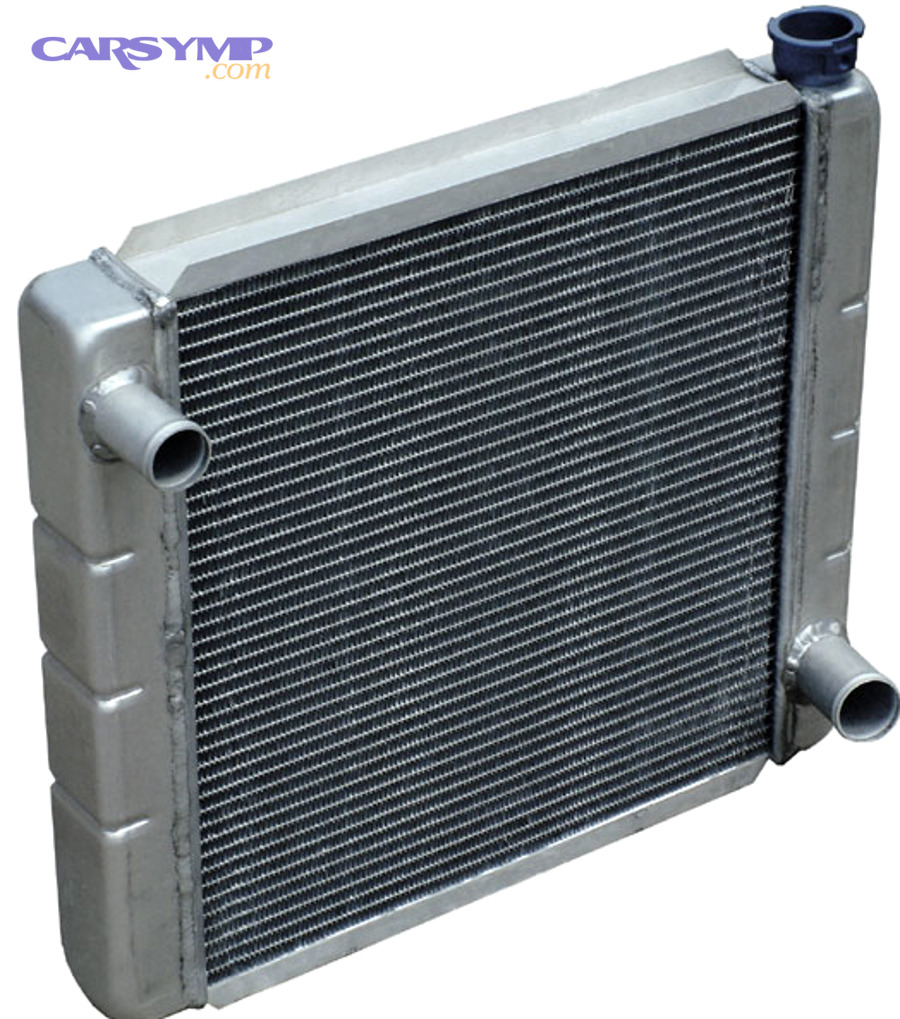
A radiator is a heat exchanger that removes heat from coolant by passing it through tubes and fins while air flows across those fins.
However, radiator performance depends on two things working together:
- Coolant side: internal tubes must be open enough for flow and heat transfer.
- Air side: fins must be clean and airflow must pass through them (fan + vehicle speed).
So radiator issues often show up as inadequate heat rejection—the coolant reaches the radiator, but the radiator can’t dump heat fast enough. That can happen due to internal clogging, external fin blockage (dirt/debris), bent fins, or airflow problems. A key takeaway: radiator problems often worsen in situations where the engine creates more heat than usual (highway load, towing, hot weather) or where airflow is compromised (idle with weak fan flow).
What is a water pump and how does it circulate coolant?
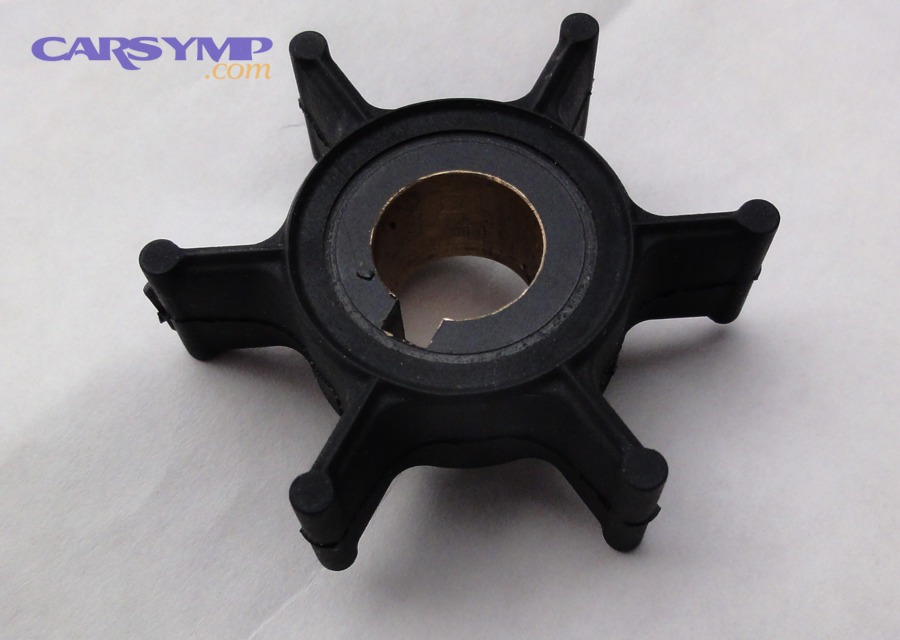
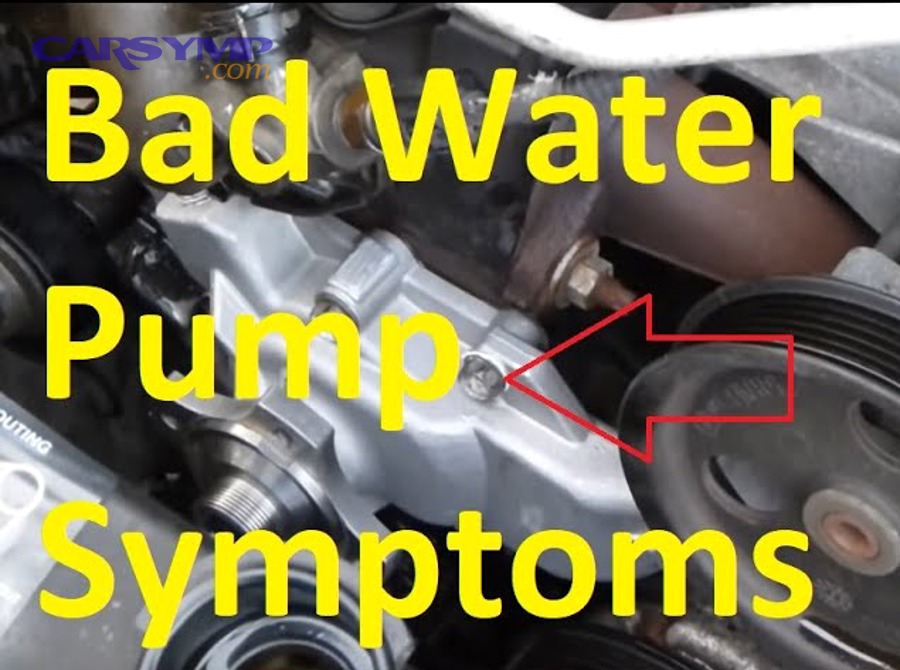
A water pump is the circulation engine of the cooling system, pushing coolant through the engine block, cylinder head passages, heater core, and radiator.
Especially, a water pump can fail in more than one way:
- External leak (seal failure): coolant loss plus overheating risk.
- Bearing failure: growling/whining noises, wobble, belt issues.
- Impeller/flow loss: weak circulation can cause overheating that feels “mysterious,” because coolant level may look normal at first.
Because the pump’s job is motion, a pump problem often looks like poor circulation—for example, weak heat at the cabin heater when the engine is hot, or overheating that worsens quickly under load as the engine demands more cooling flow.
Is your overheating pattern pointing to the thermostat, radiator, or water pump?
There are 4 main overheating patterns that help you narrow the culprit—idle-only overheating, highway/load overheating, sudden spikes, and “hot engine but no cabin heat”—based on when heat is created and whether coolant flow and airflow keep up.
Next, use these patterns as your first filter, because they’re fast and they prevent “parts cannon” repairs.
Before you read the pattern checks below, remember one rule: low coolant and trapped air can mimic all three failures. If you’ve been topping off coolant, seeing puddles, or smelling coolant, treat that as a priority confounder.
Does it overheat mostly at idle but improve at speed?
Yes—idle-only overheating often points away from the thermostat and toward airflow or radiator heat rejection limits, because the radiator depends heavily on fan airflow when the car isn’t moving.
However, don’t assume it’s “the radiator” immediately; at idle you’re really testing airflow + heat exchanger condition + flow stability together.
What this pattern commonly suggests:
- Airflow limitation: cooling fan not pulling enough air, missing shroud, debris blocking fins.
- Radiator air-side blockage: fins packed with dirt, bugs, leaves; bent fins reduce airflow.
- Borderline coolant flow issues: weak circulation can show more at idle when everything is marginal.
What this pattern usually suggests less strongly:
- Thermostat stuck closed: often overheats under many conditions once warm, not just idle (though edge cases exist).
Does it overheat at highway speeds or under load?
Yes—highway/load overheating often signals a radiator restriction or insufficient heat transfer capacity, because the engine is making more heat and needs the radiator to reject it efficiently.
Meanwhile, a water pump flow problem can also show here, especially if the pump can’t maintain flow as RPM/load changes.
Common interpretations:
- Radiator internal restriction: coolant can’t shed heat, so temperature creeps upward at speed.
- Coolant mixture/pressure issues: boiling margin drops (important if your cap is weak).
- Water pump flow loss: insufficient circulation under higher thermal demand.
Does the temperature spike suddenly after a period of normal driving?
Yes—sudden spikes often fit thermostat sticking or sudden circulation disruption, because a control valve that opens late can make the gauge jump from “normal” to “hot” quickly.
In addition, air pockets can shift and cause abrupt sensor readings and real hot spots.
Clues that strengthen the thermostat hypothesis:
- Temperature stays normal, then rapidly climbs.
- The upper hose may remain cooler than expected until a sudden change.
- The gauge may oscillate (hot/cool) in repeating cycles.
Is the cabin heater blowing cold when the engine is hot?
Yes—if the engine is hot but the heater blows cold, circulation is likely compromised (low coolant, trapped air, or weak flow), because the heater core needs hot coolant flow to produce heat.
Thus, this symptom should push you to check coolant level, bleed procedures, and pump circulation clues before assuming “radiator.”
What are the most reliable symptoms of a bad thermostat vs bad radiator vs bad water pump?
There are 3 main symptom groups—temperature-control symptoms (thermostat), heat-rejection symptoms (radiator), and circulation/leak/noise symptoms (water pump)—based on what each part is responsible for.
Specifically, the goal here is to separate symptoms that feel similar (the gauge is hot) by focusing on what’s unique to each failure mode.
To make this easier, the table below summarizes the most decision-useful symptoms and what they usually mean.
Symptom-to-part quick map (what the table contains): It lists symptoms you can observe, the most likely culprit among thermostat/radiator/water pump, and the “why” behind that match.
| Observable symptom | Most likely culprit | Why it points there |
|---|---|---|
| Rapid overheat soon after warm-up, little time to “creep” | Thermostat (stuck closed/late) | Flow to radiator is blocked/late, so heat accumulates fast |
| Slow warm-up / runs cool / poor heat in winter but not overheating | Thermostat (stuck open) | Engine can’t retain heat, operating temp stays low |
| Overheats at highway/load, especially hot days | Radiator (restriction/capacity) | Heat rejection can’t keep up with heat generation |
| Overheats at idle, improves with speed | Airflow/radiator air-side (often) | Low airflow at idle exposes radiator/fan weaknesses |
| Coolant leak near pump, crusty residue, bearing noise | Water pump | Seal/bearing failures are pump-specific |
| Hot engine + heater blows cold | Low coolant/air pocket/flow issue (often pump-related) | Heater core isn’t receiving hot coolant flow |
What symptoms most strongly indicate a thermostat problem?
There are 3 classic thermostat symptom types: rapid overheating (stuck closed), running too cool/slow warm-up (stuck open), and temperature gauge fluctuation (intermittent sticking), based on whether the valve opens correctly.
For example, if coolant can’t reach the radiator, the engine overheats; if coolant always flows, the engine may never stabilize at its designed temperature.
Thermostat-leaning clues:
- Overheating after warm-up that escalates quickly rather than creeping.
- Temperature swings (needle rises, drops, rises again), especially in repeated cycles.
- Slow warm-up and reduced efficiency/comfort in cold weather.
Automotive thermostat references commonly highlight overheating as a primary symptom when a thermostat is stuck closed.
What symptoms most strongly indicate a radiator problem?
There are 3 radiator symptom types: heat-rejection loss under load, uneven cooling across the radiator surface, and chronic performance decline after contamination or blockage, based on restricted heat transfer.
However, radiator symptoms overlap with other issues, so look for patterns that depend on heat rejection capacity.
Radiator-leaning clues:
- Overheating at speed or under load, especially with A/C on, uphill driving, towing.
- Coolant appears rusty/sludgy, suggesting internal fouling history.
- External fins are blocked with dirt/debris or bent/flattened (reduced airflow).
Evidence that radiator fin blockage can materially raise coolant temperatures exists in experimental work: a radiator with a blocked heat transfer area runs hotter because airflow and heat dissipation drop.
What symptoms most strongly indicate a water pump problem?
There are 3 water pump symptom groups: visible leak/residue, bearing noise/wobble, and circulation weakness (hot engine + poor coolant movement), based on seal, bearing, and impeller performance.
Meanwhile, a pump problem can be intermittent—especially early—so multiple small clues matter.
Water pump-leaning clues:
- Coolant leak at the pump area or crusty dried coolant residue.
- Whining/grinding noise that changes with engine speed.
- Heater output changes with RPM (sometimes warmer when revved), hinting at flow changes.
Which quick tests can confirm the culprit without replacing parts?
A practical overheating diagnosis uses 6 quick tests—coolant level check, hose temperature comparison, radiator airflow/fin check, heater output check, leak inspection, and a pressure test—to confirm the most likely failure and avoid guessing.
Then, run them in order from lowest risk to most informative, and stop if you find a “hard proof” failure (like a visible leak or no fan operation).
Can hose temperature checks help diagnose thermostat vs radiator restriction?
Yes—hose temperature checks can separate thermostat control issues from radiator heat-rejection issues for 3 reasons: they reveal whether the thermostat is opening, whether flow reaches the radiator, and whether the radiator is dropping temperature as coolant passes through.
Specifically, once the engine is warmed up:
- Upper radiator hose hot, lower hose noticeably cooler: often normal—radiator is shedding heat.
- Upper hose stays cooler than expected while gauge climbs: thermostat may not be opening properly (or air pocket at sensor; confirm).
- Both hoses hot with overheating: coolant is reaching the radiator, so suspect poor heat rejection (radiator restriction, airflow, pressure/boiling margin).
Use caution: hose “feel tests” can burn you. Use an IR thermometer if available, or observe relative changes rather than exact numbers.
Can you spot radiator heat rejection issues without special tools?
Yes—you can spot radiator heat-rejection problems for 3 reasons: fin blockage is visible, airflow issues are audible/observable, and uneven radiator surface temperatures often correlate with restriction.
However, keep it simple and safe:
- Check fins for packed debris (bugs, leaves, dirt) and gently clean with low-pressure water from the back side if appropriate.
- Confirm the fan pulls air through the radiator at idle when hot (vehicle-specific behavior varies).
- If you have an IR thermometer, scan the radiator face: large cold sections next to hot sections can suggest internal restriction.
Can you diagnose water pump circulation issues safely?
Yes—you can evaluate water pump circulation safely for 3 reasons: pump failures often leave leak evidence, bearing noise is detectable, and circulation problems frequently show up as heater performance changes.
To illustrate, focus on these safer indicators:
- Leak evidence: inspect around the pump area for coolant residue.
- Noise/wobble: listen for whining/grinding; check for belt wobble (do not touch moving parts).
- Heater behavior: if cabin heat is weak at idle but improves with RPM, flow may be marginal (not proof, but a strong clue).
Avoid risky advice like opening a hot radiator cap. If you must check the reservoir level, do it when cool.
Should you do a coolant leak and pressure check first?
Yes—you should pressure-check early for 3 reasons: leaks create low coolant and air pockets that mimic thermostat/radiator/pump faults, pressure reveals hidden seepage, and correct pressure raises the boiling margin so you don’t misread “boiling” as “no cooling.”
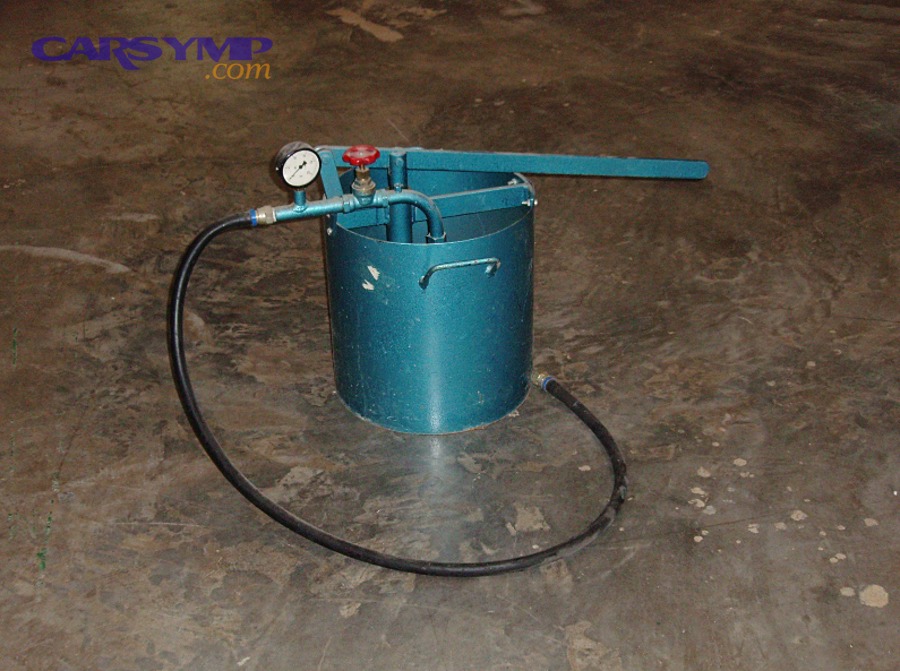
More importantly, this is where Cooling system pressure test explained matters:
- A pressure tester pumps the system to the cap’s rated pressure (or spec), and you watch whether it holds.
- If pressure drops, coolant is escaping somewhere—hose, radiator, water pump seal, heater core, etc.
- If it holds pressure but overheats, you shift attention back to flow control and heat rejection.
If you don’t have a tester, many shops can do this quickly, and it’s often cheaper than replacing the wrong part first.
What is the safest “next step” based on what you found?
The safest next step is to stop heat damage first, then fix the confirmed cause—because overheating can escalate from a nuisance to engine damage quickly, and the correct repair depends on the strongest evidence from your tests.
In addition, you’ll make better decisions if you separate “on-road safety actions” from “repair-path actions.”
Is it safe to drive if the car is overheating?
No—driving while overheating is not safe in most cases for 3 reasons: overheating can warp engine components, boiling coolant can cause sudden loss of cooling, and continued driving can turn a simple leak into severe engine damage.
More specifically, follow these Safe steps when car overheats on road:
- Turn off A/C and reduce load (A/C adds heat load).
- Turn heat to max (it can shed some heat through the heater core).
- Pull over safely if the gauge climbs rapidly, a warning appears, or you see steam.
- Shut the engine down if it continues climbing—idling can still generate heat.
- Do not open a hot radiator cap; wait until it cools.
A useful mental rule: if the needle is climbing and not stabilizing, treat it as “stop and cool” rather than “limp it home.”
When should you replace the thermostat first vs inspect/replace the radiator vs replace the water pump?
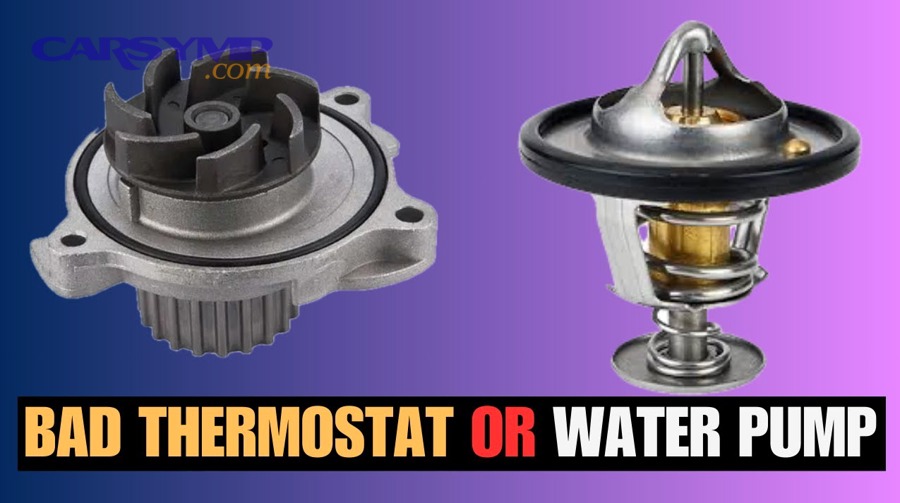
Thermostat replacement is often the best first fix when you have fast spikes and control symptoms, radiator work is best when overheating tracks load/heat-rejection limits, and water pump replacement is most justified when you have leak/noise/circulation evidence—because each aligns with a different failure signature.
However, don’t let “cheap first” override evidence; replace the part you can best support.
Use this decision logic:
- Replace thermostat first if:
- Temperature spikes are abrupt or cyclic.
- Upper hose behavior suggests delayed opening.
- No strong leak/noise evidence exists.
- Inspect/repair radiator (and airflow) first if:
- Overheating is worse at highway load or with A/C.
- Fins are blocked/damaged or coolant history suggests restriction.
- Hose temps suggest coolant is reaching radiator but not cooling enough.
- Replace water pump first if:
- You see pump-area leaks/residue.
- You hear bearing noise or see wobble.
- Heater output + circulation clues consistently point to weak flow.
If you publish diagnostics or tips under a site identity like Car Symp, add a short “proof-based” checklist box here so readers feel guided rather than sold a part.
What other problems can mimic thermostat, radiator, or water pump failure?
There are 4 common mimics—low coolant/air pockets, a weak radiator cap, airflow/fan problems, and head gasket issues—because each can cause overheating even when the thermostat, radiator, and water pump are mechanically fine.
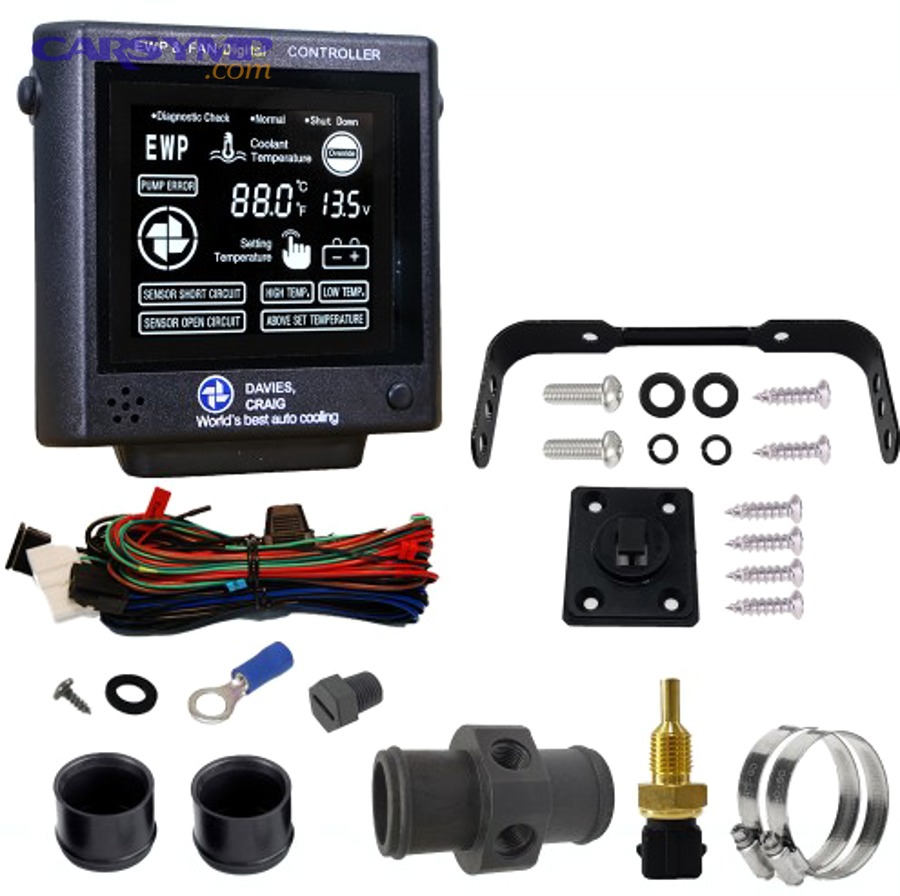
Besides improving accuracy, this section helps you avoid repeat repairs that don’t solve the root cause, which is crucial for Preventing recurring overheating.
Can low coolant or trapped air (air pockets) imitate a bad water pump or thermostat?
Yes—low coolant or trapped air can imitate those failures for 3 reasons: it breaks continuous flow, it creates localized hot spots near sensors, and it reduces heater core performance.
For example, an air pocket can make the gauge read hot while the radiator hoses don’t match expected temperatures, or it can cause the heater to blow cold even with a hot engine.
Practical prevention steps:
- Fix the leak first (don’t just top off).
- Use the vehicle’s correct bleeding procedure after service.
- Recheck level after a full heat cycle and cool-down.
Can a bad radiator cap cause overheating even if the radiator is fine?
Yes—a bad radiator cap can cause overheating for 3 reasons: it can’t hold pressure, it lowers the coolant boiling point, and it allows boil-over or vapor pockets that reduce cooling efficiency.
In short, pressure is not a “bonus feature”—it’s part of normal cooling function.
Can cooling fans or airflow issues look like a radiator problem?
Yes—fan or airflow faults mimic radiator problems for 3 reasons: airflow is required for heat exchange, idle conditions depend heavily on fans, and blocked airflow produces the same “can’t shed heat” symptom as an internally restricted radiator.
Meanwhile, this is why “overheats at idle, cools at speed” often starts with airflow checks.
Airflow items to verify:
- Fan turns on when expected (varies by model/ECU logic).
- Shroud is present and sealed well enough to pull air through the core.
- No heavy debris matting the fins.
Can a head gasket issue mimic these cooling-system failures?
Yes—head gasket problems can mimic them for 3 reasons: combustion gases can enter the cooling system, coolant can be consumed internally, and persistent overheating can continue even after replacing normal cooling parts.
More importantly, if you see repeated coolant loss with no external leak, bubbling in the reservoir, or milky contamination, you should escalate diagnostics rather than cycling through cooling parts.
Evidence (if any)
According to a study by University of Education Winneba from the Design and Technology Department, in 2012, increasing radiator heat-transfer area blockage by 10% was associated with an average ~17°C outlet coolant temperature change (silt) and ~21°C (clay), showing how airflow-side blockage can significantly raise coolant temperatures.