


A rough idle occurs when your engine vibrates, shakes, or runs unevenly while your vehicle is stationary, typically caused by twelve primary problems: worn spark plugs, failing ignition coils, clogged fuel injectors, dirty fuel filters, vacuum leaks, faulty sensors (MAF, IAC, TPS, oxygen), clogged air filters, dirty throttle bodies, failing fuel pumps, damaged spark plug wires, faulty distributor caps, or PCV valve issues. These problems disrupt the precise air-fuel mixture, ignition timing, or combustion process that engines need to maintain smooth operation at idle speeds between 600-1000 RPM. Understanding each potential cause enables systematic rough idle diagnosis that saves time and prevents costly misdiagnosis.
Identifying rough idle symptoms is the first critical step in effective troubleshooting. Your vehicle communicates problems through observable signs like cabin vibrations, fluctuating tachometer readings, unusual engine noises, or complete stalling at stops. These symptoms indicate specific system failures that require methodical investigation rather than guesswork. Recognizing normal versus abnormal idle behavior helps you determine whether your vehicle needs immediate attention or simple maintenance.
The ignition system, fuel delivery system, and air intake system work together to create the combustion events that power your engine. When any component in these interconnected systems fails, the precise timing and mixture ratios become disrupted, resulting in rough idle conditions. Engine mounts vs true rough idle diagnosis becomes important here—mechanical vibration from broken mounts feels similar to combustion-related roughness but requires different solutions. Proper diagnosis distinguishes between these conditions to ensure correct repairs.
Modern vehicles rely heavily on electronic sensors that provide data to the Engine Control Module (ECM) for optimal performance management. Sensor failures create cascading problems throughout engine operation, making Fuel trim data for rough idle diagnosis essential for professional mechanics. To begin your diagnostic journey, let’s first understand what constitutes rough idle and how to identify it accurately.
What is Rough Idle and How Do You Identify It?
Rough idle is an abnormal engine condition characterized by uneven RPM fluctuations, vibrations, and inconsistent combustion while the vehicle is stationary with the engine running. Normal engines idle smoothly between 600-1000 RPM with minimal vibration, steady engine note, and consistent power delivery to accessories. When engines idle roughly, you’ll experience shaking that transfers through the cabin, visible tachometer needle movement, unusual sounds like knocking or sputtering, and in severe cases, complete engine stalling.
To better understand rough idle, we must first examine what normal operation looks like and then identify the specific symptoms that signal problems.
What Does Normal Engine Idle Sound and Feel Like?
Normal engine idle produces a smooth, consistent mechanical hum with barely perceptible vibrations through the steering wheel or seats. The tachometer needle remains steady at your vehicle’s specified idle RPM, which varies by manufacturer but typically falls between 600-1000 RPM for gasoline engines. Modern fuel-injected engines with proper electronic control idle so smoothly that many drivers cannot feel the engine running at all when sitting in the cabin with the transmission in Park or Neutral.
The engine note should sound rhythmic and even, without any stuttering, popping, or irregular combustion sounds. When you shift into Drive or activate accessories like the air conditioning, the idle speed may briefly dip and then recover as the ECM compensates for the increased load. This momentary adjustment is normal and should not cause sustained roughness or stalling. The engine should maintain its idle speed without requiring throttle input from the driver.
Environmental conditions affect normal idle characteristics slightly. Cold engines idle at higher RPM (1200-1500 RPM) until they reach operating temperature, then settle to normal idle speed. This cold-start behavior is intentional and controlled by the ECM through the IAC valve and temperature sensors. As long as the idle remains smooth and gradually decreases to normal range, this temporary high idle represents proper operation rather than a problem.
What Are the Common Symptoms That Indicate Rough Idle?
Rough idle manifests through several distinct symptoms that vehicle owners can easily identify without diagnostic equipment. Shaking or vibrating throughout the cabin represents the most obvious symptom, with intensity ranging from mild trembling to violent shaking that makes the steering wheel difficult to hold steady. This vibration results from uneven combustion events creating unbalanced forces within the engine block that transfer through the motor mounts into the vehicle frame.
Fluctuating tachometer readings provide clear visual confirmation of rough idle. The needle may swing rhythmically between different RPM values, drop below normal idle speed, or jump erratically without pattern. RPM variations of 100 or more indicate significant combustion inconsistency requiring investigation. Some vehicles experience idle speeds that hunt—cycling between high and low RPM as the ECM attempts unsuccessfully to stabilize engine operation.
Unusual engine noises accompany rough idle in many cases. Knocking or pinging sounds indicate detonation or pre-ignition issues, while sputtering or popping suggests incomplete combustion or exhaust backfiring. Hissing noises from the engine bay typically signal vacuum leaks allowing unmetered air into the intake system. Clicking or tapping sounds may indicate valve train problems or exhaust leaks that affect engine performance.
Stalling represents the most severe rough idle symptom. Engines that stall at traffic lights, when shifting into gear, or after cold starts indicate problems severe enough to prevent the engine from maintaining minimum operating speed. Stalling creates safety hazards and often precedes complete engine failure if left unaddressed. If your vehicle exhibits stalling along with rough idle symptoms, immediate professional diagnosis becomes necessary.
What Are the Ignition System Problems That Cause Rough Idle?
Ignition system problems cause rough idle through three primary components: worn or fouled spark plugs, failing spark plug wires or ignition coils, and faulty distributor caps in older vehicles. The ignition system creates the electrical spark that ignites the compressed air-fuel mixture in each cylinder, and any weakness or inconsistency in spark delivery results in misfires, incomplete combustion, and rough idle. Spark plugs typically require replacement every 30,000-100,000 miles depending on type, while ignition coils and wires deteriorate from heat exposure and electrical stress over time.
Understanding ignition system failures requires examining how each component contributes to combustion and how degradation affects performance.
How Do Worn or Fouled Spark Plugs Cause Rough Idle?
Worn or fouled spark plugs cause rough idle by failing to create sufficient spark energy to reliably ignite the air-fuel mixture, resulting in misfires that create uneven power delivery and vibration. Spark plugs have electrodes that gradually wear away from repeated high-voltage electrical arcing, increasing the gap distance that electricity must jump to create a spark. As gaps widen beyond specification, the ignition coil struggles to generate enough voltage, leading to weak or absent sparks, particularly under the higher compression pressures present during cold starts or high engine loads.
Carbon fouling represents another common spark plug failure mode affecting idle quality. Combustion byproducts accumulate on spark plug insulators and electrodes, creating conductive paths that allow electricity to leak away before jumping the gap. Rich fuel mixtures, oil consumption from worn piston rings or valve seals, and short-trip driving patterns that prevent plugs from reaching self-cleaning temperatures all contribute to carbon fouling. Fouled plugs misfire most prominently at idle when spark energy demands are highest relative to available voltage.
Oil fouling occurs when engine oil leaks past worn valve guides or piston rings, coating spark plug electrodes with conductive deposits. Oil-fouled plugs typically appear wet and dark, indicating oil consumption problems requiring repair beyond simple plug replacement. These plugs misfire consistently and often accompany blue exhaust smoke, another indicator of oil burning. Replacing oil-fouled plugs without addressing the underlying oil consumption issue results in rapid re-fouling and wasted money.
Physical damage to spark plug insulators or electrodes causes immediate misfiring. Cracked insulators allow spark energy to escape to ground through the plug body instead of jumping the gap, while damaged electrodes may prevent gap formation entirely. Mechanics sometimes encounter spark plugs with broken-off ground electrodes rattling inside the cylinder, causing severe misfires and potential engine damage. Proper installation torque and using the correct heat range prevent most physical damage scenarios.
Can Bad Spark Plug Wires or Ignition Coils Cause Rough Idle?
Bad spark plug wires or ignition coils cause rough idle by failing to deliver adequate electrical energy from the ignition system to the spark plugs, resulting in weak or absent sparks that create misfires. Spark plug wires deteriorate internally from heat, oil contamination, and age, developing increased electrical resistance that reduces the voltage reaching spark plugs. Modern wires typically last 60,000-100,000 miles before resistance increases enough to cause performance problems, though harsh engine environments accelerate degradation.
Ignition coils transform battery voltage (12-14 volts) into the high voltage (15,000-45,000 volts) required for spark plug firing. Coil failures result from thermal stress, vibration, and internal insulation breakdown that causes short circuits or open circuits. Coil-over-plug (COP) systems used in modern vehicles place individual coils directly on each spark plug, eliminating plug wires entirely. COP systems offer improved reliability but cost more to replace when failures occur since each coil must be individually diagnosed and replaced.
Symptoms of ignition wire or coil failure include specific cylinder misfires, increased misfire frequency during wet weather (indicating insulation breakdown), and misfires that worsen under acceleration when spark energy demands increase. Diagnostic trouble codes (DTCs) P0300-P0308 indicate random or cylinder-specific misfires that often point toward ignition system failures. Professional mechanics use oscilloscopes to examine spark patterns and identify weak coils or high-resistance wires before they cause complete misfires.
Traditional distributor-based ignition systems with a single coil serving all cylinders create different failure patterns than modern distributorless systems. A failing coil in distributor systems causes misfires across all cylinders rather than isolated to specific cylinders. The distributor cap and rotor distribute high voltage to each spark plug in firing order, and carbon tracking inside the cap or worn rotor contacts cause inconsistent spark delivery even when the coil functions properly.
Does a Faulty Distributor Cap Affect Engine Idle?
A faulty distributor cap affects engine idle by creating inconsistent spark distribution to individual cylinders, causing misfires that produce rough running and vibration. Distributor caps develop internal carbon tracking—conductive paths burned into the plastic by high-voltage electricity arc-over—that allows spark energy to jump to the wrong cylinder or to ground instead of traveling through the proper terminal to its designated spark plug. Carbon tracking intensifies in humid conditions when moisture accumulation inside the cap enhances electrical conductivity.
Physical cracks in distributor caps expose internal components to moisture, dirt, and oil vapors that create electrical resistance and short circuits. Visual inspection often reveals hairline cracks invisible until illuminated by flashlight in a dark environment. Mechanics replace distributor caps whenever cracks appear since temporary fixes prove ineffective under high-voltage electrical stress. Quality replacement caps use superior dielectric materials that resist tracking and cracking better than economy versions.
The rotor inside the distributor cap wears at its contact point where it transfers electricity to cap terminals. This brass contact gradually erodes from repeated electrical arcing, creating increased resistance and weak spark delivery to individual cylinders. Worn rotors often cause intermittent misfires that come and go randomly as the rotor makes inconsistent contact with cap terminals during rotation. Replacing rotors whenever cap replacement occurs prevents premature cap failure from rotor-induced arcing.
Distributor systems exist only in older vehicles manufactured before distributorless ignition became standard in the 1990s. Vehicles still using distributor ignition require cap and rotor inspection every 30,000 miles as part of preventive maintenance. Many mechanics automatically replace these components during tune-ups since their low cost makes preventive replacement more economical than diagnosing intermittent problems later.
What Fuel System Issues Lead to Rough Idle?
Fuel system issues lead to rough idle through clogged or dirty fuel injectors, restricted fuel filters, and failing fuel pumps that disrupt proper fuel delivery. The fuel system must supply precisely metered amounts of pressurized fuel to each cylinder at the exact moment needed for combustion, and any deviation from optimal flow rates or spray patterns causes rough running. Modern port fuel injection systems operate at 35-65 PSI, while direct injection systems require 500-2000 PSI to atomize fuel properly for complete combustion.
Each fuel system component plays a specific role in maintaining smooth idle, and understanding their failure modes helps prioritize diagnostic efforts.
How Do Clogged or Dirty Fuel Injectors Cause Rough Idle?
Clogged or dirty fuel injectors cause rough idle by disrupting the precise fuel spray pattern and flow rate required for complete combustion, resulting in lean or rich conditions that create misfires and power fluctuations. Fuel injectors spray gasoline through tiny nozzles at precise angles calculated to mix thoroughly with incoming air. Carbon deposits from combustion byproducts and varnish from degraded fuel accumulate on injector tips over time, partially blocking these nozzles and altering spray patterns from fine mists to streams that fail to atomize properly.
External deposits form on injector pintle valves where they seal against seats, preventing complete closure and causing fuel dribbling after injection events end. This dribbling creates rich conditions at idle when fuel continues entering cylinders outside commanded injection timing. Rich conditions wash oil from cylinder walls, increase emissions, dilute engine oil, and create carbon buildup that worsens over time. Vehicles experiencing rough idle with black exhaust smoke often have injectors dripping fuel excessively.
Internal deposits restrict injector flow capacity, creating lean conditions where insufficient fuel reaches combustion chambers. Lean-running cylinders misfire because the air-fuel ratio exceeds the combustion envelope where stable ignition occurs. The ECM attempts compensating for lean conditions by increasing injector pulse width, but severely restricted injectors cannot flow enough fuel even at maximum pulse width. Fuel trim data for rough idle diagnosis reveals when injectors restrict flow—positive fuel trim values exceeding 10-15% indicate compensation for inadequate fuel delivery.
Professional fuel injector cleaning services use specialized equipment to reverse-flush injectors with pressurized solvents while measuring flow rates and spray patterns. This cleaning restores performance if deposits haven’t damaged internal components permanently. Over-the-counter fuel additives provide preventive maintenance but lack sufficient cleaning power to restore heavily clogged injectors. Replacement becomes necessary when cleaning fails to restore proper function or when internal solenoid failures occur.
Can a Clogged Fuel Filter Make Your Engine Idle Rough?
A clogged fuel filter makes your engine idle rough by restricting fuel flow to the point where the fuel pump cannot maintain adequate system pressure, creating fuel starvation that causes lean misfires and hesitation. Fuel filters trap contaminants from gasoline before they reach expensive fuel injectors and pumps, gradually accumulating debris until flow restriction becomes significant. Most manufacturers recommend fuel filter replacement every 30,000-60,000 miles, though vehicles regularly fueled at stations with poor fuel quality may require more frequent service.
Symptoms of clogged fuel filters extend beyond rough idle to include difficulty starting, hesitation during acceleration, and loss of power under load. The engine may run acceptably at idle initially but starve for fuel when accelerating demands increased flow. Fuel pressure testing reveals when filters restrict flow—pressure dropping below manufacturer specifications during acceleration indicates restriction somewhere in the fuel delivery system, often the filter. Mechanics monitor fuel pressure with gauges connected to test ports while duplicating complaint conditions.
Inline fuel filters located along fuel lines between tank and engine allow easy replacement, while in-tank filters integrated with fuel pump assemblies require pump removal for service. Many modern vehicles eliminated separate external filters, relying instead on lifetime inlet screens inside fuel tanks. These vehicles develop fuel starvation problems from clogged tank screens that require fuel pump assembly removal for cleaning or replacement—an expensive repair compared to simple filter changes.
Preventive fuel filter replacement prevents costly downstream damage. Bypassed contaminants damage fuel injectors, scoring internal components and destroying spray patterns beyond cleaning restoration. Fuel pumps working against excessive filter restriction experience premature wear from overheating and increased electrical current draw. The relatively small cost of filter replacement every 30,000 miles prevents repair bills hundreds of dollars higher from neglect-induced damage.
Will a Failing Fuel Pump Cause Rough Idle?
A failing fuel pump will cause rough idle by delivering insufficient fuel pressure or volume to meet engine demands, creating lean conditions that produce misfires, hesitation, and potential stalling. Electric fuel pumps wear internally from continuous operation, developing reduced output pressure and flow capacity as impellers and internal components deteriorate. High-mileage pumps operating in vehicles with poor fuel filter maintenance fail prematurely from contamination damage that scores pump housings and destroys seals.
Early symptoms of fuel pump failure include difficulty starting, requiring extended cranking before the engine fires, and rough running that improves after the pump has operated long enough to build pressure. The engine may start normally when cold but develop rough idle after reaching operating temperature when reduced fuel density requires higher pump output. Advanced failures cause complete loss of pressure and engine stalling, leaving vehicles stranded and requiring towing.
Fuel pressure testing definitively diagnoses pump failures. Mechanics connect pressure gauges to test ports and monitor pressure during cranking, idle, and acceleration. Pumps should immediately build pressure to specification during cranking and maintain steady pressure throughout all operating conditions. Pressure dropping below specification or failing to build quickly indicates pump weakness requiring replacement. Volume testing by measuring fuel quantity pumped in specific time periods identifies pumps with adequate pressure but insufficient flow capacity.
Fuel pumps in modern vehicles reside inside fuel tanks submerged in gasoline for cooling and sound dampening. This location complicates replacement, often requiring fuel tank removal or special access panels for pump module extraction. Labor costs for pump replacement frequently exceed parts costs. Vehicles approaching 100,000 miles with original fuel pumps should receive precautionary pressure testing to identify impending failures before they cause roadside breakdowns.
How Do Vacuum Leaks Cause Rough Idle?
Vacuum leaks cause rough idle by allowing unmetered air to enter the intake system downstream of the mass airflow sensor, creating lean air-fuel mixtures that misfire and run unevenly. Engines create vacuum during intake strokes when pistons descend with intake valves open and throttle plates nearly closed at idle. This vacuum draws air through the throttle body and intake manifold into cylinders, and the ECM calculates required fuel quantities based on measured airflow. When leaks admit additional air unmeasured by sensors, the fuel system delivers insufficient fuel for the actual air quantity, resulting in lean conditions.
Understanding vacuum leak sources and symptoms enables effective diagnosis and repair.
What Are the Most Common Sources of Vacuum Leaks?
The most common sources of vacuum leaks include cracked or deteriorated vacuum hoses, failed intake manifold gaskets, leaking throttle body gaskets, and brake booster diaphragm failures that allow atmospheric air into the intake system. Vacuum hoses made from rubber materials harden and crack with age, particularly in high-temperature engine bay environments where oil vapors and ozone accelerate deterioration. Hoses approaching 7-10 years old develop surface cracks that worsen into leaks admitting significant air volumes.
Intake manifold gaskets seal the interface between the manifold and cylinder head, containing vacuum created during intake events. These gaskets fail from thermal cycling, improper installation torque, or manufacturing defects, creating leak paths that vary from small seepage to large gaps. Upper intake manifold gaskets (plenum gaskets) on engines with multi-piece manifolds commonly leak, causing obvious rough idle and high idle speed. Lower manifold gaskets cause more subtle symptoms since they leak into individual cylinders rather than the common plenum.
Throttle body gaskets seal where the throttle body bolts to the intake manifold, containing vacuum in the idle air bypass passages and main throttle bore. Age and thermal stress cause these gaskets to compress and harden, losing sealing capability. Mechanics often create throttle body gasket leaks inadvertently by over-torquing mounting bolts, crushing gaskets beyond their elastic recovery limit. Proper torque specifications prevent this damage while ensuring adequate sealing force.
Brake booster diaphragms experience constant vacuum exposure from a hose connecting the booster to the intake manifold. Diaphragm failures create direct atmospheric leaks into the intake system, causing severe rough idle and high idle speed. Testing brake boosters involves blocking or disconnecting their vacuum hoses—if idle quality improves dramatically, the booster leaks. Additional symptoms include hard brake pedals requiring excessive force and hissing sounds when pressing the brake pedal.
What Symptoms Indicate a Vacuum Leak?
Symptoms indicating vacuum leaks include abnormally high idle speed (often 1200-1500+ RPM), rough and fluctuating idle quality, audible hissing from the engine bay, and improved idle when enriching the mixture through propane introduction. High idle results from the ECM opening the IAC valve or advancing throttle position to maintain target idle speed despite lean conditions created by excess air. This compensation partially masks vacuum leaks on vehicles with adaptive idle control but appears as persistently high RPM on simpler systems.
Hissing sounds localize leak sources during physical inspection. Mechanics use stethoscopes to amplify these sounds or spray combustible aerosols (carburetor cleaner, propane, brake cleaner) near suspected leak points while monitoring idle quality. When spray enters a leak, it enriches the mixture momentarily, causing idle speed increases or smoothing that confirm leak location. This technique requires caution since combustible sprays near hot exhaust components create fire hazards.
The check engine light may illuminate with codes P0171 (System Too Lean Bank 1) or P0174 (System Too Lean Bank 2) when vacuum leaks create lean conditions beyond the ECM’s ability to compensate through fuel trim adjustments. Long-term fuel trim values exceeding +15% indicate the ECM adding extra fuel to compensate for unmetered air, strongly suggesting vacuum leaks. Fuel trim data for rough idle diagnosis provides objective evidence of air-fuel ratio problems when symptoms alone prove inconclusive.
Vacuum leaks affect different engines uniquely based on displacement and idle air requirements. Small four-cylinder engines with low idle airflow demands suffer severe symptoms from leaks that barely affect large V8 engines moving substantially more air at idle. This explains why vacuum leak symptoms vary widely between vehicles despite similar leak sizes. Understanding your specific engine’s normal behavior helps identify when vacuum leaks create abnormal operation.

Which Engine Sensors Can Cause Rough Idle When They Fail?
Engine sensors that cause rough idle when they fail include the Mass Airflow (MAF) sensor, Idle Air Control (IAC) valve, Throttle Position Sensor (TPS), and oxygen sensors that provide critical data enabling proper ECM fuel and ignition control. Modern engine management systems rely on sensor inputs to calculate optimal air-fuel ratios, ignition timing, and idle speed control. When sensors provide inaccurate data or fail completely, the ECM makes incorrect control decisions that create rough running, poor fuel economy, and emissions problems.
Each sensor serves a specific function in engine management, and understanding their roles clarifies diagnostic priorities.
How Does a Dirty or Faulty MAF Sensor Affect Idle Quality?
A dirty or faulty MAF sensor affects idle quality by providing inaccurate airflow measurements to the ECM, causing incorrect fuel metering that creates lean or rich conditions resulting in rough running and poor throttle response. The MAF sensor uses a heated wire or film element that cools proportionally to air mass flowing past it, and the ECM interprets cooling rates as airflow volume. Oil vapors from crankcase ventilation, dirt bypassing air filters, and chemical contamination coat sensing elements over time, insulating them from airflow and causing underreporting of actual air quantities.
When MAF sensors under-report airflow, the ECM delivers insufficient fuel for actual air volume, creating lean conditions that cause rough idle, hesitation, and potential misfire. Symptoms typically worsen as throttle opening increases since airflow measurement errors magnify with higher flow rates. Vehicles may idle acceptably but stumble severely during acceleration when significant airflow errors create dramatic lean conditions. Fuel trim data showing high positive values (adding fuel) suggests MAF sensors reporting less air than actually entering the engine.
Over-reporting MAF sensors cause the opposite problem—the ECM delivers excessive fuel for actual airflow, creating rich conditions with symptoms including rough idle, black exhaust smoke, spark plug fouling, and decreased fuel economy. Rich conditions prove less common than lean conditions from MAF contamination since deposits typically insulate sensors and reduce sensitivity. Manufacturing defects or component failures cause over-reporting rather than contamination.
Cleaning MAF sensors with specialized electronics-safe solvents often restores performance when contamination causes problems. These solvents evaporate quickly without leaving residues that damage delicate sensing elements. Mechanics spray cleaning solution directly onto sensing elements, allow evaporation, and verify improvement through test drives and fuel trim monitoring. Replacement becomes necessary when cleaning fails to restore accuracy or when elements suffer physical damage from improper cleaning attempts using inappropriate chemicals.
Can a Bad Idle Air Control (IAC) Valve Cause Rough Idle?
A bad IAC valve can cause rough idle by failing to properly regulate idle speed, resulting in fluctuating RPM, stalling when coming to stops, and rough running as the ECM struggles to maintain target idle speed. The IAC valve controls airflow bypassing the closed throttle plate at idle, allowing the ECM to adjust idle speed for varying loads like air conditioning, power steering, and alternator demands. Carbon deposits accumulate in IAC valve passages and on pintle valves from blow-by gases and oil vapors, restricting movement and blocking airflow paths.
Stuck IAC valves create immediately obvious symptoms—engines that idle too fast when valves stick open, or stall when valves stick closed. Intermittently sticking valves cause hunting idle where RPM cycles up and down as the ECM commands position changes the valve cannot achieve. This hunting appears as rhythmic RPM swings between roughly 500-1200 RPM, creating annoying vibration and indicating imminent IAC failure requiring service.
Modern vehicles use electronic throttle control (drive-by-wire) systems eliminating separate IAC valves, instead using the main throttle plate for idle control. These systems suffer carbon buildup on throttle bores and plates that restrict airflow similarly to IAC valve deposits. Throttle body cleaning services remove carbon and restore proper idle air control. Electronic throttle systems require relearning procedures after cleaning to re-establish proper idle characteristics as the ECM adapts to restored airflow capacity.
IAC valve replacement or cleaning typically resolves rough idle symptoms from carbon restriction. Some IAC designs allow disassembly and cleaning with carburetor cleaner and soft brushes, while others require complete replacement when contaminated. Replacement IAC valves may require ECM relearning procedures to establish proper baseline idle settings. Failure to perform relearn procedures results in continued rough idle despite new components being installed.
Will a Faulty Throttle Position Sensor (TPS) Make Your Car Idle Rough?
A faulty TPS will make your car idle rough by providing incorrect throttle position data to the ECM, causing inappropriate fuel delivery and ignition timing that creates unstable idle and poor throttle response. The TPS uses a potentiometer that changes resistance proportionally to throttle plate angle, informing the ECM whether the engine operates at idle, partial throttle, or wide-open throttle. This information determines base fuel calculations, ignition advance, and transmission shift strategies.
TPS failures typically result from worn potentiometer traces that create dead spots or erratic signal outputs as the throttle moves through specific positions. These dead spots cause sudden signal dropouts or jumps that the ECM interprets as rapid throttle movements, triggering inappropriate fuel enrichment or ignition changes. Symptoms include stumbling during smooth acceleration, surging at constant throttle, and rough idle from signal instability at the closed-throttle position.
Some TPS designs fail electrically, developing opens or shorts that prevent signal transmission entirely. Complete failures trigger check engine lights with codes P0120-P0124 indicating TPS circuit problems. The ECM enters a default strategy using estimates for throttle position based on other sensor inputs, resulting in degraded but functional operation allowing vehicle operation to reach service facilities. Default operation typically produces rough idle since the ECM cannot precisely control idle speed without accurate throttle position data.
Modern electronic throttle systems integrate TPS functionality into the throttle body assembly itself, replacing mechanical cables and separate sensors with position sensors monitoring actuator motor-controlled throttle plates. These integrated systems prove more reliable than older cable-operated throttles with separate TPS units but cost significantly more to replace when failures occur. Entire throttle body assemblies require replacement rather than individual sensor swaps.
Do Oxygen Sensors Affect Engine Idle Performance?
Oxygen sensors do affect engine idle performance by monitoring exhaust gas oxygen content and enabling closed-loop fuel control that maintains optimal air-fuel ratios for smooth running, fuel economy, and emissions control. The ECM uses oxygen sensor feedback to adjust fuel delivery in real-time, adding fuel when sensors detect lean conditions (excess oxygen) or reducing fuel when detecting rich conditions (insufficient oxygen). This constant adjustment maintains stoichiometric air-fuel ratios (14.7:1 for gasoline) that ensure complete combustion and maximum catalytic converter efficiency.
Failed oxygen sensors cause rough idle by preventing proper closed-loop operation, forcing the ECM to operate in open-loop mode using preprogrammed fuel tables that cannot adapt to changing conditions. Open-loop operation results in suboptimal air-fuel ratios that create rough running, particularly noticeable at idle when precise mixture control proves most critical. Rich operation from failed sensors causes spark plug fouling, carbon buildup, and black exhaust smoke, while lean operation creates misfires and potential catalyst overheating damage.
Oxygen sensor contamination from oil consumption, silicone sealants, or leaded fuel (in older vehicles) reduces sensitivity and response speed without causing complete failure. Contaminated sensors provide sluggish feedback to the ECM, creating delayed fuel control adjustments that overshoot target ratios and cause hunting behavior—oscillating between rich and lean conditions attempting unsuccessfully to achieve stable mixtures. This hunting appears as RPM fluctuations and rough idle quality that worsens with sensor degradation.
Modern vehicles employ multiple oxygen sensors—upstream sensors before catalytic converters for fuel control, downstream sensors after converters for catalyst efficiency monitoring. Fuel control relies exclusively on upstream sensors, making their proper function essential for smooth idle. Downstream sensor failures affect only emissions monitoring, typically causing check engine lights without noticeable driveability symptoms. Replacing oxygen sensors every 60,000-100,000 miles maintains optimal performance and prevents degradation-related rough idle problems.
What Air Intake Problems Cause Rough Idle?
Air intake problems cause rough idle through clogged air filters restricting airflow and dirty throttle bodies obstructing proper air metering, both creating air-fuel mixture imbalances that produce unstable combustion. The air intake system must deliver clean air in precisely measured quantities for optimal engine performance, and any restriction or contamination disrupts this critical function. Air filters protect engines from harmful particulates while throttle bodies control airflow volume responding to accelerator pedal inputs.
Understanding how air intake components affect idle quality helps prioritize maintenance and diagnosis.
Can a Clogged Air Filter Cause Rough Idle?
A clogged air filter can cause rough idle by restricting airflow to the point where the engine cannot draw sufficient air for complete combustion, creating rich fuel mixtures that produce rough running, reduced power, and black exhaust smoke. Air filters accumulate dirt, dust, leaves, and debris during normal operation, gradually increasing flow restriction as filter media becomes saturated with contaminants. Severely restricted filters starve engines of air, forcing the ECM to reduce fuel delivery attempting to maintain proper air-fuel ratios despite inadequate airflow.
Symptoms of clogged air filters extend beyond rough idle to include decreased fuel economy, sluggish acceleration, and unusual exhaust odors from incomplete combustion. The engine may produce black smoke particularly during acceleration when airflow demands exceed filter capacity. Fuel economy suffers because incomplete combustion wastes fuel while increased pumping losses from drawing air through restricted filters require additional engine power to maintain speed.
Air filter inspection and replacement represents the simplest diagnostic step when investigating rough idle. Removing the air filter and briefly running the engine reveals whether filter restriction caused the problem—if idle quality improves dramatically without the filter, replacement solves the issue. Visual inspection shows filter contamination levels, though severely restricted filters may appear only moderately dirty because fine particles lodged deep in filter media block airflow without creating obvious surface contamination.
Replacement intervals vary based on driving conditions and environment. Dusty rural areas, unpaved roads, and desert climates require more frequent air filter service than clean highway driving. Most manufacturers recommend inspection every 15,000 miles and replacement every 30,000 miles, though actual service needs depend on operating conditions. The minimal cost of air filters makes preventive replacement economically sensible compared to potential engine damage from running without filtration or continued operation with severe restriction.
Does a Dirty Throttle Body Lead to Rough Idle?
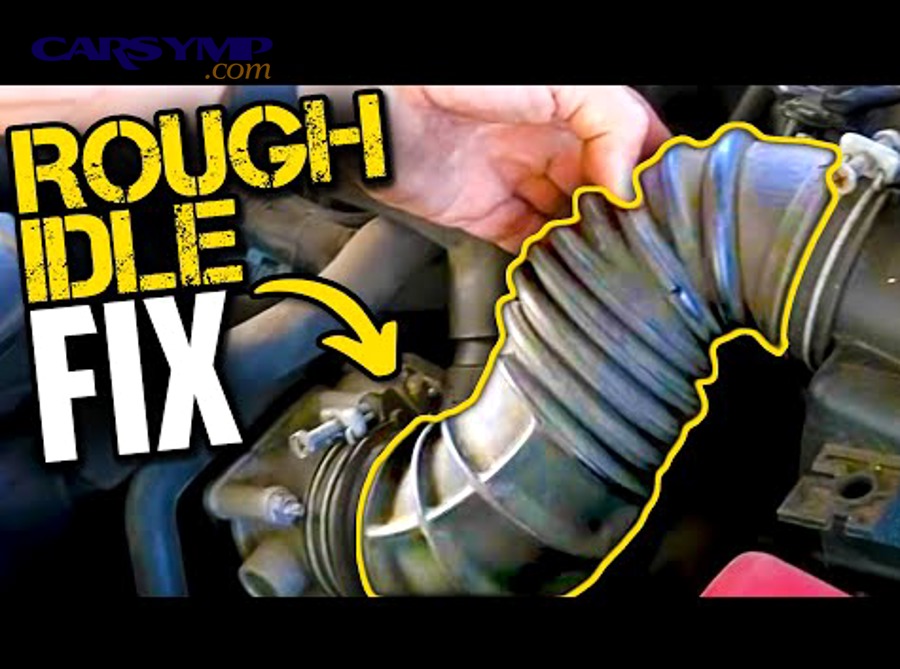
A dirty throttle body does lead to rough idle by accumulating carbon deposits and oil residues on the throttle plate and bore that restrict idle airflow passages and prevent proper throttle plate closure, disrupting precise air metering required for smooth operation. The throttle body receives crankcase vapors from PCV systems and exhaust gases from EGR systems that deposit carbon and varnish throughout internal passages. These deposits build up gradually, creating rough idle symptoms that worsen over time until throttle body cleaning restores performance.
Carbon accumulation around throttle plate edges prevents complete closure at idle, allowing excess air to bypass the intended airflow path and creating unmetered airflow that leans the air-fuel mixture. The ECM compensates by adjusting fuel trim and IAC valve position, but excessive buildup exceeds compensation range and causes rough idle, high idle speed, and poor throttle response. Electronic throttle control systems prove particularly sensitive to deposits since they rely on precise throttle plate positioning for idle speed control without separate IAC valves.
Idle air bypass passages within throttle bodies accumulate deposits that restrict designed airflow paths. These small passages route air around closed throttle plates at idle, and their restriction forces the ECM to open throttle plates further to maintain target idle speed. This compensation works initially but eventually reaches limits causing stalling, rough idle, or excessively high idle speed. Cleaning services remove deposits and restore proper bypass passage function.
Throttle body cleaning requires specific procedures varying by throttle design. Cable-operated throttles allow disassembly and manual cleaning with brushes and solvents, while electronic throttle bodies require careful chemical cleaning without disassembly to avoid damaging position sensors or motors. Overly aggressive cleaning can damage throttle plate coatings designed to reduce deposits, and some manufacturers specifically prohibit throttle body cleaning. Consult service manuals before attempting cleaning to avoid damaging expensive components.

How Do You Systematically Diagnose Rough Idle?
You systematically diagnose rough idle by following a logical troubleshooting sequence: checking diagnostic trouble codes with an OBD-II scanner, performing visual inspections of obvious components, conducting functional tests of suspected systems, and using process of elimination to isolate the root cause from the twelve primary problems. This methodical approach prevents wasted time and money replacing unnecessary parts while ensuring accurate diagnosis of the actual problem. Professional mechanics rely on diagnostic flowcharts, technical service bulletins, and specialized test equipment to supplement basic visual and functional testing.
Effective rough idle diagnosis requires understanding which checks to perform first and how to interpret results.
What Should You Check First When Diagnosing Rough Idle?
You should check diagnostic trouble codes, air filter condition, and vacuum hose integrity first when diagnosing rough idle because these checks require minimal time and equipment while identifying the most common and easily repairable causes. OBD-II scanners provide immediate insight into detected problems through stored trouble codes that direct diagnosis toward specific systems or components. Many auto parts stores offer free code reading services, making this valuable diagnostic step accessible to all vehicle owners without requiring scan tool purchases.
Air filter inspection takes seconds and costs nothing, yet clogged filters cause rough idle symptoms requiring only inexpensive replacement to resolve. Removing the air filter housing cover exposes the filter for visual inspection—heavily contaminated filters appear dark, loaded with debris, and may restrict airflow even without obvious saturation. Testing involves briefly running the engine without the filter installed; significant idle improvement confirms filter restriction as the cause. Never operate vehicles without air filters except during brief diagnostic testing.
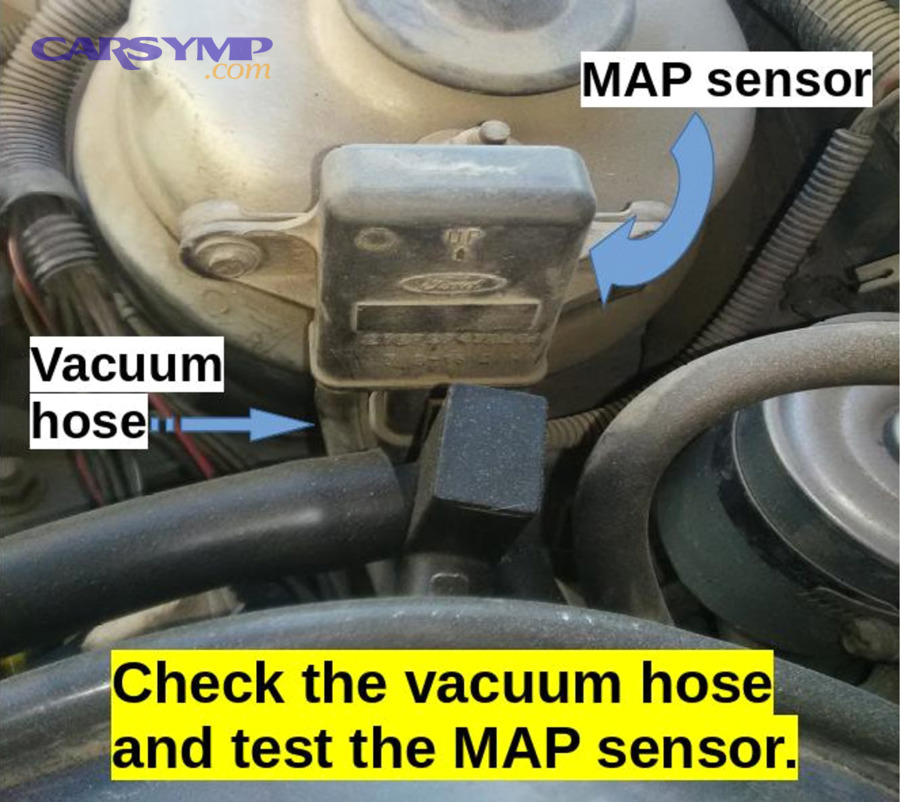
Vacuum hose inspection requires careful visual examination of all accessible rubber hoses looking for cracks, hardening, splits, or disconnections. Gentle squeezing reveals hose condition—pliable hoses remain healthy while hard or brittle hoses need replacement. Listen for hissing sounds indicating leaks, using a mechanic’s stethoscope if available to amplify faint sounds. This simple visual and auditory inspection identifies obvious vacuum leaks requiring only inexpensive hose replacement to repair.
Additional quick checks include PCV valve inspection and engine oil level verification. Stuck PCV valves create vacuum leaks or excessive crankcase pressure causing rough idle, and replacement costs only a few dollars. Low oil levels can affect variable valve timing systems and cause rough running, making dipstick checks worthwhile before more complex diagnosis. These initial checks take under 30 minutes and resolve rough idle problems in a significant percentage of cases.
When Should You Use an OBD-II Scanner for Rough Idle Diagnosis?
You should use an OBD-II scanner for rough idle diagnosis immediately as your first diagnostic step because stored trouble codes identify detected problems with specific systems or components, directing troubleshooting efforts toward the actual cause rather than guessing. Modern engine control systems continuously monitor sensor inputs, output commands, and system performance, storing diagnostic trouble codes (DTCs) whenever detected values fall outside normal parameters. These codes prove invaluable for accurate diagnosis, particularly when symptoms suggest multiple possible causes.
Generic OBD-II codes provide standardized fault identification across all vehicle makes, while manufacturer-specific codes offer more detailed information about proprietary systems. Code P0300 indicates random misfires, while P0301-P0312 specify individual cylinder misfires helping isolate which cylinders misfire and suggesting component-specific failures. Fuel system codes P0171-P0174 indicate lean conditions often from vacuum leaks or MAF sensor problems. Throttle system codes P0120-P0124 point toward TPS or electronic throttle failures affecting idle control.
Live data monitoring using advanced scanners provides real-time sensor readings and ECM commands during operation, revealing problems invisible through code reading alone. Fuel trim data for rough idle diagnosis shows how much the ECM adjusts fuel delivery attempting to maintain proper air-fuel ratios—high positive trims indicate compensation for lean conditions while negative trims show rich condition compensation. MAF sensor readings compared to calculated load values reveal sensor accuracy, while IAC position data shows whether the valve operates properly.
Freeze frame data captured when codes set provides valuable diagnostic context showing operating conditions when problems occurred. This information includes engine speed, temperature, throttle position, fuel trim, and other parameters at the exact moment the ECM detected faults. Analyzing freeze frame data helps recreate problem conditions during diagnosis and identifies patterns like “occurs only when cold” or “happens during deceleration” that narrow troubleshooting focus.
How Do You Test for Vacuum Leaks?
You test for vacuum leaks using three primary methods: visual and auditory inspection for obvious damage and hissing sounds, propane enrichment testing where introducing combustible gas near suspected leak points causes idle speed changes, and smoke testing using specialized equipment that fills the intake system with smoke revealing leak locations. These complementary approaches range from simple no-equipment inspections to professional-grade diagnostic procedures, and mechanics often employ multiple methods to confirm leak locations before repairs.
Visual inspection begins with careful examination of all vacuum hoses, intake manifold gaskets, throttle body gaskets, and brake booster connections. Look for cracked, hardened, disconnected, or damaged hoses that create obvious leak paths. Gently squeeze hoses to assess condition—soft, pliable hoses remain serviceable while hard, brittle hoses require replacement. Check hose connections at both ends ensuring they seat fully onto fittings without gaps. Remove and inspect hidden hoses behind other components since those areas trap heat and accelerate deterioration.
Propane enrichment testing involves running the engine while carefully directing propane gas from a torch (ignition off) near suspected leak areas. When propane enters a leak, it enriches the mixture causing idle speed to increase or smooth momentarily, confirming leak location. Work systematically around the intake manifold, throttle body, vacuum lines, and brake booster connections while monitoring idle response. Exercise caution since propane near hot exhaust components creates fire hazards requiring attentive safety practices.
Professional smoke testing provides the most definitive leak detection by sealing intake system openings and introducing dense smoke under slight pressure (1-2 PSI). Smoke escaping from leak points becomes immediately visible, revealing tiny cracks and gaps impossible to detect through other methods. Smoke machines cost hundreds of dollars but are available at professional shops, and many mechanics offer smoke testing as a diagnostic service. This testing proves particularly valuable for finding multiple small leaks or difficult-to-access leak locations on complex intake systems.
How Can You Prevent Rough Idle Problems?
You can prevent rough idle problems through regular maintenance including spark plug replacements every 30,000-100,000 miles depending on type, fuel system cleaning treatments every 30,000 miles, air filter replacements every 30,000 miles or sooner in dusty conditions, and vacuum hose inspections every 50,000 miles with immediate replacement when deterioration appears. Preventive maintenance costs substantially less than reactive repairs for failed components and prevents the cascading damage that occurs when rough idle conditions persist untreated. Modern vehicles require less frequent maintenance than older designs but still need scheduled service to maintain optimal performance.
Understanding specific preventive measures helps vehicle owners develop effective maintenance schedules.
What Routine Maintenance Prevents Rough Idle?
Routine maintenance that prevents rough idle includes scheduled spark plug replacement based on manufacturer intervals (typically 30,000 miles for conventional plugs, 60,000-100,000 miles for platinum or iridium plugs), fuel injector cleaning services every 30,000 miles, air filter replacement at 30,000-mile intervals or annually in dusty environments, and throttle body inspection with cleaning as needed every 50,000 miles. These services maintain optimal combustion efficiency, fuel delivery precision, and air metering accuracy that ensure smooth idle operation throughout vehicle lifespan.
Spark plug replacement represents the most critical maintenance preventing rough idle since worn or fouled plugs directly cause misfires. Replacement intervals vary dramatically by plug type—conventional copper plugs require replacement every 30,000 miles while premium iridium plugs last 100,000 miles or more. Following manufacturer recommendations prevents the gradual performance degradation that occurs as plugs approach end-of-life. Replacing plugs before complete failure prevents catalytic converter damage from unburned fuel and maintains optimal fuel economy.
Fuel system maintenance including filter replacement and periodic injector cleaning prevents the carbon buildup and flow restrictions that cause rough idle from inadequate fuel delivery. Modern gasoline contains detergents helping maintain injector cleanliness, but short-trip driving and low-quality fuel allow deposits to accumulate faster than detergents can prevent. Professional cleaning services or high-quality fuel additives every 30,000 miles remove deposits before they severely affect performance. Vehicles experiencing rough idle symptoms often show immediate improvement following injector cleaning.
Engine oil and filter changes at recommended intervals prevent crankcase sludge and varnish that contaminate PCV systems and create vacuum-related rough idle. Oil changes also provide opportunities for mechanics to inspect visible components like vacuum hoses, wiring, and gaskets during service. Many rough idle problems receive diagnosis during routine maintenance when mechanics notice deteriorated parts before they fail completely. Establishing relationships with trusted service providers encourages proactive component replacement preventing unexpected breakdowns.
How Often Should You Inspect Vacuum Hoses and Connections?
You should inspect vacuum hoses and connections every 50,000 miles or whenever performing engine maintenance that requires removing other components, because rubber hoses deteriorate gradually from heat and ozone exposure with failure rates increasing dramatically after five years in service. Regular inspection identifies deteriorating hoses before they develop leaks causing rough idle, allowing proactive replacement during scheduled service rather than emergency repairs for breakdown conditions. Vacuum hose inspection costs nothing during existing service appointments but prevents hours of diagnostic time locating leaks after they develop.
Visual inspection during oil changes or other routine service provides excellent opportunities to assess hose condition. Look for surface cracking, hardening, softening, swelling, or color changes indicating material degradation. Gently flex hoses checking for excessive stiffness or brittleness suggesting imminent failure. Pay particular attention to hoses near exhaust manifolds, turbochargers, or other heat sources where temperature extremes accelerate aging. Proactively replacing questionable hoses during inspection prevents the more extensive diagnosis required after leaks develop.
Replacement becomes necessary when hoses show any cracks, feel hard or brittle when squeezed, or demonstrate swelling indicating internal deterioration. Modern ethanol-containing fuels accelerate rubber degradation in fuel system hoses, while oil contamination from crankcase ventilation systems attacks vacuum hoses from inside. Hoses approaching ten years of age should receive replacement regardless of appearance since internal deterioration may exist without external symptoms.
Quality replacement hoses cost more than economy versions but provide superior durability and heat resistance preventing premature repeat failures. Original equipment manufacturer (OEM) hoses or premium aftermarket alternatives use materials specifically designed for automotive applications withstanding temperature extremes and chemical exposure. Cheap generic hoses often fail within months while quality hoses last decades under normal conditions. The minimal cost difference makes quality hose selection economically sensible for lasting repairs.
Can Fuel Additives Help Prevent Rough Idle?
Fuel additives can help prevent rough idle by maintaining fuel injector cleanliness through detergent action that removes carbon deposits before they restrict flow or disrupt spray patterns, though additives cannot restore severely clogged injectors requiring professional cleaning or replacement. Top-tier gasoline brands contain enhanced detergent packages providing excellent injector protection without supplemental additives, while discount fuels with minimum additive concentrations benefit from periodic additive treatment. Regular additive use every 3,000-5,000 miles prevents deposit accumulation in fuel systems helping maintain smooth idle operation.
Effective fuel injector cleaners contain polyetheramine (PEA) detergents that dissolve carbon deposits while preventing new accumulation. Products listing PEA as the primary active ingredient provide superior cleaning compared to generic additives using alcohol or light petroleum distillates that merely thin deposits temporarily without removing them. Professional-grade additives available through automotive parts suppliers deliver higher detergent concentrations than consumer products from gas stations or convenience stores.
Fuel system treatments cannot fix mechanical failures like clogged fuel filters, failing fuel pumps, or damaged injector seals requiring physical repair or replacement. Additives also prove ineffective for external injector deposits forming on pintle tips exposed to combustion chambers—these require removal and ultrasonic cleaning or replacement. Understanding additive limitations prevents frustration from attempting chemical solutions for problems requiring mechanical repairs. Additives excel at preventing deposit formation but struggle to remove heavy existing contamination.
Water removal additives containing isopropanol help prevent rough idle from water contamination in fuel tanks that causes sputtering and misfire. These products emulsify small water quantities allowing fuel systems to burn them without damage. Large water contamination requires fuel tank draining since additives cannot process significant volumes. Using quality fuel from busy stations with high turnover prevents most water contamination by ensuring fresh fuel without significant tank condensation.
What Is the Difference Between Rough Idle and Engine Misfire?
Rough idle represents a continuous engine condition characterized by vibrations and unsteady operation while stationary, whereas engine misfire describes incomplete combustion events in one or more cylinders that occur during any operating condition including idle, acceleration, and cruising speeds. Rough idle may result from misfires but also occurs from non-misfire causes like vacuum leaks, sensor problems, or fuel delivery issues affecting overall engine balance without preventing individual cylinder combustion. Misfires create specific diagnostic trouble codes (P0300-P0312) identifying cylinder-specific problems, while rough idle without misfires produces different codes related to fuel trim, airflow, or idle control.
Engine misfires feel like hesitation or stumbling particularly noticeable during acceleration when combustion demands increase and weak cylinders cannot maintain power output. The severity ranges from occasional misfires creating minor roughness to constant misfires causing severe shaking, power loss, and potential catalytic converter damage from unburned fuel. Diagnostic scanners identify specific misfiring cylinders helping mechanics target repairs to affected components rather than pursuing system-wide diagnosis.
Rough idle without misfire often results from idle-specific conditions like IAC valve problems, vacuum leaks, or throttle position errors that affect air-fuel mixture balance without preventing combustion entirely. These conditions create running roughness at idle but may disappear at higher engine speeds when greater airflow dilutes the effects of lean conditions or throttle position errors. Engine mounts vs true rough idle diagnosis becomes relevant here—broken motor mounts create vibrations mimicking combustion-related roughness but respond differently to operating condition changes and don’t trigger fuel trim codes.
Understanding this distinction helps prioritize diagnosis—misfire codes direct focus toward ignition system, fuel delivery, and compression issues specific to identified cylinders, while rough idle without misfire suggests examining idle control components, vacuum systems, and sensors. Combining symptom observation with diagnostic code analysis provides the clearest picture of which systems require testing. Professional diagnosis using multiple data sources produces faster, more accurate results than attempting sequential part replacement hoping to stumble upon solutions.
This comprehensive checklist covers all twelve primary problems causing rough idle, providing vehicle owners and technicians with systematic diagnostic approaches ensuring accurate problem identification. Regular maintenance prevents most rough idle conditions, while understanding symptoms and diagnostic procedures enables effective troubleshooting when problems occur. Whether your vehicle exhibits mild vibration or severe shaking, following these structured diagnostic steps identifies root causes and guides appropriate repairs restoring smooth, quiet idle operation.