


If you’re trying to pin down an alternator price range by vehicle, the shortest honest answer is: it depends on the vehicle’s electrical demand, alternator design, and how hard it is to access. You can still estimate a reliable range—often within a few hundred dollars—by matching your vehicle to the right segment and cost drivers.
To start, you’ll learn what “price range” actually includes (part, labor, and the line items that move the total). Next, you’ll see how vehicle class (compact, SUV, luxury, hybrid) shifts the alternator’s typical price band.
After that, we’ll connect the dots between design features (output amperage, cooling, integrated regulators, start-stop systems) and why two alternators that look similar can be priced worlds apart.
To begin, let’s anchor the estimate with what shops and estimators usually mean when they quote alternator pricing—Giới thiệu ý mới that will make the ranges below make sense.
What does an alternator price range by vehicle actually include?
An alternator price range by vehicle typically includes the alternator unit and labor, but totals can swing because estimates may or may not include diagnostic steps, taxes, shop fees, and related parts needed for a proper installation. Next, we’ll break down each component so you can read quotes correctly.
Theo nghiên cứu của RepairPal từ Fair Price Estimator, vào 10/2025, chi phí thay alternator trung bình nằm trong khoảng $744–$1,034, với phần parts thường chiếm tỷ trọng lớn hơn labor.
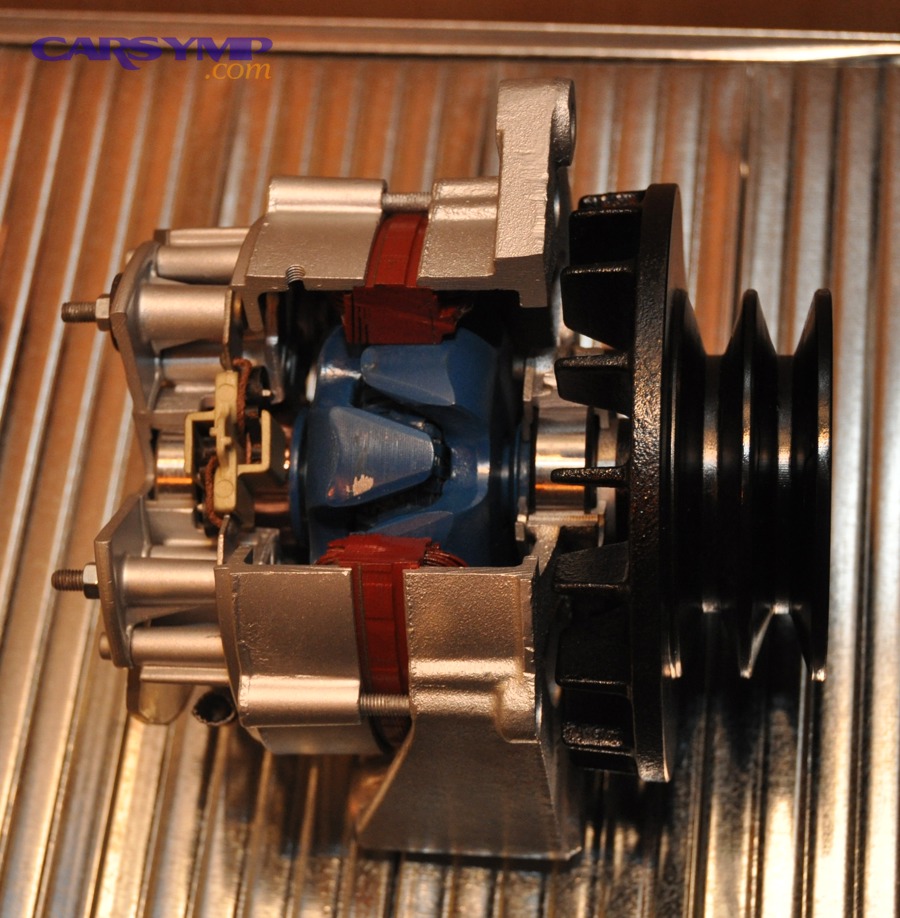
1) Part price (the alternator itself) is the single biggest driver in many vehicles. You’ll see quotes using terms like “new,” “remanufactured,” or “OEM-equivalent.” The part price can vary by output rating (amps), brand, whether the regulator is built-in, and whether the alternator is cooled or packaged in a tight space.
2) Labor cost depends on access: where the alternator sits (top-front vs buried behind accessories), whether the serpentine belt path is simple, and how many components must be moved to reach mounting bolts and connectors. The same repair can be “easy” on one engine layout and “book time” on another.
3) Included vs excluded lines are where two estimates for the “same job” diverge. Some shops include a charging-system test; others charge a diagnostic fee first. Some include a battery test (important), while others assume the battery is good. Some include shop supplies, while others list them separately.
4) Risk buffer is real: if access is uncertain until the vehicle is on a lift, a shop may quote a range (low-high) rather than a single number. That range is not automatically a red flag; it can reflect legitimate variability in real-world conditions such as corrosion, seized fasteners, or brittle connectors.
After you know what the total includes, the next step is understanding why your vehicle class is the fastest shortcut to a realistic price band.
How do parts prices shift from economy cars to luxury and heavy-duty trucks?
Yes—vehicle class strongly predicts the alternator price range by vehicle, because electrical loads and packaging differ: economy cars usually use simpler, lower-output units, while luxury, trucks, and performance vehicles often need higher-output or specialized alternators. Next, we’ll map the common segments and what changes inside the quote.
Theo nghiên cứu của NAPA Auto Parts từ online alternator catalog price filters, vào 2025, dải giá alternator bán lẻ trải rộng từ dưới $100 đến $400+, với số lượng sản phẩm tập trung lớn ở các dải $100–$300 và một phần đáng kể ở $400+ cho các ứng dụng đặc thù.
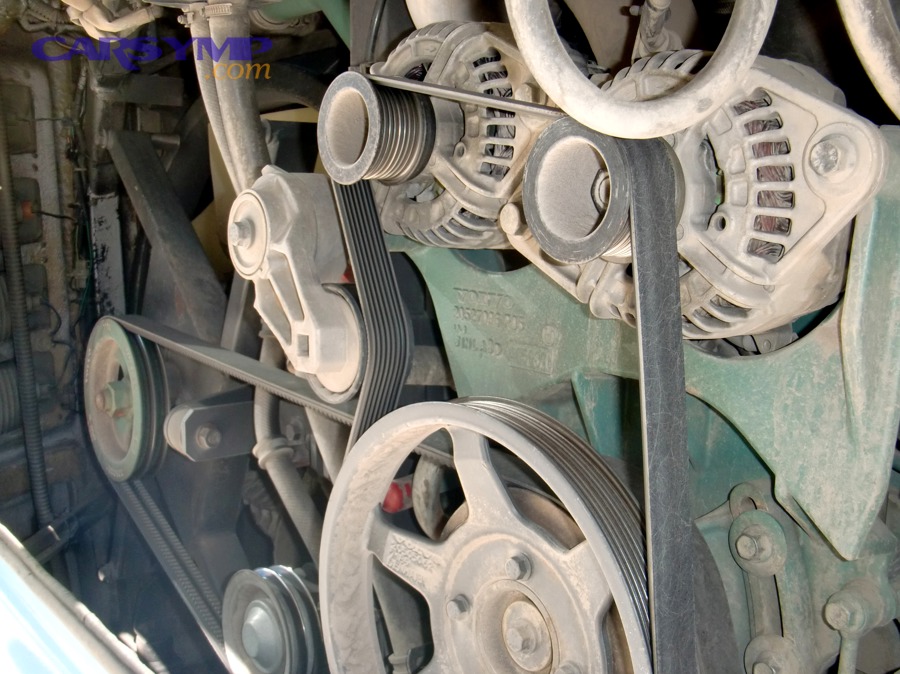
Economy/older compact vehicles often use alternators with modest output and fewer packaging constraints. In this segment, the part is commonly available in both remanufactured and new aftermarket options, which keeps the price band relatively controlled. The labor can also be straightforward when the alternator sits high and front-facing.
Mainstream sedans and crossovers usually add more electrical demand (bigger infotainment, more modules, more sensors) and tighter packaging. Even if the alternator remains belt-driven and “normal,” the unit may cost more due to higher output, revised brackets, and model-specific connectors. You’ll also see more variation by engine choice (base engine vs turbo vs hybrid variant).
Pickup trucks and body-on-frame SUVs may push alternator output higher because they’re expected to support towing accessories, larger cooling fans, off-road lighting, and heavier-duty charging needs. Many trucks also offer multiple alternator options (standard vs high-output), which is why “the alternator” isn’t always a single part number.
Luxury and European vehicles tend to have higher part costs due to brand-specific components, limited aftermarket competition, and more complex packaging. Even when labor hours are similar, the parts price can widen the final range dramatically.
Hybrids and advanced start-stop systems can redefine the conversation: some vehicles use integrated starter-generator designs or specialized charging units that cost far more than a traditional alternator. This is where the price band can jump into four figures for the part alone, and labor can also rise due to access, safety steps, or system procedures.
So, segment tells you the “ballpark.” Next, let’s see the specific design and electrical attributes that push an alternator from “typical” into “premium.”
Which alternator designs and electrical loads push the part cost upward?
The alternator’s price climbs when it must deliver more output, survive more heat, or integrate more electronics—features that are common in modern vehicles with heavy electrical loads. Next, we’ll group the design factors you can recognize even without being a technician.
Theo nghiên cứu của Kelley Blue Book (KBB) từ Service & Repair Guide, vào 2025, chi phí thay alternator “average” thường nằm quanh $747–$842, nhưng có thể tăng cao đáng kể khi xe dùng alternator thiết kế đặc thù hoặc yêu cầu output cao.
1) Output amperage (and duty cycle): Higher-amp alternators aren’t just “bigger.” They use heavier windings, more robust rectifiers, and stronger thermal management. Vehicles with heated seats, heated steering, large audio amplifiers, and advanced driver assistance often need stable charging under high load—especially at idle.
2) Cooling strategy: A conventional alternator relies on airflow, but some applications are more heat-stressed. If the alternator sits near hot components or inside tight engine bays, manufacturers may use higher-grade bearings, improved internal cooling paths, or more durable insulation. These choices raise the part cost.
3) Integrated electronics: Many alternators contain the voltage regulator and communicate with the vehicle’s control modules. Smarter charging strategies (for fuel economy, emissions, or start-stop behavior) increase system complexity. Even if the alternator bolts in the same way, the electronics and compatibility can make it more expensive.
4) Application scarcity: When a specific vehicle/engine combo uses a less common alternator, the aftermarket may offer fewer alternatives. Less competition can raise prices, and availability can push you toward premium brands or OEM options.
5) Start-stop and electrification influence: Some start-stop systems place unique stress on the charging system or use components that are not “traditional alternators.” If your vehicle uses an integrated system, the “alternator” may be a more advanced unit, and price ranges should be evaluated under that correct category.
Now that we’ve covered why the part itself can be expensive, we need to address the other half of the estimate: why labor can vary wildly from one vehicle to another.
Why does labor vary so much for the same alternator on different vehicles?
Labor varies because alternator access is a packaging problem: the job might be a quick swap in an open engine bay, or it might require removing shields, hoses, brackets, or other accessories first. Next, we’ll translate “access” into practical time drivers you can ask about.
Theo nghiên cứu của AAA từ Auto Repair labor rate analysis, vào 11/2025, đơn giá labor theo giờ có thể dao động từ dưới $100 đến trên $200 tùy khu vực và loại cơ sở sửa chữa, khiến cùng một số giờ công tạo ra tổng chi phí rất khác nhau.
Access level is the biggest determinant. If the alternator is mounted high and front, a technician can often remove the belt tension, unbolt the unit, disconnect wiring, and install the replacement with minimal disassembly. But if the alternator is low, behind the engine mount, or squeezed near the frame, labor time rises because the job becomes an “unstacking” sequence: remove one part to reach the next.
Fastener condition matters more than many drivers expect. Corrosion, heat cycling, and older hardware can turn “remove bolt” into “extract bolt.” Shops often account for this risk with ranges or additional labor if complications appear.
Electrical checks are not optional when done correctly. A good installation involves verifying charging voltage under load, checking belt alignment, and ensuring the battery and cables aren’t the actual root cause. That testing can be included or separate depending on how a shop writes estimates.
Vehicle-specific procedures can add time: splash shields, undertrays, wheel-well access, or removal of intake components. On certain vehicles, it’s normal to reach the alternator from below, which means lift time and additional panel removal.
Labor market and shop type also move the number. Even if the hours are identical, a region with higher labor rates will produce a higher total. That’s why two people with the same vehicle can see dramatically different totals.
With labor variability understood, we’re ready to turn vehicle segments into real-world price bands you can use for budgeting and negotiation.
What are practical alternator price bands by vehicle segment?
There are clear, practical alternator price range by vehicle bands by segment, and you can estimate yours by matching your vehicle type and powertrain to typical part and labor ranges. Next, we’ll summarize these bands in a table you can screenshot and use as a reference.
Theo nghiên cứu của RepairPal từ repair cost estimator dataset, vào 10/2025, tổng chi phí thay alternator thường rơi vào vùng $744–$1,034 cho “average vehicle,” nhưng từng model có thể thấp hơn hoặc cao hơn đáng kể.
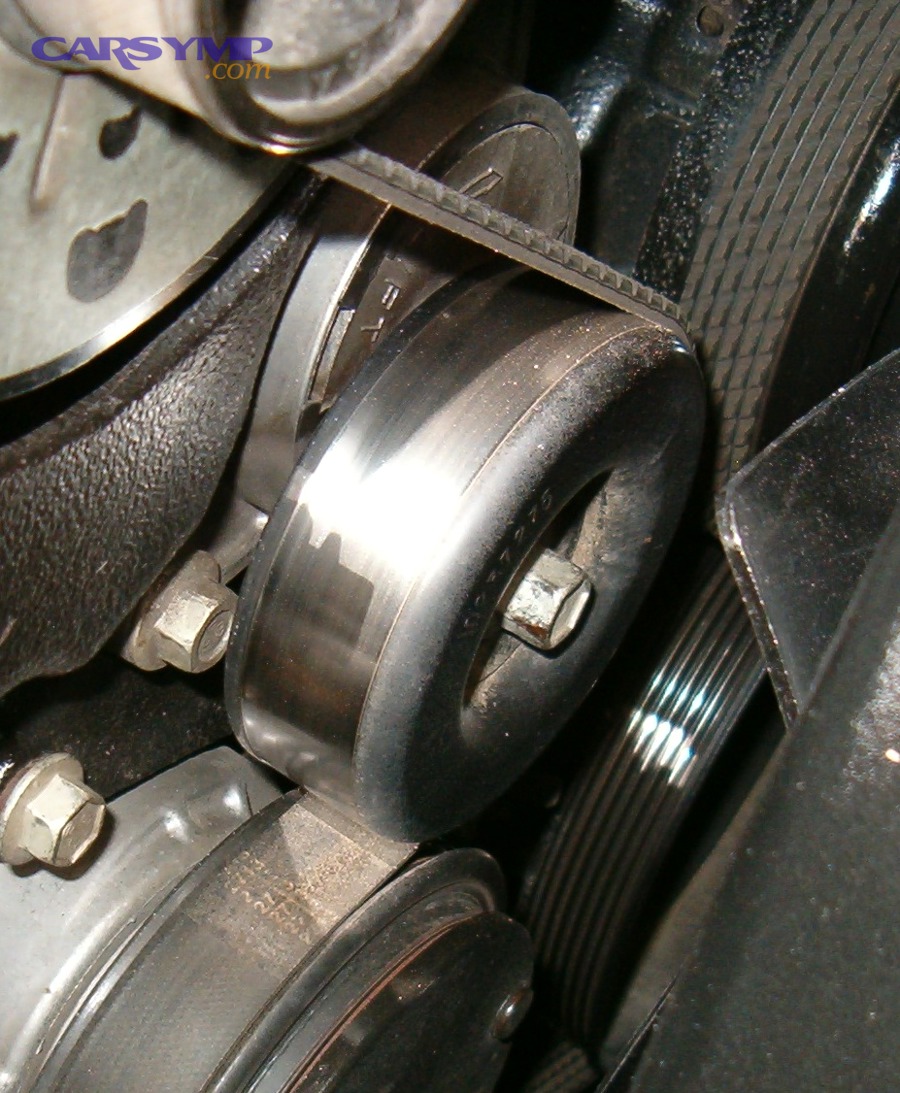
Below is a quick reference table showing typical parts and installed totals by vehicle segment. This table helps you estimate whether a quote is in the expected band before you decide on parts choice or shop choice.
| Vehicle segment (typical use case) | Typical alternator part price (USD) | Typical labor time (hours) | Typical installed total (USD) |
|---|---|---|---|
| Older economy compact (simple electrical load) | $150–$350 | 0.7–1.5 | $400–$800 |
| Mainstream sedan / small crossover (modern electronics) | $250–$600 | 1.0–2.5 | $550–$1,000 |
| Midsize SUV / pickup (higher output options) | $300–$750 | 1.5–3.5 | $650–$1,200 |
| Luxury / European (specialized parts, tighter packaging) | $450–$1,200+ | 2.0–5.0 | $900–$2,000+ |
| Hybrid / advanced start-stop (special charging architecture) | $600–$2,000+ | 2.0–6.0 | $1,200–$3,500+ |
| Heavy-duty diesel / commercial-grade (high-load durability) | $500–$1,500+ | 2.0–6.0 | $1,000–$2,800+ |
How to use these bands: If your quote is outside your segment’s typical range, don’t assume it’s wrong—ask what pushed it up: a high-output alternator option, unusual access, additional testing, or required related parts. Conversely, if a quote is far below the band, verify what is excluded (testing, warranty, fees, or proper belt/tension checks).
Why the “installed total” range is wide: the same 2.0 labor hours can produce very different totals depending on local labor rate. Also, parts choice (new vs remanufactured) can change the part line by hundreds of dollars before labor is even added.
With these segment bands in mind, the next step is learning a quick method to estimate your own number in minutes—before you even call a shop.
How can you estimate your alternator number in minutes before you call a shop?
You can estimate your alternator price range by vehicle fast by combining your segment band, your vehicle’s alternator type (standard vs high-output vs advanced system), and an access guess based on where the alternator sits. Next, we’ll walk through a five-step method that produces a confident budget range.
Theo nghiên cứu của U.S. Bureau of Labor Statistics từ Occupational Outlook Handbook, vào 09/2025, mức thu nhập trung vị của kỹ thuật viên sửa chữa ô tô phản ánh chi phí nhân công chuyên môn và là nền tảng khiến labor trở thành phần quan trọng trong tổng chi phí sửa chữa.
- Identify your segment (compact, sedan/crossover, truck/SUV, luxury, hybrid/advanced start-stop). Use the table above to set a baseline installed range.
- Confirm alternator type: standard output vs high-output option. Clues: heavy accessory loads (aftermarket audio, winch, extra lighting), factory towing package, or vehicle variants that list multiple alternator outputs.
- Estimate access difficulty:
- Easy: alternator visible from top-front, belt path accessible, minimal shields.
- Moderate: alternator partially buried, requires undertray or wheel-well access.
- Hard: alternator low/back, near mounts, requires moving multiple components.
- Add an allowance for testing and quality install: budget a small extra margin for charging-system verification under load. This is where you catch a weak battery or cable issue that can ruin a new alternator prematurely.
- Set your “low-high” budget: choose the lower end if access is easy and your segment is simple; choose the higher end if access is hard, parts are specialized, or your vehicle is luxury/hybrid.
To make this even easier, here’s a quick video walkthrough showing what alternator replacement generally involves so you can better judge access and complexity before you get quotes.
Once you have your baseline, you’re ready to compare quotes with confidence. However, there’s one more piece that often surprises drivers: the “extra” lines that appear around the main part-and-labor total—Giới thiệu ý mới we’ll cross the contextual border and focus on those add-ons next.
What other charges commonly appear on alternator quotes?
Additional charges appear because shops price the whole repair outcome, not just swapping parts—common line items include diagnostics, core charges, belt-drive components, and electrical system support. Next, we’ll list the most frequent add-ons and when they’re justified.
Theo nghiên cứu của RepairPal từ vehicle-specific estimator notes, vào 2025, nhiều khoảng giá “does not include taxes and fees” và cũng có thể phát sinh “related repairs” tùy tình trạng xe, khiến tổng thực trả khác với con số cơ bản.
Core charges, taxes, and shop fees: why the out-the-door total is higher
Core charges are common when using remanufactured parts: you pay a deposit that’s refunded when the old alternator is returned. Taxes and small shop fees (supplies, disposal) can add meaningful dollars, especially in higher-cost regions. Next, we’ll connect this to how you compare quotes fairly.
Practical tip: when comparing two quotes, compare out-the-door totals and ask whether core is included, refundable, or separate. A quote that looks cheaper may simply be excluding the core or shop fees.
Charging-system testing: when diagnostics protect your new alternator
Testing is often justified because alternator failures can be symptoms, not the only problem—weak batteries, poor grounds, or corroded cables can overload a new alternator and shorten its life. Next, we’ll show what “good testing” looks like.
Good practice includes checking charging voltage at idle and under load, verifying battery condition, and ensuring belt drive is stable. This is also where a shop can confirm that warning lights or low-voltage events were truly caused by alternator output rather than a wiring issue.
Belt drive components: why a tensioner or belt can appear on the same estimate
Belt-drive parts show up because an alternator can’t charge reliably if the belt slips—worn belts and weak tensioners can mimic alternator problems or trigger repeat failures. Next, we’ll explain when replacing them together makes financial sense.
This is also where Hidden costs and common upsells can be either legitimate or unnecessary: a cracked belt or noisy tensioner is a real risk, while replacing a perfectly healthy component “because we’re already there” may not be warranted unless access overlap is strong and you want preventive maintenance. If the belt and tensioner are due soon and access is shared, bundling can reduce duplicated labor later.
Parts choice and warranty coverage: how pricing changes beyond the alternator unit
Parts choice changes your total because warranties and quality tiers differ—some drivers prioritize lowest upfront cost, while others want stronger warranty terms to reduce repeat labor risk. Next, we’ll tie this to the overall alternator replacement cost you see on estimates.
In many quotes, the alternator line is the largest single item, but warranty length, brand reputation, and shop policy can justify a higher part price. This matters because labor is paid again if the part fails early.
Also, it’s common for estimates to reference alternator replacement cost as a bundled number; when you see that phrase, ask what is included (testing, belt-drive checks, and warranty) so you can compare apples to apples. Similarly, if you’re considering DIY alternator replacement cost, include tool needs, core handling, and the value of proper post-install testing in your calculation.
FAQ about alternator price ranges
These quick answers address the most common “is this normal?” questions drivers ask when comparing an alternator price range by vehicle across quotes. Next, we’ll keep each answer practical so you can act on it immediately.
Theo nghiên cứu của RepairPal từ vehicle-specific alternator estimates, vào 2025, cùng một hạng mục thay alternator có thể chênh lệch đáng kể giữa các model và khu vực, nên cách đặt câu hỏi đúng thường quan trọng không kém con số.
Does higher amperage always mean a higher alternator price?
Not always, but it often correlates: higher output usually requires more robust internals and heat management, which raises cost—yet availability and competition can sometimes keep a high-output unit affordable. Next, confirm your vehicle’s exact alternator option to avoid pricing the wrong part.
Is remanufactured a “safe” way to lower the total?
Yes in many vehicles, especially common models, but quality varies by rebuilder and warranty terms; the smartest move is choosing a reputable brand with a meaningful warranty and ensuring the shop tests the charging system. Next, weigh the savings against the risk of paying labor twice.
Why do two shops quote different labor hours for the same vehicle?
They may be using different labor guides, different access assumptions, or including different procedures (like testing, undertray removal, or corrosion risk). Next, ask each shop what steps are included so the comparison is fair.
Can a weak battery inflate alternator pricing?
Yes—if the battery is weak, a shop may recommend replacing it because a failing battery can overload the alternator and cause repeat issues. Next, request a battery test result (not just an opinion) so you can decide confidently.
How do I know if my quote is missing something important?
If the quote has no mention of charging verification, belt-drive inspection, or warranty details, it may be incomplete. Next, ask for the out-the-door total including fees, and confirm whether core charges apply for the chosen part.
Tóm lại, the best way to interpret an alternator price range by vehicle is to match your vehicle segment, identify alternator type and access difficulty, and then check which “extra” lines are included. When you do that, most quotes become easy to judge—and you’ll avoid paying for the wrong part or paying labor twice.