


Warranty terms are the written rules that decide whether a repair is paid for by the warranty provider or paid out-of-pocket by you. In plain language, they define what’s covered, what’s not, and the exact conditions you must meet to get approved.
Many car owners also want to know how warranty wording affects real-life repair decisions—like choosing a shop, documenting maintenance, and preventing claim denials. That is why understanding limits, exclusions, and proof requirements matters as much as the coverage list.
Another common intent is comparison: factory warranty vs extended warranty vs service contract, and how each handles deductibles, pre-authorization, and who pays the shop. Those details often change the total cost and the timeline of a repair.
Giới thiệu ý mới: below you’ll get a step-by-step way to read warranty language, map it to common repair scenarios, and avoid the most frequent “surprise not-covered” outcomes.
What do “warranty terms” mean, and what do they actually control?
Warranty terms are the legally binding definitions, limits, and procedures that determine eligibility for payment on a repair claim, including coverage scope, exclusions, time/mileage limits, and the steps you must follow before work begins. Next, we’ll translate the key clauses into everyday decisions.

Definition: warranty, coverage, and the promise being made
A warranty is a promise of remedy—repair, replacement, or refund—if a covered component fails under stated conditions. Specifically, “coverage” is the list of parts/systems eligible for remedy, while “terms” are the rules that decide whether your situation qualifies. To keep flow, the next step is identifying what type of warranty you’re reading.
Why the same repair can be approved for one driver and denied for another
Two owners can have the same broken part but different outcomes because warranty terms often hinge on causation (why it failed), maintenance proof (records), and procedure (pre-authorization, inspection). For example, a covered part may be denied if failure is attributed to neglect, contamination, overheating, or a related non-covered part. To understand that logic, you must learn the warranty’s structure and vocabulary.
Core vocabulary that changes everything
Most warranties repeat a small set of control words: covered part, failure, wear item, exclusion, limit of liability, deductible, consequential damage, and pre-existing condition. In practice, these words act like switches: they turn coverage on or off. Next, we’ll break coverage into clear categories so you can recognize what your contract is really offering.
The U.S. Federal Trade Commission’s guidance on written warranties and consumer protections under the Magnuson-Moss Warranty Act emphasizes that warranty terms should be available for consumers to read and compare before purchase, because details vary widely across products and providers.
What does a warranty usually cover: parts, labor, and specific systems?
Most automotive warranties cover defects in materials or workmanship for defined systems and parts, and they may also pay a defined portion of labor when a covered failure is confirmed. To connect the dots, you should group coverage by system type and by “parts vs labor” rules.
Grouping: three common coverage “tiers” you’ll see
There are three common coverage tiers: bumper-to-bumper (broad, with notable exclusions), powertrain (engine/transmission/drivetrain focus), and stated-component plans (only listed parts). Next, we’ll map each tier to typical “yes/no” outcomes.
Bumper-to-bumper coverage: broad but not everything
This tier often covers many electrical, electronic, HVAC, interior, and convenience components—yet still excludes wear items and damage from misuse. Its value is high during early ownership because defect-related failures can be expensive and unpredictable. However, the practical limit is the exclusions list, which you must read as carefully as the covered list. Next, we’ll explain powertrain coverage, which is narrower but often longer.
Powertrain coverage: narrower systems, often longer duration
Powertrain warranties typically focus on internally lubricated engine components, transmission internals, and drive axles. They often run longer than broad coverage because catastrophic mechanical failures are rarer early on, while wear items are excluded anyway. Still, the key is whether the failed component is explicitly listed and whether secondary damage is included. Next, we’ll cover stated-component plans, where wording becomes especially important.
Stated-component plans: “if it’s not listed, it’s not covered”
Stated-component warranties (often used in extended warranty/service contract products) cover only what is written in the component list. If the alternator, starter, or specific sensors are not listed, you should assume they are excluded. This is where reading “definitions” and “what we will pay” becomes crucial, because the plan may cap labor rates, exclude diagnostic time, or require pre-approval. Next, we’ll isolate labor and diagnostic clauses because they drive the real bill.
What is typically NOT covered: exclusions, wear items, and “secondary damage”?
Most warranties exclude maintenance items, wear-and-tear parts, cosmetic issues, and failures caused by neglect, misuse, modifications, or environmental damage. To keep the flow, we’ll turn the exclusions list into a checklist you can apply to any repair quote.
Wear items: the most common reason for denial
Brake pads/rotors, wiper blades, tires, clutches, belts, hoses, filters, fluids, bulbs, and many batteries are often treated as wear items. Even if a plan is “broad,” it usually excludes these because they are expected to be replaced routinely. To avoid surprises, verify whether the warranty defines “wear item” and whether it includes any exceptions (for example, a covered part damaging an excluded wear item). Next, we’ll address the tricky topic of causation.
Exclusions tied to cause: neglect, overheating, contamination, or improper repair
Many terms say coverage applies only to failures not caused by neglect or external events. That means the same broken component can be denied if the provider claims it failed due to low oil, coolant loss, sludge, overheating, incorrect fluid, water intrusion, or improper installation. The practical defense is documentation: maintenance records, photos, and a clear timeline. Next, we’ll clarify “consequential” and “secondary” damage because it’s a frequent gray area.
Consequential damage: what it is and why it matters
Consequential (secondary) damage is the additional damage that happens because the original part failed. Some warranties cover only the failed part; others cover secondary damage if it was directly caused by a covered failure. This clause matters most for engine/transmission failures where one broken component can damage others. Next, we’ll translate limit clauses—because even “covered” doesn’t always mean “fully paid.”
According to a July 2020 consumer research report by the Federal Trade Commission (Bureau of Consumer Protection) based on in-depth interviews about vehicle buying experiences, confusing add-ons and disclosure gaps can contribute to consumers not fully understanding what they purchased.
How do time, mileage, deductibles, and payout caps work in real claims?
Warranty limits usually work as a layered system: you must be within the time window and mileage cap, then meet deductible and payment limit rules that can still reduce reimbursement even when the repair is approved. Next, we’ll break each limit into simple “if/then” checks.
Time and mileage: the two gates you must pass first
Most warranties require both conditions to be met: for example, “X years or Y miles, whichever comes first.” That means a high-mileage driver can “age out” early by miles, while a low-mileage driver can “time out” even with few miles. The smart move is to treat the earlier of the two as your real deadline. Next, we’ll handle deductibles, which shift the bill even on approved claims.
Deductibles: per-visit vs per-repair-event
A deductible can be per repair visit, per claim, or per covered component. If it’s per visit, bundling covered repairs in one visit may reduce total deductibles. If it’s per component, multiple failures can multiply your out-of-pocket cost. To keep the flow, the next thing to check is whether diagnosis is reimbursed or excluded.
Labor rate caps and “reasonable and customary” charges
Many plans cap labor reimbursement at a stated hourly rate or at “reasonable and customary” amounts for your area. If your shop’s rate is higher than the plan’s cap, you pay the difference. This becomes decisive when comparing dealership labor rates to independent shops. Next, we’ll review payout caps, which can quietly limit coverage on older vehicles.
Limits of liability: when the plan won’t pay beyond a ceiling
Some contracts cap total payout to the vehicle’s value, the purchase price of the plan, or a specific maximum per repair. These caps matter for major drivetrain work or repeated claims. To avoid surprises, locate the “What we will pay” and “Limits of liability” sections and read them before authorizing work. Next, we’ll cover the maintenance and proof requirements that keep coverage valid.
What must you do to keep coverage valid: maintenance, records, and proper use?
Keeping a warranty valid usually requires following the maintenance schedule, using correct fluids/parts, and retaining proof that maintenance was completed on time. Next, we’ll turn that into a simple record-keeping system you can maintain in minutes.
Maintenance schedule compliance: what “on time” really means
Many terms don’t require dealer service, but they do require service at intervals consistent with the manufacturer’s schedule. “On time” can mean mileage-based, time-based, or both. If you miss an oil change interval by a large margin, a provider may argue neglect. Next, we’ll talk about records—because “I did it” often isn’t enough without proof.
Records that prevent denial: what to keep and how long
Keep receipts showing date, mileage, services performed, and products used (oil grade, filters, coolant). If you DIY, keep parts receipts and a simple log with photos of the odometer and the work. A folder (digital or paper) that pairs each service receipt with date/mileage can be enough to counter “lack of maintenance” accusations. Next, we’ll address modifications and aftermarket parts.
Modifications, tuning, and aftermarket parts: the risk zones
Many warranties exclude failures linked to performance tuning, non-approved modifications, or improper aftermarket installations. Even when a modified part isn’t the one that failed, providers may argue the modification contributed. If you install aftermarket components, document compatibility and professional installation where possible. Next, we’ll move from “staying eligible” to “getting paid” by learning claim procedures.
How do you file a claim: diagnosis, pre-authorization, and payment flow?
Most warranty claims follow a predictable flow: confirm the failure, contact the administrator, get authorization, then repair and document so reimbursement or direct payment can happen. Next, we’ll outline each step to reduce delays and denials.
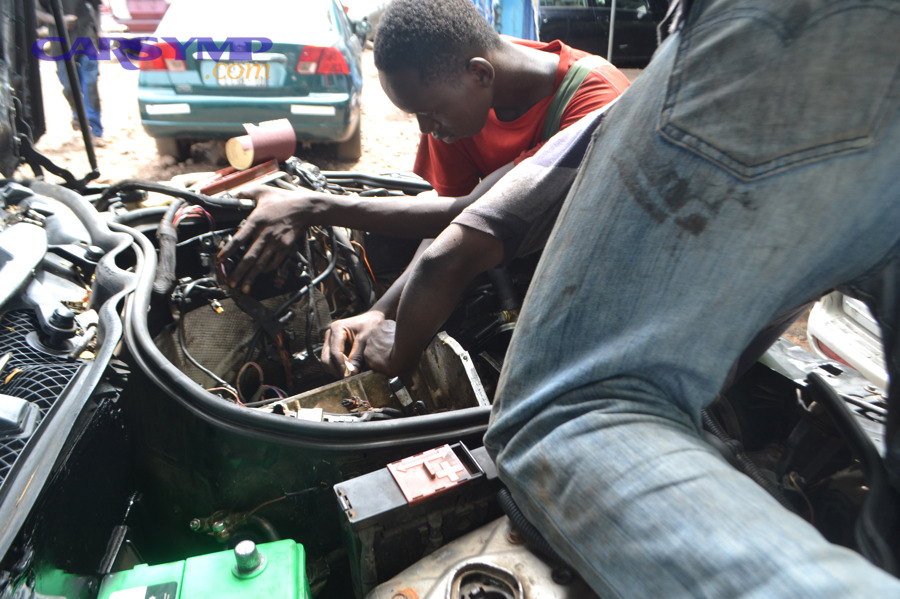
Step 1: get a clear diagnosis that matches contract language
A useful diagnosis does more than name a symptom; it identifies the failed component and why it failed. Ask the shop for a written estimate that lists part names in standard terms (for example, “alternator assembly” vs vague wording). This matters because coverage is often list-based. Next, we’ll cover pre-authorization, which is a common “gotcha.”
Step 2: pre-authorization and inspections
Many plans require authorization before teardown or repair. Some may send an inspector or request photos. If you authorize repair before approval, you risk full denial even if the part would have been covered. The practical rule: call first, then approve. Next, we’ll explain how payment usually works and what you may still owe.
Step 3: direct pay vs reimbursement
Some administrators pay the shop directly; others reimburse you after you pay. Even with direct pay, you may owe the deductible, taxes, shop supplies, towing, fluids, or labor-rate differences. This is where understanding “covered labor” and “non-covered charges” protects your budget. Next, we’ll link this process to a concrete alternator example and the hidden cost triggers that warranties often exclude.
In a July 2024 enforcement-related report, Reuters described how some extended-warranty advertising can create confusion about what is covered, underscoring why consumers should verify written terms and authorization rules before paying for repairs.
What do “repair warranty” terms cover at the shop level: parts warranty vs labor warranty?
Shop-level repair warranties typically cover the part (replacement if defective) and may also cover labor for rework, but they often exclude unrelated diagnostics, additional damage, and customer-supplied parts. Next, we’ll separate manufacturer warranty, extended coverage, and shop workmanship warranty so you know which one applies.
Three warranties can overlap on one repair
The same repair can involve (1) manufacturer warranty (vehicle warranty), (2) service contract/extended coverage (third-party or dealer), and (3) shop workmanship warranty. Each has different claim rules and proof requirements. To keep the flow, always ask: “Which warranty is paying this job, and who authorizes it?” Next, we’ll clarify parts vs labor coverage in the alternator scenario.
Alternator example: what usually is covered and what isn’t
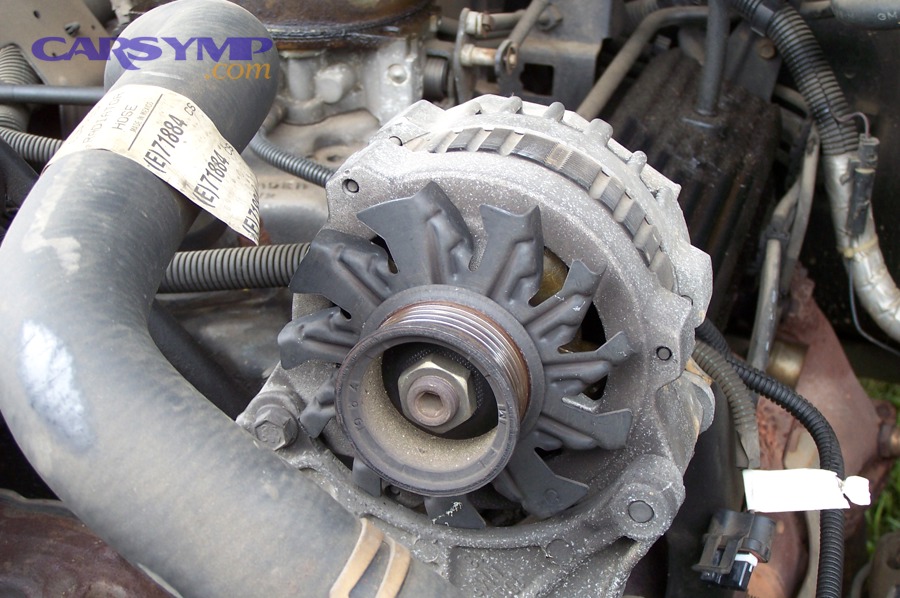
When an alternator fails, the covered item may be the alternator assembly—if listed and if failure isn’t attributed to contamination or installation issues. However, many plans exclude incidentals like battery replacement unless specifically listed, and they may limit towing or diagnostic labor. This is also where customers confuse pricing elements: alternator replacement cost can include the unit, labor, taxes, shop supplies, and sometimes belt/tensioner work that is not automatically included.
Hidden cost triggers: diagnostics and related parts
Even with approval, you can still be billed for items the contract labels “non-covered charges.” A common friction point is Diagnosis fee vs replacement cost: the provider may pay the repair but not the time spent confirming the failure, especially if the contract excludes diagnostic time unless a covered failure is verified. Another friction point is when the shop recommends related maintenance “while you’re in there,” which can be smart mechanically but not covered.
DIY and customer-supplied parts: how coverage can collapse
DIY alternator replacement cost can look attractive, but many warranties refuse to cover failures tied to improper installation or customer-supplied parts. Even shop warranties may exclude labor warranty if you supply the part. If you want warranty protection, confirm whether the plan requires licensed repair facilities, and whether receipts and serial numbers must be provided. Next, we’ll compare where you repair—dealer vs independent—because it affects approval speed and out-of-pocket cost.
Dealer vs independent: how repair location affects warranty approval and total cost
Dealer service can be faster for manufacturer warranty claims, while independent shops can be cost-effective for older vehicles and some service contracts, but each option interacts differently with labor-rate caps, authorization steps, and documentation. Next, we’ll compare them by the criteria that most often changes your final bill.
Approval friction: who the warranty provider trusts and how fast
Manufacturer warranty work is typically streamlined at the dealership because the dealer is inside the OEM system. For third-party service contracts, either shop type can work, but the administrator may require more back-and-forth with independents (photos, invoices, verification). The trade-off is time vs flexibility. Next, we’ll analyze labor rates and caps, a common surprise.
Labor rate caps and the real difference in the final invoice
If your plan caps the reimbursable labor rate, a high dealer rate can create a larger “you pay the difference” gap. In that sense, Dealer vs independent alternator pricing can become more than a shop preference: it becomes a contract math problem where rate caps and deductible structure matter as much as the part itself. Next, we’ll cover parts sourcing and warranty alignment.
OEM vs aftermarket vs reman: what the warranty allows
Some plans require OEM parts; others allow aftermarket or remanufactured units. If the contract is strict, using the wrong part type can trigger denial. Independents may offer more options, but you must confirm compatibility with the warranty’s parts policy. Next, we’ll establish a “contextual border” and then explore advanced clauses that fewer people read but often decide disputes.
Contextual border: how advanced clauses decide the hardest warranty disputes
Beyond basic coverage and exclusions, advanced clauses—transferability, pre-existing conditions, dispute resolution, and cancellation rules—often decide the most stressful claims. Next, we’ll focus on these rare-but-high-impact terms so you can spot risk before you sign.
Transferability: can the warranty move to a new owner?
Some warranties transfer automatically, others require a fee, a time window, and paperwork. Transferability affects resale value and can be a deciding factor when comparing plans. If you plan to sell the car, confirm whether the buyer must submit a transfer form and whether coverage changes after transfer. Next, we’ll handle “pre-existing condition,” which is often used to deny claims early in the contract.
Pre-existing conditions and waiting periods
Many service contracts exclude failures that existed before purchase, and some include waiting periods before coverage begins. That means noises, warning lights, or intermittent charging issues documented before the contract date can become denial evidence. To protect yourself, get a pre-purchase inspection and keep the report. Next, we’ll cover dispute resolution and what to do when you disagree.
Dispute resolution: escalation steps that actually work
Most contracts provide an escalation path: re-inspection, supervisor review, third-party review, arbitration, or small claims (depending on the agreement and jurisdiction). The most practical approach is to build a clean evidence package: maintenance records, failure diagnosis, photos, and written communication timelines. Next, we’ll finish with cancellation and refunds, which matter if you sell the vehicle or lose confidence in the plan.
Cancellation and refunds: when you can exit and what you get back
Many contracts allow cancellation with a refund that is prorated by time, mileage, or claims paid, and some have administrative fees. If you sell the car, the best move is to decide whether to transfer or cancel, then complete the paperwork immediately. Now that you understand the high-impact clauses, a compact comparison table can help you review plans faster.
This table summarizes common warranty categories and what they typically cover so you can compare plans quickly without missing the exclusions and limits that change outcomes.
| Warranty Type | Typical Coverage Focus | Common Limit/Exclusion Triggers | Best Fit |
|---|---|---|---|
| Manufacturer (New Vehicle) | Defects in materials/workmanship; broad early coverage | Wear items, misuse, modifications, missed maintenance | New owners; predictable protection early |
| Powertrain Warranty | Engine/transmission/drivetrain internals | Overheating, oil sludge, excluded secondary damage | Owners keeping vehicles longer |
| Service Contract (Extended) | Stated components; sometimes “exclusionary” wording | Pre-authorization, labor rate caps, waiting periods | Used cars; owners wanting budgeting stability |
| Shop Workmanship Warranty | Labor rework + part replacement if defective | Customer-supplied parts, unrelated failures, abuse | Any repair; short-term workmanship assurance |
FAQ: Warranty terms and what they cover
These quick answers target the most frequent misunderstandings that lead to denied claims or unexpected out-of-pocket charges. Next, use them as a final checklist before you authorize repairs.
Does “covered” mean the warranty pays the entire bill?
No. A claim can be approved but still leave you paying deductibles, taxes, fluids, shop supplies, towing, diagnosis, and labor-rate differences if the plan caps reimbursement. The safest approach is to request a written “out-of-pocket estimate” that lists what the warranty will pay versus what you pay.
Can I use any repair shop for a warranty claim?
Sometimes yes, sometimes no. Manufacturer warranty work is typically performed at authorized dealers, while many service contracts allow licensed repair facilities but require pre-authorization and documentation. Always confirm the plan’s repair facility requirements before leaving the car for teardown.
Will missing one maintenance service void my warranty?
Not always automatically, but it can create a denial if the provider argues the missed service contributed to the failure. The practical protection is consistent record-keeping and timely maintenance, especially for oil changes and cooling system service.
What should I do if the warranty denies my claim?
Ask for the denial in writing with the exact contract clause cited, request the inspection findings or evidence used, and escalate through the contract’s dispute process. A well-organized evidence packet—maintenance records, diagnosis notes, photos, and dates—often changes outcomes on review.
Are extended warranties and service contracts the same thing?
They are often marketed similarly, but they can be structured differently (warranty vs service contract) and can be regulated differently depending on jurisdiction and product design. A May 2022 analysis in the Journal of Insurance Regulation discussed how service contracts operate in a growing market and why contract structure and disclosures matter for consumer outcomes.