


The average alternator replacement cost in the U.S. is most often a mid-hundreds to low-thousands repair, and the fastest way to sanity-check a quote is to separate parts vs labor and confirm what “includes” actually means.
Because an alternator is both a mechanical and electrical component, your alternator cost can swing widely based on access, vehicle class, and whether a shop recommends related items (like a belt) while everything is already apart.
Cost clarity also depends on the fine print: core deposits, diagnostic fees, shop supplies, taxes, and regional labor rates can change the “headline number” more than many drivers expect.
To make the numbers feel predictable, Giới thiệu ý mới: below is a structured way to estimate your total, compare quotes, and spot where alternator pricing usually hides.
What is the average alternator replacement cost for most vehicles today?
The average alternator replacement cost for many mainstream vehicles commonly lands in the $744–$1,034 range, but real-world totals can move higher or lower depending on vehicle design and location.
To connect that average to your car, the next step is to treat the estimate like a checklist: total, then parts, then labor, then “extras.”
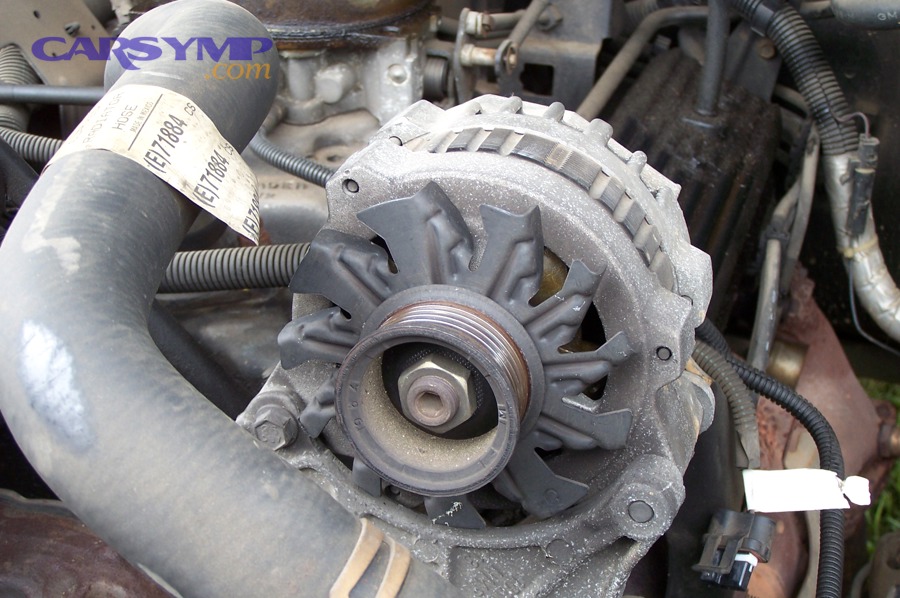
In practice, this range is often built from two big buckets: a replacement alternator (new, remanufactured, or aftermarket) and the labor time needed to access it.
The reason averages work is that many vehicles place the alternator near the top/front of the engine, keeping labor moderate—while a smaller subset hides it behind brackets, fans, or other components, pushing the bill up.
The most useful “average” move is to translate it into a safe personal budget range: if your vehicle is a common economy/midsize model, your quote often clusters near the middle; if it’s luxury/performance or packaging is tight, plan for the upper end.
Theo nghiên cứu của RepairPal từ Fair Price Estimator, vào October 2025, mức trung bình cho thay alternator nằm giữa $744 và $1,034, với phần labor và parts tách riêng.
How is an alternator cost estimate split between parts and labor?
An alternator cost estimate is typically split into parts (the alternator unit) and labor (time to remove/replace and re-test), with parts often being the larger share on many vehicles.
To make that split actionable, you’ll want to ask: “Is this part OEM, aftermarket, or remanufactured—and how many labor hours are you charging?”
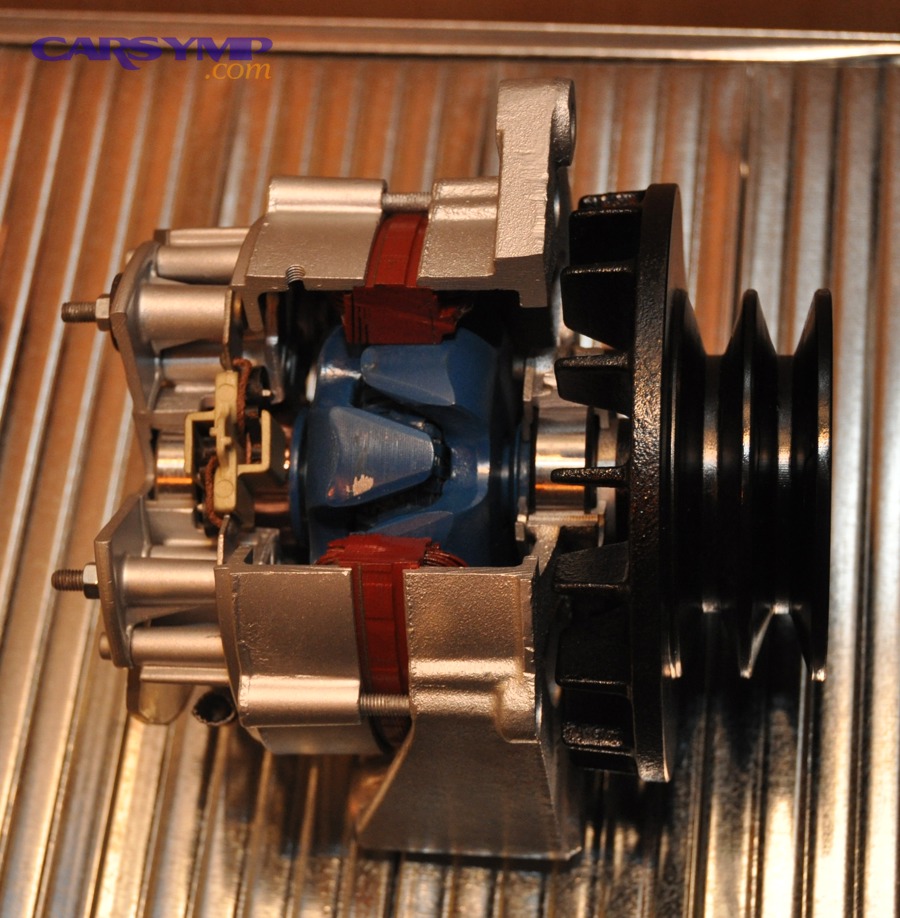
On a representative national estimate, labor can sit in the low-to-mid hundreds, while parts can be mid hundreds—yet either side can dominate depending on the car.
Two quick patterns explain most differences:
- Access-driven labor: if the alternator is buried, labor hours climb quickly.
- Specification-driven parts: high-output units, certain luxury brands, or integrated designs push part price up.
For example, some sources describe economy vehicles at the low end and luxury vehicles at the high end, largely because both the part and the time-to-access expand together.
Theo nghiên cứu của RepairPal từ Estimator, vào October 2025, labor được ước tính khoảng $182–$267 trong khi parts khoảng $563–$767 cho một mức trung bình toàn thị trường.
This next table helps you interpret a quote by mapping the line-items to what they usually represent and what you should verify before approving.
| Estimate line item | What it usually includes | What to verify |
|---|---|---|
| Alternator (part) | Unit price for OEM/aftermarket/reman | Type, brand/quality tier, amperage rating, and warranty length |
| Labor | Removal/installation + charging system check | Labor hours, hourly rate, and whether re-test is included |
| Diagnostic fee | Electrical test/scan and confirmation | Is it waived if you do the repair there? |
| Shop supplies / environmental | Small consumables and disposal fees | Flat fee vs percentage; ask for a breakdown |
| Taxes / fees | Local taxes, sometimes added late | Final out-the-door total |
Which vehicle factors change the average alternator replacement cost the most?
The biggest drivers of the average alternator replacement cost are alternator placement, vehicle class/brand, and electrical load requirements, because those three determine both the hours billed and the part spec you need.
To narrow your own range, you can treat these factors as “cost multipliers” and see how many apply to your vehicle.
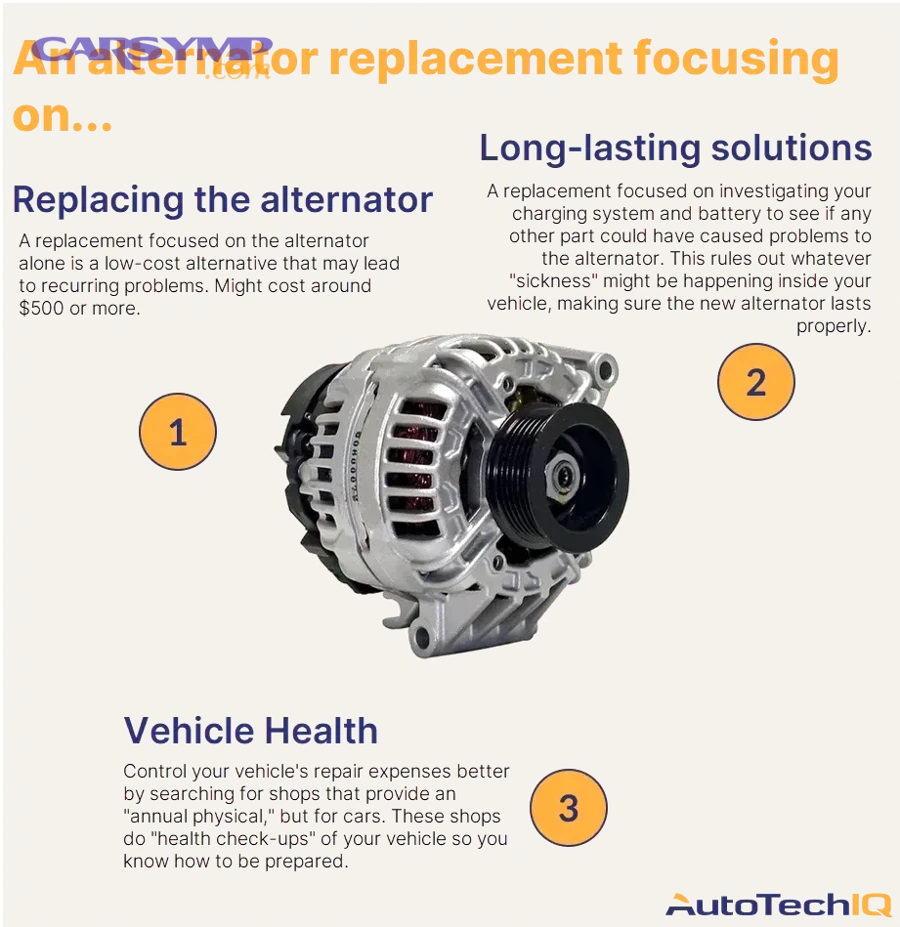
Is the alternator easy to access, or buried behind other components?
If access is tight, costs rise because labor expands from a straightforward swap to a partial disassembly job—sometimes requiring the removal of additional components before the alternator can even be touched.
To keep the flow practical, ask for the billed hours and what has to come off first (fan assembly, brackets, hoses, axle, undertray). That single answer often explains the entire quote.
Does your vehicle require a higher-output or brand-specific alternator?
Vehicles with heavy electrical demand (many accessories, towing packages, premium audio, or advanced driver systems) can require a higher-output unit, increasing part price and sometimes limiting cheaper options.
To bridge this to shopping decisions, confirm the alternator’s amperage and whether the shop is matching the original spec or upgrading for your load.
Is the quote for OEM, remanufactured, or aftermarket—and is there a core deposit?
Part type changes price substantially: OEM is typically highest, remanufactured often sits in the middle, and aftermarket can be cheaper—while a core deposit may temporarily inflate what you pay at the counter.
The key transition here is that “cheap” can become expensive if the part fails early—so the warranty and supplier reputation matter as much as the sticker price.
Theo nghiên cứu của ConsumerAffairs từ mảng tổng hợp báo giá và phỏng vấn chuyên môn, vào 2026, chi phí có thể dao động từ khoảng $450 (xe phổ thông, aftermarket) đến $2,200+ (xe sang, OEM), trong đó vị trí lắp và loại alternator là hai yếu tố chi phối.
Dealer vs independent shop: where does alternator cost usually land?
Dealer pricing often trends higher, independent shops frequently sit mid-range, and mobile/driveway service can be competitive when access is simple—because each option uses a different labor-rate structure and parts sourcing model.
To compare apples-to-apples, the next move is to align three variables: part type, warranty, and billed hours.
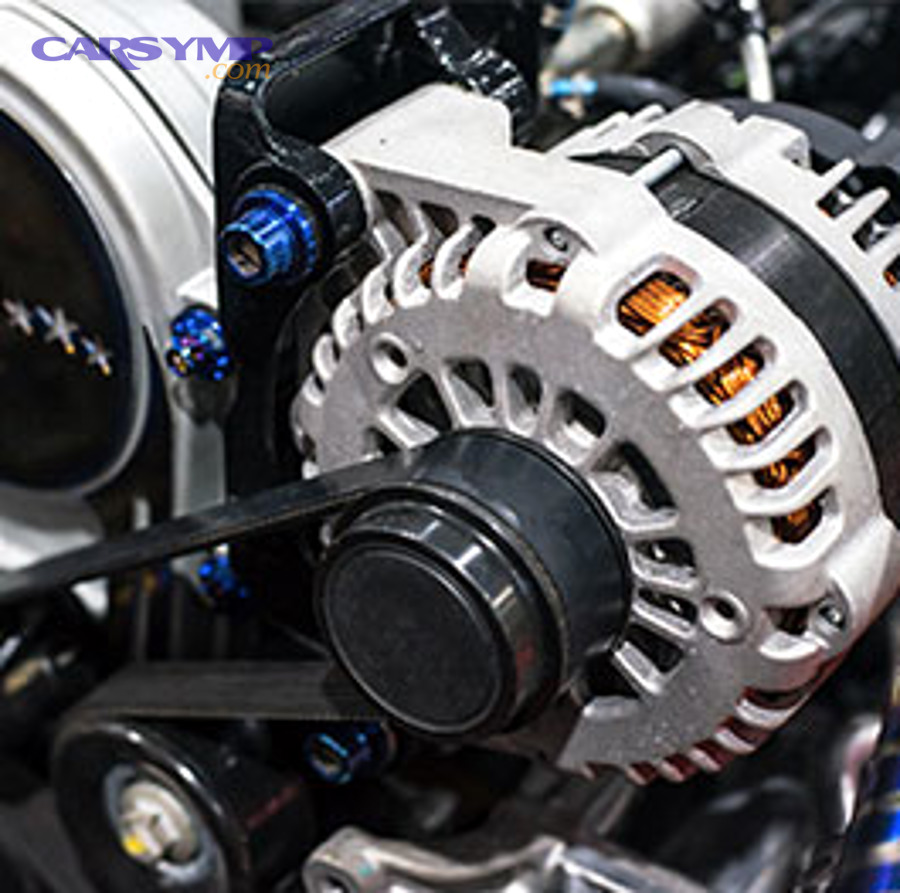
Dealership quotes: when do they make sense?
Dealership quotes can make sense when you want OEM parts, brand-specific diagnostics, or bundled coverage; however, the labor rate and OEM part pricing can push the total upward compared with other options.
So the bridging question becomes: “Is the higher total buying me a longer warranty, better coverage, or faster turnaround for my exact model?”
Independent shops: the common value sweet spot
Independent shops often compete on labor rate and may offer remanufactured or high-quality aftermarket parts, which can lower the out-the-door price without necessarily compromising reliability.
To keep flow, ask whether they are using a RepairPal-style fair-price estimate, and whether the warranty is parts-only or parts-and-labor.
Mobile mechanics: best for easy-access vehicles
Mobile service can be cost-effective if the alternator is accessible and diagnostics are straightforward, but it can be less suitable when the job needs extensive teardown or specialized tools.
Theo nghiên cứu của AAA từ các tài liệu hướng dẫn ngân sách và công cụ ước tính sửa chữa, vào November 2024, AAA nhấn mạnh việc tách bạch parts và labor trong ước tính để người lái xe dễ so sánh giữa cơ sở sửa chữa—đây cũng là cách hiệu quả nhất để so dealer vs independent.
What “extra” charges commonly raise the total beyond the alternator itself?
Extra charges commonly come from diagnostic testing, related maintenance while access is open, and fees/deposits that are not always highlighted in the first quote you hear.
To avoid surprises, the next step is to ask for an itemized estimate before you authorize the repair.
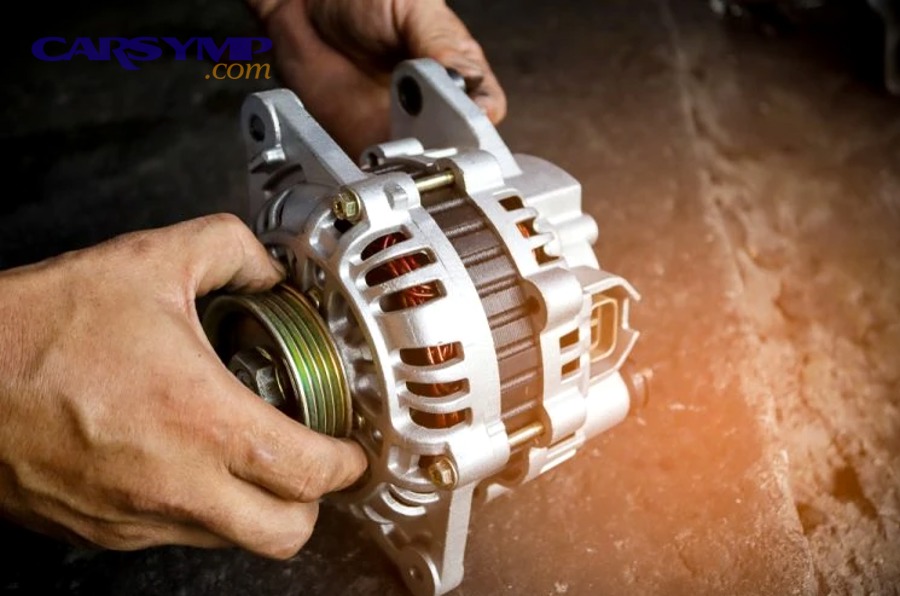
Diagnostic fee vs “included testing”
Some shops charge a standalone diagnostic fee for charging-system testing, while others fold testing into labor; either way, you want confirmation that the final price includes re-testing after installation.
Cụ thể, confirm whether the fee is credited back if you proceed with the repair—this single policy can shift your net cost.
Serpentine belt, tensioner, or battery cable recommendations
Because many alternator replacements require removing the belt, shops often recommend replacing a worn belt at the same time; similarly, corroded battery cables may be recommended if they affect charging performance.
To keep the chain-of-logic intact, ask for condition evidence (cracks, glazing, measurement) rather than a generic add-on.
Core deposits, shop supplies, and taxes
Remanufactured units can involve a refundable core deposit, and many invoices add shop-supplies or disposal fees plus taxes; these line-items don’t always show up in casual phone estimates.
Here is the phrase you should watch for in the fine print: Hidden costs and common upsells often look small individually, but together they can shift the final bill meaningfully—so request the “out-the-door” number.
Theo nghiên cứu của UpFix từ bài phân tích về core deposit, vào July 2025, core charge có thể làm tăng khoản thanh toán ban đầu thêm từ khoảng $20 đến $300 tùy loại phụ tùng và chính sách hoàn trả.
How can you lower alternator cost without sacrificing reliability?
You can often lower alternator cost by choosing the right part tier, shopping quotes with consistent inputs, and replacing only evidence-based add-ons—while still protecting reliability with a clear warranty.
To make savings “safe,” the next step is to reduce variability: same part type, same warranty expectations, same scope of work.
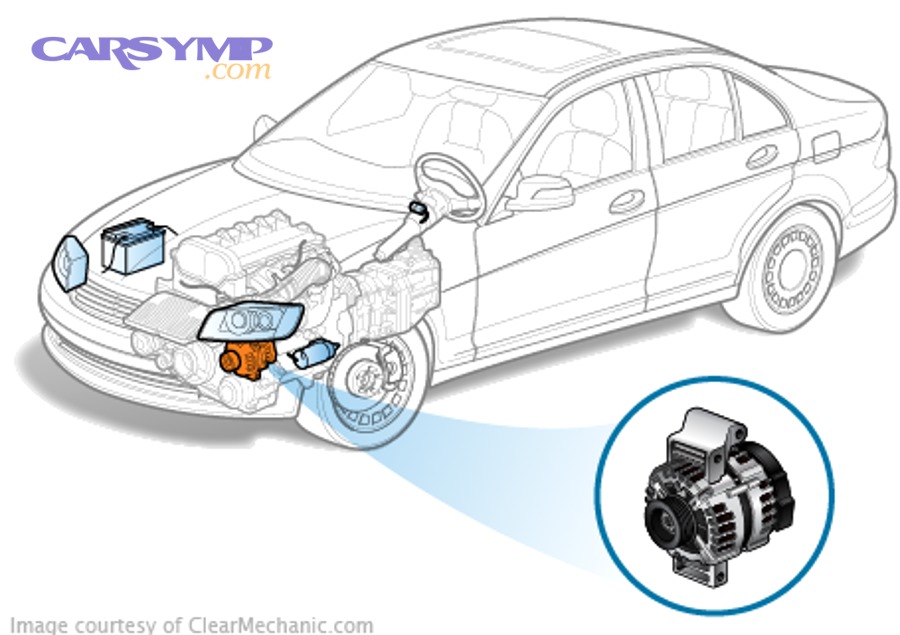
Compare quotes using the same part category
One shop quoting OEM and another quoting remanufactured will look “cheaper” even if labor is identical; align the part category first, then compare totals.
To keep your decision grounded, ask for the brand and warranty term, not just “new” vs “reman.”
Ask whether related replacements are necessary now
If a belt or tensioner is worn, replacing it during alternator service can be efficient; if it’s healthy, adding it “just because” may inflate cost with limited benefit.
This is where a clear scope prevents disputes: confirm what is included in labor and what is optional.
Use a budget range rather than a single target number
Instead of fixating on one “average,” set a range that accounts for access complexity and region; you’ll negotiate better when you know what pushes the quote up.
In the body of your estimate discussion, you can use the phrase alternator replacement cost when clarifying scope: ask the shop to define exactly what they include in that number (part type, testing, fees, and taxes).
Theo nghiên cứu của AAA từ nội dung hướng dẫn lập ngân sách sửa chữa, vào November 2024, AAA khuyến nghị tách ước tính thành parts và labor để tạo minh bạch và giúp người dùng so sánh nhiều báo giá nhằm tối ưu chi tiêu.
How long does alternator replacement take, and how does time affect labor dollars?
Alternator replacement often takes about 1–2 hours at a professional shop for many vehicles, but it can take longer when the alternator is difficult to reach, which directly increases labor cost.
To translate time into money, the next step is to multiply billed hours by the shop’s labor rate and then compare that to your part price.

Why “labor hours” vary so much by model
If the alternator sits high and forward, labor can be straightforward; if it’s buried, additional removals can expand labor substantially, sometimes turning a simple swap into an access-heavy job.
So, instead of debating the hourly rate alone, ask what the flat-rate time is for your exact model and what steps drive it.
DIY time vs shop time (and the risk tradeoff)
DIY replacement may take longer for first-timers—often a few hours—and the biggest “hidden” cost is the risk of misrouting the belt, damaging connectors, or missing a charging-system issue that a shop test would catch.
This matters for budgeting because a mistake can turn savings into a second repair bill.
Theo nghiên cứu của Kelley Blue Book từ hướng dẫn dịch vụ, vào bài FAQ cập nhật hiện hành, KBB ghi nhận thời gian tại gara chuyên nghiệp thường khoảng 1–2 giờ và DIY thường khoảng 2–3 giờ, cho thấy labor time là biến số trực tiếp của tổng chi phí.
What should you do right after replacement to avoid repeat costs?
Right after replacement, you should confirm the charging system is stable, listen for belt noise, and keep your paperwork—because many repeat costs come from missed testing, belt issues, or warranty friction.
To keep everything connected, the next step is a short post-repair checklist that turns “installed” into “verified.”
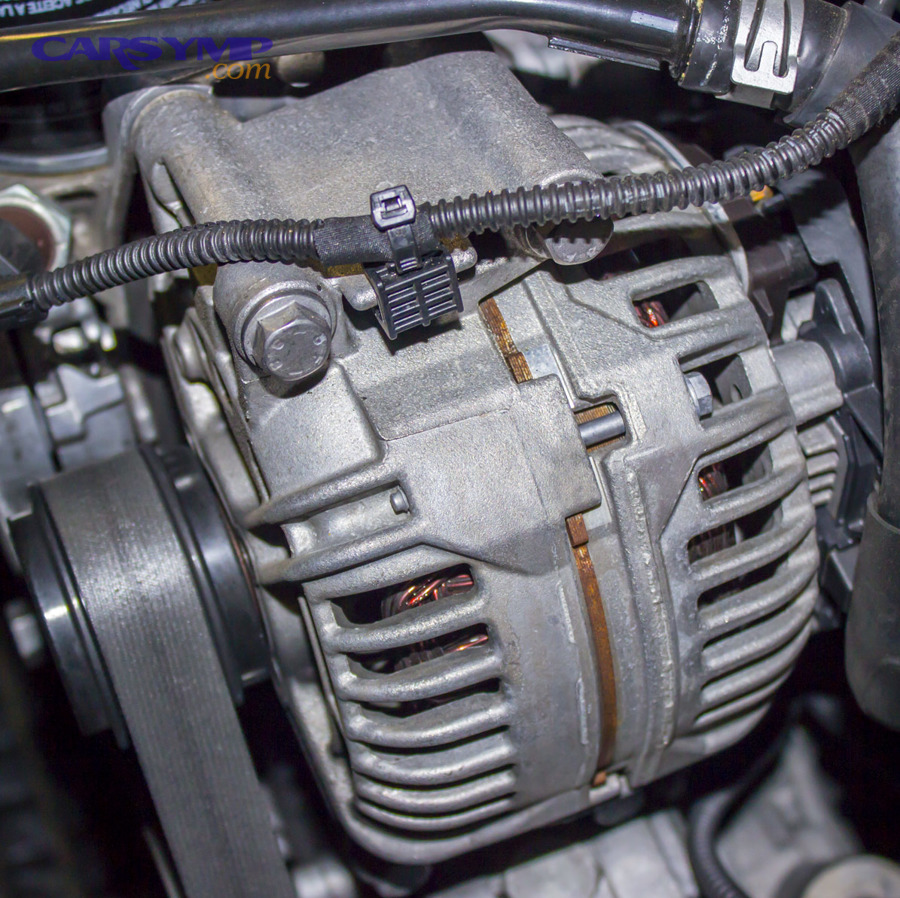
Confirm voltage and warning lights
A proper re-test should confirm stable system voltage and ensure battery/charging warning lights remain off; if a warning persists, the issue may be elsewhere (battery, wiring, or regulator behavior).
Cụ thể, ask whether the shop tested under load (lights, blower) rather than only at idle.
Re-check belt alignment and tension
A misrouted or slipping serpentine belt can mimic charging problems and create squeal; verifying alignment and tension reduces the chance you pay again for a “new” issue that’s actually install-related.
This is the clean bridge back to cost: preventing comebacks is cheaper than chasing intermittent symptoms later.
Keep receipts and document the warranty
Paperwork matters because many alternators (OEM, reman, or aftermarket) include coverage—but claims can be delayed without proof of purchase and installation date.
In your documents folder, label a note as Warranty terms and what they cover so you can quickly check whether coverage includes parts-only or both parts-and-labor, and whether diagnostic time is reimbursed.
Theo nghiên cứu của ConsumerAffairs từ phần hướng dẫn về bảo hành và lưu trữ chứng từ, vào 2026, việc giữ giấy tờ và hiểu phạm vi bảo hành được nhấn mạnh như cách thực tế để giảm chi phí phát sinh khi alternator gặp lỗi sớm.
To widen the lens without losing relevance, here’s a contextual boundary: once you understand the average, parts-vs-labor, and quote structure, the remaining surprises tend to come from less common situations that don’t show up in “typical” estimates.
Beyond averages: uncommon scenarios that can spike your total
Uncommon scenarios can spike your total when alternator design, electrical architecture, or purchasing terms differ from the “standard” repair model most estimates assume.
To keep the flow useful, the following cases are the ones that most often surprise owners when they rely only on the average number.
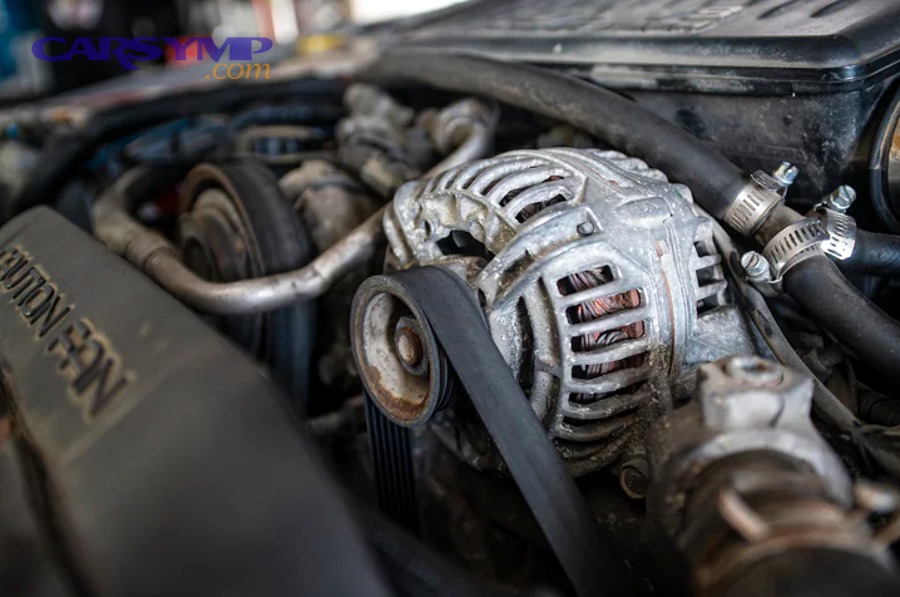
Start-stop, hybrid, and higher electrical complexity
Vehicles with advanced electrical systems may need higher-capacity components or more careful validation after installation, which can increase both parts cost and diagnostic time.
So the bridging question becomes: “Is this a standard alternator swap, or does the vehicle require additional programming, calibration, or specialized testing?”
High-output alternators for towing or accessories
If your vehicle runs aftermarket electrical loads (winch, auxiliary lighting, upgraded audio), you may need a higher-output alternator; choosing too small a unit can shorten lifespan and lead to repeat replacement.
In budget terms, spending slightly more on the correct spec can reduce lifetime cost.
Core deposits and return deadlines
Core deposits can temporarily raise what you pay upfront, and missing a return deadline or returning a non-rebuildable core can reduce or eliminate the refund.
To avoid that, confirm the core amount, return window, and what “acceptable core condition” means before you leave the shop or parts counter.
Part supply constraints and “rare” fitments
Some alternator models can be pricier due to limited availability or brand-specific supply chains, and that can shift the estimate even when labor is normal.
Here, the most practical move is to request two options: one OEM path and one reputable reman/aftermarket path with comparable warranty.
Theo nghiên cứu của UpFix từ bài giải thích về core charge, vào July 2025, core deposit tồn tại để khuyến khích hoàn trả phụ tùng cũ nhằm tái sản xuất, và việc hiểu cơ chế hoàn tiền giúp người dùng tránh mất khoản đặt cọc.
FAQ: Average alternator replacement cost
Is the average alternator replacement cost the same in every city?
No—labor rates, taxes, and shop pricing differ by region, so the same vehicle can receive meaningfully different quotes even when the same part type is used.
Can a cheap alternator reduce alternator cost long-term?
Sometimes, but only if it’s a reputable unit with solid warranty coverage; the lowest-priced option can backfire if it fails early or if warranty claims exclude labor.
Should I replace the belt during an alternator job?
Often yes when the belt is worn or near its service interval—because it’s already removed for access—yet you should ask for condition evidence rather than accepting an automatic add-on.
What is the simplest way to compare two quotes?
Align part type (OEM/reman/aftermarket), confirm labor hours and rate, and request the out-the-door total including diagnostic fees, deposits, and taxes; then compare like-for-like.