


When your transmission starts failing, rebuilding typically costs $1,500–$7,000 while replacing it runs $800–$10,000 or more depending on whether you choose a used, remanufactured, or new OEM unit. For most drivers dealing with moderate internal wear, a professional rebuild is the smarter fix on price — but when damage is severe or hard parts are destroyed, replacement often wins on long-term value. Understanding exactly where those numbers come from is the first step to making a decision you won’t regret.
The cost gap between these two options isn’t as simple as rebuild = cheap, replace = expensive. Labor hours, transmission type, vehicle brand, parts availability, and shop rates all push the final quote in different directions. A CVT in a luxury vehicle can cost more to rebuild than a used automatic transmission costs to replace outright. Getting a clear picture of how transmission repair cost breaks down for each path prevents you from overpaying — or underpaying for a fix that won’t last.
Beyond the dollar figures, the right answer depends on the condition of your specific transmission, the age and value of your vehicle, and how long you plan to keep driving it. A vehicle with a structurally sound transmission housing and worn seals is a completely different repair scenario than one with a cracked case and stripped planetary gears. Each situation calls for a different solution, and treating them the same is how drivers end up spending twice.
What most cost guides leave out are the hidden charges — core deposits, freight fees, electronic pairing complications in modern vehicles, and warranty fine print — that can add hundreds to your final bill without warning. This article covers the full picture: what each option actually involves, what it realistically costs, what drives those costs up or down, and How to evaluate a transmission quote before you hand over your keys.
What Is the Difference Between a Transmission Rebuild and a Transmission Replacement?
A transmission rebuild is a repair process where the existing unit is disassembled, inspected, and restored by replacing only the worn or damaged components, while a transmission replacement means removing the failed unit entirely and installing a different one — used, remanufactured, or new.

To better understand the cost comparison that follows, it helps to know precisely what each option puts your money toward. These are not interchangeable terms, and shops sometimes use them loosely, which leads to confusion when comparing quotes.
What Does a Transmission Rebuild Actually Involve?
A transmission rebuild starts with complete removal of the unit from the vehicle, followed by full disassembly, a component-by-component inspection, and targeted replacement of anything worn or broken.
Specifically, the process involves two categories of parts. Soft parts — seals, gaskets, clutch packs, bands, and O-rings — are almost always replaced during a standard rebuild since they degrade with heat and mileage. Hard parts — gears, shafts, planetary gear sets, the pump, and the valve body — are inspected and only replaced if they show measurable damage. The cost difference between a soft-parts-only rebuild and one requiring hard part replacement can be $1,000 or more.
Rebuilding is labor-intensive by nature. A skilled technician typically needs 12 to 25 hours to disassemble, clean, rebuild, reassemble, and test a transmission correctly. That labor investment is why even a “basic” rebuild carries a meaningful price tag. However, the result — when done properly — is a transmission restored to factory specifications using your original housing and core components, which preserves fitment and compatibility, particularly important for older or less common vehicles.
A rebuild is best suited for transmissions where the housing and major structural components are intact and the damage is confined to wear items rather than catastrophic failure.
What Does a Transmission Replacement Actually Involve?
A transmission replacement involves removing the damaged unit and installing a completely different transmission in its place, sourced as a used salvage unit, a factory remanufactured unit, or a brand-new OEM transmission.
There are four distinct replacement options, and each carries different cost and reliability implications:
- Used/salvage unit: Pulled from a donor vehicle, tested minimally or not at all. Lowest cost, shortest or no warranty, highest risk of unknown wear.
- Shop-rebuilt unit: A unit previously rebuilt by a transmission specialty shop. Moderate cost, typically carries a 1–2 year warranty.
- Factory remanufactured unit: Disassembled and rebuilt to OEM specs by the original manufacturer or a certified remanufacturer, with all wear items replaced regardless of condition. Solid warranty, often 3 years or nationwide coverage.
- New OEM unit: Ordered directly from the manufacturer for your specific vehicle. Highest cost, full factory warranty, best long-term reliability.
Replacement is faster than rebuilding in most cases — installation of a preassembled unit typically requires 8 to 16 labor hours compared to 12 to 25 for a rebuild. If you need your vehicle back quickly and a remanufactured unit is available locally, replacement can have you back on the road in 1 to 3 days versus 3 to 5 for a rebuild.
How Much Does It Cost to Rebuild vs. Replace a Transmission?
A transmission rebuild wins on upfront cost for most mainstream vehicles, ranging from $1,500 to $7,000 fully installed, while replacement ranges from $800 for a used unit to over $10,000 for a new OEM transmission — making the cost gap substantial depending on the path you choose.
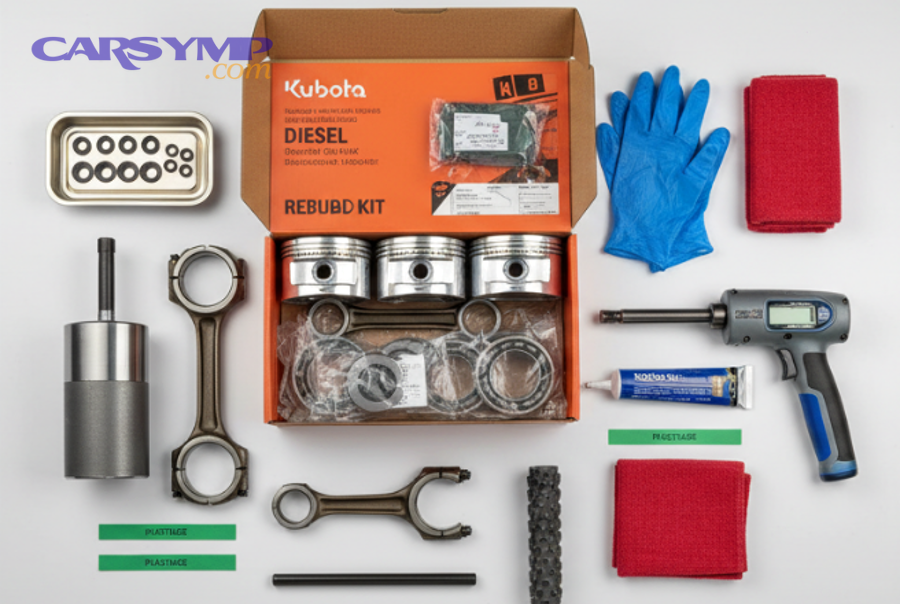
However, the price ranges overlap significantly in the middle tier, and that overlap is exactly where the decision becomes nuanced. The following breakdown separates each option clearly so you can understand what you’re actually paying for.
What Is the Average Cost to Rebuild a Transmission?
The average cost to rebuild a transmission sits between $1,500 and $3,500 for most mainstream domestic and Japanese vehicles, rising to $4,000–$7,000 or more for European luxury brands.
Here’s where the money goes in a professional rebuild:
- Rebuild kit (soft parts — seals, gaskets, clutch packs): $250–$600
- Hard parts (gears, shafts, valve body, converter) if needed: $300–$1,500 additional
- Labor (12–25 hours at $80–$150/hr depending on shop and location): $1,000–$3,000
- Total installed range — mainstream vehicles: $1,500–$3,500
- Total installed range — luxury/performance vehicles: $4,000–$7,000+
- Standard warranty: 1–2 years, typically covers parts and labor at the rebuilding shop
The single biggest variable in a rebuild quote is whether hard parts need replacement. A transmission with worn clutches and degraded seals but sound gears and a clean valve body costs far less to rebuild than one where a planetary gear set has failed or the pump is damaged. Always ask your shop to itemize soft vs. hard part costs before approving any rebuild.
What Is the Average Cost to Replace a Transmission?
Transmission replacement cost varies more widely than rebuild cost because the price of the replacement unit itself spans an enormous range depending on whether it’s used, remanufactured, or new.
- Used/salvage unit installed: $800–$2,500 (30–90 day warranty or none)
- Remanufactured unit installed: $2,500–$6,000 (1–3 year warranty, often nationwide)
- New OEM unit installed: $6,000–$10,000+ (3 years/36,000 miles factory warranty)
- Labor for installation: $800–$2,500 (8–16 hours at $90–$160/hr)
The labor cost for replacement is lower than for a rebuild because installation of a preassembled unit is simpler and faster than the disassembly-and-rebuild process. However, that labor savings is often offset by the higher unit cost, particularly for remanufactured and new transmissions.
For vehicles where a remanufactured unit is readily available and the existing transmission is severely damaged, replacement with a remanufactured unit at $3,000–$5,000 installed often makes more financial sense than a rebuild that could cost the same or more once hard part damage is factored in.
Side-by-Side Cost Comparison Table: Rebuild vs. Replace
The table below compares all four major transmission service options across total cost, labor time, warranty, and the scenario each is best suited for, helping you quickly identify which path fits your situation.
| Option | Average Total Cost (Installed) | Labor Hours | Warranty | Best For |
|---|---|---|---|---|
| Shop Rebuild | $1,500–$7,000 | 12–25 hrs | 1–2 years (local) | Moderate wear, sound housing, cost-conscious owner |
| Used Replacement | $800–$2,500 | 8–16 hrs | 30–90 days or none | Tight budget, low-value vehicle, short-term fix |
| Remanufactured Replacement | $2,500–$6,000 | 8–16 hrs | 1–3 years (nationwide) | Severe damage, long-term reliability, warranty priority |
| New OEM Replacement | $6,000–$10,000+ | 8–16 hrs | 3 yrs/36K miles | High-value vehicle, maximum reliability, no compromise |
Is It Cheaper to Rebuild or Replace a Transmission?
Yes, rebuilding a transmission is cheaper than replacing it in most scenarios — specifically when damage is limited to soft parts, the transmission housing is structurally intact, and hard parts show minimal wear. Three consistent reasons support this: lower parts cost (only damaged components are replaced), comparable or lower labor investment for moderate damage, and avoidance of the unit acquisition cost that drives up replacement pricing.
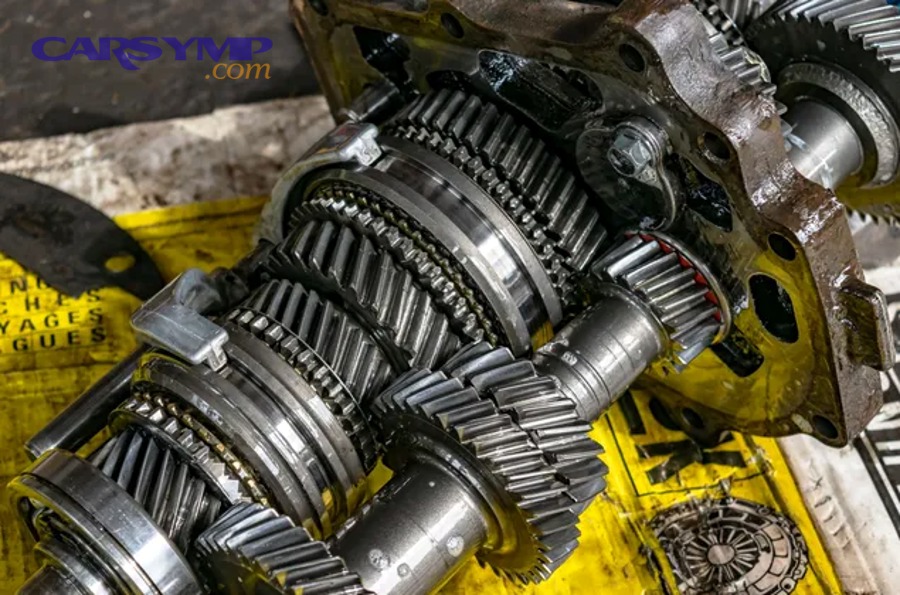
However, this answer has a meaningful caveat. When hard part damage is extensive, a rebuild quote can rival or exceed the cost of a remanufactured replacement unit. In those cases, replacement is not only comparable in price but often the smarter long-term investment because you receive a fully reconditioned unit with a stronger warranty rather than a rebuilt transmission whose hard part repairs may not fully resolve underlying structural wear.
The true cost comparison hinges on a diagnostic inspection, not a ballpark estimate. A shop that quotes a rebuild price before opening the transmission is guessing. Any reliable transmission specialist will disassemble the unit and inspect hard parts before committing to a final rebuild figure. If that inspection reveals significant hard part failure, the quote will climb — and the cost advantage of rebuilding may disappear.
The “cheaper upfront vs. cheaper long-term” distinction matters here. A shop rebuild at $2,000 with a 1-year local warranty and a remanufactured replacement at $3,500 with a 3-year nationwide warranty are not the same financial proposition if you plan to drive the vehicle for another 5 years. Factor total cost of ownership — not just the repair invoice — when evaluating Common repairs and price ranges for your specific situation.
Which Factors Affect the Total Cost of Rebuilding vs. Replacing a Transmission?
There are seven primary factors that determine whether your transmission repair cost lands at the low or high end of the range: vehicle make and model, transmission type, extent of internal damage, shop type, geographic labor rates, parts availability, and warranty terms.

Understanding these variables is what separates an informed buyer from someone who accepts the first quote without context. Specifically, the combination of transmission type and vehicle brand tier has the largest single impact on cost — and it’s also the factor most drivers underestimate before calling shops.
Does the Type of Transmission (Automatic, Manual, CVT) Change the Cost?
Yes, transmission type significantly changes the cost of both rebuilding and replacing — automatic transmissions occupy the midrange, manual transmissions are generally least expensive, and CVTs and dual-clutch units are consistently the most costly to service.
- Manual transmission rebuild: $1,000–$3,000. Simpler internal architecture, fewer solenoids and clutch packs, lower labor hours. Parts are widely available for common makes and models.
- Automatic transmission rebuild: $1,500–$5,000 for mainstream vehicles. More complex internal components, longer labor time, broader parts variance by make and model.
- CVT (Continuously Variable Transmission): $3,000–$8,000+ to rebuild or replace. Highly specialized internal design using belts and pulleys instead of fixed gears. Many independent shops will not rebuild CVTs at all, limiting your options to dealer replacement.
- Dual-clutch transmission (DCT): Requires specialized diagnostic tools and training. Cost approaches or exceeds CVT pricing. Limited to shops with DCT-specific expertise.
When evaluating a transmission quote, always confirm the transmission type in your vehicle before comparing estimates between shops, as the same dollar figure can represent a very different scope of work.
Does Vehicle Brand or Age Significantly Impact Rebuild vs. Replace Costs?
Yes, vehicle brand tier and age are among the most consistent cost drivers across all transmission repair types, with domestic brands costing the least, luxury European brands costing the most, and older vehicles presenting unique sourcing challenges.
- Domestic brands (Ford, GM, Chrysler, Dodge): Most affordable to rebuild or replace. High parts availability, widely serviced by independent shops, lower labor rates typical.
- Asian brands (Toyota, Honda, Subaru, Kia, Mazda): Moderate cost. Parts readily available, well-documented rebuild procedures, competitive shop options.
- European luxury brands (BMW, Mercedes-Benz, Audi, Porsche): High parts cost, elevated labor rates, often limited to specialist shops or dealers. Rebuild costs can reach $6,000–$10,000.
- Older vehicles (pre-1990s): Hard parts may be difficult to source new. Rebuilt or used hard parts introduce reliability variables. Core condition is critical — a heavily worn core may not be rebuildable.
- High-mileage vehicles (150,000+ miles): Systemic wear across multiple systems may mean a rebuilt transmission outlasts other failing components. Weigh transmission repair cost against total vehicle value before proceeding.
Should You Rebuild or Replace Your Transmission? How to Make the Right Decision
Yes, you should rebuild your transmission when the housing is structurally sound and damage is moderate — and you should replace it when damage is severe, widespread, or when rebuild costs approach replacement pricing. Three factors drive this decision above all others: the extent of internal damage, your vehicle’s age and remaining value, and how long you intend to keep the car.

Next, understanding the specific conditions that favor each option removes the guesswork from what is otherwise an emotionally charged and expensive decision.
When Is a Transmission Rebuild the Smarter Fix?
A transmission rebuild is the smarter fix in four clear scenarios: moderate internal wear without hard part failure, a vehicle that is newer or well-maintained, plans to keep the vehicle for three or more additional years, and a rebuild quote that comes in meaningfully below replacement cost.
More specifically, here are the conditions that consistently point toward rebuilding:
- Soft-part-only damage: Worn clutches, degraded seals, failing bands — these are all rebuildable items at predictable cost. If your diagnostic confirms no hard part damage, a rebuild restores the transmission to like-new performance at a fraction of replacement cost.
- Sound transmission housing: A cracked case or warped housing eliminates the rebuild option. If the housing is structurally intact, the core is rebuildable.
- Original fitment matters: On older or less common vehicles, installing a remanufactured replacement unit may introduce compatibility issues. Rebuilding the original transmission preserves the exact fitment and calibration your vehicle was built with.
- Owner plans to keep the vehicle long-term: A quality rebuild with a 1–2 year warranty from a reputable shop can deliver 50,000–100,000 miles of reliable service — enough to justify the investment if you’re not selling soon.
When Is Replacing a Transmission the Better Investment?
A transmission replacement is the better investment when internal damage is severe, when rebuild costs approach or exceed remanufactured unit pricing, or when long-term warranty coverage is a priority.
Specifically, replacement becomes the right call in these situations:
- Catastrophic hard part damage: Cracked cases, stripped planetary gear sets, sheared shafts, or severe overheating damage that has warped internal components are not cost-effectively repaired through rebuilding. In these cases, the parts cost alone for a rebuild can exceed the price of a remanufactured unit.
- High-mileage, high-wear vehicle: A vehicle with 180,000 miles and a failed transmission may have worn bearings, a fatigued torque converter, and degraded seals throughout — systemic wear that a targeted rebuild won’t fully address. A remanufactured unit provides a fresh start.
- Faster turnaround required: Replacement with a locally available unit can be completed in 1–3 days. If vehicle downtime is costly for your work or family, the speed advantage of replacement has real monetary value.
- Warranty is a deciding factor: A 3-year/nationwide warranty on a remanufactured unit provides recourse that a 1-year local rebuild warranty cannot match — particularly if you move, change mechanics, or face a repeat failure.
What Else Affects the True Total Cost of Transmission Work That Most Estimates Leave Out?
Beyond labor and parts, four additional cost factors regularly appear on final transmission invoices that standard estimates don’t include upfront: core deposit fees, freight charges on replacement units, electronic pairing complications in post-2005 vehicles, and the longevity difference between rebuild and replacement options that affects true long-term value.

In addition, knowing how to evaluate a transmission quote means asking about these items before you authorize work — not after the invoice arrives.
What Are Core Deposits and Freight Charges — and How Much Do They Add?
Core deposits and freight charges are two line items on replacement transmission invoices that can add $350–$1,200 to your total cost, yet rarely appear in the initial estimate.
A core deposit is a refundable fee charged by the remanufacturer when they ship a replacement unit — it’s their insurance that you’ll return your old (core) transmission so they can remanufacture it for the next customer. Deposits typically range from $200–$800 depending on transmission type and the remanufacturer. You receive the deposit back once your old unit is returned in rebuildable condition. However, if your core is too damaged to remanufacture, the deposit is forfeited.
Freight shipping for remanufactured transmissions ranges from $150–$400 depending on unit weight, shipping distance, and carrier. Some remanufacturers include freight in their quoted price; others add it at checkout. Always ask whether the quoted unit price includes freight both ways — shipping the new unit to the shop and shipping your core back to the remanufacturer.
When comparing a rebuild quote to a replacement quote, add estimated core deposit and freight to the replacement total before drawing conclusions about which option is actually cheaper.
Can Modern Vehicles (Post-2005) Be Rebuilt as Easily as Older Ones?
No — post-2005 vehicles, particularly certain European brands, present rebuild complications that older vehicles do not, due to electronic pairing between the transmission’s valve body and the vehicle’s VIN.
Starting around 2005, manufacturers including Mercedes-Benz began electronically pairing the valve body — the transmission’s hydraulic control center — to the specific VIN of the vehicle. This pairing means that installing a different rebuilt or remanufactured transmission may require dealer-level reprogramming to function correctly, which adds cost and sometimes makes the swap impractical without factory diagnostic tools.
For affected vehicles, this can narrow your realistic options to either rebuilding the original transmission in place (preserving the paired valve body) or replacing it through a franchised dealer who can perform the necessary VIN programming. Independent shops without OEM diagnostic access may be unable to complete a replacement on these vehicles, reducing competition and driving up cost. Before authorizing any work on a post-2010 European or luxury vehicle, verify with the shop whether electronic pairing applies and what the reprogramming cost will be.
Does a Rebuilt Transmission Last as Long as a Replaced One?
Yes, a professionally rebuilt transmission can last as long as a remanufactured replacement — typically 50,000–100,000 miles for a quality shop rebuild versus 100,000+ miles for a factory remanufactured unit — but longevity depends far more on shop quality and parts grade than on the rebuild-vs.-replace distinction itself.
The common perception that a “replaced” transmission is automatically more reliable than a “rebuilt” one is not supported by real-world outcomes when comparing quality shop rebuilds to quality remanufactured units. A poorly executed rebuild using cheap parts will fail faster than a well-executed replacement, and vice versa. The variable that matters most is the competence and integrity of the shop performing the work.
When evaluating long-term value, consider this framework:
- A quality rebuild at $2,500 delivering 80,000 additional miles costs roughly $0.03 per mile in transmission cost
- A remanufactured replacement at $4,500 delivering 120,000 miles costs $0.0375 per mile
- A used replacement at $1,500 delivering 30,000 uncertain miles costs $0.05 per mile — the worst value despite the lowest upfront price
Long-term ROI, not sticker price, is the correct lens for evaluating transmission repair cost.
Is It Worth Rebuilding a Transmission Yourself to Save Money?
Yes, a DIY transmission rebuild can save $1,000–$2,500 in labor costs, but it requires advanced mechanical skill, specialized tools, and a thorough understanding of your specific transmission’s architecture — making it a viable option for experienced mechanics only.
The raw material cost of a DIY rebuild is substantially lower than a professional rebuild:
- Rebuild kit (soft parts): $100–$600 depending on transmission type
- Hard parts if needed: $300–$1,500
- Specialty tools (transmission jack, snap ring pliers, bearing pullers): $200–$500 if not already owned
- Total DIY cost: $600–$2,600 vs. $1,500–$7,000 professionally
However, the risk profile is significant. Transmission assembly requires precise torque specifications, correct clutch pack clearances, and proper valve body calibration. An error in reassembly — a misaligned seal, incorrect clutch pack thickness, or improper end-play adjustment — can cause immediate failure or dramatically shorten the rebuilt transmission’s lifespan. Professional shops provide a warranty precisely because they stand behind their work; a DIY rebuild has no such backstop.
For experienced mechanics who have rebuilt transmissions before and have access to the correct service manual and tools, the savings are real. For everyone else, the risk of a failed DIY rebuild — and the cost of having a shop disassemble and redo the work — typically erases any savings achieved.
According to data reviewed by automotive repair cost analysts at RepairPal, transmission labor accounts for 40–60% of total rebuild cost on most mainstream vehicles, which explains both the appeal of DIY and the significant skill investment required to capture those savings safely.
Making the right call between rebuilding and replacing your transmission comes down to one thing: accurate information before you authorize work. Get a post-inspection quote — not a phone estimate — that itemizes soft parts, hard parts, labor, and any additional fees. Compare that number against a remanufactured replacement quote that includes freight and core deposit. Then factor in your vehicle’s age, your warranty needs, and how long you plan to keep driving it. With those numbers in hand, the smarter fix becomes clear.