


If your engine stalls, the most useful clue isn’t the warning light—it’s when the stall happens. Stalling at idle usually points toward airflow and idle management, while stalling at speed more often signals fuel, ignition, sensor-signal, or power-supply problems that show up under load.
Then, you can narrow the cause fast by matching stall pattern → symptoms → likely system. This article gives a practical “symptom map,” so you can stop guessing and start checking the right parts in the right order.
Next, you’ll learn how to classify those confusing cases where the car dies while you’re slowing down or stopping—because a lot of “stall at speed” complaints are actually idle-transition stalls.
Introduce a new idea: once you know which stall type you have, you can prioritize safe next steps and the most efficient diagnostics before you spend money on parts.
What does “engine stalling” mean, and why does the stall condition (idle vs speed) matter for diagnosis?
Engine stalling is an unplanned engine shutdown where the engine stops producing power because air, fuel, spark, or control inputs fall outside what the engine needs to keep running, and the stall condition (idle vs speed) reveals which system is most likely failing first.
To better understand why this matters, start by treating “idle stall” and “stall at speed” as two different diagnostic worlds—because they stress the engine in different ways.
At idle, the engine lives on a knife-edge: airflow is tiny, injector pulse width is short, and small disturbances (a vacuum leak, a sticky throttle plate, a weak idle-air system) can drop RPM below the point where the engine can sustain combustion. At speed, airflow and fuel flow are higher and more stable, so stalls tend to come from supply or control failures that cut fuel or spark, corrupt sensor signals, or collapse voltage.
A simple way to hold the “hook chain” in your head is this:
- Idle stall → “Can the engine breathe and stabilize RPM at low airflow?”
- Stall at speed → “Does the engine keep getting fuel, spark, and reliable signals under load?”
What is an idle stall, and what does it usually indicate?
An idle stall is an engine shutdown at low RPM (stopping, idling, creeping) that usually indicates a problem with airflow control, idle speed regulation, or low-load mixture stability—especially when the engine dips, shudders, and then dies.
Next, focus on what changes right before the stall: throttle closing, added load (A/C), or a sudden RPM drop.
Most idle stalls show up like this:
- The RPM needle hunts or drops sharply when you stop.
- The engine feels “weak” at stoplights, then quits.
- Restart is often easy, but the same scenario repeats.
Common “idle-only” triggers include:
- A/C compressor engaging (extra load at low RPM)
- Steering turned at a stop (power steering load)
- Coming off the throttle and letting RPM fall to idle
This is where the phrase “Throttle body and idle control issues” matters: carbon buildup around the throttle plate, idle air control (IAC) problems, or electronic throttle adaptations can all make the engine “run out of air” at idle.
What is a stall at speed, and what does it usually indicate?
A stall at speed is an engine shutdown while cruising, accelerating, or moving steadily that usually indicates fuel delivery weakness, ignition failure, sensor-signal loss (like crank/cam), or electrical/charging problems—especially when it feels like the key turned off.
Then, pay attention to whether it sputters first or cuts instantly, because that difference points to different systems.
Two common stall-at-speed patterns:
- Sputter → loss of power → stall: more consistent with fuel starvation or misfire building under load.
- Instant cut-out (dash lights change, engine stops abruptly): more consistent with electrical power loss, a critical sensor signal dropout, or control interruption.
When people say the engine stalls while driving, they often mean one of these patterns—so your job is to label which one before replacing anything.
Is stalling when slowing down or coming to a stop an idle stall or a speed stall?
Idle-stall logic wins for stalls that happen as RPM drops toward idle, stall-at-speed logic is best for true cruise cut-outs, and transition-stall diagnosis is optimal when it dies specifically during deceleration-to-stop.
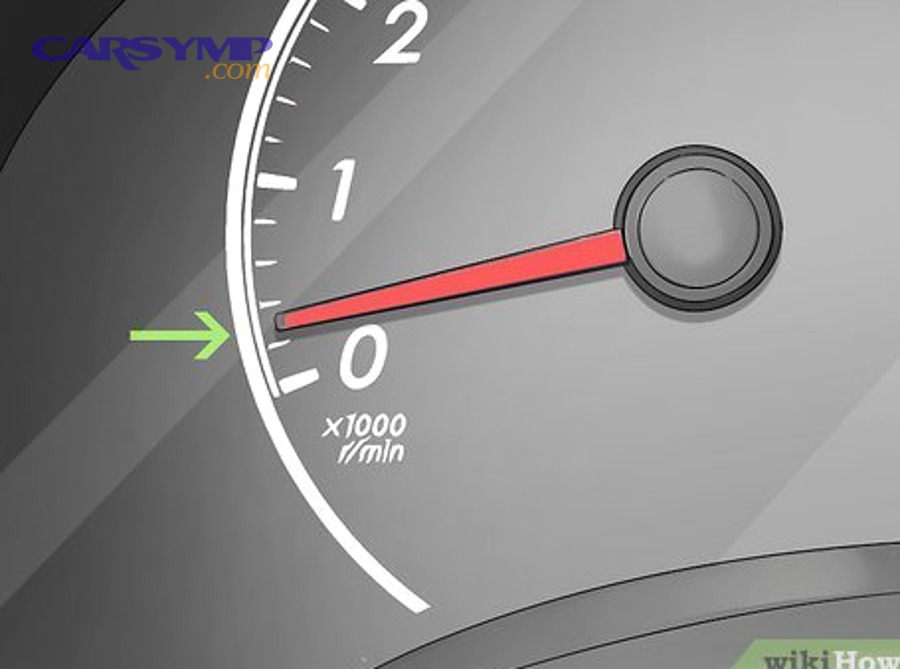
However, the key is not the vehicle speed on the speedometer—it’s the engine state: throttle closing, RPM falling, and load changing.
Stalling while slowing down confuses drivers because it happens while you’re still moving, but mechanically it often behaves like an idle problem: the throttle plate closes, the engine loses airflow, and the idle system must “catch” the RPM before it falls too low.
Does the engine die right as RPM drops below ~1,000, and what does that point to?
There are 3 common transition triggers that point to idle-control causes: (1) throttle closing airflow restriction, (2) vacuum/air leaks that dominate at idle, and (3) mixture disruption from purge/EGR at low load.
More specifically, if the engine stalls at the exact moment RPM “falls off a cliff,” your best next checks live in the idle/airflow category.
Here’s what that usually points to:
- Throttle body contamination: a dirty throttle plate can stick or restrict the tiny airflow needed to keep idle stable. (This is a classic “Throttle body and idle control issues” scenario.)
- Idle control failure: on vehicles with an IAC valve or electronic throttle control, the system may not add enough bypass air when load changes or the throttle snaps shut. A failing IAC is commonly associated with stalling when coming to a stop or idling.
- Vacuum leaks: small leaks often matter most at idle because the engine is pulling high vacuum, and the leak becomes a larger percentage of total airflow.
- EVAP purge anomalies: purge flow at the wrong time can upset idle mixture.
Practical “tell” signs:
- The stall happens more at stoplights than on the highway.
- It’s worse cold, or worse hot-soaked, depending on the underlying component.
- It’s worse with A/C on or in gear (automatic).
Does it stall only when you stop with the brakes on (automatic), and could the torque converter be involved?
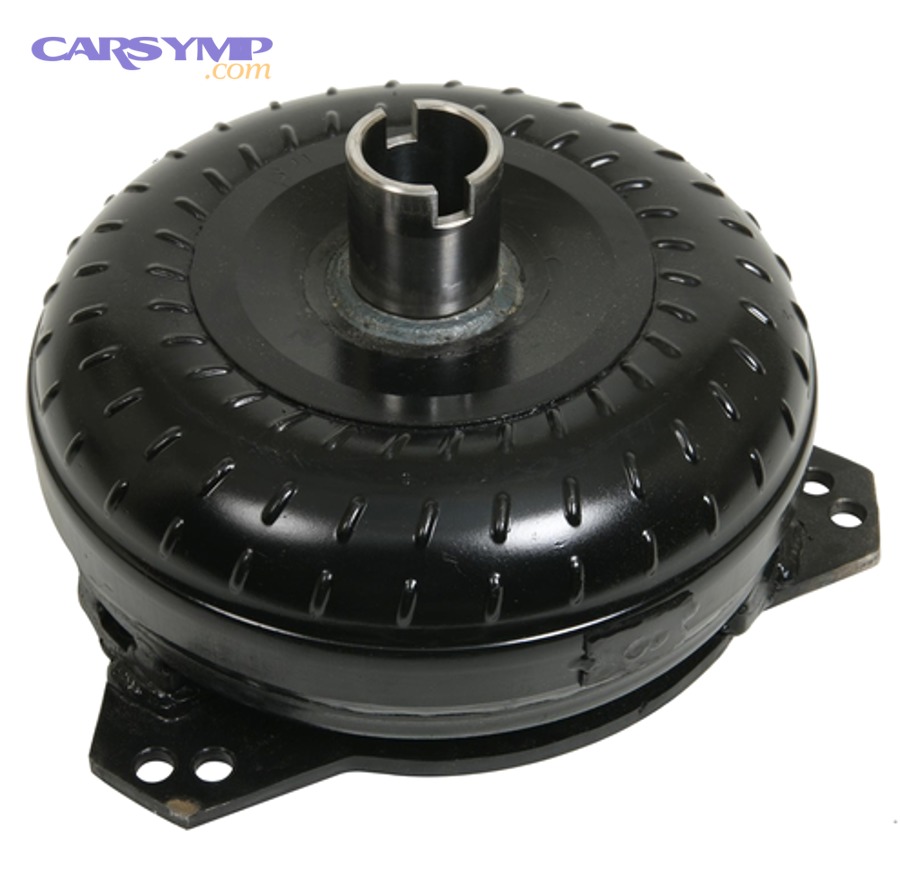
Yes, it can—because if the torque converter clutch fails to release, the engine can be dragged down at a stop, creating a stall that feels like stopping a manual car without pressing the clutch.
Meanwhile, this is one of the cleanest “pattern diagnoses” you can make because the symptom is so specific.
Clues that support torque-converter involvement:
- The stall happens only in Drive (or Reverse), not in Park/Neutral.
- It feels like the car is “pushing” or “lugging” as you stop.
- You may notice shuddering or odd engagement behavior during deceleration.
A common description is that it “feels much like a manual transmission vehicle stopping with the clutch engaged,” which aligns with how a stuck torque converter clutch loads the engine at low speed.
What are the most common causes of idle stall vs stall at speed?
There are 2 main types of engine-stall causes—idle-dominant and speed-dominant—based on the criterion of engine load and airflow state at the moment of failure.
In addition, you’ll get the fastest results by grouping causes by the system they affect: air/idle control, fuel delivery, ignition, sensors, and electrical power.
Before you dive into parts, use this quick comparison table (it summarizes what the next two sections expand on):
Table: Symptom-to-system differences between idle stall and stall at speed
| What you notice | More typical of idle stall | More typical of stall at speed |
|---|---|---|
| Happens mostly at stoplights / in traffic | ✅ | Sometimes |
| Happens at steady highway cruise | Rare | ✅ |
| RPM dips and “can’t catch itself” | ✅ | Sometimes |
| Instant cut-out like key turned off | Sometimes | ✅ |
| Restart immediately possible | Often | Depends on cause |
| Worse with A/C, steering, or in gear | ✅ | Sometimes |
Which airflow and idle-control problems most often cause stalling at idle?
There are 5 common airflow/idle-control causes of idle stalling: dirty throttle body, failing IAC/idle control strategy, vacuum leaks, MAF/air-meter errors, and EGR stuck open (where equipped)—based on the criterion of reduced effective airflow at closed throttle.
Especially at idle, tiny airflow errors have an outsized effect, so air-path problems climb to the top of the list.
1) Dirty throttle body / sticky throttle plate
When carbon builds up around the throttle plate, the engine may not get enough air at closed throttle, or the plate may not return smoothly. The result is unstable idle, RPM dips, and stalls. This is the heart of Throttle body and idle control issues. If you clean it, follow vehicle-specific procedures—some electronic throttles require relearn/adaptation.
2) Idle Air Control (IAC) valve or idle strategy failure
If the idle air system can’t add bypass air, the engine can stall when you come to a stop or idle. This often shows up as “it runs fine when I’m on the gas, but dies when I let off.”
3) Vacuum leaks and PCV issues
A vacuum leak can lean the mixture at idle, causing rough idle and stalling. Many leaks are small enough to hide at speed but show up when the engine is trying to idle with minimal airflow.
4) Air metering issues (MAF contamination, intake boot cracks)
If the engine miscalculates airflow, it may misfuel at idle where margins are tight.
5) EGR stuck open (where present)
EGR flow at idle can dilute combustion and drop idle stability. Not every vehicle has a traditional EGR valve, but when it does and it sticks, idle quality often suffers first.
Which fuel, ignition, and electrical problems most often cause stalling at speed?
There are 4 common speed-dominant causes of stalling at speed: fuel delivery weakness, ignition breakdown under load, critical sensor signal loss, and electrical/charging interruptions—based on the criterion of failure under sustained airflow and load.
More importantly, these causes are the ones you prioritize when the engine stalls while driving at steady speeds or during acceleration.
1) Fuel delivery weakness (pump, filter, pressure control)
A marginal fuel pump may keep up at idle but fail at speed. The engine may surge, lose power, then stall.
2) Ignition breakdown under load (coils, plugs, wiring, modules)
Ignition components can fail under heat and cylinder pressure. Symptoms often include misfire, hesitation, then stall.
3) Critical sensor signal dropout (crank/cam, etc.)
If the engine control module loses a crankshaft position signal, it can cut fuel and spark because it no longer knows when to fire. Intermittent stalling can occur at idle or while driving depending on failure mode.
4) Electrical power supply issues (alternator, battery connections, relays, grounds)
Voltage drop or connection loss can create sudden stalls that feel like switching the key off—sometimes followed by a quick restart, sometimes not.
How can you diagnose idle stall vs stall at speed using symptoms and simple checks?
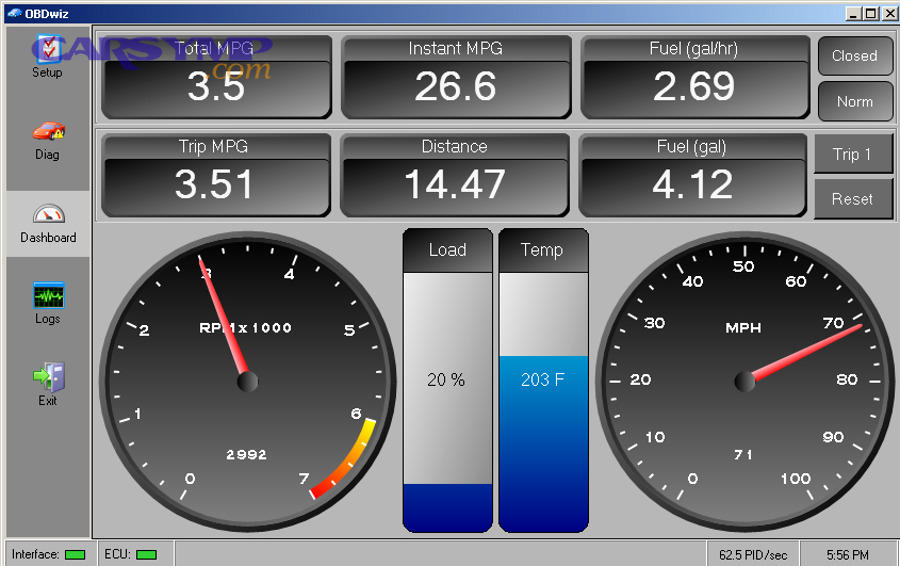
A symptom-led diagnostic flow with 3 steps—(1) observe the stall pattern, (2) scan for codes + freeze-frame, and (3) test the most likely system—is the fastest way to identify whether you’re dealing with idle control, fuel/ignition, sensor dropout, or electrical power loss.
Next, you’ll use a “decision tree” that starts with what you can feel and see, not what a parts counter suggests.
Can you tell the difference between fuel starvation and ignition/electrical cut-out by how it stalls?
Fuel starvation wins in explaining sputter-and-die, ignition failure is best for misfire-and-collapse under load, and electrical/sensor cut-out is optimal for instant shutdown like a switch.
However, you only get value from this comparison if you attach it to repeatable cues.
Use these cues:
A) Sputter → gradual loss of power → stall
Often points to fuel pressure/volume problems or severe misfire. You may notice it struggles more uphill or under throttle.
B) Misfire, bucking, then stall (especially under acceleration)
Often points to ignition breakdown or mixture control issues.
C) Instant cut-out (like key turned off)
Often points to electrical interruption or critical sensor dropout (crank/cam). Dash behavior can help: if the dash resets or lights change dramatically, think power/ground/relay.
D) Restart behavior
Restarts immediately and runs fine again → intermittent signal/connection or borderline airflow control. Won’t restart until it cools → heat-related sensor or module failure patterns are possible.
What quick tests help confirm an idle-control/vacuum issue (without special tools)?
There are 4 quick checks that confirm many idle-control/vacuum problems: intake air-path inspection, vacuum leak survey, throttle body condition check, and load-trigger testing (A/C and steering)—based on the criterion of idle sensitivity to airflow and load.
Specifically, these checks work because they directly stress the system that fails at idle: air supply.
1) Air-path inspection (2 minutes)
Inspect the intake boot for cracks, loose clamps, and disconnected hoses. Look for obvious tears near bends and joints.
2) Vacuum leak survey (simple, safe version)
Listen for a hissing sound around hoses and intake areas. Check PCV hoses and grommets for looseness or collapse. Use safe methods—avoid flammable spray tests on a hot engine.
3) Throttle body condition check
If accessible, look for heavy deposits near the throttle plate. If you’re considering cleaning, confirm the correct method for your throttle type first (some electronic throttles require specific handling).
4) Load-trigger testing
Turn A/C on/off at idle and observe RPM stability. Turn steering wheel at idle and watch for stalls or severe dips.
If you want a visual walkthrough for idle-related airflow issues, one helpful reference is an IAC/throttle-body cleaning demonstration:
What checks help confirm a fuel/charging problem that shows up at speed?
There are 3 high-yield checks for speed-related stalls: fuel delivery verification, charging/voltage stability checks, and heat-related sensor screening, based on the criterion of failures that appear under sustained load or heat.
Then, you use the results to decide whether you can do more at home or should move straight to professional testing.
1) Fuel delivery verification (targeted)
Review maintenance history (filter replacement where applicable). If symptoms fit fuel starvation, a fuel pressure test under load is the definitive direction (often a shop task).
2) Charging and connection stability
Inspect battery terminals for looseness or corrosion. Look for frayed grounds or obvious poor connections. If the dash flickers or electronics act strange right before stalls, electrical becomes a priority.
3) Heat-related sensor screening
If the stall appears after the engine warms and restart is delayed, consider heat-sensitive sensors (like crankshaft position sensors) and related wiring.
Should you keep driving if your car stalls at idle or at speed?
No—you should not keep driving after a stall until you’ve identified the stall type and stabilized safety, because repeated stalling can (1) remove power steering/brake assist at the worst moment, (2) cause unpredictable loss of power in traffic, and (3) escalate a minor fault into a dangerous roadside event.
In short, the safest approach is to treat any stall as a safety signal first, a repair problem second.
This is where the exact phrase “Safe actions when engine stalls on road” matters: your first job is controlling the vehicle, warning others, and moving to a safer location before you diagnose.
A practical rule:
- Stall at speed or unpredictable stall → assume higher risk and prioritize getting off the road and arranging help.
- Idle-only stall that’s consistent and mild → you may be able to limp to a shop, but only with clear conditions.
Is it an emergency if it stalls at speed, and when should you stop driving immediately?
Yes—it can be an emergency if it stalls at speed, because the risk rises fast when the stall is unpredictable, happens in fast traffic, or is paired with warning signs, and you should stop driving immediately if (1) it stalls more than once in a trip, (2) you lose steering/braking assist or get warning lights indicating power loss, or (3) you smell fuel, see smoke, or notice overheating.
Next, use a calm, repeatable safety script so you don’t waste seconds.
Immediate safety script (prioritize control):
- Hold the wheel firmly and steer toward the shoulder or a safe refuge.
- Turn on hazards as soon as you can.
- If the engine is off, remember that steering and brake assist may be reduced—plan for heavier inputs.
- Once stopped, set the parking brake, stay buckled if you’re in a risky location, and call for help.
Evidence: According to a study by Virginia Tech Transportation Institute from the Driver Distraction in Commercial Vehicle Operations project, in 2009, texting while driving raised a driver’s crash risk by 23 times.
If it only stalls at idle, can you drive to a shop safely?
Yes—sometimes you can drive to a shop if it only stalls at idle, but only if (1) it never stalls at speed, (2) it restarts reliably, and (3) you can prevent stalling at intersections by minimizing idle load and choosing low-risk routes.
However, your plan should reduce stop-and-go exposure, because that’s where idle stalls create the biggest safety problem.
If you decide to limp it:
- Take back roads with fewer intersections if possible.
- Avoid heavy accessories at idle (A/C, high electrical load) if they trigger RPM dips.
- Keep extra following distance and anticipate stops early to reduce abrupt decel-to-idle transitions.
- If it ever stalls while moving faster than parking-lot speed, stop the “limp plan” and treat it as a stall-at-speed scenario.
What less-common issues can mimic stalling, and how do you rule them out?
“Stalling” can also be a look-alike category where the engine isn’t truly “air/fuel/spark-starved,” but instead is being shut down by intermittent signals, control interruptions, or system behaviors that resemble a stall—so you rule them out by checking for pattern, heat sensitivity, electrical resets, and security indicators.
In addition, these edge cases matter most when the problem is intermittent, hard to reproduce, or seems to ignore the usual rules of idle vs speed.
Can a failing crank/cam sensor cause intermittent stalling with no warning, especially when hot?
Yes, a failing crank or cam sensor can cause intermittent stalling—especially when hot—because heat can degrade signal integrity and the control module may cut spark and fuel when it loses timing reference.
Then, confirm it with pattern: hot soak, sudden cut, and restart only after cooling.
What typically points this direction:
- Stalls become more likely after the engine reaches operating temperature.
- The engine may crank but not start briefly, then start later.
- The stall can happen at speed or at idle.
Can EVAP purge or EGR problems cause idle-only stalls that disappear at speed?
Yes, EVAP purge or EGR problems can cause idle-only stalls because unintended vapor flow or exhaust dilution can destabilize combustion at low load, while higher airflow at speed masks the effect.
More specifically, you look for idle instability that spikes after warm-up or after refueling (for purge-related patterns).
Rule-out approach:
- If the stall is strongly idle-linked and codes relate to EVAP or EGR, test those systems before replacing ignition or fuel parts.
- If the idle improves dramatically when certain conditions change (like after a drive cycle), think control behavior and commanded flow rather than a hard mechanical failure.
Can electrical grounds, relays, or the ignition switch cause “like the key turned off” stalls?
Yes, grounds, relays, or ignition-switch issues can cause “key-off” style stalls because brief power interruptions reset modules or cut critical circuits instantly, which feels different from fuel starvation.
Meanwhile, this is one of the most important edge cases because it can be intermittent and hard to “catch” in a driveway test.
Clues that support electrical interruption:
- Random stalls paired with flickering dash, strange warning lights, or clock/radio resets.
- Bumps, heat, or steering movement make it more likely (harness/connection movement).
- Restart sometimes works immediately because the connection returns.
A practical rule-out:
- Inspect and secure battery terminals, grounds, and obvious connectors first, because they’re common failure points and easy to verify.
Can an immobilizer/security system problem look like stalling, and what signs confirm it?
Yes, an immobilizer/security issue can look like stalling because the system can prevent sustained engine operation by cutting fuel/spark authorization, and you confirm it by consistent security-indicator behavior and repeatable start-then-die patterns.
To illustrate, if the engine starts and dies within seconds and a security light flashes or stays on, treat it as an authorization problem before chasing fuel pumps or throttle bodies.
How to confirm:
- Watch the security/immobilizer indicator during the event.
- Note whether it refuses to restart in a way that doesn’t match typical mechanical failures.
- Use a scan tool to check for body/security-related codes if available.