


Replacing an ignition switch usually costs a few hundred dollars because the total price combines parts, labor time inside the steering column or dash, and sometimes anti-theft reprogramming—so the smartest “estimate” starts with a realistic range and the factors that push it up or down. (repairpal.com)
Next, you’ll get a clear cost framework—parts vs labor, what the job typically includes, and why your vehicle’s design (keyed ignition vs push-button, steering column layout, security system) changes the invoice even when the symptom looks the same.
Then, you’ll see the most common point of confusion: ignition switch vs ignition lock cylinder. They fail differently, they’re diagnosed differently, and the “right” repair can be cheaper or more expensive depending on whether the issue is electrical or mechanical. (repairpal.com)
Introduce a new idea: once you can separate “electrical power problem” from “key/lock problem,” you can spot hidden add-ons, avoid paying for the wrong fix, and decide whether a shop, dealer, or locksmith is the best-value route.
What is an ignition switch, and what does “ignition switch replacement” include?
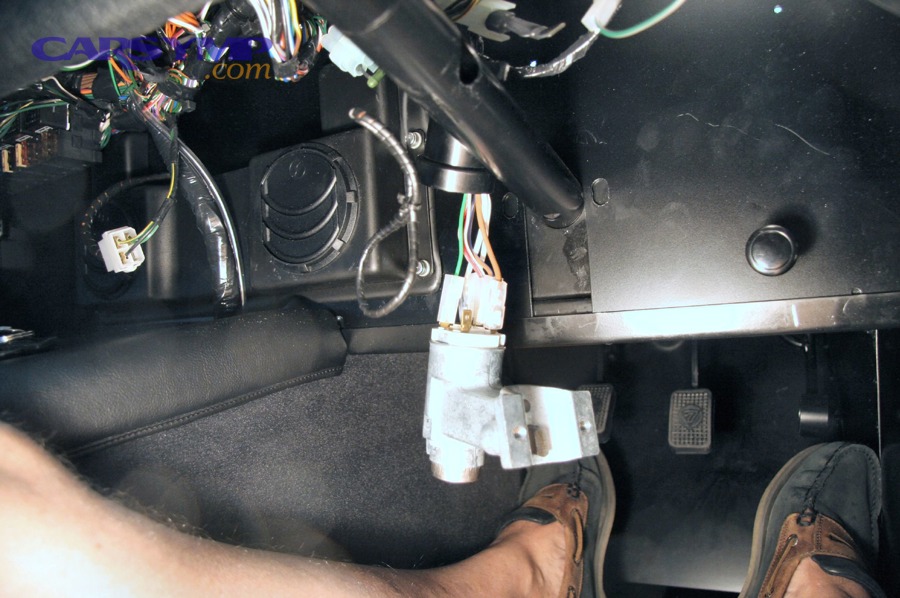
An ignition switch is an electrical switching assembly in the starting system that routes battery power to accessories, engine controls, and the starter circuit based on key or button position, and “ignition switch replacement” typically means removing trim/column covers to swap that switch and verify proper starting and accessory power.
To better understand why cost estimates vary, it helps to pin down what’s actually being replaced, what’s being tested, and what parts are not included unless you approve them.
What symptoms suggest a failing ignition switch?
ignition switch problems usually show up as inconsistent power delivery, and there are several symptom “clusters” that point toward the switch instead of the battery, starter, or a mechanical key issue.
Common symptom clusters tied to ignition switch problems
- Intermittent no-crank: You turn the key to START, but the starter doesn’t engage every time (or engages only after jiggling the key).
- Accessory power dropouts: Radio, blower motor, or dash power cuts out when you hit bumps or turn the steering wheel.
- Engine stall or sudden shutdown: The engine dies as if the key was turned off, then restarts later.
- Key-position weirdness: The car behaves like it’s between ACC/ON/START positions (especially on worn electrical contacts).
- Heat-related or time-related failures: Works when cold, fails after a drive, then works again after cooling down.
A practical way to think about this is: the ignition switch sits at the center of “who gets power, when,” so symptoms often look like random electrical behavior rather than a single consistent mechanical failure.
Can you confirm it’s the ignition switch before replacing it?
Yes—confirming the ignition switch before replacement is worth it because (1) many no-start complaints come from battery/starter/relay faults, (2) a lock cylinder can mimic switch failure, and (3) modern security systems can block starting even when the switch is fine.
Next, use a simple diagnostic mindset that separates electrical supply from engine run conditions, which is exactly what shops do in a paid diagnostic.
No crank vs no start ignition diagnosis
- No crank = the starter motor never turns the engine. This points toward switch signal, starter relay/solenoid, neutral safety switch, wiring, or battery supply.
- Cranks but won’t start = the starter turns the engine, but the engine doesn’t fire. This often points toward fuel, spark, immobilizer, or engine management issues—not always the ignition switch.
A technician typically verifies:
- Battery state and voltage drop under load
- Starter relay command and output
- Ignition switch output at relevant terminals (varies by vehicle)
- Scan data/codes if immobilizer or BCM involvement is suspected
When you bring a “cost estimate” request to a shop, you get a better quote when you can describe the symptom as no crank vs cranks but won’t start, because that shapes whether the switch is even the likely part.
How much does ignition switch replacement cost on average?
The average ignition switch replacement typically lands in the low-to-mid hundreds because parts are often modestly priced while labor is driven by trim removal, steering column access, and post-repair verification; for one commonly cited national estimator, the average range is $237–$308 for ignition switch replacement. (repairpal.com)
Then, to make that number useful for your car, you need to see how the estimate is built—parts, labor hours, and the “multiplier” factors that change the final invoice.

What is the typical parts cost vs labor cost for ignition switch replacement?
In most estimates, labor is the swing factor, because the switch itself may be straightforward to source while access can be easy on one vehicle and tedious on another.
Here’s how the two buckets usually behave:
- Parts cost tends to be relatively stable for a given vehicle (aftermarket vs OEM changes it, but it’s still a bounded range).
- Labor cost can change sharply with steering column complexity, airbag/trim removal, and whether the switch is integrated with other components.
To keep your estimate grounded, ask for:
- The quoted labor hours (not just the dollar total)
- The shop rate used in the quote
- Whether the quote assumes “switch only” or includes related components
What factors change the total cost the most?
There are several predictable drivers that make two “ignition switch replacement” quotes look nothing alike, even if both shops are honest.
High-impact cost drivers
- Vehicle design and access: Tight columns, brittle trim, or hidden fasteners increase labor time.
- Push-button vs keyed system architecture: Some systems shift cost toward modules and programming rather than a simple switch.
- Anti-theft/immobilizer involvement: If the vehicle requires relearn procedures or programming, the quote rises.
- OEM vs aftermarket parts choice: OEM parts often cost more but may reduce repeat failures and include better warranty coverage.
- Related wear items: A damaged connector pigtail or worn actuator mechanism adds parts and time.
- Local labor rates: The same job costs more in high-rate metro areas than in lower-cost regions.
Before approving a repair, it helps to look at the estimate the way a shop does: hours + rate + parts + possible programming.
Is it cheaper at an independent shop, dealer, or mobile mechanic?
Independent shops often win on price, dealers often win on model-specific programming access, and mobile mechanics can win on convenience—but the best choice depends on whether your job is “switch only” or “switch + security + keys.”
Typical value tradeoffs
- Independent shop: Often strong value for straightforward switch replacement; competitive labor rates; good if no special security programming is needed.
- Dealer: Often higher labor rates, but strongest access to manufacturer tools and procedures; may be the cleanest route if immobilizer reprogramming or VIN-specific parts are involved.
- Mobile mechanic: Great for convenience, but still limited by what can be safely done at your location; complex steering column work may be better in a shop.
A simple rule keeps you from overpaying: if the estimate includes programming or security relearn, ask which tool and procedure is required and who is equipped to do it correctly the first time.
Is ignition switch replacement the same as ignition lock cylinder repair?
Ignition switch replacement is an electrical power-routing repair, while ignition lock cylinder repair/replacement is a mechanical key-and-tumbler repair, and they overlap in location but not in failure mode—so the correct fix depends on whether your symptom is mechanical key control or electrical power delivery.
On the other hand, the reason people confuse them is that both live in or near the steering column and both can create “the car won’t start” stress—so you need a fast way to tell them apart.

How can you tell whether you need a switch replacement or a lock cylinder repair?
The fastest separator is what the key does versus what the electronics do.
Signals that lean toward lock cylinder (mechanical)
- Key won’t insert smoothly, won’t turn, or binds heavily
- Steering wheel lock won’t release even with gentle wheel movement
- Key turns but feels “gritty” or inconsistent across positions
Signals that lean toward ignition switch (electrical)
- Key turns normally, but accessories or crank behavior is intermittent
- Power cuts out while driving or while in ON/ACC
- You can sometimes “restore power” by lightly moving the key without changing its position
If you describe the issue as “the key won’t turn,” many technicians will start with cylinder/steering lock checks. If you describe it as “key turns but power is unreliable,” they’ll start with ignition switch output and circuit tests.
Which is usually more expensive: ignition switch replacement or lock cylinder replacement?
Ignition switch replacement can be cheaper or more expensive depending on your vehicle, but many national estimators show the lock cylinder replacement average can land slightly higher than the ignition switch replacement average, largely because cylinder work can trigger key cutting or programming needs; one widely used estimator lists ignition switch replacement at $237–$308 and ignition lock cylinder replacement at $289–$366 on average. (repairpal.com)
That comparison is most useful as direction—not destiny—because a specific model with complicated steering column access can flip the script.
Can both be replaced together, and when does that make sense?
Yes—replacing both together can make sense when (1) the vehicle has high labor overlap to access both components, (2) the cylinder wear has already damaged the switch actuator linkage, and (3) you want to prevent a second teardown that repeats the same disassembly costs.
However, the bundle only makes sense when the diagnosis supports it. A good estimate clearly states:
- Which component is confirmed faulty
- What overlap labor you save by doing both now
- What extra costs you incur (keys, programming, security procedures)
If a shop recommends both without showing symptoms or test results that support it, treat that as a prompt to ask for the specific failure evidence.
What hidden add-on costs should you expect in an ignition repair estimate?
Ignition repair estimates often grow beyond the “switch price” because add-ons like diagnostics, taxes/fees, wiring repair, and key programming can appear once the column is opened and the root cause is confirmed.

In addition, these add-ons are not automatically “bad”—some are necessary—but you want them identified up front so the estimate behaves like an estimate, not a surprise.
Do you need key cutting or key/fob programming after the repair?
Sometimes yes, sometimes no, and the deciding factor is whether the repair touches security-linked components or introduces a new key/cylinder that must match the vehicle’s immobilizer logic.
You’re more likely to need programming when:
- The lock cylinder is replaced and the vehicle uses transponder keys
- A push-button system requires pairing or module communication checks
- The repair changes a security-relevant component that triggers a relearn
You’re less likely to need programming when:
- It’s truly “switch only” and the key/cylinder remain unchanged
- The vehicle supports a simple relearn procedure without special tools
Because pricing for programming varies widely by vehicle and service source, treat “programming” as a separate line item that should be stated, not assumed.
Could there be additional parts besides the switch?
Yes—ignition switch replacement sometimes exposes supporting parts that must be repaired to prevent repeat failure or to restore reliable electrical contact.
Common add-on parts
- Connector pigtail/wiring repair if the switch connector is heat-damaged or loose
- Actuator or linkage components between the key cylinder and electrical switch (varies by design)
- Steering column covers/clips if brittle trim breaks during removal
- Related electrical components if testing reveals upstream/downstream failures (less common, but possible)
A good estimate separates “required” from “conditional,” so you can approve the core job while understanding what could be added if a specific issue is found.
Should you pay for diagnostics if you already “know” it’s the switch?
Yes, you should usually pay for diagnostics because (1) no-crank complaints are often misattributed, (2) the lock cylinder and switch can mimic each other, and (3) modern vehicles can prevent starting due to security or module logic even when the switch is functional.
Moreover, diagnostics protect your wallet by preventing “parts cannon” repairs. A small diagnostic fee can be cheaper than:
- Replacing the wrong component
- Paying twice for steering column disassembly
- Getting stranded again because the real cause (relay, ground, wiring) wasn’t fixed
If you want the fee to feel fair, ask for what the diagnostic includes: electrical testing steps, scan tool checks (if applicable), and how results will be documented.
Is it worth replacing the ignition switch yourself to save money?
Yes, it can be worth replacing the ignition switch yourself if your vehicle’s procedure is straightforward, you can safely work around steering column components, and you want to save labor costs—but it’s only “worth it” when (1) you can confirm the diagnosis, (2) you can avoid airbag/clock-spring damage, and (3) you can handle any security relearn or programming needs.

Especially for ignition switch problems that are intermittent, DIY decisions fail when the diagnosis is fuzzy, so your savings plan starts with certainty, not confidence.
What tools, time, and skill level are required for DIY ignition switch replacement?
DIY ignition switch replacement generally requires basic hand tools, careful trim work, and the patience to document connector positions and fastener locations, but the time and difficulty vary by vehicle.
Typical DIY requirements
- Basic socket/bit set, screwdrivers, trim tools
- A safe battery disconnect procedure
- Service information (vehicle-specific steps matter)
- 1–3 hours for first-timers on simpler designs (more if access is tight)
The “skill” part is less about mechanical strength and more about controlled work:
- You remove panels without breaking clips
- You avoid stressing wiring and connectors
- You reassemble without pinching harnesses or misrouting parts
If your vehicle uses a complex steering column assembly, the DIY time cost can exceed what you save, especially if a broken trim panel forces a second parts purchase.
What are the biggest DIY risks that can increase total cost later?
The biggest DIY risks are the ones that turn a money-saving repair into a steering-column rebuild, which is why DIY ignition switch replacement cautions should be taken seriously.
High-cost DIY risks
- Airbag/SRS risk: Improper battery disconnect or working near steering wheel components can be dangerous and expensive.
- Clock spring damage: If the steering wheel or column components are disturbed incorrectly, you can lose horn/airbag/steering controls and trigger warning lights.
- Broken trim and fasteners: Cosmetic damage adds cost and time.
- Misdiagnosis: Replacing a switch when the issue is a relay, battery cable, or immobilizer wastes parts and delays the real fix.
- Electrical connector damage: Bent pins or partially seated connectors can cause new intermittent faults.
According to a study by Kettering University from the injury biomechanics research context, in 2002, researchers reported that certain steering wheel grasp positions during airbag deployment were associated with significant upper-extremity injury risk, which underlines why working safely around steering wheel/airbag systems matters. (pubmed.ncbi.nlm.nih.gov)
When is a locksmith the better option than a mechanic?
A locksmith is often the better option when your problem is primarily key-and-cylinder related rather than electrical power routing.
A locksmith route makes sense when:
- The key is stuck, broken, or won’t turn
- The cylinder is worn, binding, or has tumblers failing
- You need rekeying, key cutting, or lock service that doesn’t require engine diagnostics
A mechanic route makes more sense when:
- The key turns normally but the car has intermittent power/no-crank behavior
- You need circuit testing, module diagnostics, or repair beyond the lock hardware
- The vehicle’s starting issue is tied to broader electrical faults
The best estimate is the one that matches the right trade: locksmiths can be efficient for mechanical lock failures; shops can be efficient for electrical diagnosis and switch circuit repairs.
How can you lower ignition repair costs and avoid paying for the wrong fix?
You can lower ignition repair costs by tightening the estimate scope, confirming the correct component (switch vs cylinder), and avoiding unnecessary add-ons—because most overpayment happens when the job is described vaguely and priced as a worst-case scenario.

Thus, the goal is not to chase the cheapest number, but to build the most accurate estimate with fewer surprises and fewer repeat repairs.
What questions should you ask for an accurate written estimate before approving the repair?
Ask questions that force the estimate to become a line-item plan instead of a guess.
High-leverage estimate questions
- “Is this quote for the ignition switch only, or does it include the lock cylinder too?”
- “How many labor hours are you quoting, and what shop rate is used?”
- “Does this include diagnostics, or is diagnostics billed separately?”
- “Do you expect programming/relearn, and if so, what triggers it?”
- “What warranty applies to parts and labor, and what’s excluded?”
When you get these answers in writing, you can compare quotes fairly. Two totals can look different simply because one includes diagnostics and taxes while the other hides them until the end.
Can cleaning, adjusting, or re-learning procedures be a cheaper alternative than replacement?
Sometimes, but often no—cleaning or adjusting rarely fixes a genuinely failing ignition switch long-term because worn electrical contacts and heat-damaged internals do not “reset” reliably.
A cheaper alternative can exist when:
- The issue is actually a loose connector or damaged pigtail that can be repaired
- The vehicle needs a security relearn after battery disconnect or module changes
- The key/cylinder issue is minor and resolved with proper mechanical service
But when the symptom is consistent voltage drop or repeated intermittent cutouts under load, replacement is usually the durable fix.
What are common problems mistaken for a bad ignition switch?
Many “ignition switch” complaints are actually starting-system or electrical supply issues, which is why accurate symptom language matters.
Common misdiagnoses
- Weak battery or corroded terminals
- Starter relay or starter motor failure
- Neutral safety switch or clutch interlock issues
- Ground strap corrosion causing voltage drop
- Fuses or fusebox connection faults
- Immobilizer/key recognition problems
If your symptom is intermittent, insist on a test-backed diagnosis before approving a parts swap. Intermittent faults are where people lose the most money.
Do warranties, recalls, or insurance ever cover ignition switch or lock repairs?
Sometimes yes—coverage depends on whether the failure falls under an active recall/extended warranty policy, whether the part is covered as an electrical component, and whether the claim requirements are met.
Practical steps that improve your odds:
- Check your extended warranty contract for “electrical” and “starting system” coverage terms
- Ask whether the shop will document diagnostic results clearly for claims
- If the vehicle has a known ignition-related campaign history, ask the dealer service department to confirm coverage eligibility
Even when coverage is not available, the same documentation helps you avoid repeat spending because it makes the root cause easier to verify.
Evidence (key cost benchmark): One widely used national estimator lists the average ignition switch replacement cost range as $237–$308, which provides a baseline for building a parts-and-labor estimate around your vehicle and location. (repairpal.com)