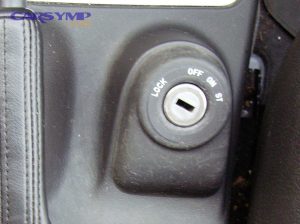
Diagnose & Fix Ignition Switch Problems in Your Car: Bad/Failing Switch Symptoms, Causes & Replacement Tips for Drivers
If you suspect ignition switch problems, the fastest way to get unstuck is to treat it like a diagnosis problem first and a parts problem second: identify the position-based symptoms (ACC/ON/START), confirm the switch is the likely cause, then choose the safest fix path without guessing.
Next, this guide breaks down the Bad ignition switch symptoms most drivers notice—especially when a car won’t start—and shows you how those symptoms map to what the ignition switch is (and isn’t) powering.
Then, you’ll get a practical DIY workflow for No crank vs no start ignition diagnosis, including Testing ignition switch with multimeter so you can separate true ignition switch failure from look-alikes like battery, starter, or relay issues.
Introduce a new idea: once you know the symptom pattern and the right tests, you can avoid the most common misdiagnosis—Ignition switch vs starter relay issues—and decide whether replacement is necessary, safe, and worth the cost.
What is an ignition switch, and what does it control in ACC/ON/START?
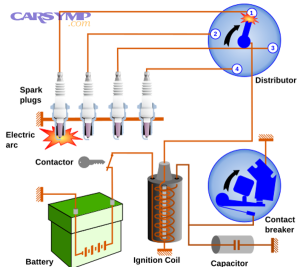
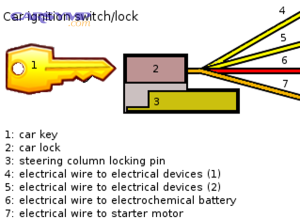
An ignition switch is a power-routing and signal-control component that changes which vehicle circuits receive power in ACC, ON (RUN), and START, letting your car wake up, run, and crank in a controlled sequence.
To better understand why ignition switch failures feel “random,” it helps to connect each key position to what the car is actually doing electrically.

In most key-start vehicles, the ignition switch works like a multi-position electrical gate:
- OFF/LOCK: The engine is off and most circuits are isolated. LOCK often engages a steering lock (vehicle-dependent) and allows key removal.
- ACC (Accessory): Limited circuits power up (often radio, infotainment, some interior electronics). High-draw systems may remain restricted to protect the battery.
- ON/RUN: The vehicle energizes the “run” circuits needed for driving—dash cluster, engine control power feeds, fuel system control, and many body electronics.
- START: The switch sends a momentary crank signal to engage the starter circuit while maintaining enough “run” power for the engine to start and then continue running.
The key detail is that these positions do not just “start the car.” They route power to different branches of the electrical system. That’s why ignition switch problems often show up as Electrical accessories cutting out diagnosis issues—like the radio dying, dash lights flickering, or the engine stalling—rather than a single clean failure.
What does “ignition switch problems” actually mean (bad vs failing vs intermittent)?
“Ignition switch problems” usually means one of three states: bad (failed), failing (degrading), or intermittent (position-sensitive)—and each one produces a different symptom pattern.
More specifically:
- Bad (hard failure): Internal contacts no longer connect. The result is consistent: the car does not crank, does not power ON circuits, or does not respond in one or more positions.
- Failing (degrading contacts): Contacts still connect, but imperfectly. This shows up as flickering power, intermittent no-crank, or “starts sometimes.”
- Intermittent (movement/temperature/vibration sensitive): The car may start, then die; or it may only crank if the key is held “just so.” This is where drivers get trapped in confusion: it feels like multiple unrelated problems, but the root is one switching point.
A helpful mental model is: if the symptom changes when the key position changes, or when the key is gently moved within the same position, the ignition switch becomes more suspicious—though this is not proof by itself.
Which parts are commonly confused with the ignition switch (lock cylinder, starter relay, neutral safety switch, battery, BCM)?
Many “ignition switch” complaints are actually another component in the start chain. The most common confusion is Steering lock and ignition cylinder problems versus an actual electrical switch failure.
Here’s what’s commonly mixed up—and why it matters:
- Ignition lock cylinder (key barrel): A mechanical part the key turns. If the key won’t turn, binds, or won’t release, it’s often cylinder-related. This overlaps with Key stuck in ignition causes (worn tumblers, steering lock tension, shifter interlock, debris).
- Starter relay: An electrical relay that sends power to the starter solenoid. A failing relay can mimic no-crank symptoms and creates classic Ignition switch vs starter relay issues confusion.
- Neutral safety switch / clutch switch: Prevents cranking unless the vehicle is in Park/Neutral (or clutch depressed). A misadjusted or failing switch can cause a no-crank that looks like ignition trouble.
- Battery/terminals/grounds: Weak voltage or poor connections can create intermittent dash behavior and no-crank, especially under load.
- BCM/immobilizer/security system: Modern vehicles may block crank or fuel if security conditions are not met. This becomes crucial for Security system interaction with ignition scenarios.
If you keep these parts separate in your terminology—switch vs cylinder vs relay—you’ll reduce misdiagnosis and avoid buying the wrong part.
What are the most common symptoms of a bad or failing ignition switch?
The most common signs are intermittent no-crank, sudden stalling, dash/electrical flicker, and accessories cutting out, especially when symptoms correlate to a specific key position or small key movement.
However, those symptoms overlap with battery, starter, and security faults, so the winning move is to interpret them as patterns rather than isolated events.
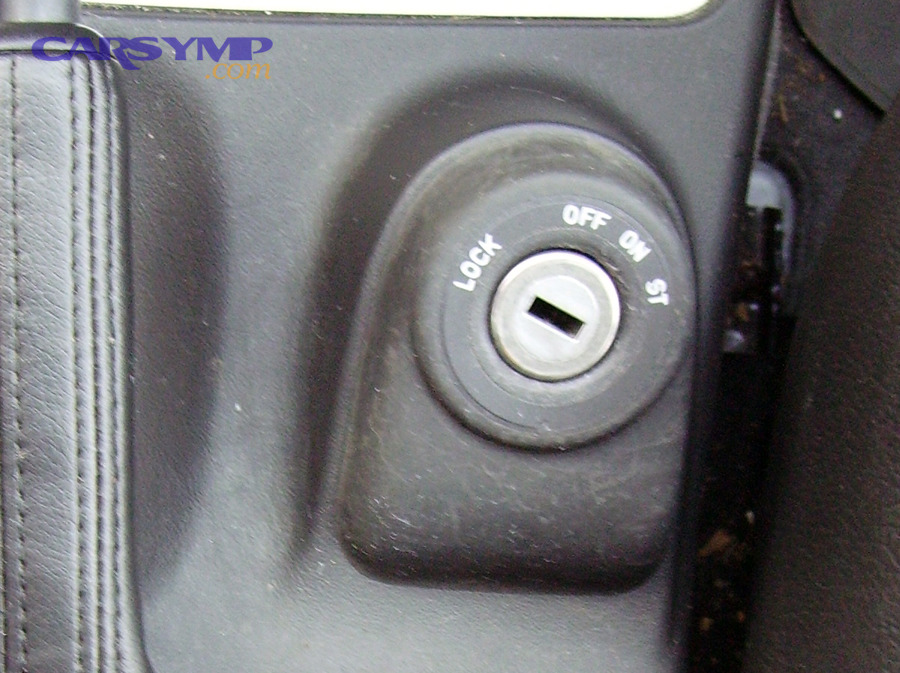
A failing ignition switch often behaves like a poor electrical connection under vibration or heat. That’s why many drivers report “It was fine yesterday,” then today the car won’t start—or starts and then loses power as if someone turned the key back.
Which symptoms point most strongly to ignition switch failure (top signs drivers notice)?
These are the patterns that most strongly raise suspicion:
- Intermittent no-crank with normal dash behavior in ACC/ON
You turn the key to START, but nothing happens—or it cranks only after multiple tries. - Start-then-stall or stall while driving
The engine shuts off unexpectedly, sometimes accompanied by a dash blackout or sudden accessory loss. - Dash lights flicker or cluster resets during key movement
If the instrument cluster reboots or the warning lights behave inconsistently as the key is held, ignition switch contacts become a prime suspect. - Accessory power drops out randomly
Radio, blower motor, or other systems cut out and return—classic for contact instability and a big clue in Electrical accessories cutting out diagnosis. - Key-position inconsistency
For example, ACC works but ON is unstable, or START feels “dead” unless held at a specific angle.
If your symptoms repeatedly change with key position, the ignition switch rises on the suspect list because it is literally the gate that defines those positions.
How do ignition switch symptoms differ from a weak battery or bad starter?
Ignition switch symptoms can look similar to power problems, but the failure “signature” differs. In a clean comparison:
- Weak battery usually produces slow cranking, clicking, dimming lights under load, and consistent struggles that worsen over time.
- Bad starter often produces a single click (solenoid) or a no-crank with solid electrical power elsewhere. Sometimes it’s heat-soak sensitive.
- Ignition switch failure tends to produce position-based and intermittent behavior: the dash may flicker, accessories may drop out, or the START signal may not appear consistently even when the battery is healthy.
This is where No crank vs no start ignition diagnosis matters:
- No crank: engine does not rotate. Suspects include ignition switch START circuit, relay, neutral safety/clutch switch, starter, battery, wiring.
- No start: engine cranks but won’t fire. Suspects include fuel/spark/security, not usually the ignition switch—unless the switch is dropping RUN power.
A quick practical tip: if the car cranks strongly every time but won’t fire, the ignition switch is less likely than fuel/spark/security issues. If it sometimes doesn’t crank at all and other times cranks normally, the ignition switch or its related control path becomes more likely.
Is it safe to drive with ignition switch problems?
No, it’s not safe to drive with ignition switch problems when symptoms include stalling, loss of steering assist, or sudden power drops, because (1) the engine can shut off unexpectedly, (2) driver control effort increases, and (3) safety systems may be affected in some vehicles.
In addition, even “minor” intermittent issues can strand you in traffic, so safety depends on what symptom you’re experiencing and how often it happens.
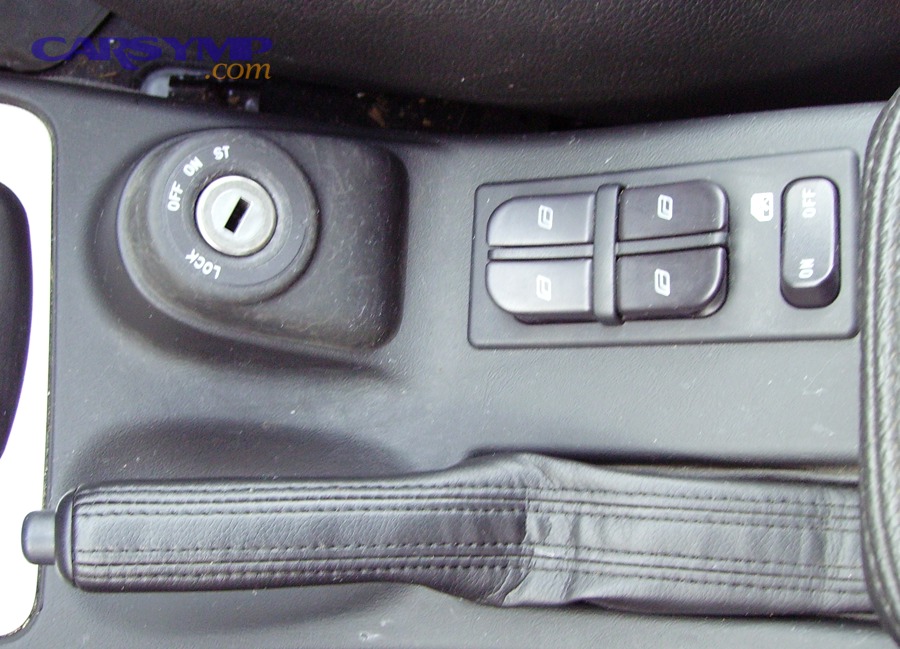
The core risk is not just inconvenience. When an engine stalls, you can lose power steering assist and power brake assist, and the car may behave differently than a driver expects—especially at low speeds or during turns.
Can a bad ignition switch cause the car to stall while driving—yes or no?
Yes, a bad ignition switch can cause the car to stall while driving because it can interrupt RUN power, it can drop the engine control/ignition feed, and it can cut power to critical circuits when vibration or key weight nudges the switch out of position.
More importantly, this is one reason ignition switch failures have been treated as a safety issue in certain defect investigations. For example, a 2014 staff report on the GM ignition switch recall described how a switch could move out of the “Run” position and contribute to stalls and airbag non-deployment under certain conditions.
Evidence: According to a study published in the Proceedings of the Human Factors and Ergonomics Society Annual Meeting in 2014, researchers reported that the majority of drivers could not safely complete a low-speed right turn when power-assisted steering failed unexpectedly, highlighting the real-world risk when a stall leads to loss of assist.
What warning signs mean “don’t drive—get it checked now”?
There are several red flags that should move you from “diagnose soon” to “stop driving and fix”:
- Stalling while moving (especially during turns, merges, or intersections)
- Dash blackout or sudden loss of multiple systems while driving
- Repeated accessory power loss paired with drivability changes
- Burning smell, heat, or melted plastic near the steering column area
- Key is difficult to turn, won’t return from START, or feels mechanically abnormal
- Car dies and won’t restart intermittently (high stranding risk)
If you’re experiencing stalling, treat it as a safety problem first. Get to a safe place, avoid testing on busy roads, and consider towing if the symptom repeats.
What causes ignition switch problems in the first place?
Ignition switch problems are most commonly caused by contact wear and electrical arcing, mechanical wear between the cylinder and switch actuator, and stress from vibration/loads over time—especially when the switch has to handle high current or frequent cycling.
Besides age, the hidden driver is friction and heat inside the switch: repeated use degrades surfaces and increases resistance, which makes failures more likely under load.
Ignition switches are not just “on/off.” They contain contact surfaces that repeatedly connect and disconnect circuits. Over time, those surfaces wear, oxidize, and become less consistent.
What are the most likely mechanical vs electrical causes?
There are two major categories:
Mechanical causes
- Worn lock cylinder / actuator interface: The key turns, but the internal actuator that drives the electrical switch doesn’t move cleanly.
- Steering lock tension: Turning the wheel against the steering lock can load the cylinder and make the key hard to rotate, tying into Steering lock and ignition cylinder problems.
- Key wear or debris: Rough edges on a worn key or debris in the cylinder increases friction and creates Key stuck in ignition causes symptoms.
Electrical causes
- Worn internal contacts: Over time, the contact surfaces pit or degrade, causing intermittent connection.
- Oxidation/contamination: Film layers increase resistance, especially in older designs or harsh environments.
- Heat + vibration sensitivity: Heat expansion and vibration can turn a marginal contact into a functional failure.
- Overloaded circuits: Aftermarket accessories, worn harnesses, or repeated high-draw use can increase stress on the switch.
This is why one driver experiences “no-crank only when it’s hot,” while another sees “dash resets when I hit bumps.” The same mechanism can manifest differently depending on load and environment.
Why do intermittent ignition switch problems happen more than “total failure” in many cars?
Intermittent problems happen because contact surfaces degrade gradually. A worn contact can still connect under ideal conditions, but fail when:
- the temperature changes,
- the steering column vibrates,
- the key ring weight tugs the key,
- or the driver holds the key at a slightly different angle.
In a practical sense, intermittent failures are the “warning phase.” Unfortunately, they also create the most misdiagnosis—because the car may behave perfectly at a shop and fail on the way home.
How can you diagnose ignition switch problems at home before replacing parts?
The best DIY approach is a step-by-step triage: confirm the symptom type (no-crank vs no-start), observe position-based power behavior, perform basic rule-outs (battery/terminals), then verify the switch output with a meter or test light so you don’t replace parts blindly.
Next, you’ll use a safe, repeatable method to reduce guesswork and avoid the most common trap: confusing ignition switch failure with relay or starter faults.
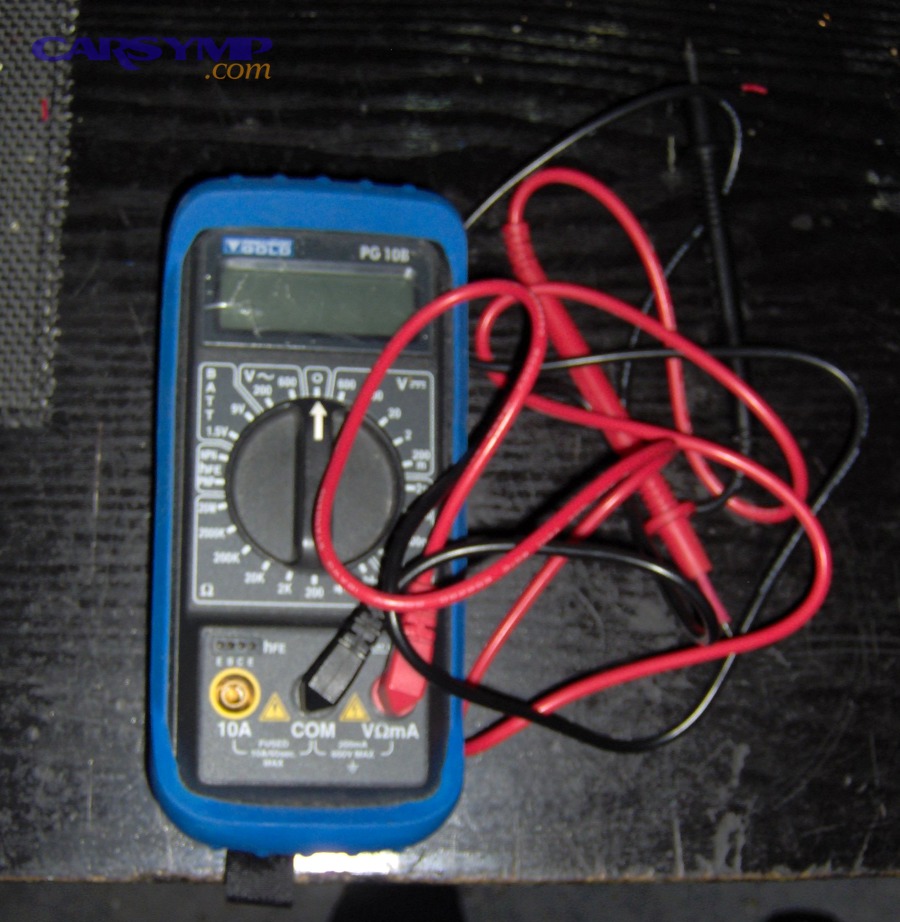
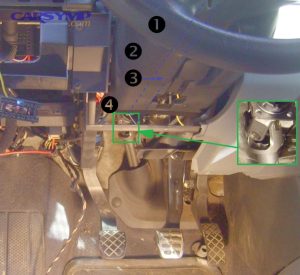
Before doing anything near the steering column, note a caution: many vehicles have airbags in and around the steering wheel and column trim. If your vehicle requires steering column disassembly, follow the factory procedure and disconnect the battery as specified. This belongs in DIY ignition switch replacement cautions because the same caution applies during diagnosis if you’re accessing switch connectors.
Does wiggling the key or changing key position help confirm an ignition switch issue—yes or no?
Yes, key movement can help suggest an ignition switch issue because (1) failing contacts can reconnect with slight movement, (2) a marginal actuator can re-engage, and (3) the symptom often changes with position alignment—but it does not confirm the switch on its own.
However, this clue has a major caveat: the same behavior can come from a worn lock cylinder or loose connector. So treat “wiggle fixes it” as a direction, not a verdict.
A safer way to use this clue is to log what changes:
- Does ACC stay stable but ON flickers?
- Does START fail only when the key is fully turned?
- Does the cluster reboot only on bumps?
Those patterns guide your next test.
What DIY checks narrow it down fast (without special tools)?
You can narrow the problem significantly with simple checks:
- Classify the symptom
- No crank: engine does not rotate.
- No start: engine rotates but won’t fire.
- Observe ACC/ON behavior
- Turn to ACC: do the radio and accessories behave normally?
- Turn to ON: do dash lights illuminate consistently? Do you hear fuel pump prime (vehicle-dependent)?
- Check battery basics
- Inspect terminals for looseness/corrosion.
- Check headlights brightness under load.
- Try a spare key
- If the spare changes behavior significantly, suspect the cylinder/key wear rather than the switch.
- Check gear selector/clutch switch
- Try starting in Neutral (automatic) or ensure clutch is fully depressed (manual).
- Listen for relay/starter cues
- A click may indicate relay or solenoid engagement; silence may indicate no START signal.
This is where Ignition switch vs starter relay issues confusion dissolves: if the relay never clicks and other power appears normal, you may be missing a start signal upstream (switch, safety switch, or wiring).
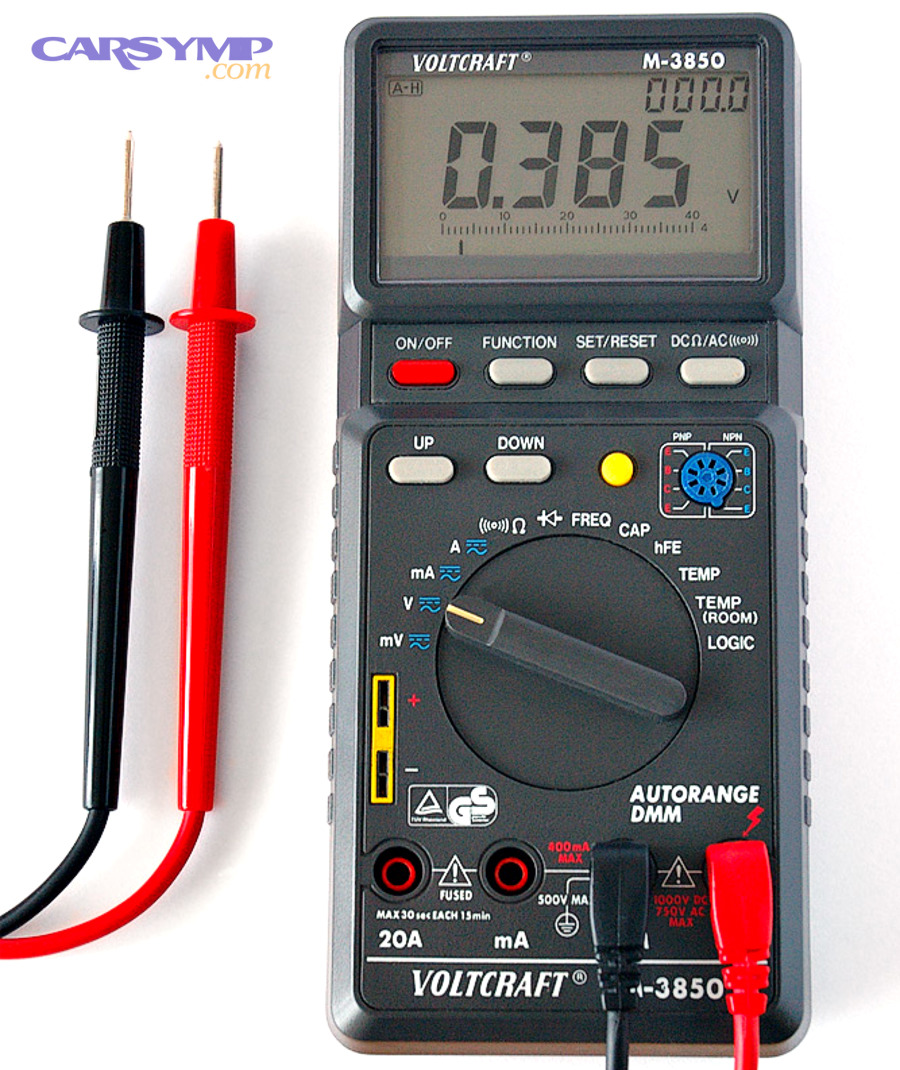
What can a multimeter test tell you that a symptom checklist cannot?
A multimeter can tell you whether the switch is producing the expected output under the right key position—something a symptom checklist cannot prove.
For Testing ignition switch with multimeter, the practical goal is to confirm:
- the switch receives power on the input side,
- it outputs power to the correct circuits in ACC/ON,
- and it delivers a START signal when turned.
A clear workflow looks like this:
- Identify the switch connector pins using a service manual or wiring diagram.
- Measure voltage at the switch input (battery feed).
- Measure output voltage in ACC and ON.
- Measure START output while the key is held in START (this may require a helper).
If the input is stable but the output drops or disappears in certain positions, that supports ignition switch failure. If output is stable but the starter still doesn’t crank, you’re likely dealing with downstream issues like a relay, safety switch, wiring, or the starter itself.
If you want a visual reference for the tool handling and safety basics, this video demonstrates testing concepts with common DIY equipment:
What is the best fix for ignition switch problems—repair, replace, or diagnose deeper?
Replacing the ignition switch is the best fix when tests show unstable output in specific key positions, but diagnosing deeper is better when symptoms point to the lock cylinder, security system, relay path, or wiring—because the “right” fix depends on where the signal fails.
In addition, even when replacement is correct, the smartest approach includes DIY ignition switch replacement cautions and realistic expectations for labor, programming, and cost.

The key principle is simple: replace the part that fails the test, not the part that matches the story.
When should you replace the ignition switch vs the ignition lock cylinder?
Ignition switch replacement is more likely when:
- Electrical systems drop out in RUN.
- START signal is inconsistent.
- Accessories cut out with no mechanical key binding.
- Multimeter testing shows unstable or absent output despite stable input.
Ignition lock cylinder replacement is more likely when:
- The key is hard to insert or turn.
- The key won’t rotate smoothly through positions.
- The key won’t release (ties directly to Key stuck in ignition causes).
- Turning the wheel slightly releases the key (steering lock tension).
- A spare key changes the behavior dramatically.
This distinction matters because a cylinder replacement may require key matching and security programming, while an ignition switch replacement may be mostly electrical—depending on the vehicle design.
What should you expect during ignition switch replacement (labor, programming, keys, steering lock)?
Ignition switch replacement ranges from straightforward to complex.
What can make it straightforward
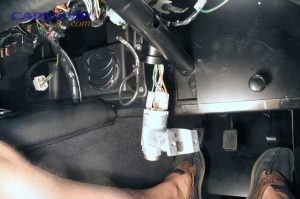
- The switch is accessible behind column trim.
- The vehicle doesn’t require programming for the switch itself.
- The cylinder can remain in place.
What can make it complex
- Anti-theft integration that requires relearn or programming.
- A combined switch-and-cylinder assembly.
- Steering lock modules or interlock mechanisms.
- Tight packaging that requires removing column covers and working near airbag components.
This is where DIY ignition switch replacement cautions matter:
- Follow the service manual steps for disabling airbags.
- Disconnect the battery for the recommended time before working.
- Avoid forcing connectors; broken clips cause new intermittent faults.
- Document screw locations and trim removal order.
- If security relearn is required, plan for downtime or professional assistance.
Ignition switch replacement cost estimate: costs vary widely by vehicle and design, but the total typically depends on parts price, labor time, and whether programming or a combined cylinder/switch assembly is required.
After replacing the switch, will the problem always be solved—yes or no?
No, replacing the ignition switch will not always solve the problem because ignition issues can originate from downstream relays, safety switches, wiring resistance, or Security system interaction with ignition that blocks crank or fuel—even when the switch is fine.
More specifically, these are common reasons a replacement doesn’t “fix it”:
- The real fault was a relay or safety switch (classic Ignition switch vs starter relay issues misdiagnosis).
- A wiring or connector issue remains (corrosion, loose pins, voltage drop).
- The immobilizer/security system is preventing start (especially start-then-stall or no-start with strong crank).
- The lock cylinder is worn, and the new switch doesn’t solve the mechanical misalignment.
Evidence: According to a 2014 staff report discussing ignition switch defects, ignition switch torque performance issues could allow movement out of “Run,” contributing to stalls and affecting safety systems—showing that the failure mode can involve mechanical movement and system-level effects, not just “replace and forget.”
What else can mimic ignition switch problems ?
Many issues mimic ignition switch problems—especially battery/ground faults, starter relay failures, neutral safety/clutch switch issues, and security system blocks—so the most reliable rule-out method is to trace whether the START and RUN signals are present where they should be, step by step.
Below, you’ll use “opposites thinking” to confirm when the ignition switch is not the problem, which reduces wasted time and wrong parts.
How are push-button start issues different from classic key ignition switch failures?
Push-button start systems often replace the traditional key cylinder behavior with modules, switches, and authorization logic. That means the symptom pattern changes:
- The “button” does not directly route power the same way a mechanical ignition switch does.
- The vehicle may require a valid key fob signal, brake pedal input, and module authorization before it will crank.
- Failures may look like “no response” even with a good battery, because the start request is being blocked upstream by logic rather than a worn contact.
So if your vehicle is push-button and you’re seeing intermittent start requests, focus on fob detection, brake switch input, and module codes—then check the system’s start authorization path.
What is the difference between an ignition switch problem and an immobilizer/anti-theft problem?
An ignition switch problem usually causes power routing failures (ACC/ON/START instability), while an immobilizer problem causes authorization failure—the car may crank but not start, start then immediately stall, or display a security indicator.
This is the heart of Security system interaction with ignition:
- Ignition switch issue: power drops, accessories cut, cluster flickers, START signal missing.
- Immobilizer issue: strong crank but no fire, start-then-die within seconds, security light behavior, key/fob recognition problems.
If you can consistently crank but cannot keep the engine running, don’t assume the ignition switch first. Confirm whether the security system is allowing fuel/spark. Many modern vehicles log this clearly with diagnostic codes.
Which electrical “look-alikes” should you check next (starter relay, ignition relay, neutral safety switch, BCM)?
If you’ve confirmed a no-crank event, these are the most useful look-alikes to check next:
- Starter relay: Listen/feel for relay click during START. A relay that doesn’t click may not be receiving a start signal or may be defective.
- Ignition relay (vehicle-dependent): Some vehicles route RUN power through relays.
- Neutral safety switch / clutch switch: Try starting in Neutral; check that the reverse lights and gear indicator behave normally; check clutch switch engagement.
- Battery grounds and main power connections: A loose ground can mimic “random” electrical failures.
- BCM involvement: In some vehicles, the body control module participates in start authorization.
This is where your earlier test strategy matters: measure whether the START command reaches the relay control side. If it does and the relay doesn’t respond, suspect relay or downstream wiring. If it does not, suspect the ignition switch, safety switch, or the control module chain.
Why do heat-soak and vibration make ignition switch problems seem random?
Heat and vibration change the physical and electrical behavior of marginal contacts:
- Heat expands components and can increase resistance at already-worn contact points.
- Vibration can momentarily separate or reconnect imperfect contacts.
- Load changes (blower motor, headlights, defroster) can make a weak contact fail under current demand.
That’s why a driver may report a perfect start in the morning and a failure after a long drive. It’s not “random”; it’s conditional.
Evidence: According to a 2014 study published in the Proceedings of the Human Factors and Ergonomics Society Annual Meeting, many drivers struggled to maintain safe control during sudden power-assisted steering failure, reinforcing why unexpected stalls and power losses can have outsized safety impact—especially when failures happen without warning.
Evidence (if any)
- The 2014 staff report on the GM ignition switch recall described how ignition switch torque performance issues could allow movement out of “Run,” contributing to stalls and affecting airbag deployment timing under certain conditions.
- A 2014 human-factors study reported that the majority of drivers could not safely complete a low-speed right turn during sudden power-assisted steering failure, illustrating the safety risk when an unexpected stall causes loss of assist.