


If you’re stuck on a radiator replacement vs cleaning decision, the quickest way to choose is to match your symptoms to the failure type: internal restriction (clogging) usually favors flush-cleaning, while external leaks, cracked tanks, rotten cores, or bent fins usually favor replacement. A good decision reduces overheating risk without spending money twice.
Next, you’ll see what makes flush-cleaning worthwhile (and when it’s a waste), plus what “repair” really means in radiator work versus a full replacement. That context matters because many overheating repair plans fail when the radiator isn’t the only bottleneck.
Then, we’ll walk through the symptoms that separate clogging from leaking and from other cooling-system faults (thermostat, fan, cap, head gasket). That prevents you from paying for a radiator job when the real cause is elsewhere.
Introduce a new idea: the most cost-effective path is to confirm your diagnosis with a few checks before you choose a service—because the wrong choice is how “cheap” jobs turn into repeat overheating.
Should you replace the radiator or try a flush-cleaning first?
Yes—you should try a flush-cleaning first only if the radiator is likely restricted (clogged) and structurally sound, because it can restore flow, reduce overheating risk, and cost less than replacement; otherwise, replacement is the safer choice. Next, let’s connect that decision to the symptoms you can observe and the failure modes that cause overheating.

Should you try flush-cleaning first if your car is overheating?
Yes, flush-cleaning is worth trying first if you have signs of internal restriction (uneven radiator temps, poor heat rejection, rusty or sludgy coolant) and no evidence of structural failure, because it can improve coolant flow and heat transfer with minimal parts cost. Next, the key is to avoid flush-cleaning when the radiator can’t physically hold pressure.
Flush-cleaning makes sense when:
- The radiator doesn’t leak under pressure.
- The coolant looks brown/rusty, has fine sediment, or shows scale (especially if maintenance was skipped).
- The engine overheats more at highway load (heat rejection limit) or the heater output is inconsistent (system contamination can affect flow).
- The radiator has cool spots across the core (a clue that some tubes aren’t flowing).
Flush-cleaning is a targeted overheating repair approach when the radiator’s inside is the problem. But even in clog cases, a flush-cleaning works best when you also correct the reason it clogged (old coolant, mixed coolant types, corrosion, prior stop-leak products).
Should you replace the radiator immediately if it’s leaking?
Yes, you should replace the radiator immediately if it’s leaking from the core, plastic end tanks, seams, or heavily corroded areas, because leaks tend to worsen under heat/pressure and can trigger rapid overheating and engine damage. Next, you’ll see how to tell “repairable leak” from “replace now.”
Leaks usually beat cleaning because:
- Flush-cleaning can raise pressure in weak areas and turn a seep into a spray.
- A leaking radiator can introduce air pockets, causing temperature spikes and poor circulation.
- Once a radiator core is rotted or cracked, cleaning won’t restore integrity.
If the leak is at a hose, clamp, or radiator cap (not the radiator core), that’s different. Those are examples of Coolant leak repairs that stop overheating without replacing the radiator itself—provided the radiator core is still sound.
Should you skip flush-cleaning if the radiator is old or heavily corroded?
Yes, you should skip flush-cleaning if the radiator is old with visible corrosion, crumbling fins, or brittle plastic tanks, because the cleaning process can expose weak spots and you’ll likely pay twice—once for cleaning and again for replacement. Next, focus on risk: reliability is part of the decision, not just the price.
Common “replace-not-clean” signals:
- Green/white crust at seams (corrosion products)
- Fins missing or turning to powder
- Plastic end tanks showing hairline cracks, warping, or stains at the crimp seam
- Evidence of stop-leak use (glittery residue, gel-like sludge), which often causes recurring restrictions
In short: when the radiator’s structure is compromised, replacement is the more predictable fix.
What does “flush-cleaning,” “repair,” and “replacement” mean in radiator terms?
Flush-cleaning removes contamination from the cooling system, repair restores specific damaged parts or joints, and replacement swaps the radiator for a new or remanufactured unit; each option solves a different failure type. Next, you’ll learn what each service actually includes so your quote matches your problem.
What is flush-cleaning in a cooling system?
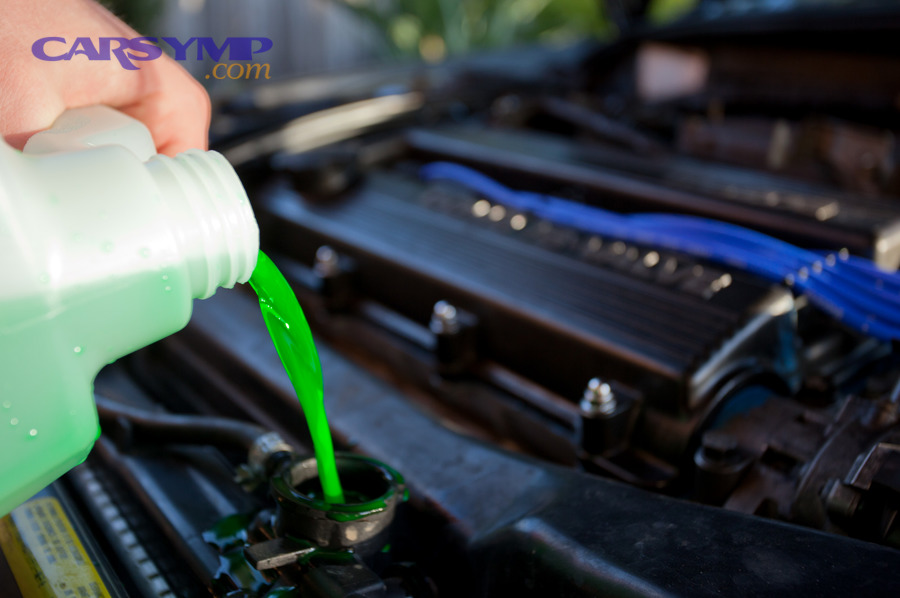
Flush-cleaning is a cleaning procedure that drains old coolant, circulates cleaning fluid or water through the system, and removes rust, scale, and sludge so coolant can flow and transfer heat properly. Next, the important detail is how deep the flush goes.
Flush-cleaning can range from mild to aggressive:
- Drain-and-fill (basic): drains radiator and reservoir, refills with fresh coolant mix. Lowest risk, least complete.
- Chemical flush (moderate): uses a flushing agent to loosen deposits, then drains and refills.
- “Full system” flush (deep): attempts to flush radiator, engine block, and heater core more completely, often using repeated cycles.
A deep flush-cleaning can help when internal deposits restrict flow, but it can also dislodge debris that later clogs a thermostat, heater core, or small passages. That’s why diagnosis matters before choosing the most aggressive method.
What is radiator repair vs replacement?
Radiator repair fixes a localized issue (like a seam, fitting, or minor damage), while replacement installs a different radiator assembly to reset overall reliability and cooling capacity. Next, you’ll see which “repairs” are realistic on modern radiators.
What “repair” commonly means:
- Replacing a radiator cap (pressure control failure)
- Replacing hoses/clamps (leak at connections)
- Fixing a small external leak on some metal radiators (shop-dependent)
- Replacing a petcock/drain fitting
- Cleaning or straightening external fins (airflow restoration)
Modern radiators often use aluminum cores with plastic end tanks; many failures at the crimp seam or plastic tank typically trend toward replacement, because long-term sealing is uncertain.
What does radiator replacement include (and what it doesn’t)?
Radiator replacement is removing the old radiator and installing a new unit (plus coolant service and bleeding), but it doesn’t automatically fix other overheating causes like a stuck thermostat, failed fan, or head gasket. Next, treat radiator replacement as one part of a full overheating repair plan.
A proper radiator replacement job usually includes:
- New radiator, proper mounting, and fan shroud alignment
- Inspecting/replacing upper and lower hoses if aged
- Correct coolant type and mixture, plus air bleeding
- Checking for leaks under pressure and verifying operating temperature
What it does not guarantee:
- Fixing a failing thermostat, weak water pump, blocked heater core, fan relay faults, or combustion gas intrusion
- Correcting cooling system contamination if the block and heater core remain dirty
That’s why “replace the radiator” can still leave you overheating if the root cause is elsewhere.
Which symptoms point to clogging vs leaking vs another cooling-system fault?
There are three main symptom groups—clogging (restriction), leaking (pressure loss), and non-radiator faults (control or engine issues)—and each points to a different fix. Next, use these symptom patterns to avoid guessing.

Which symptoms suggest a clogged (restricted) radiator?
A clogged radiator is most likely when you see overheating under load plus uneven radiator temperatures, dirty coolant, and weak heat rejection even with no active leaks. Next, focus on patterns you can confirm quickly.
Common clogging clues:
- Overheats more at highway speed or uphill (high heat load)
- Radiator surface shows cold spots or strong temperature differences side-to-side (some tubes not flowing)
- Coolant looks rusty/brown, has sediment, or seems “muddy”
- Heater output fluctuates (system contamination can affect flow paths)
- Upper hose is hot but radiator core doesn’t seem to shed heat effectively
Why this points to cleaning: restriction reduces coolant circulation through the core, so flush-cleaning (or radiator internal cleaning at a shop) can restore flow if the core isn’t physically degraded.
Which symptoms suggest a coolant leak (radiator or elsewhere)?
A leak is most likely when coolant level drops, you smell sweet coolant odor, see wetness/crust, or get overheating after a short drive because the system can’t hold pressure. Next, separate “radiator leak” from “system leak.”
Leak signals:
- Puddle or wet streaks under the front of the car
- Crusty deposits around seams, hose ends, or the radiator cap area
- Frequent need to top off coolant (with no external spill, it may still be leaking internally)
- Steam from the engine bay, or overheating soon after a refill
Important: not all leaks mean radiator replacement. Many coolant leak repairs that stop overheating are elsewhere:
- Upper/lower radiator hose
- Heater hoses
- Water pump weep hole
- Thermostat housing
- Reservoir or reservoir hose
- Radiator cap failing to hold pressure
A pressure test is the cleanest way to locate leaks before deciding.
Which symptoms point to another cause (thermostat, fan, water pump, head gasket)?
Another fault is likely when the radiator looks normal but the car overheats in a specific pattern—like at idle only (fan/control), after warmup with sudden spikes (thermostat), or with bubbles/pressure buildup (possible combustion gases). Next, match the pattern to the likely subsystem.
Pattern-based clues:
- Overheats mostly at idle/slow traffic: fan motor, fan relay, fan control, or airflow blockage.
- Temperature swings from normal to hot quickly: thermostat sticking, trapped air, or circulation instability.
- Heater blows cold while engine is hot: low coolant, air pocket, water pump issue, or blockage.
- Bubbles in reservoir, coolant pushed out, unexplained pressure: possible head gasket or combustion leak.
This is where many overheating repair plans go wrong: replacing the radiator when the fan or thermostat is the true limiter.
How do you compare flush-cleaning vs repair vs replacement by cost, reliability, and risk?
Flush-cleaning wins on upfront cost, repair is best for localized faults, and replacement wins on reliability when the radiator is aged, leaking, or structurally compromised. Next, compare them using the criteria that matter most: total cost, repeat-overheat risk, and time.

Before the table, here’s what it represents: a practical comparison of the three options so you can choose the best match for your symptoms and your tolerance for repeat repairs.
| Option | Best for | Typical reliability outcome | Main risk | When to choose |
|---|---|---|---|---|
| Flush-cleaning | Sludge/rust/restriction with a sound radiator | Good if restriction is the real cause | Can reveal weak leaks or move debris | No leaks + signs of clogging |
| Repair | Localized issue (cap, hose, fitting, small external damage) | High if the fix matches the fault | Misses internal clogging or hidden corrosion | Clear single-point failure |
| Replacement | Leaks, corrosion, damaged fins/core, repeated overheating | Highest predictability | Higher upfront cost | Leaks/age/structural wear |
Which option is cheapest upfront—and which is cheapest long-term?
Flush-cleaning is usually the cheapest upfront, but radiator replacement is often the cheapest long-term if the radiator is leaking or degraded because it reduces repeat failures and rework. Next, think like a total-cost buyer, not just a receipt buyer.
Upfront cost typically ranks:
- Flush-cleaning (labor + coolant)
- Repair (varies: cap/hoses are low, specialized repairs can rise)
- Replacement (parts + labor + coolant)
But long-term cost depends on whether you repeat the job. If a flush-cleaning doesn’t fix the true restriction—or it reveals leaks—your “cheap” fix becomes two bills.
This is why many shops bundle advice under “Common overheating repairs and their costs”: they’re trying to steer you away from paying twice when the radiator is already at end-of-life.
Which option is most reliable for preventing repeat overheating?
Replacement is most reliable when the radiator is old, leaking, corroded, or physically damaged, while flush-cleaning is reliable only when restriction is the confirmed problem and the radiator is structurally healthy. Next, consider reliability as “probability of staying cool under worst-case load.”
Reliability boosters for replacement:
- New core passages, restored heat rejection capacity
- Fresh seams/tanks/fittings with better pressure retention
- Cleaner internal surfaces (less deposit-driven hot spots)
Reliability boosters for flush-cleaning:
- Restored flow through partially blocked tubes
- Removal of deposits that insulate heat transfer surfaces
- Improved heater core performance (sometimes)
Reliability killers (for either path):
- Incorrect coolant type or mixed coolants
- Air not bled properly after service
- A failing thermostat/fan/water pump that remains unaddressed
Which option has the highest risk of making the problem worse?
Flush-cleaning has the highest “it got worse” risk when the system is heavily contaminated or the radiator is weak, because debris can shift and weak seals can fail; replacement has lower risk but can still fail if the real cause isn’t the radiator. Next, manage risk with diagnostics and the right service depth.
Flush-cleaning risk increases when:
- Coolant is thick, muddy, or full of stop-leak residue
- The radiator is visibly corroded or tanks are brittle
- The vehicle has chronic overheating history (deposits + damage)
Replacement risk increases when:
- You skip diagnosing fan operation or thermostat behavior
- The engine has underlying issues (combustion gas intrusion)
- You don’t bleed air properly, creating hot spots and temp spikes
In short: flush-cleaning can be a smart first move—but only when the radiator is a good candidate.
What diagnostic checks confirm your decision before you spend money?
You can confirm the right decision with three checks: a pressure/leak test, a temperature pattern check across the radiator, and a flow/air-control check (fans, thermostat, circulation). Next, these checks help you choose the correct overheating repair without guesswork.

What pressure test results confirm “replace” vs “repair”?
A pressure test confirms replacement when the radiator core/tanks/seams leak under pressure, but it supports repair when the leak is isolated to a hose, clamp, cap, or fitting that can be replaced. Next, use pressure testing as your yes/no gate before cleaning or replacing.
Practical interpretation:
- Leak at radiator seam/tank/core: replacement is usually the durable fix.
- Leak at hose connection: hose/clamp repair first.
- Leak at cap area with no radiator damage: cap may be failing to hold pressure.
- No leaks but coolant still drops: consider internal leak paths or intermittent leaks only under load.
If you’re DIY-ing, a pressure tester can reveal leaks with the engine off, which is safer and more controlled than “wait until it overheats.”
What temperature readings confirm a clogged radiator?
A clogged radiator is strongly suggested when the radiator shows uneven temperature distribution (hot inlet area with cooler sections that never warm evenly), indicating restricted tubes and poor heat rejection. Next, confirm the pattern after the thermostat opens and the coolant is circulating.
How to check (shop or careful DIY):
- Warm the engine to operating temperature (avoid removing caps hot).
- Look for:
- Large hot-to-cold variation across the core
- Cool stripes that indicate non-flowing tubes
- Inlet tank very hot while core doesn’t shed heat consistently
This pattern supports flush-cleaning or replacement depending on radiator age. A young radiator with contamination may respond to cleaning; an old radiator with many blocked tubes may not.
What circulation and fan checks confirm the radiator isn’t the problem?
The radiator is less likely the root cause when fans don’t engage, the thermostat doesn’t open properly, or coolant circulation is weak—because those faults can overheat even with a perfect radiator. Next, treat these as “exclude first” checks.
Key checks:
- Fans: Do they run when the engine is hot or AC is on (depends on vehicle logic)? Fan failure can mimic a bad radiator at idle.
- Thermostat behavior: A stuck thermostat can cause fast overheating and erratic gauge movement.
- Flow signs: Hose temperatures and heater performance can hint at circulation quality (though they’re not perfect tests).
Evidence point about why corrosion/chemistry matters: corrosion and deposit formation are not just “maintenance trivia”—they can create recurring restrictions that make cleaning less effective over time. According to a study by The University of Texas at Arlington from the Department of Mechanical and Aerospace Engineering, in 2016, researchers modeling Al 3003 radiator tubes in a 50/50 ethylene glycol-water coolant found ion behavior that helps explain corrosion and deposit formation under different voltage and temperature conditions. (mavmatrix.uta.edu)
How can you prevent repeat overheating after a flush-cleaning or radiator replacement?
You prevent repeat overheating by stabilizing coolant chemistry, keeping the system sealed and air-free, and addressing the upstream causes that create deposits or pressure loss in the first place. Next, use this section as the “aftercare plan” that turns your fix into a long-term solution.

What coolant habits prevent sludge and internal clogging?
Focus on prevention basics that matter:
- Use the correct coolant type for your vehicle (mixing types can accelerate deposit formation).
- Maintain the right mix ratio (often 50/50 unless your climate/service spec differs).
- Use distilled water for mixing if you’re not using premix, to reduce mineral scaling.
- Replace coolant on a sensible interval (your owner’s manual is the best baseline).
The goal is to prevent the slow buildup that pushes you back into the same radiator replacement vs cleaning decision later.
How do you bleed air correctly so you don’t “overheat after the repair”?
Air pockets are a common reason customers think the repair “didn’t work.” Practical tips:
- Fill slowly and use the proper bleed points if the vehicle has them.
- Use a spill-free funnel where applicable.
- Run the heater to help purge the heater core loop.
- Top off only after the thermostat cycles and the level stabilizes.
This is a major contributor to How long overheating repairs take—a job that’s mechanically done can still need time to bleed, stabilize, and recheck.
What “supporting parts” should you inspect when the radiator is out?
If you’re replacing the radiator, it’s efficient to inspect:
- Upper/lower hoses (softness, swelling, cracking)
- Thermostat and gasket (especially if overheating history exists)
- Radiator cap (pressure retention)
- Fan shroud alignment and fan condition
- Coolant reservoir and return hose integrity
These items show up repeatedly in “Common overheating repairs and their costs” because small supporting failures can undo a major radiator job.
When should you re-test (and what should you monitor) after the fix?
A smart post-repair routine:
- Recheck coolant level after 1–2 heat cycles (cold engine).
- Watch for temperature stability at idle and highway load.
- Look for any new seepage once the system is hot and pressurized.
- If overheating returns, don’t assume the radiator job failed—repeat diagnostics for fan control, thermostat behavior, and combustion gas symptoms.
Evidence point about why modern cooling control matters: repeat overheating isn’t only about the radiator; system control and capacity management matter too. According to a study by Clemson University from the Department of Mechanical Engineering, in 2022, researchers testing a multi-radiator cooling architecture reported pump power around 0.8–1.2 kW and fan power around 0.4–3.2 kW while meeting temperature-control objectives—showing how airflow and coolant flow control directly affect cooling performance. (open.clemson.edu)