


radiator replacement typically takes between 1 to 8 hours of labor depending on your vehicle type, with most passenger cars requiring 2-3 hours, SUVs and trucks needing 3-5 hours, and commercial vehicles demanding 5-8 hours. This variation stems from differences in engine bay accessibility, front-end component removal requirements, and the complexity of cooling system integration across different vehicle designs.
Understanding how mechanics calculate labor time helps you verify whether your repair quote is reasonable. The automotive industry uses standardized “book time” from guides like Mitchell and AllData, but actual repair duration can vary by 20-30% based on mechanic experience, shop equipment, and vehicle-specific complications. Shops typically charge a flat rate based on book time multiplied by their hourly labor rate, which ranges from $80-150 per hour nationally in 2025.
Several critical factors beyond vehicle type affect radiator replacement duration. Front-end removal requirements, cooling fan configurations, transmission cooler line integration, and whether you’re replacing additional components like hoses or thermostats can add 1-3 hours to the base repair time. Luxury and European vehicles often require specialized tools and longer labor hours due to complex engineering designs that prioritize performance over serviceability.
For vehicle owners considering DIY radiator replacement to save on labor costs, understanding professional time benchmarks becomes even more important. Next, we’ll break down specific labor hour ranges by vehicle category, explore the factors that impact replacement time, and show you how to calculate total labor costs and verify mechanic quotes.
How Long Does It Take to Replace a Radiator?
Radiator replacement is a cooling system repair that takes 1-8 hours on average, involving coolant drainage, old radiator removal, new unit installation, system refilling, and air bleeding to restore proper engine temperature regulation. The process complexity varies significantly based on vehicle design and component accessibility.
To better understand these time ranges, it’s essential to recognize what mechanics actually accomplish during radiator replacement. The repair process begins with safely draining the existing coolant from the system into proper collection containers. Technicians then disconnect upper and lower radiator hoses, transmission cooler lines if equipped, and electrical connections to cooling fans or sensors. Many vehicles require partial front-end disassembly, including removal of grille components, bumper covers, or headlight assemblies to access mounting brackets.
The actual radiator removal involves unbolting mounting brackets and carefully extracting the unit from the engine bay without damaging surrounding components like the air conditioning condenser or cooling fans. Installation reverses this process with the new radiator, requiring precise alignment of mounting points and proper torquing of all fasteners. The final critical steps include refilling the cooling system with the correct coolant mixture and thoroughly bleeding air pockets from the system to prevent overheating.
Industry terminology distinguishes between “book time” and “actual time” when discussing labor duration. Book time refers to standardized labor estimates published in professional repair guides like Mitchell, AllData, and Chilton manuals. These guides assign specific time values to each repair based on technician skill testing and manufacturer service information. For example, a 2020 Honda Civic might have a book time of 1.8 hours for radiator replacement according to Mitchell’s labor guide.
Actual time represents how long a specific mechanic takes to complete the job in real-world conditions. Experienced technicians working on familiar vehicle models often finish faster than book time, while less experienced mechanics or those encountering complications may exceed it. Most repair shops charge based on book time regardless of actual completion time, a practice called “flat-rate” billing that incentivizes efficiency.
The labor time quoted on your repair estimate should reference which standardized guide the shop uses. Reputable facilities will explain whether they’re charging book time or actual time and provide transparency about their labor rate structure. Understanding this distinction prevents confusion when your vehicle is ready sooner or later than the estimated hours suggest.
What Are the Average Labor Hours for Radiator Replacement by Vehicle Type?
There are four main vehicle categories for radiator replacement labor estimation: passenger cars requiring 1.5-4 hours, SUVs and trucks needing 2-6 hours, luxury and European vehicles demanding 3-6 hours, and commercial vehicles taking 5-8 hours, based on engine bay accessibility and design complexity.
Specifically, these categories reflect fundamental differences in vehicle engineering and cooling system placement. Vehicle manufacturers design cooling systems with varying priorities—compact cars emphasize space efficiency, trucks prioritize towing capacity requiring larger cooling systems, luxury brands focus on performance engineering, and commercial vehicles demand durability for heavy-duty applications. Each priority directly impacts how easily mechanics can access and replace the radiator.
How Long Does Radiator Replacement Take for Passenger Cars?
Passenger car radiator replacement typically ranges from 1.5 to 4 hours depending on the specific model and engine configuration, with compact cars averaging 1.5-2.5 hours, mid-size sedans requiring 2-3 hours, and sports cars demanding 2-4 hours due to tighter engine bay packaging.
Compact vehicles like the Honda Civic, Toyota Corolla, and Mazda3 generally offer the quickest radiator replacement times. Their smaller engines and front-wheel-drive layouts create relatively open engine bays with straightforward radiator access. A 2022 Honda Civic has a book time of approximately 1.8 hours for radiator replacement, while a 2021 Toyota Corolla typically requires 2.1 hours. These vehicles rarely need extensive front-end disassembly beyond removing plastic engine covers and possibly the upper radiator support panel.
Mid-size sedans such as the Honda Accord, Toyota Camry, and Nissan Altima fall in the 2-3 hour range. These vehicles have larger engines and more substantial cooling systems but maintain reasonable accessibility. A Toyota Camry V6 model typically requires 2.5-3 hours due to the transverse-mounted six-cylinder engine creating a more crowded engine bay compared to the four-cylinder variant, which takes closer to 2 hours.
Sports cars present unique challenges despite often having smaller displacement engines. Vehicles like the Mazda MX-5 Miata, Subaru BRZ, and Toyota GR86 pack performance-oriented components tightly to optimize weight distribution and handling. A Subaru BRZ typically requires 3-3.5 hours for radiator replacement because the horizontally-opposed “boxer” engine configuration positions the radiator differently than traditional inline or V-configuration engines. Additionally, performance air intake systems and intercoolers may need removal before accessing the radiator.
Certain passenger car designs significantly exceed average times. The Chrysler 300 with V8 engine can require 4+ hours due to its longitudinal rear-wheel-drive layout that positions the radiator behind numerous front-end components. Similarly, older Volkswagen and Audi sedans with longitudinal engine mounting often demand bumper cover removal and sometimes front impact bar detachment, extending labor to 3.5-4 hours.
How Long Does Radiator Replacement Take for SUVs and Trucks?
SUV and truck radiator replacement requires 2-6 hours of labor, with compact crossovers taking 2-3 hours, mid-size SUVs and light trucks needing 3-4 hours, full-size trucks requiring 3-5 hours, and heavy-duty pickups demanding 4-6 hours based on cooling system size and chassis configuration.

Compact crossover SUVs like the Honda CR-V, Toyota RAV4, and Mazda CX-5 share platforms with passenger cars, resulting in similar labor times of 2-3 hours. These vehicles use car-based unibody construction with transverse-mounted engines, providing familiar access points for technicians. A 2023 Honda CR-V typically has a book time of 2.3 hours for radiator replacement, only slightly longer than its Civic platform mate due to additional underbody protective panels.
Mid-size SUVs such as the Ford Explorer, Chevrolet Traverse, and Toyota Highlander require 3-4 hours for radiator service. These vehicles feature larger cooling systems to handle three-row seating capacity and available towing packages. A Ford Explorer with the 3.5L V6 engine typically requires 3.5 hours because technicians must remove the active grille shutter system and sometimes the front impact sensor module before accessing radiator mounting bolts.
Light trucks like the Ford F-150, Chevrolet Silverado 1500, and Ram 1500 fall into the 3-5 hour category depending on engine choice and configuration. A base 2024 Ford F-150 with the 3.3L V6 engine averages 3.2 hours for radiator replacement, while the same truck with the 5.0L V8 or 3.5L EcoBoost V6 turbo requires closer to 4 hours. The turbocharged engines necessitate intercooler removal and additional cooling line disconnection.
Full-size truck configurations significantly impact labor time. Standard cab, long-bed work trucks typically offer more straightforward radiator access than crew cab, short-bed models because the longer hood provides additional working clearance. However, diesel engine options reverse this advantage—a Ford F-250 Super Duty with the 6.7L PowerStroke diesel can require 5-6 hours due to the massive radiator assembly, separate transmission oil cooler, and engine oil cooler stack that must be carefully disassembled.
Heavy-duty pickups in the F-350, Silverado 3500, and Ram 3500 class demand 4-6 hours minimum. These trucks often feature complex cooling stacks with multiple heat exchangers layered in front of the primary radiator. A Ram 3500 diesel with towing package might have the primary engine radiator, charge air cooler, transmission cooler, power steering cooler, and air conditioning condenser all mounted together, requiring systematic removal and reinstallation that extends labor time significantly.
How Long Does Radiator Replacement Take for Luxury and European Vehicles?
Luxury and European vehicle radiator replacement demands 3-6 hours of labor because premium manufacturers prioritize performance and aesthetics over serviceability, requiring extensive front-end disassembly and specialized tool access for vehicles like BMW, Mercedes-Benz, Audi, and Porsche models.
German automotive engineering exemplifies this complexity. A BMW 3-Series radiator replacement typically requires 4-5 hours compared to 2-3 hours for a similarly sized Toyota Camry. BMW designs incorporate the radiator as part of an integrated cooling module that includes electric fans, shrouds, and expansion tanks as a single assembly. The cooling module mounts behind the front bumper cover, requiring complete bumper removal, headlight detachment, and sometimes front impact sensor recalibration.
Mercedes-Benz vehicles present similar challenges with additional manufacturer-specific requirements. A Mercedes-Benz E-Class radiator replacement averages 4.5-5 hours because the upper radiator support crossmember is bolted to the chassis in multiple locations requiring torque-to-yield bolts that must be replaced rather than reused. The vehicle’s active aerodynamics system with motorized louvers behind the grille adds another layer of complexity requiring electrical disconnection and recalibration procedures.
Audi and Volkswagen vehicles using the MLB (modular longitudinal platform) architecture can require 5-6 hours for radiator service. An Audi Q7 with supercharged V6 engine demands extensive disassembly including the entire front fascia assembly, headlights, and sometimes the front subframe must be lowered to remove the radiator support structure. The coolant system holds significantly more fluid than domestic vehicles and requires specific bleeding procedures using factory scan tools to activate electric coolant pumps.
Porsche models vary dramatically by configuration. A Porsche Cayenne SUV with front-mounted radiators requires 4-5 hours similar to other luxury SUVs, while a rear-engine Porsche 911 presents entirely different challenges. The 911’s radiators mount in the front fenders with coolant lines running the length of the vehicle to the rear-mounted engine, creating a 6+ hour replacement procedure that involves interior trim removal to access coolant line routing.
British luxury brands like Jaguar, Land Rover, and Range Rover introduce additional complications. These vehicles frequently use aluminum construction requiring specialized service procedures to prevent galvanic corrosion between dissimilar metals. A Range Rover Sport radiator replacement can exceed 6 hours when technicians must remove aluminum front subframe components using specific torque sequences and thread-locking compounds.
Exotic sports cars from Ferrari, Lamborghini, and McLaren can require 8+ hours for radiator service due to carbon fiber body panels requiring careful removal, mid-engine configurations with multiple radiator locations, and manufacturer-mandated dealer-only service procedures. However, these vehicles represent specialized cases beyond typical consumer vehicle repair scenarios.
How Long Does Radiator Replacement Take for Commercial Vehicles?
Commercial vehicle radiator replacement requires 5-8 hours of labor for semi-trucks and heavy equipment, with conventional hood designs taking 5-6 hours and cab-over configurations demanding 6-8+ hours due to complete cab tilting requirements and extensive cooling system complexity.
Semi-trucks with conventional (long-nose) hood configurations like Peterbilt 579, Kenworth T680, and Freightliner Cascadia models typically require 5-6 hours for radiator replacement. These vehicles mount radiators behind substantial grille assemblies and bumpers designed for highway debris protection. A 2020 Peterbilt 579 with Cummins ISX15 engine averages 5.5 hours book time, involving grille removal, bumper detachment, and disconnect of multiple cooling lines serving engine, transmission, and air compression systems.
The radiator assembly in modern semi-trucks is actually a cooling stack containing multiple heat exchangers. The primary engine radiator sits behind the charge air cooler (CAC) for turbocharged engines, transmission oil cooler, and air conditioning condenser. Technicians must carefully separate these components, marking coolant and oil line connections to ensure proper reassembly. Many diesel engines also use dedicated engine oil coolers mounted within the cooling stack, adding complexity to the replacement steps.
Cab-over engine (COE) designs like older Freightliner Argosy models or International trucks used in urban delivery require 6-8 hours because the entire cab must tilt forward to access the radiator. This process involves disconnecting steering columns, electrical harnesses, air brake lines, and fuel lines before hydraulically tilting the cab. Once tilted, the radiator itself may be more accessible than conventional designs, but the cab tilting procedure adds 2-3 hours to the overall job time.
Fleet maintenance operations often schedule radiator replacement during routine service intervals to minimize downtime. A commercial truck radiator can cost $800-2,000 for the part alone, making labor costs of $1,000-1,500 (at typical commercial shop rates of $125-150/hour) represent a significant but necessary investment. Preventive maintenance programs that monitor coolant condition and radiator integrity help fleet managers plan replacements before catastrophic failures that can strand vehicles and cargo.
Specialty commercial vehicles present unique scenarios. Transit buses may require 7-8 hours due to rear-engine mounting that necessitates engine compartment access from underneath the vehicle. Cement mixers with rear-mounted radiators require drum removal before cooling system access. Tow trucks and wreckers with auxiliary hydraulic cooling systems need both primary radiator and hydraulic oil cooler service, potentially doubling replacement time.
According to data from the American Trucking Associations’ Technology & Maintenance Council, proper radiator maintenance and timely replacement extends engine life by preventing overheating damage that can cost $15,000-35,000 for major engine repairs. This makes understanding accurate labor time estimates crucial for fleet budgeting and vehicle lifecycle management.
What Factors Affect Radiator Replacement Labor Time?
Five primary factors affect radiator replacement labor time: vehicle design and engine bay accessibility, front-end removal requirements, additional component integration, mechanic skill and shop equipment, and whether supplementary cooling system components need replacement, collectively creating time variations from 1 hour to 8+ hours.
More specifically, these factors interact with each other rather than operating independently. A vehicle with poor accessibility might still achieve faster replacement times with an experienced mechanic using specialized tools, while a well-designed engine bay can become problematic if the cooling system integrates multiple components requiring individual attention. Understanding how these factors combine helps explain why two seemingly similar vehicles can have dramatically different labor estimates.
Does Vehicle Design Impact Radiator Replacement Time?
Yes, vehicle design critically impacts radiator replacement time because manufacturers make engineering tradeoffs between performance, aesthetics, and serviceability, with accessibility-focused designs enabling 1.5-2 hour replacements while complex performance packaging can extend labor to 6+ hours.
Engine bay accessibility represents the most significant design factor. Vehicles with transverse-mounted four-cylinder engines typically position radiators directly behind the front grille with minimal obstruction. The radiator mounts to a simple support bracket accessible after removing plastic clips and a few bolts. Japanese manufacturers like Honda, Toyota, and Mazda traditionally prioritize this accessibility in mass-market vehicles.
Conversely, longitudinal engine mounting common in rear-wheel-drive and all-wheel-drive vehicles positions engines north-south in the chassis. This configuration often requires radiators to fit between the engine and front bumper structure with less direct access. BMW, Mercedes-Benz, and many American trucks use this layout, necessitating more extensive disassembly to create working clearance.
Turbocharged and supercharged engines add intercooler or charge air cooler systems mounted in front of the radiator. These forced-induction cooling components must be removed before accessing the radiator itself. A turbocharged Ford F-150 EcoBoost requires intercooler removal adding 45-60 minutes compared to the naturally aspirated V6 model. Electric fan and shroud transfer considerations become more complex with turbocharged applications because fan assemblies may integrate with intercooler mounting brackets.
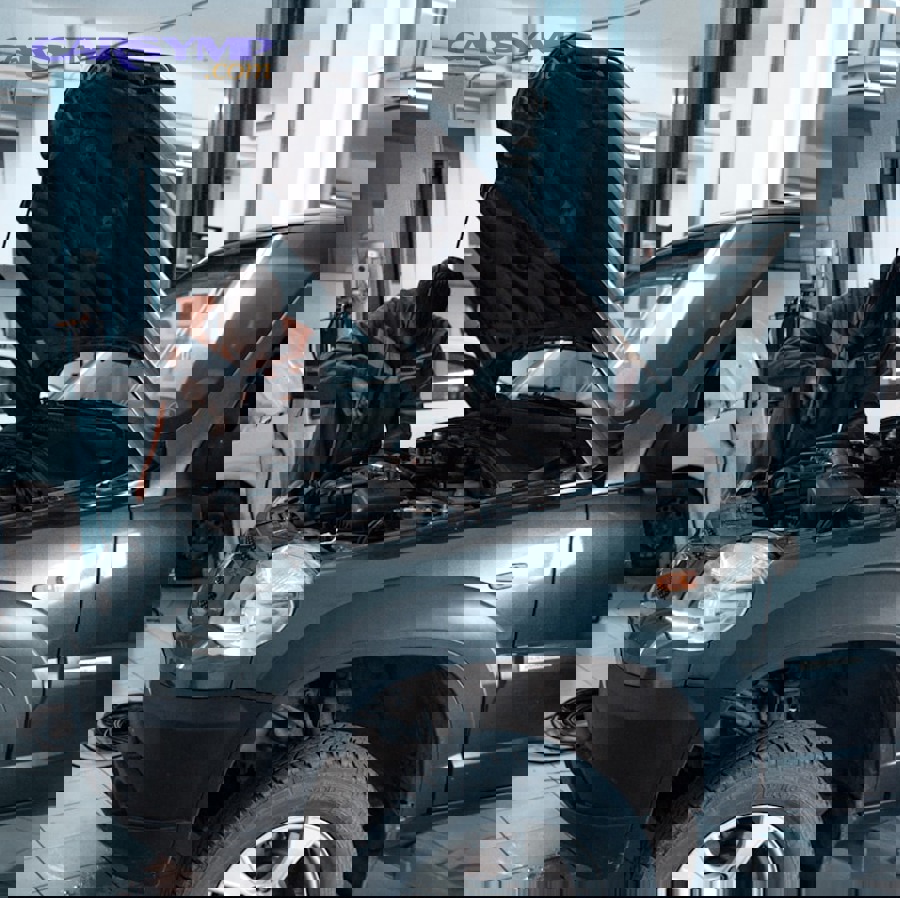
Radiator placement depth within the front fascia structure affects labor time substantially. Some manufacturers mount radiators close to the grille opening for maximum airflow and easy service access. Others position radiators deeper in the engine bay behind crash structures and aerodynamic panels, requiring bumper cover removal to reach mounting points. Modern vehicles with active grille shutters for fuel efficiency include motorized louver systems that must be disconnected and removed before radiator access.
Cooling system capacity relates directly to labor time through component size and weight. A compact car radiator measuring 20×16 inches and weighing 10-12 pounds can be maneuvered through tight spaces and manipulated by a single technician. A heavy-duty truck radiator measuring 36×32 inches and weighing 35-45 pounds requires two technicians or lifting equipment, extending labor time even with good accessibility.
Frame-on-body truck construction versus unibody car construction creates different access patterns. Body-on-frame trucks provide underside access to radiator mounting points and drain plugs that can simplify certain aspects of replacement. Unibody vehicles integrate the radiator support into the vehicle structure, sometimes requiring specific bolt sequences to maintain alignment during reinstallation.
Hybrid and electric vehicle radiator configurations introduce new complexity levels. Traditional internal combustion vehicles have single-purpose radiators cooling engine coolant exclusively. Hybrid vehicles like the Toyota Prius use separate radiators for the gasoline engine and hybrid battery pack, potentially doubling replacement labor if both systems need service. Fully electric vehicles use radiators for battery thermal management and cabin heating, often with complex electronic controls requiring scan tool access during service procedures.
What Additional Components Affect Labor Hours?
Additional components affecting labor hours include cooling fan assemblies adding 0.5-1 hour, air conditioning condensers requiring 1-2 hours extra, transmission cooler line integration extending time by 0.3-0.7 hours, and simultaneous hose or thermostat replacement contributing another 0.5-1.5 hours to total labor duration.
Cooling fan removal represents a near-universal additional step during radiator replacement. Modern vehicles predominantly use electric cooling fans mounted directly to the radiator assembly or a separate shroud structure. Single electric fan systems disconnect through simple wiring harnesses and four mounting bolts, adding minimal time. Dual electric fan configurations like those on V8 trucks or performance vehicles require more careful removal to avoid damaging fan blades during radiator extraction.
Mechanical engine-driven fans still exist on some truck applications and require different removal procedures. These fans bolt to the engine’s water pump pulley through a fan clutch assembly. Removing mechanical fans requires a special fan clutch wrench and careful attention to thread direction—some manufacturers use reverse-threaded nuts that tighten when rotated counterclockwise. Improper removal attempts can strip threads or damage the water pump, creating additional repair costs.
Air conditioning condenser integration significantly impacts radiator replacement complexity. The AC condenser typically mounts immediately in front of the radiator to receive maximum airflow. Many modern vehicles use a single bracket system securing both radiator and condenser together. Separating them requires disconnecting AC refrigerant lines, which mandates EPA-certified refrigerant recovery equipment and adds 1-2 hours to the job. Shops must recover refrigerant, replace AC line O-rings, evacuate the system, and recharge with proper refrigerant quantities after radiator installation.
Some technicians avoid AC system disconnection by carefully unbolting the condenser while leaving refrigerant lines connected, then supporting the condenser safely out of the work area. This approach saves time but requires adequate working space and risks AC line damage if components shift during radiator removal. The safest approach depends on specific vehicle design and available clearances.
Transmission cooler line routing affects replacement time based on connection method. External transmission coolers use rubber hoses with clamps that disconnect quickly. Integrated transmission coolers built into the radiator end tank use threaded fittings or quick-disconnect couplings. Radiator replacement steps overview includes transmission cooler considerations as a standard checkpoint because failing to properly disconnect these lines can result in transmission fluid contamination of the new radiator or transmission damage from low fluid levels.
Power steering coolers on vehicles with hydraulic steering systems add another connection point. These small auxiliary coolers often mount in front of the radiator alongside the AC condenser. Diesel trucks may have engine oil coolers, fuel coolers, and hydraulic coolers all sharing space in the front cooling stack, each requiring careful disconnection and reinstallation.
Upper and lower radiator hose replacement during radiator service is recommended practice but adds labor time. New radiator hoses cost $20-60 for the pair and represent preventive maintenance since old hoses may have degraded from heat cycling. Replacing hoses adds 20-30 minutes to the overall job for straightforward applications but can extend to an hour if hoses route under intake manifolds or through confined spaces. The thermostat housing often integrates with radiator hose connections, and some shops recommend thermostat replacement during radiator service, adding another 0.5-1 hour depending on accessibility.
How Do Mechanic Skill and Shop Type Impact Timing?
Mechanic skill and shop type impact timing by creating 30-50% variance between dealership technicians averaging book time, independent shop mechanics potentially beating book time by 20% on familiar repairs, and inexperienced technicians exceeding book time by 50-100% depending on vehicle familiarity and tool availability.
Dealership service departments employ factory-trained technicians who specialize in specific vehicle brands. A Honda dealership technician replacing radiators on Civic and Accord models multiple times weekly develops muscle memory for bolt locations, optimal tool selection, and efficient procedures. This repetition allows experienced dealership techs to complete radiator replacements in 75-90% of book time while the shop charges customers full book time rates.
Independent repair shops serve diverse vehicle makes and models, preventing the specialization possible at dealerships. However, experienced independent shop mechanics often develop efficient general procedures that transfer across vehicle platforms. A technician who has replaced radiators on hundreds of different vehicles recognizes common patterns and anticipates potential complications. These generalists may match or beat dealership times on routine applications while taking longer on unusual European or luxury vehicles requiring brand-specific knowledge.
Tool availability and quality directly correlate with completion speed. Professional shops invest in manufacturer-specific special tools, quality hand tools, and diagnostic equipment that enable efficient work. Specialized tools like BMW cooling system bleed funnels, VW/Audi panel removal tools, or Ford fan clutch wrenches can reduce a 4-hour job to 2.5 hours. Budget shops using basic tool sets face delays when encountering fasteners requiring special sockets or procedures demanding scan tool access.
Lift access versus floor jack work creates substantial time differences. Shops with vehicle lifts provide technicians easy access to underside drain plugs, lower hose connections, and transmission cooler lines. Working on jack stands limits mobility and sightlines, potentially doubling time for steps involving simultaneous top-side and bottom-side operations. Professional radiator replacement rarely occurs without lift access except in emergency mobile repair scenarios.
First-time repairs on unfamiliar vehicle models extend labor time significantly. A technician encountering a specific model for the first time must reference repair procedures, identify component locations, and proceed cautiously to avoid breaking plastic clips or damaging adjacent parts. This learning curve can add 50-100% to book time on the initial repair but drops dramatically on subsequent identical jobs.
Parts availability affects overall job duration though not actual labor hours. Shops that stock common radiators for popular vehicles complete jobs in a single service appointment. Repairs requiring special-order radiators from manufacturers or overnight parts delivery create multi-day timelines even though hands-on labor remains the same. Mobile mechanics face particular challenges with parts coordination since they cannot maintain extensive inventory.
Shop workflow and scheduling practices influence real-world completion times independently of mechanical labor. A slow shop might have your vehicle for 3 days on a 2-hour radiator job due to workflow inefficiencies, while an efficient operation completes the same repair in 4 hours from drop-off to pickup. Understanding this distinction helps set realistic expectations when scheduling service appointments.
Is the Labor Time Quote from My Mechanic Reasonable?
Yes, a mechanic’s labor time quote is reasonable if it falls within 20-30% of published book time for your specific vehicle make, model, and year, uses reputable labor guides like Mitchell or AllData as references, and accounts for any additional services like hose replacement or coolant system flushing.
To illustrate this verification process, let’s examine how to evaluate quotes systematically. Reputable repair shops provide itemized estimates separating parts costs from labor costs. The labor portion should specify the number of hours and the shop’s hourly rate. For example, an estimate stating “Radiator replacement: 3.5 hours @ $120/hour = $420 labor” provides transparency for verification.
What Is “Book Time” and How Does It Compare to Actual Time?
Book time is the standardized labor duration published in industry guides like Mitchell, AllData, and Motor that manufacturers and independent researchers establish through controlled testing, while actual time represents real-world completion duration that typically varies 20-30% based on mechanic experience, vehicle condition, and complicating factors.
Labor guide publishers employ certified master technicians to perform repairs under controlled conditions, timing each step from initial vehicle setup through final quality check. These technicians use manufacturer-specified procedures and appropriate special tools on vehicles in average condition. The resulting time values represent what a competent professional technician should require under normal circumstances.
Mitchell 1, AllData, and Motor (Snap-on) represent the three dominant labor guide publishers in North America. Each conducts independent research, resulting in slight variations between guides. A 2020 Toyota Camry 4-cylinder radiator replacement might list as 2.1 hours in Mitchell, 2.3 hours in AllData, and 2.0 hours in Motor. These differences stem from variations in testing methodology and procedure interpretation rather than right or wrong values.
Flat-rate billing systems use book time as the basis for customer charges regardless of actual completion time. If book time indicates 3 hours for a radiator replacement and the mechanic completes it in 2 hours, the customer pays for 3 hours while the technician earns 3 hours of compensation in 2 hours of clock time. This system incentivizes efficiency and rewards experienced technicians who can beat book time consistently.
The inverse scenario also applies under flat-rate billing. When a job encounters complications extending actual time beyond book time, the shop typically absorbs the additional cost rather than charging customers more than the estimate. A radiator replacement quoted at 3 hours book time might take an inexperienced technician 5 hours, but the customer pays only for 3 hours. This risk factor explains why shops carefully verify estimates before committing to quoted prices.
Some repair facilities use actual time billing rather than book time, particularly for unusual repairs lacking established labor guide entries or for comeback work addressing previous repair problems. Hourly billing charges for exact time invested, potentially offering savings on simple jobs or increased costs on complex repairs. Customers should clarify billing methodology when receiving estimates.
Book time values assume vehicles in average condition, not neglected vehicles with rusted bolts, broken clips, or additional problems discovered during disassembly. A 15-year-old truck from a rust-belt state might have corroded radiator mounting bolts requiring penetrating oil, heat application, or bolt extraction procedures not reflected in book time. Reputable shops warn customers about potential complications when inspecting older vehicles, sometimes providing a time range rather than fixed estimate.
Regional variations affect how book time translates to actual billing. California shops averaging $150/hour might bill book time precisely since their efficiency margins justify premium rates. Rural shops charging $80/hour might add buffer time to book estimates, quoting 4 hours for a 3-hour book time job to ensure profitability if complications arise. Neither approach is inherently dishonest—both reflect business models adapted to local market conditions.
According to a 2023 study by the Automotive Service Association, approximately 68% of independent repair shops use labor guides as primary pricing references, while 23% use proprietary time estimates based on their own historical data, and 9% negotiate labor rates individually per job. This variety means customers should ask shops specifically how they determined quoted labor hours rather than assuming all facilities use identical methodologies.
How Can You Verify Your Mechanic’s Labor Hour Quote?
You can verify your mechanic’s labor hour quote by checking online labor estimators like RepairPal or YourMechanic, obtaining 2-3 competing estimates from other shops, requesting the specific book time reference from your mechanic’s labor guide, and searching vehicle-specific forums where owners report actual repair costs.
Online labor estimators provide quick verification without visiting multiple shops. RepairPal (repairpal.com) offers free repair cost estimates using proprietary data aggregated from actual shop invoices across North America. Enter your vehicle information, zip code, and select radiator replacement to receive average cost ranges with labor hour estimates. A 2019 Honda Accord radiator replacement in Los Angeles might show $800-1,200 total cost with 2-3 hour labor estimates at $120-150/hour local rates.
YourMechanic (yourmechanic.com) similarly provides free instant estimates with detailed breakdowns. Their platform connects customers with mobile mechanics, so estimates reflect mobile service pricing that typically runs 20-30% less than brick-and-mortar shops due to lower overhead costs. Comparing your shop’s quote against YourMechanic estimates helps identify whether quotes include excessive markup or unrealistic labor hours.
Kelley Blue Book’s service pricing tool (kbb.com/service-pricing) aggregates data from actual repair transactions, providing statistically-based cost ranges. These estimates factor in regional variations, making them particularly useful for verifying whether your local market rates align with national averages. A quote significantly exceeding KBB’s “fair price range” warrants further investigation or additional estimates.
Obtaining multiple estimates from competing shops represents the gold standard for verification. Call or visit 2-3 other repair facilities with your vehicle information and describe the needed repair. Document each estimate including labor hours, hourly rate, parts cost, and any additional fees. This comparison reveals whether your original quote falls within the local market consensus or represents an outlier requiring explanation.

When requesting estimates, ask specifically about labor hours rather than just total cost. A $600 radiator replacement might represent 3 hours at $120/hour plus $240 parts, or 5 hours at $80/hour plus $200 parts. The labor hour component reveals efficiency assumptions and helps identify whether shops are padding time estimates or using competitive book values.
Direct communication with your mechanic about their labor guide source provides valuable verification. Professional shops should willingly explain which labor guide they reference and show you the specific time listing for your vehicle. Ask to see the book time entry in their Mitchell or AllData subscription. Reputable shops treat this transparency as an opportunity to demonstrate fair pricing rather than a challenge to their integrity.
Vehicle-specific online forums contain wealth of real-world repair cost information from owners. Search “[your vehicle make/model] radiator replacement cost” on forums like Reddit’s r/mechanicadvice, vehicle-specific enthusiast forums, or general automotive discussion boards. Owners frequently post detailed receipts and discuss whether shops treated them fairly, providing peer-reviewed verification of reasonable labor times.
Social media community groups for your specific vehicle model offer additional verification resources. Facebook groups, dedicated Discord servers, or regional car clubs often have mechanically-inclined members who can quickly confirm whether a 4-hour quote for radiator replacement on a Toyota Tacoma seems reasonable based on community knowledge.
Red flags suggesting unreasonable quotes include labor hours exceeding 150% of online estimator averages, shops refusing to explain their labor guide reference, dramatic disparities between competing estimates (one shop quotes 2 hours while another quotes 6 hours for identical work), or estimates including vague additional charges without clear justification. These warning signs warrant either clarification requests or seeking alternative service providers.
According to the Better Business Bureau’s automotive service complaint data, approximately 42% of customer disputes involve labor time disagreements where actual charges exceeded original estimates without adequate explanation. Requesting detailed written estimates before authorizing work and insisting on prior approval for any additional discovered work protects against bill shock and ensures mutual understanding of labor expectations.
How Much Does Radiator Replacement Labor Cost Based on Hours?
Radiator replacement labor cost ranges from $150 to $1,500 depending on labor hours and regional shop rates, with typical passenger cars costing $300-600 (2-4 hours at $100-150/hour), luxury vehicles requiring $500-1,200 (4-6 hours at $125-200/hour), and commercial trucks demanding $800-1,500 (5-8 hours at $125-175/hour).
Specifically, calculating labor costs requires multiplying estimated hours by your local shop’s hourly rate. This straightforward math becomes more complex when considering regional cost variations, shop type differences, and how additional services affect total labor investment. Understanding these cost factors helps you budget accurately and recognize fair pricing versus potential overcharges.
What Are Typical Shop Labor Rates in 2025?
Typical shop labor rates in 2025 range from $80-200 per hour based on geographic location, shop type, and service complexity, with independent shops averaging $80-120/hour in rural areas and $100-150/hour in urban markets, while dealerships charge $120-180/hour and luxury brand specialists command $150-200/hour.
Geographic location creates the most dramatic rate variations. Major metropolitan areas like San Francisco, New York City, Los Angeles, and Boston feature the highest labor rates nationally. A San Francisco independent shop might charge $140-160/hour for general repairs while dealerships in the same area reach $175-200/hour. These rates reflect higher commercial rent, increased wage competition, and elevated cost of living affecting technician compensation demands.
Mid-size cities like Denver, Austin, Charlotte, and Portland typically see independent shop rates of $100-130/hour with dealership rates of $130-160/hour. These markets balance sufficient customer volume to support professional operations with lower overhead costs than coastal major metros. The automotive service market in these cities remains competitive, preventing extreme rate premiums.
Rural and small-town markets offer the most affordable labor rates, often $80-100/hour for independent shops and $100-130/hour for dealerships. Lower property costs, reduced competition, and different customer price sensitivity allow these shops to operate profitably at rates that would be unsustainable in expensive urban markets. However, rural shops may have less sophisticated diagnostic equipment or technician training compared to metro facilities.
Dealership service departments consistently charge premium rates compared to independent shops in the same market. This premium reflects factory training certifications, manufacturer-specific diagnostic tools, genuine OEM parts usage, and warranty-compliant repair procedures. A Honda dealership charging $145/hour versus an independent shop’s $110/hour justifies the difference through brand-specific expertise particularly valuable on newer vehicles under warranty.
Specialty shops focusing on European luxury brands, performance vehicles, or specific makes command the highest labor rates. A BMW/Mercedes specialist might charge $160-180/hour, while exotic car specialists serving Ferrari, Lamborghini, or McLaren owners can exceed $200/hour. These rates compensate for technicians’ advanced certifications, expensive brand-specific tooling, and limited customer volume compared to general service shops.
Chain service centers like Firestone, Pep Boys, and Jiffy Lube typically fall in the middle of the rate spectrum at $90-120/hour depending on location. These facilities balance competitive pricing to attract volume business with sufficient rates to maintain profitability on their standardized service menu. Chains often run promotional pricing for specific services, occasionally beating independent shop rates during sales events.
Mobile mechanic services charge rates comparable to mid-range independent shops ($100-140/hour) but save customers towing costs and shop facility fees. Mobile mechanics accept higher operational costs from vehicle-based tooling and parts inventory in exchange for convenience premium pricing. Their labor rates apply similarly to radiator replacement when the repair can be performed on-site without specialized lifting equipment.
According to the Bureau of Labor Statistics’ 2024 automotive service industry report, median hourly labor rates nationwide increased 8.2% from 2023 to 2025, driven by technician wage competition, inflation in tool and equipment costs, and regulatory compliance expenses related to electric vehicle service certification requirements. This trend suggests continued gradual rate increases through 2026-2027 as the industry adapts to evolving vehicle technologies.
What Is the Total Labor Cost Range for Radiator Replacement?
The total labor cost range for radiator replacement is $150-1,500, calculated by multiplying labor hours (1-8 hours) times shop hourly rates ($80-200/hour), with budget vehicles averaging $240-480, mainstream vehicles costing $300-750, luxury vehicles requiring $500-1,200, and commercial trucks demanding $800-1,500.
Budget-friendly vehicle labor costs remain below $500 for most radiator replacements. A 2018 Hyundai Elantra requiring 2 hours of labor at an independent shop charging $100/hour results in $200 labor cost. Adding the radiator part ($120-180) and coolant ($25-40) produces a total repair cost under $450. These economical repairs reflect straightforward access and readily available parts.
Mainstream vehicles from Toyota, Honda, Ford, and Chevrolet typically generate $300-750 labor costs depending on model complexity. A 2020 Toyota RAV4 radiator replacement taking 2.5 hours at $120/hour equals $300 labor. A Ford F-150 requiring 4 hours at $125/hour reaches $500 labor. These mid-range costs represent the most common radiator replacement scenarios for vehicles dominating American roads.
The formula for calculating labor cost is straightforward:
Labor Cost = Labor Hours × Shop Hourly Rate
For example:
- 3 hours × $110/hour = $330 labor cost
- 5 hours × $140/hour = $700 labor cost
- 2 hours × $95/hour = $190 labor cost
This calculation excludes parts, coolant, shop supplies fees (typically 5-10% of parts cost), and sales tax. Always request itemized estimates showing separate labor and parts charges to verify calculation accuracy. Some shops round labor hours to nearest half-hour increments, potentially adding minor costs if actual book time is 2.3 hours but billing rounds to 2.5 hours.
Luxury vehicle labor costs frequently exceed $500 due to extended labor hours and premium shop rates. A BMW X5 radiator replacement requiring 5 hours at a dealership charging $165/hour produces $825 labor cost. Adding the OEM radiator ($400-600) and BMW-specification coolant ($80-120) pushes total repair costs toward $1,500-2,000. Owners of European luxury vehicles should budget accordingly for major cooling system repairs.
Commercial truck labor costs represent significant expenses for fleet operators. A Peterbilt 579 radiator replacement consuming 6 hours at a diesel specialist shop charging $145/hour equals $870 labor cost. The heavy-duty radiator itself costs $1,200-1,800, with coolant capacity requiring $100-150 in high-quality diesel coolant. Total repair bills reaching $2,500-3,000 are common, making preventive cooling system maintenance economically critical for trucking operations.
Additional service recommendations can substantially increase total labor costs beyond basic radiator replacement. Shops commonly suggest radiator hose replacement (+0.5-1 hour labor), thermostat replacement (+0.5-1 hour), coolant system flush service (+0.3-0.5 hours), and water pump inspection or replacement if showing wear (+2-3 hours). While these recommendations may represent legitimate preventive maintenance, customers should request separate estimates for each additional service and approve them individually rather than accepting blanket “while we’re in there” upsells.
Geographic labor cost variations create notable total repair cost differences for identical services. A Honda Accord radiator replacement in rural Mississippi might cost $400 total ($200 labor + $150 radiator + $50 coolant/supplies), while the identical repair in San Francisco could reach $850 ($450 labor + $300 radiator + $100 coolant/supplies). Understanding local market rates prevents sticker shock when researching repair costs online that may not reflect your regional pricing.
According to AAA’s 2024 automotive repair cost analysis, radiator replacement ranks among the top 15 most expensive non-engine repairs alongside transmission services, air conditioning compressor replacement, and suspension work. The average American driver faces approximately one major cooling system repair per vehicle ownership lifecycle (8-10 years), making radiator replacement a significant but infrequent expense in total cost of vehicle ownership.
Can You Replace a Radiator Yourself to Save on Labor Costs?
Yes, you can replace a radiator yourself to save $300-1,200 in labor costs if you possess intermediate mechanical skills, appropriate tools including jack stands and drain pans, 4-8 hours of available time, and accept risks of improper installation potentially causing engine overheating damage worth $2,000-8,000 in repairs.
However, evaluating DIY feasibility requires honest assessment of your mechanical competency, tool access, and risk tolerance. Many enthusiastic vehicle owners overestimate their abilities when contemplating major repairs, leading to incomplete jobs, safety hazards, or damage exceeding professional repair costs. The following analysis helps determine whether DIY radiator replacement makes sense for your situation.
What Tools and Skills Are Required for DIY Radiator Replacement?
DIY radiator replacement requires intermediate mechanical skills including understanding cooling system operation, ability to follow repair manual procedures, and proficiency using basic hand tools plus specialized equipment: complete socket set, wrenches, screwdrivers, drain pan (2+ gallon capacity), jack and jack stands rated for your vehicle weight, and coolant refilling/bleeding tools.
Essential tool requirements begin with safety equipment that cannot be compromised. Hydraulic floor jack rated at least 1.5× your vehicle’s front-end weight provides safe lifting capacity. A compact car weighing 3,000 pounds requires a 2-ton (4,000-pound) jack minimum, while a full-size truck demands a 3-ton jack. Jack stands rated similarly support the vehicle during repair—never work under a vehicle supported only by a hydraulic jack which can fail catastrophically.
Basic hand tool requirements include a complete metric and SAE socket set covering 8mm-19mm (1/4″-3/4″) sizes with ratchets, combination wrench set matching socket sizes, Phillips and flat-blade screwdrivers in multiple sizes, and pliers including standard slip-joint and needle-nose variants. Vehicles using Torx, triple-square, or other specialty fasteners require corresponding bit sets—European vehicles particularly demand comprehensive specialty tool collections.
Coolant recovery and disposal equipment includes a drain pan holding at least 2 gallons for passenger cars or 5 gallons for trucks. Used coolant is toxic and environmentally hazardous, requiring proper disposal at automotive recycling centers or household hazardous waste facilities. DIYers need sealable containers to transport used coolant and should never pour it down drains or onto ground.
Radiator installation requires coolant system refilling and bleeding equipment. A funnel with an extended spout helps pour coolant into radiator openings without spills. Some vehicles benefit from spill-free funnels that attach directly to radiator fill necks, creating a reservoir that aids air bleeding. Vehicles with self-bleeding cooling systems may need the front end elevated using ramps or jack stands to facilitate air escape through the highest system point.
Specialty tools for specific vehicle applications can include fan clutch wrenches for removing mechanical fans, trim panel removal tools for European vehicles with extensive plastic clips, torque wrenches for critical fastener tightening specifications, and coolant system pressure testers for verifying repair success. Lacking appropriate specialty tools adds significant time and frustration to DIY repairs.
Technical skill requirements center on mechanical aptitude and procedural following ability. DIYers must understand threaded fastener direction (right-hand tight, left-hand loose) while recognizing some manufacturers use reverse-threaded components. Reading and interpreting repair manual instructions, whether from Haynes, Chilton, or online resources, requires translating written procedures into physical actions on your specific vehicle.
Cooling system knowledge prevents common mistakes that cause repair failure or engine damage. Understanding that cooling systems operate under pressure (typically 15 PSI) explains why you must allow engines to cool completely before opening caps—hot pressurized coolant can cause severe burns. Recognizing the importance of proper coolant mixture (typically 50/50 antifreeze and water) prevents freezing damage in winter or corrosion in summer.
Diagnostic ability helps identify whether radiator replacement actually solves your vehicle’s problem. Overheating can result from faulty thermostats, failed water pumps, clogged radiator cores, air conditioning condenser blocking airflow, or defective cooling fans rather than radiator failure. Replacing a radiator won’t fix overheating caused by a stuck closed thermostat, wasting time and money on unnecessary parts.
Physical capabilities for radiator removal include ability to lift 15-45 pounds (radiator weight) from awkward positions, work in cramped engine bays requiring sustained uncomfortable postures, and manipulate components with minimal clearance between obstacles. Individuals with back problems, limited flexibility, or insufficient upper body strength should honestly evaluate whether they can physically manage radiator extraction and installation.
Safety awareness remains paramount throughout DIY repairs. Coolant contains ethylene glycol which is toxic to humans and pets but tastes sweet, creating poisoning risks if spilled and not cleaned thoroughly. Working under raised vehicles demands proper support procedures to prevent crushing injuries. Hot engines and coolant cause burn injuries if safety protocols are ignored.
How Long Does DIY Radiator Replacement Take for Home Mechanics?
DIY radiator replacement takes 4-8 hours for first-time home mechanics and 2-4 hours for experienced enthusiasts depending on vehicle complexity, with additional time required for unfamiliar vehicles, broken fasteners, or coolant system bleeding difficulties that professionals anticipate and efficiently manage.
First-time DIYers should budget 6-8 hours minimum for straightforward passenger car radiator replacement. This timeframe includes preparing the workspace, gathering tools, reviewing repair procedures, performing the actual removal and installation, and final coolant filling and system bleeding. Rushing this process invites mistakes like cross-threaded fittings, improperly torqued bolts, or inadequate air bleeding causing persistent overheating.
The learning curve represents the primary time difference between DIY and professional repairs. Professionals replacing radiators daily know exactly which bolts to remove first, optimal tool selection for each fastener, and efficient component manipulation through tight clearances. First-time DIYers discover these details through trial and error, repeatedly repositioning themselves, switching tools, or partially removing and reinstalling components to find working approaches.
Repair manual research time before beginning actual work proves invaluable. Spending 30-60 minutes reading complete procedures, reviewing diagrams, and understanding tool requirements prevents mid-job surprises that extend repair duration. Many DIYers underestimate this preparation time, jumping directly into disassembly then encountering unexpected challenges without necessary tools or knowledge.
Vehicle-specific complications add unpredictable time. Rust-belt vehicles with corroded fasteners may require penetrating oil application, waiting periods, heat application, or bolt extraction procedures not documented in repair manuals. Plastic clips become brittle with age, breaking during removal and requiring replacement sourcing delays. Hidden fasteners buried behind wiring harnesses or obscured by overlapping components consume time finding and accessing.
Coolant system bleeding represents a frequent DIY challenge extending overall repair time. Professional shops use vacuum bleeding equipment that rapidly removes air from cooling systems. DIYers typically use slower burping methods—running the engine with radiator cap removed while monitoring for air bubble release and refilling coolant as air displaces fluid. This process can require 30-60 minutes of engine idling and monitoring, longer if air pockets prove stubborn to dislodge.
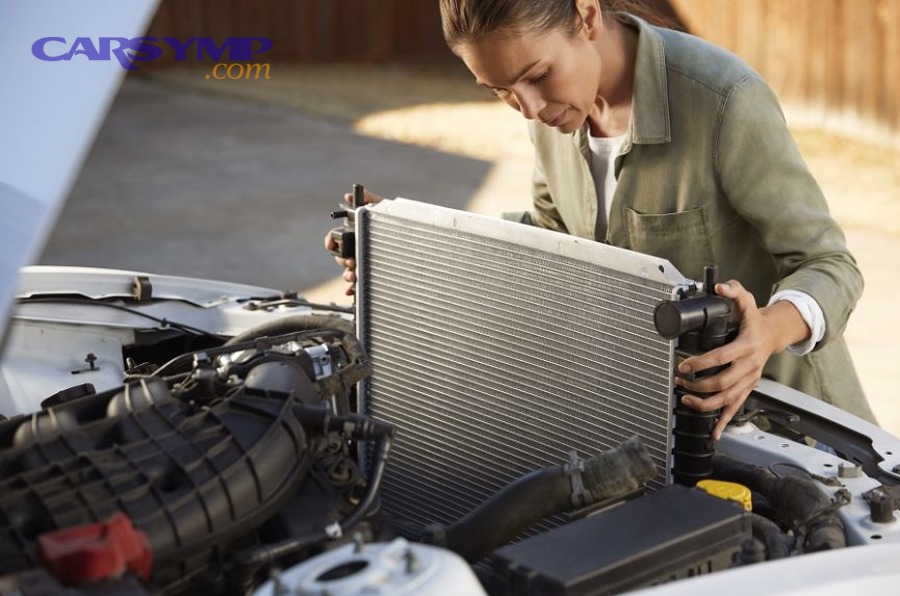
Experienced DIY mechanics who have performed multiple radiator replacements across different vehicles achieve times approaching professional efficiency. An enthusiast who has replaced radiators on their personal vehicles 5-10 times understands general patterns—grille removal techniques, hose clamp types, bleeding procedures—that transfer between models. These experienced individuals can complete straightforward radiator replacement in 2-3 hours, close to book time values.
Time estimates assume working continuously without major interruptions. Real-world DIY repairs often span multiple days as work proceeds during evenings or weekends between other obligations. A repair theoretically taking 4 hours might actually consume three separate 90-minute sessions across a week, with setup and cleanup time adding overhead to each session. This extended calendar duration suits DIYers whose schedules accommodate project fragmentation.
Parts ordering delays affect overall project duration significantly. Professional shops maintain relationships with parts suppliers offering same-day or next-day delivery. DIYers ordering radiators online may face 3-7 day shipping delays. Discovering the wrong radiator was shipped or that additional components need replacement extends projects further. Plan radiator replacement when you have calendar flexibility to accommodate unexpected delays rather than when you need the vehicle immediately for work or commitments.
Cleanup and disposal time gets overlooked in time estimates. Properly disposing of used coolant requires transporting it to recycling facilities. Cleaning coolant spills from garage floors, washing tools, and organizing workspace adds 30-60 minutes after repair completion. These tasks are important for safety and environmental responsibility but extend total project investment beyond wrench-turning time.
What Are the Risks of DIY Radiator Replacement vs. Professional Service?
DIY radiator replacement risks include improper installation causing $2,000-8,000 engine overheating damage, coolant system leaks from incorrectly torqued fittings, voided vehicle warranties on newer cars, personal injury from coolant burns or vehicle collapse, and lost time value that can exceed professional labor cost savings for complex vehicles.
Engine damage from improper installation represents the most expensive DIY risk. Cooling systems protect engines from temperatures exceeding 220°F that would destroy internal components within minutes. Inadequate coolant filling, persistent air pockets preventing proper circulation, or loose hose connections causing coolant loss create overheating scenarios. Modern engines with aluminum blocks and heads warp when overheated, requiring $3,000-6,000 head gasket replacements or $5,000-12,000 engine replacement in severe cases.
Coolant system leaks from DIY errors can range from minor nuisances to major problems. A slow drip from an improperly seated hose gradually depletes coolant, eventually causing overheating if unnoticed. More serious leaks from cross-threaded fittings or over-torqued transmission cooler lines spray coolant onto hot engine components, creating engine compartment messes and potentially damaging electronic components with coolant spray.
Air bleeding difficulties plague many DIY radiator replacements because modern vehicles use complex cooling system routing with multiple high points where air can become trapped. Professional mechanics understand vehicle-specific bleeding procedures—some cars need front end elevated, others require radiator cap removal while running, some demand special bleed screws be opened in sequence. DIYers following generic bleeding advice may leave air pockets causing recurring overheating despite adequate coolant quantity.
Warranty implications affect newer vehicles significantly. Manufacturer powertrain warranties typically run 5 years/60,000 miles, covering engine damage from cooling system failures if properly maintained. Performing DIY radiator replacement during the warranty period can void coverage—manufacturers may deny future warranty claims arguing owner-performed service caused subsequent failures. Always verify warranty status before attempting DIY repairs on vehicles under manufacturer coverage.
Personal injury risks during DIY repairs include:
- Coolant burns: Opening hot cooling systems sprays pressurized 200°F+ coolant causing severe burns
- Crush injuries: Improper jack stand placement allows vehicles to fall, trapping or crushing individuals underneath
- Eye injuries: Coolant spray or debris from drilling out broken fasteners can permanently damage vision without safety glasses
- Chemical exposure: Prolonged skin contact with coolant causes irritation; ingestion of even small amounts requires emergency medical treatment
Safety protocols including allowing complete engine cooling before opening systems, using properly rated jack stands, wearing safety glasses, and having chemical spill cleanup materials available mitigate these risks but cannot eliminate them entirely.
Time value calculations may reveal DIY labor savings are illusory when accounting for your hourly earning potential. If you earn $40/hour at your regular job and spend 8 hours performing a DIY radiator replacement that would cost $400 in professional labor, you’ve essentially paid yourself $50/hour ($400 saved ÷ 8 hours). However, if the repair takes 12 hours due to complications, you’ve earned $33/hour while investing weekend time you might value for family or recreation.
Lost vehicle use during extended DIY repairs creates indirect costs. A professional shop completes radiator replacement in one day, minimizing transportation disruption. A DIY project spanning two weeks due to parts delays and limited working time may necessitate rental car expenses or rideshare costs negating labor savings. Vehicle owners with single-car households face particular challenges when primary transportation remains inoperable for extended periods.
Parts warranty complications differ between DIY and professional installation. Radiators typically carry 1-3 year warranties covering manufacturing defects. Professionally installed radiators include installation warranty where shops guarantee their work—if the radiator leaks due to improper installation within the guarantee period (typically 90 days-1 year), the shop corrects it without additional labor charges. DIY installations receive parts-only warranty coverage, meaning you pay labor costs again if installation errors require radiator removal and reinstallation.
Diagnostic errors waste money on unnecessary radiator replacements. Overheating caused by thermostat failure, failed water pump, or clogged heater core won’t improve with new radiator installation. Professional shops perform cooling system diagnosis before recommending radiator replacement, avoiding misdiagnosis risks. DIYers who replace radiators based on assumptions rather than systematic diagnosis sometimes discover the overheating persists, having invested time and money on parts that didn’t address the root problem.
Environmental responsibility requires proper coolant disposal that DIYers sometimes neglect. Used coolant poured down drains contaminates water supplies with toxic ethylene glycol. Coolant dumped on ground leaches into soil and groundwater. Professional shops manage hazardous material disposal through licensed waste management companies. DIYers must transport used coolant to appropriate recycling centers, adding inconvenience some avoid through improper disposal creating environmental harm and potential legal liability.
According to data from the Automotive Service Association, approximately 35% of DIY radiator replacement attempts result in follow-up professional service within 30 days to correct installation issues, resulting in total costs exceeding what professional service would have cost initially. This statistic suggests many DIYers overestimate their abilities, discovering mid-project or post-completion that professional expertise was necessary.
How Does Radiator Replacement Differ Between Hybrid and Electric Vehicles?
Hybrid and electric vehicle radiator replacement differs significantly from conventional vehicles because these advanced powertrains use cooling systems for battery thermal management requiring specialized procedures, high-voltage safety protocols, and manufacturer-specific diagnostic tools that extend labor time by 1-3 hours and typically mandate dealer or EV-specialist service.
Hybrid vehicles employ dual cooling systems—one for the gasoline engine and a separate system for the hybrid battery pack and power electronics. The Toyota Prius exemplifies this configuration with a conventional engine radiator plus a separate inverter/battery cooler. Replacing the engine radiator follows procedures similar to conventional vehicles taking 2-3 hours, but battery cooling system service requires additional high-voltage safety certifications and procedures that most general repair shops cannot perform.
High-voltage safety protocols represent the primary difference between conventional and hybrid/EV radiator service. Hybrid and electric vehicles operate at 200-800 volts through battery packs and power electronics that can deliver lethal electrical shocks if improperly serviced. Technicians must follow manufacturer lockout-tagout procedures, disconnecting the high-voltage system through specific sequences before performing any cooling system work near electrical components.
Electric vehicles like Tesla models use radiators exclusively for battery pack and power electronics cooling since they lack internal combustion engines. These systems operate at lower temperatures than engine cooling (typically 80-110°F vs. 195-220°F) but require precise temperature management to optimize battery life and performance. Tesla radiators connect to complex thermal management systems with electronic control valves, circulation pumps, and battery temperature sensors—all monitored by vehicle computers requiring scan tool access for proper bleeding and system verification.
Battery cooling system replacement on EVs can require 4-6 hours due to electrical disconnection procedures, extensive interior or underbody panel removal to access components, and complex bleeding procedures using manufacturer diagnostic software. A Tesla Model S battery cooling system service might involve removing rear seat cushions, accessing the battery pack enclosure, disconnecting coolant lines from the battery thermal management plate, and using Tesla’s official diagnostic system to command cooling pumps through purge cycles removing air from the system.
Coolant specifications differ for hybrid and EV applications. Traditional engine coolant uses ethylene glycol formulated to withstand 220°F+ temperatures without boiling. EV battery cooling systems often specify different coolants optimized for lower temperature operation, electrical resistivity properties protecting high-voltage components, and extended service intervals. Using incorrect coolant in hybrid/EV systems can damage expensive battery packs or power electronics, making parts specification critical.
Safety certifications required for hybrid/EV service limit which shops can perform radiator replacement. The Electric Vehicle Institute and automotive manufacturers offer high-voltage safety training certifying technicians to work on these vehicles. Many independent shops lack certified technicians, legally prohibiting them from servicing hybrid/EV cooling systems due to liability concerns. This restriction channels hybrid/EV radiator replacement primarily to dealerships and EV-specialist facilities charging premium labor rates.
Warranty considerations strongly favor professional service for hybrid and EV radiator replacement. Battery pack warranties often run 8 years/100,000 miles or longer, representing $5,000-15,000 in coverage value. Manufacturer warranties explicitly void battery coverage if unauthorized service was performed on cooling systems protecting battery packs. The financial risk of voiding battery warranty far outweighs labor cost savings from DIY radiator replacement on hybrid and EV platforms.
Diagnostic complexity for hybrid/EV cooling systems exceeds conventional vehicle capabilities. These systems integrate multiple temperature sensors, flow sensors, electronic control valves, and variable-speed circulation pumps all monitored by vehicle computers. Properly diagnosing cooling system problems requires scan tools capable of reading manufacturer-specific data streams, commanding individual components through activation tests, and interpreting complex system integration that affects battery performance, power output, and vehicle range.
Future-proofing repair knowledge becomes important as vehicle electrification accelerates. The EPA projects that by 2030, approximately 50% of new vehicle sales will be hybrid, plug-in hybrid, or fully electric. General repair shops investing in EV service capabilities gain competitive advantages, while shops ignoring electrification trends face declining relevance. DIY mechanics interested in working on modern vehicles similarly need to develop understanding of high-voltage systems and thermal management complexity beyond conventional automotive knowledge.
According to the National Institute for Automotive Service Excellence, fewer than 18% of currently certified automotive technicians hold advanced certifications for hybrid/EV service as of 2024, creating a significant skills gap as vehicle electrification accelerates. This shortage explains premium labor rates for hybrid/EV service and extended wait times for radiator replacement appointments at qualified facilities in many markets.
This comprehensive guide to radiator replacement labor time provides vehicle owners with essential knowledge for verifying mechanic quotes, budgeting for repairs, and making informed decisions about DIY versus professional service. Understanding how vehicle type, design complexity, and additional factors affect labor hours empowers consumers to identify fair pricing and avoid overcharges while recognizing when professional expertise provides superior value compared to DIY attempts.