


Car thermostat replacement takes between 30 minutes and 4 hours, with most vehicles requiring 1 to 2 hours of professional labor time depending on accessibility, vehicle make and model, and job complexity. The wide time range reflects significant differences in thermostat location and engine design—simple replacements on vehicles with easy-access thermostats complete in under an hour, while complex jobs requiring removal of multiple components can extend to 3 or 4 hours. Understanding these time variations helps vehicle owners accurately estimate repair costs and make informed decisions about scheduling professional service or attempting DIY repairs.
Several critical factors determine where your specific vehicle falls within this time range. The primary variables include thermostat accessibility within the engine bay, whether the job requires removing additional components like radiator fans or intake manifolds, the mechanic’s experience level, and whether you’re performing the work yourself or hiring a professional. Luxury vehicles and heavy-duty trucks typically require longer replacement times compared to standard passenger cars due to more complex cooling system designs and cramped engine compartments.
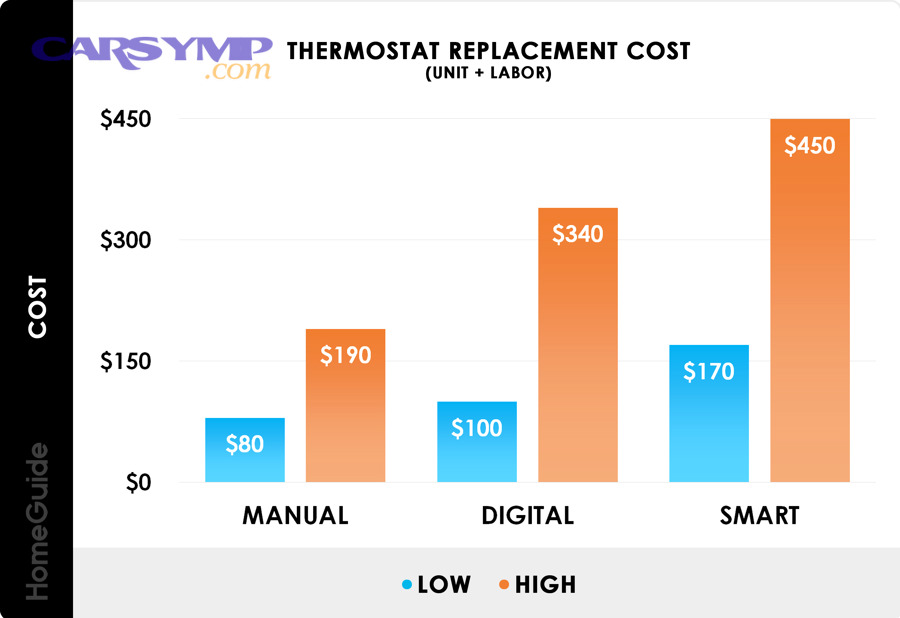
The cost implications of labor time become immediately clear when you multiply hours by typical mechanic rates ranging from $80 to $175 per hour. A quick one-hour replacement might cost $80 to $175 in labor alone, while a complex four-hour job could reach $320 to $700 before parts. This calculation makes understanding expected labor time essential for budget planning and avoiding surprise repair bills.
Beyond basic time estimates, vehicle owners benefit from knowing specific timeframes for their make and model, comparing professional mechanic efficiency against DIY attempts, and recognizing when complications might extend the original estimate. Next, we’ll explore exactly how long professional mechanics take for standard thermostat replacement and what factors create the substantial variation in completion times.
How Long Does It Take to Replace a Car Thermostat?
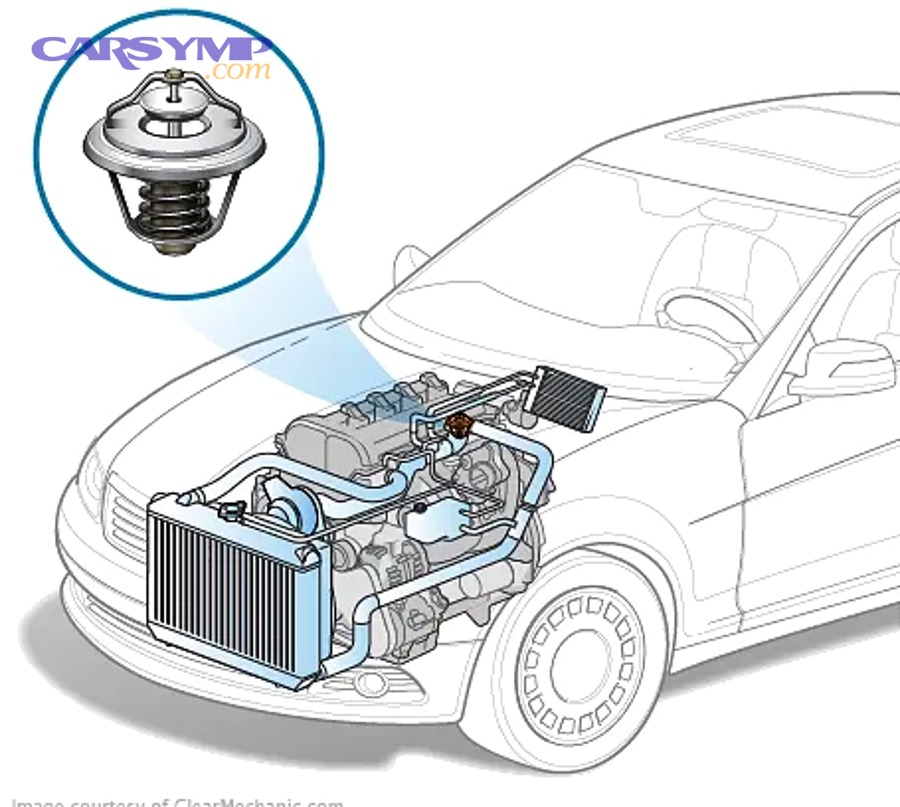
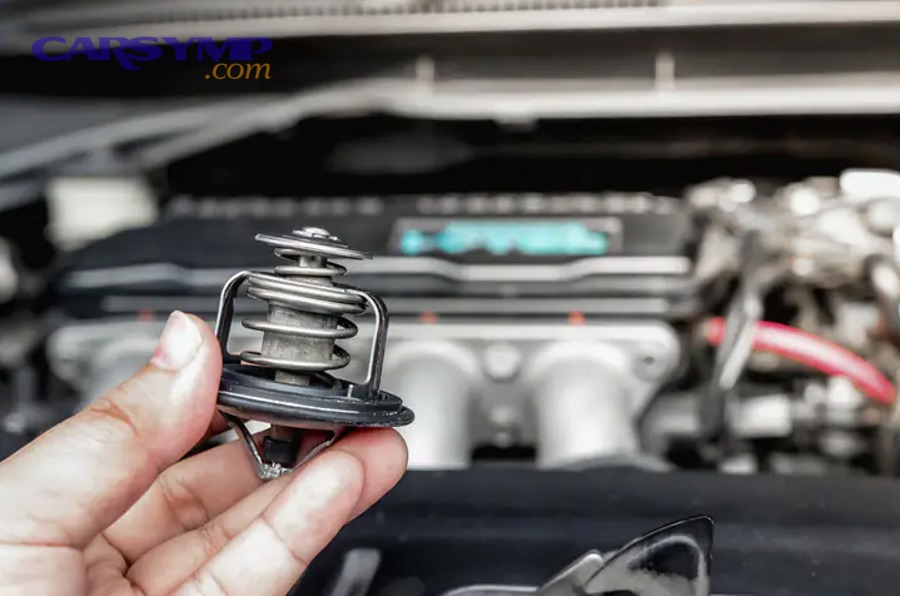
Professional mechanics typically complete car thermostat replacement in 1 to 2 hours, though the actual time ranges from 30 minutes for easily accessible thermostats to 4 hours for complex installations requiring extensive component removal. This timeframe includes diagnostic verification, draining coolant, removing the old thermostat, installing the new unit with a fresh gasket, refilling coolant, bleeding air from the cooling system, and testing proper operation.
To better understand these variations, we need to examine both professional shop standards and DIY homeowner experiences. The difference between these scenarios reveals why the same job might take vastly different amounts of time depending on who performs the work.
What Is the Average Labor Time for Professional Mechanics?
Professional automotive technicians complete standard thermostat replacement in 1 to 2 hours for most passenger vehicles. This timeframe reflects their experience, specialized tools, and efficient workflows developed through repeated repairs. Mechanics working in dedicated shops have immediate access to proper coolant evacuation equipment, torque wrenches calibrated for precise bolt tightening, and cooling system pressure testers that verify leak-free installation.
Quick jobs on vehicles with top-mounted, easily accessible thermostats take just 30 to 60 minutes from start to finish. Examples include many Honda and Toyota models where the thermostat housing sits prominently on the upper engine block with minimal obstructions. The mechanic simply disconnects the upper radiator hose, removes two or three bolts, replaces the thermostat and gasket, reassembles the connection, and refills the coolant.
Complex jobs requiring 3 to 4 hours occur when the thermostat location forces removal of multiple components blocking access. The Cadillac XT5 exemplifies this challenge—mechanics must remove the intake manifold and several auxiliary components before reaching the thermostat housing. These extended jobs also include additional time for proper cooling system bleeding, which becomes more critical in engines with complex coolant routing.
The professional process always includes diagnostic time to verify thermostat failure, typically adding 15 to 30 minutes to the total. Mechanics test coolant temperature, check for proper thermostat opening at specified temperatures, and verify that replacing the thermostat will actually solve the customer’s cooling system problem. This diagnostic step prevents unnecessary replacements and ensures the repair addresses the root cause.
How Long Does DIY Thermostat Replacement Take?
Experienced DIY mechanics complete thermostat replacement in 1 to 2 hours when working on familiar vehicles with reasonable access. These home mechanics have typically performed the job multiple times, own the necessary tools, and understand the specific quirks of their vehicle’s cooling system. Their timeframe closely matches professional mechanics because they’ve developed similar efficiency through practice.
First-time DIYers should expect 2 to 4 hours for the same job, with the extended time covering several learning curve factors. Reading repair manuals or watching instructional videos adds 30 to 45 minutes before even beginning physical work. Gathering tools—including proper wrenches, drain pans, new coolant, and the correct replacement thermostat—consumes another 15 to 30 minutes if the parts weren’t pre-purchased.
The actual replacement process takes longer without professional equipment. Home mechanics typically lack quick-drain coolant systems, forcing them to carefully drain fluid through radiator petcocks or by removing lower hoses—a slower, messier process. Without proper coolant recycling equipment, DIYers must manually collect, store, and dispose of old antifreeze, adding 20 to 30 minutes.
Cooling system bleeding represents the most challenging aspect for DIY repairs, often requiring an additional 30 to 60 minutes beyond the thermostat swap itself. Air pockets trapped in the cooling system prevent proper circulation and can cause overheating even with a perfectly functioning new thermostat. Home mechanics must patiently run the engine through multiple heat cycles, monitor temperatures carefully, and repeatedly add coolant as air escapes—a process requiring patience and careful observation. Without experience recognizing when the system is fully bled, first-timers may spend considerable extra time ensuring complete air removal.
What Factors Affect Thermostat Replacement Time?
Five primary factors affect thermostat replacement time: vehicle make and model, thermostat location within the engine, additional components blocking access, required complementary services, and the mechanic’s skill level. These variables interact to create the 30-minute to 4-hour range, with each factor potentially adding or subtracting significant time from the base replacement procedure.
Understanding these factors helps vehicle owners set realistic expectations and explains why identical repairs on different vehicles carry vastly different time estimates. The factors also reveal why getting multiple repair quotes often produces widely varying labor hour estimates from different shops.
Does Vehicle Make and Model Impact Replacement Time?
Vehicle make and model dramatically impact thermostat replacement time, with domestic economy cars typically requiring 30 to 60 minutes while European luxury vehicles often demand 2 to 4 hours for the identical repair. This variation stems from fundamental differences in engine design philosophy, component packaging density, and engineering priorities that affect serviceability.
Compact domestic cars like Ford Focus, Chevrolet Cruze, and Honda Civic feature relatively straightforward thermostat access with the housing mounted prominently on the engine block’s upper front section. Mechanics reach the thermostat after removing only the upper radiator hose and possibly a small plastic engine cover. The simple bolt pattern and ample working space allow quick removal and installation, keeping total time under one hour.
Mid-size SUVs and trucks including Ford F-150, Chevrolet Silverado, and Toyota 4Runner require 1 to 3 hours depending on engine configuration. The larger engine bays provide better access in some ways, but these vehicles often incorporate thermostat housings integrated with water pump assemblies or positioned behind power steering pumps and alternators. Mechanics spend additional time removing accessory belts and repositioning components that block direct thermostat access.
Luxury vehicles present the most time-consuming thermostat replacements, with BMW, Mercedes-Benz, Audi, and Cadillac models commonly requiring 2 to 4 hours. The Cadillac XT5 serves as a prime example—its thermostat sits behind the intake manifold, requiring extensive disassembly to reach. European manufacturers prioritize performance and packaging efficiency over service accessibility, often burying thermostats deep within the engine valley or underneath intake plenums. These designs necessitate removing substantial components, carefully tracking numerous bolts and connectors, and meticulously reassembling complex systems.
Performance vehicles with turbocharged or supercharged engines add another complexity layer. These engines incorporate multiple cooling circuits, intercooler systems, and precisely routed hoses that must be disconnected and reconnected during thermostat access. A turbocharged Volkswagen GTI or Audi A4 might require 2 to 3 hours compared to 45 minutes for a naturally aspirated Honda Accord, despite similar vehicle sizes.
How Does Thermostat Location Affect Labor Time?
Thermostat location represents the single most significant factor determining labor time, with easy-access top-mounted thermostats enabling 30 to 60-minute replacements while deeply buried units extend the job to 3 to 4 hours. The physical position dictates how many components must be removed before mechanics can even touch the thermostat housing, directly translating to billable hours.
Easy-access thermostats mounted on the engine’s top front typically connect to the upper radiator hose at an exposed housing. Mechanics disconnect one large hose clamp, remove two to four housing bolts, lift out the old thermostat, clean the mating surface, install the new thermostat with a fresh gasket, and reassemble the connection. Total wrench time rarely exceeds 30 minutes, with the remaining time allocated to coolant draining, refilling, and system bleeding.
Moderate-access thermostats positioned behind the water pump, alternator, or power steering reservoir require 1 to 2 hours. These locations force mechanics to remove one or two obstructing components before accessing the thermostat housing. For example, some GM V6 engines position the thermostat behind the water pump pulley, requiring serpentine belt removal and pulley extraction before thermostat access becomes possible. Each additional component removal adds 15 to 30 minutes to the base replacement time.
Difficult-access thermostats buried in the engine valley or underneath intake manifolds demand 3 to 4 hours for complete replacement. These designs require substantial disassembly—mechanics must remove intake manifolds, disconnect fuel injector harnesses, detach vacuum lines, and sometimes even drain engine oil if removal requires disturbing oil galleries. The Cadillac XT5’s thermostat location exemplifies this challenge, with the housing positioned where accessing it requires removing the entire intake plenum assembly.
The components requiring removal create a cascading time effect. Each additional component adds not just its own removal time but also reassembly time, careful parts tracking, and potential for complications if bolts strip or gaskets tear. Removing an intake manifold might require 60 minutes, but properly cleaning gasket surfaces, installing new intake gaskets, torquing bolts to specification, and reconnecting all sensors and vacuum lines consumes another 60 to 90 minutes.
What Additional Tasks Extend Replacement Time?
Additional tasks commonly performed during thermostat replacement add 30 to 90 minutes to the base labor time, with coolant flush and fill representing the most frequent time extension. Mechanics and vehicle owners often combine these complementary services to maximize efficiency and prevent near-term cooling system failures that would require repeating the labor-intensive disassembly process.
Coolant flush and fill services add 30 to 60 minutes when performed during thermostat replacement. Rather than simply refilling the system with the drained coolant, mechanics evacuate all old antifreeze, flush the cooling system with clean water to remove sediment and contaminants, and fill with fresh coolant mixed to manufacturer specifications. This thorough service prevents old, degraded coolant from damaging the new thermostat and ensures optimal cooling system performance.
Sensor replacement frequently accompanies thermostat work, adding 15 to 30 minutes to total time. The coolant temperature sensor often mounts directly on the thermostat housing or immediately adjacent to it. Since accessing this sensor requires the same disassembly as thermostat replacement, mechanics recommend replacing it simultaneously if the sensor shows age-related degradation or if diagnostic codes indicate marginal operation. Installing a new sensor while the housing is already exposed costs far less than making a separate repair appointment weeks later.
Cooling system bleeding requires an additional 30 minutes beyond basic refilling, particularly on vehicles with complex coolant routing or elevated engine mounting positions. Air naturally becomes trapped in the highest points of the cooling system during refilling. Mechanics must run the engine through multiple heat cycles, monitor temperatures carefully, repeatedly add coolant as air escapes, and sometimes use specialized vacuum-fill equipment to eliminate stubborn air pockets. Incomplete bleeding causes overheating and potential engine damage, making this time investment critical.
Diagnostic testing adds 15 to 30 minutes when mechanics verify proper thermostat operation after installation. Professional shops use infrared temperature guns to confirm the thermostat opens at its rated temperature, pressure-test the cooling system to verify leak-free connections, and monitor coolant circulation through visual inspection of hose flow. This testing prevents comebacks from improper installation and ensures the repair actually solved the customer’s original complaint.
Gasket replacement is universally included in thermostat jobs without adding time since every competent mechanic automatically installs a new gasket. However, some vehicles use integrated thermostat housings where the gasket requires extra care to position correctly, potentially adding 5 to 10 minutes to ensure proper sealing. Reusing old gaskets virtually guarantees coolant leaks that necessitate repeating the entire repair.
How Does Professional Time Compare to DIY Time?
Professional mechanics complete thermostat replacement 25% to 50% faster than experienced DIY enthusiasts and 50% to 75% faster than first-time home mechanics, with the efficiency gap widening significantly on complex installations. A job taking a professional 1 hour might require an experienced DIYer 1.5 hours and a novice 3 to 4 hours due to differences in tools, experience, and systematic workflows.
This comparison reveals critical decision factors for vehicle owners debating whether to hire professional service or attempt home repair. The time difference translates directly into opportunity cost calculations—saving $150 in labor charges means little if the DIY attempt consumes an entire Saturday while a professional completes the work in 90 minutes.
Why Do Professionals Complete the Job Faster?
Professional mechanics complete thermostat replacement faster through four primary advantages: specialized tools, accumulated experience, efficient workflows, and immediate diagnostic capability. These factors compound to create dramatic efficiency differences, particularly on complex repairs requiring precision and problem-solving skills.
Specialized tools eliminate time-consuming workarounds that plague DIY attempts. Professional coolant evacuation systems drain and capture antifreeze in minutes compared to the 20 to 30 minutes home mechanics spend carefully draining through petcocks or removing lower hoses. Quick-disconnect hose tools separate stubborn coolant hoses without the struggles DIYers face prying connections apart with screwdrivers. Proper torque wrenches ensure precise bolt tightening without the guesswork of hand-tightening followed by “feel-based” adjustments.
Accumulated experience allows mechanics to anticipate problems before they occur and work with muscle-memory efficiency. A technician who has replaced fifty thermostats on similar vehicles knows exactly which bolts tend to seize, which gasket surfaces need extra cleaning attention, and which hose clamps can reuse versus require replacement. This knowledge eliminates the trial-and-error process that consumes substantial DIY time.
Efficient workflows developed through repetition create smooth, logical progression through the repair sequence. Professionals organize tools before beginning work, follow systematic disassembly procedures that minimize backtracking, and prepare replacement parts while waiting for coolant to drain. These seemingly minor efficiencies accumulate—five minutes saved in tool organization, eight minutes saved through systematic bolt removal, twelve minutes saved by working while coolant drains—totaling 30+ minutes gained through pure process optimization.
Immediate diagnostic capability prevents wasted time chasing wrong problems. Professionals use scan tools, cooling system pressure testers, and infrared thermometers to confirm thermostat failure before beginning replacement. DIYers often spend significant time diagnosing the issue through less precise methods, sometimes replacing thermostats that weren’t actually defective while missing other cooling system problems.
What Makes DIY Replacement Take Longer?
DIY thermostat replacement takes longer primarily due to the learning curve for first-timers, limited tool availability, troubleshooting unknown issues, cooling system bleeding challenges, and extra safety precautions taken by cautious home mechanics. These factors combine to extend what professionals complete in 60 minutes into 3 to 4-hour DIY projects.
The learning curve dominates time consumption for first-time DIYers. Reading repair manuals, watching YouTube tutorials, and mentally processing the repair sequence before beginning physical work consumes 30 to 45 minutes. During the actual repair, unfamiliarity with specific procedures causes frequent pauses to re-check instructions, verify next steps, and ensure proper part orientation. Home mechanics often triple-check gasket positioning, bolt torque sequences, and hose connections—prudent caution that adds time but prevents costly mistakes.
Limited tools force time-consuming workarounds. Without a coolant evacuation system, DIYers spend 20 to 30 minutes draining antifreeze into multiple catch pans, creating spill risks and disposal challenges. Lacking proper hose removal tools, they struggle separating stuck coolant hoses, sometimes spending 15 minutes on connections professionals pop free in seconds. Missing specialized sockets or wrenches requires improvisation with adjustable wrenches that slip and damage bolt heads, extending what should be quick removal into frustrating battles.
Troubleshooting unknown issues consumes substantial DIY time when reality deviates from repair manual expectations. Stuck bolts that professionals drill out in minutes become hour-long ordeals for home mechanics lacking extraction experience. Discovering that additional components need removal—something experienced mechanics spot immediately—forces mid-repair research and unexpected additional disassembly. Finding the thermostat installed backward or discovering a cracked housing requires problem-solving time professionals bypass through experience-based inspection.
Cooling system bleeding challenges represent the most common DIY time extension. Without experience recognizing successful air removal, home mechanics repeatedly add coolant, run the engine, wait for temperatures to stabilize, and check levels in an uncertain cycle. Professional mechanics recognize subtle signs—specific gurgling sounds, coolant flow patterns in the radiator, temperature gauge behavior—that indicate complete bleeding. DIYers lack these reference points, often spending an extra 30 to 60 minutes gaining confidence the system is properly bled.
Extra safety precautions taken by cautious DIYers add time but prevent injuries and mistakes. Allowing the engine to cool completely before beginning work consumes 30 to 60 minutes professionals bypass using protective equipment and hot-coolant handling procedures. Double and triple-checking part numbers, measuring gasket dimensions, and verifying thermostat opening temperatures adds 15 to 20 minutes but prevents the catastrophic mistake of installing wrong components. These safety measures justify their time cost through error prevention.
How Can You Calculate Total Labor Cost Based on Time?
Calculate total thermostat replacement labor cost by multiplying estimated labor hours by the shop’s hourly labor rate, then adding parts cost and shop supplies fees. The formula is: (Labor Hours × Hourly Rate) + Parts + Supplies = Total Cost. For example, a 2-hour replacement at $100/hour would cost $200 in labor, plus $50 for the thermostat and gasket, plus $15 in shop supplies, totaling $265.
This calculation method provides accurate cost estimates when you understand typical hourly rates in your area and realistic time expectations for your specific vehicle. The transparency of this formula helps identify overcharges and evaluate whether DIY repairs justify the time investment.
What Are Typical Mechanic Hourly Rates?
Mechanic hourly rates range from $80 to $175 depending on shop type, geographic location, and mechanic certification level. Independent repair shops in rural or suburban areas typically charge $80 to $120 per hour, while dealership service departments in metropolitan areas command $120 to $175 per hour for the same labor.
Independent shops offer the most competitive hourly rates, averaging $80 to $120 across most regions. These businesses maintain lower overhead costs than dealerships, passing savings to customers through reduced labor charges. Independent mechanics often specialize in particular vehicle brands, developing expertise that matches dealership technicians while charging 25% to 40% less per hour. Small independent shops in rural areas sometimes charge as little as $70 to $90 per hour, though availability and specialized equipment may be limited.
Dealership service departments charge $120 to $175 per hour, justified by manufacturer-specific training, genuine OEM parts availability, and comprehensive warranty coverage on repairs. Dealerships employ technicians with brand-specific certifications, access to proprietary diagnostic equipment, and direct manufacturer technical support for complex problems. Premium brand dealerships—Mercedes-Benz, BMW, Audi, Cadillac—typically occupy the upper end of this range, charging $150 to $175 per hour even for routine services like thermostat replacement.
Mobile mechanics provide on-site service at $90 to $150 per hour, falling between independent shops and dealerships in pricing. These technicians save customers towing costs and vehicle transportation time by performing repairs at homes or workplaces. However, mobile mechanics may charge premium rates for the convenience factor and their rates often include built-in travel time within their service radius. Complex repairs requiring specialized shop equipment may not be feasible for mobile service, limiting this option primarily to accessible thermostat replacements.
Regional variations create significant rate differences for identical services. Urban metropolitan areas in California, New York, and Massachusetts see hourly rates 30% to 50% higher than rural areas in Midwest or Southern states. Cost of living directly drives these differences—shops paying mechanics $30 per hour in expensive metro areas must charge higher customer rates than shops paying $18 per hour in lower-cost regions. A thermostat replacement costing $250 in rural Alabama might reach $400 to $450 for the identical service in San Francisco.
What Is the Total Cost Breakdown for Different Time Scenarios?
Total thermostat replacement costs range from $110 for quick replacements to $1,000+ for complex luxury vehicle installations, with the time duration directly determining final pricing. Below is a comprehensive breakdown showing how labor time translates to total costs across common scenarios.
Quick Replacement (30-60 minutes):
- Labor cost: $40-$175 (0.5-1.0 hour × $80-175/hour)
- Parts cost: $20-$75 (basic thermostat and gasket)
- Shop supplies: $10-$15 (coolant, waste disposal)
- Total: $70-$265
This scenario applies to easily accessible thermostats on common domestic vehicles like Honda Civic, Toyota Corolla, or Ford Focus. The repair requires minimal disassembly, standard parts availability, and straightforward installation. Most independent shops complete these jobs at the lower cost range while dealerships charge toward the upper range.
Average Replacement (1-2 hours):
- Labor cost: $80-$350 (1-2 hours × $80-175/hour)
- Parts cost: $30-$150 (mid-grade thermostat, coolant sensor)
- Shop supplies: $15-$25 (coolant flush, cleaning supplies)
- Total: $125-$525
This represents the most common thermostat replacement scenario for mid-size sedans, SUVs, and trucks with moderate accessibility. Examples include Ford F-150, Chevrolet Silverado, Honda Accord, and Toyota Camry. The job typically includes complementary coolant flush and may involve replacing the coolant temperature sensor while the housing is accessible.
Complex Replacement (2-3 hours):
- Labor cost: $160-$525 (2-3 hours × $80-175/hour)
- Parts cost: $75-$250 (OEM thermostat, housing gaskets, sensors)
- Shop supplies: $20-$35 (full coolant replacement, multiple gaskets)
- Total: $255-$810
This scenario covers vehicles requiring substantial component removal to access the thermostat, including many European vehicles, luxury sedans, and trucks with complex engine designs. Examples include BMW 3-Series, Audi A4, Volkswagen Passat, and Cadillac XT5. The extended time reflects intake manifold removal, multiple gasket replacements, and precise reassembly procedures.
Extensive Replacement (3-4 hours):
- Labor cost: $240-$700 (3-4 hours × $80-175/hour)
- Parts cost: $150-$400 (premium OEM parts, multiple gaskets, coolant)
- Shop supplies: $25-$50 (complete cooling system service)
- Total: $415-$1,150
This represents the most time-intensive thermostat replacements on luxury vehicles with deeply buried thermostats or integrated thermostat/water pump assemblies. Premium examples include Mercedes-Benz E-Class, BMW 5-Series, Audi A6, and heavy-duty trucks like Kenworth C15. These jobs often coincide with other cooling system services to justify the extensive disassembly labor.
The parts cost variation within each scenario reflects the choice between aftermarket and OEM components. Choosing OEM vs aftermarket thermostats can save $30 to $150 on parts while potentially sacrificing warranty coverage and precise fitment. Independent shops typically offer both options, while dealerships exclusively install OEM parts at premium prices.

Is Thermostat Replacement Time Different for Specific Vehicle Types?
Yes, thermostat replacement time varies significantly by vehicle type, with standard passenger cars requiring 45 minutes to 2 hours, trucks and SUVs needing 1 to 3 hours, and luxury or performance vehicles demanding 2 to 4 hours due to differences in engine design, component accessibility, and cooling system complexity. This variation stems from fundamental engineering differences across vehicle categories that prioritize different attributes—economy cars emphasize serviceability while luxury vehicles prioritize performance and packaging density.
Understanding category-specific time expectations helps owners avoid surprise repair bills and sets realistic scheduling expectations when booking service appointments. The vehicle type provides a reliable initial estimate before considering individual model variations.
How Long Does It Take for Standard Passenger Cars?
Standard passenger cars require 45 to 90 minutes for thermostat replacement, representing the quickest and most affordable category for this repair. These vehicles feature straightforward engine designs with thermostats positioned for reasonable accessibility and minimal component interference.
Honda and Toyota models exemplify efficient thermostat access, typically requiring just 45 to 75 minutes for complete replacement. The Honda Civic, Accord, CR-V, and Toyota Corolla, Camry, and RAV4 mount thermostats on the engine’s upper front section where the upper radiator hose connects. Mechanics disconnect the radiator hose, remove two to four thermostat housing bolts, replace the thermostat and gasket, and reassemble the connection without disturbing surrounding components. The Japanese manufacturers’ design philosophy prioritizes serviceability, resulting in consistently quick replacement times across model years.
Ford and Chevrolet domestic vehicles require 60 to 90 minutes for most models, falling slightly behind their Japanese competitors but maintaining reasonable accessibility. The Ford Focus, Fusion, Escape and Chevrolet Cruze, Malibu, Equinox position thermostats with adequate working space, though sometimes requiring removal of small plastic engine covers or repositioning of coolant reservoir tanks. The additional time reflects minor obstacles rather than fundamental access challenges.
European passenger cars including Volkswagen Golf, Jetta, and Passat demand 75 to 120 minutes despite their compact-to-midsize classifications. European manufacturers prioritize performance and packaging efficiency over service accessibility, often integrating thermostats with water pump housings or positioning them behind timing covers. A Volkswagen Jetta thermostat replacement might require removing the serpentine belt and alternator for access, extending time beyond comparable Japanese models.
The parts cost for standard passenger cars remains modest, with thermostats ranging from $15 to $60 and labor costs of $60 to $180 based on the time requirements above. Total repair costs typically stay between $100 and $300, making this the most economical category for thermostat service.
How Long Does It Take for Trucks and SUVs?
Trucks and SUVs require 1 to 3 hours for thermostat replacement, with light-duty trucks falling toward the lower range and heavy-duty models extending toward the upper limit. The larger engine bays provide better working space in some respects but often incorporate more complex cooling systems and less convenient thermostat positioning.
Light-duty trucks including Ford F-150, Chevrolet Silverado 1500, and Ram 1500 typically need 1 to 2 hours for thermostat replacement. These vehicles’ spacious engine compartments allow mechanics to reach around obstructions, but thermostats often mount on the engine’s side or rear requiring the removal of accessory components. For example, some F-150 configurations position the thermostat behind the alternator, requiring serpentine belt and alternator removal before thermostat access becomes possible.
Mid-size SUVs like Ford Explorer, Chevrolet Traverse, and Honda Pilot demand 1.5 to 2.5 hours due to their transverse-mounted V6 engines with cramped lateral space. Despite the tall hood lines suggesting ample room, these vehicles pack engines tightly between fenders, limiting access to side-mounted components. The thermostat often sits on the engine’s firewall side where mechanics must work through narrow gaps between the engine block and the vehicle’s cabin bulkhead.
Heavy-duty trucks represent the most time-intensive category, with Kenworth, Peterbilt, Freightliner, and Ford Super Duty diesel models requiring 2.5 to 4 hours for thermostat replacement. The Kenworth C15 exemplifies this challenge, with mechanics reporting 3 to 4 hours for thermostat access and replacement. These large diesel engines incorporate multiple coolant circuits serving the engine block, turbochargers, and emissions systems, each with independent thermostats or complex integrated thermostat housings requiring extensive disassembly.
Bad thermostat symptoms in trucks often manifest more severely than in passenger cars due to higher operating loads. Trucks working under heavy loads or towing conditions experience rapid overheating when thermostats stick closed, while stuck-open thermostats prevent diesel engines from reaching optimal operating temperatures, increasing fuel consumption and reducing cab heating effectiveness. These severe symptoms motivate owners to prioritize quick repairs despite the higher labor costs.
How Long Does It Take for Luxury and Performance Vehicles?
Luxury and performance vehicles require 2 to 4 hours for thermostat replacement, representing the most time-consuming and expensive category due to sophisticated engine designs, extensive component packaging, and thermostats positioned deep within engine assemblies. Premium manufacturers prioritize performance, refinement, and packaging efficiency over service accessibility, accepting higher maintenance costs as a trade-off for engineering excellence.
Luxury brands including Mercedes-Benz, BMW, Audi, and Cadillac consistently demand 2 to 3 hours for thermostat replacement across their model ranges. The Cadillac XT5 serves as a prime example, with thermostats positioned behind the intake manifold requiring complete intake removal for access—a job involving disconnecting fuel injectors, removing numerous vacuum lines, detaching wiring harnesses, and carefully extracting the multi-piece intake assembly. This extensive disassembly explains why shops quote 2 to 4 hours and charge $300 to $700 in labor alone.
German luxury vehicles—BMW 3-Series, 5-Series, Mercedes-Benz C-Class, E-Class, and Audi A4, A6—incorporate integrated thermostat/housing assemblies that combine the thermostat with substantial portions of the cooling system plumbing. Replacing these integrated units requires draining more coolant, disconnecting additional hoses, and handling larger, more expensive components. A BMW 335i thermostat replacement might involve removing the electric water pump, various coolant hoses, and engine covers, easily consuming 2.5 to 3 hours for complete service.
Performance vehicles with turbocharged or supercharged engines add another complexity layer requiring 2 to 4 hours. These engines run multiple cooling circuits—one for the engine block, another for the intercooler system, and sometimes dedicated cooling for the turbocharger itself. Each circuit may incorporate separate thermostats or complex integrated assemblies controlling coolant flow to multiple destinations. A turbocharged Porsche 911 or Audi S4 thermostat replacement becomes an involved procedure requiring careful attention to multiple coolant circuits and precise air bleeding procedures.
The reasons for extended time in luxury vehicles include specialized tool requirements, proprietary component designs, and necessary dealer-specific diagnostic procedures. Many luxury manufacturers use unique fastener designs requiring special sockets, incorporate one-time-use stretch bolts that must be replaced with exact OEM equivalents, and specify proprietary coolant formulations incompatible with universal antifreeze. These requirements force owners toward dealership service where mechanics have appropriate tools and parts but charge premium hourly rates.
Preventing thermostat failures through regular coolant maintenance becomes particularly important in luxury vehicles where replacement labor costs reach $500 to $1,000 including parts. Mercedes-Benz and BMW recommend coolant replacement every 2 to 4 years to prevent corrosion and deposits that damage thermostats and other cooling components. Following these intervals costs $150 to $300 but potentially avoids $800 thermostat replacements caused by coolant degradation.
What Is the Difference Between Flat-Rate Labor Time and Actual Time?
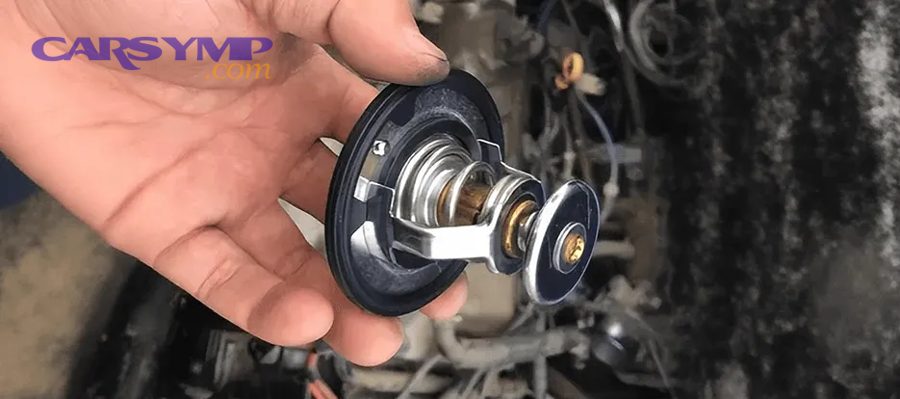
Flat-rate labor time differs from actual time in that shops charge a predetermined standardized time from industry labor guides regardless of how long mechanics actually spend on the repair, while actual time represents the true minutes and hours the technician physically works on the vehicle. For example, a shop might charge 4.5 flat-rate hours for a Cadillac XT5 thermostat replacement even though the experienced mechanic completes the job in 2 actual hours.
This system creates transparency in pricing but sometimes causes customer confusion when they observe quick completions yet receive bills for longer timeframes. Understanding this industry standard helps consumers evaluate quotes and recognize fair versus inflated labor charges.
How Does the Flat-Rate Labor System Work?
The flat-rate labor system assigns predetermined time values to specific repairs based on industry-standard labor guides including Mitchell, AllData, and Chilton manuals. These guides establish baseline times assuming average mechanic skill working under normal conditions with standard tools, creating consistency across different shops for the same repair.
Industry labor guides conduct extensive research to determine flat-rate times, measuring how long multiple mechanics require for specific repairs and averaging the results to establish standard times. For instance, the guides might test thermostat replacement on a 2020 Honda Accord across twenty different shops, recording times ranging from 0.7 to 1.2 hours, then establishing the flat-rate time at 1.0 hours based on the median result. This standardization allows shops nationwide to quote consistent prices for identical services.
Shops adopt flat-rate systems because they provide pricing predictability for customers and fair compensation for mechanics. When a customer requests a quote for thermostat replacement, the service advisor looks up the vehicle’s year, make, and model in the labor guide, finds the flat-rate time (perhaps 2.5 hours), multiplies by the shop’s hourly rate ($120), and quotes a firm labor price ($300) before work begins. This eliminates surprise bills and reduces disputes about reasonable charges.
The system compensates efficient mechanics fairly while protecting shops from losses on difficult jobs. An experienced technician who completes the 2.5-hour flat-rate job in 1.5 actual hours still gets paid for 2.5 hours, rewarding their efficiency and expertise. Conversely, if unexpected complications extend the job to 3.5 actual hours, the shop absorbs the extra time rather than charging the customer more than quoted—the risk balances between both parties.
Dealerships strictly follow manufacturer-provided flat-rate times that often exceed independent labor guide estimates. Manufacturer times include additional procedures like comprehensive post-repair testing, software updates, and detailed documentation requirements that independent shops may skip. This explains why dealership quotes frequently exceed independent shop estimates by 30% to 50% for identical repairs—they’re using different labor time references that reflect their more comprehensive service procedures.
When Does Actual Time Differ from Flat-Rate Time?
Actual time differs from flat-rate time in three common scenarios: experienced mechanics working faster than guide estimates, complications extending work beyond standard timeframes, and first-time repairs where mechanics face learning curves. These variations create the fundamental tension between the theoretical standardized time and real-world repair execution.
Experienced mechanics routinely complete jobs faster than flat-rate times, particularly on familiar vehicles they service frequently. A technician specializing in Honda repairs might complete a Civic thermostat replacement in 35 actual minutes while the flat-rate guide allows 1.0 hour (60 minutes). The mechanic earns 1.0 hour of labor pay for 0.6 hours of actual work, effectively increasing their hourly earning rate by working efficiently. This compensation structure motivates mechanics to develop expertise and work systematically rather than slowly padding hours.
Complications extend actual time beyond flat-rate estimates when repairs encounter seized bolts, stripped threads, broken components, or additional failures discovered during disassembly. For example, a thermostat replacement might reveal severely corroded coolant hoses requiring immediate replacement before the vehicle safely returns to service. The shop faces a choice: eat the extra labor time maintaining the original quote, or negotiate additional charges with the customer explaining the unforeseen complications. Reputable shops typically absorb minor overages but discuss significant extra work with customers before proceeding.
First-time repairs on unfamiliar vehicles force mechanics to work more slowly than flat-rate assumptions, particularly on complex luxury or performance cars with unique designs. A technician tackling their first Cadillac XT5 thermostat replacement might require 5 actual hours while the flat-rate guide allows 4.5 hours—a manageable difference. However, if the flat-rate time is unrealistically short (perhaps 2.0 hours), the shop loses money paying mechanics for 5 hours of actual work while billing customers for only 2 hours. This scenario motivates shops to refuse unfamiliar vehicles or quote higher rates to compensate for learning curve risks.
Rusted bolts and corrosion represent the most common complication extending actual time, particularly in northern climates where road salt accelerates corrosion. Removing thermostat housing bolts might take 5 minutes under ideal conditions but consume 45 minutes when bolts seize in the engine block, requiring penetrating oil, careful extraction to avoid breaking bolts in the block, and potentially drilling out broken fasteners. The flat-rate guide cannot account for these regional variations, creating discrepancies between estimated and actual time.
How Can You Verify Fair Labor Charges?
Verify fair labor charges by requesting itemized estimates showing specific labor times and rates, comparing flat-rate manual times against quoted hours, obtaining multiple competitive quotes, and directly asking service advisors to explain actual versus flat-rate time differences. These verification methods protect against overcharges while acknowledging legitimate pricing when shops follow industry standards.
Requesting itemized estimates before authorizing repairs provides transparent pricing breakdowns showing exactly what you’re paying for. A proper estimate lists “thermostat replacement” as the service description, specifies “2.5 hours labor @ $120/hour = $300,” itemizes parts separately with “$75 OEM thermostat, $15 gasket, $25 coolant,” and totals everything including tax. This transparency allows you to identify whether the shop is charging reasonable flat-rate times or inflating hours beyond industry standards.
Comparing flat-rate manual times requires accessing the same labor guides shops use, which are increasingly available through consumer automotive information subscriptions. Services like AllData DIY or RepairPal.com provide labor time estimates for specific repairs on specific vehicles, allowing you to verify that a shop quoting 4.5 hours for your Cadillac XT5 thermostat replacement aligns with industry standards rather than arbitrary pricing. Significant deviations above published flat-rate times deserve questioning.
Getting multiple competitive quotes reveals market-rate pricing and identifies outlier shops charging significantly above or below area norms. If three shops quote 2.5 hours at $100-120/hour while one quotes 4.5 hours at $150/hour, the outlier clearly deviates from standard pricing. However, extremely low quotes deserve scrutiny too—a shop quoting 1.0 hour when the job clearly requires 2.5 hours might plan to “discover” additional problems after starting work, pressuring you to approve extra charges once your vehicle is disassembled.
Asking service advisors to explain their pricing demonstrates consumer awareness and often prompts more careful attention to your estimate. Questions like “Can you show me the labor guide time for this repair?” or “Is this based on manufacturer flat-rate or independent guide estimates?” signal that you understand the pricing system. Reputable shops welcome these questions and readily show their labor time references, while questionable operations may become defensive or evasive when asked to justify their numbers.
Does Warranty Coverage Affect Replacement Time?
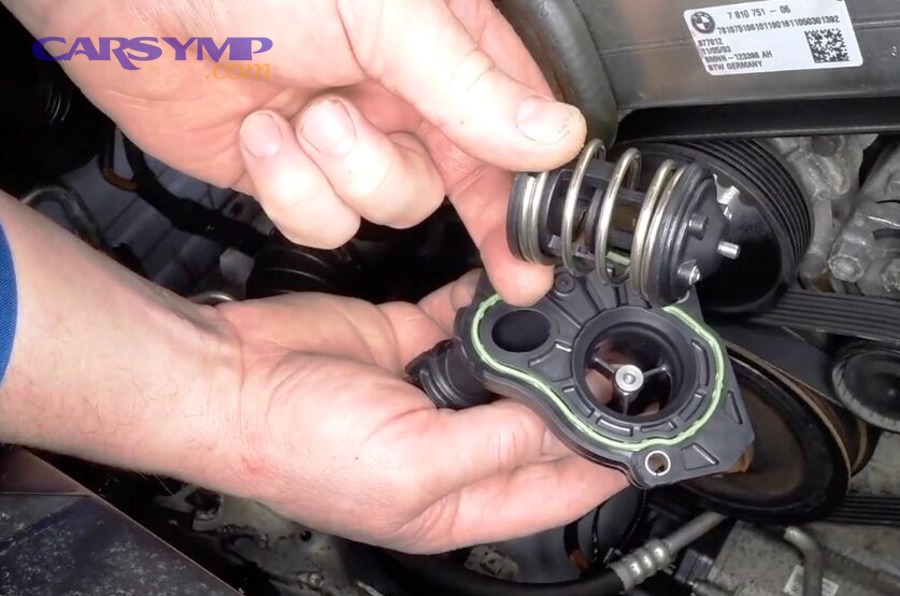
Yes, warranty coverage affects replacement time because dealerships performing warranty repairs must follow manufacturer-required diagnostic procedures, documentation standards, and testing protocols that add 30 to 90 minutes beyond basic replacement time. These additional requirements ensure proper warranty claim substantiation and prevent fraudulent warranty submissions, but they extend the total time customers must leave vehicles at the dealership.
Understanding these time differences helps explain why warranty repairs sometimes take longer than customer-pay repairs despite identical mechanical work. The extra time rarely reflects slower work but rather comprehensive verification requirements that private pay jobs might skip.
How Long Do Warranty-Covered Replacements Take?
Warranty-covered thermostat replacements typically take 30 to 90 minutes longer than customer-pay repairs due to mandatory diagnostic verification, detailed documentation, and post-repair testing required to substantiate warranty claims to manufacturers. A thermostat replacement normally completing in 2 hours might consume 2.5 to 3.5 hours when performed under warranty coverage.
Dealership diagnostic requirements add 30 to 60 minutes before the actual replacement begins. Warranty claims require technicians to verify thermostat failure through systematic testing rather than simply replacing based on customer complaint. Mechanics must document coolant temperature readings, measure thermostat opening temperature using specialized equipment, confirm temperature gauge accuracy, and sometimes photograph failed components proving they meet warranty failure criteria. Manufacturers scrutinize warranty claims to prevent replacement of functional parts, forcing dealerships to invest time in thorough diagnosis.
Documentation and approval processes consume another 15 to 30 minutes as service advisors photograph the failed thermostat, complete detailed warranty claim forms, enter diagnostic codes and test results into manufacturer databases, and sometimes wait for warranty administrator approval before proceeding with repairs. Premium manufacturers including BMW, Mercedes-Benz, and Cadillac maintain strict warranty oversight, occasionally requiring claims adjusters to review supporting evidence before authorizing repairs on high-value components.
Post-repair testing and verification extend warranty jobs by another 15 to 30 minutes beyond customer-pay repairs. Warranty protocols require mechanics to test-drive vehicles, document post-repair temperature readings, verify proper thermostat operation under heat cycles, and confirm all related sensors show normal operation. This comprehensive verification prevents immediate comebacks and ensures the replacement actually resolved the customer’s concern before warranty coverage commits to the expense.
The Cadillac XT5 illustrates typical warranty procedures, with the 6-year/70,000-mile powertrain warranty covering thermostat failures. Owners report total shop times of 3 to 4 hours for warranty thermostat replacements compared to 2 to 2.5 hours when paying privately. The additional time reflects Cadillac’s documentation requirements, pre-approval processes for components exceeding certain dollar thresholds, and mandatory post-repair validation testing. Customers don’t pay for the extra time, but they must leave vehicles longer and sometimes wait days for warranty approval before repairs begin.
Warranty labor times benefit customers financially despite the inconvenience. A Cadillac XT5 thermostat replacement costing $800 to $1,200 out-of-pocket becomes free under warranty coverage, with customers paying nothing despite the extended diagnostic and documentation time. This substantial savings justifies the slight inconvenience of additional shop time and paperwork requirements.
Can You Reduce Thermostat Replacement Time?
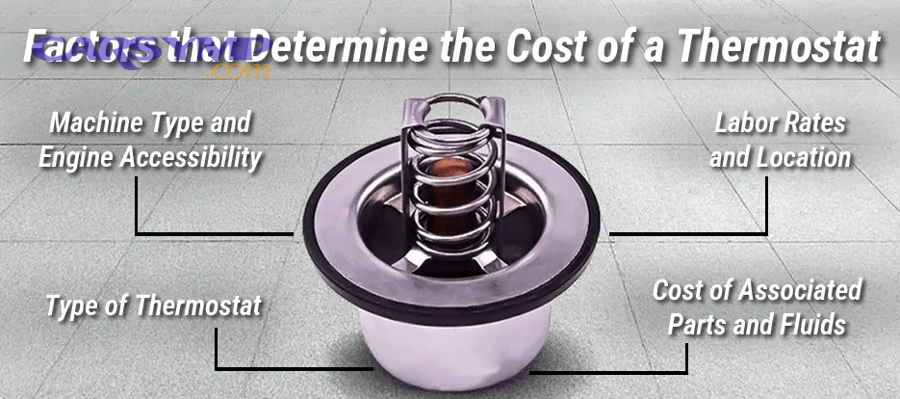
Yes, you can reduce thermostat replacement time by 15 to 45 minutes through advance preparation including gathering necessary tools beforehand, purchasing correct parts in advance, reviewing repair procedures via manuals or videos, and ensuring the engine is completely cool before beginning work. These preparation steps eliminate common delays that extend basic 1-hour jobs to 2 or 3 hours for unprepared mechanics.
Time reduction strategies particularly benefit DIY mechanics working without professional shop resources, though even professional operations save time through proper job preparation and systematic workflows. The key lies in eliminating wasted motion, minimizing mid-repair trips for forgotten tools or parts, and avoiding common mistakes that require backtracking.
What Preparation Can Speed Up the Replacement?
Preparation significantly speeds thermostat replacement by addressing the four most common time-wasting factors: tool availability, correct parts procurement, procedural knowledge, and engine temperature. Dedicating 30 to 45 minutes to thorough preparation reduces actual repair time by 30 to 60 minutes, creating net time savings plus less frustration.
Gathering tools beforehand eliminates the 10 to 15 minutes commonly wasted making multiple trips to toolboxes or running to auto parts stores mid-repair. Required tools typically include a socket set with extensions for thermostat housing bolts, screwdrivers for hose clamps, drain pans for coolant, a funnel for refilling, and cleaning supplies for gasket surfaces. Reviewing the specific vehicle’s repair manual identifies unique tool needs—perhaps a special torx bit, a specific sized deep socket, or hose removal tools—allowing you to acquire or borrow specialty items before starting rather than discovering their necessity with the vehicle half-disassembled.
Purchasing correct parts in advance saves 30 to 45 minutes compared to mid-repair parts runs when you discover the thermostat doesn’t fit or gaskets are missing. Verify the exact thermostat part number for your specific vehicle year, make, model, and engine before purchasing. Many vehicles use different thermostats for the same model year depending on engine option or production date, making “close enough” substitutions unreliable. Buy the thermostat, housing gasket, hose clamps if current ones show wear, and sufficient coolant to refill the system—typically 1 to 2 gallons depending on vehicle size.
Reviewing repair procedures through manufacturer service manuals, reputable repair databases like AllData, or detailed YouTube videos from experienced mechanics provides roadmap knowledge preventing common mistakes and backtracking. Spend 20 to 30 minutes studying the specific procedure for your vehicle, noting bolt locations, potential complications, proper gasket orientation, and bleeding procedures. This investment prevents the hour-long mistake of installing the thermostat backward, using the wrong bolts, or struggling with bleeding air pockets due to unfamiliarity with bleeder valve locations.
Allowing the engine to cool completely before beginning work seems obvious but saves significant time and prevents injuries. Hot coolant flowing from disconnected hoses creates dangerous conditions requiring immediate work stoppage, cleanup, and waiting for cooling anyway—potentially wasting 30 to 45 minutes compared to simply waiting initially. Start with a cold engine after overnight sitting, or wait at least 2 hours after the last engine operation before loosening any cooling system components. Cold engines also make handling metal components safer and reduce risk of warped surfaces when cleaning gasket mating areas.
When Should You Replace the Thermostat Proactively?
Replace the thermostat proactively during other cooling system repairs, water pump replacement, timing belt service, or preventive maintenance at 100,000 miles to avoid paying full labor costs twice for overlapping disassembly procedures. This strategic timing saves 50% to 75% of thermostat replacement labor costs since the access work is already being performed for other services.
During other cooling system repairs provides the most logical thermostat replacement timing because many cooling components require identical or overlapping disassembly. When replacing a radiator, water pump, or coolant hoses, mechanics must drain the cooling system, disconnect hoses, and access the same engine areas where thermostats mount. Adding thermostat replacement to these jobs typically adds only 15 to 30 minutes and $30 to $75 in parts while saving the $150 to $400 in labor costs for separate thermostat service weeks or months later.
Water pump replacement represents the ideal companion service for thermostat replacement because these components share cooling system responsibility and similar lifespans. Water pumps typically require replacement every 60,000 to 100,000 miles due to bearing wear or seal leakage, while thermostats last 80,000 to 120,000 miles before mechanical failure. When replacing the water pump, the cooling system is already drained, hoses disconnected, and the thermostat housing fully accessible—adding thermostat replacement costs perhaps $50 in parts and 10 minutes in labor rather than the $200 to $400 it would cost as a separate service.
Timing belt service creates another excellent opportunity since this major service requires removing engine covers, accessories, and sometimes water pumps that obstruct thermostat access. Timing belt intervals occur at 60,000 to 105,000 miles depending on vehicle manufacturer, perfectly aligning with thermostat replacement timing. Since shops charge $500 to $1,200 for timing belt service already involving substantial disassembly, adding a $50 thermostat while everything is apart represents minimal additional cost and maximizes value from the labor investment.
Preventive replacement at 100,000 miles makes financial sense for vehicles with difficult thermostat access where replacement labor costs exceed $300. Rather than waiting for failure and potentially facing roadside breakdowns or emergency repairs, proactively replacing the thermostat during scheduled 100,000-mile service costs only the parts plus 30 to 45 minutes of additional labor. This strategy particularly benefits Cadillac XT5 owners and other luxury vehicle owners facing $800+ replacement bills—spending $150 proactively at 100,000 miles prevents a potential $900 emergency replacement at 115,000 miles during an inconvenient failure.
Preventing thermostat failures through regular coolant maintenance extends thermostat life and avoids untimely replacements. Coolant degrades over time, becoming acidic and depositing minerals that corrode thermostat components and cause premature failure. Following manufacturer coolant replacement intervals—typically every 30,000 to 60,000 miles—maintains proper pH balance and prevents corrosion that damages thermostats, water pumps, and radiators. This $100 to $200 preventive service potentially extends thermostat life from 80,000 miles to 120,000+ miles, delaying expensive replacements.
What Are Common Time-Consuming Complications?
Common time-consuming thermostat replacement complications include seized or rusted bolts adding 30 to 60 minutes, coolant contamination requiring flush adding 60 minutes, broken housing requiring replacement adding 30 minutes, and air pockets in cooling system adding 30 minutes for stubborn bleeding. These issues arise unpredictably during repairs, transforming quoted 1-hour jobs into 2.5 to 3-hour ordeals with corresponding cost increases.
Understanding these potential complications helps owners budget extra time and sets realistic expectations when mechanics call mid-repair reporting higher-than-estimated costs. Reputable shops identify these issues early and discuss options before proceeding, while less scrupulous operations might begin work and then pressure customers into approving expensive additions.
What Issues Can Add Unexpected Time?
Seized or rusted bolts represent the most frequent unexpected complication, adding 30 to 60 minutes when thermostat housing bolts refuse to loosen normally due to corrosion or thread seizure. This issue plagues vehicles in northern climates where road salt accelerates corrosion and older vehicles where dissimilar metals corrode together. Mechanics must apply penetrating oil, wait 15 to 30 minutes for penetration, attempt removal with increasing force, potentially heat bolts with torches, and sometimes drill out broken bolts if heads snap off during extraction.
Coolant contamination requiring flush extends jobs by 60 minutes when mechanics discover severely degraded antifreeze containing rust particles, oil contamination from head gasket leaks, or sludge deposits indicating years of neglected maintenance. Contaminated coolant damages new thermostats quickly, making flush and fill mandatory rather than optional. The mechanic must evacuate all old coolant, flush the system multiple times with clean water until discharge runs clear, and fill with fresh coolant meeting manufacturer specifications—a time-intensive process preventing near-term thermostat failure.
Broken housing requiring replacement adds 30 minutes plus parts costs when plastic thermostat housings crack during disassembly or show existing damage requiring replacement. Many modern vehicles use plastic composite housings that become brittle with age, cracking easily when bolts are tightened or hoses removed. Discovering a cracked housing mid-repair forces mechanics to order replacement housings (potentially delaying completion by days if not in stock), extending both labor time and parts costs by $50 to $150.
Air pockets in cooling system create the most frustrating complications, adding 30 minutes for stubborn bleeding when standard procedures fail to evacuate trapped air. Complex engine designs with multiple cooling circuits, elevated water pump positions, or inadequate bleeder valve placement allow air to become stubbornly trapped. Mechanics must repeatedly run the engine through heat cycles, carefully monitor temperatures to avoid overheating, add coolant multiple times as air escapes, and sometimes use vacuum-fill equipment eliminating air through mechanical means. Incomplete bleeding causes overheating complaints requiring customers to return for additional service time.
How Long Does Emergency Thermostat Replacement Take?
Emergency thermostat replacement requires 1 to 3 hours of mobile mechanic travel time plus 1.5 times the normal repair duration, totaling 2.5 to 7 hours from the initial breakdown to completed repair. After-hours or roadside emergency service carries 50% to 100% premium charges compared to standard shop rates, significantly increasing total costs while potentially saving towing fees and customer inconvenience.
Mobile mechanic response time varies from 1 to 3 hours depending on current workload, distance to the breakdown location, and time of day. Mobile services operating in metropolitan areas might arrive within 60 minutes during business hours but require 2 to 3 hours for evening or weekend calls when fewer technicians work. Rural areas face longer waits, potentially 3 to 4 hours if mobile mechanics must travel from distant towns. This response time delay means emergency thermostat replacement consumes most of a day compared to scheduling regular shop service completing in 1 to 2 hours.
After-hours service surcharges range from 50% to 100% above standard rates, with typical emergency mobile service charging $120 to $250 per labor hour compared to $80 to $120 for scheduled shop work. Holiday and weekend premiums climb even higher, sometimes reaching $300 per hour for Christmas or Thanksgiving emergency calls. These premium rates compensate technicians for interrupted personal time and compensate companies for maintaining 24/7 availability infrastructure.
Limited diagnostic capability in field settings extends emergency repair time because mobile mechanics work without shop resources like computerized diagnostic equipment, parts availability, and specialized tools. Diagnosing thermostat failure roadside relies on basic testing—feeling hoses for temperature differences, observing temperature gauge behavior, checking for coolant leaks—rather than comprehensive testing available in equipped shops. This limitation increases risk of misdiagnosis, potentially leading to unnecessary thermostat replacement when other cooling system failures actually caused the breakdown.
Rush service typically takes 1.5 times normal repair duration because mobile mechanics work in less-than-ideal conditions without shop lifts, proper lighting, or convenient tool access. A thermostat replacement normally taking 1.5 hours in a shop might consume 2.5 hours roadside as the mechanic works on the ground, improvises tool access in cramped spaces, and deals with environmental factors like weather, poor lighting, or unsafe shoulder positions. Some complex repairs simply cannot be completed roadside—deeply buried thermostats requiring intake manifold removal or specialized equipment force towing to shops anyway, negating mobile service benefits.
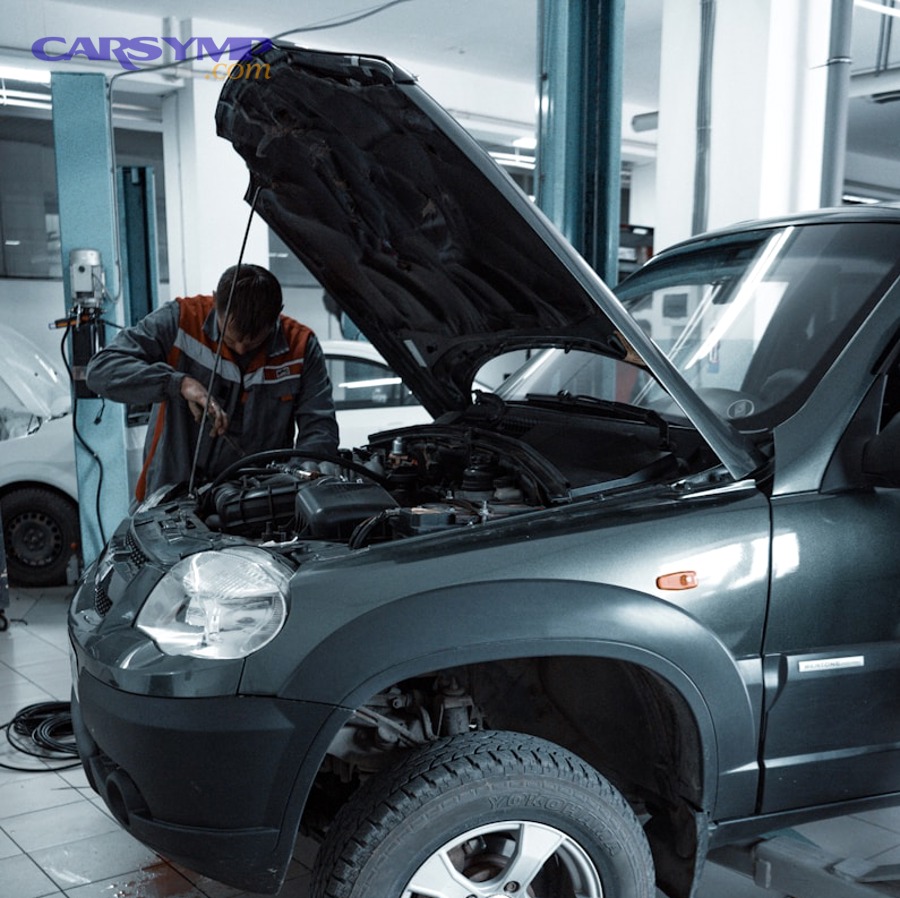
Emergency situations make planning difficult, but understanding these timeframes helps set expectations when thermostat failures occur unexpectedly. In most cases, arranging a tow to a regular shop and scheduling next-day service costs less and produces more reliable repairs than emergency mobile service, unless circumstances absolutely require immediate mobility restoration. Bad thermostat symptoms like overheating or temperature fluctuations should prompt scheduled preventive replacement rather than waiting for complete failure requiring emergency service.