


If your brake pedal feels spongy after a repair or fluid change, you can remove trapped air by bleeding the hydraulic system yourself—no second person needed. The key is choosing a one-person method that keeps air from being pulled back through the bleeder screw while you work.
You’ll also want to pick a method that matches your tools and your car’s condition, because different setups handle stubborn air and old components differently. In the sections below, you’ll see practical options and how to decide between them without wasting fluid or time.
Many modern vehicles add complexity with ABS, electronic brake boosters, or stability control, so it helps to know when a simple manual bleed is enough and when you must follow an ABS service routine. That decision is often what separates a firm pedal from one that never improves.
Giới thiệu ý mới: Below is a step-by-step, solo-friendly approach that prioritizes safety, clean technique, and repeatable results—so your pedal firms up the first time, not the fifth.
What do you need before you start a one-person brake bleed?
You need the right brake fluid, a safe way to lift and support the vehicle, and a bleed setup that prevents air from re-entering the system. To begin, gather tools first so you never leave the reservoir low while you search for a wrench.
Tiếp theo, start by identifying the correct fluid specification from your cap, owner’s manual, or service info (commonly DOT 3, DOT 4, or DOT 5.1 for most passenger cars). Do not mix DOT 5 (silicone) with glycol-based fluids unless the vehicle explicitly calls for DOT 5, because seal compatibility and moisture behavior differ.
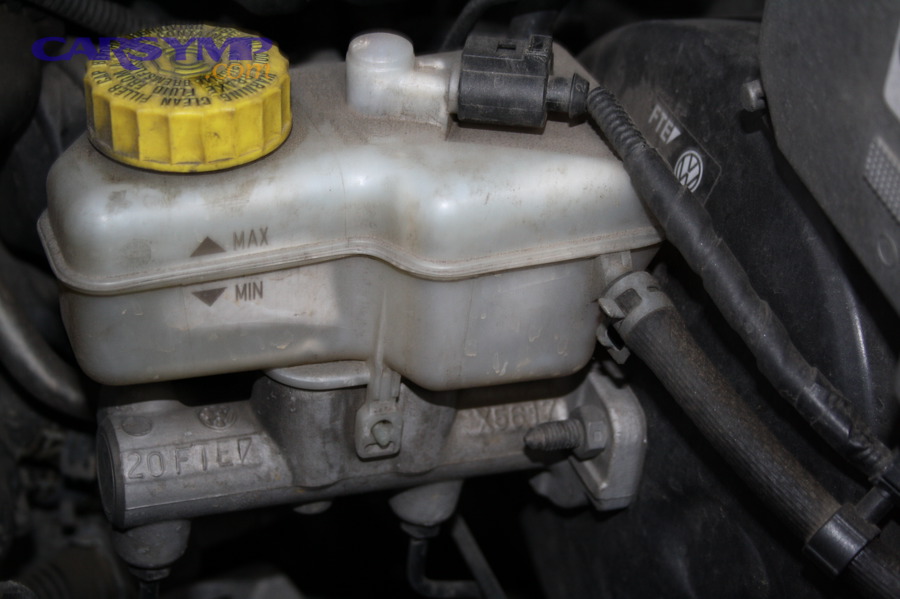
Core tools and supplies
- Fresh brake fluid (enough for a full flush if needed; most DIY bleeds use 0.5–1.0 liter, more if you’re flushing a truck/SUV).
- Box-end wrench that fits bleeders (often 8–11 mm; some are SAE on older vehicles).
- Clear vinyl hose sized to fit snugly on the bleeder nipple.
- Catch bottle/jar with a lid hole or a dedicated one-person bleeder bottle.
- Jack and jack stands (never rely on a jack alone), plus wheel chocks.
- Nitrile gloves, shop towels, and brake cleaner.
- Penetrating oil and a small wire brush (helpful for crusty bleeders).
Safety and paint protection
- Brake fluid can damage paint. Cover fenders and wipe spills immediately with water, then clean.
- Work on level ground. Chock wheels and support the car on stands at proper lift points.
- If you remove wheels, loosen lug nuts slightly on the ground, then lift.
What “good prep” looks like
- Crack each bleeder loose gently before starting the actual bleeding cycle (then snug it back). This reduces the chance of rounding a bleeder mid-job.
- Clean the bleeder area so dirt doesn’t get pulled into the threads when you open it.
- Set the reservoir to the MAX line with fresh fluid and keep the cap nearby to reduce contamination.
According to research by National Taipei University of Technology from the Department of Mechanical Engineering, in September 2006, increasing moisture content in DOT 3 brake fluid showed a clear relationship with measurable changes and was associated with reduced boiling point and deterioration of braking system functionality.
Which solo bleeding method should you choose for your situation?
You should choose the method that best controls air re-entry while matching the condition of your system and the tools you have. To decide quickly, compare how each option moves fluid and how it behaves with stubborn air or older seals.
Sau đây, you’ll see a practical comparison so you can match your goal (quick air purge vs full flush vs ABS-sensitive work) to the method that delivers it with the least frustration.
This table contains a side-by-side guide to common one-person options, showing what each method is best at and what pitfalls to avoid. It helps you pick a plan without guessing.
| Method | Best for | Strength | Watch-outs |
|---|---|---|---|
| One-person bottle & hose | Most DIYers, light air after caliper/line work | Cheap, controlled, easy to see bubbles | Must keep hose submerged; don’t let reservoir run low |
| Gravity bleeding | Minor air, routine fluid refresh, stubborn bleeders | Gentle, low risk of seal stress | Slow; may not clear ABS-related air by itself |
| Vacuum bleeder | Solo speed, quick corner-by-corner bleeding | Fast extraction, good visibility | Can pull “false bubbles” from threads if bleeder isn’t sealed |
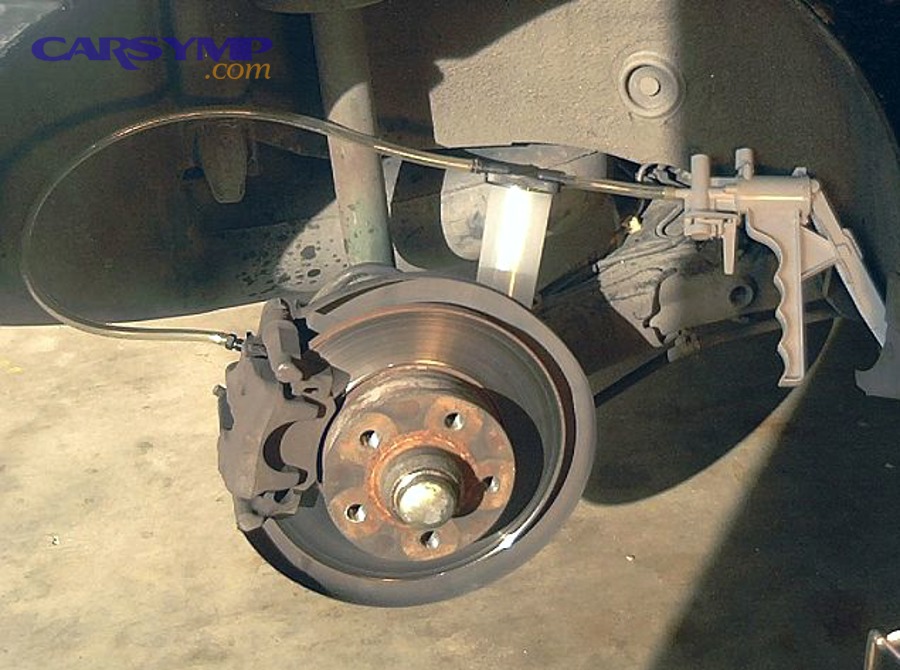
| Pressure bleeder | Full flush, consistent results, many vehicles | Steady flow, minimizes pedal pumping risks | Needs correct cap adapter; avoid over-pressurizing |
| Speed bleeders (check-valve screws) | Repeated maintenance on the same vehicle | One-way valve simplifies solo work | Quality varies; still must avoid reservoir running low |
In practice, many DIYers start with the bottle-and-hose method because it’s reliable and teaches you what the bubbles are doing. For a full flush or repeated work, pressure bleeding is often the most consistent. If you’re reading this because you typed “bleed brakes” into a search bar after a soft pedal scare, start with the simplest method that still prevents air from coming back in.
How do you do the one-person bottle-and-hose method step by step?
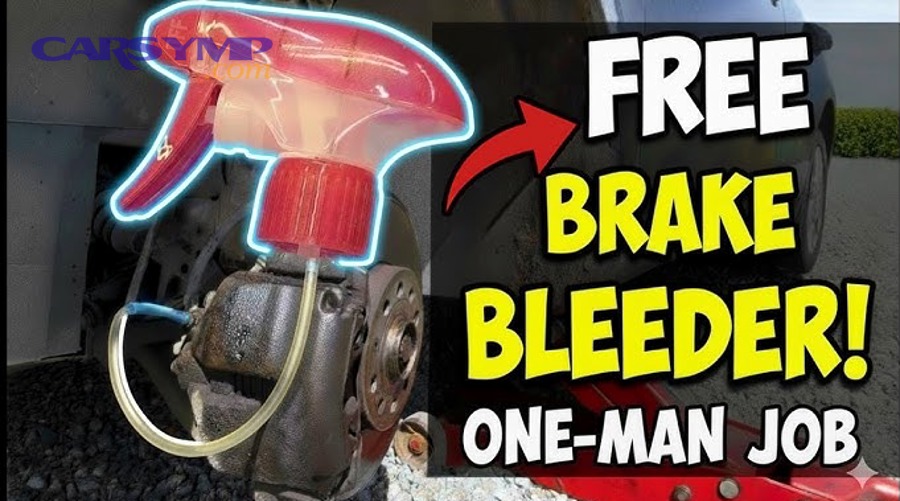
You can bleed brakes alone using a clear hose into a fluid-filled bottle so air exits but cannot return. To make it work, keep the hose submerged in clean fluid and never let the master cylinder reservoir drop below MIN.
Để bắt đầu, set up one corner at a time and keep your process consistent, because consistency is what turns “almost firm” into “actually firm.”
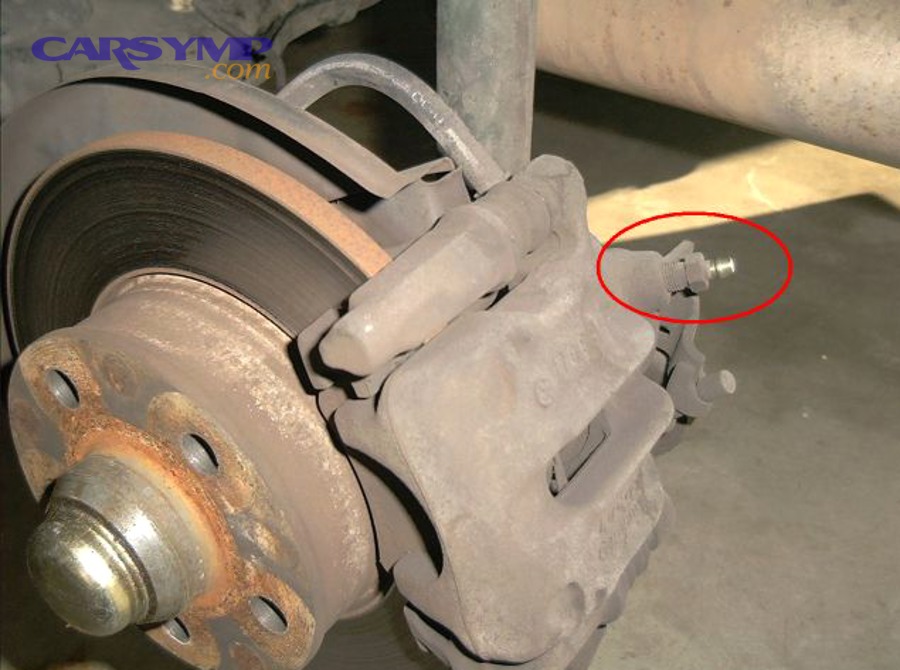
Step-by-step procedure
- Secure the vehicle. Chock wheels, lift safely, support with jack stands, and remove the wheel for the corner you’re bleeding.
- Top off the reservoir. Fill to MAX with fresh fluid. Keep the bottle of new fluid open only when needed to reduce moisture absorption.
- Prepare the bottle. Add 1–2 inches of clean brake fluid into the catch bottle. Feed the hose through the lid (or hold it safely) so the hose end stays submerged.
- Fit the hose tightly. Push the hose onto the bleeder nipple firmly. A snug fit matters more than you think.
- Crack the bleeder. Turn the bleeder screw about 1/4 to 1/2 turn. Don’t open it wide—small openings control flow and reduce thread-leak bubbles.
- Use slow pedal strokes (if you’re using the pedal). Sit in the driver’s seat and press the pedal slowly, then release slowly. Avoid rapid pumping that aerates fluid.
- Watch the hose. Keep bleeding until you see a steady stream with no bubbles. Tighten the bleeder while the hose is still attached.
- Check and refill. After each corner, top off the reservoir back to MAX. Never “just finish this wheel” if the level is low.
- Repeat by sequence. Move to the next wheel in the correct order for your vehicle (explained later), repeating the same routine.
How to prevent air from sneaking back in
- Keep the hose end submerged in fluid inside the bottle at all times.
- Close the bleeder before you remove the hose.
- If you see bubbles that never stop, check for thread leakage and reseat the hose.
When the bottle-and-hose method shines
- After replacing a caliper, hose, wheel cylinder, or a short section of hard line.
- After opening one corner of the system where the master cylinder never went empty.
- When you want maximum feedback (seeing bubbles) without specialized tools.
How does gravity bleeding work when you’re working alone?
Gravity bleeding works by letting fluid slowly drip through an open bleeder while you keep the reservoir full, pushing air out naturally. To succeed with it, open the bleeder slightly and allow time for bubbles to migrate out without pedal movement.
Tuy nhiên, because it’s slow, the real advantage is control: it reduces the chance of seal damage and can be kinder to older master cylinders.
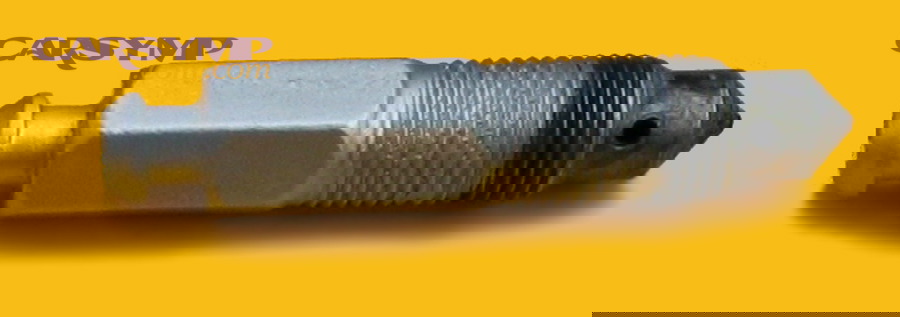
Gravity bleed procedure (solo)
- Top off the reservoir to MAX and keep fresh fluid ready.
- Attach a hose to the bleeder and route it into a catch bottle (submerged hose end still helps).
- Open the bleeder 1/4 turn and wait. You should see slow drips, then a steadier stream.
- Every few minutes, check the reservoir level and refill as needed.
- When the fluid runs clear and bubble-free, close the bleeder and move to the next wheel.
When gravity bleeding is “enough”
- Minor air at a single corner.
- Routine fluid refresh when the pedal already feels normal.
- Vehicles where pedal pumping is discouraged (older systems, questionable master cylinders).
How to make it faster without ruining it
- Turn the steering for better access (front corners) and keep the hose downhill if possible.
- Lightly tap the caliper or wheel cylinder body with a rubber mallet to dislodge clinging bubbles.
- Don’t walk away completely—reservoir monitoring is still mandatory.
How do vacuum and pressure bleeders change a solo brake bleed?
Vacuum and pressure tools move fluid without relying on pedal strokes, which can be faster and more consistent for solo work. To choose between them, use vacuum when you want quick extraction at a wheel, and pressure when you want a steady, system-wide flush.
Hơn nữa, both methods reduce the “guessing” that comes from inconsistent pedal feel during the process, but each has a specific trap you must avoid.
Vacuum bleeder tips (avoid false bubbles)
- Wrap the bleeder threads with a small amount of PTFE tape above the seat area (never on the sealing tip) to reduce air sneaking through threads.
- Use short pulls rather than max vacuum if you see endless tiny bubbles.
- Stop periodically, close the bleeder, and let bubbles in the hose settle so you can tell real air from thread leakage.
Pressure bleeder tips (keep pressure safe)
- Use the correct adapter cap so the reservoir seals properly.
- Follow tool guidance for pressure; many DIY units run around 10–20 psi. Do not over-pressurize a fragile reservoir.
- Bleed each wheel until clear, bubble-free fluid flows, then close the bleeder before moving on.
Why tool-based bleeding can help pedal feel
- It minimizes aeration from aggressive pumping.
- It keeps flow consistent, which helps carry bubbles out of caliper passages.
- It can be more reliable during a full flush when you’re exchanging old fluid throughout the system.
In a practical “Brake bleeding methods compared” mindset, vacuum is often the quickest to set up at a single corner, while pressure is often the most uniform across all corners—especially when you’re flushing until the fluid color changes.
What wheel sequence should you follow to get a firm pedal?
You should follow the wheel sequence that moves air from the longest hydraulic path to the shortest, unless the manufacturer specifies a different order. To apply this correctly, identify whether your vehicle uses a conventional diagonal split, front/rear split, or a special ABS/ESC layout.
Cụ thể, the goal is to remove air without chasing it back and forth between circuits.
Common starting points (verify for your vehicle)
- Rear-wheel drive with conventional layout: often RR → LR → RF → LF (furthest to closest).
- Many front-wheel drive cars with diagonal split: often RR → LF → LR → RF or follow the service manual’s diagonal order.
- Vehicles with unusual routing or hydraulic control units: may require a specified order that doesn’t match “furthest first.”
Bleeding order by vehicle type matters most when the brake lines cross for a diagonal split or when the hydraulic control unit sits in a location that changes what “furthest” really means. To avoid repeating the job, check a reliable service source for your exact model if you suspect a nonstandard circuit layout.
How to confirm you’re following the right order
- Look for manufacturer procedure notes (especially on ABS-equipped vehicles).
- Observe which lines feed the master cylinder ports if accessible and safely visible.
- If the pedal improves, then worsens after the next wheel, you may be moving air into the wrong circuit path—recheck order and technique.
How can you tell the system is fully bled without guessing?
You can tell the system is fully bled when the fluid stream is consistently bubble-free at each bleeder and the brake pedal becomes firm with minimal travel. To verify, use a repeatable test: engine off pedal firmness, then engine on assist behavior, then a controlled low-speed check.
Quan trọng hơn, don’t trust “it feels better” until you’ve confirmed the reservoir level, checked for leaks, and ensured each bleeder is sealed.
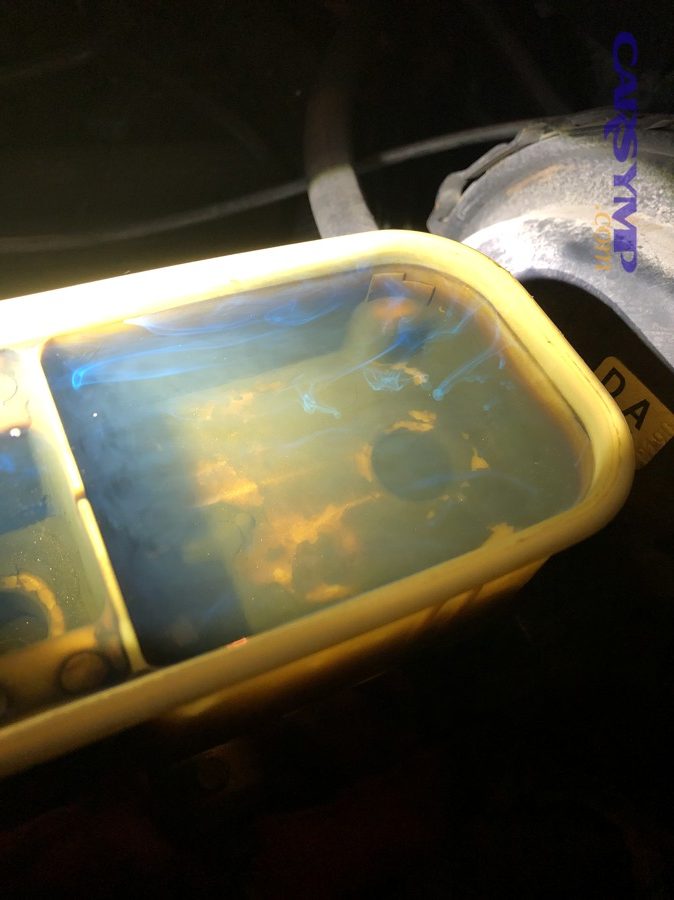
Visual confirmation at the bleeder
- No bubbles in the clear hose for several seconds of steady flow.
- Fluid color stabilizes (especially if you’re flushing old fluid).
- No “burps” or intermittent bubble bursts after tapping the caliper lightly.
Pedal confirmation (safe, repeatable checks)
- Engine off: Press the pedal three times; it should firm up and stop moving much.
- Engine on: Pedal may drop slightly as the booster assists, then should feel firm and responsive.
- Leak check: Hold steady pressure for 20–30 seconds; the pedal should not slowly sink.
Low-speed validation
- In a safe area, roll at low speed and brake gently, then progressively harder.
- Confirm straight stops and consistent pedal height.
- If ABS activates unexpectedly on light braking, inspect for other issues (pads, rotors, wheel speed sensors), not just bleeding.
What common mistakes make solo bleeding fail even when you “did the steps”?
Solo bleeding fails most often because air re-enters through a low reservoir, loose hose fit, or bleeder threads that pull in air while you draw fluid out. To avoid repeating the job, control those three variables first, then refine your method.
Ngược lại, most “mystery spongy pedal” stories aren’t mysterious—they’re usually a small technique leak that compounds over time.
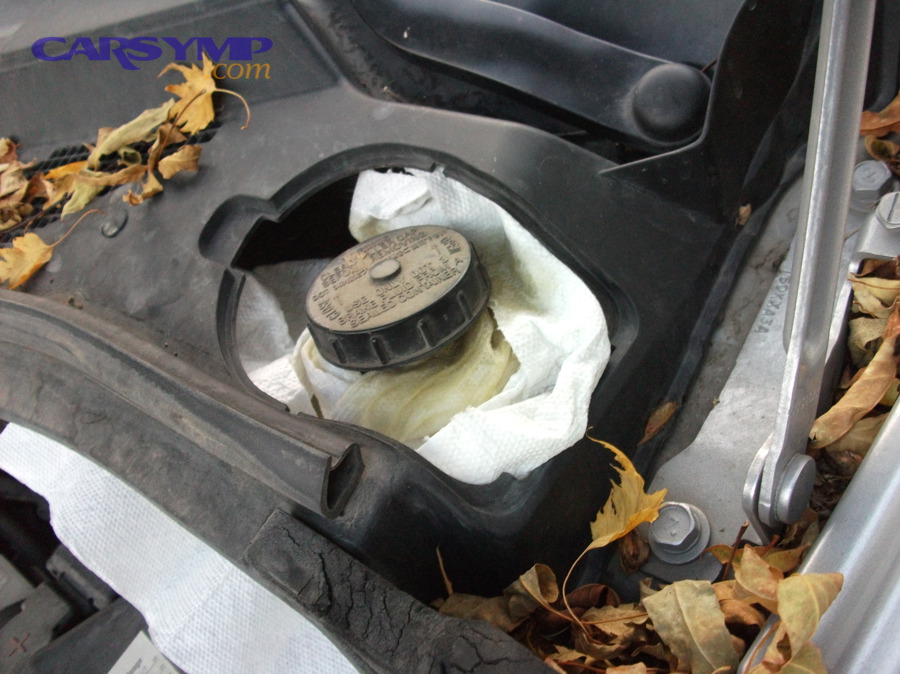
Mistake 1: Letting the reservoir go low
- Even a brief drop below MIN can introduce new air into the master cylinder and lines.
- Fix: refill after every wheel, and check again midway if the system was very empty.
Mistake 2: Over-opening the bleeder
- A wide-open bleeder can draw air around threads and create endless bubbles, especially with vacuum methods.
- Fix: open 1/4–1/2 turn, keep flow controlled, and seal threads appropriately (without contaminating the seat).
Mistake 3: Fast pedal pumping
- Rapid strokes can aerate fluid and create foam-like microbubbles that take a long time to clear.
- Fix: slow, deliberate strokes and short pauses between cycles.
Mistake 4: Ignoring seized or damaged bleeders
- A partially blocked bleeder may flow poorly, leaving air behind.
- Fix: clean, replace questionable bleeders, and inspect the caliper/wheel cylinder condition.
Mistake 5: Expecting bleeding to fix non-air problems
- Worn hoses, failing master cylinders, loose caliper hardware, or incorrect pad bedding can mimic poor bleeding.
- Fix: verify mechanical integrity and correct installation before chasing bubbles for hours.
Bonus technique: stabilize the microbubbles
- After bleeding, let the vehicle sit 10–15 minutes and recheck pedal feel. Tiny bubbles can coalesce and move.
- If the pedal improves after sitting, do a short follow-up bleed at the last wheel you worked on.
Contextual border: Up to this point, you’ve covered the core one-person techniques that solve the majority of spongy-pedal scenarios after typical brake service. Next, we’ll move into less common cases—ABS modules, electronic boosters, and “stubborn air” patterns that require extra steps.
Advanced cases: What changes when ABS or electronic systems trap air?
Advanced brake systems can trap air inside the ABS hydraulic control unit, where normal wheel bleeding may not fully remove it. To handle these cases, you may need an ABS bleed routine, specific sequences, and sometimes a scan tool procedure to cycle valves and pump circuits.
Để hiểu rõ hơn, use the guidance below to recognize when the issue is beyond standard wheel bleeding and how to approach it safely.
What signs suggest air is trapped in the ABS hydraulic control unit?
Air trapped in the ABS unit often shows up as a pedal that improves slightly with repeated bleeding but never becomes consistently firm. Cụ thể, you may also feel a “two-stage” pedal—initial softness followed by firmness—because air compresses differently than fluid.
- Soft pedal persists even after multiple bubble-free bleeds at all wheels.
- Pedal feel changes dramatically after ABS activation (hard stop on gravel/wet surface).
- Brake warning/ABS events coincide with recent hydraulic work where the system went empty.
When should you run an ABS bleed procedure with a scan tool?
You should use a scan tool when the service information calls for it, when the system was emptied, or when the ABS unit likely ingested air during component replacement. Tiếp theo, remember that “When to use a scan tool to bleed ABS” is not about convenience—it’s about opening valves that normally stay closed so trapped air can escape.
- After replacing the ABS hydraulic unit, master cylinder, or major hard lines.
- After the reservoir ran dry and you suspect air reached the modulator.
- When the manufacturer specifies an automated bleed as part of the repair procedure.
How should you adapt technique for electronic brake boosters and modern brake-by-wire systems?
For electronic boosters and brake-by-wire systems, you must follow the manufacturer’s safe mode and bleeding instructions to avoid pump activation at the wrong time. Quan trọng hơn, some vehicles require ignition states, service modes, or a scan tool command before opening bleeders.
- Consult service instructions for required ignition position and depressurization steps.
- Use steady, controlled bleeding methods (pressure bleeding is often preferred).
- Never assume “engine off” disables all hydraulic activity on advanced systems.
How can you safely validate results after ABS-related bleeding?
You can validate ABS-related bleeding by confirming stable pedal feel and performing a controlled, safe road test where ABS activation is not accidental. Tóm lại, the goal is confidence: firm pedal, no warning lights, and predictable stopping.
- Recheck all bleeders and line connections for seepage after the first test drive.
- Confirm reservoir level and inspect for aeration or discoloration.
- If safe and appropriate, perform a controlled ABS activation per service guidance, then recheck pedal feel.
Frequently asked questions about bleeding brakes without a helper
This section answers common real-world issues that pop up mid-job, especially when you’re working alone and troubleshooting in the driveway. It helps you decide whether to change technique or stop and diagnose a different problem.
How much fluid should I expect to use for a one-person bleed?
If you’re only removing air after a small repair, you may use a few ounces per wheel. If you’re flushing old fluid, plan for about 0.5–1.0 liter for many cars and more for larger vehicles, bleeding until clean fluid reaches each bleeder.
Why do I still see tiny bubbles even after several minutes with a vacuum bleeder?
Small, continuous bubbles often come from air leaking around bleeder threads rather than air in the hydraulic circuit. Seal the threads appropriately (without contaminating the bleeder seat), reduce vacuum strength, and confirm the hose fit is tight.
Can I damage the master cylinder by pumping the brake pedal during bleeding?
Yes, especially on older vehicles where the master cylinder may have corrosion in areas the seals don’t normally travel. Slow, controlled strokes reduce risk, and pressure bleeding avoids pedal pumping altogether.
Should I bench bleed a master cylinder if I replaced it?
In many cases, yes—bench bleeding removes trapped air in the master cylinder before it’s installed, making wheel bleeding far easier. If the master cylinder is installed dry without bench bleeding, you may spend much longer chasing air.
What if the pedal is firm with the engine off but soft with the engine on?
A small change is normal because the booster adds assist, but a dramatically soft pedal may indicate remaining air, booster-related issues, or a hydraulic system problem. Recheck for leaks, confirm you bled all corners in the correct order, and verify ABS procedure requirements.
What should I do with old brake fluid after the job?
Collect it in a sealed container and take it to a local hazardous waste facility or automotive fluid recycling program. Do not pour it on the ground or into drains, and do not reuse it.