


Bad engine mount symptoms usually show up as new vibration, clunks, or drivetrain “thumps” that weren’t there before—especially when shifting, accelerating, or idling in gear. The fastest way to match your symptom to the likely mount problem is to notice when it happens (idle, takeoff, braking, shifting) and what kind of movement/noise you feel (buzzing, banging, rocking, jerking).
Many drivers search this topic because the car suddenly feels “rough,” but they don’t know if it’s actually mounts—or something else like misfires, suspension, exhaust contact, or a transmission issue. You’ll get clarity by checking for excess engine movement, rubber cracking or separation, and fluid leaks on hydraulic mounts, then comparing your results with a few quick tests you can do safely at home.
A second common goal is understanding risk: some cases are “drive to the shop,” while others can spiral into engine mount failure that damages exhaust parts, axles/CV joints, radiator hoses, or even the transmission case if the drivetrain shifts too far. Knowing the red flags helps you avoid turning a mount job into a bigger repair.
Introduce a new idea: once you can identify and confirm the symptoms, you can decide whether you need repair now, how engine mount replacement is typically done, and how to reduce the odds of mounts wearing out early.
What are bad engine mount symptoms, and why do they happen?
Bad engine mount symptoms are vibration, clunking/knocking, and visible drivetrain movement caused by mounts losing their ability to support the engine and isolate vibration—usually due to worn rubber, torn bonds, or collapsed/leaking hydraulic chambers.
Next, because mounts sit at the intersection of engine torque and vehicle structure, it helps to understand the exact symptom patterns that happen when the engine can no longer stay “controlled” under load.
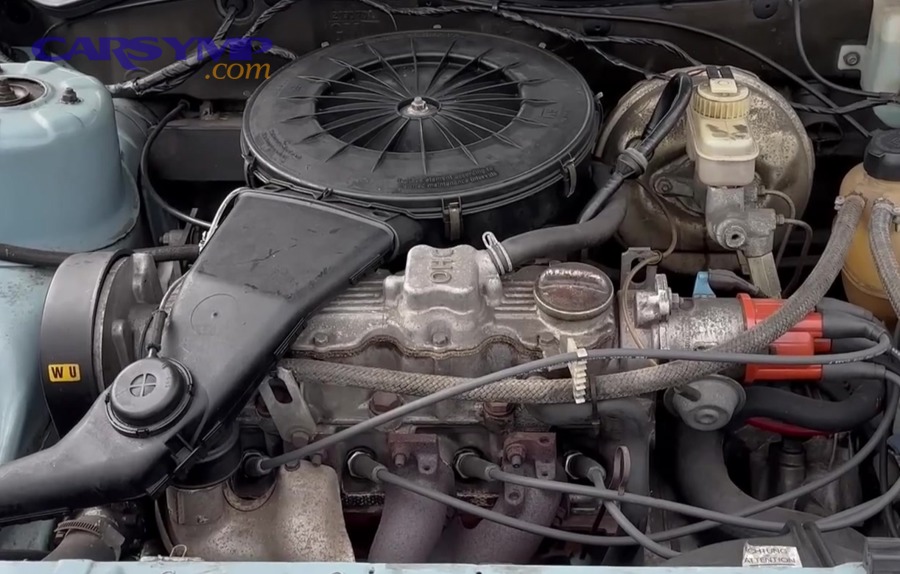
What vibration patterns most strongly suggest a bad engine mount?
A mount-related vibration is typically load-sensitive and position-dependent—meaning it changes when you shift from Park to Drive/Reverse, when you apply throttle, or when you turn A/C load on and off.
Key patterns that point toward mounts:
- Vibration at idle in Drive (or Reverse) that improves in Neutral/Park
This often indicates the engine is sitting on a mount that has softened, separated, or collapsed. The drivetrain angle changes when the transmission is engaged, loading the mount differently. - A harsher buzz at certain RPM bands
Mounts are vibration isolators; once the rubber/hydraulic damping degrades, more engine-frequency vibration reaches the cabin. - Vibration that worsens during acceleration, especially uphill
Torque reaction tries to rotate the engine; weak mounts allow more movement, which can transmit harshness or cause contact with nearby parts.
According to a study by Linköping University from the Department of Electrical Engineering, in 2003, engine vibrations that mounts are designed to isolate typically fall around 30–200 Hz with small displacement amplitudes, while road/body excitation is more common at 1–30 Hz, which explains why mounts must control both “buzz” and “shake” depending on conditions.
What clunks, bangs, or thumps point to mount wear?
A classic mount noise is a single clunk that coincides with a sudden torque change—engine starts, shift engagement, throttle tip-in, or throttle lift.
Common mount-noise moments:
- Start-up thump: the engine twists on start; loose mounts let it hit a stop or shift suddenly.
- Shift clunk (P→D, P→R, D→R): the drivetrain loads/unloads rapidly; weak mounts let the assembly “jump.”
- Acceleration/deceleration knock: torque reversal can produce a dull bang if the engine rocks enough to contact brackets, subframe, or exhaust.
Many general repair guides list vibrations and clunking among top mount symptoms, especially when accelerating or shifting.
What “movement” symptoms signal the mount is no longer controlling the engine?
Engine mounts don’t just reduce vibration—they limit engine travel. When they fail, you may notice:
- Engine visibly rocks when a helper shifts from Park to Reverse/Drive (with the brake held).
- Fan shroud, radiator hose, or intake tube interference as the engine moves farther than designed.
- Exhaust contact (rattle, tapping, or banging) because the engine and exhaust geometry changes together.
If you ever see the drivetrain sitting “off” or tilted compared to how it used to look, treat it as a mount inspection priority—because once the rubber separates, the change can be sudden.
What are the most common “bad mount” symptoms people confuse with other problems?
Mount symptoms overlap with other issues, so it’s easy to misdiagnose. Here are frequent mix-ups:
- Misfire vs mount: misfires often feel like uneven shaking that changes with engine load and may trigger a check engine light; mount shake tends to be more “structural” and tied to gear engagement or torque reaction.
- Suspension clunk vs mount clunk: suspension clunks often happen over bumps; mount clunks follow torque events (shift/throttle).
- Exhaust rattle vs mount: mount failure can cause exhaust rattle by changing engine position.
This is why the next section focuses on safety and urgency.
Is it safe to drive with bad engine mount symptoms?
No—driving with bad engine mount symptoms is not considered safe, because (1) the drivetrain can shift far enough to damage connected components, (2) the vibration and movement can worsen quickly into engine mount failure, and (3) a sudden mount tear can create steering, throttle, or shifting surprises—especially under hard acceleration or braking.
Then, because “safe” depends on severity, you need a practical way to decide whether to park it or drive it carefully to service.
When is it “drive to the shop,” and when should you stop driving?
Use this severity ladder:
Usually “drive carefully to service soon” (short distance):
- Mild vibration at idle that’s new but not violent
- Occasional clunk on shift, no repeated banging
- No visible engine tilt, no fluid leak from hydraulic mount
Stop driving / tow is smarter:
- Loud repeated banging during throttle changes
- Engine visibly jumps or rocks excessively on shift
- A hydraulic mount shows obvious collapse or fluid leak
- You smell burning rubber or see parts contacting (fan shroud, exhaust, heat shields)
- The vehicle suddenly develops axle/CV vibration after mount symptoms start
A practical reason: as mounts lose control, adjacent parts become “the new limiter.” That means hoses, exhaust flex joints, heat shields, and even the radiator fan area may take impacts they were never designed to take.
What damage can bad mounts cause if ignored?
Mount problems can cascade into:
- Exhaust flex joint cracking from repeated over-travel
- Premature axle/CV wear if driveline angles change under load
- Broken brackets or stretched hoses from engine movement
- Transmission case stress if the powertrain shifts and loads mounts unevenly
This is why many guides warn that prolonged driving can make the problem expand beyond the mount itself.
Can a single bad mount make the whole car feel worse?
Yes. Most cars use 2–4 mounts (sometimes more if you count torque struts). One mount failing often forces the remaining mounts to carry loads they weren’t designed for, which can accelerate wear and make symptoms feel “everywhere.”
How can you diagnose bad engine mount symptoms at home?
You can diagnose bad engine mount symptoms at home by combining (1) a visual inspection, (2) a controlled load test, and (3) symptom timing to confirm excessive engine movement and rule out similar problems—often in under 20 minutes.
To better understand what you’re feeling, you’ll use a “when/what” checklist and a few safe tests before deciding on repairs.
What is the safest quick visual inspection for mounts?
Start with the engine OFF, parked, and cool if possible.
Look for:
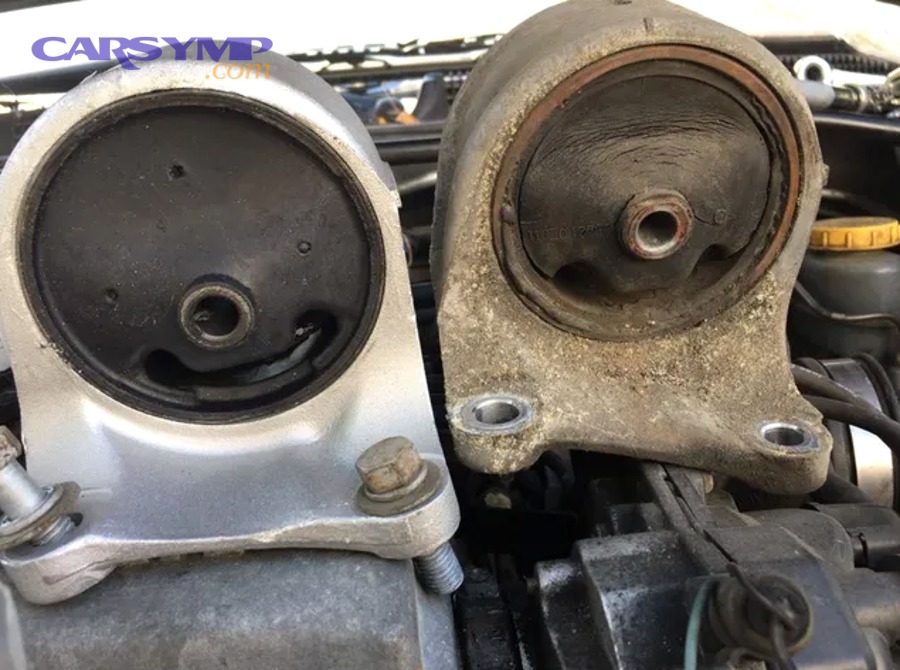
- Cracked rubber or rubber separating from metal plates
- Collapsed mount height (engine sits lower on one side)
- Shiny contact marks where the engine bracket may be touching the mount frame
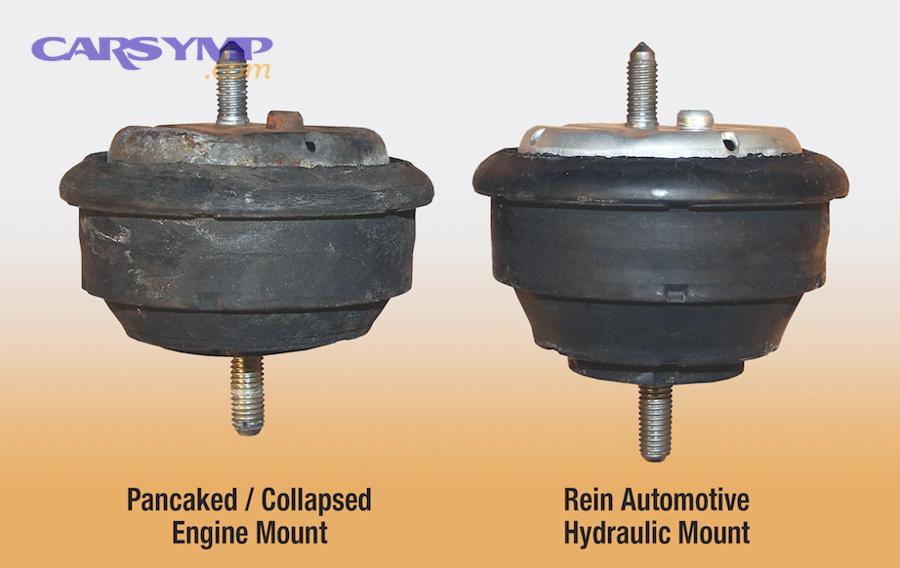
- Hydraulic mount fluid leakage (oily wetness around the mount body)
Tip: if you see oil contamination (from a valve cover leak, for example), it can accelerate rubber deterioration and contribute to engine mount failure over time.
How do you do a controlled “load test” without taking risks?
This is the classic brake-held shift test:
- Have a helper sit in the driver’s seat with the brake firmly held.
- Open the hood and stand to the side (not directly in front).
- Watch the engine as the helper shifts P→R→N→D.
- Observe how far the engine rocks and whether it “jumps” with a clunk.
What you’re looking for:
- Smooth, limited movement is normal.
- A sharp jump, large rock, or a clunk paired with movement suggests mount wear.
If you capture video on your phone, you’ll often see the movement more clearly on playback.
How do you do “Clunking on acceleration diagnosis” the right way?
Clunking on acceleration diagnosis works best when you connect the sound to a torque event:
- Single clunk right as you press the pedal: engine twists and hits a limit (mount or bracket contact).
- Clunk when lifting off the pedal: torque reverses; engine rocks back.
- Clunk only on bumps: more likely suspension than mount (though a broken mount can exaggerate bump noise too).
A helpful approach is to do a gentle test in an empty area: from a roll, apply light throttle then lift off—repeat. If the clunk is consistent with torque changes, mounts move higher on your suspect list.
You can also compare with a known symptom-based explanation from mechanics who focus on acceleration clunks tied to mounts.
What’s the best “Transmission mount vs engine mount diagnosis” approach?
Transmission mount vs engine mount diagnosis is about location and symptom trigger:
- Engine mount clues: vibration changes with engine load (A/C on/off), engine rocks more in the bay, clunks happen with throttle tip-in.
- Transmission mount clues: clunk is strongest during shifts and driveline engagement; you may feel it more through the floor/tunnel area.
Practical checks:
- Observe movement: engine-side mounts show rocking near the engine bracket points; a bad transmission mount may show the transmission tail housing moving excessively.
- Listen for where the noise “lives”: front bay vs center tunnel.
- Note shift quality: a failing transmission mount can make shifts feel harsher because the drivetrain isn’t held steady during engagement.
This is not always a clean separation—because one failed mount can load the others—but the pattern often points you in the right direction.
What quick “rule-out” checks prevent false diagnosis?
Before you commit to mounts, rule out common look-alikes:
- Misfire check: if you have a check engine light or rough idle that changes with RPM and load, scan for misfire codes.
- Exhaust rattle check: lightly tap heat shields and look for loose hangers; a mount problem can cause contact, but a loose shield can mimic it.
- Suspension check: if noise is bump-related and steering-dependent, inspect sway bar links, struts, and bushings.
One way to integrate all of this is with a simple mapping table.
Here’s what this table contains: it matches the moment you notice the symptom to the most likely mount-related explanation, and the best confirming test to run next.
| When it happens | What you feel/hear | Likely mount-related meaning | Best next test |
|---|---|---|---|
| Idle in Drive/Reverse | Cabin shake | Mount collapsed/softened under drivetrain load | Brake-held shift test + visual check |
| Start-up | Thump | Engine twists and hits limit | Watch engine on start, compare to baseline |
| Throttle tip-in / tip-out | Single clunk | Engine rocks into bracket/subframe contact | “Torque on/off” road test |
| Shifting | Clunk + jolt | Drivetrain moves during engagement (engine or trans mount) | Compare engine bay movement vs tail housing movement |
| Over bumps | Rattle/knock | Could be suspension or exhaust contact worsened by mount | Check heat shields + sway links |
Optional video reference (one example)
What causes engine mount failure, and how fast can it progress?
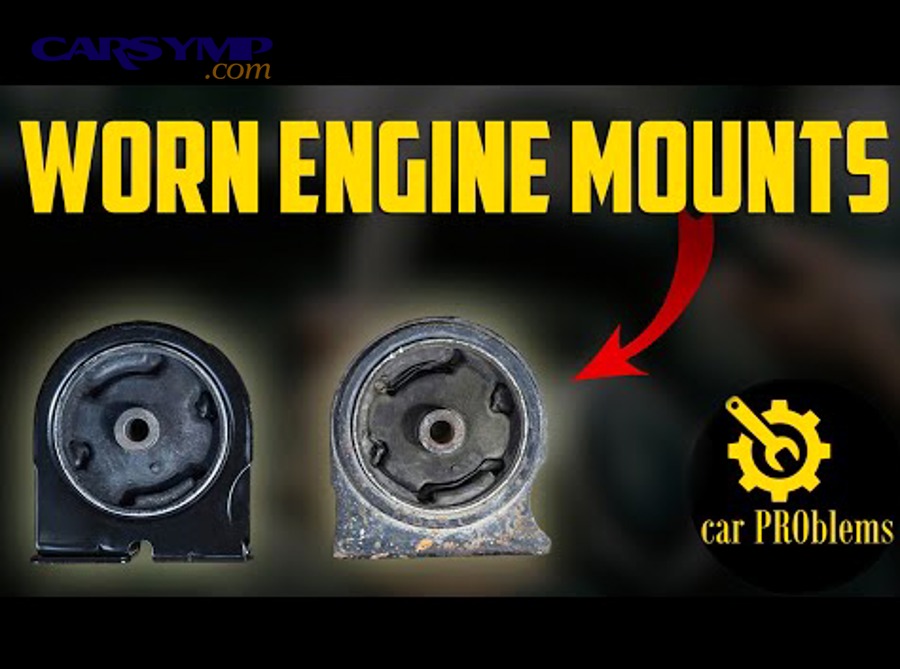
Engine mount failure is usually caused by age and heat cycling, oil/chemical contamination, and repeated torque shock that tears rubber bonds or collapses hydraulic chambers—often progressing from mild vibration to heavy clunking once the rubber separates.
Besides, understanding the causes helps you prevent repeat failures after repairs.
What are the most common root causes?
- Rubber aging and heat
Rubber hardens, cracks, and loses damping over years of heat and vibration. - Fluid loss in hydraulic mounts
A leaking hydraulic mount loses damping and can collapse, creating sudden vibration and clunks. - Oil contamination
Leaking engine oil can saturate rubber and speed deterioration. - Torque shock and harsh driving
Hard launches, abrupt shifts, aggressive throttle changes, and frequent pothole hits increase mount stress.
Why do some mounts fail “suddenly” after being “fine” for months?
Mounts often degrade slowly until the rubber bond reaches a tipping point. Once the bond tears, the engine no longer moves through a controlled range—it drops into a new position or begins impacting nearby stops, and symptoms escalate quickly.
Do modifications or “stiffer” mounts reduce or increase symptoms?
Stiffer mounts can reduce engine movement but may increase vibration/harshness in the cabin because less vibration is absorbed. This can make drivers think something is “wrong” even when the mount is functioning as designed for performance. The key is to differentiate more vibration by design from new vibration due to failure.
What other components get blamed when mounts are the real cause?
- CV axles (vibration on acceleration)
- Exhaust system (rattles, knocks)
- Transmission issues (shift harshness)
- Wheel balance (speed-related vibration)
If your symptoms are strongly tied to torque events rather than speed alone, mounts deserve a close look.
When do you need engine mount replacement, and what does it involve?
You need engine mount replacement when symptoms are repeatable and confirmed—such as excess engine movement, torn/cracked rubber, or collapsed/leaking hydraulic mounts—because the mount can no longer support the engine safely or isolate vibration effectively.
Moreover, understanding what replacement involves helps you choose the right parts and avoid replacing the wrong component.
Should you replace one mount or all mounts?
It depends on the diagnosis and vehicle design:
- If one mount is clearly failed and the others look healthy, some shops replace only the failed mount.
- If mounts are the same age and show similar wear, replacing multiple mounts can prevent another failure soon after.
Some guides note that vehicles often have two to four mounts and recommend checking the remaining mounts because they may be close in age and wear.
A practical “best strategy”:
- Replace the confirmed failed mount(s).
- Inspect the rest closely, especially any torque struts that limit movement.
- If access overlaps (subframe lowered, engine supported), replacing additional worn mounts can reduce labor duplication.
What does the basic replacement process look like?
Engine mount replacement generally follows this logic:
- Support the engine safely (engine support bar or jack with a block)
- Remove load from the mount
- Unbolt mount hardware (often tight and sometimes corroded)
- Swap the mount
- Torque fasteners to spec and confirm alignment/clearance
- Re-check movement with a controlled shift test
Good practice after replacement:
- Confirm no hoses/exhaust are contacting.
- Re-test the exact symptom that triggered the diagnosis (idle in gear, shift engagement, light acceleration).
What symptoms should improve immediately after replacement?
A successful repair usually produces:
- Noticeably reduced idle vibration in gear
- Less clunking on shifts and throttle changes
- More consistent “tight” feel when taking off
If vibration becomes worse after replacement, consider:
- A stiffer aftermarket mount
- Another mount still failed
- A misfire or exhaust contact revealed once the drivetrain sits differently
Introduce a new idea: once symptoms are corrected and the drivetrain is stable again, the next step is expanding beyond repair into the habits and conditions that cause mounts to wear early, so you don’t repeat the same failure pattern.
How can you Preventing premature mount wear and avoid future engine mount failure?
You can Preventing premature mount wear by reducing oil contamination, limiting torque shock, and maintaining drivetrain alignment—because mounts fail fastest when rubber is chemically attacked or repeatedly forced beyond its designed travel range.
Next, these prevention steps also improve your ability to spot problems early—before they escalate into engine mount failure.
What maintenance habits protect mounts the most?
- Fix oil leaks quickly (valve cover, front main, power steering leaks near mounts)
- Keep the engine running smoothly (misfires and rough idle increase mount stress)
- Avoid repeated “shock loads” (hard launches, slamming shifts, aggressive throttle blips)
- Inspect mounts after impacts (potholes, curb hits, minor collisions)
How does driving style affect mount life?
Mount wear accelerates when the engine repeatedly snaps between torque directions. If you want mount longevity:
- Roll onto the throttle instead of stabbing it
- Let the transmission complete shifts before heavy throttle
- Avoid repeated wheel hop (wheel hop is brutal on mounts)
How can you catch a problem early before it turns into a bigger repair?
A simple monthly check:
- Open hood, quick glance for new leaks and cracked rubber
- Listen for new clunks on shift engagement
- Pay attention to new vibration that appears only in Drive/Reverse at idle
When should you re-check mounts after engine mount replacement?
Re-check after:
- A few days of normal driving (to confirm no settling/contact)
- Any new vibration or exhaust rattle
- Any new shift thump (could indicate another mount was already weak)