


If you’re looking for an engine mount replacement cost estimate, the fastest accurate approach is to split the total into parts vs labor, then adjust for how many mounts your vehicle uses and how hard the mount is to access—because those two variables usually move the price more than anything else.
Next, this guide breaks down the biggest pricing drivers—like mount type, vehicle layout, shop rate, and “single mount vs set” strategies—so you can predict what a quote should look like before you approve the repair.
Then, you’ll learn a simple method to estimate your own cost using your vehicle details (and a short checklist to get clean, apples-to-apples quotes), plus what symptoms actually point to a failed mount versus look-alike problems.
Introduce a new idea: once you understand the math behind the estimate, you can decide whether a shop repair or DIY makes sense—and avoid overpaying or replacing the wrong part.
What is an engine (motor) mount, and what does “replacement cost” include?
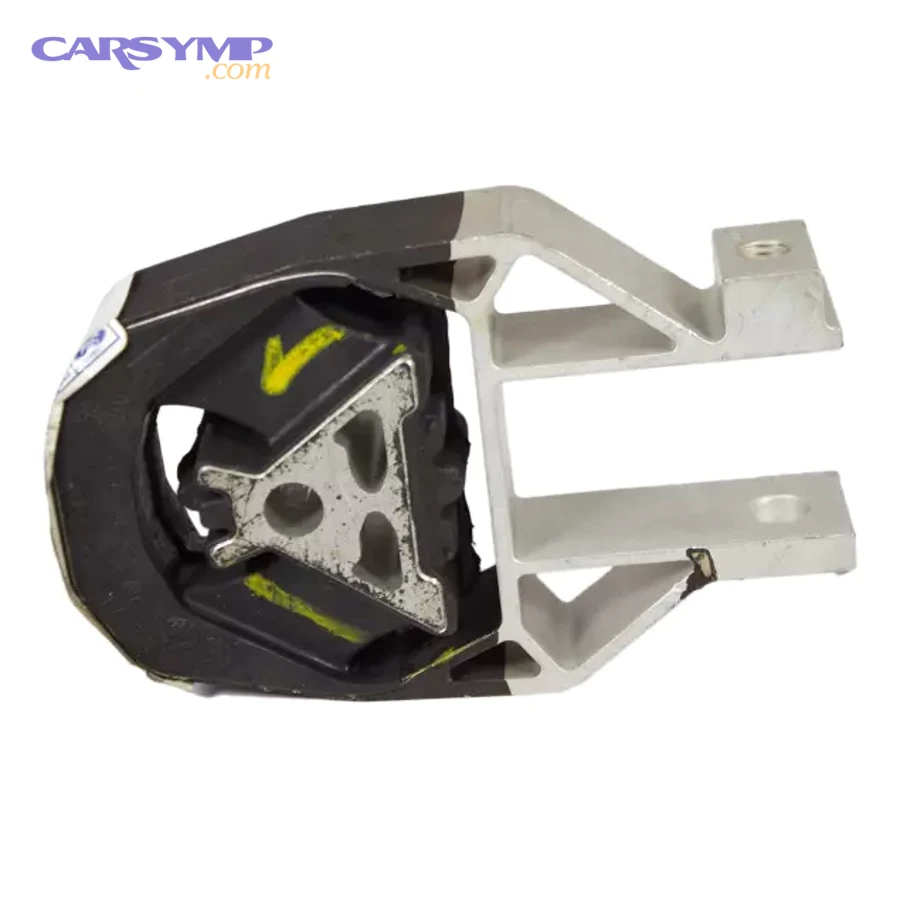
An engine (motor) mount is a rubber-and-metal isolator that supports the engine while controlling vibration and movement, and “replacement cost” is the total of parts, labor, and common shop add-ons needed to restore normal support and NVH behavior.
Next, because the term “cost” hides multiple line items, you’ll get a clearer estimate when you understand what shops are actually charging for.
When the mount is healthy, it acts like a controlled “bridge” between the engine and chassis. It carries weight, limits engine roll under torque, and reduces vibration you feel in the cabin. When it fails, the engine can move farther than designed, which often creates thuds, clunks, harsh vibration at idle, or a “jolt” during shifting.
Cost-wise, most quotes include:
- Parts (the mount itself; sometimes hardware is separate)
- Labor (time to support the engine, remove obstructing components, and torque everything correctly)
- Shop supplies/fees (varies)
- Taxes (varies by location)
- Sometimes diagnosis (especially if symptoms are ambiguous)
Is “engine mount” the same as “motor mount”?
Engine mount wins in clarity for modern repair language, motor mount is best for everyday phrasing, and both point to the same core component in most car-owner contexts—so you can treat them as synonyms when getting estimates.
However, to avoid quoting confusion, you should still confirm whether the shop also suspects a transmission mount or torque strut (often called a “dogbone” mount) because those can change the final number.
In practice:
- Parts stores may label it motor mount.
- Repair estimates may label it engine mount.
- Some vehicles use multiple mounts with different names (right mount, left mount, front mount, rear mount, torque mount), so the “same part” language can hide that you’re pricing a different mount position.
What line items should a real engine mount estimate include besides parts and labor?
There are 4 common add-on line items in an engine mount replacement cost estimate—diagnosis time, shop supplies/fees, related fasteners/fluids, and alignment checks—based on how much the job requires moving or supporting surrounding components.
Moreover, asking about these items up front is one of the easiest ways to compare quotes fairly.
Here’s what to look for and why it matters:
- Diagnosis/inspection time: Some symptoms overlap with misfires, worn suspension bushings, or exhaust contact. Paying for diagnosis can prevent replacing the wrong part.
- Shop supplies/fees: Small but common; can include rags, cleaners, anti-seize, or general shop overhead.
- Hardware or related parts: Some mounts use stretch bolts or specific fasteners; sometimes heat shields or brackets require replacement if damaged.
- Alignment check: Not always needed—but if the subframe is lowered or moved for access, a check may be recommended.
A good estimate isn’t just “a number.” It’s a map of what they will do, which helps you judge whether the price matches the work.
What does engine (motor) mount replacement cost on average for most cars?
An engine mount replacement cost on average lands in a mid-range total because labor and access often matter more than the mount price itself, so the most reliable “average” is a range that separates parts vs labor.
Then, once you have the baseline range, you can adjust it using the same factors shops use to build estimates.
To make the estimate concrete, the table below shows a typical breakdown for the overall average range reported by a common estimator source.
Typical average estimate breakdown (example format):
| Cost Component | Typical Range (USD) | What it covers |
|---|---|---|
| Parts | ~$313–$316 | The mount itself (varies by design) |
| Labor | ~$294–$431 | Supporting engine, removing obstructions, install & torque |
| Total | ~$607–$747 | Before taxes/fees and vehicle-specific complexity |
According to RepairPal’s estimator, the average cost for an engine mount replacement is between $607 and $747, with labor estimated $294–$431 and parts $313–$316. (repairpal.com)
That “average” is useful for orientation, but your real number depends on:
- Whether you’re replacing one mount or multiple mounts
- Whether your vehicle uses a hydraulic/active mount (often pricier)
- Whether access requires removing major components (intake pieces, brackets, or subframe clearance)
Is the estimate usually priced “per mount” or “for the whole job”?
Per-mount pricing wins for simple single-position replacements, whole-job pricing is best for multiple mounts with overlapping labor, and bundled pricing is often optimal when two mounts share access steps.
However, you should always confirm which mount position the quote covers, because “engine mount” can mean the right mount on one car and the rear mount on another.
Common quote formats:
- Per mount: “Replace right engine mount: parts + 1.5 labor hours”
- Whole job: “Replace engine mounts (set): parts + 3.5 labor hours”
- Hybrid: “Replace right mount now; recommend torque strut later”
Why bundling can lower the per-mount effective cost: once the engine is supported and certain components are removed, doing an additional mount may add less labor than starting from scratch.
What’s the typical labor time for replacing an engine mount?
Typical labor time for replacing an engine mount is about 1 to 4 hours depending on access, because the job often includes engine support, clearance work, and careful alignment/torque steps rather than simply swapping a bolt-on part.
Specifically, understanding what drives labor time helps you predict whether a quote is reasonable.
What increases labor time:
- Tight packaging (mount buried under brackets or intake plumbing)
- Subframe clearance requirements
- Rust, seized fasteners, or restricted tool access
- Multi-mount jobs that require repeated support/realignment steps
What reduces labor time:
- Easy access from the top (common for some right-side mounts)
- Good fastener condition
- Clear visibility of mount position and hardware
A practical takeaway: if a shop can explain what must be moved and how the engine will be supported, you’re more likely getting a realistic labor figure.
Which factors most strongly change the price range of an engine mount replacement?
There are 5 main factors that change the price range of an engine mount replacement—vehicle layout, mount type, mount location/access, parts choice (OEM vs aftermarket), and how many mounts you replace—based on how they affect labor hours and part cost.
More importantly, once you identify which of these applies to your car, your estimate becomes predictable rather than mysterious.
Does vehicle layout (FWD vs RWD/AWD) change labor cost?
RWD/AWD layouts often win for under-vehicle access, FWD transverse layouts are best when the top mount is easy to reach, and the most expensive cases are usually tightly packaged bays where access requires removing multiple components.
Meanwhile, the key isn’t drivetrain label alone—it’s where the mount sits and what blocks it.
Typical patterns:
- Transverse FWD (many compacts): one mount may be easy from the top; another may be harder near the subframe/firewall.
- Longitudinal RWD (many trucks/sedans): mounts can be accessible from underneath, but skid plates, exhaust routing, or steering components can complicate access.
- AWD: added driveline components can reduce clearance and raise labor time.
Do hydraulic or active mounts cost more than “standard” rubber mounts?
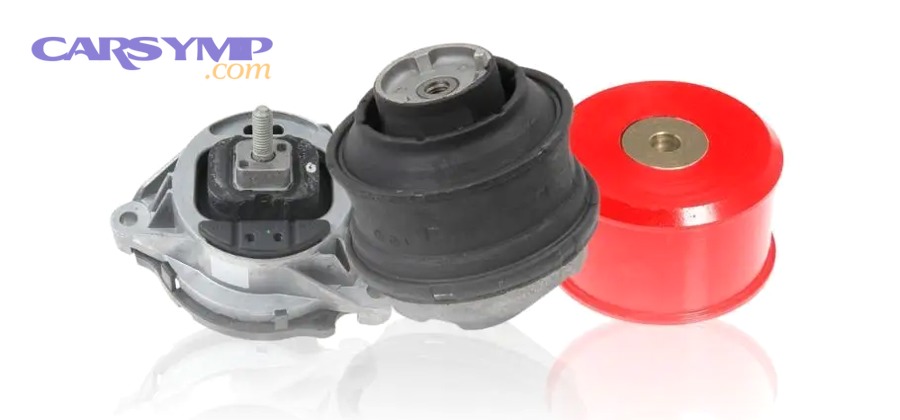
Hydraulic/active mounts win for comfort and vibration control, standard rubber mounts are best for simplicity and lower parts cost, and solid/performance mounts are optimal for maximum stiffness (with more NVH).
However, the mount type affects both the part price and the risk of a “wrong part” feel after installation—especially for vehicles designed around a tuned hydraulic mount.
This is where “Hydraulic vs solid mounts differences” matters in real life:
- Hydraulic mounts use fluid chambers and often reduce vibration in targeted frequency ranges.
- Solid/performance mounts trade comfort for tighter engine control; vibration usually increases.
- Active mounts may integrate control strategies or additional components; they can cost more and require correct fitment.
Evidence matters because hydraulic mounts aren’t just marketing—they’re engineered for vibration isolation behavior. According to a thesis by University of Waterloo from the Department of Mechanical Engineering, in 2000, vehicle analysis described in the thesis noted a 5 dB improvement in noise level at the driver’s ear when using hydraulic engine mounts in a six-cylinder application. (uwaterloo.ca)
Is OEM always worth it compared to aftermarket for engine mounts?
No—OEM is not always worth it for an engine mount replacement cost estimate because (1) some aftermarket mounts match OEM NVH well, (2) older vehicles may not justify premium pricing, and (3) the best value depends on how sensitive your car is to mount tuning.
However, the wrong choice can create new vibration, so you want a decision rule—not a guess.
A practical OEM vs aftermarket rule:
- Choose OEM if your car originally used hydraulic/active mounts, you’re sensitive to NVH, or you’ve had repeat mount failures.
- Choose quality aftermarket if the car is older, you want cost control, and reviews show good fitment and low vibration complaints.
- Avoid bargain mounts if the mount position is load-bearing and failures are common—cheap rubber can collapse early.
This is also where Preventing premature mount wear starts: an accurate fit and correct torque matter as much as brand choice.
How many mounts does your car have, and do you need to replace all of them?
There are 3 common mount configurations—2-mount, 3-mount, and 4+ mount systems—based on engine size, torque needs, and chassis design, and you don’t always need to replace all mounts if only one is clearly failed.
Then, once you know your configuration, you can decide whether “one mount now” or “pair/set replacement” is the best cost-to-result ratio.
Most passenger cars have multiple mounting points:
- A primary load-bearing mount on one side
- A second mount or transmission mount balancing support
- One or two torque-control mounts that limit engine roll under acceleration/braking
Can you replace just one engine mount, or should you replace mounts in pairs?
Yes—you can replace just one engine mount because (1) many failures are position-specific, (2) replacing the clearly failed mount often fixes the worst clunk/vibration, and (3) you can control cost when the other mounts are still structurally sound.
Moreover, replacing in pairs can still be smarter when the mounts share age, mileage, and visible wear.
When “replace one” makes sense:
- One mount is torn/collapsed/leaking (hydraulic) and the others look intact
- The vehicle is lower value and you need the best immediate improvement per dollar
- Access is easy and you can re-check other mounts later
When “replace in pairs/set” makes sense:
- High mileage and similar wear across mounts
- You’re already paying for major access steps (supporting engine, removing brackets)
- You want to minimize repeat labor (doing it once instead of returning soon)
What’s the difference between an engine mount and a transmission mount in pricing and symptoms?
Engine mounts win for controlling engine-side movement, transmission mounts are best for stabilizing the drivetrain’s opposite end, and torque struts are optimal for limiting roll under acceleration—so symptoms overlap but diagnosis changes what you replace and what you pay.
On the other hand, confusing these parts can lead to “I replaced a mount and nothing changed.”
Symptom overlap:
- Clunk during gear changes can come from either
- Vibration at idle often points more toward engine-side mounts but can involve both
Pricing differences often come from access:
- A transmission mount might be easier or harder depending on crossmember/subframe design.
- A torque strut is often cheaper and faster, but not always the root cause.
If a quote says “engine mount,” ask: which side and which position? That single question prevents most confusion.
How can you estimate your engine mount replacement cost for your exact vehicle before calling a shop?
A reliable way to estimate engine mount cost is a 4-step method—identify mount count and type, price the correct parts, estimate labor hours from access difficulty, then add fees/tax buffers—so you can predict a realistic range instead of guessing.
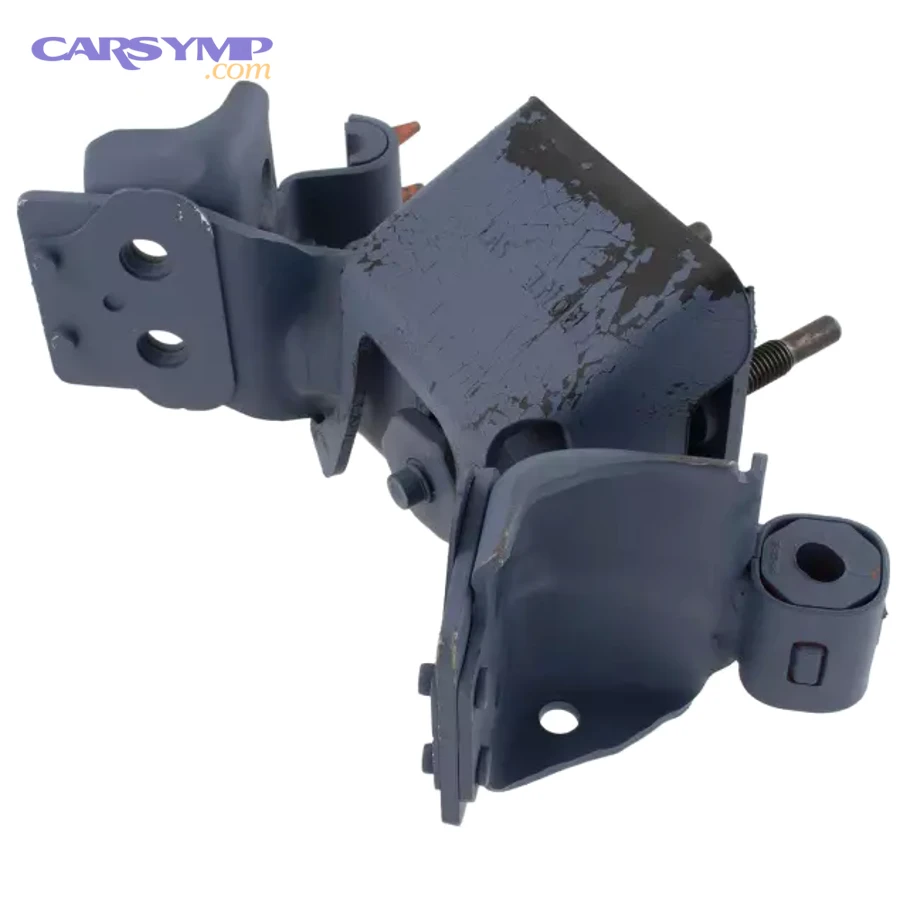
To better understand the estimate, start by collecting the same inputs a service writer uses.
Here’s the method you can actually follow at home:
- Confirm vehicle details: year/make/model/engine (VIN helps)
- Confirm mount type: standard rubber vs hydraulic/active (parts listings and visual clues help)
- Decide scope: one mount vs multiple mounts
- Build range: parts total + (labor hours × shop rate) + buffer for fees/taxes
What information should you give a mechanic to get an accurate quote?
There are 6 key details to give a mechanic for an accurate engine mount estimate—VIN/vehicle specifics, symptoms, mount location suspicion, mount type, prior repairs, and constraints (budget/timeline)—because each one reduces uncertainty and prevents padded labor allowances.
Especially when quotes vary widely, better inputs create tighter pricing.
Give:
- Year / make / model / engine (or VIN)
- Symptoms (idle vibration, clunk on shifts, movement under throttle)
- When it happens (cold start, reverse-to-drive, acceleration)
- Any mount info (hydraulic mount, active mount, visible leak)
- Recent work (engine/trans repairs, collisions, subframe work)
- Your preference (OEM vs aftermarket, replace one vs set)
This makes the quote specific rather than generic.
How do you sanity-check a quote to avoid overpaying?
Sanity-checking a quote works best with a 5-point checklist—confirm scope, confirm parts type, confirm labor hours, confirm added line items, and compare at least two itemized quotes—so you can spot mismatches without needing to be a mechanic.
More specifically, the goal is to make sure you’re paying for real work tied to your vehicle.
Checklist questions:
- Scope: “Which mount position(s) are included?”
- Parts: “Is this OEM, OEM-equivalent, or budget aftermarket?”
- Labor: “How many labor hours are billed, and what access steps drive that time?”
- Extras: “Is diagnosis included? Any subframe movement? Any alignment check recommended?”
- Comparison: “Can you itemize parts vs labor vs fees?”
If the shop can’t explain scope and labor, you can’t verify the estimate—so the quote can’t be trusted.
What symptoms suggest you actually need an engine mount replacement ?
Engine mount failure symptoms are a mix of vibration, impact noises, and abnormal engine movement, and urgency depends on whether the mount has collapsed enough to risk contact, driveline stress, or secondary damage.
In addition, knowing the difference between “annoying vibration” and “unsafe movement” helps you prioritize the repair correctly.
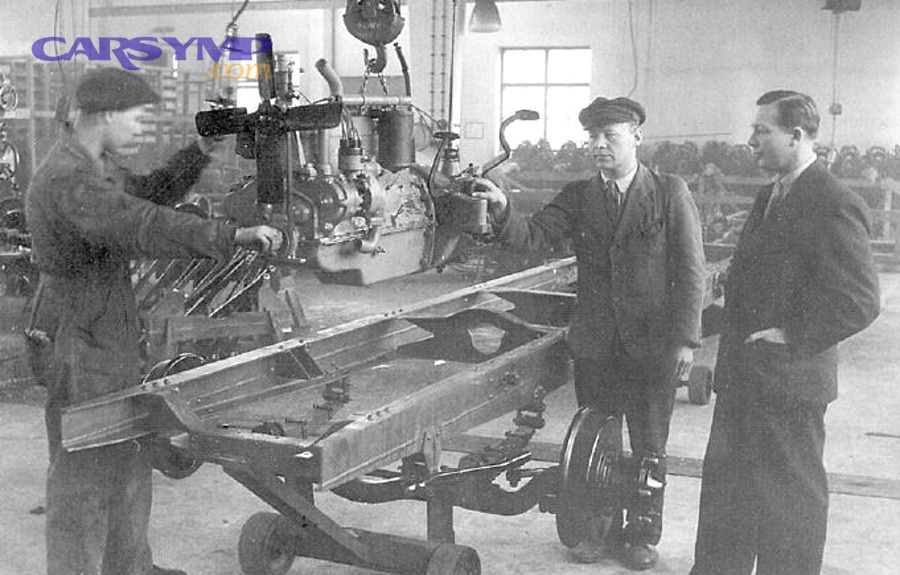
Common symptoms that point toward mounts:
- Noticeable vibration at idle that improves when revving slightly
- Clunk/thud when shifting from Park to Drive/Reverse
- Engine visibly rocks more than expected under throttle blips
- Metallic contact sounds (engine/exhaust contacting brackets or heat shields)
Urgency guidance:
- Moderate urgency: persistent vibration + occasional thud
- High urgency: loud clunk with shifting + significant engine movement + visible mount separation or leaking hydraulic fluid
- Immediate attention: engine movement that risks contact with radiator fan shroud, exhaust flex joint, or coolant lines
Are vibration and clunking always caused by engine mounts?
No—vibration and clunking are not always caused by engine mounts because (1) misfires can mimic mount vibration, (2) worn suspension/drivetrain joints can create similar clunks, and (3) exhaust contact can sound like a mount failure without the mount being bad.
However, a simple movement test and visual inspection often narrows it down quickly.
How to separate common look-alikes:
- Misfire vibration: often changes with engine load and may trigger a check engine light
- CV joint or driveline clunk: often correlates with turning or acceleration
- Exhaust contact: noise changes with engine roll and can be confirmed by clearance inspection
A shop diagnosis isn’t always “extra”—it can prevent replacing the wrong part.
Can driving with a bad mount increase repair costs elsewhere?
Yes—driving with a bad engine mount can increase repair costs because (1) excess movement stresses exhaust joints and hangers, (2) it can strain hoses and wiring near the engine, and (3) repeated drivetrain shock can accelerate wear in related mounts and brackets.
Thus, fixing the mount can be cheaper than paying for secondary damage later.
The cost increase isn’t theoretical: more movement means more contact risk. Even if nothing breaks immediately, repeated impact loads can turn a single repair into a cluster of repairs.
Should you DIY engine mount replacement or hire a professional shop?
A shop wins for safety and time, DIY is best for cost savings when access is straightforward, and a hybrid approach (DIY diagnosis + shop install) is optimal when you can confirm the part but don’t want the risk of supporting the engine yourself.
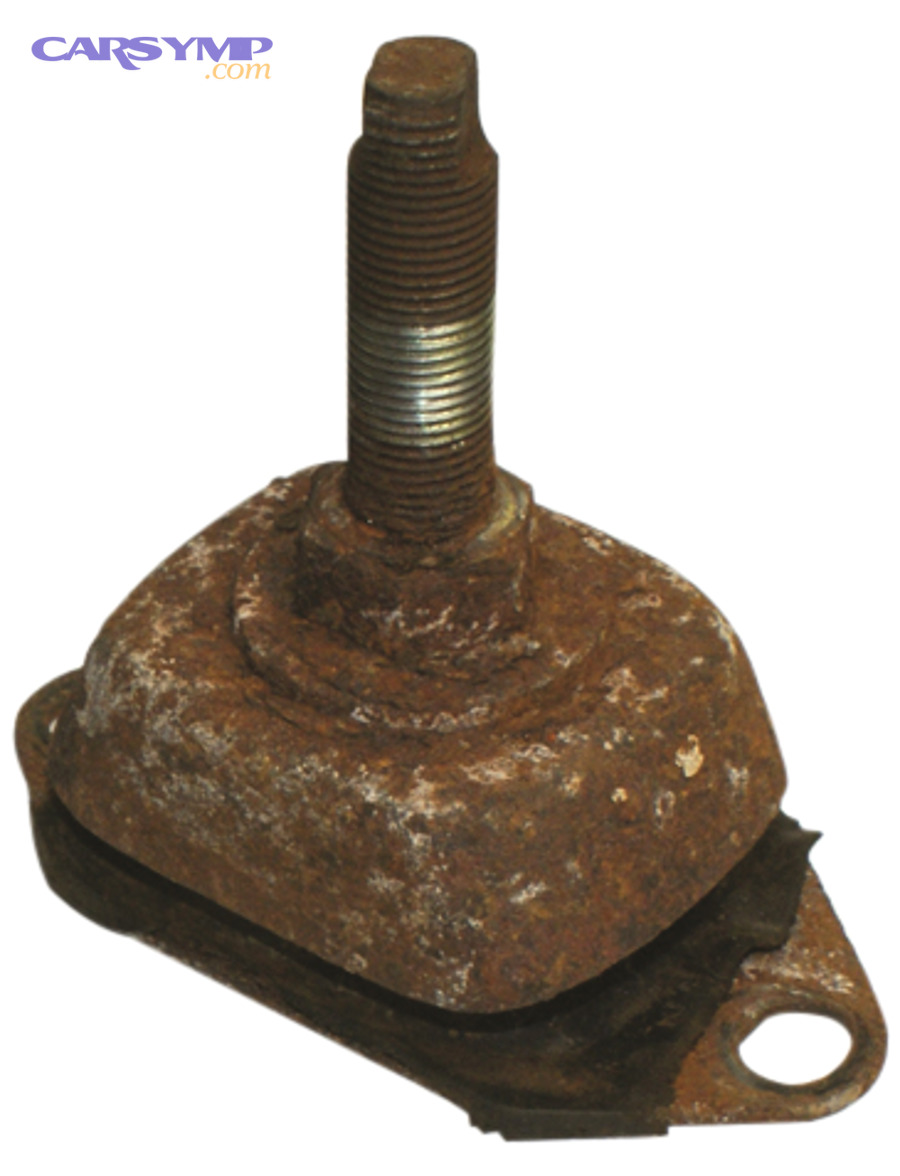
Next, the decision depends less on “skill pride” and more on whether you can safely support the engine and torque everything correctly.
This is where DIY mount replacement safety considerations must be taken seriously: engine support is not optional, and incorrect support can damage components or create a dangerous situation.
Is engine mount replacement a safe DIY job for most car owners?
No—engine mount replacement is not a safe DIY job for most car owners because (1) safely supporting the engine requires correct equipment and contact points, (2) misalignment can trap fingers or damage components, and (3) incorrect torque can cause repeat failure or unsafe movement.
However, it becomes reasonable when access is easy and you have proper support tools and procedures.
If you still DIY, safety rules that reduce risk:
- Use jack stands and a stable surface (never rely solely on a jack)
- Support the engine with an engine support bar or a jack with a wood block in the correct location (service manual guidance matters)
- Loosen and tighten fasteners in a controlled sequence to avoid binding
- Torque to spec and re-check after a short drive if recommended
If you want a visual reference for safe engine support during engine mount replacement, this video demonstrates the support concept clearly:
What’s the real “DIY savings” after tools and time are included?
DIY wins in direct cash savings, a shop is best for predictable time and reduced risk, and the best-value option depends on whether you already own support tools—because tool cost and potential mistakes can erase the apparent savings.
On the other hand, if the mount is easy and you’re equipped, DIY can reduce the total noticeably.
A realistic DIY cost picture includes:
- Parts cost (same as shop if you buy quality parts)
- Tools (support bar or jack equipment; specialty sockets; torque wrench)
- Time (learning + execution)
- Risk cost (stripped bolts, misalignment, repeat labor)
If you already have the tools and the mount is accessible, DIY can be a smart one-time investment. If you need major tools and the job is cramped, paying a shop can be cheaper than a second attempt.
What special cases can change your engine mount estimate or decision?
There are 4 special cases that change an engine mount estimate—active/hydraulic mounts, bundled transmission/torque mount work, subframe movement/alignment checks, and performance mount choices—based on how they alter parts pricing, labor steps, and NVH outcomes.
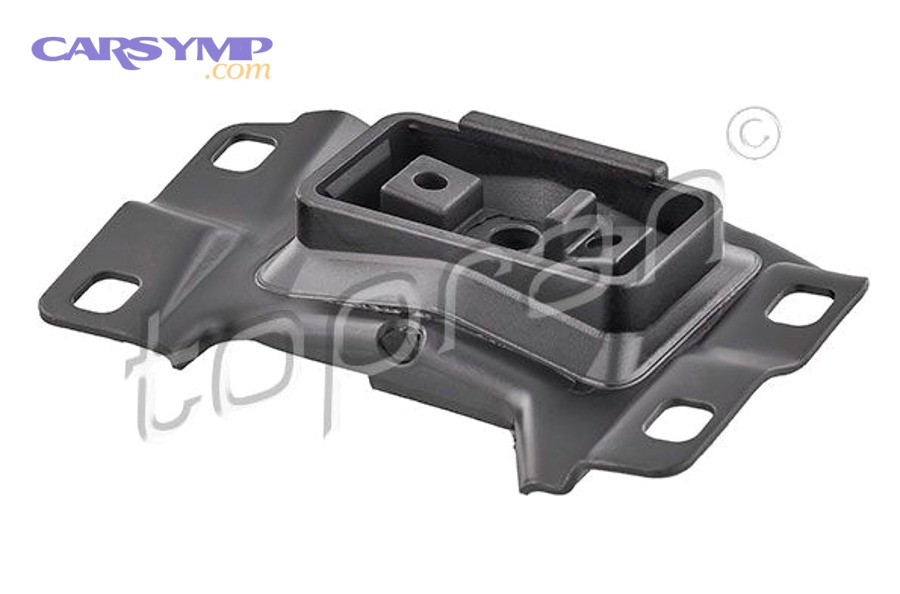
Below, these cases expand your estimate thinking beyond the “average range,” so your final decision fits your exact vehicle and goals.
Do active/hydraulic mounts require extra steps (and higher labor cost)?
Active/hydraulic mounts win for NVH tuning, standard mounts are best for straightforward swaps, and labor usually rises when the mount has added interfaces (fluid, control elements, restricted packaging) that increase install complexity.
Specifically, the mount’s design can add steps even when the bolt pattern looks similar.
Why costs can rise:
- Higher part cost for engineered hydraulic/active designs
- More careful handling to avoid damaging mount components
- More time confirming correct fitment (wrong mount type can create new vibration)
Evidence that these mounts are engineered around frequency behavior helps explain why precision matters. According to a study by the University of Toledo from the University Transportation Center, in 2011, the report explains hydraulic mounts can be tuned for frequency-dependent stiffness/damping and notes model forecasting up to about 85 Hz under its described constraints. (utoledo.edu)
When does replacing a transmission mount or torque strut make sense at the same time?
Yes—replacing a transmission mount or torque strut at the same time can make sense because (1) symptoms overlap and the mounts share the same load path, (2) labor overlaps when the drivetrain is already supported, and (3) balanced support can reduce repeat vibration and repeat shop visits.
Moreover, bundled work can lower the total labor compared to doing each mount separately.
Bundling is most sensible when:
- The vehicle has high mileage and multiple mounts show wear
- The shop already must support the drivetrain for access
- You’re chasing a persistent clunk that could involve torque control
Ask for a clear scope: “Which mounts are included, and what improvement should I expect if we replace only the engine mount vs adding the torque mount?”
Can subframe lowering or alignment checks add cost to the job?
Yes—subframe lowering or alignment checks can add cost because (1) moving the subframe increases labor time, (2) it may require additional tools and careful re-centering, and (3) an alignment check helps confirm geometry wasn’t shifted during access.
Especially on tightly packaged vehicles, this can be the difference between a “simple” quote and a “complex” one.
When subframe involvement is likely:
- Rear mount or lower mount positions tucked against the subframe
- Limited clearance requiring the drivetrain to be lowered slightly
- Vehicles with underbody bracing that blocks mount bolts
This doesn’t automatically mean the quote is inflated—it means the job has more steps.
Should you choose performance/poly mounts or stock mounts for a daily driver?
Stock mounts win for comfort, poly/performance mounts are best for control and durability under high load, and hybrid setups (stock + upgraded torque mount) are optimal when you want less movement without turning the cabin into a vibration amplifier.
However, for a daily driver, the wrong mount choice can feel like a “bad repair” even when installation is perfect.
This is where “Hydraulic vs solid mounts differences” becomes a lifestyle decision:
- Stock/hydraulic: smoother idle, less cabin vibration, closer to factory feel
- Poly/solid: sharper response, less engine roll, more vibration and harshness
If your primary goal is comfort and factory behavior, stock-style mounts are usually the safer bet. If your goal is controlling movement for spirited driving or heavy torque, performance mounts can make sense—but expect NVH changes.
Evidence (if any)
According to RepairPal’s estimator, the average cost for an engine mount replacement is $607–$747, with labor estimated $294–$431 and parts $313–$316. (repairpal.com)
According to a study by the University of Waterloo from the Department of Mechanical Engineering, in 2000, hydraulic engine mount analysis cited in the thesis described a vehicle result showing a 5 dB improvement in noise level at the driver’s ear in a six-cylinder application. (uwaterloo.ca)
According to a study by the University of Toledo from the University Transportation Center, in 2011, the report explains hydraulic mounts can be tuned for frequency-dependent stiffness/damping and notes model forecasting up to about 85 Hz under its described constraints. (utoledo.edu)