


Static vs dynamic wheel balancing explained in simple terms comes down to how each method corrects uneven weight in a rotating wheel and tire assembly. Static balancing corrects imbalance in one plane, while dynamic balancing corrects imbalance in two planes, which is why dynamic balancing usually fits modern passenger cars better. To begin, that core difference matters because it affects ride smoothness, steering feel, and how effectively a shop can reduce vibration on today’s wider wheels and tires.
Dynamic balancing also answers the practical question most car owners actually have: which method works better for everyday driving. Specifically, most drivers benefit more from dynamic wheel balancing because modern road speeds, alloy wheel designs, and wider tire footprints create imbalance patterns that often need correction on both the inner and outer planes. That is why understanding the method, not just the label on the service ticket, helps car owners make better maintenance decisions.
The topic also matters because wheel balancing is often confused with other causes of shaking, including alignment issues, bent wheels, worn suspension parts, or even a Tire flat-spot and balance issues after sitting for a long time. Moreover, car owners often ask related questions such as How often to balance tires and what they can do for Preventing balance issues before vibrations become severe.
Introduce a new idea: once you understand what each balancing method does, it becomes easier to see when static balancing still has a place, why dynamic balancing dominates modern wheel service, and how related options such as road force testing fit into the bigger maintenance picture discussed across many automotive resources, including guides commonly referenced by car owners on sites like carsymp.com.
What Is Wheel Balancing and Why Does It Matter for Car Owners?
Wheel balancing is the process of correcting uneven weight in a wheel and tire assembly so it rotates smoothly, reduces vibration, protects tire wear, and improves driving comfort. To better understand that issue, it helps to connect wheel balancing to what drivers actually feel on the road rather than treating it as a shop-only procedure.
What Is Wheel Balancing?
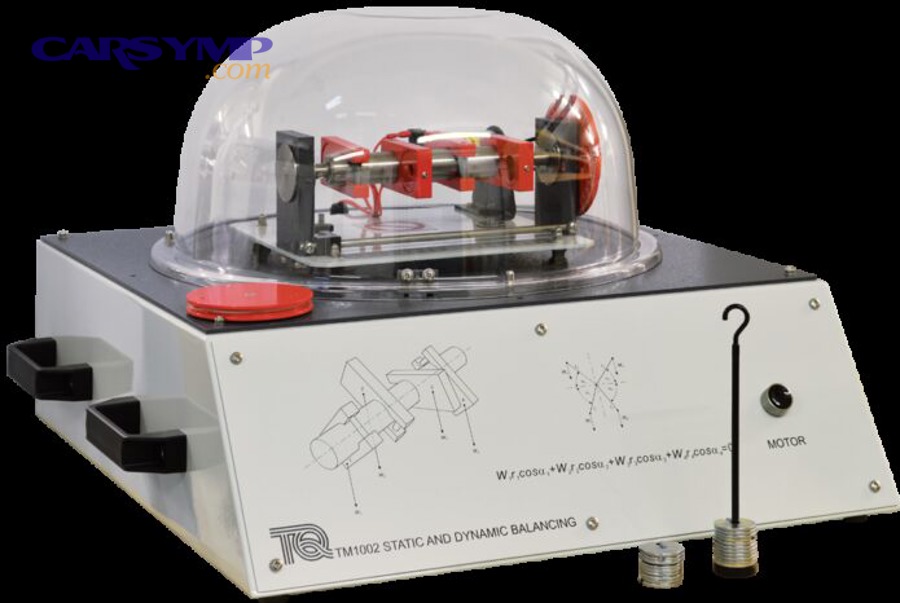
Wheel balancing is a maintenance procedure that identifies and corrects heavy spots in a mounted wheel and tire assembly. When a tire and wheel rotate, even a small weight difference can create a repeating force. That force may seem minor at low speed, but as speed rises, it becomes more noticeable through the steering wheel, the seat, or the floor.
The purpose of wheel balancing is not to change the direction of the wheels. That job belongs to wheel alignment. Instead, balancing deals with rotational mass. A technician uses weights to offset uneven distribution so the wheel spins more evenly around its axis. This is why the phrase wheel balancing belongs in the same maintenance conversation as vibration control, tire life, and ride comfort.
In practical terms, balancing matters because a wheel assembly rarely leaves the road unchanged forever. Tire wear, minor impacts, shifting tire position on the rim, and weight loss from adhesive or clip-on weights can all introduce imbalance. As a result, a previously smooth car can begin to shake at certain speeds even when the tires still look usable.
For car owners, the biggest benefit is smoother and more predictable driving. Balanced wheels help reduce the repetitive forces that travel through suspension and steering components. That does not make balancing a cure for every vibration, but it makes it one of the first and most relevant maintenance checks when speed-related shaking appears.
Does Wheel Balancing Reduce Vibration at Speed?
Yes, wheel balancing reduces vibration at speed because it corrects uneven rotational weight, lowers cyclic forces, and helps the wheel spin more smoothly under load. However, the issue becomes clearer when you look at how imbalance behaves as speed increases.
At neighborhood speed, a slightly imbalanced tire may create only a faint tremor. At highway speed, the same imbalance can feel much worse because the rotating assembly creates that force more often every second. This is why many drivers report a narrow speed range where vibration becomes obvious, such as 55 to 70 mph, then changes again above that range.
A balanced wheel assembly improves comfort in three visible ways. First, it reduces steering wheel shake caused by front-wheel imbalance. Second, it helps reduce body vibration that can travel through the seat or floor when a rear wheel is imbalanced. Third, it limits uneven stress on the tire and suspension, which can support more even wear over time.
That said, balancing only helps when imbalance is the real cause. If the car has a bent rim, internal tire damage, alignment error, or worn suspension joints, balancing may reduce some symptoms without solving the root problem. That is why a correct diagnosis always matters more than guessing from symptoms alone.
What Is Static Wheel Balancing?
Static wheel balancing is a one-plane balancing method that corrects a single heavy spot so the wheel resists vertical hop and rotates more evenly. More specifically, static balancing makes the most sense when the imbalance behaves like a single up-and-down weight problem.

How Does Static Wheel Balancing Work?
Static balancing works by identifying one dominant heavy point in the wheel and tire assembly and placing corrective weight opposite that heavy point. In basic terms, the method treats the imbalance as if it exists in a single plane through the centerline of the wheel.
A simple way to picture static balancing is to imagine a wheel that repeatedly settles with one side downward when supported freely. That lower side is heavier. The balancing process adds weight to the opposite area until the assembly no longer favors one position. This correction reduces the tendency for the wheel to bounce or hop as it rotates.
In automotive service, static balancing can be performed with traditional balancing equipment or approximated with simpler methods in certain applications. It is conceptually straightforward, which is one reason it remains easy to explain. But simplicity also reveals its limit: it assumes the imbalance behaves as one single-line problem rather than a wider, more complex two-plane issue.
Because of that, static balancing is best understood as a narrower correction model. It can work well enough on some narrow assemblies, but it does not fully account for the side-to-side distribution differences found in many modern wheel and tire setups.
What Parts of the Wheel Does Static Balancing Correct?
There are 2 main imbalance effects static balancing addresses: vertical hop and single-plane weight offset based on the wheel’s centerline. To illustrate, static balancing mainly corrects the kind of imbalance that makes a wheel want to move up and down as it spins.
The first problem is vertical imbalance. This occurs when a heavy spot pulls downward and creates a repeated lifting-and-dropping effect in rotation. Drivers may feel this as a vibration that becomes stronger with speed. The second related issue is single-plane imbalance, where the corrective need can be represented along one central plane rather than across both inboard and outboard sides of the wheel.
Static balancing does not directly correct a twisting or side-to-side wobble created by uneven weight distribution across the width of the wheel. That kind of imbalance often appears on wider rims and modern tire assemblies. In those cases, one corrective weight position may not be enough to solve the entire problem.
For that reason, static balancing is helpful to understand but limited in scope. It addresses a real category of imbalance, yet it does not reflect the full complexity of what many passenger vehicles experience at highway speed.
What Is Dynamic Wheel Balancing?
Dynamic wheel balancing is a two-plane balancing method that corrects both vertical and lateral imbalance by measuring a spinning wheel and applying weight where needed on inner and outer planes. In other words, dynamic balancing reads the wheel as it actually behaves in motion.

How Does Dynamic Wheel Balancing Work?
Dynamic balancing works by mounting the wheel and tire assembly on a balancing machine, spinning it, and measuring where correction is needed across two planes. This method reflects real-world rotation better because it analyzes how the assembly behaves while moving instead of just how it rests.
The machine detects where imbalance exists relative to both the inner and outer sides of the wheel. It then instructs the technician where to place corrective weights and how much weight to use. This process allows the service to address not only a heavy spot but also the side-to-side distribution that can create wobble or shimmy.
That two-plane approach is why dynamic balancing has become the standard for most passenger cars, especially those with wider wheels, lower-profile tires, and higher-speed use. The method fits modern driving conditions more closely because it does not simplify the assembly into one balancing line when the actual imbalance may be spread across the wheel’s width.
Many shops also use dynamic balancing because the equipment integrates easily into routine tire service. When new tires are installed, rotated, or repaired, the machine-based process gives technicians a practical way to verify that the complete mounted assembly is ready for the road.
What Types of Imbalance Can Dynamic Balancing Correct?
There are 3 main imbalance patterns dynamic balancing can correct: vertical imbalance, lateral imbalance, and combined two-plane imbalance based on wheel width and rotating mass distribution. More specifically, this is the reason dynamic balancing is so effective for modern vehicles.
Vertical imbalance is the same general up-and-down force that static balancing targets. Lateral imbalance is different because it creates a side-to-side effect or wobble as the wheel spins. Combined two-plane imbalance happens when the wheel assembly has both types at once, or when the correction must be split between inner and outer positions to restore smooth rotation.
This broader correction capability matters because modern wheels are not narrow, simple discs. They often have wider barrel sections, styled faces, and tire footprints that make weight distribution more complex. Dynamic balancing accounts for that complexity better than static balancing.
For everyday drivers, the advantage is straightforward: fewer vibrations, smoother highway driving, and a better chance that the balancing service actually matches the wheel design on the vehicle.
What Is the Difference Between Static and Dynamic Wheel Balancing?
Static balancing wins in simplicity, dynamic balancing is best for modern two-plane correction, and everyday passenger cars usually benefit more from dynamic wheel balancing. However, the real difference becomes clearer when you compare how each method sees the wheel.

Is Static Balancing the Same as Dynamic Balancing?
No, static balancing is not the same as dynamic balancing because static balancing corrects one-plane imbalance, while dynamic balancing corrects two-plane imbalance across the wheel’s width. That distinction is the central answer car owners need from this topic.
Static balancing assumes the problem can be corrected through one main counterweight position. Dynamic balancing assumes the wheel may need correction on both the inner and outer planes. That difference affects service quality, especially on wider or more complex wheel designs.
The methods also differ in how they evaluate the problem. Static balancing is based on a simpler model of imbalance. Dynamic balancing uses a spinning machine that measures the assembly while rotating. As a result, dynamic balancing usually provides a fuller correction for real-world driving conditions.
So while both methods aim to reduce vibration, they are not interchangeable in every case. They share the same goal, but they do not deliver the same level of correction for the same wheel assembly.
How Do Static and Dynamic Wheel Balancing Compare?
Static vs dynamic wheel balancing can be compared across 5 main criteria: correction plane, measurement method, weight placement, wheel suitability, and real-world ride quality. The table below summarizes what car owners should know before choosing a service.
| Criteria | Static Balancing | Dynamic Balancing |
|---|---|---|
| Correction model | One plane | Two planes |
| Main issue corrected | Vertical hop | Vertical and lateral imbalance |
| Measurement style | Simpler heavy-spot logic | Spin-based machine analysis |
| Weight placement | Usually one corrective line | Inner and outer plane correction |
| Best fit | Narrower or simpler assemblies | Most modern passenger vehicles |
This comparison shows why dynamic balancing usually wins for daily-driven cars. It handles more complex imbalance patterns, which means it better matches modern wheels and highway use. Static balancing remains useful as a concept and in certain edge applications, but it is rarely the ideal answer for mainstream passenger-car service.
That comparison also explains why many drivers notice better results after dynamic balancing on cars with alloy wheels and wider tires. The method simply addresses more variables within the same rotating assembly.
Which Balancing Method Is Better for Most Car Owners?
Yes, dynamic wheel balancing is better for most car owners because it corrects more types of imbalance, suits modern wheels, and improves ride comfort more consistently at road speed. In addition, it aligns better with how today’s vehicles are built and driven.
Is Dynamic Wheel Balancing Better for Modern Cars?
Yes, dynamic wheel balancing is better for modern cars because most passenger vehicles use wider wheels, travel at sustained highway speeds, and benefit from two-plane correction. More importantly, those conditions are exactly where imbalance becomes more complex.
Modern cars often use larger diameter wheels, lower-profile tires, and firmer suspension tuning than older vehicles. These features improve handling and appearance, but they also make vibrations easier for drivers to notice. A balancing method that corrects both planes therefore becomes more valuable.
Dynamic balancing also supports better service outcomes when new tires are mounted. Shops can fine-tune weight placement for the complete assembly, which helps reduce the chance of a lingering shake after installation. For drivers who care about comfort, steering stability, and long highway trips, that makes dynamic balancing the practical choice.
This is also where related maintenance questions appear, such as How often to balance tires. In general, drivers should consider balance service whenever new tires are installed, when a vibration appears, after a repair that affects the wheel and tire assembly, or when weights are lost. A routine check during tire rotation intervals can also be sensible, especially for vehicles that spend a lot of time at highway speed.
When Might Static Balancing Still Be Used?
There are 3 common situations where static balancing may still be used: narrower wheel assemblies, certain motorcycle applications, and limited-use cases where one-plane correction is sufficient. However, these cases are exceptions rather than the default for everyday cars.
A narrow wheel has less width across which imbalance can spread. That means the limitation of one-plane correction becomes less severe. Certain motorcycles also use static balancing because of wheel design, service preference, or equipment choice. In addition, some specialty or low-speed situations may not require the broader precision of dynamic balancing.
Even so, car owners should not treat those examples as proof that static balancing is equally suitable for every vehicle. Passenger cars used for commuting, highway travel, family driving, or frequent long-distance use usually benefit from the more comprehensive correction dynamic balancing provides.
That is why the better question is not whether static balancing still exists, but whether it is the best fit for your specific vehicle. For most modern car owners, the answer remains the same: dynamic balancing is the stronger all-around option.
Can Wheel Balancing Fix All Types of Vibration?
No, wheel balancing cannot fix all types of vibration because some vibrations come from bent wheels, tire defects, alignment problems, suspension wear, or brake-related issues. Moreover, this limitation is essential if you want an accurate diagnosis instead of repeated trial-and-error repairs.

Does Wheel Balancing Fix Every Vibration Problem?
No, wheel balancing does not fix every vibration problem because it only addresses imbalance, not every mechanical issue that can make a car shake. This is why some drivers balance their wheels and still feel a problem afterward.
If the tire has internal separation, the wheel is bent, or the suspension has worn bushings or joints, the vehicle may continue to vibrate even after an accurate balance job. Brake rotor issues can also create shake, though that often appears more during braking than steady cruising. Likewise, a misalignment can cause pulling and uneven wear without being the same thing as a balance issue.
Another overlooked case involves tire flat-spot and balance issues after sitting. When a vehicle sits for a long time, especially in cold weather, tires can temporarily develop flat spots. The car may then feel rough or shaky until the tires warm up and regain a more regular shape. In mild cases, the symptom fades after driving. In more severe cases, the tire may need inspection because the problem can mimic imbalance even when the weights are correct.
This is why a shop should inspect the whole wheel-and-tire condition rather than simply add weight and assume the issue is solved. Balancing is effective, but only when the diagnosis is right.
What Other Problems Can Feel Like a Balancing Issue?
There are 5 common problems that can feel like a balancing issue: wheel alignment error, tire damage, bent wheels, worn suspension parts, and temporary tire deformation after sitting. To better understand the overlap, it helps to connect each one to the symptom it creates.
Alignment problems usually show up as pulling, off-center steering, or uneven tire wear. Tire damage can create vibration, thumping, or instability. A bent wheel can create a repetitive shake that worsens with speed. Worn suspension components let movement travel through the chassis more easily, which can make a minor imbalance feel severe. Temporary tire deformation after long parking can mimic imbalance until the tire rounds out again.
Preventing balance issues begins with avoiding the conditions that create those problems in the first place. Drivers can keep correct tire pressure, rotate tires at appropriate intervals, avoid pothole impacts when possible, inspect for missing weights, and address suspension wear early. Those habits reduce the chance that a small imbalance becomes a larger comfort or tire-life problem.
This is also the point where car owners should separate symptoms from assumptions. A steering shake does not automatically mean a wheel only needs balancing. It means the rotating and steering systems deserve a closer look.
What Related Wheel Balancing Topics Should Car Owners Know?
There are 4 closely related wheel balancing topics car owners should know: road force balancing, hidden weight placement, niche static balancing uses, and the right questions to ask a shop. Besides answering the main comparison, these details expand real-world decision-making.
What Is Road Force Balancing and How Is It Different from Dynamic Balancing?
Road force balancing is an advanced diagnostic balancing-related process that measures how the tire and wheel behave under simulated load, while dynamic balancing mainly corrects rotational imbalance across two planes. That means the two terms are related, but they are not interchangeable.
Dynamic balancing focuses on where weights should be added so the wheel spins smoothly. Road force testing adds another layer by checking how uniform the tire and wheel assembly behaves when pressed under load. This can help identify issues such as force variation, mounting mismatch, or tire conditions that plain balancing may not fully explain.
For car owners, the practical takeaway is simple. If a standard dynamic balance does not eliminate vibration, road force testing may help find a harder-to-see cause. It is especially useful when the symptoms remain even after repeated balancing attempts.
Can Wheel Weights Be Hidden on Alloy Wheels?
Yes, wheel weights can often be hidden on alloy wheels by using adhesive weights placed behind spokes or along less visible inner surfaces. However, hidden placement must still preserve balancing accuracy rather than serve appearance alone.
Many drivers prefer a cleaner look on visible alloy wheels, especially if they care about detailing and wheel design. Adhesive weights help technicians keep the appearance neat while still correcting imbalance. In some cases, clip-on weights remain appropriate, but many modern service procedures use hidden adhesive placement where possible.
The important point is that cosmetic preference should not overrule correct balancing. A neat-looking wheel that still vibrates is not a successful service outcome. Good technicians balance both appearance and function.
Why Is Static Balancing More Common on Narrow Wheels or Motorcycles?
Static balancing is more common on narrow wheels or motorcycles because a narrower assembly often behaves more like a single-plane imbalance system and may not require full two-plane correction. Specifically, the smaller width reduces the side-to-side imbalance effect.
Motorcycles and some narrow wheel applications can therefore respond well to static balancing when conditions are suitable. The assembly geometry simply makes the single-plane model more workable. That does not mean the method is universally superior; it means the application is more limited and specialized.
For car owners, this detail is useful mainly because it explains why static balancing still appears in discussions and shop terminology. Its continued use does not change the fact that modern passenger vehicles usually benefit more from dynamic balancing.
What Should Car Owners Ask a Shop Before Getting Wheels Balanced?
There are 4 smart questions car owners should ask a shop before getting wheels balanced: what method they use, whether the machine is calibrated, whether road force testing is available, and whether the wheels and tires will be inspected for damage. In short, better questions lead to better service.
First, ask whether the shop performs dynamic balancing for passenger vehicles as standard practice. Second, ask whether the machine is maintained and calibrated, because accuracy depends on equipment condition. Third, ask whether the technician will inspect the tire and wheel for defects rather than assuming weight correction alone will solve the issue. Fourth, if a vibration is persistent, ask whether road force testing is available.
Those questions matter because balancing works best as part of a diagnosis, not as a blind add-on. A careful shop will explain what it sees and why it recommends a certain method. That communication helps car owners avoid repeat visits and unnecessary frustration.
For readers who compare maintenance guides, including those discussed on platforms such as carsymp.com, the most useful principle is consistency: smooth driving depends on correct diagnosis, correct method, and correct follow-up. When those three line up, wheel balancing becomes a straightforward service instead of a recurring mystery.