


Yes—usually you can still drive because your normal (base) brakes typically keep working, but the car may lose anti-lock help during a hard stop, especially on wet, snowy, or loose surfaces.
To be safer, treat the ABS light as a “drive with caution and diagnose soon” signal: reduce speed, increase following distance, and avoid panic braking until you know what failed.
Beyond immediate safety, the ABS light can also hint at related issues (like low brake fluid or electrical faults) that can worsen if ignored, so it’s smart to do quick checks and plan a proper inspection.
Giới thiệu ý mới: Below is a practical, risk-based guide to decide whether to keep driving today, when to stop immediately, and what to do next.
What does it mean when the ABS light stays on?
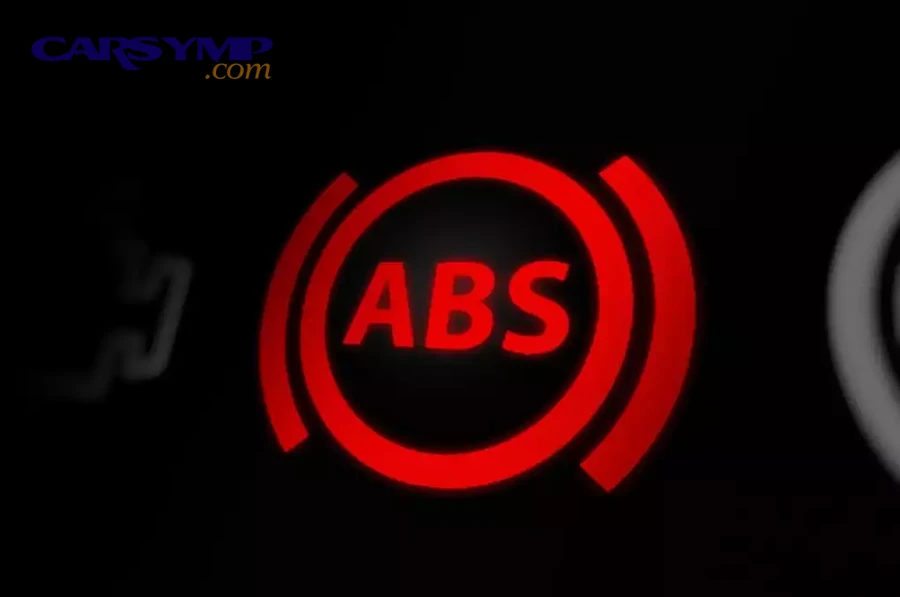
It usually means the anti-lock function is unavailable (or has detected a fault), even though standard braking may still feel normal in everyday stops.
To connect that to real driving, remember ABS is designed to prevent wheel lock during hard braking so you can keep steering; when the light stays on, the vehicle may revert to conventional braking behavior under emergency pressure.
Common triggers include a sensor signal that doesn’t make sense, a wiring/connector issue, a fuse/relay problem, low system voltage, or a fault inside the hydraulic control assembly. The key practical takeaway is not “your brakes are gone,” but “your safety margin in a panic stop may be reduced.”
Specifically, many cars will store a diagnostic trouble code (DTC) and disable the ABS function to prevent unpredictable pulsing. That’s why you may not notice anything day-to-day—until you need maximum braking on a slick surface.
The nuance matters: ABS is not magic stopping power; it’s stability and steerability under heavy braking. This is why an illuminated ABS indicator changes how the car behaves in an emergency rather than whether it can slow down at all.
Theo nghiên cứu của NHTSA từ cơ quan nghiên cứu an toàn giao thông, vào (giai đoạn công bố báo cáo ABS 7-1), ABS trên xe du lịch cho thấy lợi ích thực tế thấp hơn kỳ vọng ban đầu trong dữ liệu tai nạn, dù rất hứa hẹn trên đường thử.
So the light is best interpreted as: “Your car may brake normally in calm conditions, but don’t assume it will behave the same in a panic stop.”
Can you keep driving when the ABS light is on?
Yes, you can usually keep driving, but it’s not advisable because you may lose ABS assistance, increasing the chance of wheel lock and reduced steering control during emergency braking.
To make that decision practical, ask three quick questions: (1) Is the red brake warning light also on? (2) Do the brakes feel different (soft pedal, sinking, grinding, pulling)? (3) Are road conditions poor (rain/ice/gravel) or is your route high-speed? If any answer is “yes,” your risk rises sharply.
Next, understand what “still drivable” means: you can typically brake to a stop, but you should drive like you have older, non-ABS brakes—smooth inputs, longer following distance, and no last-second hard braking.
However, “drivable” is not the same as “safe under all conditions.” ABS exists for the exact moment you don’t plan for: a deer, a sudden stop, a slick corner. When the light is on, you’re removing one layer of stability from that moment.
Theo nghiên cứu của NHTSA từ hệ thống dữ liệu tai nạn (FARS/GES), vào báo cáo về hiệu quả dài hạn, tác động tổng thể của ABS lên tai nạn chết người trên xe du lịch và xe tải nhẹ gần như bằng 0, nhưng ABS vẫn có tác động rõ theo từng nhóm tình huống.
This matters for your decision: the benefit is situational, but those situations (wet roads, sudden obstacles) are exactly when drivers ask “is it safe to keep going?”
So, if you must drive: keep it short, keep it slow, and treat it as a “get to a safe place / shop” trip—not “drive for weeks.”
When is it NOT safe to drive with the ABS light on?
No—it is not safe to continue driving if the ABS light appears alongside braking symptoms or other warning lights, because that combination can indicate reduced base braking or unstable brake behavior.
To clarify, ABS-light-only is often a “reduced feature” issue; ABS-light-plus-other-signs can be a “braking system integrity” issue. Below are the most important “stop now” conditions.
Here are high-risk scenarios that should change your plan immediately:
- Red brake warning light (not just ABS) is on, especially with low fluid, parking brake issues, or hydraulic faults.
- Brake pedal feels wrong: soft/spongy, sinking, very hard, or needs pumping to stop.
- Car pulls to one side under braking, or you hear grinding/metal-on-metal.
- Road conditions are slippery (heavy rain, snow, ice) or you must drive at highway speeds.
- Brake behavior becomes erratic (unexpected engagement, pulsation when braking lightly, or long stopping distance).
Before the table below, note what it helps with: this table summarizes common “ABS light on” situations and the safest next action so you can decide quickly without guesswork.
| What you notice | Likely risk level | Safest action |
|---|---|---|
| ABS light only, brakes feel normal | Moderate | Drive cautiously to diagnosis; avoid hard braking |
| ABS light + red brake light | High | Stop when safe; check fluid; tow if unsure |
| ABS light + soft/sinking pedal | High | Do not continue; likely hydraulic issue |
| ABS light + pulling/grinding | High | Stop and inspect; mechanical brake issue possible |
| ABS light + wet/icy roads today | High (situational) | Delay trip or take a safer route; reduce speed drastically |
Theo nghiên cứu của NHTSA từ chương trình nghiên cứu ABS, vào báo cáo ABS 7-1, phân tích dữ liệu cho thấy một số nhóm tai nạn “run-off-road” tăng lên, gợi ý rằng hành vi lái xe và điều kiện đường có thể làm thay đổi lợi ích kỳ vọng của ABS.
The practical meaning: if your conditions already push you toward loss of control (slick surface, evasive maneuver), losing ABS support can be the difference between “stop and steer” and “lock and slide.”
How will your car brake and handle without ABS?
Without ABS, hard braking can lock the wheels, which often reduces steering control and increases the chance of skidding, even though the car may still slow down.
To make that concrete: on dry pavement with good tires, you may still stop effectively, but you must modulate brake pressure yourself. On wet, snowy, or gravel roads, the risk of lock-up rises, and steering while braking becomes harder.
Key differences you might notice in an emergency:
- More skid potential if you slam the pedal (especially at speed or in a turn).
- Longer “real-world” stopping distance if you lock up and slide (because a sliding tire can lose grip and directional control).
- Reduced ability to steer around an obstacle while braking hard.
However, many drivers confuse ABS with “shorter stops every time.” In reality, ABS is primarily about maintaining traction and steering control during maximum braking—so your biggest loss is control under panic braking, not routine stopping from a traffic light.
Theo nghiên cứu của NHTSA từ báo cáo hiệu quả dài hạn, vào giai đoạn phân tích 1995–2007, ABS cho thấy giảm có ý nghĩa thống kê ở một số nhóm va chạm (ví dụ va chạm với người đi bộ/động vật) nhưng tăng ở nhóm “run-off-road” trên điều kiện ướt/tuyết/băng, cho thấy lợi ích và rủi ro phụ thuộc bối cảnh.
This is exactly why the ABS light changes your driving strategy: when control is the scarce resource, you must create more margin—space, time, and lower speed.
What quick checks can you do before driving to a shop?
You can do a short, safe checklist in 5–10 minutes to rule out urgent brake-system problems and reduce risk before driving for diagnosis.
To start, the goal is not to “fix ABS in your driveway,” but to confirm you’re not ignoring a more serious base-brake issue.
Check for a red brake warning light and pedal feel first
If the red brake light is on or the pedal feels abnormal, don’t keep driving. Next, press the brake pedal (engine off, then engine on) to feel for sinking, softness, or unusual hardness, which can signal hydraulic or booster issues.
Then, do a cautious low-speed test in an empty lot: brake smoothly from 10–15 mph. If the car pulls, grinds, or feels inconsistent, stop and seek help.
Theo nghiên cứu của NHTSA từ chương trình nghiên cứu ABS, vào báo cáo ABS 7-1, các lợi ích kiểm soát hướng của ABS được nhấn mạnh trong tình huống “panic braking,” nên việc tự kiểm tra cảm giác phanh ở tốc độ thấp giúp phát hiện bất thường trước khi lên đường nhanh.
Inspect brake fluid level (only if you can do it safely)
Low brake fluid can trigger warnings and can be unsafe. Next, locate the brake fluid reservoir (usually near the firewall on the driver side) and check that the level is between MIN and MAX. If it’s low, don’t just top off and forget it—low fluid can mean a leak or worn pads.
If the fluid is far below MIN, the safest move is to avoid driving and get assistance.
Then, look for wet spots near wheels or under the car—fresh fluid can indicate a leak.
Check tire pressure and obvious wheel-area damage
Major pressure differences can confuse wheel-speed logic and reduce traction. Next, ensure all tires are inflated evenly and inspect for obvious damage: torn sensor wires, missing wheel well liners, heavy rust/debris near the hub, or a recently hit curb/wheel impact.
After that, confirm your battery terminals are tight and clean if the issue appeared right after a battery service or jump-start, because low voltage can cause modules to throw faults.
Scan codes if you have a basic OBD tool
A scan can turn guesswork into a plan. Next, read stored codes and note them (don’t clear them yet). Some generic scanners read ABS codes; others require a tool that supports the brake module.
Then, bring the exact codes to the shop so diagnostics start faster and cheaper.
How should you drive right now to reduce risk?
Drive as if you have non-ABS brakes: slow down, leave extra space, brake earlier, and avoid sudden pedal slams so you don’t trigger wheel lock.
To make that actionable, use these habits for the next trip only (to a safe destination or inspection):
- Increase following distance (at least +2–3 seconds beyond your usual).
- Brake earlier and progressively, especially downhill or before turns.
- Avoid abrupt lane changes while braking; finish most braking before turning.
- Lower speed on wet/loose surfaces where lock-up is more likely.
- Do not “test” emergency stops on public roads.
Also remember: if you feel a skid begin under braking, ease off slightly to regain rolling traction, then reapply smoothly—this is the manual version of what ABS would do automatically.
Theo nghiên cứu của NHTSA từ cơ sở dữ liệu phân tích ABS 7-1, vào báo cáo nghiên cứu, ABS cho thấy hứa hẹn lớn trên đường thử vì cho phép vừa phanh mạnh vừa giữ lái; khi ABS không hoạt động, chiến lược an toàn là tạo “khoảng đệm” để không phải phanh hoảng loạn.
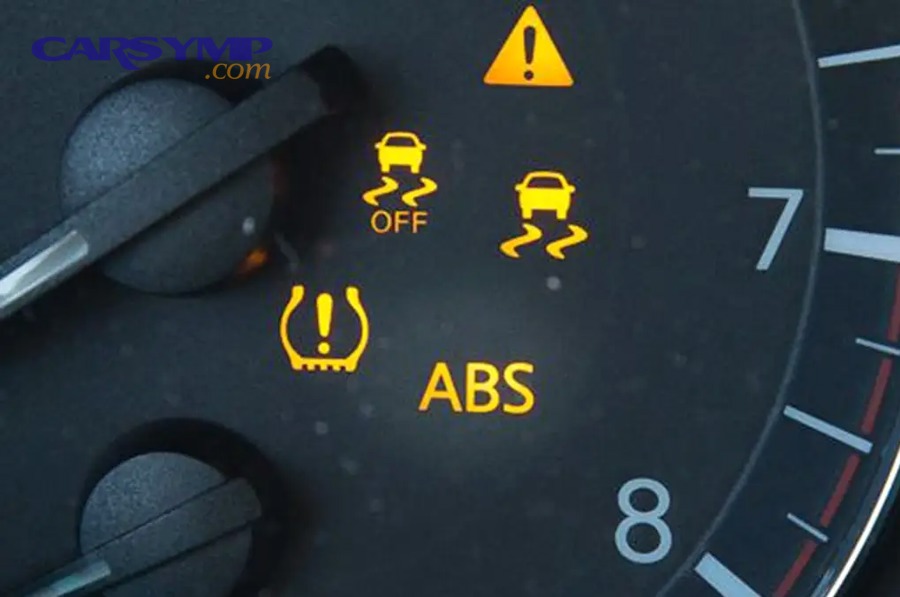
Finally, if the car also shows stability/traction indicators (some vehicles show a “slip” icon), understand those systems often share wheel-speed inputs; if multiple systems are disabled, your safety margin shrinks further.
What will a professional diagnosis usually focus on?
A proper diagnosis usually targets wheel-speed signals, wiring integrity, and the hydraulic control electronics, because these are the most common points that disable ABS.
To connect the shop process to your wallet and time, here’s what many technicians do in a logical sequence rather than swapping parts at random.
Code reading from the brake module, not just the engine computer
The brake module stores its own codes and freeze-frame data. Next, the technician checks whether the fault is “current” (present now) or “history” (intermittent), because intermittent faults often point to wiring, connectors, or sensor contamination.
Then they verify code definitions and run guided tests, such as active tests that command the pump/solenoids (when supported).
Wheel-area inspection and signal verification
Many ABS faults trace back to wheel-speed signal problems. Next, they inspect sensor wiring routes, connector pins, and the tone ring/encoder (depending on design). Corrosion, debris, and damaged insulation are common real-world causes.
After that, they may use a scope or scan tool data to compare live wheel speeds while rotating wheels, looking for a sensor that drops out or reads differently.
Electrical supply and ground checks
ABS modules are sensitive to voltage and ground quality. Next, the technician checks battery health, charging voltage, fuses/relays, and ground points. A weak battery or poor connection can trigger module faults without a “bad part.”
Hydraulic unit and control electronics evaluation
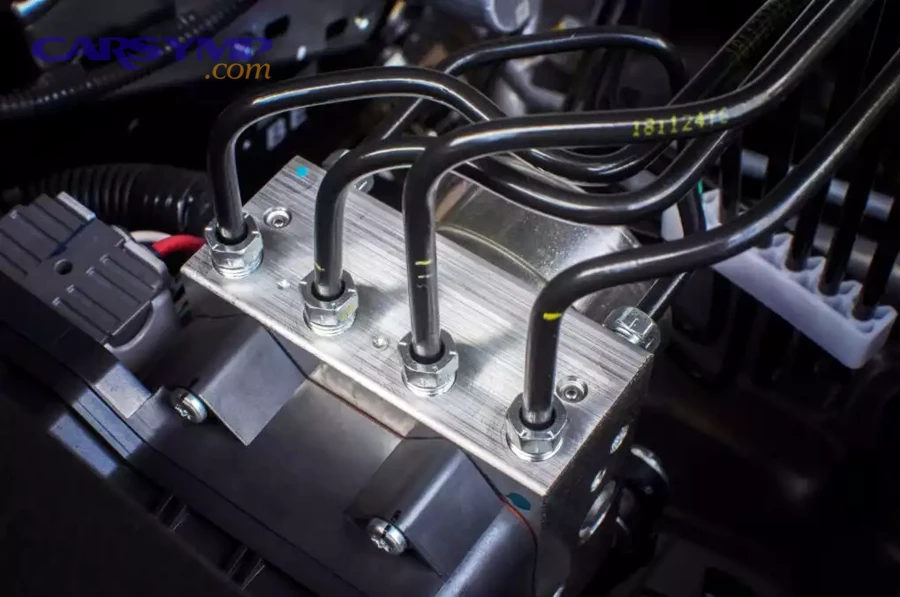
If signals and power are good, attention shifts to the module/hydraulic assembly. Next, the shop checks internal faults, motor/pump operation, and (if applicable) internal solenoid resistance or performance.
Theo nghiên cứu của NHTSA từ báo cáo hiệu quả dài hạn, vào phân tích 1995–2007, ABS có hiệu ứng khác nhau theo loại tai nạn và điều kiện đường; vì vậy chẩn đoán đúng cần xác định nguyên nhân “mất ABS” thay vì đoán theo cảm giác lái.
At this stage, you can naturally discuss next steps—whether a repair is urgent today or can be scheduled, based on your driving environment and symptoms.
Frequently asked questions about driving with the ABS light on
Most drivers can brake normally in calm conditions, but the safest answers depend on whether the ABS light is alone, how the brakes feel, and whether road conditions are slippery.
To keep this section practical, each answer below includes a quick “what to do next” so you can act immediately.
Does the ABS light mean my brakes will fail?
Not necessarily. Most of the time it means ABS is disabled, while normal brakes still work; however, if the red brake warning light is on or the pedal feels wrong, treat it as urgent and stop driving.
Next, check fluid level and symptoms, then arrange diagnosis as soon as you can.
Can an ABS light come on and off intermittently?
Yes. Intermittent ABS lights often point to wiring/connector issues, sensor contamination, or a signal dropout that appears only at certain speeds or bumps.
Then, document when it happens (speed, turning, rain, bumps) to help diagnosis faster.
Is it riskier to drive in rain or snow with the ABS light on?
Yes. Slippery conditions increase the chance of wheel lock during hard braking, and ABS helps maintain steerability when traction is limited—so losing it matters more on wet/icy roads.
Next, reduce speed significantly, increase distance, and avoid routes that force sudden stops.
Will my traction or stability control be affected too?
Often, yes. Many vehicles share wheel-speed data across ABS, traction control, and stability control, so one fault can disable multiple systems.
Then, if you see additional traction/stability icons, drive with extra caution and schedule diagnostics sooner.
Should I clear the codes to turn the light off?
No, not before diagnosis. Clearing codes can erase clues that help pinpoint an intermittent fault; it may also mask a problem that returns at the worst time.
Next, record codes first, then clear only after repairs or under professional guidance.
Contextual border: At this point you know how to judge “safe enough to limp” versus “stop now.” Next, let’s expand into less obvious causes that can surprise people—especially when the light appears right after routine service.
Why might the ABS light appear after tire service, battery work, or a recent repair?
It can happen because ABS relies on clean wheel-speed signals and stable voltage, so a small disturbance—like a weak battery, a stressed connector, or debris near the wheel—can trigger a fault even if braking feels normal.
To understand this better, think of ABS as a network: sensors at the wheels, wiring to the module, and a control unit that must trust the data; when any link is noisy, the system may disable itself.
Low voltage or a weak battery can trigger module faults
Yes, voltage matters. Next, if the ABS light started after a jump-start, battery swap, or a long period of sitting, check charging health and terminal tightness; unstable voltage can cause control modules to store faults and disable functions until verified.
Then, once voltage is stable, some vehicles may still keep the light on until codes are cleared after the underlying issue is resolved.
Wheel-area work can disturb sensor wiring or connectors
This is common after tire rotations, brake jobs, or suspension work. Next, inspect for stretched wires, broken clips, or connectors not fully seated near the hub/knuckle area.
Then, look for physical rub marks where the tire or suspension could contact the harness.
Debris, rust, or bearing issues can corrupt the wheel-speed signal
Contaminated signals can mimic a failing sensor. Next, heavy rust, metallic debris, or a worn wheel bearing can cause erratic readings that trigger the warning even if the sensor itself is “okay.”
Then, a technician may confirm by comparing live wheel-speed data for dropouts or sudden spikes while driving slowly.
After repairs, you may need calibration or a reset procedure
Some systems require relearn steps. Next, steering-angle calibration, yaw sensor checks, or module initialization may be required after certain repairs—especially if the vehicle also uses stability control functions tied to ABS logic.
Then, ask the shop whether your model needs a post-repair calibration or a specific test drive routine.
Finally, if you’re planning next steps and budget, you might see advice online about ABS repair, ABS warning light diagnosis, ABS wheel speed sensor replacement, or comparisons like ABS module vs wheel speed sensor symptoms; those phrases are useful for research, but your safest path is still symptom-based triage first, then code-based diagnosis.
If you’re building a maintenance checklist or content hub (for example on Car Symp), anchor your guidance around the same decision tree: “ABS light only” vs “ABS light plus braking symptoms,” because that’s what changes safety in the real world.