


Common automotive A/C leak points cluster around seals, thin heat-exchanger cores, and high-vibration joints—but the “most likely” spot changes by vehicle layout (compact car vs pickup vs minivan), engine bay packaging, and whether the system has rear A/C or an electric compressor.
To narrow the suspect list fast, you can combine where the refrigerant oil shows up with the vehicle’s typical weak links—then confirm using AC leak detection methods like UV dye, electronic sniffers, or nitrogen/trace-gas testing.
If you’re comparing DIY vs professional diagnosis, the real cost driver is often Leak detection cost at a shop plus access time (dash-out evaporator vs front-end condenser), not the refrigerant itself.
Giới thiệu ý mới: Below is a vehicle-based map of leak points, then a practical decision tree for What to fix first in multiple leaks—and finally AC stop-leak risks and warnings so you don’t create a bigger repair.
What are the most common AC leak points across most vehicles?
The most common A/C leak points are O-ring seals and hose crimps, service ports, the condenser, the compressor shaft seal, and the evaporator—because these parts combine pressure cycling, vibration, and exposure to heat or road debris. To connect that list to your vehicle, the next step is matching symptoms to locations.
To begin, here’s the “why it leaks” logic you can apply to nearly every platform: seals fail from heat and age, aluminum cores pit from corrosion, and joints seep when vibration loosens clamps or deforms O-rings. With that baseline, you can interpret what you see under the hood more accurately.
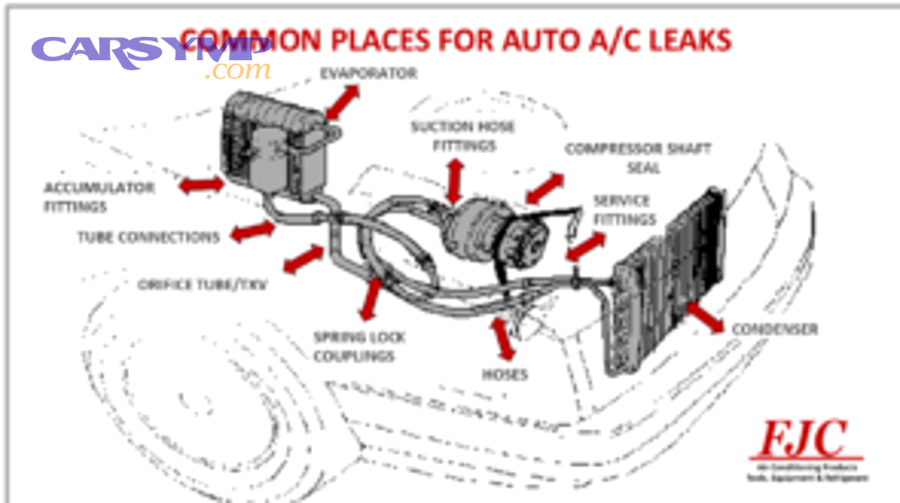
Why O-rings, crimps, and service ports leak so often
O-rings and port valves are “small parts” that sit at “big transitions,” so they’re constantly challenged by temperature swings and pressure pulses. Next, many vehicles use crimped hose ends; over time the rubber hardens and the crimp interface can seep refrigerant-oil residue.
For multiple leaks, these are usually the cheapest and fastest to confirm and fix, which matters when you’re deciding repair order. After checking ports and easy-access joints, you can move to higher-labor components like the evaporator.
Why condensers and evaporators are frequent leak sources
Condensers are thin, exposed, and live in the line of fire: gravel, insects, winter salt, and minor front-end impacts. By contrast, evaporators are protected but can corrode from moisture and contaminants in the HVAC case. In other words, one fails from the outside world, the other from the inside environment.
That contrast becomes important when you switch from generic leak points to “by vehicle” patterns—because packaging and usage decide whether outside damage or inside corrosion is the more likely culprit.
Which AC leak points are most common on compact cars and sedans?
On compact cars and sedans, the most common leak points are the condenser, service ports, and front-engine bay O-rings, because tight packaging increases heat soak and the condenser sits low and exposed behind the grille. Next, smaller cars often place lines close to sharp brackets, making chafing more common.
To begin, focus your inspection on the front of the vehicle: condenser face, receiver/drier area (if separate), and the joints near the radiator support. Then, use visual oil-staining clues before you invest in advanced testing.
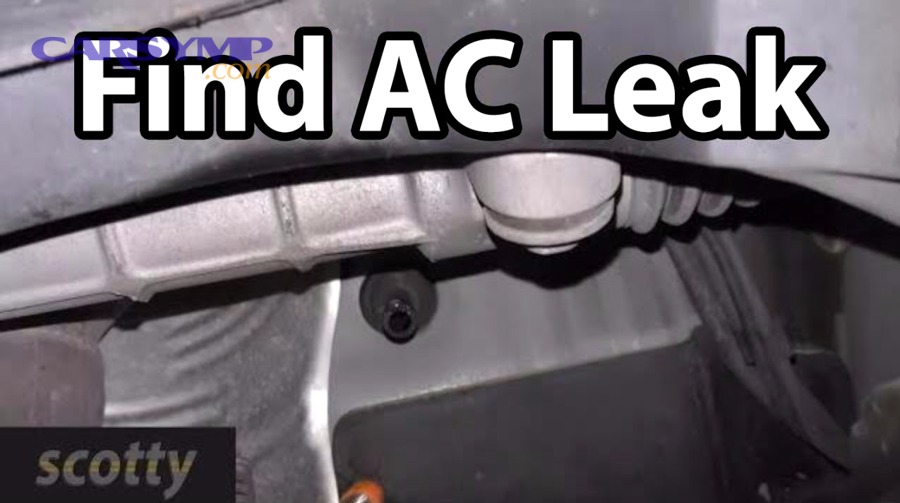
Front-end condenser damage patterns
On many sedans, the condenser is the first heat exchanger behind the bumper opening. Next, even a small “parking lot bump” can tweak mounts and stress the aluminum tubes, leading to slow leaks that only show up as faint oily film on the lower corners.
To connect this to AC leak detection, a UV dye trace often “lights up” the bottom seam and the connection blocks where lines enter the condenser.
Heat-soak and O-ring seepage near the compressor
Compact engine bays concentrate heat, especially in turbocharged models. Next, higher under-hood temperatures accelerate seal hardening, so O-rings at the compressor manifold and near the high-pressure line can seep first.
If you see oily residue on the compressor head or around a line block, treat it as a high-probability leak and confirm with a sniffer or dye rather than immediately replacing larger parts.
Where do pickups and body-on-frame SUVs commonly leak A/C refrigerant?
Pickups and body-on-frame SUVs most commonly leak at longer refrigerant lines, underbody joints, hose-to-hardline transitions, and front condensers, because the system spans a longer chassis and sees more vibration and debris exposure. Next, off-road use increases the chance of line impact and bracket wear-through.
To begin, inspect from front to back: condenser area first, then follow lines along the frame rails where clamps and shields can rub. After that, confirm suspected spots with AC leak detection tools before replacing assemblies.
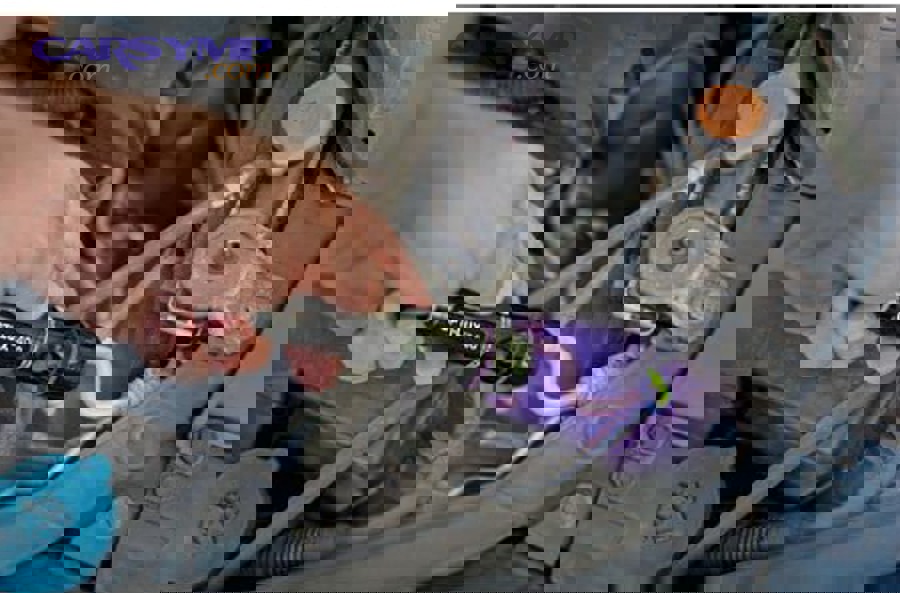
Underbody line chafing and clamp wear
Long hardlines are usually secured with clamps that can trap dirt and moisture. Next, vibration can slowly abrade protective coating, leading to pinhole corrosion right where a clamp touches the line.
When this happens, you may find oily grime “striping” along a line path rather than a concentrated wet spot. That pattern is a strong clue to confirm with UV dye or nitrogen pressure testing.
Rear A/C (if equipped) adds more leak points
Many larger SUVs add rear evaporators and extra line runs, which multiplies seals and connection points. Next, more joints means more chances for tiny seepage that adds up to noticeable refrigerant loss over a season.
In vehicles with rear A/C, prioritize finding leaks on accessible underbody connections first before assuming an evaporator failure.
What leak points are typical on minivans and three-row family vehicles?
Minivans and three-row vehicles most commonly leak at rear A/C lines, rear expansion device connections, and underbody joints, because they frequently include long refrigerant routing to a rear evaporator and have many connection interfaces. Next, family vehicles often run A/C for long stretches, which increases pressure cycling and seal wear.
To begin, treat the vehicle like a “two-system layout”: a front loop and a rear loop sharing the compressor and condenser. After that, use step-by-step AC leak detection to avoid guessing which section is losing refrigerant first.
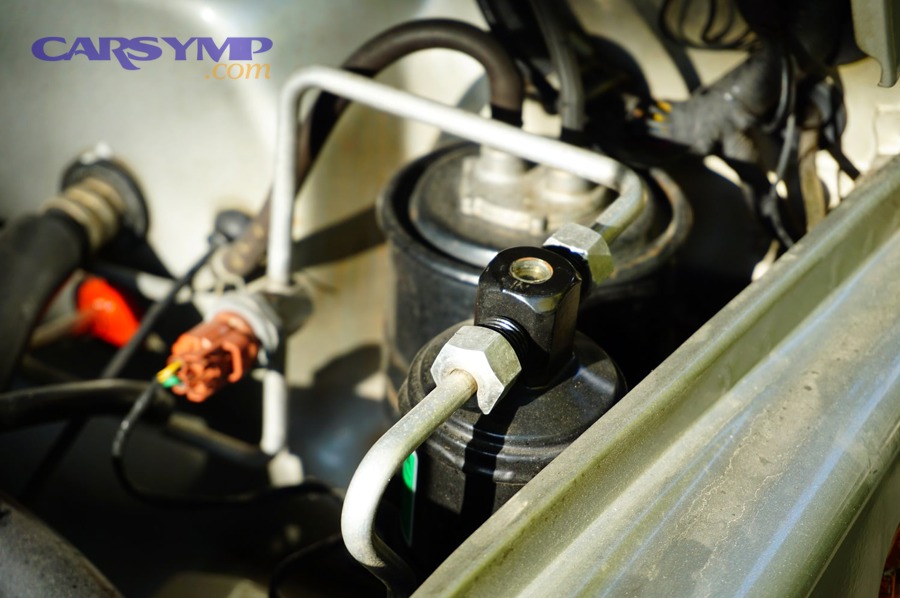
Rear evaporator circuits: why slow leaks are common
Rear circuits add many O-ring joints at the rear HVAC unit, plus long lines that can corrode underneath. Next, the rear unit’s drain and humidity exposure can contribute to corrosion around fittings if insulation traps moisture.
If the A/C works briefly then fades, don’t assume the compressor is dying—confirm charge level and check rear line joints for oily residue.
How to isolate front vs rear leaks with practical testing
A practical approach is to run the system, then inspect both the front and rear service areas for oil traces and dye. Next, if you can access the rear unit connections safely, you can use an electronic sniffer around those fittings while the system is under pressure.
This isolation step is especially helpful before spending money on evaporator replacement labor.
How do luxury cars and performance vehicles differ in common leak points?
Luxury and performance vehicles often leak at high-density connection blocks, complex condenser assemblies, and compressor control-related seals, because they use more sensors, multi-zone plumbing, and tighter packaging that raises heat exposure. Next, many have additional coolers and stacked heat exchangers that increase front-end vulnerability.
To begin, inspect the front stack (radiator/condenser/intercooler) and the manifold blocks that distribute refrigerant to multiple zones. Then, confirm with AC leak detection because small seepage on a complex system can mimic bigger failures.
Stacked heat exchangers and road debris exposure
Performance trims often prioritize cooling, which can mean a large opening and minimal grille shielding. Next, that makes condensers more exposed to stone impacts, leading to pinholes that produce a slow, hard-to-spot oil mist.
If you see tiny specks of oil on the condenser face, treat it as a strong lead and confirm before replacing the compressor or expansion valve.
Multi-zone plumbing and connection block seepage
More zones mean more joints, and many modern vehicles use compact “block fittings” with multiple O-rings. Next, if one O-ring hardens, it can leak only under high head pressure—so the A/C may cool at highway speed but fade in stop-and-go traffic.
This pattern is why a pressure-based test plus dye can outperform a quick “top-off” approach.
What are common AC leak points on hybrids and EVs with electric compressors?
On hybrids and EVs, common leak points still include service ports, condenser cores, and line O-rings, but electric-compressor systems add unique risks like specialized compressor oil requirements and higher sensitivity to contamination. Next, some electrified platforms route lines differently for battery thermal management, changing which fittings see stress.
To begin, treat leak diagnosis as both a mechanical and contamination-control task. After that, focus on precise AC leak detection and correct oil handling, because “quick fixes” can create expensive secondary damage.
Why contamination control matters more on electrified systems
Many electric compressors require specific non-conductive oils and clean handling practices. Next, stop-leak products or incorrect oils can affect compressor reliability and may complicate professional recovery equipment.
This is the point where risk management becomes part of diagnosis: confirm the leak first, then repair with compatible materials.
Battery cooling loops and extra fittings
Some EV architectures integrate refrigerant for heat pump and battery conditioning functions. Next, that can introduce additional valves, heat exchangers, and line junctions—each a potential leak point.
When you see intermittent heating/cooling performance swings, a slow refrigerant loss can be the common root cause across multiple “climate” complaints.
How can you match leak symptoms to the most likely location on your vehicle?
You can match leak symptoms to likely locations by combining where oil residue appears, when cooling fails, and which components are hardest-hit by environment; then, you confirm with AC leak detection. Next, this symptom-to-location mapping prevents expensive “parts darts.”
To begin, use three fast observations: (1) visible oil staining, (2) whether cooling fades after days vs hours, and (3) whether the leak worsens after high-load driving. After that, select the right confirmation test.
Oil stain “signatures” by component
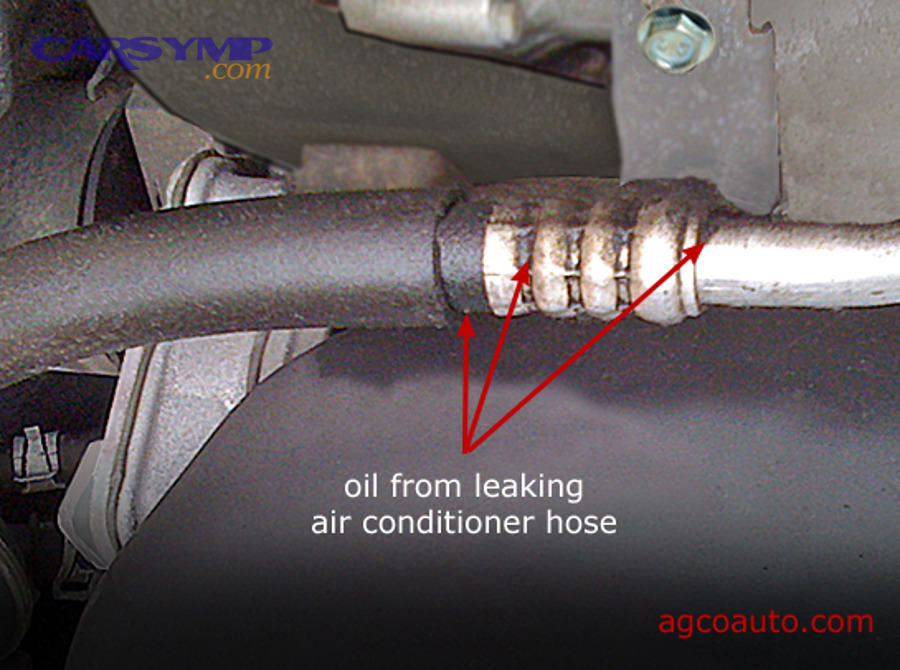
Refrigerant carries oil, so leaks often leave a sticky film that traps dust. Next, the pattern matters: a ring around a fitting suggests an O-ring seep; a sprayed mist on nearby parts suggests a pinhole or compressor seal; and oily grime on the condenser face suggests impact damage or corrosion.
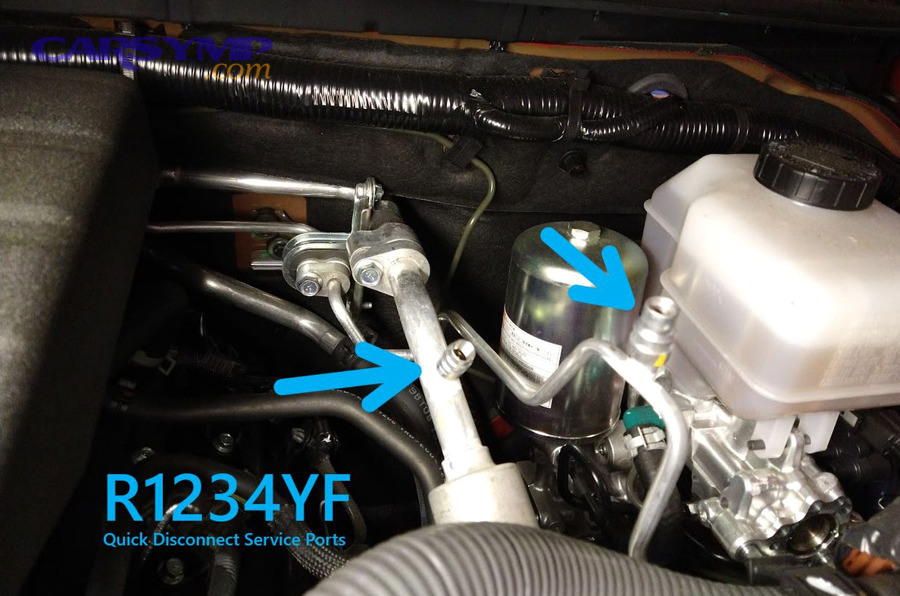
If you see staining near the service ports, treat them as a quick win—valve cores and caps are inexpensive compared to major component replacement.
Timing clues: rapid vs slow refrigerant loss
Rapid loss (hours to a day) often points to a larger opening—damaged condenser tube, failed hose, or a loose fitting. Next, slow loss (weeks to months) often suggests O-ring seepage, micro-pinhole corrosion, or a minor evaporator leak.
This timing clue helps you choose the most efficient leak detection method and repair strategy.
Which AC leak detection method should you use first for your vehicle?
The best first method depends on leak size and access: visual inspection and electronic sniffing for accessible joints, UV dye for intermittent or hard-to-see leaks, and nitrogen/trace gas pressure testing when the system is empty or leaks are elusive. Next, combining methods is normal—especially on vehicles with rear A/C.
To begin, start with the least invasive approach: look for oil traces, check service port caps, and scan fittings with a sniffer. Then, move to dye or pressure testing if the leak doesn’t reveal itself.
UV dye: when it shines (and when it doesn’t)
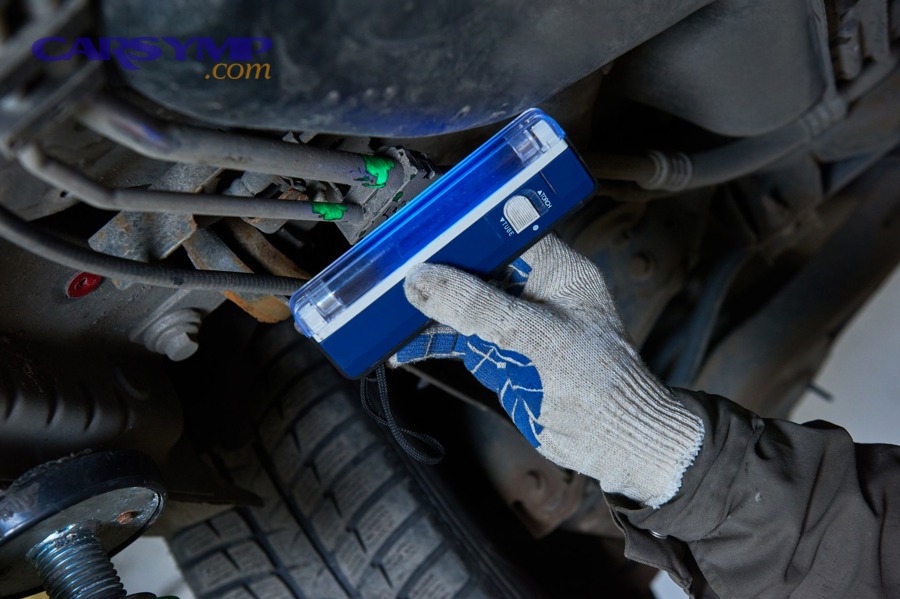
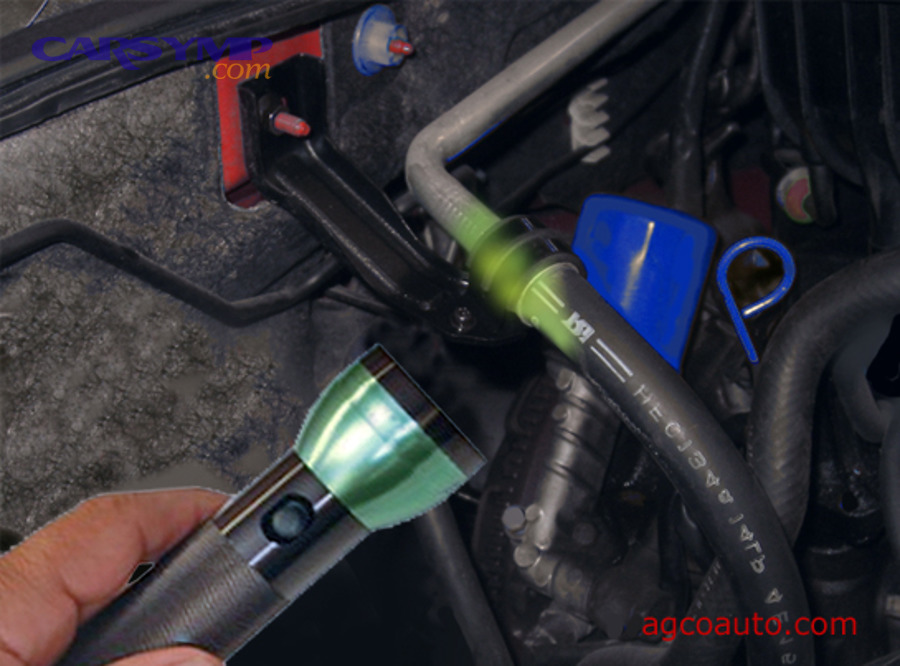
UV dye is powerful for slow leaks because it accumulates and becomes visible under UV light. Next, it’s especially helpful around condensers, compressor manifolds, and underbody joints where oil film may be ambiguous.
However, dye can be messy if overused, and it still requires time for the system to circulate dye to the leak site—so it’s best paired with a structured inspection plan.
Electronic leak detectors: fast confirmation for accessible spots
Electronic detectors can quickly confirm leaks around ports, fittings, and condensers. Next, they’re less reliable in windy outdoor conditions or near contaminated surfaces that confuse readings, so you’ll want to re-check results from multiple angles.
Used correctly, sniffers are a great first-line tool before you pay for deeper disassembly.
Nitrogen/trace gas testing: the “empty system” advantage
If the system is empty, pressure testing can reveal leaks without running the compressor. Next, pressurizing with inert gas lets you listen for hissing, apply soapy solution, or use specialized trace gas detection.
This method is often the most decisive when you suspect multiple leaks or when the leak only appears under higher static pressure.
How much does leak detection cost at a shop, and what affects the price?
Leak detection cost at a shop varies mainly by diagnostic method and access time: quick sniffer checks and dye inspections are typically lower cost, while nitrogen/trace-gas testing and labor-heavy access (like evaporator confirmation) increase the bill. Next, refrigerant type and recovery procedures can also influence total price.
To begin, understand what you’re paying for: diagnostic labor, refrigerant recovery (if needed), and the time to access suspect zones. Then, compare the estimate to the likely repair path for your vehicle type.
Three practical cost drivers you can ask about
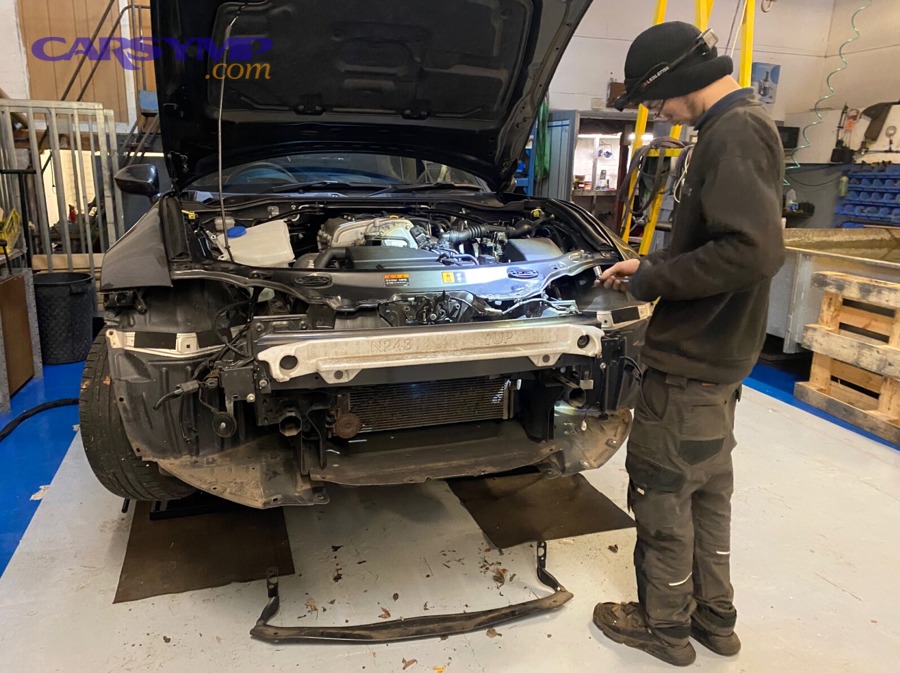
First, ask which detection method they plan to use (sniffer, dye, pressure test). Next, ask whether the system is currently low or empty—because recovery/evac steps change the workflow. Finally, ask what components require disassembly to confirm (front bumper removal vs dash work).
This line of questioning doesn’t just manage cost—it helps ensure the shop is choosing a method that fits your vehicle’s likely leak points.
Why “diagnosis-only” can still save money
Paying for proper AC leak detection often prevents misdiagnosis, like replacing a compressor when a condenser pinhole is the real issue. Next, when a vehicle has multiple small leaks, a thorough diagnosis can prioritize repairs and avoid repeated refrigerant recharges.
Think of diagnosis as buying certainty before you buy parts.
What should you fix first in multiple leaks on the same AC system?
If your A/C has multiple leaks, fix the largest or most accessible leak first, then re-test; prioritize service ports, obvious hose leaks, and fitting O-rings before labor-heavy components like the evaporator. Next, this “fix-then-confirm” sequence prevents chasing ghosts created by a dominant leak masking smaller ones.
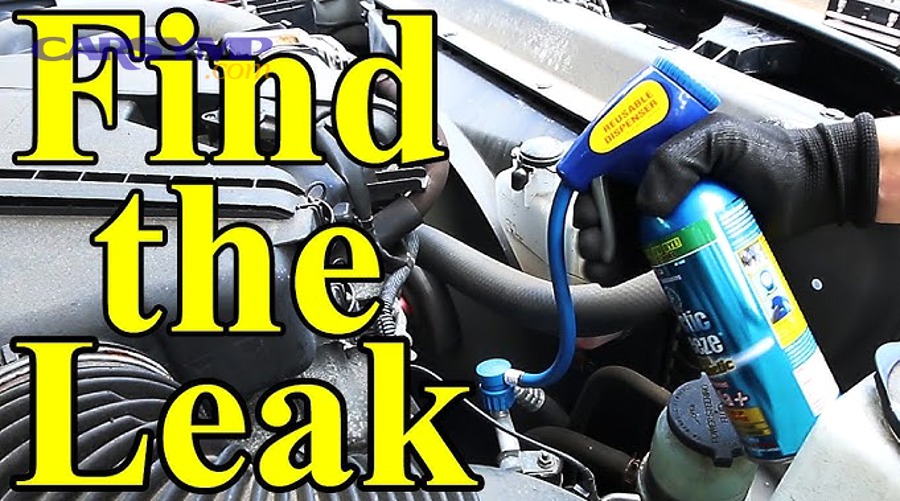
To begin, use a staged plan: repair easy-access leak points, evacuate/charge properly, and re-check pressure and dye patterns. After that, decide whether deeper repairs are truly necessary.
Step-by-step triage that works across vehicle types
Step 1: repair or replace valve cores and install quality port caps if there’s any sign of seepage. Next, address visible hose damage, cracked rubber sections, or oily fittings you can reach without major teardown.
Step 2: evacuate and recharge correctly, then run the system under a consistent load. Next, scan again with a sniffer and inspect for fresh oil film or dye trails.
Step 3: only after the easy leaks are removed, consider high-labor suspects like evaporators or rear unit internal leaks. Next, if you skip this order, you risk paying twice—once for refrigerant, then again for diagnosis.
Why “top-off and see” usually backfires
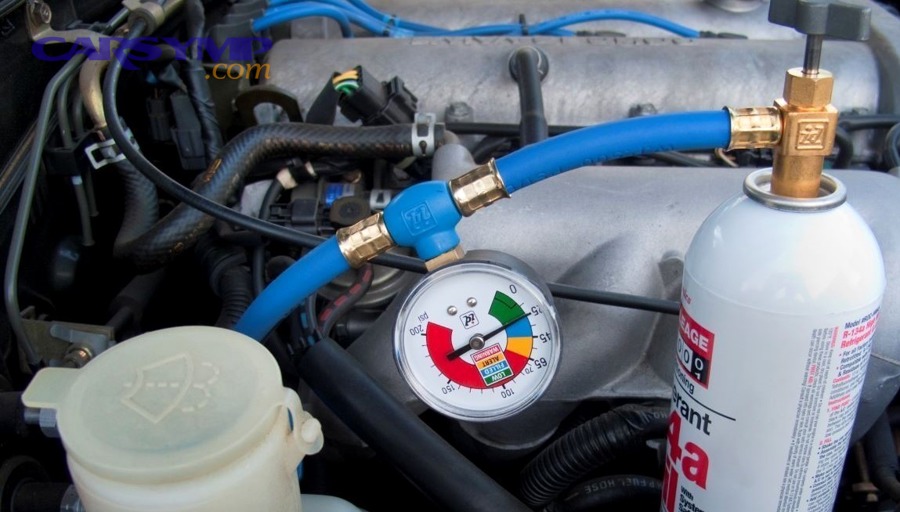
Repeatedly topping off refrigerant can hide the leak pattern, waste money, and in some cases worsen component wear if the system runs low on oil. Next, a low-charge system can produce misleading pressures that point you to the wrong component.
That’s why the best sequence is: find → confirm → repair → evacuate/recharge → verify.
Contextual Border
Up to this point, you’ve mapped common leak points by vehicle type and learned how to confirm them efficiently. Next, we’ll expand into the “rare-but-expensive” pitfalls: stop-leak chemistry, modern refrigerant constraints, and prevention tactics that reduce repeat failures.
What are AC stop-leak risks and warnings you should take seriously?
AC stop-leak products are risky because they can clog metering devices, contaminate recovery equipment, and create new restrictions that mimic compressor or expansion valve failure; they also rarely fix anything beyond very small seal seepage. Next, the risk grows when the system already has multiple leaks or uncertain contamination status.
To begin, treat stop-leak as a last resort, not a diagnosis tool. Then, weigh the short-term convenience against long-term repair complexity—especially on hybrids/EVs or systems using newer refrigerants.
How stop-leak can turn a leak into a restriction problem
Many stop-leak formulas aim to react with moisture or air to form sealing compounds. Next, that same reaction can create deposits where you don’t want them—at the expansion valve/orifice tube, in condenser micro-channels, or in service equipment.
If cooling performance becomes inconsistent after stop-leak use, the system may now have both a leak and a flow restriction, which complicates diagnosis.
Why shops may refuse service after stop-leak
Some shops avoid systems treated with sealants because contamination can damage recovery machines and contaminate refrigerant tanks. Next, even if service is available, it may add extra charges for flushing or specialized handling.
So the “cheap fix” can become the reason the proper fix gets more expensive.
Safer alternatives that keep the system serviceable
If your goal is to avoid repeated recharges, the safer alternative is precise AC leak detection and targeted seal replacement. Next, even small repairs like valve cores, caps, and a few O-rings can meaningfully reduce seasonal loss without compromising service tools.
In practice, a clean, confirmable repair is nearly always more cost-effective than chemical shortcuts.
Prevention: what reduces repeat leaks after a repair
Use correct O-ring materials, proper torque on fittings, and ensure mounting brackets don’t stress aluminum lines. Next, protect condensers with intact grille shutters/screens where applicable and fix loose mounts that amplify vibration.
These steps don’t just prevent leaks—they preserve performance and reduce the chance of misdiagnosis later.
FAQ
Can an AC system leak but still blow cold sometimes?
Yes—small leaks can leave enough refrigerant for intermittent cooling, especially at highway speeds. Next, as charge drops, the system may cycle rapidly, cool briefly, then fade in traffic, which is why confirmation testing beats guessing.
Is the evaporator always the culprit when you can’t see any leaks?
No—hidden leaks can also be underbody lines, condenser micro-pinhole leaks, or compressor seals that only leak under certain loads. Next, evaporator diagnosis should come after you rule out accessible components with dye, sniffing, or pressure tests.
How often do service ports cause slow leaks?
Service ports are common slow-leak sources because valve cores and caps age and can be disturbed by frequent servicing. Next, replacing valve cores and using quality caps is often a low-cost, high-value first step in multiple-leak triage.
What’s the quickest way to confirm a condenser leak?
A quick approach is visual inspection for oily film plus an electronic sniffer scan around the condenser face and line block connections. Next, UV dye is excellent for confirming pinholes that only show faint oil mist.
Should you recharge before finding the leak?
Only if you need enough pressure to detect the leak reliably—and even then, it should be part of a controlled diagnosis, not repeated “top-offs.” Next, a proper evac/recharge after repair is the best way to validate the fix.
Can I use UV dye and a sniffer together?
Yes—using both can speed diagnosis: sniffers confirm active leaks quickly, while dye leaves a visual trail for slow or intermittent seepage. Next, combining methods is especially useful on vehicles with rear A/C or hard-to-access routing.