


If your car’s A/C keeps losing refrigerant and you suspect more than one leak, the smartest move is not “top off and hope” but repair triage: fix the leak that most quickly drains the system and most likely causes repeat failures.
Next, you need a method to separate one major leak from several small ones, because the order of repairs changes depending on whether you’re dealing with a single “gross” leak or multiple seep points.
Finally, you should prioritize repairs that protect the system from contamination and expensive secondary damage, so you don’t turn a seal issue into a compressor or expansion device failure.
To begin, here’s a practical, step-by-step way to decide what to fix first, what to test second, and what to leave for last—so you stop chasing leaks and start finishing the job.
How do you confirm you actually have multiple leaks, not one big leak?
Start by assuming there is one dominant leak until evidence proves otherwise, because a single fast leak can mimic “multiple leaks” by starving every joint of oil and making many spots look suspicious. Next, verify with a simple timeline test.
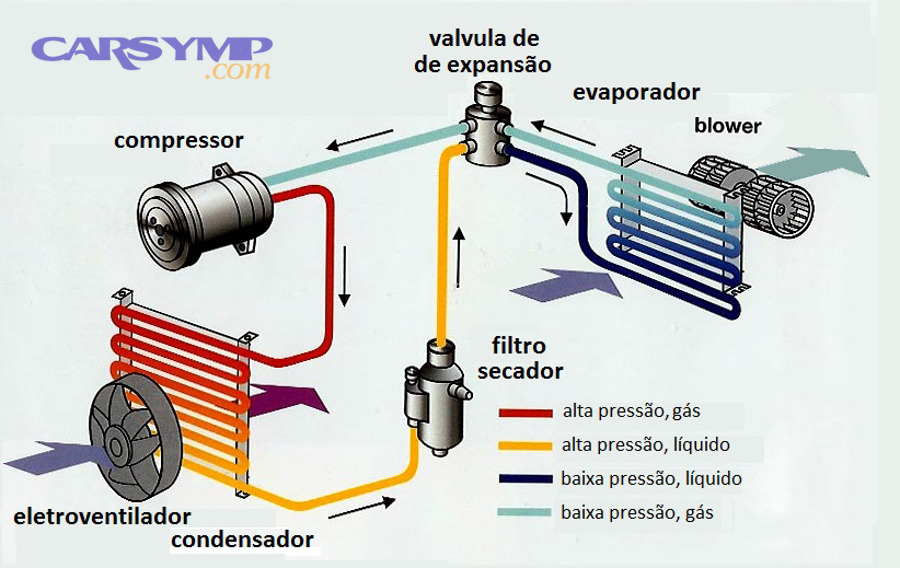
Specifically, recharge only to the minimum needed for the compressor to run (or to a safe diagnostic level), then observe how long cooling lasts. If cold air disappears in minutes or hours, you’re likely dealing with a large external leak (hose, condenser, fitting). If it lasts days to weeks and fades gradually, you’re more likely dealing with small seep leaks (O-rings, service ports, evaporator) or a combination.
After that, inspect for oil staining. Refrigerant carries oil; a meaningful leak usually leaves a visible wet or dusty oil “halo.” Focus on: condenser face and corners, compressor front seal area, crimped hose ends, service port valves, and any joint that was recently disturbed.
To keep your diagnosis honest, use a simple rule: one stain that looks fresh and heavy beats five dry, dusty smudges. That’s your likely dominant leak.
According to a final report prepared for the California Air Resources Board in September 2010, measured mobile A/C leak rates show a wide distribution with a few “gross emitters” disproportionately influencing overall emissions—meaning one major leak can dominate the symptom pattern.
So, before buying a pile of parts, confirm whether you’re chasing one big failure point or genuinely stacked small leaks.
What quick signs point to “one big leak”?
A fast loss of cooling, audible hissing near the front, oily spray on the condenser area, or a system that won’t hold enough charge to engage consistently usually indicates a single major leak. Next, move your attention to components exposed to road debris and vibration.
Look for: bent condenser fins with oily wetness, a rubbed-through hose, a cracked aluminum line bracket area, or a loose/failed service port core. If any of these are present, they almost always deserve first priority.
What quick signs point to “multiple small leaks”?
Gradual cooling loss over weeks, no obvious oil puddles, and multiple fittings showing faint grime can indicate several minor seep points. Next, you’ll need a structured test sequence so you don’t replace parts randomly.
In these cases, you prioritize “cheap + high-probability” seals first (service ports, O-rings at accessible joints), then validate with a hold test before moving to expensive hidden components.
What should you fix first when there are multiple leaks?
Fix the largest, easiest-to-access external leak first, because stopping the fastest loss restores stable pressures and makes remaining small leaks easier to find. Next, you’ll re-test to see what’s truly left.
In practice, the “first fix” usually falls into one of these buckets:
- Condenser damage (road debris, corrosion, battery acid exposure near the front of the vehicle)
- Hose and crimp leaks (rub-through, age cracking, oil wetness at crimp sleeves)
- Service port cores (Schrader-type valves that seep and collect oil/dirt)
- Single joint O-ring leaks (especially after prior A/C work)
The reason this order matters is diagnostic clarity: when the system can’t hold pressure, every later test becomes noisy—pressures don’t stabilize, dye doesn’t circulate, and electronic sniffers become unreliable.
Also, external leaks are often the most cost-effective “certainty repairs.” A visibly wet condenser spot is not a guess; it’s a direct clue.
According to the same California Air Resources Board–sponsored report (work completed as of July 30, 2010), older systems showed higher average annual leak rates than newer ones, and a small number of high-leak cases skewed the averages—supporting the idea that you should hunt and fix the dominant leak before worrying about minor seepage.
Next, once that dominant leak is fixed, you re-check the system’s ability to hold vacuum/pressure and then decide whether smaller leaks still exist.
What if the biggest leak is expensive (like the evaporator)?
If the biggest suspected leak is a costly hidden part, you still shouldn’t start there unless the evidence is strong, because an external leak can coexist and waste your money. Next, you use targeted confirmation steps before committing.
For evaporator suspicion, look for dye at the condensate drain (if dye is used), strong electronic detector hits at vents/evaporator case seams, and a history of slow loss without any front-end oil staining. If those clues stack up, then you can justify “big part first.”
How do you prioritize leaks by risk of system damage and repeat failures?
Prioritize leaks that can introduce debris, moisture, or seal damage first, because contamination turns a leak repair into a system rebuild. Next, address the sealing surfaces the right way—without overtightening or improvised clamps.

Not all leaks are equal. Some are “clean leaks” (a simple O-ring seep) while others are “dirty leaks” (hose degradation, rubbed-through lines, crash-damaged condenser fins) that can shed particles into the system. The more debris that circulates, the higher the risk of clogging the expansion valve/orifice tube and stressing the compressor.
Here’s a practical risk-first ranking:
- Hose deterioration or rub-through (risk: rubber debris, recurring failure)
- Condenser damage (risk: poor heat rejection + future pinholes, especially if fins are bent and airflow is compromised)
- Compressor front seal leaks (risk: oil loss that can lead to compressor damage)
- Accessible O-ring joint leaks (risk: low if corrected correctly)
- Service port core leaks (risk: low-cost, high-value fix)
Then, apply the “correct repair technique” rule: threaded fittings are often not the seal—the O-ring is the seal. Over-tightening can strip soft aluminum threads and make the leak worse, creating a bigger repair than you started with.
To make the next step easier, fix the high-risk leak points first, then re-test so you don’t keep blaming the same symptoms on different parts.
When do you replace O-rings versus the whole line?
Replace O-rings when the metal sealing surfaces are clean and undamaged, and the leak is clearly at a joint. Next, replace the entire line when the hose itself is cracked, oil-soaked at a crimp, or has visible abrasion.
As a rule, “seal parts” (O-rings, port cores) are cheap and should be corrected early, but “structure parts” (hoses, condensers) must be replaced when physically damaged—no shortcut reliably restores them.
What role does oil staining play in prioritization?
Oil staining is your “leak map,” because refrigerant itself is invisible but oil residue persists. Next, treat the wettest stain as your first target, unless a diagnostic test proves otherwise.
If a joint is dry but suspicious, don’t start there—confirm it with a test first. If a component is visibly wet and fresh, it usually deserves first repair priority.
What diagnostic sequence prevents you from chasing leaks in circles?
Use a three-stage sequence: stabilize the system, locate the dominant leak, then validate with a hold test, because jumping straight to “replace everything” wastes time and money. Next, repeat the cycle only if evidence demands it.

Stage 1: Stabilize. Fix obvious external failures (like a wet condenser spot or a torn hose). This gives you a system that can hold enough charge for meaningful testing.
Stage 2: Locate. Use visible inspection first, then dye or an electronic detector. Dye shines in slow leaks because it leaves a persistent trace once it circulates through oil film.
Stage 3: Validate. After repairs, verify with a vacuum hold (or pressure hold with inert gas by a professional). The point is simple: a system that doesn’t hold a stable vacuum/pressure is still leaking, even if cooling feels “okay” for a day.
If you want a simple decision check, this table helps you choose the next test based on what you observe (this table contains leak symptoms, what they usually mean, and the best next diagnostic action).
| What you observe | Most likely meaning | Best next action |
|---|---|---|
| A/C stops cooling within hours | Large external leak | Inspect condenser/hoses/ports for oil; repair obvious failure first |
| Cooling fades over weeks | Slow leak or multiple seep points | Use dye and revisit after driving; check ports and O-rings first |
| Multiple faint dirty joints | Not necessarily multiple leaks | Confirm with dye or electronic detector; don’t replace parts blindly |
| Vacuum/pressure won’t hold after repair | Remaining leak exists | Repeat targeted search; focus on recently disturbed joints first |
According to the CARB-sponsored report (September 2010), the measured leak-rate distribution appears log-normal with most systems at low leak rates and a few high emitters—this supports using a structured approach to isolate dominant leaks first.
Next, once your validation step passes, you can recharge confidently instead of “feeding” the leak with repeated top-offs.
Why not just recharge and see if it works?
Because repeated recharging without fixing leaks hides the true failure point and can lead to overcharging, poor cooling, and expensive damage. Next, remember that modern systems can be sensitive to small charge errors.
One automotive repair reference warns that incorrect charging can destroy the system and that improper blends or additives can create costly disposal problems—meaning “quick cans” can raise your total cost, not lower it.
How long should you wait after dye to re-check?
Wait long enough for the A/C to cycle through normal driving conditions, because dye needs circulation to leave a visible trail. Next, check common leak points first: condenser, hose crimps, service ports, and compressor seal area.
If the leak is very slow, the dye trace may be faint; in that case, focus on the most likely seep points and confirm with an electronic detector if available.
When should you stop DIY and hand it to a shop?
Stop DIY when the leak is hidden, high-risk, or requires specialized recovery equipment, because refrigerant handling and accurate charging are critical for both performance and safety. Next, decide based on access and verification needs—not just cost.
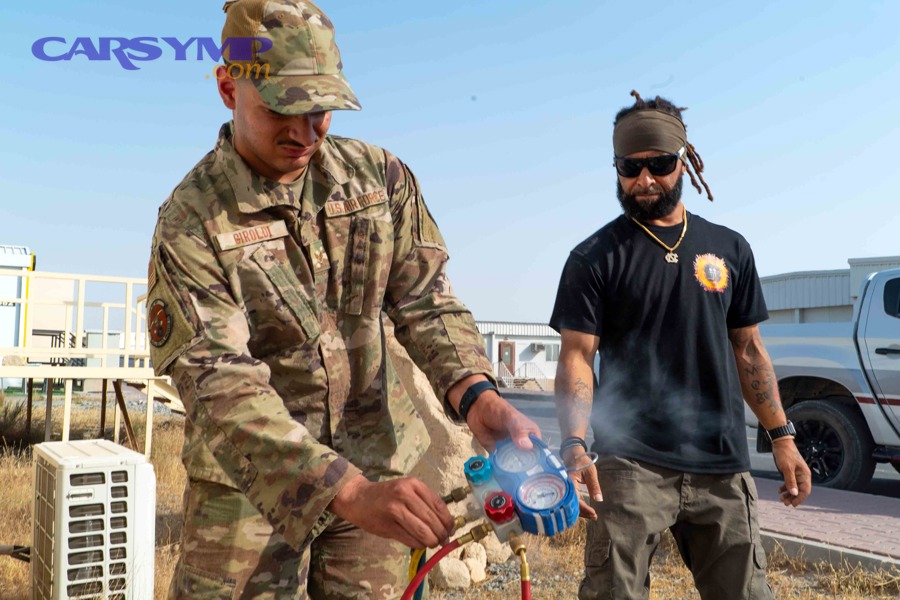
Here are clear “shop time” triggers:
- Evaporator suspicion with strong evidence (detector hits in cabin, dye at drain, no front-end staining)
- Repeated failure after correct external repairs (suggesting a second leak you can’t access)
- Compressor seal or internal debris concerns (metal contamination risk)
- Need for vacuum/pressure validation beyond basic DIY tools
Professionals can recover refrigerant properly, pressure test with inert gas, and weigh the exact charge back in. That “weighing in” is not a luxury—charge accuracy directly affects high/low side pressures, cooling, and compressor load.
According to CARB’s heavy-duty mobile A/C emissions study report, the direct measurement method involved charging a known mass and recovering/measuring it months later; that emphasis on mass-based measurement reflects why accurate quantities matter in leak-related diagnostics.
Next, if you do continue DIY for minor leaks, keep your scope limited to inspection, obvious external repairs, and conservative verification—then let a shop handle recovery and final charge when needed.
How do you verify you fixed the “multiple leaks” problem for good?
Verify with evidence, not feelings: stable cooling plus a successful hold test and clean follow-up inspection, because a system can blow cold briefly even while leaking. Next, re-check the same hotspots you repaired.

Use this closing sequence:
- Visual re-check: confirm repaired areas are dry and clean, with no fresh oil bloom.
- Operational check: A/C cycles normally, vent temps stabilize, no rapid fade-out.
- Follow-up inspection after several drive cycles: look for new oil traces or dye marks.
If you used dye, the best outcome is boring: no new glowing trails, no fresh oil wetness, and stable performance across hot days and stop-and-go traffic.
A repair reference emphasizes that leaks in key heat-exchanger components like condensers and evaporators typically require replacement rather than “sealing,” and that proper evacuation should not be rushed—supporting the idea that verification depends on correct process, not just adding refrigerant.
Next, if any small leak remains, you repeat the prioritization logic: fix the most probable, accessible seep points first, then validate again.
Contextual border: Once you can consistently identify and prioritize leaks, the next step is handling edge cases—slow leaks, mixed evidence, and tempting shortcuts that often backfire.
What advanced details help you decide between a “slow leak” plan and a “major leak” plan?
If your evidence is mixed, the key is choosing the right plan: slow leaks demand patient tracing, while major leaks demand immediate part replacement. Next, you’ll use nuance—without falling for shortcuts.
How do you handle temptation to use sealant-based quick fixes?
Many drivers search for “AC stop-leak risks and warnings” because a can sounds cheaper than a repair, but sealant can complicate professional service and may increase total cost if the system becomes contaminated or shops refuse service.
If you’re triaging multiple leaks, sealants also mask the real priority order: you lose the ability to see which leak is dominant, and you may create new restrictions in the expansion device. The safest “shortcut” is not chemical—it’s fixing the most obvious external leak first, then validating.
How can pressure behavior hint at where the leak is?
People often look up “AC pressure readings for leak clues” because pressures can suggest whether the system is undercharged, restricted, or failing to reject heat. However, pressure numbers alone rarely identify the exact leak location—they only tell you the system condition at that moment.
Use pressures as a sanity check, not a leak locator: unstable readings often mean charge is too low to diagnose reliably, which circles back to the same rule—repair the dominant leak first so the system stabilizes for meaningful testing.
What can you realistically do at home for very slow leaks?
When you search “How to find slow AC leaks at home,” the practical answer is: inspection plus dye tracing over time, with a careful re-check of ports and joints after normal driving.
Keep your expectations realistic: hidden leaks (evaporator) often need professional tools. Your goal at home is to confirm whether the leak is external and accessible—then fix what you can and hand off the rest.
What’s the safest way to choose tools and information sources?
For “AC leak detection,” prioritize methods that produce a visible, confirmable trail (oil residue, dye) rather than guesswork.
If you need a structured checklist and symptom mapping, a reference-style page like carsymp.com can help you organize observations—but your final decisions should still be driven by physical evidence on your vehicle and a validation step after each repair.
FAQ
Should I replace all O-rings if I suspect multiple leaks?
Not automatically; replace O-rings at joints you open and at joints with confirmed leakage, because replacing seals without evidence can create new leaks from improper seating or mismatched sizes. Next, validate after each repair cluster.
If I fix one leak and the A/C still leaks, did I waste money?
No, if you fixed the dominant leak first, you improved stability and made the remaining leak easier to detect. Next, re-test—your second leak may be smaller and only visible once pressures normalize.
Is a service port leak worth fixing first?
Yes, if it’s confirmed, because it’s low-cost and common; it can also mimic “multiple leaks” by slowly bleeding off charge. Next, replace the core properly and re-check for oil residue around the cap and valve.
What is the single biggest mistake in multiple-leak situations?
The biggest mistake is skipping validation—recharging repeatedly without proving the system holds. Next, always do a confirmation step (inspection + hold-style verification) before declaring victory.