Evaporator leaks often feel “mysterious” because the symptoms show up inside the cabin, while many other A/C leaks reveal themselves under the hood. In practice, you can separate an evaporator leak from condenser, hose, or compressor-area leaks by watching where the evidence appears, how fast cooling fades, and what the cabin air starts doing.
Beyond comfort, the bigger goal is accuracy: replacing the wrong part (or repeatedly topping off refrigerant) wastes money and can hide the real failure point until the system is contaminated or the compressor is damaged.
You’ll also learn how to interpret symptom patterns across time—cold in the morning but weak later, oily film in one place but not another, or recurring musty odor only after humid drives—so you’re not relying on guesswork.
To begin, we’ll map the most “telling” evaporator clues, then contrast them with front-end leaks and non-leak failures, so you can choose the safest next step with confidence.
What makes an evaporator leak different from other A/C leaks?
An evaporator leak is an internal refrigerant loss at the cold coil inside the HVAC box; it tends to create in-cabin clues, while many other A/C leaks show under-hood residue or visible damage. Next, we’ll anchor the differences to location-based evidence.
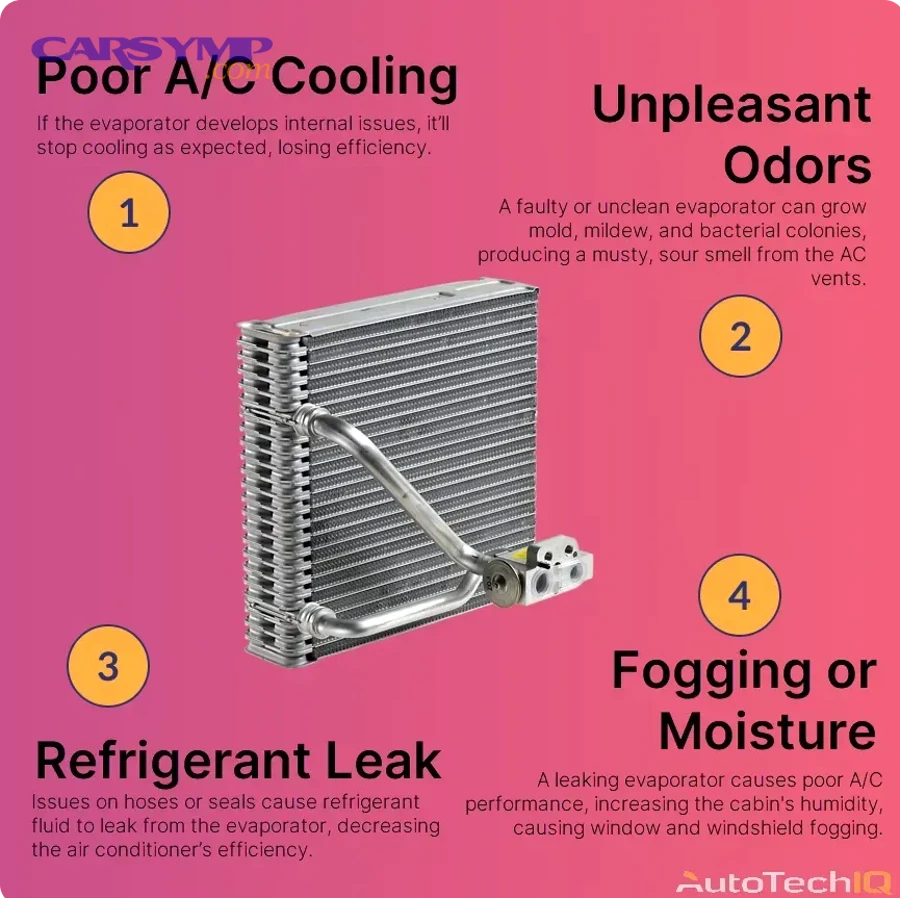
The evaporator sits behind the dash, typically downstream of the expansion device and upstream of the compressor suction line. That “hidden” placement changes the evidence trail in three important ways.
1) The leak evidence appears where you breathe, not where you look first
If the evaporator leaks, the refrigerant oil (and sometimes dye, if used previously) may deposit inside the HVAC case and drain out through the evaporator condensate tube. To connect that clue, you must think like a detective: “Where does water leave the HVAC box?”
Because the system naturally makes condensation, any oily residue at the drain is a stronger evaporator hint than random oil film on a front hose.
2) Cooling may fade slowly and inconsistently
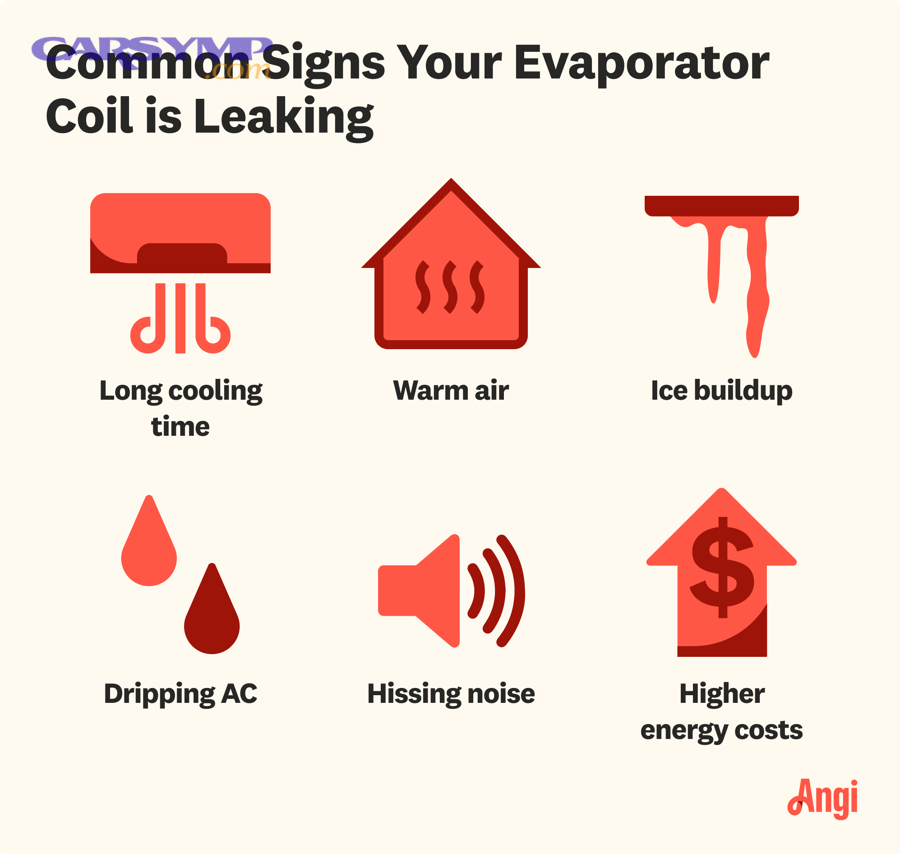
Many evaporator leaks are slow. The system might cool well right after service, then gradually lose performance over days or weeks, often with “good days” and “bad days.” To understand that variability, remember that ambient temperature changes system pressures and can make a small leak behave differently.
In contrast, a rock strike through the condenser can dump charge quickly and you’ll lose cooling suddenly.
3) Cabin odor and window fogging become diagnostic signals
Because the evaporator is wet during operation, any leak-related oil residue inside the case can trap dust and encourage odor problems. To link this properly, treat odor as a “location signal”: smells that come and go with A/C use point you toward the HVAC box, not necessarily a front-end component.
As a safety context, standards exist specifically to measure and manage passenger-compartment refrigerant concentration under leakage conditions, highlighting why in-cabin leakage is treated differently than an external under-hood seep.
Which in-cabin symptoms most strongly suggest an evaporator leak?
The strongest evaporator-leak indicators are cabin-centered: recurring musty odor after A/C use, oily residue at the condensate drain, unexplained fogging/film on interior glass, and cooling that fades without obvious under-hood evidence. Next, we’ll compare each symptom to what “other leaks” look like.

Think of evaporator clues as “inside signals” that follow the air path: blower → coil → vents. When the coil or its joints seep, the evidence rides that path.
Musty or sour odor that tracks A/C moisture patterns
A musty odor that worsens after humid drives, short trips, or parking immediately after running A/C often points to evaporator moisture and contamination. To connect this to leak suspicion, look for a second clue (like oil at the drain) because odor alone can also come from microbial growth without a refrigerant leak.
However, when odor pairs with gradually weakening cooling, the probability of an evaporator-side problem rises.
Oily film at the evaporator condensate drain
Many vehicles have a drain tube under the car or at the firewall. If you see oily residue around that drain outlet—or oil droplets mixed with water—treat it as a high-value clue. Next, you confirm that the residue isn’t engine oil or road grime by checking its location and smell (refrigerant oil is usually light and slick, not burnt).
This is one of the few “external” traces of an internal evaporator leak.
Interior glass film or persistent haze
In some cases, aerosolized oil or residue can create a film on the windshield that’s stubborn to clean and returns quickly. To keep the logic clean, don’t overclaim: this can also come from plastics outgassing or smoking. But when the haze correlates with A/C usage and cooling fade, it becomes more meaningful.
Cold air that becomes less cold over days to weeks
Slow leaks commonly start as “still cool, just not as icy,” then shift to longer cooldown times and weaker vent temperatures. To verify directionally, compare vent temperature on similar days, at similar fan speeds, with recirculation on.
To make this comparison faster, the table below summarizes cabin symptoms and what they usually point to.
| Symptom pattern | Most likely leak area | Why it points there |
|---|---|---|
| Oily residue at A/C drain + cooling fades slowly | Evaporator core / HVAC box | Evaporator is wet; oil can exit with condensate |
| Sudden loss of cooling after road debris event | Condenser | Front-mounted coil is exposed to strikes |
| Oil/dirt buildup on one hose fitting or service port | O-ring / fitting / Schrader valve | Small seep attracts dust at the exact joint |
| Cooling weak at idle, improves driving | Not always a leak (airflow/fan issue) | Condenser airflow changes pressures without charge loss |
How do condenser and front-end leaks usually look compared to evaporator leaks?
Condenser and front-end leaks usually leave visible under-hood evidence: oily spots on the condenser face, damaged fins, wetness at hose crimps, or residue around service ports—while evaporator leaks often hide until you inspect drain output and cabin behavior. Next, we’ll walk through the most common front-end leak signatures.
Front-end leak diagnosis is often more visual because the condenser and many lines are accessible. That accessibility changes the “best first move.”
Condenser leaks: impact, corrosion, or seam failure
Condenser leaks often follow rock strikes, corrosion, or fatigue at joints. To connect symptom-to-location, look for oily grime on the condenser (front of radiator stack) and for flattened fins or wet tracks that “draw” dust.
If cooling dies quickly (hours to a day) and the condenser face looks damaged, the condenser rises to the top of the suspect list.
Hose and fitting leaks: dust magnet at the exact joint
Hose crimps and O-ring joints can seep slowly, creating a narrow band of oily residue exactly where the metal meets rubber. To keep this clean, wipe the joint, then re-check after a few days of A/C use; a returning oily halo is meaningful.
Service port leaks: small but common
Schrader valves can leak. The evidence is usually local: cap area oily, dust clinging around the port. Next, remember that missing port caps matter; the cap is a secondary seal on many designs.
As you move from “visible evidence” to “pattern evidence,” you’re already doing the core of accurate diagnosis—distinguishing where the system tells its story.
What pressure and temperature behaviors can hint at a slow evaporator leak?
Pressure and temperature patterns can suggest a low charge from a slow leak: higher-than-normal superheat, weaker vent cooling, and pressures that look “both low and unstable” under load—yet you must avoid over-interpreting because airflow and compressor control can mimic leak patterns. Next, we’ll focus on safe, practical interpretation.
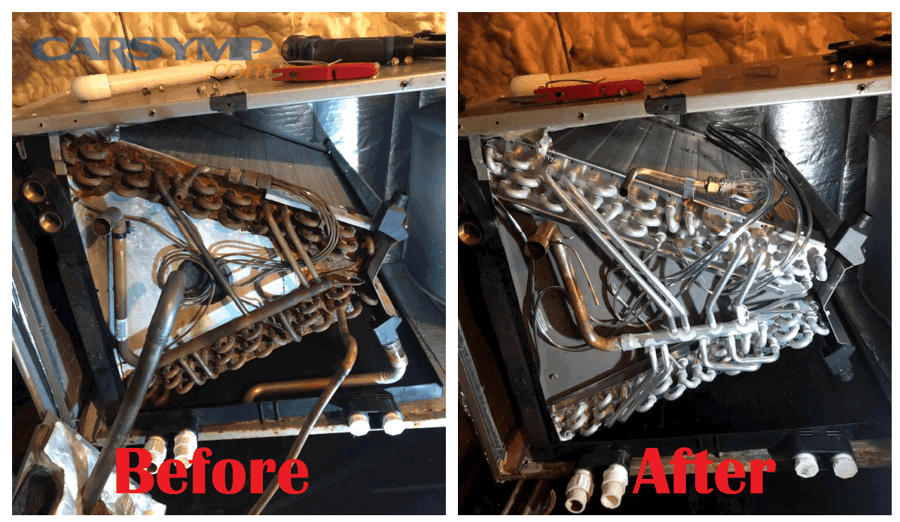
Most drivers don’t own gauges, and many modern vehicles use variable-displacement compressors that confuse old “rule-of-thumb” charts. Still, you can learn what behaviors are consistent with low charge—without pretending it’s a definitive test.
Low charge tends to reduce cooling capacity first, then stability
With less refrigerant mass, the evaporator can become partially starved. To connect this to symptoms, watch for vent temperature that starts reasonably cool, then warms as you drive longer or face hotter ambient conditions.
If the system cycles more often or cannot hold stable vent temps under steady driving, low charge becomes more plausible.
Cabin feels “cool-ish” at speed but struggles in heat soak
After parking in sun, a marginally charged system may take much longer to pull down cabin temperature. Next, compare this to airflow problems: airflow issues often cause weak cooling at idle but improved cooling while driving, even without any charge loss.
Why you should treat gauges as “clues,” not verdicts
Gauges can help, but misreading them is common—especially with modern control strategies. If you’re researching AC pressure readings for leak clues, use that knowledge to ask better questions at a shop rather than to self-diagnose with certainty. To keep yourself safe and accurate, avoid opening the system or venting refrigerant.
For a safety anchor, ASHRAE publishes refrigerant safety classifications and concentration limits that highlight why proper handling and controlled testing matter; for example, R-134a appears with an occupational exposure limit and a listed refrigerant concentration limit in Standard 34 materials.
Can evaporator leaks be confused with non-leak A/C problems?
Yes—evaporator leaks are commonly confused with airflow, blend-door, sensor, or fan issues because all can produce warm vents, bad odors, or intermittent cooling. Next, we’ll separate “leak-like” symptoms from failures that don’t involve refrigerant loss.
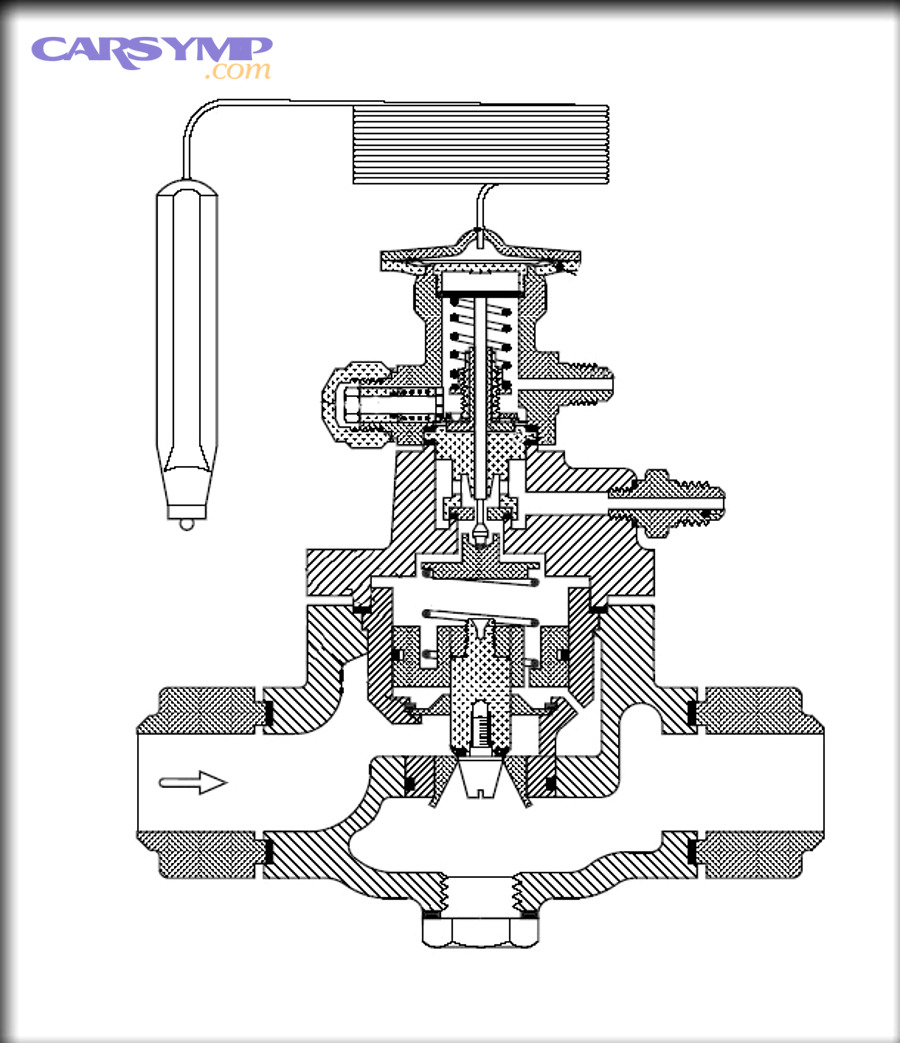
The fastest way to avoid misdiagnosis is to ask: “Do symptoms match refrigerant loss, or do they match heat-exchange/control problems?”
Airflow problems mimic low charge—especially at idle
A weak radiator fan, blocked condenser fins, or debris between condenser and radiator can raise high-side pressure and reduce cooling. To link this correctly, look for a pattern: cooling improves at highway speed, worsens at idle, and the engine temperature or fan behavior seems abnormal.
Blend door and actuator issues create temperature inconsistency
If the vent temperature swings from cold to hot without relation to engine load or ambient temperature, suspect a blend-door or actuator. Next, consider whether the passenger side is colder than driver side (dual-zone problems) which can be actuator-related or can be low charge in some designs—so you still need confirmation.
Expansion device or restriction issues can look like “it’s leaking”
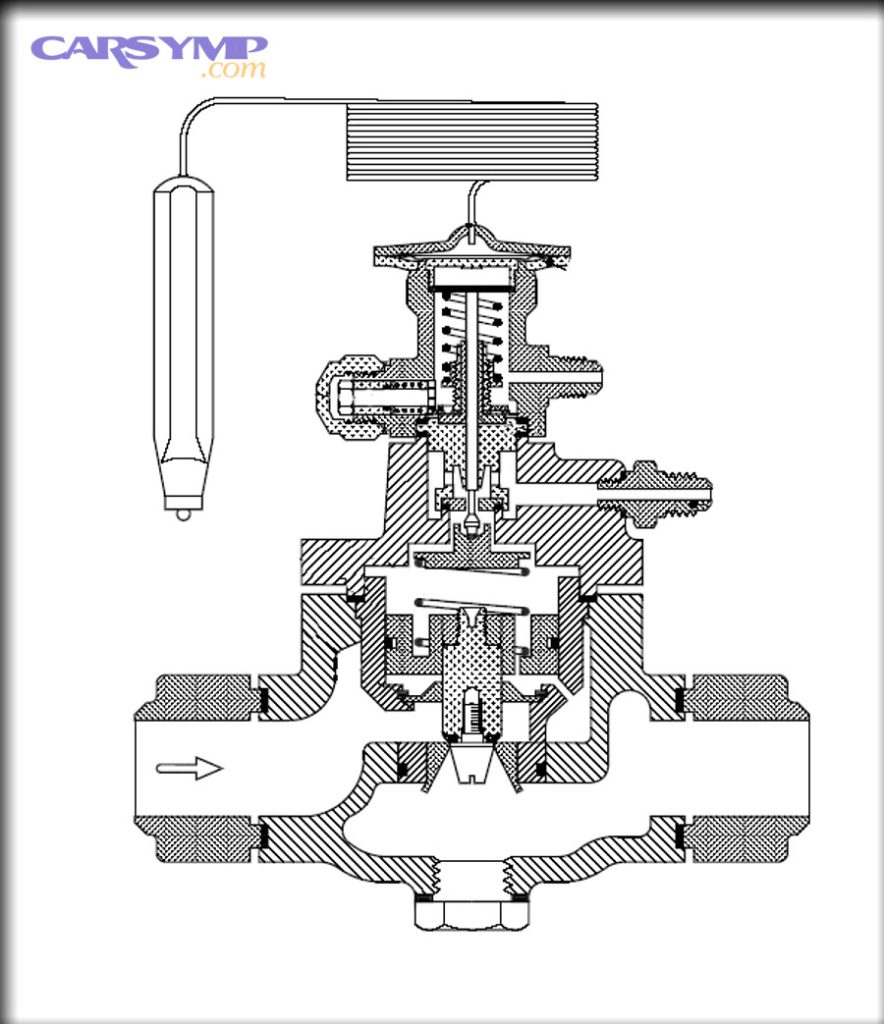
A sticking expansion valve or restriction can cause odd pressures and poor cooling. To keep your logic tight, treat restriction symptoms as “control/flow clues,” not “charge loss clues.” A professional diagnosis often measures superheat/subcooling or uses thermal imaging.
In practice, the cleanest distinction is evidence: leaks leave a trail (oil/dye, repeatable charge loss), while control problems usually don’t.
What safe, quick checks can you do before committing to major repairs?
You can do several safe checks—visual inspection of accessible joints, condensate drain observation, cabin filter review, and vent-temperature pattern tracking—without opening the system. Next, we’ll turn these checks into a simple decision pathway.
These checks won’t replace professional tools, but they can reduce wrong guesses and help you describe symptoms clearly.
Check the A/C drain area for oily residue
Look under the car after running A/C for 10–15 minutes. Water dripping is normal; oily sheen or residue around the drain outlet is not. Next, if you find residue, photograph it and note when it appears (after long A/C use vs short).
Inspect visible lines, service ports, and condenser face
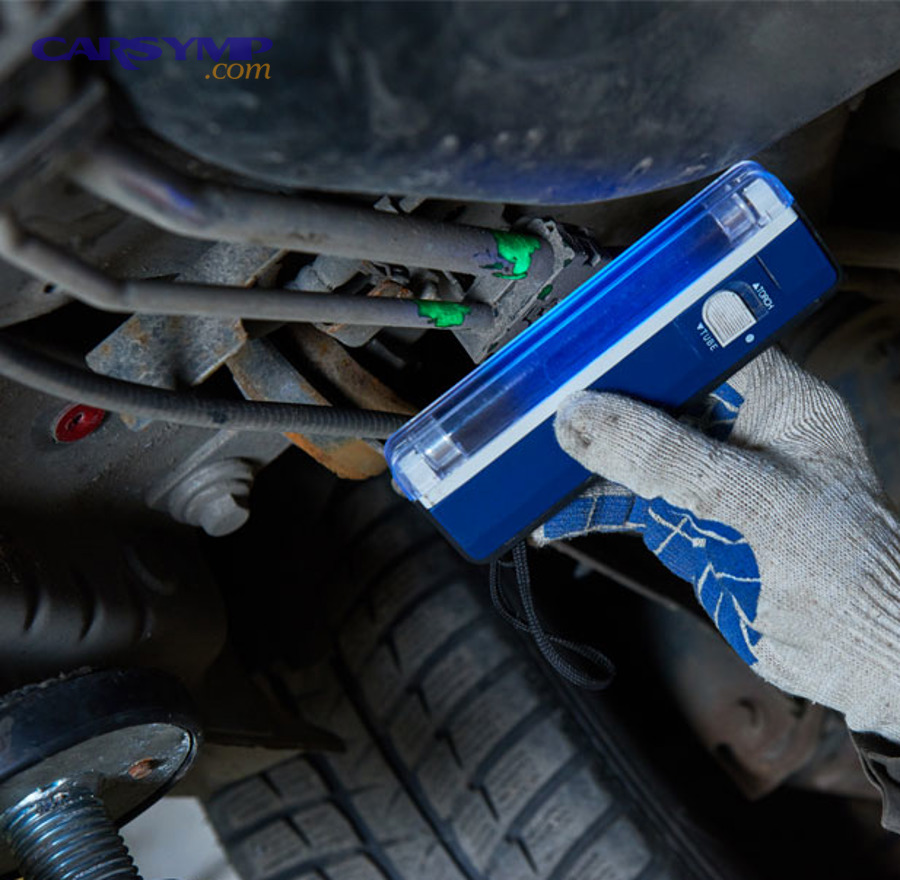
Use a flashlight. Look for wet grime at hose crimps, fittings, and service ports. To connect this to your suspect list, focus on “localized dirt sticking to oil,” not general engine bay dust.
Replace or inspect the cabin air filter
A clogged cabin filter can reduce airflow and make cooling feel weak. Next, if odor is the primary complaint, the filter and evaporator cleanliness matter even if the system isn’t leaking.
Track patterns instead of single moments
Write down: ambient temperature, whether the car was heat-soaked, fan speed, recirculation setting, and vent temperature feel. If you’re searching for How to find slow AC leaks at home, this pattern tracking is the “home method” that most improves accuracy—because slow leaks reveal themselves across time, not in one snapshot.
When you’re ready to escalate, the next step is not guessing—it’s structured AC leak detection using methods that fit the vehicle and refrigerant type.
FAQ: Quick answers on evaporator leak symptoms vs other leaks
These quick answers summarize the most common confusion points so you can act without overthinking. Next, we’ll shift to what professionals do when symptoms aren’t conclusive.
Is a bad smell always an evaporator leak?
No. Odor often comes from moisture and microbial growth on the evaporator even without a leak. However, odor plus slow cooling fade plus oily drain residue is a stronger evaporator-leak pattern.
If I top off refrigerant and it works, does that prove a leak?
Not automatically, but it strongly suggests either a leak or an improper charge. If performance improves temporarily and then degrades again, you likely have a loss path that needs pinpointing rather than repeated refills.
Can I drive safely with a suspected evaporator leak?
Sometimes, but “safe” depends on leak rate and system behavior. If cooling is weak but stable, you can often drive; if you hear compressor noise, see rapid cycling, or smell strong chemical odor, stop and seek diagnosis.
Where should I start if I’m overwhelmed?
Start with evidence: drain residue, under-hood oily joints, and pattern tracking. If you publish or organize notes for a site like Car Symptoms, record the timeline—because timelines solve slow-leak mysteries better than any single symptom snapshot.
Now we’ll cross the contextual border into professional pinpointing—tools, workflow, and realistic pricing—so you can decide whether the next step is a test, a repair, or a replacement.
What a professional leak pinpointing workflow looks like, and what it costs
A professional workflow typically combines recovery/evacuation, controlled testing, and targeted detection methods (electronic sensing, dye, nitrogen, or vacuum decay), and the price usually starts with a diagnostic fee before any parts are replaced. Next, we’ll connect the tools to the exact questions you should ask.
Step-by-step workflow: from symptom to confirmed leak point
Most reputable shops begin by confirming the complaint and checking basics (fans, belt drive, visible fittings). Next, they verify whether charge is low by measuring pressures and temperatures, then choose a detection strategy based on leak rate and access.
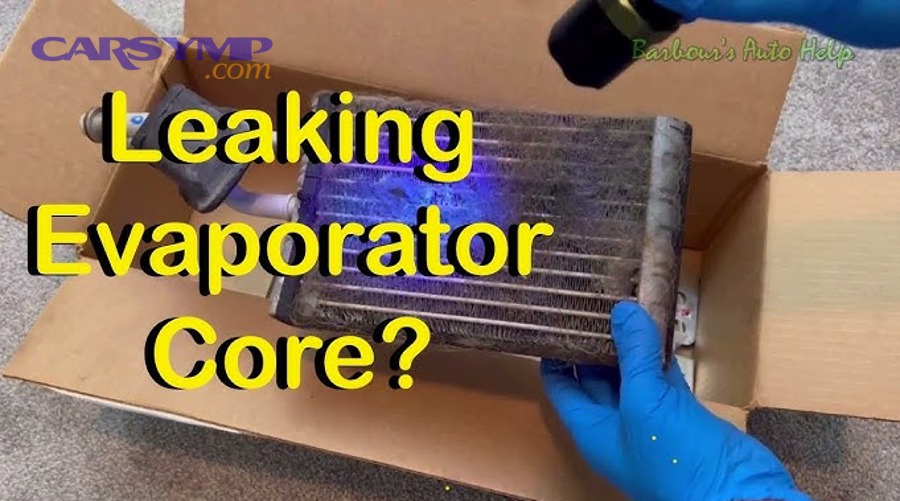
If the leak is suspected inside the dash, they may inspect the evaporator drain, use an electronic detector at vents/drain area, or add dye and run the system to see where it appears later.
Which detection methods match which leak types?
Electronic sniffers can help with accessible leaks and may help around drain/vents, while dye is useful for leaks that reveal themselves over time. Next, pressure testing with dry nitrogen (where appropriate and legal) can reveal gross leaks without running the compressor.
If you specifically care about Leak detection cost at a shop, know that pricing varies because time varies: a quick visible fitting leak takes minutes, while an evaporator suspicion can take staged testing across days.
Typical diagnostic price ranges
RepairPal publishes cost estimates showing a common diagnostic range for A/C inspection/diagnosis services, which can serve as a baseline expectation in many markets.
Similarly, Kelley Blue Book publishes a “Fair Repair Range” style overview for A/C diagnosis and repair categories, which helps you sanity-check a quote before authorizing major work.
The point is not the exact dollar figure—it’s the structure: diagnosis first, then repair, then recharge with the correct refrigerant mass.
Why proper handling and documentation matter
Shops that follow best practices recover refrigerant, evacuate, and recharge by weight rather than “topping off.” Next, this matters because incorrect charge can mimic leak symptoms and can reduce compressor life.
As a safety context, ASHRAE documents refrigerant safety classification data and concentration limits, reinforcing why controlled procedures are used instead of venting or uncontrolled testing.
For additional exposure framing, Chemours technical information documents an acceptable exposure limit for R-134a in workplace contexts, which is one reason proper ventilation and safe handling are standard in professional environments.
Finally, safety data sheets describe high-concentration scenarios and emphasize oxygen displacement and related hazards at elevated levels, reminding you why “DIY opening the system” is not a safe shortcut.
The takeaway: when you can’t see the leak, don’t guess—pay for proof. With a confirmed leak point, you can decide whether an evaporator repair (often labor-heavy) is justified, or whether another accessible component is the real culprit.