


If your A/C isn’t cooling, a shop’s leak check is usually a paid diagnostic service—most often a flat fee that covers time, tools, and a documented plan for what to fix next.
Beyond the price itself, what you’re really buying is certainty: whether the system is simply low, actively leaking, or failing in a way that makes “just adding refrigerant” a short-lived (and sometimes wasteful) reset.
You’ll also want to know what that fee includes—visual inspection, pressure checks, electronic sensing, dye, or pressure-testing—because different methods change both the time on the car and the final bill.
Giới thiệu ý mới: Below is how shops typically price leak finding, what makes costs swing, and how to read an estimate so you pay once for answers—not repeatedly for guesswork.
How much does leak detection at a shop usually cost?
Most shops charge a diagnostic fee in the low hundreds (or less) to locate likely leak points and produce a repair estimate, and that fee is often separate from any recharge or parts replacement.
To start, think of leak finding as paid labor time plus specialized equipment, because the shop is performing tests to confirm the fault rather than installing a part. 
Typical price bands you’ll see on the counter
Most drivers encounter three common pricing bands: a basic inspection fee, a deeper diagnostic fee, and a “diagnose + recharge” bundle. Specifically, a basic inspection is often priced to cover 30–60 minutes of testing, while deeper diagnostics can run longer when the leak is intermittent or hidden.
Next, what matters is whether the shop is quoting “diagnosis only” or “diagnosis that becomes a credit” if you approve the repair on the same visit.
According to a RepairPal estimate range published in October 2025, an air conditioning system leak inspection/diagnosis averages between $122 and $179 (before taxes/fees and location adjustments).
According to Kelley Blue Book’s Fair Repair Range guidance for diagnosing A/C problems, diagnosis is commonly a paid first step and A/C-related services can span widely depending on what’s found.
What the shop fee usually includes (and what it often doesn’t)
In many cases, the fee covers an initial check of pressures, a visual inspection for oily residue at fittings/components, and a methodical scan for likely leak areas. That’s the “finding work.”
However, it often does not include the cost of refrigerant, major disassembly (like dash removal for an evaporator), or parts replacement; those are typically quoted after the leak path is identified. 
To make the price meaningful, ask what the shop will hand you at the end: a written estimate, identified suspect component(s), and the test results that led there.
Why “just recharge it” is a different line item
A recharge is a service that restores refrigerant to a specified amount (often by weight), but it does not automatically prove where refrigerant went. If the system is leaking, the cold air may return briefly and then fade again, which can trigger repeat visits.
So the key distinction is this: leak finding buys diagnosis, while a recharge buys refrigerant handling and system charging—and many shops keep them as separate charges unless bundled. 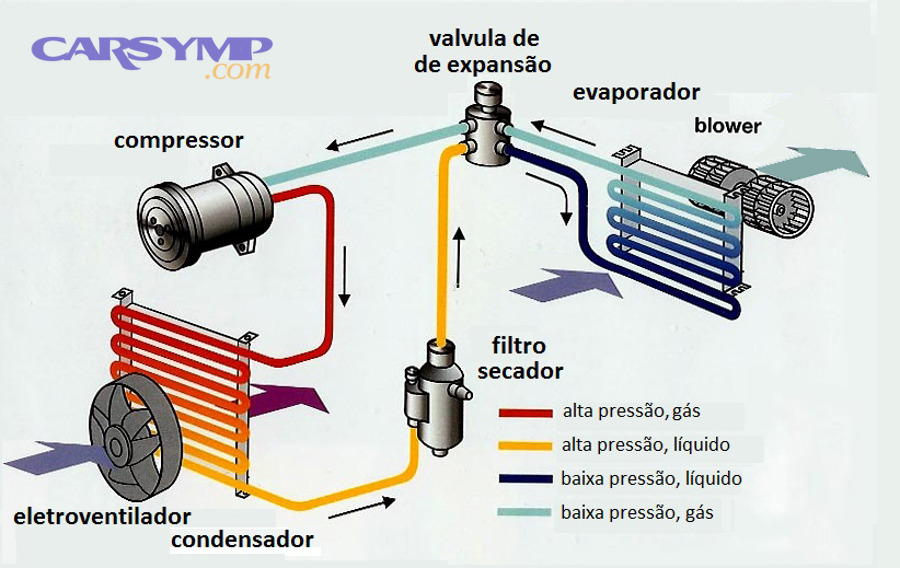
According to a Kelley Blue Book A/C cost overview, professional A/C services can vary substantially by what the diagnosis reveals, which is why diagnosis is commonly treated as a separate first step.
What makes leak-detection cost go up or down?
Leak detection costs rise when access is difficult, symptoms are intermittent, or the shop must use multiple confirmation methods to isolate the leak before recommending repairs.
Next, you can predict the final bill by looking at four drivers: labor time, access, refrigerant type, and the confirmation standard the shop follows. 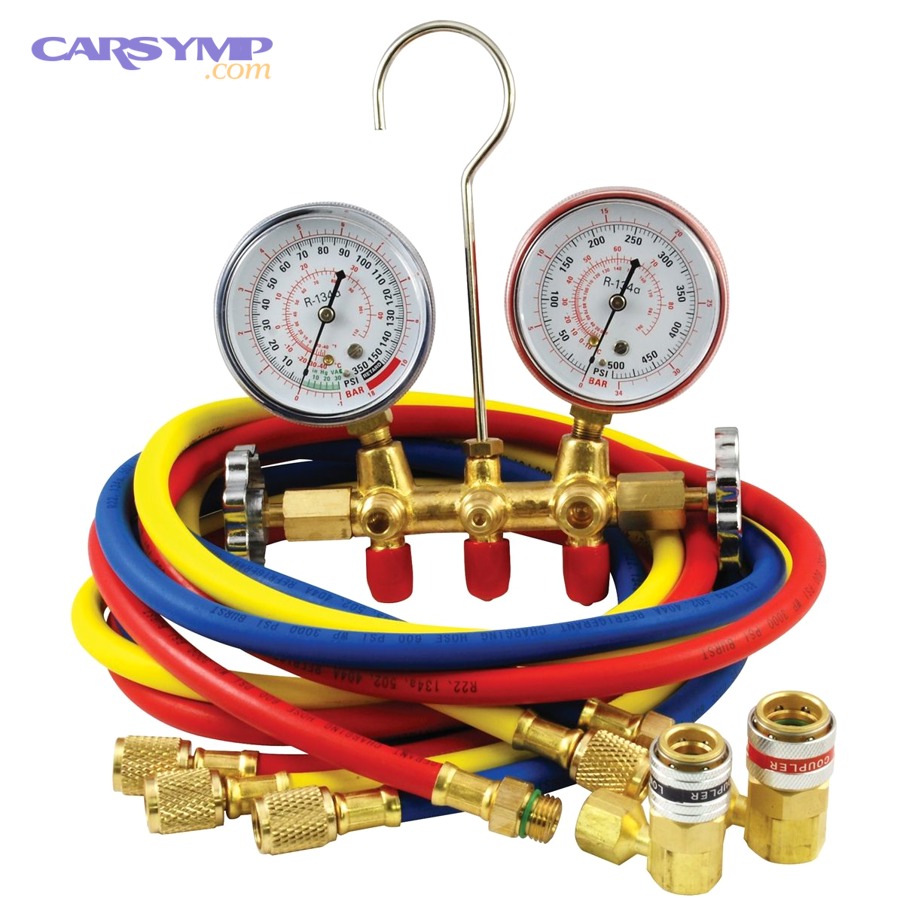
Labor time is the big lever: “easy to see” vs “hard to reproduce” leaks
If there’s visible oil staining at a condenser seam, hose crimp, or service port, a shop may confirm quickly. In contrast, slow leaks that only show under certain temperatures, RPM, or vibration can take longer because the technician has to recreate conditions.
To connect the dots, a fair estimate often reflects how long the shop expects to spend scanning, confirming, and documenting—not the size of the leak alone.
Access: where the suspected leak lives changes everything
Leaks near the front of the car (condenser area, lines, service ports) are often faster to inspect. Hidden leaks—especially inside the HVAC case—can require indirect tests (like sniffing at the drain) or additional labor if disassembly becomes necessary.
Next, the shop will often quote the “find” separately from the “get to it,” because access labor is essentially repair labor, not diagnosis.
Refrigerant type and equipment requirements can affect the quote
Some modern vehicles use refrigerants that require specific service equipment and handling, which can raise baseline service costs even before parts enter the picture.
So even if the testing procedure is similar, the shop’s overhead and compliance steps can influence the minimum fee you see on the estimate.
Location and shop type: independent vs dealership vs specialty A/C
Dealership labor rates are often higher than independent shops, while specialty A/C shops may charge a bit more for diagnosis but reach answers faster because they run these tests all day.
Next, the “best value” is usually the shop that provides a clear test plan and applies the diagnostic fee toward the fix—if you choose to proceed.
What tests do shops use to find A/C leaks—and what are you paying for?
Most shops use a layered approach: they start with quick checks, then add more sensitive tools only if needed, because that’s the fastest path to a reliable answer.
To begin, the method matters because each test has a different cost profile: some are fast and broad, others are slow but definitive.
Stage 1: Visual inspection and “tell-tale” residue checks
Technicians often start by looking for oily grime at hose crimps, condenser seams, compressor areas, and service ports, because refrigerant oil can mark leak paths even when refrigerant has already escaped.
Next, they’ll check common failure points and compare the vehicle’s symptoms to what they see, reducing unnecessary tool time.
Stage 2: Gauge readings and performance checks as early clues
Pressure readings alone don’t “prove” a leak location, but they can suggest whether the system is undercharged, restricted, or not compressing properly—information that determines the next test.
To make this useful, the technician must interpret readings in context (ambient temperature, condenser airflow, engine speed), because numbers without context can mislead.
According to guidance on automotive A/C troubleshooting, pressure readings vary with conditions and can help indicate undercharge or other faults when interpreted properly.
Stage 3: Electronic detectors (“sniffers”) for pinpointing refrigerant in the air
Electronic detection is often used to sweep fittings and components for refrigerant traces, especially when leaks don’t leave visible residue. It’s also a common approach for suspected evaporator leaks because the probe can sample air at vents or drains.
Next, the shop may combine the electronic sweep with a confirmatory method (like bubbles/soap solution on accessible points) to reduce false positives from shop chemicals or airflow patterns. 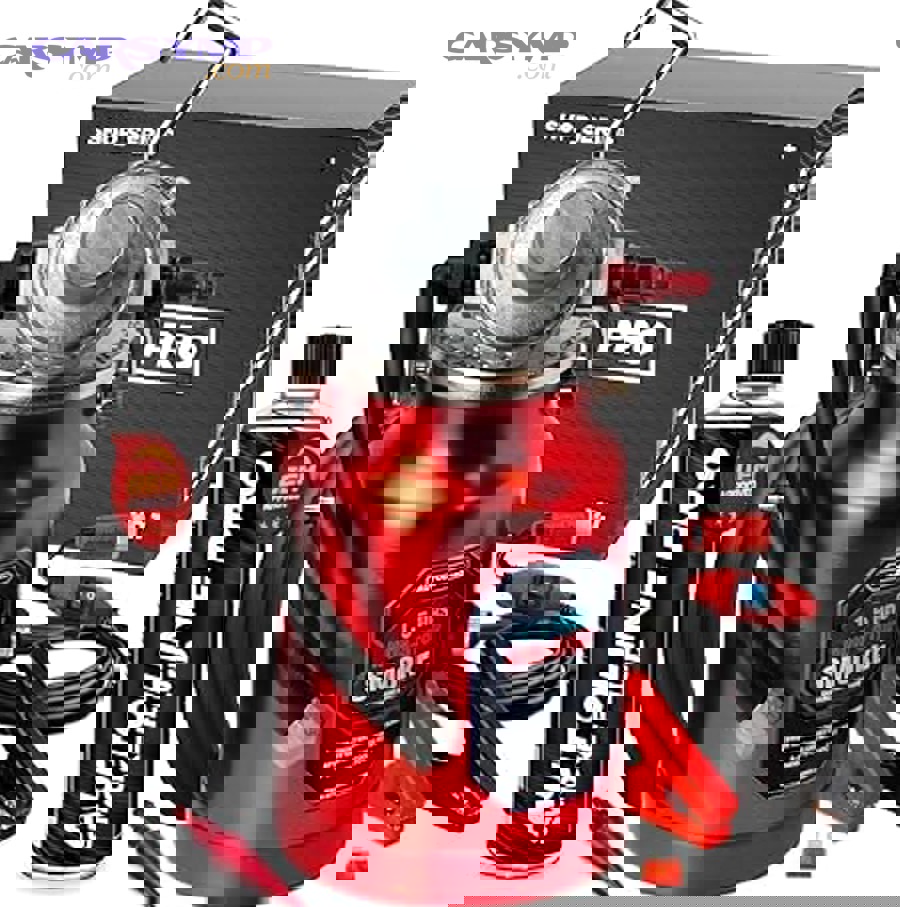
According to product documentation for the TIF XP-1A, it is specified as meeting SAE J1627 and lists sensitivity as low as 0.10 oz/yr (3 g/yr) for halogen refrigerants.
Stage 4: UV dye + black light for slow, visible leak trails
UV dye can be effective when a leak is slow and the vehicle will be driven for a while, allowing dye to circulate and leave a visible trace at the leak point. This can be especially helpful for leaks that only appear under real driving vibration.
However, dye needs time and can be hard to see in hidden areas; that’s why many shops treat it as a tool for “return visit confirmation” rather than the only diagnostic step. 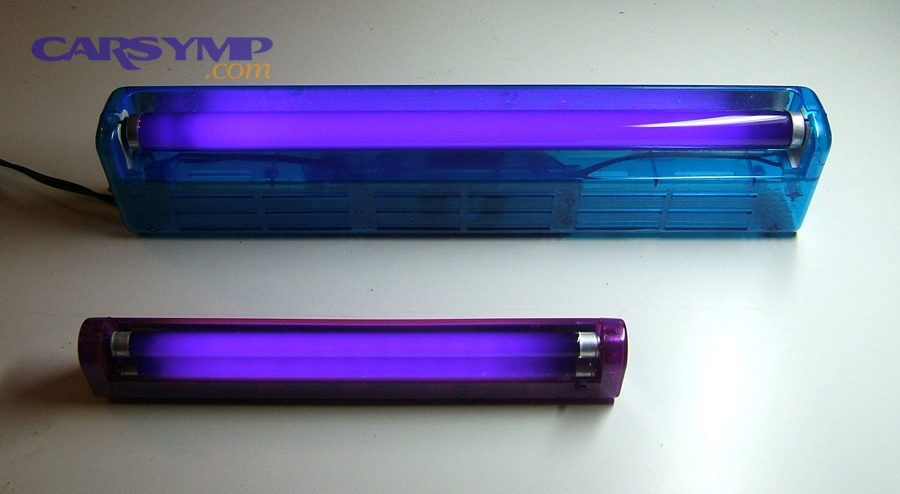
According to a TechShop Magazine technical article (published April 1, 2005), a typical single dye dose is about 1/4 oz (7.5 ml), dye may take hours or days to reveal a leak, and adding too much dye can create risks like restriction concerns.
Stage 5: Pressure testing with dry nitrogen to expose leaks you can’t find otherwise
When standard scans don’t reveal the leak, some shops recover remaining refrigerant and pressure-test with dry nitrogen so leaks show up under stable pressure. This can make tiny leaks easier to locate with soap solution, especially on fittings and accessible components.
Next, pressure testing typically costs more because it involves extra setup time, additional equipment, and a stricter confirmation step before recommending expensive parts. 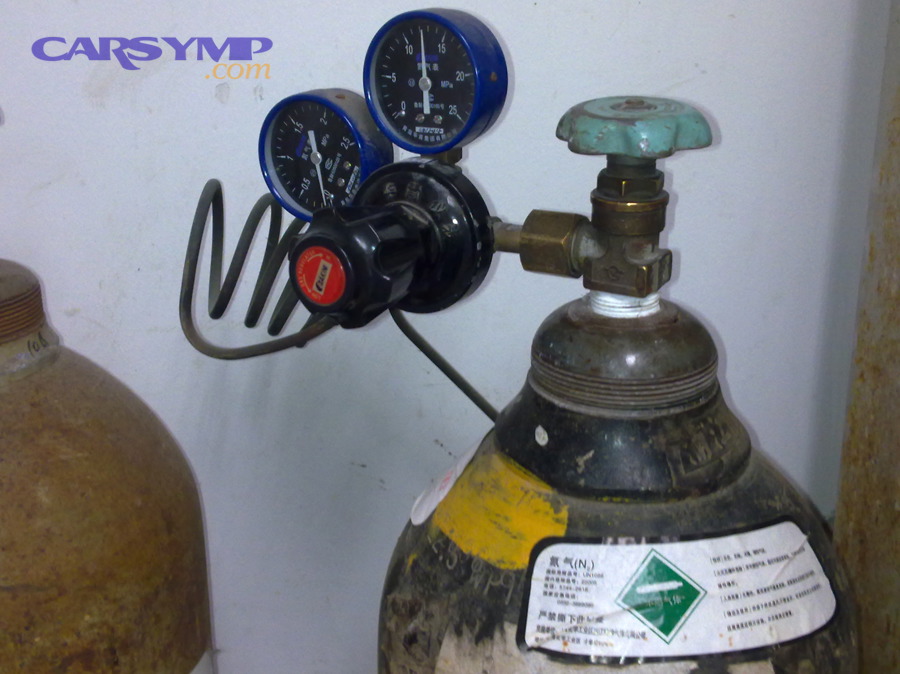
According to the U.S. EPA Section 609 MVAC Manual (January 2019 upload), SAE standards are referenced for service practices, and UV dye procedures/requirements are tied to SAE J2297/J2299, reflecting the need for compatible, standardized leak detection approaches.
How can you read a leak-detection estimate and avoid paying twice?
You avoid duplicate charges by separating “diagnosis,” “confirmation,” and “repair,” then making sure the diagnostic fee either produces a written finding or is credited toward the fix.
Next, treat the estimate like a map: it should show what tests were done, what was observed, and what the shop recommends as the next logical step. 
Ask for the “deliverables” of diagnosis
A solid diagnostic outcome includes: the suspected leak location(s), the evidence (oil residue, detector alarm pattern, dye trace, pressure decay), and a recommended repair path. Without those, you may be paying for time without getting decision-grade information.
To connect the process, ask the service writer to note on the invoice what method was used and what was found—this makes follow-up discussions clearer.
Confirm whether the diagnostic fee is credited toward repair labor
Many shops will apply the diagnostic fee toward repair labor if you approve the repair within a certain time window. This turns “fee + repair” into a single spending decision instead of two separate hits.
Next, if a shop won’t credit the fee, make sure the diagnosis is thorough enough to justify the standalone charge.
Watch for bundled language that hides what you’re buying
Phrases like “A/C service” can mean different things: sometimes it’s a full performance test, sometimes it’s a basic inspection, and sometimes it’s simply evac-and-recharge with minimal leak searching.
So before agreeing, ask whether the service includes any actual leak isolation steps—and if yes, which ones.
When is a leak search not worth it—and what’s the smarter move?
A leak search may not be worth it when the leak is already obvious, the system is empty due to a major rupture, or the repair decision is clear enough that diagnosis won’t change the outcome.
Next, the goal is to spend diagnostic money only when it changes your decision—otherwise, put that money into the repair you already know you need.
If the component is visibly damaged, confirmation can be minimal
If the condenser is physically punctured or a line is clearly broken, the “leak location” is self-evident. In these cases, the shop may still perform basic checks, but deep leak hunting is rarely necessary before replacing the damaged part.
To keep the flow logical, you can ask the shop to focus on contamination risk and system cleanliness rather than spending extra time “finding” what’s already visible.
If the A/C system is empty, prioritize safe recovery steps and a plan
When the system has little to no refrigerant left, some detection methods become less effective, and the shop may propose pressure testing or a structured refill-and-monitor approach.
Next, your best value is a plan that prevents repeated recharges while the leak remains unresolved.
If you already plan to sell the car soon, decision criteria change
If the vehicle is near the end of your ownership horizon, you may prefer a minimal, documented diagnosis that supports a rational decision: repair now, defer, or price the vehicle accordingly.
Next, ask for the simplest test that provides credible documentation without expensive teardown.
How can you lower your leak-detection bill without cutting corners?
You lower the bill by reducing shop time: arrive with clear symptoms, avoid “mystery conditions,” and let the technician test efficiently rather than backtracking through incomplete information.
Next, think like a diagnostician: the better the starting signal, the faster the shop can choose the right test path.
Bring symptom details that directly guide testing
Note when cooling fails (idle vs highway), whether the compressor cycles rapidly, whether the cabin smell changes, and whether you hear hissing after shutdown. These clues shape which leak points get priority.
Next, provide recent service history: any prior recharge, component replacements, or added additives, because that affects what the technician should and should not add during testing.
Don’t pre-add refrigerant or additives right before diagnosis
DIY top-offs can complicate diagnosis if the system becomes over/undercharged relative to what the technician expects. It can also blur evidence such as oil residue patterns.
So if you suspect a leak, it’s often better to stop adding anything and let the shop test from a known baseline.
Ask for a “two-stage” plan if the leak is intermittent
For intermittent leaks, a smart approach is often: stage one (initial scan + baseline pressures), then stage two (targeted confirmation after the car has been driven, or after dye has circulated if used).
Next, this structure prevents you from paying for long exploratory time in a single visit when the leak simply won’t show that day.
What’s a fair price difference between an independent shop, a dealership, and a specialty A/C shop?
Independent shops often offer the best value for routine leak detection, dealerships may cost more but follow OEM procedures closely, and specialty A/C shops can be cost-effective for hard leaks because they diagnose faster and more precisely.
Next, fairness is not only the fee—it’s the probability that the fee delivers a definitive, actionable result.
Independent shops: strong value when they document their findings
A good independent shop typically combines practical experience with flexible pricing and may credit the diagnostic fee toward the repair. The best indicator is how clearly they explain the test method and findings.
Next, prioritize shops that are comfortable describing the “why” behind the recommendation, not just the part they want to replace.
Dealerships: higher rates, but strong procedural consistency
Dealerships often use standardized processes and may have model-specific service information that speeds up diagnosis for known failure patterns. The tradeoff is usually a higher labor rate and stricter line-item billing.
Next, if your vehicle is newer or under warranty extensions, dealership documentation can sometimes matter more than small cost differences.
Specialty A/C shops: best when the leak is elusive or repeated
When you’ve already recharged once (or more) without a lasting fix, a specialty shop’s higher diagnostic fee can be cheaper overall if it ends the cycle quickly.
Next, ask whether they can do advanced confirmation methods (like pressure testing) in-house, because outsourcing often adds both time and cost.
At this point, you have the core pricing logic and shop-to-shop differences; next we’ll widen the lens to common shortcuts and the long-term reliability risks that can silently increase your total spend.
Beyond the invoice: risks, shortcuts, and long-term reliability
Once you understand pricing, the next money question is durability: the cheapest leak approach can become the most expensive if it creates restrictions, masks a bigger fault, or forces repeated refrigerant losses.
Next, these four topics help you avoid “fixes” that inflate your total cost over time.
Stop-leak products: what they can do to your system and to a shop’s equipment
Many technicians caution that sealant-based additives can create downstream problems—especially when they react with moisture or interfere with service equipment—so AC stop-leak risks and warnings should be treated as a serious decision, not an impulse purchase.
To make this practical, ask the shop upfront whether they service systems that may contain sealants; some shops may refuse, while others may require special handling or additional fees to protect recovery machines.
According to the U.S. EPA Section 609 MVAC Manual (January 2019 upload), service practices reference standardized procedures and equipment considerations, reinforcing why additives and contaminants can complicate compliant service steps.
Choosing dye vs an electronic detector when the leak is intermittent
When a leak is slow or only appears during real driving, UV dye vs electronic sniffer comparison often comes down to timing: dye is best when you can drive and return, while an electronic detector is best for immediate pinpointing—especially in hidden areas like the HVAC case.
Next, be cautious about “more dye” thinking: if dye is already present, adding more may not help and can create avoidable risks.
According to TechShop Magazine (published April 1, 2005), dye can require hours to days to show, can be difficult in hidden areas like evaporators, and repeated dye doses are discouraged due to potential downsides.
Using pressure numbers as hints, not verdicts
While pressures don’t name the leaking part, AC pressure readings for leak clues can still guide the next test: patterns consistent with low charge can point a technician toward leak confirmation rather than chasing electrical or airflow problems first.
Next, numbers must be interpreted with ambient temperature and operating conditions, because “normal” shifts with weather and vehicle design.
According to automotive A/C troubleshooting guidance, undercharge and other problems can be inferred when readings are outside expected ranges, but interpretation depends on conditions.
FAQ: common questions about leak-detection cost at a shop
-
Is the diagnostic fee refundable?
Usually not, but many shops apply it as a credit toward repair labor if you approve the fix within a set window; always ask before authorizing work.
-
Will a shop always “find the leak” in one visit?
No. Slow leaks and hidden leaks may require a staged plan (initial scan, then confirmation after driving, or pressure testing) to reach a confident conclusion.
-
Why do two shops quote different diagnostic prices?
Differences often reflect labor rate, time budget, included methods (electronic scan vs dye vs pressure test), and whether the fee is credited toward the repair.
-
Should I authorize a recharge before the leak is identified?
Only if the shop explains the purpose (baseline test, controlled charge to enable detection) and documents the plan; repeated “top-offs” without a plan usually increase total cost.
-
What’s a reasonable expectation for a basic diagnosis price range?
Many estimates land in the low hundreds for initial diagnosis; for example, RepairPal’s estimate range published in October 2025 lists $122–$179 for A/C diagnosis/leak inspection (before local adjustments).
Key references used for cost ranges and diagnostic method details: RepairPal A/C leak inspection/diagnosis estimate range (published Oct 16, 2025); Kelley Blue Book A/C repair costs overview; U.S. EPA Section 609 MVAC Manual (Jan 2019 upload) for SAE-linked service and dye standards context; TechShop Magazine technical discussion of dye and electronic detection (Published Apr 1, 2005); TEquipment XP-1A product documentation noting SAE J1627 and sensitivity spec.