


Labor cost breakdown and time is the clearest way to predict what you’ll actually pay for a repair, because it converts “work” into billable hours and explains why those hours add up.
To make the number feel less like a mystery, you need to know what the shop is charging for (diagnosis, access, removal/installation, testing, and verification) and how time is measured (actual clock time versus flat-rate book time).
Just as important, you should be able to recognize legitimate complexity (tight engine bays, rust, calibration steps) versus avoidable add-ons (duplicate checks, vague “shop supplies,” or unclear “misc.” time).
Giới thiệu ý mới: Below is a practical, line-by-line framework you can use to read an estimate confidently, compare shops fairly, and reduce cost without cutting corners.
What does a “labor cost breakdown and time” line really mean on an estimate?
It means the shop is converting a task list into billable hours, then multiplying those hours by an hourly labor rate (plus any fixed fees) to produce the labor portion of your total. To see why that conversion varies, you need to separate “what work is being done” from “how the time is counted.”
After that, the next step is learning the building blocks that typically appear as separate line items—because each one can add time even if the part itself is inexpensive.
Which labor items usually appear in a real breakdown?
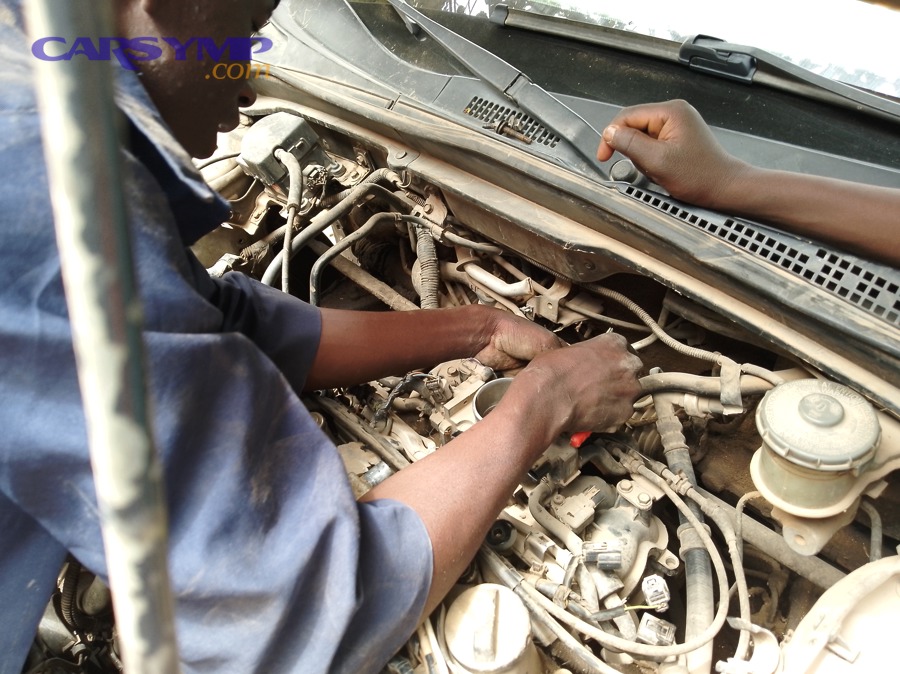
Most professional estimates split labor into a few predictable buckets: inspection/diagnosis, removal and installation (R&R), test/verification, and sometimes “set-up” steps like battery memory saving, vehicle programming, or road testing. To connect the dots, imagine labor as a workflow: the shop must confirm the fault, complete the repair safely, and prove the fix.
To illustrate, “diagnosis” can include scan-tool checks and circuit testing, while “R&R” is the hands-on time to access and replace the component, and “verification” is the post-repair testing that prevents comebacks.
Why can two estimates show different time for the same repair?
Two estimates can differ because they’re not always quoting the same labor standard (flat-rate guide versus actual time), the same procedure (OEM method versus shortcut), or the same scope (with/without testing, cleanup, and related parts). Next, the shop’s equipment and experience can shorten or lengthen the real-world process.
Cụ thể, a shop that routinely services your vehicle platform may bill fewer hours because access steps are familiar and tooling is already optimized.
How does labor rate differ from labor time?
Labor rate is “price per hour,” while labor time is “how many hours are billed.” So even if two shops quote the same hours, the total changes with the rate; and even if two shops share a similar rate, the total changes with the billed hours. After you separate those two variables, comparisons become much more accurate.
Theo nghiên cứu của U.S. Bureau of Labor Statistics từ Occupational Outlook Handbook, vào Sep 2025, the agency reported a median annual wage of $49,670 for automotive service technicians and mechanics in May 2024, which helps explain why labor is a major share of repair pricing.
What are you paying for inside the hourly labor rate?
You’re paying for the technician’s time plus the shop’s overhead and risk—equipment, training, insurance, facility costs, warranty support, and the administrative work that turns a repair into a guaranteed service. To understand the “why,” treat the hourly rate as a bundle, not just wages.
Next, you’ll see how that bundle creates a range of rates across regions and shop types—and why the cheapest posted rate isn’t always the cheapest final bill.
What overhead items quietly live inside the rate?
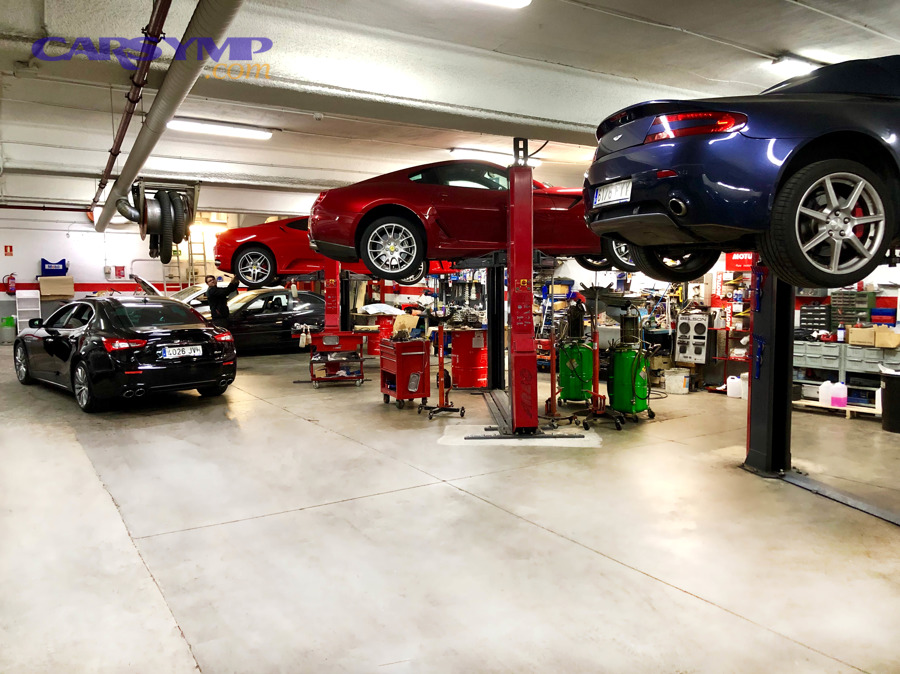
Most shops build overhead into labor: service advisors’ time, software subscriptions, scan tools, lifts, shop utilities, waste disposal, and even the cost of rework when a part fails under warranty. So the rate is partly a “keep the doors open” cost and partly a “stand behind the repair” cost.
For example, a shop that invests in OE-level diagnostics may charge more per hour yet finish faster and avoid misdiagnosis—reducing total hours billed.
Why are labor rates higher in some areas?
Rates rise in areas with higher rent, higher local wages, higher insurance costs, and higher demand for skilled technicians. However, the key is the combined effect: higher rates often correlate with higher overhead and higher service capability, not just “more profit.”
To connect this to your estimate, a higher hourly figure can still produce a similar total if the billed time is lower and the job avoids repeat visits.
What’s the difference between posted rate, effective rate, and blended rate?
Posted rate is the advertised hourly number; effective rate is what you actually pay once the final billed hours and fees are included; blended rate is a weighted average when multiple labor categories exist (mechanical, electrical diagnostics, programming). Next, always ask which one the estimate is using.
Theo nghiên cứu của AAA từ AAA Newsroom, vào Sep 2023, AAA cited data indicating average hourly labor rates increased about 19.2% from 2020 to 2023, reinforcing why labor rate movement can materially change total repair cost year to year.
How do shops calculate labor time: flat-rate, actual time, and diagnostic time?
Most shops calculate labor time using a flat-rate labor guide for standard jobs, then add diagnostic time and situational time (rust, access issues, extra testing) when justified. To make sense of it, think of “book time” as a baseline and “added time” as documented exceptions.
After that, the most useful skill is learning which tasks should be included in the book time and which tasks are legitimately separate charges.
What is flat-rate (book time), and why do shops use it?
Flat-rate is a standardized time allowance published in labor-time guides, intended to reflect a typical procedure performed with appropriate tools. So the bill can be consistent even if one tech is faster and another is slower. Next, this consistency helps customers compare quotes—if the scope is identical.
To illustrate, a “2.0-hour” book time means the job is expected to be completable in that timeframe under normal conditions, not that your car will be finished in exactly two hours.
When does actual time matter more than book time?
Actual time matters more during diagnostic work, severe corrosion, broken fasteners, collision-related access issues, or when the procedure is nonstandard (aftermarket modifications). However, the shop should document the reason, because “actual time” without explanation is hard to verify.
For a strong comparison, ask: “What condition-based factors could add time, and how will you show me if they occur?”
Why is diagnostic time often charged separately?
Diagnostic time is separate because it’s skilled problem-solving, not part swapping; it can require scan-tool data, wiring diagrams, pinpoint tests, and verification. Next, good diagnostics can save money by preventing the wrong part from being replaced.
To make this tangible, a modern electrical fault may require checking voltage drop, ground integrity, and load response—not just reading a code.
How do you judge whether added time is fair?
Added time is typically fair when it’s tied to a documented obstacle (rusted bolts, seized components), an additional requested operation (belt replacement while “in there”), or a safety/quality requirement (post-repair testing). After that, the shop should be able to show photos, notes, or the replaced parts to support the addition.
Theo nghiên cứu của Mitchell 1 từ Mitchell 1 public documentation on labor estimating tools, the company describes labor-time resources as standardized references used to help create consistent repair estimates, highlighting why many shops start from a published baseline before adjusting for conditions.
Which specific steps usually consume the most time in real repairs?
The biggest time consumers are usually access and reassembly: removing covers, moving components out of the way, handling stuck fasteners, and restoring everything to factory routing and torque specs. To follow the flow, the “touch time” on the part is often shorter than the “reach it and restore it” work.
Next, you’ll see how common categories of steps translate into the hours you’re billed—so you can ask smarter questions about scope.
Access time: why “getting to the part” is the hidden labor driver
Access time includes lifting the vehicle, removing undertrays, loosening splash shields, unbolting brackets, and sometimes evacuating or draining systems to safely reach a component. After that, careful reassembly matters because poor routing or missing fasteners can cause noise, leaks, or electrical issues.
To illustrate, a repair that looks simple in a photo can be complex in a tightly packaged engine bay with limited clearance for tools.
Verification time: what “done right” looks like
Verification time covers confirming charging voltage, checking for leaks, test-driving, scanning for codes, and ensuring the original symptom is resolved. Next, verification reduces comebacks, which protects you from repeat labor charges and protects the shop’s warranty exposure.
In practice, a shop that skips verification may look cheaper upfront but can be more expensive if the symptom returns.
Cleanup and quality controls: small minutes that add up
Cleanup includes battery terminal protection, corrosion treatment, belt alignment checks, and making sure clips and harnesses are secured. After that, quality checks like torque verification and connector inspection help prevent intermittent failures that are difficult to reproduce later.
Theo nghiên cứu của AAA từ AAA Newsroom, vào Sep 2023, AAA’s reporting on repair-cost inflation emphasized that labor and parts pressures are key contributors to higher repair bills, which aligns with why thorough processes can be priced higher than minimal “swap-and-go” work.
How long should common repairs take, and what changes the labor time the most?
There is no single “correct” time for every car, but you can estimate a reasonable range by combining a baseline guide time with vehicle-specific access difficulty, corrosion, and the amount of testing required. Next, you’ll learn the top factors that push labor time up or down.
Vehicle packaging and drivetrain layout: the biggest time swing
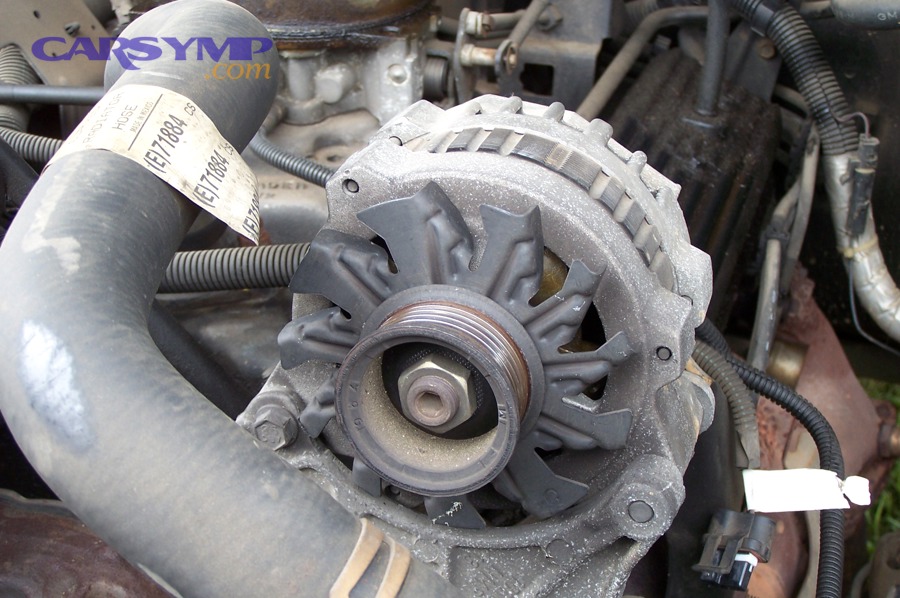
Front-wheel-drive transverse layouts often pack accessories tightly, while rear-wheel-drive layouts may offer easier access—but not always. However, turbo plumbing, hybrid components, and underbody shielding can increase access steps regardless of layout. Next, always match time expectations to your exact engine and trim, not just the model name.
For example, the same “component” can sit in a different position across engine options, changing access dramatically.
Rust, seized fasteners, and age: why older cars can cost more in labor
Corrosion adds time because bolts break, threads strip, and parts must be heated, extracted, or replaced. After that, the repair can require additional hardware and careful reassembly to restore integrity. Next, ask whether the estimate assumes “normal fasteners” or includes a corrosion allowance.
Cụ thể, a 10-minute bracket removal can become a 60-minute extraction job when fasteners seize.
Testing requirements and electrical complexity
Electrical and drivability issues can be time-heavy because correct diagnosis is the repair. Next, if the shop quotes a “diagnostic fee,” ask what it includes: scan results, pinpoint tests, and whether that fee is credited toward the repair if you proceed.
Here’s where the phrase alternator replacement cost often misleads shoppers: the part price is only a fraction of the total when testing, belt inspection, and post-repair verification are done properly.
A quick reference table you can use to interpret estimates
This table contains common labor-line categories and what each category typically covers, helping you verify scope and avoid paying twice for the same step.
| Estimate Line Item | What It Usually Covers | What to Ask to Confirm |
|---|---|---|
| Diagnosis / Inspection | Scan, tests, symptom confirmation, pinpoint checks | Which tests were run and what was found? |
| Remove & Replace (R&R) | Access, removal, installation, routing, torque | Is this based on book time or actual time? |
| Testing / Verification | Charging/voltage checks, road test, scan confirmation | What proves the fix is complete? |
| Shop Supplies / Environmental | Consumables, disposal, small materials | Is it capped or itemized? |
| Programming / Calibration | Module resets, relearns, battery registration (if needed) | Is OEM-level tooling required? |
Theo nghiên cứu của U.S. Bureau of Labor Statistics từ Occupational Employment and Wage Statistics releases, vào Apr 2025, BLS published May 2024 wage tables, supporting the reality that skilled labor pricing must cover compensation and shop operating costs in the broader market.
Are dealerships always more expensive than independent shops, and how should you compare them fairly?
No—dealerships are often higher, but your final cost depends on the procedure used, the billed time, and what is included (OEM parts, programming, warranty terms). Next, a fair comparison requires matching scope, not just comparing the bottom-line number.
What dealerships may include that some independents quote separately
Dealership estimates may bundle OEM diagnostic steps, software updates, or factory test procedures that an independent shop may treat as optional or separate. However, many high-end independents also perform these steps; the difference is how they describe and price them. Next, compare the “proof of fix” plan, not just the parts list.
This is also where “warranty terms” matter: a stronger warranty can justify a higher labor price if it reduces your risk of paying twice.
What independents may do better (or simply faster)
Independents may offer more flexible parts sourcing, competitive labor rates, and experienced technicians who specialize in specific makes. Next, they may also reduce overhead by operating outside dealership facilities—lowering the effective rate. However, confirm they can handle necessary programming or advanced diagnostics when your vehicle requires it.
When you see the phrase Dealer vs independent alternator pricing in discussions, treat it as a reminder to compare scope and capability, not a rule that one side is always better.
A comparison table that helps you choose based on your priorities
This table contains a practical way to compare dealership and independent quotes by criteria that affect value, not just price.
| Criteria | Dealership Tendency | Independent Shop Tendency |
|---|---|---|
| OEM procedures & updates | Often standard | Varies by shop capability |
| Labor rate | Often higher | Often lower to mid |
| Parts sourcing | Mostly OEM | OEM / premium aftermarket options |
| Programming tools | Usually available | Not always; confirm first |
| Warranty handling | Typically streamlined | Varies; ask specifics |
Theo nghiên cứu của NATA (National Automotive Technicians Association) từ “Dealer Labor Rate Study,” vào 2024, the organization published dealership labor-rate survey findings used in industry discussions about how dealer rates vary and trend over time.
How can you read an estimate and spot labor-time padding without accusing anyone?
You can spot questionable labor-time padding by checking for duplicate steps, vague “miscellaneous” time, and add-ons that aren’t tied to a documented need or your approval. Next, the goal is not confrontation—it’s clarity: “What exactly is this hour for?”

Look for duplicates: diagnosis charged twice in different words
Duplicates often appear as “inspection,” “scan,” “check charging system,” and “diagnostic” billed separately without a clear reason. After that, ask whether these lines represent different tests or the same work described multiple ways. Next, a good shop will explain the sequence and remove redundancy if it’s unintentional.
Cụ thể, scanning for codes and performing electrical load testing are different tasks—but they should be clearly differentiated.
Challenge vagueness: “misc. labor,” “shop time,” and “cleanup” without scope
Vague lines are not automatically wrong, but they require definition. Next, ask what specific steps are included, whether the time is capped, and whether it’s standard for that job type. After that, ask for itemization if the line materially changes the total.
For example, “shop supplies” might be a small percentage cap, while “misc. labor” could hide unapproved work if not clarified.
Confirm approval gates: what changes after teardown?
Some repairs only reveal the full scope after disassembly. Next, a professional process includes an approval gate: the shop pauses, documents what they found, and asks for authorization before adding hours. After that, you avoid surprise bills and the shop avoids disputes.
This is also where Car Symp matters: if your original complaint is intermittent or hard to reproduce, the shop may need extra verification time to ensure the symptom is truly resolved.
Use a “scope-matching” question to compare two quotes
Ask both shops the same question: “What is included in your labor time—diagnosis, replacement, testing, and road test?” Next, write down their answers and compare inclusion lists line by line. After that, the cheaper quote is only “cheaper” if it includes the same safety and proof-of-fix steps.
Theo nghiên cứu của Mitchell 1 from publicly described estimating workflows, standardized labor guides are intended to support consistent estimating, which is why scope definitions are essential when comparing quotes that reference book times.
How can you reduce labor cost and time without reducing repair quality?
You can reduce labor cost and time by improving diagnosis accuracy, bundling related work smartly, choosing the right shop capability, and avoiding repeat visits—rather than pressuring the shop to skip verification or use risky shortcuts. Next, focus on actions that reduce billed hours naturally.
Get the diagnosis right the first time
Accurate diagnosis prevents “parts darts,” where multiple parts are replaced until the problem disappears. Next, provide clear symptom notes: when it happens, what conditions trigger it, what warning lights appear, and what recent work was done. After that, the shop can narrow the test plan faster.
For electrical charging concerns, bring battery age and any prior jump-start history, because these details change the test path.
Bundle related work only when it truly overlaps in access
Bundling reduces labor when two operations share the same access steps. Next, ask: “If we do X now, how much labor is avoided later?” After that, avoid bundling unrelated items that do not overlap; those won’t reduce time and may increase bill complexity.
This is where Alternator price range by vehicle can distract you: the part cost varies widely, but labor savings come from access overlap, not from the part price category.
Choose capability match: pay more per hour if it reduces billed hours
A shop with better tooling and platform experience may finish faster, even if the posted rate is higher. Next, ask what diagnostic platform they use, whether they follow OEM procedures, and whether they handle programming in-house. After that, you can avoid outsourcing delays and extra fees.
Cụ thể, one-stop capability often reduces time lost between “diagnose here” and “program there.”
Request a clear “not-to-exceed” plan when uncertainty exists
If the shop isn’t sure what they’ll find, ask for a diagnostic limit and a call-before-adding-hours policy. Next, request photos or notes for any added time. After that, you reduce surprises while still allowing the shop to do quality work.
Theo nghiên cứu của AAA từ AAA Newsroom, vào Sep 2023, AAA’s reporting on repair-cost trends highlights how cost pressures can increase totals, which is exactly why setting scope and authorization rules helps consumers manage the final bill responsibly.
What uncommon factors can spike labor time even when the job looks simple?
Uncommon spikes usually come from hidden constraints—software locks, safety procedures, or prior repairs that changed access—not from the part itself. Next, knowing these “rare attributes” helps you interpret why a shop’s time estimate might be higher than you expected.
Programming, relearns, and security handshakes
Some vehicles require module resets, relearn procedures, or security authentication after electrical work. Next, if the shop must connect to OEM systems or perform calibrations, labor time can rise even if the physical replacement is quick. After that, confirm whether programming is included or billed separately.
In these cases, “time” isn’t just wrenching—it’s controlled procedures that must be completed in sequence.
Prior work quality: missing fasteners, cross-threading, and misrouting
Poor prior repairs can add time because technicians must correct unsafe or unreliable work before installing new parts. Next, shops may document these conditions to justify added time. After that, the result is a better repair—even though the added labor feels unrelated to the current issue.
For example, a harness misrouted near a belt may require rerouting and securing to prevent future failure.
Aftermarket modifications and nonstandard parts
Aftermarket brackets, non-OEM wiring, and “universal fit” parts can create fitment issues that increase labor time. Next, if you supply parts, confirm they match the exact vehicle configuration to avoid extra labor or delays. After that, you reduce rework risk and minimize “adjustment time.”
This is one reason shops may hesitate to warranty labor on customer-supplied components.
Intermittent symptoms and verification complexity
Intermittent issues demand longer verification because the shop must reproduce the symptom and confirm it is gone under the same conditions. Next, this can legitimately add time for road tests and data logging. After that, your best cost-saving move is providing high-quality symptom detail and any recorded evidence.
Theo nghiên cứu của U.S. Bureau of Labor Statistics từ Occupational Outlook Handbook, vào Sep 2025, BLS summarized May 2024 wage levels for automotive technicians, reinforcing the economic reality that advanced diagnostic and verification work is priced as skilled labor.
FAQ
Should I always choose the shop with the lowest labor hours?
No—lower hours are only better if the scope includes correct diagnosis, safe installation, and verification; otherwise you may pay more later through repeat visits. Next, compare inclusion lists, not just hours.
Is it normal to pay a diagnostic fee even if I approve the repair?
Yes, it can be normal, especially for electrical or intermittent issues; some shops credit the diagnostic fee toward the repair, while others bill it separately. Next, ask the policy before authorizing diagnosis.
Can I negotiate labor rate or labor time?
You can often negotiate scope and options more effectively than rate; for example, ask for itemization, remove duplicates, or choose a parts option that reduces rework. Next, keep the focus on transparency and documented necessity.
Why do two shops quote different totals when they use the same parts?
Because they may use different time standards, include different verification steps, or apply different overhead pricing inside the rate. Next, ask each shop to explain what their labor time includes so you can compare fairly.
What’s one question that quickly reveals estimate quality?
Ask: “What tests will you perform to prove the repair is fixed?” Next, a high-quality shop will answer clearly and tie verification steps to the original symptoms, not just the replaced part.