


Dealer service department; independent repair shop; alternator; labor rate; diagnostic fee; OEM alternator; aftermarket alternator; remanufactured alternator; warranty; core charge; serpentine belt; belt tensioner; battery; voltage regulator; ECU charging strategy; scan tool; parts markup; flat-rate time; estimate breakdown; authorization; comeback rate.
Dealers usually charge more for alternator work, while independent shops often win on price; the “right” choice depends on your vehicle’s complexity, warranty status, and how transparent the estimate is.
Beyond the headline number, you’ll want to compare what’s included—diagnostics, parts quality, calibration steps, and the warranty terms—because those line items explain most real-world price gaps.
You’ll also learn how labor rates and “book time” interact with accessibility (where the alternator sits) and platform design, which is why two shops can quote very different totals for the same symptom.
To begin, let’s break down how each shop type builds a quote, then show you a practical way to compare estimates apples-to-apples before you authorize any work.
How do dealer and independent shops build an alternator quote differently?
Dealers price alternator jobs around factory procedures and higher overhead, while independents price around flexible sourcing and local labor markets; the quote structure is similar, but the assumptions behind each line item differ.
Tiếp theo, once you see the “quote logic,” it becomes easier to spot what’s missing—and what’s quietly bundled into the total.
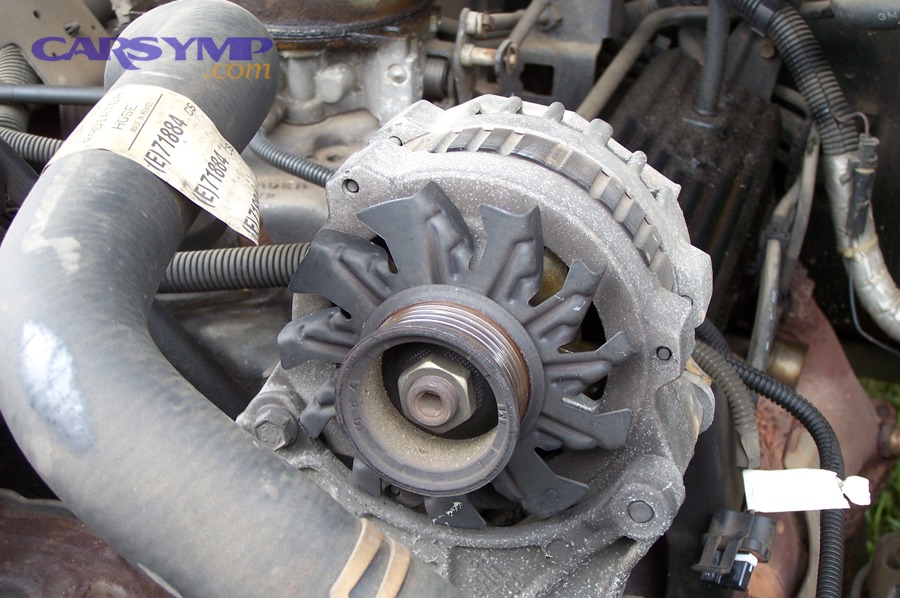
At a dealership, the estimate is typically anchored to manufacturer labor operations (often referred to as “flat-rate” or “book” operations). That encourages a standardized workflow: confirm concern, run guided diagnostics, follow service bulletin checks, replace with an approved part number, then verify charging output and any related fault codes. This standardization can improve consistency, but it also means the dealer tends to follow a wider “process envelope” even when your case is straightforward.
Independent shops often start from the same core steps—confirm, test, replace if needed, verify—but they may simplify the path when the symptom pattern is clear and the electrical tests are decisive. They’re also more likely to itemize options (new vs reman vs aftermarket) and may offer to reuse certain fasteners or brackets if inspection shows they’re safe. The flexibility can reduce cost, but it increases the importance of choosing a reputable shop that documents the testing and stands behind the work.
Where the quote visibly diverges is usually:
- Labor rate: dealership posted rates tend to be higher, reflecting facility, training, tooling, and brand overhead.
- Parts pricing: dealers often quote OEM parts through their parts department, while independents may quote OEM, OE-equivalent, or reman options from multiple distributors.
- Diagnostic approach: dealers may include more scan-tool time and factory test routines; independents may combine scan data with direct voltage-drop and charging tests.
- Bundled protections: some dealers include longer labor warranties or nationwide support; many independents do too, but terms vary widely.
The key is that a “higher quote” is not automatically worse—it may include additional verification steps, updated software checks, or a stronger warranty. Conversely, a “lower quote” is not automatically better if it omits essentials like belt inspection, battery health verification, or post-repair charging validation.
Theo nghiên cứu của Yelp Project Cost Guides từ Cost Research Team, vào 01/2026, mức giá công thợ (labor) cho dịch vụ ô tô ở nhiều khu vực thường nằm quanh khoảng $80–$100+ mỗi giờ, và cửa hàng có chi phí vận hành cao thường ở nhóm giá cao hơn.
Which option is cheaper for your vehicle and why do prices diverge?
Independent shops are often cheaper for the same alternator job, but the gap shrinks—or flips—when your model has tight access, requires additional disassembly, or benefits from factory-only procedures.
Sau đây, we’ll map the biggest “price drivers” so you can predict the quote range before you even call for estimates.

In many markets, the dealership’s labor rate and parts pricing create a higher baseline. However, your vehicle’s design is the multiplier. An alternator located front-and-center with easy belt access is a very different labor reality than an alternator buried behind engine mounts, under an intake manifold, or adjacent to cooling components that must be drained or moved.
Price divergence typically comes from four overlapping forces:
- Overhead and brand costs: dealers carry showroom-adjacent facilities, higher staffing layers, OEM training programs, and specialized tooling.
- Parts sourcing strategy: dealer parts may be OEM-only; independents can choose OE-equivalent or reman units that meet spec but cost less.
- Workflow scope: dealers may include additional verification steps (TSBs, factory diagnostic trees, warranty documentation) that take time but reduce rework risk.
- Risk pricing: if access is difficult or corrosion is expected, some shops pad labor to cover broken fasteners, seized bolts, or time-consuming belt routing.
To predict your likely scenario, ask yourself: Is the vehicle newer with complex charging management? Is the alternator location cramped? Do you have recurring electrical issues that could indicate something upstream (battery, cable corrosion, or control module strategies)? The “cheapest” quote for a complex scenario can become the most expensive if it triggers repeat breakdowns or repeated tow bills.
Also consider timing: dealers may have longer scheduling lead times, while independents may fit you in faster—yet “faster” may come with trade-offs in part availability or warranty handling. This is why a fair comparison needs both cost and operational context.
Theo nghiên cứu của Jerry (Car Insurance & Repair Cost content team) từ Editorial Research Unit, vào 2025, nhiều ca thay máy phát thường được ước tính trong khung 1–2 giờ công tùy xe và độ khó tiếp cận, nhưng một số mẫu xe có thể vượt khung đó khi phải tháo thêm cụm che chắn hoặc chi tiết liên quan.
What do you get for the extra money at a dealership?
You usually pay extra at a dealership for factory-aligned procedures, OEM parts pipelines, brand-trained technicians, and warranty-friendly documentation—benefits that matter more on newer, complex, or warranty-covered vehicles.
Để hiểu rõ hơn, let’s translate those “dealer advantages” into concrete outcomes you can value.

Dealership value is strongest when your alternator issue isn’t just a simple charging failure but part of a wider electrical ecosystem—especially on late-model vehicles with smart charging systems, battery current sensors, or ECU strategies that intentionally vary alternator output to improve efficiency. In those cases, factory scan tools, service bulletins, and model-specific test routines can reduce misdiagnosis.
Common dealership “value adds” include:
- OEM part traceability: the part number is tied to your VIN, reducing mismatch risk for variants, pulley differences, or connector revisions.
- Factory technical support: access to OEM service information and updates that independents may not have at the same depth.
- Warranty alignment: if your vehicle is under powertrain or extended warranty, dealer documentation can smooth approvals and reduce out-of-pocket surprises.
- Campaign/recall awareness: dealers are best positioned to identify related service campaigns that might offset cost.
That said, not all dealer upsides are exclusive. Many high-quality independents subscribe to OEM information portals, invest in advanced scan tools, and employ master technicians with dealership backgrounds. The difference is that the dealer environment makes “factory alignment” the default, while independents may make it an option you can choose—sometimes at a lower price.
A practical way to value the dealer premium is to ask: “What is the cost of being wrong?” If a misdiagnosis could strand you, damage a battery, or trigger intermittent electrical faults that are hard to chase, paying for a more rigorous factory process may be rational—especially if you’re short on time and need predictability.
Theo nghiên cứu của Yelp Project Cost Guides từ Cost Research Team, vào 01/2026, mức labor rate có thể tăng đáng kể tại các cơ sở có chi phí mặt bằng và trang thiết bị cao; điều này giúp giải thích vì sao cơ sở dạng đại lý thường nằm ở nhóm giá cao hơn so với mặt bằng địa phương.
When is an independent shop the smarter choice?
An independent shop is often the smarter choice when your car is out of warranty, the alternator swap is straightforward, and you want flexible parts options with a clear, itemized estimate and strong local reputation.
Bên cạnh đó, “independent” is a wide category—so you’ll want a quick filter to find the good ones.

The strongest independents combine three things: (1) accurate electrical diagnostics, (2) disciplined installation practices, and (3) transparent paperwork. If you can get those three, the independent route often delivers the best value because the shop can tune the solution to your budget—without sacrificing reliability.
Independents tend to shine when:
- Access is easy and diagnosis is clear: a clean charging test plus obvious bearing noise or low output can justify a direct alternator replacement path.
- You want part choice control: you can choose OEM, OE-equivalent, or reman based on your priorities (price vs longevity vs warranty).
- You prefer relationship-based service: a local shop that knows your vehicle history can prevent repeat problems (battery aging, belt wear, corrosion patterns).
- You need speed and flexibility: many independents can source parts quickly and schedule faster, especially for common models.
However, independence cuts both ways: quality varies. The smart move is to evaluate the shop’s process, not just the price. Ask what tests they run (charging voltage at idle and under load, voltage drop on cables, battery state-of-health), what they inspect while they’re in there (belt and tensioner), and what warranty covers labor plus parts.
Also pay attention to how they handle “unknowns.” A reputable shop will explain what might change the price (corroded hardware, stripped threads, brittle connectors) and how they’ll communicate before adding cost. That communication discipline is often the difference between a great independent experience and a frustrating one.
Theo nghiên cứu của Jerry (Car Insurance & Repair Cost content team) từ Editorial Research Unit, vào 2025, thời gian công việc thường tập trung quanh khung 1–2 giờ cho nhiều mẫu xe phổ biến; shop độc lập uy tín thường dựa vào khung này để báo giá rõ ràng, rồi điều chỉnh theo độ khó tiếp cận thực tế.
How can you compare estimates line-by-line before authorizing work?
You can compare estimates fairly by forcing both shops to itemize the same categories—diagnostics, labor hours, labor rate, parts type, shop supplies, taxes/fees, and warranty—then matching each line to a measurable action or deliverable.
Để bắt đầu, use the table below as a checklist and require both shops to fill the same “boxes.”
This table helps you compare dealership and independent estimates by listing the most common quote components and what to ask for in each line.
| Line Item | What It Should Include | What to Ask the Dealer | What to Ask the Independent |
|---|---|---|---|
| Diagnostic fee | Charging test, battery check, scan for codes, confirm root cause | Is it waived if I proceed with repair? | What tests do you run (load, voltage drop, scan)? |
| Labor hours | Removal, install, belt handling, verification | What is the factory labor operation/time? | What is your quoted hours and why? |
| Labor rate | Posted hourly rate applied to quoted hours | Is the rate different for electrical work? | Is the rate flat or can it change mid-job? |
| Part type | OEM vs OE-equivalent vs reman; correct pulley/connector | Is this OEM new, or OEM reman? | What brand, new vs reman, and warranty length? |
| Shop supplies / fees | Consumables, disposal, environmental fees, shop rags | What does the shop fee cover? | Are there disposal or environmental fees? |
| Warranty | Parts + labor duration and terms | Is labor covered nationwide? | Is labor covered and for how long? |
Once both quotes fit the same structure, the comparison becomes surprisingly simple. A dealer may come in higher because the labor rate is higher and the part is OEM new, but if the diagnostic fee is waived and the warranty is stronger, the net value may still be competitive. An independent may come in lower by sourcing a high-quality reman unit and charging a lower rate—great value if the warranty is clear and the shop’s testing is thorough.
One more “hidden” comparison tool is the language of the estimate. Estimates that say “replace alternator” with no testing description are weaker than estimates that state what was measured (battery voltage at rest, charging voltage under load, voltage drop, codes present/absent). When the paperwork reflects testing, you’re less likely to pay for the wrong fix.
Theo nghiên cứu của Yelp Project Cost Guides từ Cost Research Team, vào 01/2026, mức labor rate biến động theo khu vực và loại cơ sở; vì vậy, việc ép hai bên “điền cùng một bảng” giúp bạn tách bạch phần chênh do thị trường khỏi phần chênh do nội dung dịch vụ.
How do parts choices change the final bill and long-term value?
Parts choice changes the bill more than most people expect: OEM new tends to be highest upfront, quality reman can be a middle path, and budget aftermarket can be cheapest—but may carry higher risk of noise, failure, or warranty friction if quality control is weak.
Hơn nữa, the best choice depends on how long you’ll keep the car and how sensitive it is to charging stability.
When comparing dealer vs independent pricing, parts are the “quiet engine” behind the numbers. Dealerships often quote OEM parts, sometimes with a higher parts counter price than online OEM sources. Independents can often source OEM too, but they may recommend OE-equivalent brands or remanufactured units that meet specifications at lower cost.
To evaluate parts value, focus on these attributes rather than labels:
- Correct output rating (amps) and regulator compatibility: mismatched output can cause undercharging or unstable voltage behavior.
- Pulley design and clutch pulley (OAP/OAD) match: some vehicles require specific pulley behavior to reduce belt vibration and noise.
- Connector fit and harness strain relief: a poor fit can create intermittent charging faults that mimic battery or module issues.
- Build quality indicators: bearing quality, slip ring condition (for reman), and consistent regulator calibration.
For long-term value, warranty terms matter as much as part cost. A cheaper alternator with unclear labor coverage can be expensive if you pay labor twice. This is where dealers sometimes justify a premium: their warranty process can be more standardized. But many independents also offer excellent warranties—especially if they use reputable suppliers and document the installation properly.
Finally, don’t ignore “system fit.” If your battery is weak or your belt system is worn, even a new alternator may work harder than it should, shortening its life. A higher-quality part helps, but system health is the multiplier.
Theo nghiên cứu của DENSO Aftermarket từ Warranty Administration, vào 2024, nhiều sản phẩm remanufactured được áp dụng chính sách bảo hành theo thời hạn nhất định (ví dụ 12 tháng) tùy dòng sản phẩm và điều kiện; điều này cho thấy bảo hành là biến số cần đọc kỹ, không chỉ nhìn giá parts.
How long should the job take and how does labor time shape your total?
Most alternator replacements land in a predictable labor window, but total time—and therefore cost—jumps when the alternator is hard to reach, when additional disassembly is required, or when the shop must diagnose broader charging-system variables first.
Quan trọng hơn, you can reduce surprises by asking one “time question” that reveals whether the shop understands your specific model.
Labor time is the bridge between a shop’s hourly rate and your final bill. Two shops can use the same part and still land far apart if one expects 1.2 hours while the other expects 3.0 hours due to access complexity. This is why you should ask: “Is your quoted time based on factory guide time, your experience on this model, or worst-case access?”
Time inflators typically include:
- Access constraints: removing air boxes, splash shields, fans, or brackets before the alternator can come out.
- Corrosion and seized hardware: rusted bolts can turn a clean job into a slow job.
- Belt path complexity: serpentine routing plus tensioner manipulation in tight spaces increases time.
- Electrical diagnosis depth: intermittent charging issues require more verification than a clearly failed alternator.
Dealers sometimes quote closer to factory time plus diagnostic overhead. Independents may quote based on hands-on experience with your model and may be more candid about whether the job is “simple” or “buried.” The best sign is specificity: a shop that says “on your engine code, access is from the wheel well and we need to remove the splash shield” is less likely to surprise you later.
To keep time from ballooning, ask for a pre-authorization rule: “If you hit a stuck bolt or discover additional disassembly, call me with options before continuing.” That single sentence protects you from the most common labor creep without turning the shop relationship adversarial.
Theo nghiên cứu của Jerry (Car Insurance & Repair Cost content team) từ Editorial Research Unit, vào 2025, nhiều ước tính sửa chữa đặt khung thời gian 1–2 giờ cho các mẫu phổ biến, nhưng cũng nhấn mạnh rằng độ khó tiếp cận có thể làm tăng giờ công khi cần tháo thêm cụm chi tiết liên quan.
Now that you can compare dealer and independent quotes on the same framework, the next step is to reduce the bill regardless of where you go—by controlling risk, preventing add-ons, and making the charging system healthier overall.
Beyond price: how to keep your total low without sacrificing reliability
You can keep the total low by preventing avoidable add-ons, protecting the belt-and-battery ecosystem, and choosing a warranty strategy that doesn’t force you to pay labor twice—even when the headline number looks attractive.
Sau đây, we’ll focus on the “small levers” that quietly decide your real total on the day you pay.
How do you prevent surprise add-ons and understand what affects the total?
Start by identifying what the estimate calls “recommended” versus “required,” because that’s where upsells hide. In many real invoices, Additional parts that affect cost are not the alternator itself but the belt, tensioner, idler pulleys, battery terminals, or corroded cables that fail inspection once the technician is already in the bay.
Tiếp theo, ask the shop to separate “while we’re in there” options from safety/functional requirements. Belts and tensioners can be smart preventive maintenance, but they should be justified by wear indicators (cracks, glazing, looseness, noise), not by vague language. This keeps your invoice aligned with real condition, not generic packages.
When does DIY make sense, and when does it become expensive?
For accessible engines, DIY alternator replacement cost can be dramatically lower because you’re paying mostly for the part and your time; however, it becomes expensive when access is tight, when you lack the correct tools, or when the real issue is not the alternator but wiring, battery health, or control strategy.
Ngược lại, if your vehicle requires wheel-well access, special belt tools, or careful connector handling, a professional repair may be cheaper than a DIY mistake that breaks a harness clip or strips a mounting thread. If you do DIY, commit to testing: confirm charging voltage and battery condition before and after the swap so you don’t replace a good unit.
How do warranties and paperwork change your long-term out-of-pocket?
The most expensive scenario is paying labor twice. So, when comparing dealer and independent options, treat warranty clarity as a “cash value.” Ask whether the warranty covers both parts and labor, whether there are exclusions (misdiagnosis, modified electrical loads), and whether you must return to the same facility.
Hơn nữa, keep your invoice and test results. Documentation helps if the alternator fails early, and it strengthens your position if the issue turns out to be a related component rather than the new unit. A clear paper trail is often what turns a dispute into a quick warranty fix.
What habits reduce the chance you’ll pay again soon?
Alternators die faster when they’re forced to overwork. Battery neglect, corroded terminals, and a slipping belt can turn a healthy alternator into a stressed alternator. Also, avoid adding heavy electrical loads (high-watt audio, extra lighting) without verifying charging capacity, because chronic overload accelerates wear.
Tóm lại, a healthy battery and belt drive are the simplest insurance policy for lowering your alternator replacement cost over the life of the vehicle—no matter whether you choose a dealer or an independent shop.