


Parts costs extend far beyond the sticker price, with 12 hidden factors adding substantial expenses through manufacturing overhead, supply chain markups, labor requirements, regulatory fees, and time-related premiums that can double or triple the visible purchase price. These hidden costs include raw material fluctuations, research and development recovery, freight expenses, inventory carrying charges, skilled labor shortages, tariffs and import duties, certification requirements, shortage premiums, minimum order quantity penalties, quality assurance programs, OEM branding premiums, and defect management expenses.
Understanding the distinction between direct and indirect costs reveals why parts pricing appears disconnected from base manufacturing expenses. Direct costs like materials and labor form the foundation, while indirect costs such as storage fees, administrative overhead, and distribution markups accumulate throughout the supply chain. The Total Cost of Ownership (TCO) framework captures these cumulative expenses, showing that a $5,000 spare part carries approximately $1,000 in annual carrying costs alone through insurance, capital interest, taxes, and warehousing.
Supply chain complexity amplifies hidden costs through multi-tier distribution networks where parts traverse two to three intermediaries before reaching end users. Each distribution layer adds markup percentages, while shipping costs fluctuate with fuel prices and distance factors. Modern parts with advanced sensor technology require specialized calibration services ranging from $400 to $750 per installation, adding labor expenses that weren’t necessary with simpler legacy components.
Strategic cost management requires recognizing which factors remain controllable through better sourcing, volume negotiations, and timing decisions versus uncontrollable external variables like commodity prices and regulatory requirements. To begin, let’s examine what constitutes hidden costs in parts pricing and why they significantly impact your total expenditure.
What Are the Hidden Costs in Parts Pricing?
Hidden costs in parts pricing are indirect expenses beyond the visible sticker price, including manufacturing overhead, distribution markups, storage fees, labor charges, regulatory compliance costs, and availability premiums that collectively add 20-100% to the base purchase price. These costs remain invisible to buyers focused solely on catalog prices, yet they represent the difference between what manufacturers charge and what customers ultimately pay.
To better understand this cost structure, we must examine how direct costs differ from indirect costs and why Total Cost of Ownership matters more than purchase price alone.
How Do Direct Costs Differ from Indirect Costs in Parts Pricing?
Direct costs represent expenses directly attributable to manufacturing a specific part, including raw materials, component assembly labor, and machine operating time for that unit. A brake pad’s direct costs include the friction material, backing plate steel, adhesive compounds, and the production worker’s time spent assembling those components. These costs scale proportionally with production volume—manufacturing 1,000 brake pads requires exactly 1,000 times the raw materials needed for a single unit.
Indirect costs encompass expenses shared across multiple products or operations that cannot be traced to individual parts with precision. Factory rent, quality control departments, administrative salaries, equipment depreciation, and utilities support overall production without being consumed by specific units. A quality inspector’s salary remains constant whether testing 100 parts or 1,000 parts daily, making it an indirect cost allocated across production volume. Similarly, the factory building’s heating costs during winter operate independently of whether workers produce alternator replacement cost components or starter replacement cost assemblies.
The distinction matters because manufacturers calculate pricing differently for each category. Direct costs use straightforward multiplication—doubling production requires doubling material purchases. Indirect costs follow allocation formulas based on production volume, machine hours, or square footage occupied. A specialized manufacturing facility might allocate $50,000 monthly overhead across 10,000 units produced, adding $5 per unit in indirect costs. If production drops to 5,000 units, the same $50,000 overhead creates $10 per unit in indirect costs, raising prices despite unchanged factory operations.
Distribution networks layer additional indirect costs onto parts pricing. Warehouse facilities, inventory management systems, customer service teams, and shipping department operations all function as indirect costs spread across every part moving through the supply chain. A distributor handling 500 different automotive components allocates building rent, climate control systems, and forklift maintenance across all inventory items based on space occupied or sales volume generated.
What Is Total Cost of Ownership for Parts?
Total Cost of Ownership for parts encompasses the purchase price plus all associated expenses throughout the part’s lifecycle, including acquisition costs, carrying costs, installation labor, calibration requirements, warranty provisions, and potential disposal fees. TCO provides a comprehensive financial picture by capturing hidden expenses that emerge after the initial purchase decision.
The TCO calculation begins with the base purchase price but extends far beyond that visible number. For a $5,000 spare motor stored in inventory, the first-year TCO includes the $5,000 purchase plus approximately $250 in insurance premiums (5% of inventory value), $250 in capital costs or interest on borrowed funds (5% annually), potential state inventory taxes varying by jurisdiction, and warehousing expenses for climate-controlled storage space. These carrying costs accumulate to roughly $1,000 annually, meaning the motor actually costs $6,000 in its first year of ownership before ever being installed.
Installation expenses form another TCO component often overlooked in purchase price comparisons. Modern automotive sensors require ADAS (Advanced Driver Assistance Systems) calibration after installation, adding $400-$750 per service. Replacing a side mirror with lane-change detection sensors involves not only the mirror’s purchase price but also mandatory recalibration to ensure accurate sensor operation. The complete TCO includes both the part cost and the calibration Labor cost breakdown and time required for proper installation.
Opportunity costs represent subtle TCO elements that affect business operations. When a critical part remains unavailable, equipment downtime generates lost productivity costs, rental equipment expenses, and delayed project completion. A construction company waiting three weeks for specialty hydraulic components loses revenue from idle equipment, pays overtime wages when parts finally arrive to accelerate project completion, and potentially faces contractual penalties for missed deadlines. These downstream costs dwarf the part’s purchase price yet stem directly from procurement decisions.
Long-term ownership costs include preventive maintenance to preserve storeroom inventory, potential obsolescence when technology changes render parts incompatible with newer equipment, and disposal fees for hazardous materials. Electric vehicle battery modules require specialized recycling processes with associated costs built into the TCO framework. Understanding TCO enables comparison between a lower-priced part with high installation complexity versus a premium part with simplified installation, revealing that apparent savings at purchase often disappear when accounting for total ownership expenses.

What Are the Primary Manufacturing and Material Costs That Increase Parts Prices?
The primary manufacturing and material costs that increase parts prices include raw material commodity pricing fluctuations, research and development investment recovery, specialized manufacturing process requirements, and quality control testing expenses that collectively add 30-60% above base material costs. These production-related expenses form the foundation upon which all other cost layers accumulate.
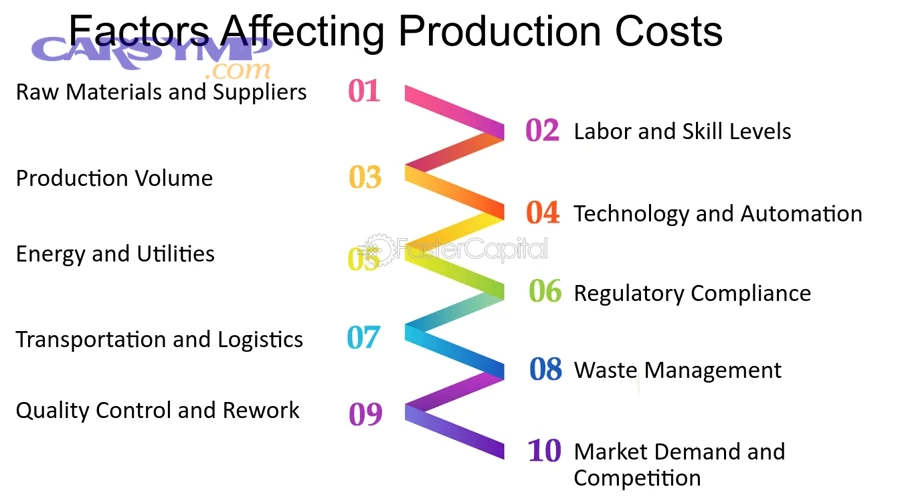
Specifically, manufacturers face three major cost drivers during production: volatile raw material markets, investment in product development, and specialized manufacturing techniques requiring premium equipment and expertise.
How Do Raw Material Price Fluctuations Affect Parts Costs?
Raw material price fluctuations directly impact parts costs because materials like steel, aluminum, copper, and rare earth metals trade on global commodity markets with prices changing daily based on supply-demand dynamics, geopolitical events, and economic conditions. Automotive manufacturers experienced a 25% steel tariff in recent years while aluminum prices surged due to increased demand for lightweight vehicle components, forcing immediate cost increases throughout supply chains.
The commodity market connection means parts prices reflect current material values rather than historical costs. When global copper supplies tighten due to mine closures or expanding infrastructure projects in developing nations, electrical component manufacturers face immediate cost increases. Cables and wiring harnesses containing substantial copper content become more expensive overnight as procurement teams pay market rates for raw materials. A relay manufacturer purchasing copper for electromagnetic coils experiences the same price volatility, passing increased costs to customers through revised pricing.
Supply chain disruptions amplify material cost fluctuations beyond normal market volatility. The COVID-19 pandemic created simultaneous factory closures reducing production capacity and shipping container shortages limiting distribution networks. Semiconductor shortages persisted for years after initial pandemic disruptions, with automotive manufacturers unable to complete vehicle assembly due to missing microchips. Parts containing electronics saw 17% price increases in 2022 compared to historical 0-4% annual inflation rates, according to Mitchell International’s collision repair industry data.
Material substitution strategies help manufacturers manage cost volatility but often introduce new expense factors. Switching from steel to aluminum reduces weight and improves fuel efficiency, but aluminum parts require different manufacturing processes. Aluminum welding demands specialized equipment and training compared to traditional steel welding techniques. The material itself costs more per pound, and aluminum’s brittleness means damaged parts require complete replacement rather than repair, further increasing total costs. These trade-offs explain why modern vehicles contain more aluminum components yet cost more to repair despite lighter weight.
Long-term material contracts provide some cost stability but transfer market risk to manufacturers who commit to prices months or years in advance. A parts supplier negotiating a one-year aluminum contract at $1.20 per pound protects customers from mid-year price spikes to $1.50 per pound. However, if market prices drop to $0.90 per pound, the supplier pays above-market rates while competitors using spot market purchases gain cost advantages. This pricing strategy balances stability against market opportunity costs.
Why Do Advanced Materials Cost More?
Advanced materials cost more because they require specialized extraction processes, complex manufacturing techniques, extensive testing protocols, and often limited production volumes that prevent economies of scale from reducing per-unit expenses. Carbon fiber components exemplify this premium pricing structure, costing 10-15 times more than equivalent steel parts despite weighing significantly less.
The manufacturing complexity for advanced materials demands specialized facilities and expertise. Carbon fiber production involves precise fiber layup processes in controlled environments, autoclave curing at specific temperatures and pressures, and careful quality inspection to identify delamination or void formation. Traditional steel stamping operations use established techniques with widely available equipment and trained workers, while carbon fiber fabrication requires specialized technicians trained in composite materials handling. This labor skill premium translates directly into higher parts costs.
Performance characteristics justify advanced material premiums in specific applications where weight reduction, corrosion resistance, or strength-to-weight ratios provide measurable benefits. Aerospace components use titanium alloys despite costs 5-10 times higher than steel because titanium offers superior strength at lower weight and resists corrosion in extreme environments. The Alternator price range by vehicle varies significantly based on material choices, with lightweight racing alternators using magnesium housings costing double the price of standard aluminum-cased units.
Testing and certification requirements add cost layers for advanced materials in safety-critical applications. Medical device manufacturers using biocompatible polymers must conduct extensive biocompatibility testing, sterilization validation, and long-term degradation studies before gaining regulatory approval. These testing programs consume months or years with costs reaching hundreds of thousands of dollars, all amortized across expected production volumes. Low-volume specialty parts bear proportionally higher testing cost burdens than mass-produced components spreading certification expenses across millions of units.
Material waste rates affect advanced material costs disproportionately compared to conventional materials. Machining titanium generates significant waste material as cutting tools remove excess metal to achieve final dimensions. While steel scrap retains substantial recycling value, titanium machining waste requires specialized recycling processes with lower material recovery rates. A titanium component with 60% material removal during machining effectively costs three times the finished part weight in raw material purchases, contrasted with steel parts achieving 80-90% material utilization.
What Role Does Research and Development Play in Parts Pricing?
Research and development plays a crucial role in parts pricing by requiring manufacturers to recover substantial upfront investment costs through future sales, adding 5-15% to parts prices depending on industry segment and innovation intensity. Automotive manufacturers spend billions annually developing new engine technologies, safety systems, and emissions controls, with those R&D expenses distributed across every part sold.
The R&D cost recovery timeline extends across product lifecycles spanning 5-10 years for automotive components, meaning initial purchasers subsidize development costs benefiting all future buyers. A manufacturer investing $50 million to develop a new transmission design must sell 100,000 units to recover development costs at $500 per unit, or 50,000 units at $1,000 per unit. Early production parts carry higher embedded R&D costs, while later production runs with amortized development expenses enable price reductions as volume increases.
Intellectual property protection adds legal costs to R&D investments. Patent applications, trademark registrations, and trade secret protections require ongoing legal expenses to establish, maintain, and defend proprietary technologies. When competitors challenge patents or regulations require disclosure of protected information, manufacturers incur additional legal costs defending intellectual property rights. These protective expenses form part of the R&D cost structure passed to customers through parts pricing.
Continuous improvement cycles create ongoing R&D expenses beyond initial product development. Manufacturers refine designs based on field performance data, update components for improved reliability, and modify specifications to meet evolving regulatory requirements. The starter replacement cost reflects not only initial design work but ongoing engineering efforts to reduce weight, improve cold-weather performance, and extend service life based on warranty claim analysis and competitive benchmarking.
Technology transfer costs represent often-overlooked R&D expenses when manufacturers adopt innovations from other industries. Automotive manufacturers adapting aerospace composite materials or medical device sterilization techniques pay licensing fees, conduct application-specific testing, and train production workers in new processes. These technology adoption costs supplement internal R&D spending, with both categories ultimately reflected in parts pricing structures.
According to data from the National Science Foundation, U.S. manufacturing companies spent approximately $282 billion on R&D in 2020, with automotive manufacturers representing a significant portion concentrated in safety systems, powertrain efficiency, and autonomous vehicle technologies.
What Supply Chain and Distribution Costs Add to Parts Pricing?
Supply chain and distribution costs add 15-35% to parts pricing through freight expenses, warehousing fees, multi-tier distributor markups, and inventory carrying charges that accumulate as parts move from manufacturers to end users. These logistics-related expenses often exceed manufacturing profit margins, making supply chain efficiency critical to competitive pricing.
More specifically, three major cost categories dominate supply chain expenses: transportation and shipping, inventory storage and management, and distribution channel markups through dealer networks and intermediary wholesalers.
How Do Shipping and Freight Costs Impact Final Parts Prices?
Shipping and freight costs impact final parts prices by adding 5-20% to delivered costs based on distance, weight, fuel prices, and delivery speed requirements, with international shipments incurring additional customs processing and documentation fees. Transportation expenses particularly affect bulky or heavy components where shipping costs approach or exceed manufacturing costs.
Fuel price volatility creates unpredictable shipping cost fluctuations that parts suppliers pass through to customers via fuel surcharges. Diesel fuel powering freight trucks varies with crude oil prices influenced by global supply dynamics, refinery capacity, and geopolitical events. When fuel prices spike 50% due to supply disruptions, trucking companies implement proportional surcharge increases that appear as line items on parts invoices. Ocean freight container rates similarly fluctuate based on fuel costs and shipping lane congestion, with pandemic-era container shortages driving rates to 5-10 times normal levels.
Distance and weight factors create straightforward cost calculations where heavier parts traveling longer distances incur proportionally higher freight charges. Shipping engine blocks cross-country costs significantly more than lightweight alternator components due to weight-based pricing structures. Dimensional weight pricing applies to bulky-but-light items like body panels, where shipping companies charge based on space occupied rather than actual weight, making large plastic bumper covers expensive to ship despite minimal weight.
Expedited shipping premiums multiply costs when parts urgency requires faster delivery methods. Standard ground freight might cost $50 for three-day delivery, while overnight air freight for the same part reaches $300-500. Emergency situations with equipment downtime create pressure to pay premium shipping rates, with priority delivery fees exceeding the part’s purchase price in extreme cases. Manufacturers exploit this urgency through “critical part” surcharges layered onto already-elevated expedited shipping rates.
International shipping introduces additional cost layers beyond domestic freight expenses. Customs broker fees, import documentation, regulatory compliance certifications, and port handling charges all add to international parts costs. A European automotive component imported to North America incurs ocean freight, customs clearance, inland transportation from the port to distribution centers, and potential tariff charges. These combined international logistics costs explain why the same part costs 30-50% more when purchased across borders compared to domestic alternatives.
According to the American Trucking Associations, freight costs increased 4.1% annually from 2013-2023 compared to 2.8% overall inflation, with particularly sharp increases during 2022-2023 as pandemic-related supply chain disruptions persisted.
What Are Inventory Carrying Costs and Why Do They Matter?
Inventory carrying costs represent the total expense of holding parts in storage, typically reaching 20-25% of inventory value annually through insurance premiums (5%), cost of capital (5-10%), state inventory taxes (0-3%), warehousing expenses (5-7%), and administrative overhead (3-5%). These costs matter because they accumulate every year parts remain in inventory, potentially doubling the effective cost of slow-moving items over their storage lifetime.
Insurance costs form the most visible carrying cost component, with companies paying premiums to protect inventory against fire, theft, natural disasters, and other risks. A warehouse holding $10 million in automotive parts pays approximately $500,000 annually in insurance premiums at industry-standard 5% rates. Companies rarely self-insure parts inventory due to catastrophic loss potential, making insurance a non-negotiable carrying cost that scales directly with inventory value.
Cost of capital represents the opportunity cost of funds invested in inventory rather than alternative investments or debt reduction. Companies borrowing money to finance operations pay interest rates of 5-10% depending on creditworthiness and market conditions. Every dollar invested in spare parts inventory represents another dollar borrowed or unavailable for other business uses. A $5,000 motor stored “just in case” ties up capital that could otherwise reduce debt costing 7% annually, creating a $350 annual opportunity cost independent of whether the motor ever gets used.
State inventory taxes apply in jurisdictions assessing property taxes on business assets including stored parts. States with inventory taxes evaluate total warehouse holdings annually and assess taxes on that value, creating ongoing costs that never decrease unless inventory levels drop. These taxes particularly burden companies maintaining large spare parts inventories for service operations, with tax assessments potentially reaching 1-3% of inventory value depending on local tax rates.
Warehousing expenses include building rent or mortgage costs, climate control systems maintaining appropriate temperature and humidity, material handling equipment like forklifts, storage rack systems, security systems, and facility maintenance. Modern parts with electronic components require climate-controlled storage to prevent moisture damage and temperature extremes that degrade capacitors and circuit boards. These specialized storage requirements cost more than basic warehouse space, adding premium carrying costs for technology-intensive parts.
Administrative overhead encompasses inventory management labor, computer systems tracking parts locations and quantities, cycle counting programs verifying inventory accuracy, and materials handling associated with parts movements. Each time warehouse staff move parts for reorganization, count inventory for audits, or retrieve items for shipment, labor costs accumulate. Complex inventory management systems with barcode scanning, automated storage and retrieval systems, and real-time tracking software require ongoing IT support and software licensing fees that contribute to carrying costs.
Obsolescence risks create additional hidden carrying costs when technology changes render stored parts incompatible with newer equipment generations. Automotive manufacturers redesigning electrical systems make previous-generation components obsolete, forcing parts suppliers to liquidate outdated inventory at substantial discounts or write off unsellable items completely. These obsolescence losses function as carrying costs that suddenly materialize when parts lose marketable value.
How Do Dealer and Distributor Markups Increase Costs?
Dealer and distributor markups increase costs by adding 20-100% at each supply chain tier, with parts typically passing through 2-3 intermediaries between manufacturers and end users, resulting in cumulative markups that double or triple factory prices. OEM dealership parts departments commonly apply 40-60% markups over wholesale costs, while independent distributors use 25-40% margins depending on competitive dynamics and market positioning.
Multi-tier distribution networks create cascading markup structures where each intermediary adds profit margins to already-marked-up prices from the previous tier. Manufacturers sell to national distributors at factory prices plus 20-30% markup, national distributors sell to regional wholesalers adding another 15-25%, regional wholesalers supply local dealers who add 30-50% before selling to end customers. A part with $100 manufacturing cost reaches consumers at $250-300 after three markup layers, with the majority of the final price representing distribution channel profits rather than production costs.
OEM dealership parts departments maintain premium pricing through exclusive distribution agreements granting sole access to certain parts. Automakers contractually require vehicle servicing with genuine OEM parts to maintain warranty coverage, giving dealerships pricing power over customers needing warranty-compliant repairs. The Average alternator replacement cost at dealerships significantly exceeds independent shop pricing due to OEM markup structures and captive customer bases. Dealerships justify premium pricing through guaranteed compatibility, quality assurance, and warranty backing, though the physical parts often originate from the same contract manufacturers supplying aftermarket alternatives.
Independent parts suppliers compete on price but face limitations accessing certain proprietary components. Automakers increasingly restrict parts availability outside dealer networks to maintain service revenue streams, particularly for electric vehicles and advanced driver assistance systems. Tesla operates without traditional parts distribution networks, requiring customers to order components directly through Tesla service centers at company-controlled prices. This vertical integration eliminates independent distributor competition, allowing manufacturers to capture entire markup chains rather than sharing profits with intermediary distributors.
Private label and store brand strategies allow large retailers to bypass traditional distribution markups by contracting directly with manufacturers. Automotive parts retailers developing house brands source components from the same factories producing name-brand equivalents, eliminating national distributor markups and brand licensing fees. These direct sourcing arrangements reduce costs 20-40% compared to traditional distribution channels while maintaining comparable quality standards through supplier certification programs.
Geographic market dynamics influence markup rates based on competition intensity and local market conditions. Rural areas with limited parts supplier competition face higher markups than urban markets where multiple distributors compete for customers. Remote locations also incur additional freight costs for parts delivery, with distributors passing these logistics expenses to customers through higher prices. Offshore markets see particularly steep markups due to limited supplier access and monopolistic distribution arrangements where single importers control entire national markets.

What Labor and Installation Costs Are Included in Parts Pricing?
Labor and installation costs included in parts pricing encompass skilled technician wages averaging $50-75 per hour, specialized training and certification expenses, calibration and programming requirements adding $400-750 per service, and geographic wage variations that create 30-50% labor rate differences between regions. These human capital costs often equal or exceed the parts purchase price for complex installations requiring technical expertise.
To illustrate, modern automotive repairs demonstrate how labor costs have evolved beyond simple mechanical work to include sophisticated electronic diagnostics, precision calibration, and technology integration that significantly impact total parts costs.
Why Have Labor Costs for Parts Installation Increased?
Labor costs for parts installation have increased due to severe technician shortages driving wage competition, complex modern parts requiring advanced skills, mandatory certification requirements, and geographic cost-of-living variations, with average repair shop labor rates rising from under $50 per hour in 2019 to approximately $60 per hour by 2023. These 20% labor rate increases during a 4-year period far exceeded general wage inflation and reflected structural changes in workforce availability and technical skill requirements.
The technician shortage intensified during the COVID-19 pandemic as repair shops reduced staffing when vehicle usage declined, prompting experienced mechanics to seek alternative employment in less cyclical industries. When repair demand surged after pandemic restrictions eased, shops competed for limited technician pools through aggressive wage increases and signing bonuses. Experienced technicians with manufacturer certifications commanded premium wages, while entry-level positions required higher starting pay to attract candidates compared to pre-pandemic norms.
Modern vehicle complexity demands specialized skills that older mechanical-focused training didn’t provide. Today’s vehicles function as “rolling networks of computers” with electronic control modules managing engine performance, transmission shifting, safety systems, and entertainment features. Technicians must understand electrical systems, software diagnostics, network communications protocols, and sensor technologies beyond traditional mechanical repair skills. This expanded knowledge requirement justifies higher wages while simultaneously limiting the available technician pool to those willing to pursue ongoing education and certification.
Manufacturer certification programs create cost barriers for technicians and shops investing in brand-specific training. Automakers like Audi require separate certifications for each vehicle model, with annual fees per certification and mandatory recertification intervals. Shops serving multiple brands must employ technicians holding various certifications or limit service capabilities to specific makes and models. These certification costs either reduce technician take-home pay or force shops to increase labor rates to cover training expenses, with most shops choosing rate increases to remain competitive in technician recruiting.
Geographic wage variations reflect local cost-of-living differences and competitive labor markets. Metropolitan areas with high housing costs require correspondingly higher wages to attract qualified technicians, while rural areas offer lower wages matched to local economic conditions. California repair shops might charge $85-100 per hour for labor while Midwest shops charge $55-70 for equivalent work, creating regional price disparities for identical parts installations. These geographic variations extend to related costs like shop rent, utility expenses, and regulatory compliance burdens that ultimately flow through to labor rates.
Specialized tool investments represent hidden labor costs reflected in hourly rates. Advanced diagnostic equipment, manufacturer-specific programming tools, and calibration systems require substantial capital investments that shops amortize across labor hours charged. A collision shop investing $50,000 in ADAS calibration equipment must charge enough labor hours to recover that investment while remaining competitive with shops not offering calibration services.
What Are Recalibration and Programming Costs?
Recalibration and programming costs represent specialized labor charges ranging from $400-750 per service for aligning and configuring electronic sensors and control modules after parts installation, required for modern safety systems and driver assistance technologies. These costs arise because physical parts replacement disrupts electronic system calibration, necessitating precision realignment using specialized equipment and manufacturer-specific procedures.
Advanced Driver Assistance Systems (ADAS) exemplify recalibration requirements embedded in modern parts costs. When replacing a windshield containing forward-facing cameras for lane departure warning and adaptive cruise control, technicians must recalibrate camera alignment to precise angular specifications. The camera’s field of view must align exactly with vehicle centerline and road pitch angle, requiring specialized calibration equipment that projects targets at specific distances and heights. This recalibration process consumes 1-2 hours of technician time at prevailing labor rates plus equipment usage fees.
Side mirror replacements illustrate how component changes trigger cascading recalibration requirements. Modern mirrors integrate blind spot detection sensors, lane change assist radar, and heating elements controlled by electronic modules. When a mirror sustains damage requiring replacement, the new mirror’s sensors must be calibrated to match the vehicle’s specific configuration. Some manufacturers redesigned mirror sizes between model years, preventing simple glass replacement and instead requiring entire mirror assembly replacement followed by complete sensor recalibration. What previously cost $50 for mirror glass now costs $300-500 for the assembly plus $400-750 for recalibration services.
Programming costs apply when installing electronic control modules, security systems, or keyless entry components requiring synchronization with vehicle networks. Body control modules store vehicle-specific configuration data including door locks, lighting preferences, and security settings that must be programmed after module replacement. Manufacturers restrict programming access to authorized service facilities using proprietary software and security codes, preventing independent shops from performing these services without expensive manufacturer tool subscriptions.
Regional labor cost variations create recalibration price ranges spanning $400 at the low end in lower-cost markets to $750 in premium metropolitan areas. Vehicle type also influences recalibration costs, with luxury brands requiring more time-intensive procedures and expensive manufacturer-specific calibration equipment. A Tesla ADAS recalibration costs more than a Honda recalibration due to Tesla’s proprietary calibration requirements and limited service network constraining competitive pricing.
Mobile recalibration services emerged to address cost concerns, with technicians bringing portable calibration equipment to repair shops rather than requiring shops to invest in rarely-used specialized tools. These mobile services typically charge flat fees including travel, equipment, and labor, offering cost-effective alternatives for low-volume shops. However, mobile service availability remains limited in rural areas, forcing those shops to send vehicles to distant facilities for recalibration at higher costs including transportation expenses.
According to data from Mitchell International, recalibration requirements contributed significantly to collision repair cost increases, with sensor-equipped parts necessitating calibration services that didn’t exist for equivalent legacy parts, fundamentally changing repair cost structures across the automotive industry.
What External Factors and Regulatory Costs Affect Parts Pricing?
External factors and regulatory costs affecting parts pricing include tariffs and import duties adding 25% to foreign parts, certification and testing requirements costing $50,000-500,000 per product, environmental compliance programs, and trade policy changes that create sudden cost shifts beyond manufacturers’ control. These government-imposed expenses and international trade dynamics introduce pricing volatility independent of production costs or competitive market forces.
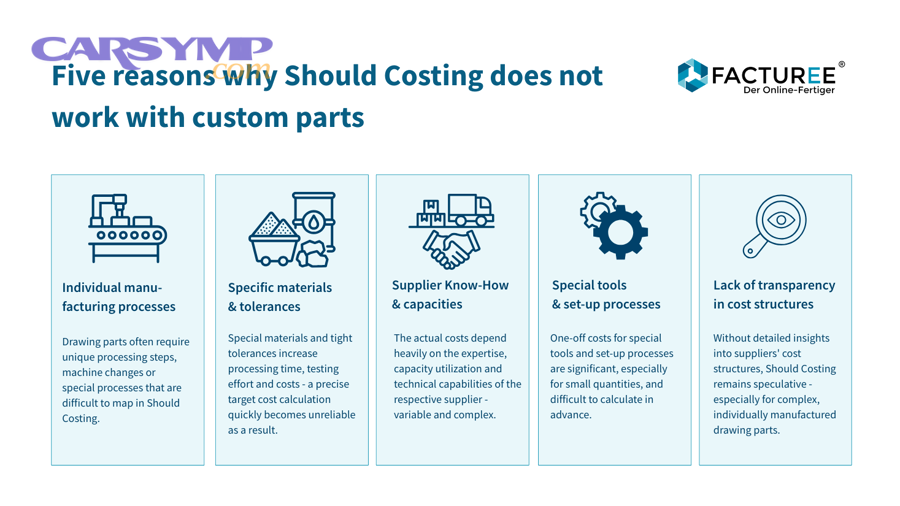
Specifically, three primary external cost drivers shape parts pricing: government-imposed tariffs and import restrictions, mandatory safety and quality certifications, and environmental regulations requiring process changes and sustainable material adoption.
How Do Tariffs and Import Duties Increase Parts Costs?
Tariffs and import duties increase parts costs by adding percentage-based taxes on imported goods, with current U.S. automotive parts tariffs at 25% on foreign-manufactured components and complete vehicles from certain countries, directly adding $250 to every $1,000 in imported parts costs. These trade policy costs accumulate throughout global supply chains as parts cross international borders multiple times during manufacturing and distribution.
Current tariff structures create complex cost calculations based on country of origin, manufacturing location, and trade agreement compliance. The United States-Mexico-Canada Agreement (USMCA) provides tariff exemptions for parts meeting regional content requirements, while parts from other countries face full tariff rates. An automotive component assembled in Korea faces 25% tariffs on the complete part value, while the same component assembled in Mexico from Korean-sourced materials might qualify for USMCA exemptions if sufficient North American content exists. These trade agreement nuances create cost advantages for manufacturers structuring supply chains to minimize tariff exposure.
Vehicle manufacturing location doesn’t guarantee tariff exemption if parts originate from tariffed countries. A “domestic” Chevrolet Trailblazer assembled in Korea using 52% Korean-sourced parts faces 25% tariffs on the entire vehicle including assembly value added, while a Honda CR-V assembled in the United States with only 20% Japanese parts incurs tariffs solely on that 20% content. This parts-sourcing complexity means buyers can’t assume domestic brand vehicles avoid import tariffs, requiring detailed country-of-origin analysis to understand true tariff exposure.
Steel and raw material tariffs compound finished parts tariffs by increasing manufacturing costs before final product tariffs apply. Steel tariffed at 25% raises costs for all steel-containing parts from body panels to engine blocks. However, sheet metal components including hoods, fenders, doors, and bumpers currently avoid additional finished parts tariff categories beyond raw steel tariffs, providing some cost relief. Other parts categories face both raw material tariffs and finished goods tariffs, creating cumulative import cost increases exceeding 50% in extreme cases.
Aftermarket parts face identical tariff rates as OEM components, eliminating potential cost advantages for imported alternatives. Foreign manufacturers producing affordable aftermarket parts see tariff costs erode price competitiveness versus domestic alternatives, reducing consumer choice and price competition. Some aftermarket suppliers shifted production to USMCA-compliant facilities in Mexico to maintain tariff-free access while preserving lower labor costs compared to U.S. manufacturing.
Inventory timing strategies help distributors manage tariff cost impacts by stockpiling parts before tariff implementations or rate increases. When trade policy changes announce future tariff rate increases, distributors accelerate imports to pay current lower rates before increases take effect. These inventory buildups create temporary cost advantages but require capital to finance larger holdings and warehouse capacity to store advance purchases. Smaller distributors lacking resources for inventory speculation face disadvantages competing against larger rivals with financial capacity to time inventory purchases around tariff changes.
According to data from the U.S. Census Bureau and Bureau of Economic Analysis, the goods and services trade deficit reached $78.2 billion in November 2024, with automotive parts representing substantial import volumes subject to tariff programs affecting retail pricing.
What Certification and Testing Costs Are Built Into Parts Prices?
Certification and testing costs built into parts prices include safety certification programs like UL/ETL requiring $50,000-200,000 in testing fees, FDA medical device approvals costing $100,000-500,000, industry-specific compliance standards, and ongoing recertification expenses that manufacturers amortize across expected production volumes. These regulatory approval costs particularly burden low-volume specialty parts carrying proportionally higher per-unit certification expenses.
UL (Underwriters Laboratories) and ETL (Intertek) safety certifications verify electrical components meet fire safety, electrical safety, and performance standards before market sale. Testing laboratories evaluate product designs, conduct destructive testing to identify failure modes, and verify manufacturing quality control processes. A relay manufacturer developing a new automotive relay design submits prototypes to UL for evaluation costing $75,000-150,000 depending on product complexity and testing scope. After initial approval, annual recertification audits verify continued compliance, adding ongoing costs to maintain certification validity.
FDA regulations govern medical device components and parts contacting food or pharmaceuticals, requiring extensive biocompatibility testing, sterilization validation, and performance verification. Medical-grade cables used in surgical equipment undergo cytotoxicity testing, sensitization studies, and implantation testing to verify biocompatibility, with complete testing programs costing $200,000-400,000. These comprehensive testing requirements explain why medical-grade components cost 5-10 times more than industrial equivalents despite similar physical specifications—the difference primarily reflects regulatory compliance costs rather than manufacturing expenses.
Automotive safety standards require crash testing, emissions validation, and durability verification for safety-critical components. Airbag systems undergo extensive crash testing in multiple collision scenarios to verify deployment timing, inflation pressure, and occupant protection. Battery systems for electric vehicles require abuse testing simulating crash scenarios, thermal runaway conditions, and electrical fault conditions. These testing programs consume months or years with dedicated engineering teams, specialized test facilities, and destroyed prototype hardware, all generating costs recovered through production parts pricing.
Industry-specific certifications create market entry barriers requiring substantial investment before generating revenue. Aerospace parts require AS9100 quality management certification demonstrating rigorous process controls and traceability systems. Obtaining AS9100 certification requires documented procedures, employee training, internal audits, and third-party verification costing $50,000-100,000 initially plus ongoing annual surveillance audits. Parts manufacturers serving aerospace customers must obtain certification regardless of production volume, making low-volume specialty parts particularly expensive as certification costs distribute across limited unit sales.
International markets require additional certifications meeting foreign regulatory standards, multiplying compliance costs for globally-distributed parts. European CE marking requirements differ from U.S. UL certifications, requiring separate testing and approval processes. A manufacturer selling electrical components globally must obtain UL certification for North American markets, CE marking for European markets, and various country-specific approvals for Asian markets, with each certification adding $50,000-150,000 in costs. These multi-market certification expenses explain why globally-distributed parts cost more than domestic-only alternatives—the pricing reflects worldwide regulatory compliance investments.
Low-volume specialty parts bear disproportionate certification cost burdens compared to mass-market products. A manufacturer producing 100,000 units annually distributes $100,000 in certification costs at $1 per unit, while a specialty manufacturer producing 1,000 units allocates the same $100,000 at $100 per unit. This cost structure creates pricing tiers where specialty applications requiring unique certifications face premium pricing independent of manufacturing complexity.
Do Environmental Regulations Add to Parts Costs?
Yes, environmental regulations add to parts costs through emissions compliance requirements, recycling program mandates, hazardous material restrictions, and sustainable material premiums that collectively increase manufacturing expenses 5-20% depending on industry segment and regulatory stringency. These environmental costs reflect societal decisions to internalize pollution externalities previously borne by communities rather than manufacturers, shifting costs from public health impacts to product pricing.
Emissions compliance requirements force manufacturers to invest in pollution control equipment, alternative materials, and process modifications reducing environmental impacts. Automotive paint operations must capture volatile organic compounds (VOCs) using expensive filtration systems preventing atmospheric release. These capital investments in environmental controls add facility costs amortized across production volume, increasing per-unit parts costs. Manufacturers in regions with strict environmental regulations face higher compliance costs than competitors in jurisdictions with lenient standards, creating cost disadvantages that manifest in higher prices.
Recycling and end-of-life disposal regulations require manufacturers to fund parts collection and recycling programs, particularly for products containing hazardous materials. European Union directives mandate electronics manufacturers fund recycling programs recovering precious metals, separating hazardous components, and properly disposing non-recyclable materials. These “extended producer responsibility” programs add per-unit fees covering future recycling costs, visible as line items on invoices or embedded in product pricing. Battery recycling programs charge upfront fees funding future collection and processing when batteries reach end-of-life.
Hazardous material restrictions like the EU’s RoHS (Restriction of Hazardous Substances) directive ban specific chemicals in electronics manufacturing, forcing material substitutions and process changes. Lead-based solder, a reliable and cost-effective joining method, faced phase-out requirements necessitating conversion to lead-free alternatives with different melting points, thermal properties, and long-term reliability characteristics. Manufacturers invested in new equipment, employee training, and qualification testing to validate lead-free processes, with those transition costs reflected in parts pricing. Alternative materials sometimes cost more than banned substances, directly increasing material expenses beyond transition investment costs.
Sustainable material adoption creates premium pricing when manufacturers voluntarily or mandatorily source environmentally-preferable materials. Recycled plastic content in automotive interior trim reduces virgin plastic consumption but costs more than standard materials due to limited supply and additional processing requirements. Bio-based materials derived from renewable resources rather than petroleum carry price premiums reflecting agricultural sourcing costs and specialized manufacturing processes. These sustainable material choices respond to environmental regulations, corporate sustainability commitments, and consumer preferences for environmentally-responsible products.
Carbon pricing mechanisms and emissions trading programs directly add costs in jurisdictions implementing climate change mitigation policies. European Union carbon allowance markets require manufacturers to purchase credits covering CO2 emissions from production processes, adding direct costs proportional to emissions intensity. These carbon costs accumulate throughout supply chains as material suppliers, parts manufacturers, and logistics providers all face carbon pricing, with cumulative costs flowing through to end users in final product prices.
According to research from the National Science Foundation and EPA data, environmental compliance investments in the manufacturing sector reached tens of billions of dollars annually, with costs varying significantly across industries based on pollution intensity and regulatory stringency.
Are There Hidden Time-Related Costs in Parts Procurement?
Yes, there are hidden time-related costs in parts procurement including lead time extensions adding 15-30% scarcity premiums, expedited delivery fees multiplying shipping costs 5-10x, equipment downtime expenses exceeding parts costs, and seasonal demand pricing variations creating 10-20% cost fluctuations. These temporal cost factors introduce pricing volatility independent of parts’ inherent value, reflecting market dynamics around availability and urgency.
Specifically, time-related costs manifest through supply shortages that create scarcity pricing and through opportunity costs when equipment remains idle awaiting parts delivery.
How Do Parts Shortages Drive Up Costs?
Parts shortages drive up costs by creating supply-demand imbalances where limited availability meets unchanged or increased demand, enabling suppliers to charge scarcity premiums of 15-50% above normal pricing until supply chains stabilize. Pandemic-era supply disruptions demonstrated how sudden shortages can multiply costs beyond typical inflation, with 2022 witnessing 10% OEM parts increases and 17% aftermarket parts increases compared to historical 0-4% annual inflation rates.
Supply chain disruptions trigger shortages through multiple mechanisms including factory closures reducing production capacity, logistics bottlenecks limiting distribution, and inventory depletion when demand surges faster than replenishment. The COVID-19 pandemic created simultaneous impacts across all three categories—Chinese factories closed for extended periods during lockdowns, shipping container shortages limited ocean freight capacity, and consumer spending shifted from services to goods creating unexpected demand spikes. These compound effects created parts shortages across industries from automotive to electronics to industrial equipment.
Semiconductor shortages exemplified how single-component scarcity cascades throughout industries dependent on that component. Automotive manufacturers couldn’t complete vehicle assembly without microchips controlling engine management, safety systems, and infotainment features, forcing production halts and creating downstream parts shortages as completed vehicles weren’t available for sale. These shortages persisted for years after initial pandemic disruptions as semiconductor fab capacity required multi-year expansion timelines to increase production. Parts containing semiconductors saw disproportionate price increases reflecting chip scarcity passed through supply chains.
Scarcity premiums emerge when buyers compete for limited supply by offering above-market prices to secure inventory access. A construction company facing project delays without critical hydraulic components offers premium prices to jump ahead of other buyers in supplier allocation queues. These competitive bidding dynamics create temporary price spikes during shortage periods, with costs returning to normal levels once supply stabilizes. However, extended shortages create new pricing baselines as buyers acclimate to higher costs and suppliers maintain elevated prices even after supply recovers.
Lead time extensions from typical 2-3 days to 2-3 weeks fundamentally change procurement strategies and costs. Short lead times enable just-in-time inventory management minimizing carrying costs, while extended lead times force advance ordering and larger safety stock holdings. The shift from just-in-time to “just-in-case” inventory strategies increases carrying costs as described earlier, with those additional holding expenses ultimately flowing through to parts pricing as suppliers recover increased inventory investments.
Hard-to-find parts command extreme scarcity premiums when single-source suppliers or discontinued parts create near-monopoly conditions. Classic vehicle restoration faces parts scarcity for out-of-production components with no modern equivalents, enabling specialty suppliers to charge premium prices to captive customer bases. Similar dynamics affect industrial equipment using proprietary parts from manufacturers who exited markets or discontinued product lines, leaving equipment owners dependent on aftermarket fabricators or used parts salvage at premium prices.
According to data from Mitchell International and industry analyses, parts shortages contributed more to price increases during 2020-2023 than any other single factor, with supply chain normalization in late 2023 finally stabilizing costs after years of disruption-driven inflation.
What Are the True Costs of Equipment Downtime?
The true costs of equipment downtime include lost productivity averaging $260,000 per hour for automotive manufacturing, rental equipment expenses at $500-2,000 daily, overtime wages to accelerate repairs and recover schedules, contractual penalties for missed deadlines, and reputational damage from delayed commitments. These downtime costs frequently exceed the parts purchase price by 10-100x, making parts availability and lead time considerations more critical than price for time-sensitive operations.
Lost productivity represents the largest downtime cost component in manufacturing and service industries where equipment idleness directly translates to revenue loss. An automotive assembly line producing 60 vehicles per hour with $4,300 average profit per vehicle loses $258,000 hourly when stopped awaiting parts. Construction equipment downtime prevents project progress, pushing completion dates later and incurring daily overhead costs without corresponding revenue generation. These opportunity costs accumulate linearly with downtime duration, making parts availability and rapid procurement more valuable than lowest purchase price.
Rental equipment costs provide alternatives when owned equipment awaits parts but add substantial expenses offsetting equipment ownership economics. A construction company paying $1,500 daily for replacement excavator rental while awaiting hydraulic pump parts spends $10,500 for a week-long repair. If the replacement pump costs $2,000, the total repair cost including rental reaches $12,500—but avoiding that downtime preserves project schedules and prevents contractual penalties potentially exceeding rental expenses. These trade-offs explain why expedited parts delivery at premium prices often provides net savings compared to standard shipping with extended downtime.
Overtime wages accelerate repair completion and recovery schedules after parts finally arrive following delays. Technicians working extended hours and weekend shifts earn premium overtime rates, typically 1.5-2x standard wages. A repair requiring 40 standard hours completed over five business days might compress into 30 overtime hours over a weekend to minimize production downtime. The 30 overtime hours at 1.5x rates cost 45 standard hours’ worth of wages, increasing labor expenses 12.5% to minimize downtime costs exceeding labor premiums.
Contractual penalties for schedule delays create hard costs beyond productivity losses when customer agreements include performance clauses. Government contracts frequently specify daily penalties for late delivery, with construction projects incurring liquidated damages of $1,000-10,000 per day beyond contracted completion dates. These penalty clauses exist because project owners suffer downstream costs from delays, with penalty payments compensating those impacts. Parts delays triggering contractual penalties create situations where premium parts pricing and expedited shipping generate net savings by avoiding much larger penalty exposures.
Reputational damage from missed commitments creates soft costs affecting future business opportunities. A logistics company unable to fulfill shipping commitments due to truck repairs risks losing customers to more reliable competitors. Manufacturing delays disappoint retail partners and end consumers, potentially damaging brand reputation and market position. These reputational impacts resist precise quantification but represent real economic costs flowing from parts procurement decisions prioritizing low prices over availability and lead time reliability.
Customer satisfaction impacts affect businesses dependent on repeat customers and referrals. Automotive repair shops delaying customer vehicle repairs while awaiting parts create frustration leading to negative reviews and lost future business. The gap between parts cost and customer lifetime value means that prioritizing parts availability despite higher costs often produces better economic outcomes than saving a few dollars on parts while losing valuable customers.

What Volume and Order Quantity Factors Affect Parts Pricing?
Volume and order quantity factors affecting parts pricing include minimum order quantity (MOQ) requirements forcing small buyers to purchase excess inventory, volume discount structures providing 20-40% savings at higher quantities, small order surcharges adding $25-100 to low-value purchases, and bulk purchasing economics that reduce per-unit costs through manufacturing efficiency and reduced transaction overhead. These quantity-based pricing models create cost advantages for large buyers while penalizing small-volume purchasers.
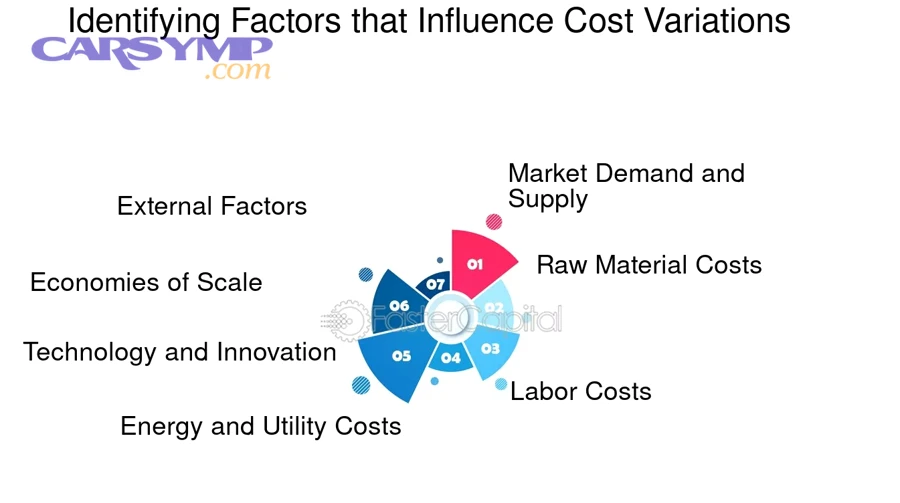
To elaborate, two specific mechanisms drive quantity-based pricing: minimum order requirements that force inventory investments, and economies of scale that reward higher production volumes with lower per-unit costs.
How Do Minimum Order Quantities Increase Individual Part Costs?
Minimum order quantities increase individual part costs by requiring buyers to purchase more units than immediately needed, creating excess inventory carrying costs and capital tie-up that effectively raises the per-unit cost when amortized over actual usage. Electronic components exemplify MOQ impacts, with semiconductors and passive components typically sold in reels of 5,000 units, forcing buyers needing 500 components to purchase and store 4,500 excess units.
Component packaging standards drive MOQ requirements based on manufacturing and handling efficiency. Semiconductor manufacturers package integrated circuits in tape-and-reel formats standardized to automated pick-and-place equipment used in electronics assembly. These reels contain 1,000-5,000 components depending on package size, with suppliers unwilling to break reels for small orders due to labor costs and contamination risks from opening sealed packaging. Buyers needing small quantities face choices between paying MOQ prices for full reels or accepting premium pricing for cut-tape small-quantity services adding 50-100% to per-unit costs.
Small order surcharges directly add fees to purchases below specified value thresholds, compensating suppliers for processing costs that remain constant regardless of order size. A $50 order requires identical order processing, picking, packing, and shipping labor as a $500 order, making small orders unprofitable at standard pricing. Suppliers implement $25-100 small order fees making tiny purchases economically viable while encouraging buyers to consolidate requirements into larger orders. These surcharges create step-function pricing where buyers just below surcharge thresholds often order additional items to exceed limits and avoid fees.
Inventory burden costs accumulate when MOQ requirements force excess inventory purchases. A manufacturer needing 100 specialty fasteners yearly faces MOQ requirements of 1,000 pieces, creating a 10-year supply sitting in inventory. That inventory ties up capital earning zero return, requires warehouse space, needs periodic inventory counts, and risks obsolescence if product designs change. The true cost per fastener used includes not only the purchase price but the carrying costs over the 10-year consumption period, potentially doubling effective costs.
Strategic sourcing approaches help mitigate MOQ impacts through supplier consolidation, inventory sharing agreements, and production planning optimizations. Companies manufacturing multiple products using common components can aggregate demand across product lines to reach MOQ thresholds. Shared inventory programs allow multiple buyers to split MOQ purchases through distributor-managed inventory where suppliers maintain stock and bill customers for actual withdrawals. These collaborative approaches reduce individual buyer MOQ burdens while maintaining supplier economic efficiency.
Alternative supply channels like electronics distributors and industrial parts suppliers stock common components in small quantities, accepting lower margins on small orders to attract customers who become loyal large-volume buyers as requirements grow. These distributors purchase at full MOQ quantities from manufacturers, break bulk into small quantities, and accept inventory holding costs to provide small-quantity availability at premium prices. The distributor markup reflects both profit margin and carrying costs for maintaining diverse inventory available in any quantity.
Why Does Higher Volume Lower Per-Unit Costs?
Higher volume lowers per-unit costs because fixed costs like tooling, setup labor, quality certifications, and R&D amortize across more units while manufacturing efficiency improves through learning curves, optimized material usage, and automated processes economical only at scale. Die casting exemplifies volume economics—initial die costs reach $50,000-150,000, making low-volume production prohibitively expensive at $500-1,500 per part for 100 units but economical at $5-15 per part for 10,000 units once tooling costs distribute across high volumes.
Manufacturing setup costs represent significant fixed expenses independent of production volume. Injection molding machines require mold installation, parameter optimization, and first-article inspection before production begins, consuming 2-4 hours of setup labor worth $200-400. Producing 100 parts allocates $2-4 per part in setup costs, while producing 10,000 parts reduces setup allocation to $0.02-0.04 per part. This fixed cost dilution through volume explains why manufacturers prefer large production runs minimizing setup frequency and maximizing productive machine time.
Material utilization efficiency improves at higher volumes through optimized cutting patterns, reduced waste, and supplier volume discounts. A fabrication shop cutting sheet metal parts can nest components more efficiently on larger material sheets when producing high volumes, reducing scrap rates from 25% to 10-15%. These material savings directly reduce per-unit costs while larger material purchases qualify for volume discounts from suppliers. The combination of reduced waste and volume purchase discounts creates compounding cost advantages at scale.
Labor learning curves reduce assembly time as workers gain experience with repetitive tasks. The first unit of a new product might require 10 hours assembly time as workers familiarize themselves with procedures, while the 100th unit requires only 6 hours as workers develop muscle memory and efficiency. Industrial engineering studies document learning curve effects reducing labor hours 10-30% as production volumes increase, with those labor savings translating directly to lower per-unit costs. Automated assembly economical only at high volumes further reduces labor costs once production scales justify capital investment in robotics and specialized equipment.
Quality control costs spread across higher volumes reduce per-unit inspection expenses. Testing equipment costing $100,000 supports production whether manufacturing 1,000 units or 100,000 units annually, creating cost allocation of $100 per unit at low volume versus $1 per unit at high volume. Similarly, quality certifications like ISO 9001 require fixed investment in documented procedures, internal audits, and external certification regardless of production scale, making per-unit certification costs inversely proportional to output.
Supplier negotiations favor high-volume buyers through quantity discounts, priority service, and customized logistics arrangements. A buyer purchasing 100,000 units annually receives 20-30% volume discounts compared to catalog pricing while negotiating favorable payment terms, dedicated inventory allocations during shortages, and expedited shipping at standard rates. These procurement advantages compound with manufacturing efficiencies to create substantial cost differentials between high-volume and low-volume production.
According to industrial engineering research and manufacturing cost analyses, high-volume production achieves 30-50% lower per-unit costs compared to low-volume production of identical parts, with the magnitude depending on the ratio of fixed costs to variable costs in the manufacturing process.
What Quality and Warranty Costs Are Factored Into Parts Pricing?
Quality and warranty costs factored into parts pricing include OEM quality premiums of 40-100% over aftermarket alternatives, warranty program reserves of 2-5% of sales revenue, defect and rework budgets averaging 1-2% of production costs, comprehensive quality testing expenses, and long-term reliability engineering programs that collectively add 10-25% to parts costs. These quality assurance investments protect manufacturers from warranty claims and reputation damage while providing customers reliability guarantees.
Specifically, OEM premium pricing reflects quality guarantees and warranty backing, while defect management costs cover inevitable manufacturing imperfections requiring correction or replacement.
Why Do OEM Parts Cost More Than Aftermarket Alternatives?
OEM parts cost more than aftermarket alternatives because original equipment manufacturers charge 40-100% premiums for guaranteed compatibility, brand reputation, warranty backing, stringent quality control, and exclusive distribution agreements that limit competition and maintain pricing power. These premiums reflect both genuine quality differences and market positioning strategies protecting OEM service revenue streams.
Guaranteed compatibility represents a legitimate OEM value proposition as original manufacturers design parts specifically for their equipment with complete technical specifications and testing validation. An OEM alternator matches exact electrical output specifications, mounting dimensions, belt pulley configurations, and connector types for specific vehicle models, eliminating fitment uncertainties that sometimes plague aftermarket alternatives offering “universal fit” solutions requiring modifications. This compatibility assurance justifies premiums for buyers prioritizing installation simplicity and functionality certainty over cost savings.
Brand reputation and customer trust command pricing premiums independent of physical part characteristics. Buyers perceive OEM brands as higher quality based on manufacturer reputation and association with original equipment production, even when aftermarket parts originate from the same contract manufacturers. This perception allows OEM branding to capture premium pricing despite identical physical products, with the price differential representing pure brand value rather than quality differences. Luxury automotive brands like BMW and Mercedes-Benz charge particularly high OEM parts premiums leveraging prestigious brand associations.
Warranty backing provides financial protection and peace of mind justifying OEM premiums for risk-averse buyers. OEM parts typically include 12-36 month warranties covering defects and premature failures, while some aftermarket brands offer limited or no warranty coverage. Warranty claims require manufacturers to replace defective parts at their expense, with warranty reserve funds set aside to cover anticipated claim costs. These warranty obligations represent real costs embedded in OEM pricing, though warranty claim rates averaging 1-3% suggest warranty costs account for small portions of OEM premiums rather than fully explaining 40-100% price differences.
Quality control stringency creates measurable differences between OEM and aftermarket parts in some categories. OEM manufacturers conduct extensive testing programs validating durability, environmental resistance, and performance consistency across temperature extremes and mechanical stress. Aftermarket manufacturers sometimes skip expensive testing to reduce costs, accepting higher failure rates as acceptable trade-offs for lower pricing. Independent testing occasionally identifies aftermarket parts failing prematurely or performing below specifications, validating OEM quality claims and premium pricing in those instances.
Exclusive distribution agreements grant OEM dealers monopoly access to certain parts, eliminating price competition and enabling sustained premium pricing. Automakers contractually restrict parts sales outside dealer networks for components they control, particularly for newer vehicle models under warranty. This distribution exclusivity prevents independent shops from sourcing OEM parts directly from manufacturers, forcing them to purchase through dealer networks at retail prices rather than wholesale rates. The lack of competition allows dealers to maintain markup rates far exceeding typical aftermarket distributor margins.
Captive customers requiring warranty-compliant repairs have limited alternatives to OEM parts, creating pricing power during warranty periods. Manufacturers typically void warranties if non-OEM parts cause failures, forcing consumers with warranty coverage to accept OEM pricing despite aftermarket availability. This warranty leverage generates substantial service revenue for manufacturers during vehicle warranty periods, with the starter replacement cost at dealers significantly exceeding independent shop pricing using aftermarket alternatives once warranty coverage expires.
How Much Do Defects and Returns Add to Parts Costs?
Defects and returns add 3-8% to parts costs through warranty claim reserves, return logistics and handling, replacement part costs, quality assurance program expenses, and customer service overhead managing complaint resolution and goodwill gestures. Manufacturers budget 1-2% of production for rework or scrap during manufacturing, with an additional 1-3% reserved for field failures requiring warranty replacement after customer use.
Manufacturing defects occur despite quality control efforts, with defect rates varying by product complexity and process maturity. Simple stamped metal parts might achieve 99.5% yield rates with 0.5% scrap, while complex electronic assemblies might experience 3-5% defect rates requiring rework or scrap. These defective units represent sunk costs in materials and labor without generating revenue, forcing manufacturers to distribute those losses across sellable units. A 2% defect rate effectively increases per-unit production costs by 2% as revenue from 98 units must cover expenses for 100 units produced.
Rework processes recover value from defective parts when defects allow correction rather than requiring complete scrap. A circuit board with incorrect component placement can undergo rework removing and reinstalling components correctly, salvaging the board despite additional labor costs. Rework labor typically costs 50-200% of original assembly labor as technicians carefully remove components without damaging boards, clean contaminated areas, and reinstall correctly. These rework costs add to total production expenses even though no additional materials are consumed.
Return logistics costs accumulate when field failures require parts replacement under warranty programs. Customers contact support centers describing failures, support staff diagnose issues and authorize returns, shipping labels get generated for return transit, warehouse staff receive and inspect returned parts, and engineering teams analyze failure modes. This reverse logistics process costs $15-50 per warranty claim depending on part size and support infrastructure, with costs absorbed by manufacturers rather than recovered from customers under warranty terms.
Replacement part costs under warranty programs double material costs for defective units as manufacturers both lose the original part and must provide a replacement part free to customers. A component costing $100 to manufacture that fails under warranty creates $200 in direct costs plus logistics, diagnosis, and administrative overhead. Manufacturers budget warranty reserves based on historical failure rates and product lifecycles, setting aside 1-3% of revenue to cover anticipated warranty expenses. Products with higher reliability command premium pricing in part because lower warranty costs improve margins compared to unreliable alternatives requiring higher warranty reserves.
Customer service overhead represents hidden defect costs as support staff handle complaint calls, process warranty claims, authorize replacements, and manage customer expectations. A single warranty claim might consume 30-60 minutes of support staff time at labor costs of $15-30, with complex issues requiring engineering involvement at $50-100 per hour. These support costs accumulate across warranty claim volumes, with high-defect-rate products requiring larger support organizations and generating higher per-unit costs allocated across all units sold.
Goodwill gestures and customer retention efforts add costs beyond contractual warranty obligations when manufacturers provide extra compensation to appease disappointed customers. A customer experiencing multiple failures might receive expedited replacement shipping, extended warranty coverage, or partial refunds beyond standard warranty terms. These goodwill investments protect customer relationships and brand reputation at costs exceeding basic warranty obligations.
According to quality management research and manufacturing industry data, total quality costs including prevention, appraisal, internal failures, and external failures typically range from 5-15% of sales revenue, with best-in-class manufacturers achieving 3-5% through superior quality management while average performers experience 8-12% quality costs.

How Can You Reduce These Hidden Parts Costs?
You can reduce hidden parts costs through strategic supplier negotiations capturing volume discounts of 20-40%, selective use of recycled or refurbished parts saving 50-75%, preventive maintenance programs extending part lifecycles 30-50%, and cost-comparison tools identifying optimal sourcing channels that balance price, quality, and lead time. These cost management strategies require proactive approaches beyond simply accepting supplier pricing and availability.
More specifically, four key strategies enable cost reduction: negotiating favorable pricing terms, utilizing alternative parts sources, implementing preventive maintenance, and employing analytical tools for informed purchasing decisions.
What Are the Best Strategies for Negotiating Parts Pricing?
The best strategies for negotiating parts pricing include volume commitment agreements securing 15-30% discounts, long-term supplier partnerships enabling collaborative cost reduction, direct-from-manufacturer sourcing eliminating distributor markups, strategic timing purchases to avoid shortage premiums, and leveraging multiple competitive quotes to establish market pricing. These negotiation approaches require preparation, market knowledge, and relationship management skills beyond transactional purchasing.
Volume commitment negotiations leverage purchasing power to extract concessions from suppliers eager for guaranteed sales volumes. Buyers committing to annual purchase volumes of 10,000 units negotiate unit prices 20-30% below catalog rates, with suppliers accepting lower margins in exchange for revenue predictability and reduced sales costs. These volume agreements require accurate demand forecasting and binding purchase commitments, but the price savings often justify inventory risk when forecasts prove conservative. Graduated pricing tiers reward higher volumes with increasing discount percentages, incentivizing buyers to consolidate requirements with single suppliers.
Long-term supplier partnerships create opportunities for collaborative cost reduction beyond simple price discounting. Established relationships enable suppliers to invest in process improvements, specialized tooling, and custom packaging knowing that multi-year agreements justify capital investments. Buyers share demand forecasts allowing suppliers to optimize production scheduling, reduce setup frequency, and maintain appropriate inventory levels. These operational efficiencies generate cost savings shared between buyers and suppliers through negotiated pricing formulas or annual price reduction targets.
Direct-from-manufacturer sourcing eliminates distributor markups of 20-40% when buyers have sufficient volume and internal resources to manage manufacturer relationships. Large fleet operators purchasing thousands of parts annually negotiate direct supply agreements with manufacturers, bypassing traditional distributor networks and capturing markup savings. This strategy requires administrative capability to manage multiple manufacturer relationships, minimum order quantities meeting manufacturer thresholds, and inventory investment to accommodate manufacturer lead times. Small buyers lacking scale to justify direct manufacturer relationships typically rely on distributors despite markup costs.
Strategic timing purchases to avoid shortage premiums requires market monitoring and inventory management sophistication. Buyers tracking commodity markets, supply chain conditions, and seasonal demand patterns identify optimal purchase timing when supply exceeds demand and prices soften. Purchasing major components during slow demand seasons or ahead of predicted shortages locks in favorable pricing while avoiding scarcity premiums. This strategy demands capital to finance advance purchases and storage capacity for inventory holdings, but cost savings of 15-30% during shortage periods justify these investments.
Leveraging multiple competitive quotes establishes market pricing benchmarks and creates supplier competition driving favorable terms. Buyers soliciting quotes from 3-5 suppliers for substantial purchases gain market intelligence about prevailing pricing while signaling to suppliers that competitive pressure exists. Even buyers with preferred supplier relationships benefit from periodic competitive quote processes validating that existing pricing remains market-competitive. Transparent communication about competitive quote processes encourages incumbent suppliers to sharpen pricing rather than risk losing business to lower-cost alternatives.
Payment terms negotiations create financial value beyond unit price discussions. Suppliers offering 2% discounts for payment within 10 days (2/10 net 30 terms) effectively provide 36% annualized returns on early payment. Buyers with strong cash positions benefit from early payment discounts while suppliers improve cash flow and reduce receivables carrying costs. Extended payment terms provide working capital benefits for cash-constrained buyers willing to accept slightly higher unit prices in exchange for deferred payment schedules.
When Should You Choose Recycled or Refurbished Parts Over New?
You should choose recycled or refurbished parts over new when parts are non-safety-critical, cost savings of 50-75% justify limited warranty coverage, supplier reputation ensures quality standards, and environmental sustainability priorities align with organizational values. Safety-critical components like airbags, brake pads, and structural elements warrant new parts, while non-critical components like mirrors, fenders, radiators, and interior trim offer excellent recycling opportunities.
Cost savings represent the primary driver for recycled parts adoption, with used engines or transmissions costing half to one-quarter of new equivalents. A remanufactured engine priced at $2,500 versus $8,000 for new generates $5,500 savings, often with comparable reliability when sourced from reputable remanufacturers conducting comprehensive rebuilding processes. These dramatic cost differences particularly benefit older vehicle repairs where parts costs approach vehicle values, making recycled parts essential for economic repair viability.
Quality considerations for recycled parts depend heavily on supplier reputation and certification standards. Reputable recycled parts suppliers implement rigorous inspection protocols, component testing, and quality guarantees approaching new parts standards. Certified remanufacturers disassemble used components, replace worn parts, conduct performance testing, and provide warranties validating reliability confidence. Lesser-quality salvage yards simply remove parts from damaged vehicles without testing or quality verification, creating reliability uncertainties that may not justify cost savings. Buyers should verify supplier certifications, request warranty terms, and review customer feedback before purchasing recycled parts.
Safety-critical component decisions weigh potential liability and failure consequences against cost savings. Brake system components, airbag modules, seat belt assemblies, and structural elements warrant new parts due to safety implications and liability exposures from component failures. Non-safety components like body panels, interior trim, lighting housings, and mechanical parts with easy failure detection present lower risk profiles suitable for recycled alternatives. Conservative safety approaches default to new parts for any component with potential safety implications, accepting higher costs as appropriate risk management.
Vehicle age and value influence recycled parts suitability based on repair economics. Older vehicles with depreciated values below $5,000 rarely justify $3,000 in new parts for mechanical repairs, making recycled parts essential for economical repairs. Newer vehicles under warranty require new OEM parts to maintain coverage, while mid-life vehicles outside warranty but retaining substantial value balance cost considerations against reliability preferences. The average alternator replacement cost using recycled parts might range $150-300 compared to $400-600 for new, with the savings potentially determining repair viability for high-mileage vehicles.
Environmental sustainability benefits motivate recycled parts adoption independent of cost considerations for organizations prioritizing reduced carbon footprints. Manufacturing new parts consumes raw materials, energy, and generates emissions, while recycled parts extend existing materials’ useful life without additional manufacturing impacts. Automotive repair facilities advertising environmental commitment differentiate services through recycled parts usage, attracting environmentally-conscious customers willing to pay modest premiums for sustainable repair practices.
Availability advantages sometimes favor recycled parts for discontinued or obsolete components no longer manufactured. Classic vehicle restoration depends on recycled parts markets for authentic components no longer in production, with specialty salvage yards and parts collectors providing the only sources for rare parts. Even modern vehicles face parts discontinuation a decade after production ends, creating scenarios where recycled parts offer the sole repair option without expensive custom fabrication.
How Does Preventive Maintenance Reduce Long-Term Parts Costs?
Preventive maintenance reduces long-term parts costs by extending component lifecycles 30-50%, preventing catastrophic failures requiring multiple related part replacements, enabling planned downtime during convenient schedules avoiding emergency premium pricing, and preserving asset resale values through documented maintenance histories. These proactive maintenance investments generate returns of $3-5 for every $1 spent through avoided reactive repairs and extended equipment longevity.
Component lifecycle extension represents the most direct preventive maintenance benefit as regular servicing prevents premature wear and failure. Engine oil changes at recommended intervals remove contamination preventing bearing wear, piston ring damage, and cylinder scoring that would necessitate expensive engine rebuilds. A $75 oil change every 5,000 miles prevents $5,000-10,000 engine repairs, demonstrating massive cost avoidance returns. Similar principles apply across all equipment types where lubricants, filters, and adjustments prevent accelerated component degradation.
Catastrophic failure prevention avoids domino effects where one failed component damages related systems. An overheated engine due to coolant system neglect can damage cylinder heads, warp engine blocks, and destroy gaskets, transforming a $150 cooling system service into a $8,000 engine replacement. Preventive maintenance detecting cooling system deterioration before failure prevents cascading damage and associated repair costs. Relay failures in electrical systems can damage downstream components if protective devices don’t isolate faults, making preventive relay testing and replacement economical compared to extensive system damage from electrical faults.
Planned downtime scheduling during convenient periods avoids emergency repair premium pricing and production disruption costs. Equipment failures during peak production periods force emergency parts procurement at premium pricing, expedited shipping charges, and overtime repair labor. Preventive maintenance identifying wear patterns and scheduling repairs during planned downtime avoids these premiums while maintaining production schedules. Manufacturing facilities conducting annual maintenance shutdowns replace marginally-worn parts preemptively, avoiding mid-production failures disrupting schedules and incurring premium emergency repair costs.
Storeroom inventory preservation through proper storage maintenance prevents deterioration of spare parts held for emergency use. Motors and electrical equipment stored in climate-controlled environments with periodic rotation and testing remain serviceable for years, while equipment neglected in storage may fail when installed despite never running. Bearing lubrication maintenance, battery charging cycles, and seal preservation prevent storage-related degradation, ensuring spare parts function as expected when needed rather than requiring replacement of both failed operating equipment and deteriorated spare inventory.
Asset resale value preservation through documented maintenance histories creates financial benefits when equipment reaches end-of-life for original owners. Well-maintained equipment with complete service records commands premium resale prices as buyers value predictable remaining service life and lower near-term repair risks. Equipment with unknown or poor maintenance histories sells at discounts reflecting buyer uncertainty about deferred maintenance requirements and potential hidden problems. The resale value premium for well-maintained equipment often exceeds total preventive maintenance costs over ownership periods.
According to research from the U.S. Department of Energy and various industrial maintenance studies, preventive maintenance programs reduce equipment downtime by 30-50%, extend asset service life 20-40%, and generate cost savings of 12-18% compared to reactive maintenance approaches.
What Cost-Comparison Tools Should You Use Before Purchasing Parts?
Cost-comparison tools you should use before purchasing parts include Total Cost of Ownership calculators incorporating purchase price plus installation and lifecycle costs, supplier comparison matrices evaluating price-quality-service trade-offs, industry pricing benchmarks validating market competitiveness, and digital procurement platforms aggregating multiple supplier quotes for instant comparison. These analytical tools enable data-driven purchasing decisions beyond simple price comparisons.
Total Cost of Ownership calculators provide comprehensive cost analysis incorporating purchase price, shipping fees, installation labor, calibration requirements, expected service life, maintenance costs, and disposal fees. Spreadsheet-based TCO tools allow users to input various cost components and compare alternatives across complete ownership periods rather than focusing solely on acquisition costs. A TCO analysis might reveal that a premium part costing 30% more lasts twice as long with lower maintenance requirements, generating lower total ownership costs despite higher purchase price. These tools particularly benefit fleet managers and facility managers making repetitive purchasing decisions where lifecycle costs accumulate substantially.
Supplier comparison matrices organize multiple decision criteria beyond price, including quality ratings, warranty terms, delivery lead times, technical support availability, and past performance history. Weighted scoring models assign importance values to each criterion based on organizational priorities, calculating composite scores for objective supplier comparison. A matrix might weight quality 40%, price 30%, delivery speed 20%, and support 10%, revealing that mid-priced suppliers with excellent quality and service outperform lowest-price suppliers on overall value. These structured comparison approaches prevent price-only decisions that ignore critical quality and service factors.
Industry pricing benchmarks validate whether quoted prices align with market rates or represent outliers warranting negotiation. Trade associations, industry publications, and specialized benchmarking services publish average pricing data for common parts categories, providing reference points for purchase negotiations. A buyer receiving a $500 quote for a component with $300 industry benchmark pricing identifies overpricing requiring competitive quotes or supplier negotiation. Regular benchmark monitoring also identifies long-term price trends, distinguishing temporary market fluctuations from sustained cost increases requiring budget adjustments.
Digital procurement platforms and online marketplaces aggregate multiple supplier inventories with instant price comparison and ordering capabilities. Automotive parts platforms display pricing from dozens of suppliers simultaneously, enabling buyers to identify lowest-cost sources within seconds. These platforms often include user reviews, fitment verification tools, and shipping calculators providing comprehensive purchase information beyond bare part prices. The transparency created by digital comparison platforms drives competitive pricing as suppliers recognize that customers instantly compare alternatives.
RFQ (Request for Quote) management software streamlines complex quotation processes for buyers sourcing specialized parts from multiple potential suppliers. These platforms distribute standardized specifications to supplier networks, collect responses, and present side-by-side comparisons highlighting price, delivery, and terms differences. The standardization ensures quote comparability while documentation creates audit trails for purchasing accountability. Large organizations managing thousands of parts purchases annually achieve substantial efficiency and cost savings through RFQ automation compared to manual quote solicitation processes.
Cost modeling tools help buyers understand supplier cost structures and identify reasonable pricing expectations for negotiation purposes. Understanding that a machined part requires $20 in materials, $30 in labor, and $15 in overhead helps buyers recognize that $100 quoted prices include reasonable margins while $200 quotes contain excessive markup. This cost transparency enables informed negotiations where buyers propose realistic target pricing based on production economics rather than arbitrary discounting requests. Suppliers respect buyers demonstrating cost understanding and negotiate more productively than buyers demanding unrealistic price concessions.
This comprehensive examination of parts cost factors reveals that purchase price represents only one component of total expenditure, with hidden costs potentially doubling or tripling visible pricing. Successful cost management requires understanding these diverse cost drivers, strategically negotiating supplier terms, selectively utilizing alternative parts sources, implementing preventive maintenance programs, and employing analytical tools for informed decision-making. Organizations mastering these cost management disciplines achieve competitive advantages through lower total costs of ownership while maintaining quality standards and operational reliability.