


DIY alternator replacement can be one of the highest-value driveway repairs because you’re mostly paying for the part, not labor. If your vehicle has reasonable access and you already own basic hand tools, the total can stay surprisingly controlled while restoring reliable charging power.
Beyond the headline price of the alternator itself, the real question is what else you’ll need to buy (or replace “while you’re in there”) to keep the job from turning into a second teardown. That means budgeting for belts, hardware, testing, and the little supplies that make the install safe and repeatable.
You’ll also want to make a smart parts choice that matches your goals: cheapest-now, longest-life, or best warranty-per-dollar. The wrong choice can turn a “savings” job into repeat labor, downtime, and extra returns.
Tiếp theo, we’ll break the cost into parts, tools, and time—then connect those pieces into a decision path you can actually use before you open the hood.
How much should you budget for a DIY alternator swap from start to finish?
A realistic DIY budget is the alternator price plus a small “project buffer” for belt-related items, testing, and supplies, because those add-ons are what most often push a simple swap over budget. Để bắt đầu, treat your total as a bundle rather than a single part.
As a baseline for context, professional pricing gives you a ceiling for comparison. Theo nghiên cứu của RepairPal từ Fair Price Estimator data, vào October 2025, the average shop price for an alternator replacement was between $744 and $1,034, with parts and labor split as a major driver of total cost.
What are the main cost buckets in a DIY alternator job?
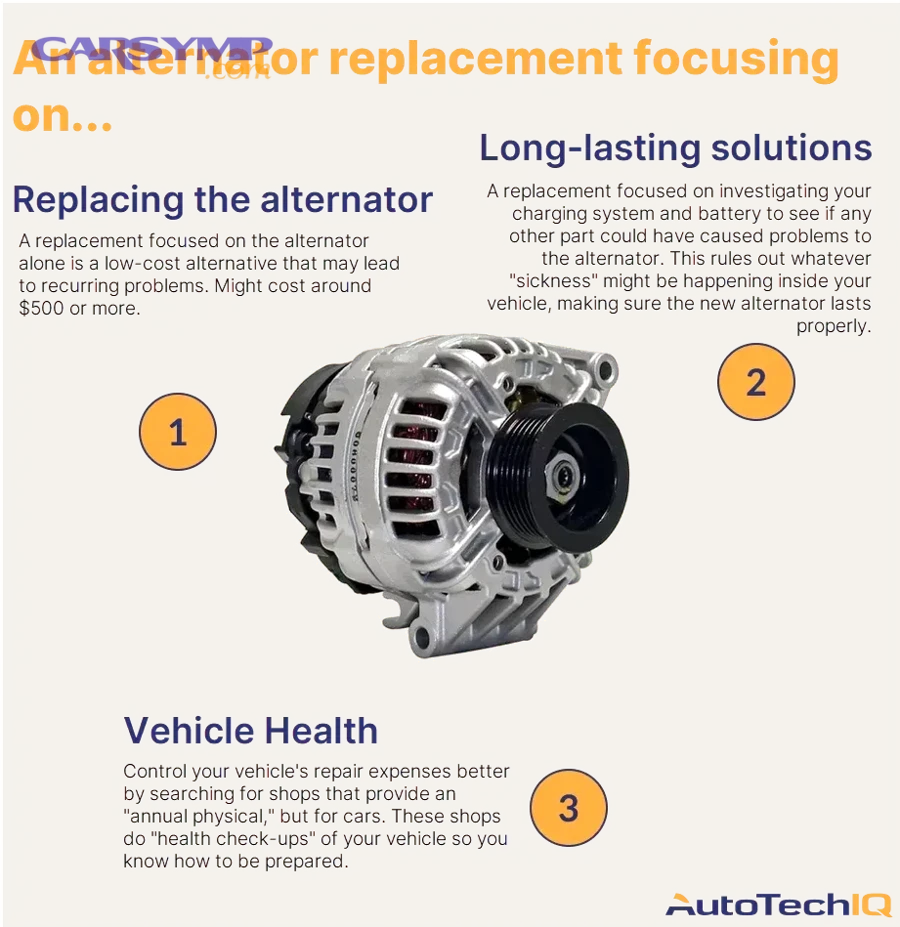
Your DIY total usually comes from four buckets: the alternator itself, belt-drive items, basic consumables, and diagnostic/testing tools (if you don’t already have them). Cụ thể, most people underestimate the “small” bucket because it’s purchased in pieces.
- Alternator unit: new, remanufactured, or aftermarket (the core of your cost).
- Belt-drive related: serpentine belt, idler or tensioner parts if worn.
- Consumables: dielectric grease, anti-seize, contact cleaner, zip ties, shop towels, gloves.
- Testing: multimeter or battery/charging test access (tool purchase or free store test).
What does a practical DIY cost range look like?
Because alternator designs vary widely, DIY totals are best thought of as “good access” vs “tight access.” Good access keeps the job limited to the alternator and a belt check; tight access can trigger extra removals, longer time, and a higher chance you’ll replace adjacent wear items. Sau đây is a budgeting framework you can adapt without guessing a single precise number for every vehicle.
This table contains a DIY budgeting framework that shows what you may spend in each cost category, helping you total the project before buying parts.
| Cost Category | Typical DIY Spend | What Moves It Up |
|---|---|---|
| Alternator unit | Varies by vehicle/output | High-amperage units, OEM branding, integrated regulators, start-stop systems |
| Core charge (refundable) | Deposit until you return old unit | Forgetting to return core, late return windows, damage to core |
| Serpentine belt | Often modest vs alternator | Stretch-belt systems, seized pulleys, contamination with oil/coolant |
| Tensioner/idler (optional) | Optional unless noisy/worn | Worn bearings, weak spring tension, belt chirp or squeal, high mileage |
| Tools/supplies | Low if already owned | No socket set, no torque wrench, no multimeter, special bits |
When you compare your DIY total to a shop estimate, keep the comparison honest: DIY saves labor, but it also shifts time, risk, and parts-choice responsibility onto you. This is where the phrase alternator replacement cost becomes meaningful—not as a single number, but as a bundle of decisions you control.
Which vehicle factors change DIY price the most?
The biggest price swing comes from access and system complexity: the harder the alternator is to reach and the more electronics it interacts with, the more likely you’ll spend extra on time, tools, or related parts. Bên cạnh đó, vehicle age trends matter because older vehicles often bring belt and connector wear into the same job.
Theo nghiên cứu của S&P Global Mobility từ Vehicle Age analysis, vào May 2024, the average age of cars and light trucks in the U.S. reached 12.6 years, which increases the odds that belts, pulleys, and connectors are also near end-of-life during an alternator repair.

How does alternator location affect your cost?
If the alternator is top-front and accessible, DIY is mostly a parts job. If it’s buried low, behind the radiator fan area, under an intake tube maze, or near a wheel well, you may need extra tools (extensions, wobble sockets) and you’ll burn more time. Cụ thể hơn, more removals also raise the chance you’ll replace clips, fasteners, or a worn belt just to avoid doing the disassembly twice.
Why do amperage rating and electrical load matter?
Alternators are matched to vehicle electrical demand. Higher-output units and vehicles with many electrical consumers (heated seats, strong audio, auxiliary lighting, towing packages) can raise part prices. However, oversizing “just because” can backfire if it doesn’t fit brackets or if the pulley alignment differs. Ngược lại, undersizing can cause low charge symptoms that look like a bad install.
What about modern systems like start-stop or smart charging?
Some vehicles use computer-managed charging, battery sensors, or require battery registration/relearn steps after electrical work. That doesn’t always add direct cost, but it can add tool or software needs if your vehicle demands a scan tool for reset procedures. Đặc biệt, if you skip required relearns, you may chase phantom charging problems and spend more on repeated testing.
Should you buy new, aftermarket, or remanufactured for DIY?
New is usually best for long-term ownership, remanufactured is often the best value-per-warranty, and low-cost aftermarket can be acceptable when brand quality is proven—but it’s also where repeat failures are most common. Để hiểu rõ hơn, make your choice based on downtime tolerance, warranty length, and return friction, not just the sticker price.
Theo nghiên cứu của ConsumerAffairs từ Automotive Cost Analysis desk, vào May 2025, remanufactured alternators were described as roughly 25% cheaper than brand-new ones and commonly used as a replacement standard in many repair scenarios.
What does “remanufactured” really mean for your wallet?
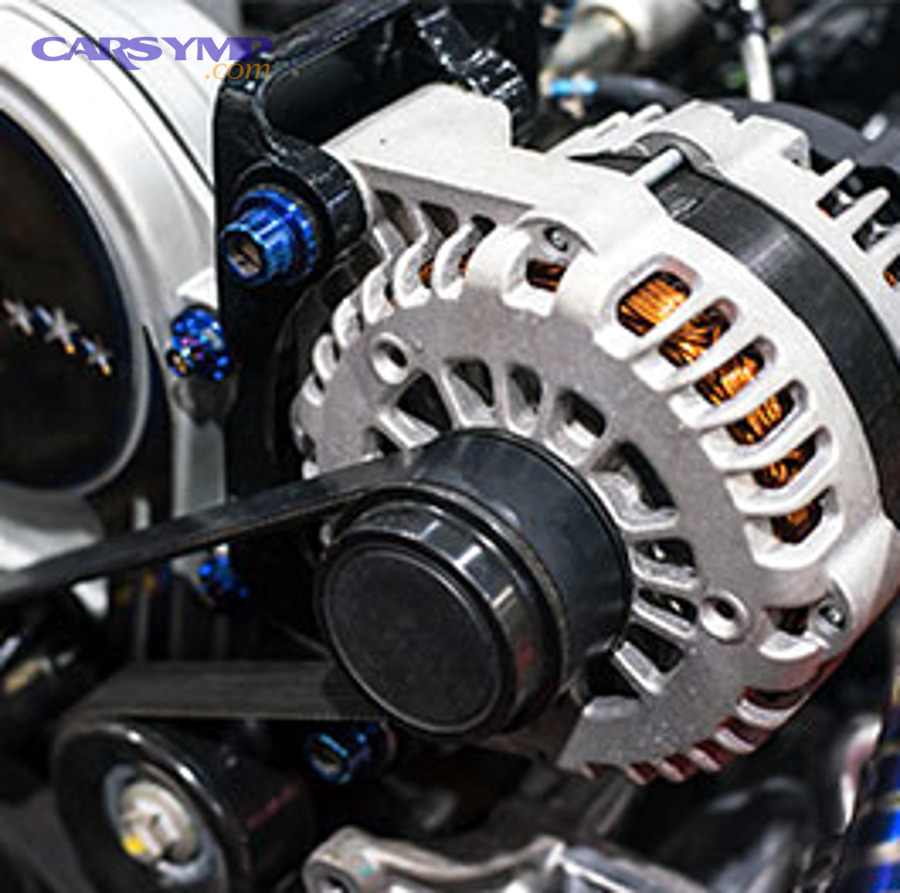
Remanufactured units are rebuilt to a specification, typically with replaced wear components and testing. The upside is a lower price and often a strong warranty; the downside is variability between rebuilders. For DIY, the key cost risk is repeat labor: if a low-quality unit fails early, your “savings” evaporate because your time is the biggest hidden asset.
How do OEM-labeled parts change the DIY equation?
OEM-branded parts can cost more, but they may offer fit certainty, predictable pulley alignment, and a stronger warranty channel. That said, paying the premium only makes sense if your vehicle is sensitive to charging behavior or if access is difficult and you want to avoid doing the job twice. In other words, the value of OEM rises with labor difficulty—even when labor is “free” in DIY because your time is not.
How do you compare options without getting stuck in marketing?
This table contains a simple decision matrix that helps you compare alternator types by ownership horizon, reliability risk, and warranty convenience.
| Option | Best For | Trade-Off | DIY-Friendly Tip |
|---|---|---|---|
| New (premium brand) | Keeping the car long-term | Higher purchase price | Prioritize this when access is hard or downtime is costly |
| Remanufactured (reputable rebuilder) | Best value with warranty | Quality varies by source | Buy from a seller with easy returns and clear warranty terms |
| Aftermarket budget | Short-term fix, tight budget | Higher repeat-failure risk | Only choose if reviews and warranty support are strong |
To keep your language consistent when researching, think in one phrase: OEM vs aftermarket vs reman cost comparison. Use it as your checklist lens (fit, warranty, reliability), not as a slogan.
What tools and supplies do you actually need, and what can you skip?
You need safe power isolation, correct fastener engagement, and basic electrical verification; everything else is optional convenience. Tiếp theo, we’ll separate “must-have” from “nice-to-have” so you don’t buy tools you’ll never use again.
Theo nghiên cứu của U.S. Bureau of Labor Statistics từ Occupational Outlook Handbook, vào May 2024, the median annual wage for automotive service technicians and mechanics was $49,670—useful context for why labor makes shop repairs expensive even when parts costs look moderate.
Must-have tools for most vehicles
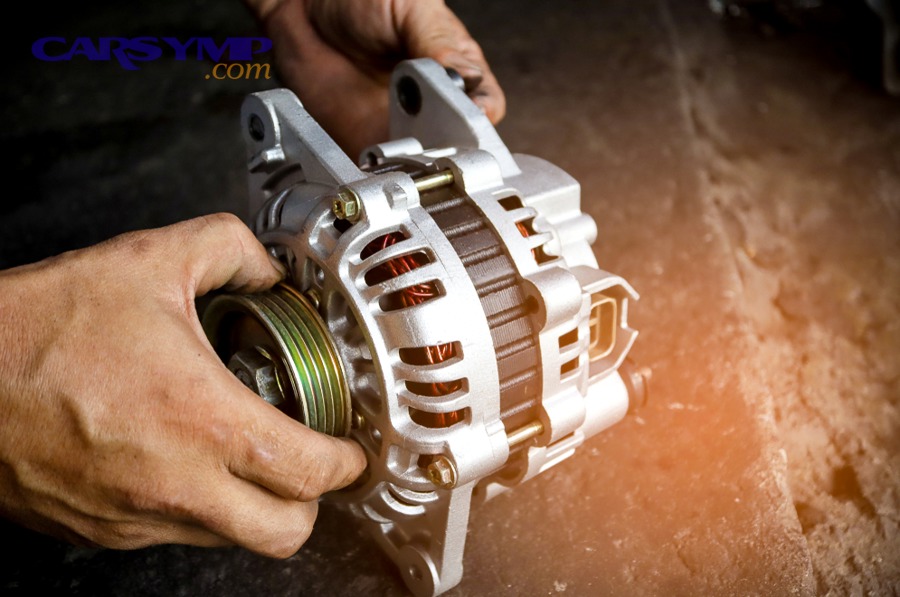
Most alternator swaps are achievable with common hand tools. Cụ thể, you’re usually removing a belt, unplugging connectors, and unbolting the alternator from a bracket.
- Socket set + ratchet + extensions: for mounting bolts and bracket hardware.
- Serpentine belt tool or long breaker bar: to relieve tension on the belt system.
- Torque awareness: not always a torque wrench requirement, but avoid overtightening aluminum brackets.
- Safety gear: gloves and eye protection, especially near the battery and belt path.
Electrical verification tools that prevent misdiagnosis
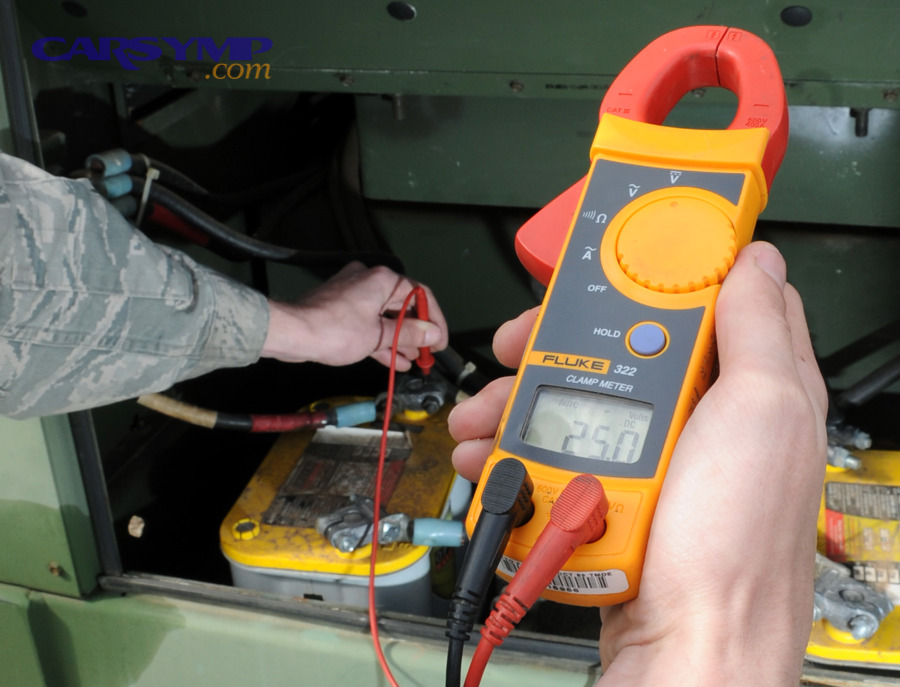
A lot of “bad alternators” are actually weak batteries, corroded cables, or loose belt tension. The cheapest way to protect your budget is to verify charging voltage before and after the job. Để minh họa, a basic multimeter check can prevent you from replacing a good alternator and wasting money.
Supplies that cost little but save hours
These items don’t change performance much, but they reduce the odds of comebacks: contact cleaner for dirty terminals, dielectric grease for connector protection, anti-seize for bolts in corrosion-prone regions, and zip ties to re-secure harness routing. Quan trọng hơn, label connectors and take photos before removal—your phone is a free tool that shortens reassembly time.
How do belts and tensioners change the total DIY bill?
Belt-drive items can quietly become your second-largest expense, especially on higher-mileage vehicles where a new alternator exposes existing pulley noise or belt cracking. Cụ thể, replacing these while access is open can be cheaper than repeating teardown later.
Theo nghiên cứu của AutoZone từ DIY Maintenance Guidance, vào 2024, common serpentine belts were described as often landing in the $20–$40 range, with many vehicles using belts rated around 60,000–100,000 miles depending on conditions.
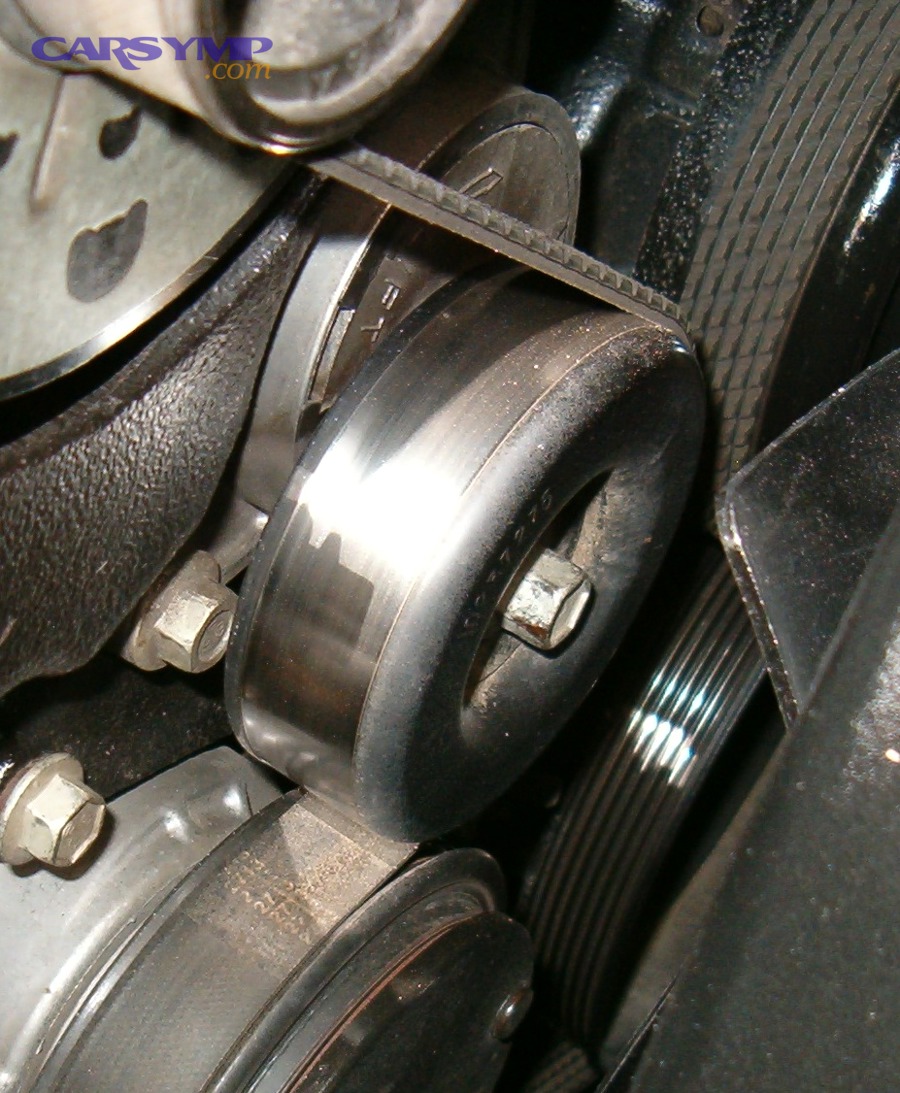
When should you replace the serpentine belt “while you’re in there”?
Replace the belt if it’s cracked, glazed, frayed, contaminated, or if it’s a stretch-belt design that must be replaced after removal. If your belt is in good shape and removal doesn’t damage it, you can keep it—but only if you confirm correct routing and tension after reassembly. Sau đây is the practical rule: if you’d be annoyed to re-open the belt path in six months, replace it now.
Should you replace the tensioner or idler pulley at the same time?
If you hear bearing noise, feel roughness when spinning pulleys by hand (engine off), or see belt flutter, replacement is often wise. Theo nghiên cứu của RepairPal từ Fair Price Estimator data, vào October 2025, the average shop price for drive belt tensioner replacement was estimated between $324 and $393—useful as a reference for what DIY can avoid in labor.
How do these items connect back to your DIY alternator budget?
Because belt and tensioner work overlaps the alternator removal path, DIY savings compound: you’re already there. This is one reason people searching for Average alternator replacement cost get confused—those averages often include related belt-drive work that may or may not apply to your car.
How long will DIY alternator replacement take, and what mistakes add time?
Most DIYers finish in 2–4 hours on an accessible vehicle, but tight access, corroded bolts, and belt-routing confusion can push it longer. Để bắt đầu, plan for a relaxed pace and aim for correctness over speed.
Theo nghiên cứu của Innova từ Diagnostics Education team, vào August 2024, DIY alternator work was framed as commonly saving roughly $120–$200 in labor versus paying a shop—implying that time and labor are the main leverage points for a DIY decision.
What are the time-critical steps you should not rush?
The most time-critical step is belt management: correct tension release, correct routing, and correct seating on every pulley groove. Cụ thể, a belt one rib off can shred quickly, squeal, or reduce alternator speed and cause low charge symptoms that look like a bad new part.
- Disconnect battery first: prevents shorts during main cable removal.
- Photograph belt routing: especially if the diagram sticker is missing.
- Check pulley alignment: before fully tightening bolts.
- Verify charging voltage: after install to confirm success.
Which “small mistakes” create expensive rework?
Common time-wasters include cross-threading a bracket bolt, forgetting a ground strap, leaving a connector partially seated, or pinching a harness behind the alternator. Ngược lại, careful labeling and staged bolt organization saves more time than rushing ever will.
One video walkthrough to reduce trial-and-error
If you’re doing this for the first time, watching a full walkthrough for a similar engine layout can reduce uncertainty and prevent broken clips and misrouted belts. Hãy cùng khám phá a practical visual reference:
When is DIY alternator replacement not worth it?
DIY is not worth it when safety risk is high, access requires major disassembly, or the real problem may be wiring/charging control rather than the alternator itself. Quan trọng hơn, if you can’t confidently diagnose, you can spend more replacing parts that weren’t bad.
Theo nghiên cứu của Auto Care Association từ TrendLens platform commentary, vào September 2024, vehicle miles traveled and an aging fleet were highlighted together—meaning more wear-related electrical and belt issues can coexist, increasing misdiagnosis risk when you replace one component without testing the system.
Red flags that push you toward professional help
- Charging problems with warning lights and multiple electrical faults: may require scan-tool diagnosis.
- Alternator buried behind major components: subframe drops, axle removal, or extensive cooling-system removal.
- Severe corrosion: high risk of snapped bolts, stripped threads, broken connectors.
- History of repeated alternator failures: could be belt tension issues, wiring resistance, or battery problems.
How to avoid replacing the wrong part
Before buying anything, verify battery health and perform a charging test. After install, re-test at idle and with electrical loads (lights, blower). If voltage is stable but the battery still dies, the issue may be battery age, parasitic draw, or cable resistance rather than the alternator. This is where alternator replacement cost can double if you chase symptoms instead of confirming causes.
To mark a clear contextual boundary: up to this point, you’ve built a reliable DIY budget using access, parts choice, and time. Dưới đây, we’ll expand into the surprise expenses that most DIYers don’t predict—so you can prevent “budget drift” after you’ve already started the job.
What surprise expenses can make a DIY alternator job more expensive?
The biggest surprises are refundable deposits, “while-you’re-in-there” wear items, and the cost of convenience (returns, overnight shipping, or buying tools mid-job). Cụ thể, these aren’t always visible on the first receipt, but they decide whether your DIY plan stays cheaper than a shop repair.
Theo nghiên cứu của NAPA từ Parts Education guidance, vào 2025, a core charge was defined as a deposit you pay on remanufactured parts and receive back when you return the old unit—meaning cash flow and return timing can affect your out-of-pocket cost even if the deposit is refundable.
How do core charges change what you pay today vs later?
Core charges can make your checkout total look much higher than the true long-term cost. The key is to return the old alternator promptly and in acceptable condition. If you toss the old unit, damage it, or miss the window, that “deposit” becomes permanent and your DIY savings shrink immediately.
What “small parts” commonly get added at checkout?
Expect small add-ons like new mounting bolts (if yours are corroded), electrical contact cleaner, and belt-routing diagrams or stickers if missing. Also expect shop supplies if you end up outsourcing a portion of the job (like extracting a snapped bolt). This is the reality behind the phrase Hidden costs and common upsells: even DIY projects can accumulate add-ons when you want to finish faster or more confidently.
Should you pay extra for faster shipping or local pickup?
If your car is down and you need it tomorrow, paying a little more for local pickup can be rational. However, if you can wait, comparing a few reputable suppliers often yields better warranty handling and less return friction. The most expensive DIY alternator is the one you buy twice because the first choice was rushed.
How do you protect yourself from repeat labor?
Repeat labor risk is managed by testing and by choosing a part source with strong warranty support. Before installing, compare the new alternator to the old one: mounting ears, pulley alignment, connector shape, and overall body size. After install, confirm stable charging voltage and listen for belt noise. Totalizing these steps prevents your project from drifting toward Average alternator replacement cost territory due to repeated fixes.
Frequently asked questions
Is DIY alternator replacement always cheaper than paying a shop?
Usually yes, because you avoid labor, but not always. If access is extremely difficult, you need specialty tools, or you misdiagnose and replace the wrong part, the DIY total can approach a professional bill—especially once core charge mistakes, shipping, and repeat labor are included.
Do I need to replace the battery when replacing the alternator?
Not automatically. Replace the battery if it’s old, fails a load test, or can’t hold charge. If the battery is healthy, a new alternator should restore charging stability; always verify with a charging voltage test after installation.
Can I drive a short distance with a failing alternator to avoid towing?
Sometimes, but it’s risky because the vehicle may stall once the battery drains, and you can lose lights, wipers, and steering assist depending on the car. If you must move it, minimize electrical loads and have a backup plan—but prioritize safety over saving a tow fee.
How do I keep my DIY cost low without buying the cheapest alternator?
Buy the best warranty-per-dollar from a reputable seller, return the core promptly, replace only the belt-drive items that show wear, and test the charging system before and after. This strategy preserves savings while reducing the risk of repeat labor.
Primary entity: alternator replacement (DIY)
Related entities: serpentine belt, belt tensioner, battery charging test, voltage regulator, core charge, remanufactured parts, automotive labor costs
User intent mapping: how-to budgeting, parts selection comparison, risk control, time planning