


Warranty mentions and “had to come back” stories are not noise—they’re the clearest accountability signals hidden inside customer narratives. When you read reviews the right way, you can estimate whether a shop fixes problems correctly the first time, and whether they stand behind the work when something fails.
You can also use these clues to reduce risk: avoid shops where repeat visits are common, or where “warranty” is used as a vague promise instead of a documented policy. The same review star rating can mean very different things when comeback patterns are included.
Beyond that, you’ll learn how to separate “normal follow-up” (like a recheck after diagnostics) from “true comeback” (repeat repair for the same issue). This distinction matters because good shops invite verification, while weak shops trigger returns by missing root causes.
Giới thiệu ý mới: below is a practical method to extract warranty strength and comeback risk from real customer language—so your next repair decision is based on evidence, not just averages.
What do warranty promises in reviews really reveal about a shop’s accountability?
They reveal whether the shop treats repair outcomes as a responsibility (documented coverage, clear terms, proactive rechecks) or as a marketing phrase (vague reassurance, unclear exclusions, blame-shifting). To make that actionable, you must look for specific “proof language,” not just the word “warranty.”
To begin, focus on how reviewers describe the shop’s behavior after the repair—because that’s where accountability becomes visible.
Which “proof language” signals a real warranty, not just reassurance?
Look for concrete details: coverage period, mileage limits, parts vs labor, and what happens if the issue returns. Specifically, phrases like “12 months/12,000 miles,” “labor covered,” “documented on invoice,” or “they rechecked it at no charge” are stronger than “they’ll take care of you.”
Next, notice whether the reviewer describes paperwork and process—because good warranties usually come with documentation and a consistent workflow.
Cụ thể: strong reviews often mention an invoice line that states warranty coverage, a follow-up call, or a scheduled recheck. Weak reviews often mention uncertainty (“I hope it’s covered”) or surprise charges (“they said warranty, but then…”).
How do you read between the lines when a review doesn’t mention a warranty term?
If terms aren’t stated, infer strength from the shop’s actions: did they invite the customer back quickly, diagnose again without defensiveness, and explain the fix? Those behaviors can indicate a shop that protects its reputation with repeatable standards—even when customers don’t remember exact time limits.
However, you still need to confirm policies directly before approving work—because action-based signals are strong but not complete.
Ví dụ: a reviewer may say “they fixed it again the same day and didn’t charge me,” which suggests internal accountability. But you’ll still want to ask what is covered if the same symptom returns after several weeks.
What kind of “warranty talk” is actually a red flag?
Be cautious when warranty is framed as a favor (“they did me a favor,” “they were nice about it”) rather than a standard policy. Also treat “lifetime warranty” claims skeptically unless the review clarifies what’s lifetime (a part? labor? limited to the owner? requires maintenance records?).
In addition, if the reviewer reports repeated failures while the shop insists it’s “a different issue,” that can be a pattern of avoiding responsibility.
Theo nghiên cứu của INFORMS (Manufacturing & Service Operations Management), vào 02/2022, phân tích cho thấy lựa chọn độ dài bảo hành có liên hệ đến kỳ vọng độ tin cậy và cách thị trường diễn giải chất lượng, nghĩa là “warranty wording” tác động trực tiếp tới niềm tin và hành vi quay lại.
How can you estimate comeback risk from customer stories without shop data?
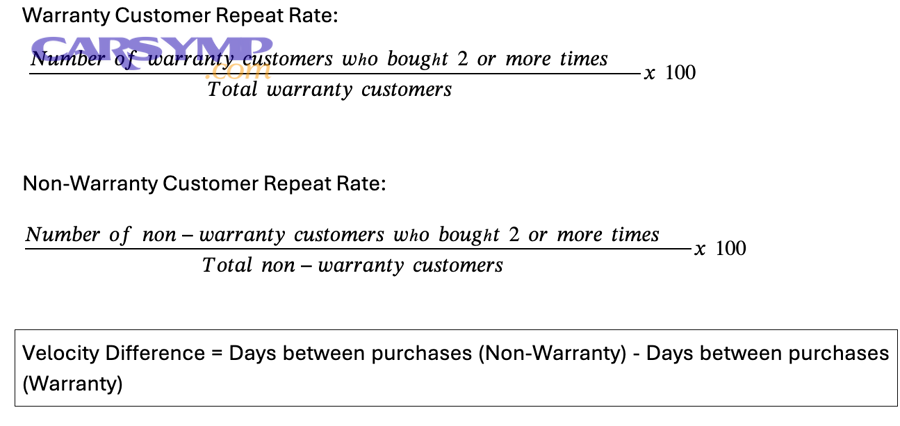
You can estimate comeback risk by counting “same-problem return” narratives, measuring how recently they occurred, and checking whether the shop’s resolution was durable. The key is to classify stories correctly: true comeback vs normal follow-up vs unrelated new failure.
To understand this, you need a simple definition of “comeback” in service terms—then map review language to that definition.
What is a “true comeback” in plain language?
A true comeback is when the vehicle returns because the same original concern wasn’t fixed correctly, or a repair-related mistake causes a repeat issue. In reviews, it appears as “came back for the same problem,” “still leaking,” “same noise returned,” or “check engine light came back right after.”
Next, separate this from a planned recheck, which is often a quality practice rather than a failure.
Theo phân tích của Government Fleet (FleetSpeak), vào 05/2013, nhiều đội xe đặt “accepted comeback rate” thường dưới 1% tổng lệnh sửa chữa và nhấn mạnh phải định nghĩa rõ thế nào là comeback để đo đúng chất lượng.
How do you distinguish a “recheck” from a “repeat repair” in reviews?
A recheck sounds scheduled and verification-based: “they asked me to come back to verify,” “they re-torqued after 50 miles,” “they checked readings again,” or “they wanted to confirm the fix.” A repeat repair sounds reactive and symptom-driven: “it happened again,” “I was stranded again,” “they replaced another part,” or “they kept guessing.”
However, some shops disguise repeat repairs as rechecks—so you must watch for escalating costs and shifting explanations.
Cụ thể hơn: if the customer pays again, or the shop replaces multiple related parts without clear diagnostic evidence, that leans toward comeback risk.
What comeback clues matter most: frequency, severity, or pattern?
All three matter, but pattern is the fastest predictor. One comeback story in thousands of reviews could be normal. Several stories with the same symptom type (electrical misdiagnosis, recurring leaks, repeat brake noise) suggests a systematic weakness. Severity matters because safety-related comebacks (brakes, steering) carry outsized risk.
To connect this to decision-making, you can score each comeback mention by severity and by whether the shop resolved it cleanly.
Theo bài phân tích của Chris Collins, Inc., vào 04/2024, tác giả đề xuất chấm điểm comeback theo mức độ nghiêm trọng (1–10) để tránh đánh đồng lỗi nhỏ với rủi ro an toàn lớn.
Which review phrases indicate strong coverage versus vague “we’ll handle it” promises?
Strong coverage language is measurable and consistent; vague promises are emotional and undefined. You should treat the review text like a contract summary: look for numbers, conditions, and repeatable steps.
Next, group common phrases into three buckets so you can classify reviews quickly.
What are the three main buckets of warranty language you’ll see?
There are 3 main buckets: (1) Explicit terms (“12/12,” “24/24,” mileage limits, parts/labor split), (2) Process-based assurance (“documented,” “invoice,” “recheck,” “no-charge diagnostic confirmation”), and (3) Vague reassurance (“they stand behind it,” “they’ll take care of you,” “trust them”).
To use this grouping, prioritize bucket (1), then validate with bucket (2), and treat bucket (3) as supportive but insufficient.
How do exclusions and conditions show up indirectly in reviews?
Exclusions appear as surprise friction: “they said it wasn’t covered,” “it was a different part,” “they blamed my driving,” or “they said wear items aren’t under warranty.” Conditions appear as compliance steps: “keep receipts,” “come back within X days,” “bring it back if the light returns,” or “must diagnose again.”
However, exclusions aren’t always bad—what matters is transparency and consistency across multiple reviews.
What phrases suggest a warranty is being used to avoid responsibility?
Watch for language that shifts blame without evidence: “customer caused it,” “you must have hit something,” “it’s normal,” or “that’s how it is.” If several reviewers report this after a repeat failure, it suggests the shop uses ambiguity as a shield.
Ngược lại, strong shops typically explain causal logic (“here’s what failed,” “here’s why it’s separate,” “here are photos or readings”) even when a claim is denied.
Theo nghiên cứu của ScienceDirect (Journal of Business Research), vào 1998, nghiên cứu theo kịch bản cho thấy thời điểm hỏng hóc so với phạm vi bảo hành ảnh hưởng mạnh đến cảm xúc khách hàng và nhận thức về công bằng, vì vậy cách shop xử lý “covered vs not covered” dễ tạo phản ứng tiêu cực hoặc củng cố niềm tin.
When do repeat visits indicate good follow-up rather than bad workmanship?
Repeat visits can be a quality sign when they are planned, diagnostic, and prevention-oriented; they indicate poor workmanship when they are unplanned, symptom-repeating, and costly. The difference is in intent, documentation, and outcome durability.
To make that practical, look for the “timeline + purpose + result” trio in reviews.
What does a “healthy follow-up loop” look like in review language?
Healthy follow-up includes: “they asked me to return after a few days,” “they verified the readings,” “they checked for leaks after the repair,” “they did a test drive with me,” or “they explained what to monitor.” The result is stability: no recurrence, better performance, and confidence.
Next, compare that to a “failure loop,” where each return is reactive and the explanation keeps changing.
How do you spot a “failure loop” even when the shop is polite?
Politeness can mask dysfunction. If the review says “they were nice, but…” and then describes multiple visits, repeated parts replacement, or recurring symptoms, treat it as a failure loop. The shop may be courteous while still lacking diagnostic rigor.
In addition, look for escalating cost or time: “three visits,” “weeks later,” “had to tow it again,” or “still not fixed.”
Theo bài phân tích của Tire Review, vào 03/2002, tác giả minh họa rằng nếu sửa 50 xe trong tháng và 6 xe quay lại thì comeback rate là 8.3%—một tỷ lệ “có vẻ chấp nhận được” nhưng thực tế vẫn quá cao nếu mục tiêu là gần như zero comeback.
What if the car returns because multiple problems exist?
If multiple problems exist, a good shop will show a diagnostic chain: they fix the highest-priority fault, then disclose secondary risks and schedule the next step. Reviews will mention prioritization (“they explained what had to be done first”) rather than surprise (“now another thing broke”).
To confirm, check whether reviewers describe clear estimates and decision points, not vague “we found something else” add-ons.
How should you weigh warranty clues against diagnostic quality, parts choices, and communication?
Warranty clues are strongest as a “risk filter,” but they must be combined with diagnostic quality, parts transparency, and communication. A long warranty on misdiagnosis is still expensive; a shorter warranty with excellent diagnosis can be lower risk overall.
To balance these signals, use a three-axis comparison: correctness-first, clarity-first, and coverage-first.
Which signal is most predictive of low comebacks: coverage or correctness?
Correctness is most predictive: thorough diagnostics, clear causal explanation, and verified repair outcomes reduce comebacks at the source. Coverage matters, but it is a safety net, not a substitute for accurate work.
Next, verify correctness signals in reviews: evidence, specificity, and consistency across many reviewers.
How do parts choices show up as warranty/comeback signals in reviews?
Parts choices appear as durability and claim friction. Reviews that mention “OEM vs aftermarket options,” “remanufactured,” “brand names,” “parts warranty honored,” or “no issue with the part claim” suggest transparency. Reviews that mention repeated failures right after replacement can hint at low-quality parts or poor installation.
However, parts failure is not always the shop’s fault—so look for how the shop handled the parts claim and whether the fix held afterward.
Why communication style can predict repeat visits
Clear communication reduces misunderstandings that cause returns. Reviews that mention “they explained what would happen if it returns,” “they set expectations,” and “they documented findings” often correlate with fewer comebacks because the customer knows what is normal, what is urgent, and what is unrelated.
Theo nghiên cứu của J.D. Power (U.S. Customer Service Index), vào 03/2025, báo cáo nêu rằng khoảng trống trong việc sửa xe đúng ngay lần đầu cùng với thiếu hụt giao tiếp có thể hạn chế cải thiện trải nghiệm dịch vụ, cho thấy “fix-it-right + communication” là trục cốt lõi của hài lòng.
What patterns suggest the shop actively prevents comebacks instead of just reacting?
Preventive shops show systems in reviews: documented inspections, verification steps, consistent processes, and accountability without drama. Reactive shops show improvisation: repeated guessing, inconsistent explanations, and “try this next” repairs.
To spot systems, read for repeatable behaviors described by different people—not one reviewer’s unique experience.
Which “system signals” commonly appear across multiple reviews?
System signals include: photos/videos of findings, measured readings, test drives documented, torque specs referenced, recheck scheduling, and consistent estimate approval points. When multiple reviewers independently mention similar steps, it indicates a standardized process that reduces errors.
Next, connect those signals to comeback prevention: standardized verification reduces overlooked issues and installation mistakes.
Theo nghiên cứu của MDPI (Applied Sciences), vào 04/2025, một nghiên cứu tình huống về mô hình hóa quy trình dịch vụ trong đơn vị sửa chữa ô tô nhấn mạnh rằng tối ưu quy trình và tiêu chuẩn hóa có thể tăng hiệu suất và đảm bảo hài lòng khách hàng.
How do you detect “root-cause thinking” in customer wording?
Root-cause thinking appears as explanations that connect symptoms to causes: “they traced it to a vacuum leak,” “they found a wiring issue,” “they tested the alternator output,” or “they showed why the previous part wasn’t the issue.” Customers repeat causal narratives when a shop teaches them clearly.
In contrast, guesswork appears as a list of swapped parts without proof (“they replaced X, then Y, then Z”).
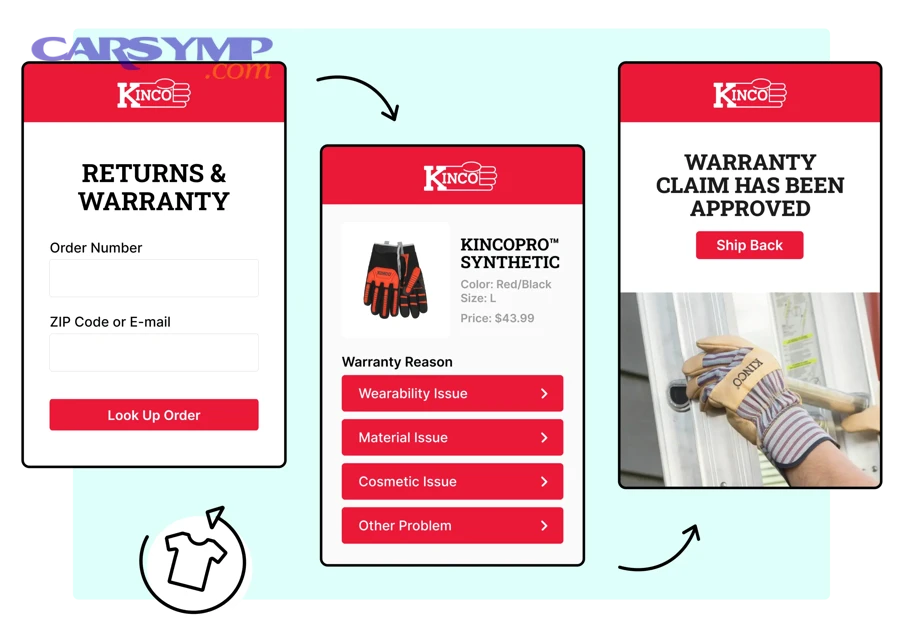
What does a healthy “warranty claim experience” look like?
Healthy claim experiences sound procedural and calm: quick scheduling, respectful confirmation testing, clear coverage decision, and a durable fix. Reviews often say “no hassle,” “they honored it,” “they explained what failed,” and “it’s been fine since.”
However, “no hassle” alone is not enough—always look for the durability phrase: “it’s been months and still good.”
How do you build a simple scoring checklist from reviews to choose with confidence?
You can build a scoring checklist by rating coverage clarity, comeback frequency signals, resolution quality, and durability language. In 10 minutes, you can compare two shops more accurately than by star rating alone.
To start, use a 4-part rubric, then apply it consistently across 10–20 reviews per shop.
What is the 4-part rubric for warranty and comeback clues?
The rubric has 4 parts: (1) Coverage clarity (terms, documentation), (2) Comeback mentions (same-issue returns), (3) Resolution quality (how the shop handled returns), and (4) Durability proof (time-since-fix language).
Next, assign simple points: 0–2 each category per review batch, then sum for a shop-level score.
How many reviews do you need before the score is meaningful?
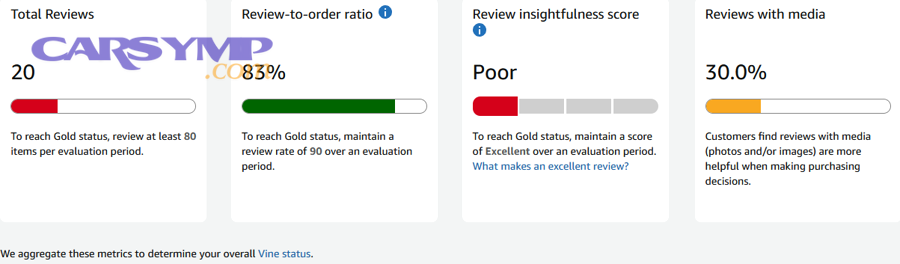
As a rule, 10–20 recent reviews can reveal stable patterns for common services. If the shop has only a few reviews, you can still score—but you must treat the result as low confidence and compensate by calling the shop to confirm policies.
In addition, prefer reviews within the last year for comeback patterns because staffing and processes change over time.
How do you apply the rubric when reviews conflict?
When reviews conflict, weigh by specificity and repeatability. Detailed diagnostic narratives and precise warranty terms carry more weight than vague praise. Also, if one negative review describes a resolved issue with transparency, it may be less concerning than multiple short reviews describing recurring failures.
Theo bài viết của Elite Worldwide, vào 2023, ví dụ minh họa rằng nếu 10/100 xe quay lại thì comeback rate là 10% và giảm từng phần trăm comeback có thể cải thiện lợi nhuận—điều này gián tiếp cho thấy shop giỏi sẽ xem comeback là chỉ số phải kiểm soát chặt.
How can warranty education videos help you interpret review language more accurately?
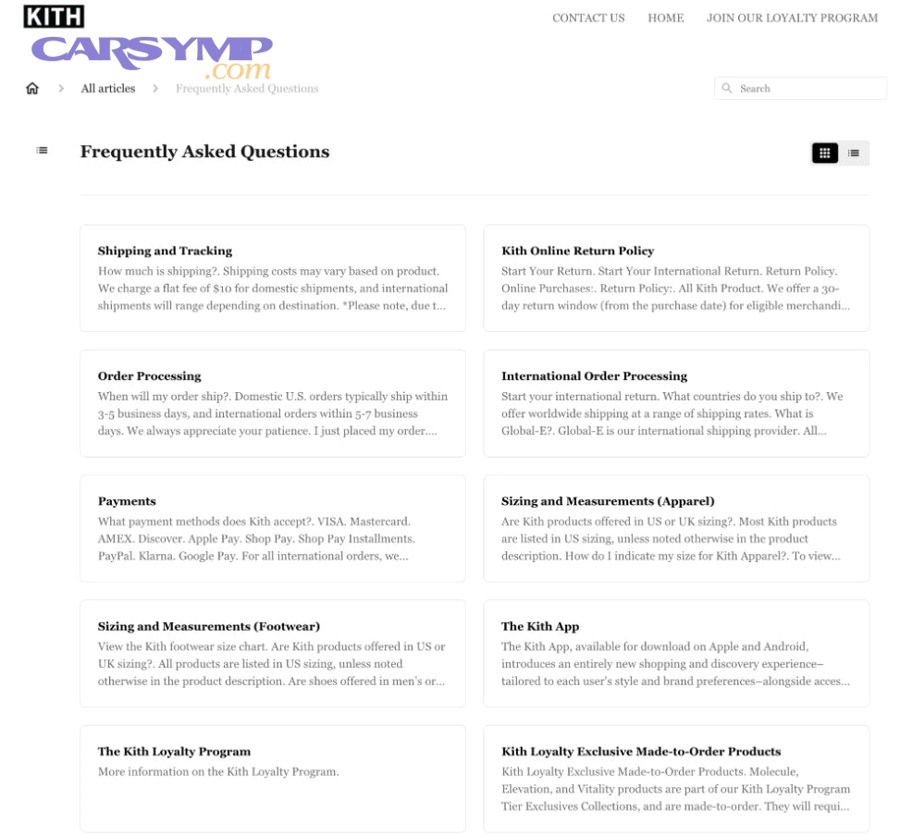
Yes—warranty education content can help you decode what reviewers mean by “covered,” “goodwill,” and “service contract,” especially when customers confuse manufacturer warranty with shop warranty. The benefit is fewer misunderstandings and better questions when you call the shop.
Next, use one focused video to learn the vocabulary, then re-read reviews with sharper pattern recognition.
What vocabulary reduces confusion when reading reviews?
Key terms include: parts warranty, labor warranty, service contract, coverage exclusions, wear items, diagnostic fee, goodwill adjustment, and recheck. When you understand these terms, you can tell whether a reviewer received policy-based coverage or a one-time courtesy.
After that, you can turn review reading into a targeted phone call: ask the shop to confirm the exact policy that matches the reviewer’s story.
How does better vocabulary reduce comeback risk for you as a customer?
It reduces the risk of approving incomplete repairs. When you can ask “Is labor covered if the same symptom returns?” or “How do you define a comeback?” you force clarity before money changes hands—preventing disputes that often appear in negative reviews.
In practice, customers who ask clearer questions get clearer estimates, and clarity reduces misaligned expectations that drive returns.
Contextual Border: Up to this point, you’ve focused on interpreting customer narratives as evidence of coverage strength and repeat-visit risk. Next, we broaden slightly into the micro-context: how platforms, response behavior, and niche service types can distort these signals—so you don’t misread the data.
How do platform dynamics and shop reply behavior distort warranty and comeback clues?
Platform dynamics can amplify extremes (very happy or very angry), while shop replies can either clarify warranty reality or camouflage responsibility. To avoid being misled, you must read reviews as a dataset shaped by incentives, not as a perfect mirror of the shop.
Next, apply four micro-checks that correct for bias without ignoring real warning signals.
How does review selection bias hide the “average” comeback experience?
Many customers never post when the repair is merely “fine,” but they do post when a comeback is dramatic (towing, repeat light, safety scare) or when the warranty experience feels unfair. This can make comebacks look more common than they are—or, if a shop filters feedback, less common than reality.
To balance that, rely on pattern repetition and specificity rather than one viral story.
What should you do when shop replies sound professional but repetitive?
Template replies can be a sign of policy consistency, or a sign of PR masking. If the reply includes an invitation to resolve, a request for invoice info, and a clear next step, that can indicate a real process. If replies consistently deny, deflect, or blame without facts, that can signal risk.
For deeper context, compare how the reviewer describes the outcome after the reply—did the shop actually resolve it?
In the broader conversation about auto repair reviews, many experienced shoppers cross-check the “tone of replies” against resolution language in follow-up edits, not just the initial conflict.
Why service specialty changes how you interpret comebacks
Some specialties have legitimate staged visits (complex diagnostics, intermittent electrical faults, custom performance tuning). In these cases, multiple visits can be normal—but only if expectations are set and costs are controlled. For other services (brakes, alignment, basic maintenance), multiple returns for the same symptom are less acceptable.
If you’re Choosing a shop based on specialty reviews, prioritize reviews from customers with the same vehicle type and repair category you need, then apply the rubric within that niche.
How can you cross-check claims without turning review reading into a full-time job?
Use fast triangulation: (1) scan for durable outcome phrases (“months later,” “still fixed”), (2) count same-symptom comebacks, (3) check whether the shop describes warranty terms on invoices or policy pages, and (4) compare across platforms. A quick symptom explainer site like carsymp.com can also help you label symptoms precisely before you compare stories, reducing mismatch between “same problem” and “similar feeling.”
Also, if you notice patterns that resemble Red flags in shop responses to reviews, treat them as a prompt to ask direct questions—especially about what is covered, how comebacks are defined, and how disputes are handled.
FAQ
Is a longer warranty always better?
No. A longer warranty is helpful only when diagnostics and workmanship are strong. A shop can offer a long warranty but still create comebacks through misdiagnosis. Use warranty length as a supporting signal, then verify correctness signals and durability language.
What’s the single best phrase to find in reviews?
Look for durable outcomes plus process: “They documented the warranty on the invoice, rechecked it, and it’s been fine for months.” That combines policy proof, verification behavior, and time-based stability.
How many comeback mentions are “too many”?
It depends on review volume and service type, but multiple same-symptom return stories—especially recent ones—are the strongest warning. Treat repeated, similar comeback narratives as higher risk than one isolated incident.
What if a shop fixed a comeback for free—does that cancel the risk?
Not automatically. Free fixes can show accountability, but you should still ask why the issue returned and what changed to prevent another recurrence. The best sign is a free fix followed by durability language.
Can star ratings hide comeback problems?
Yes. A shop can earn high stars from friendly service while still having repeat-visit issues for certain repair categories. That’s why you must read for “same problem returned” language and resolution outcomes, not just averages.
What should I ask the shop after I’ve read reviews?
Ask: “What is your parts and labor warranty in writing?”, “How do you define a comeback?”, “If the same symptom returns, what costs are covered?”, and “Do you schedule a recheck for this type of repair?” These questions convert review clues into verified policy.