


A helpful repair review is one that makes the next driver’s decision easier by explaining what happened, what was done, and what results you actually observed—without guessing or exaggerating.
Beyond a star rating, your words can show how the shop communicated, whether timelines were realistic, and how they handled surprises such as extra parts, approvals, or delays.
You can also protect other drivers by describing pricing context (estimate vs final invoice), what you authorized, and whether the outcome matched expectations for your vehicle’s age and condition.
Giới thiệu ý mới: To make that impact consistently, you’ll want a repeatable method that keeps your review specific, fair, and easy to trust.
What makes a repair review genuinely helpful to other drivers?
A repair review is genuinely helpful when it is specific, balanced, and verifiable—describing your situation, the shop’s process, and the outcome in a way another driver can compare to their own needs.
To start, focus on what you observed firsthand, then connect those observations to a clear conclusion about your experience.
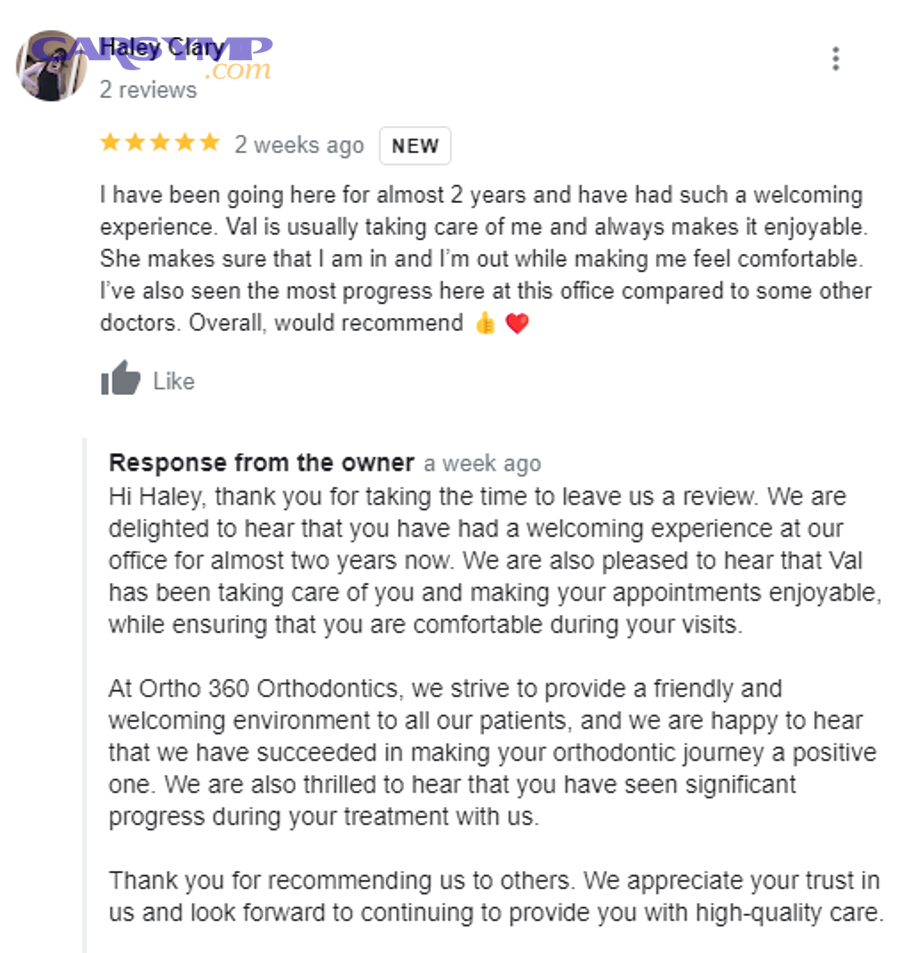
Specificity is the difference between “They fixed my car” and “They replaced the front brake pads and rotors, explained the wear, showed the measured thickness, and test-drove with me to confirm the noise was gone.” In a service context, readers look for details that reduce uncertainty: what symptom you had, what diagnostic steps were taken, what repair was approved, and what changed afterward.
Balance matters because repairs often involve tradeoffs. Even if you’re unhappy about cost or timing, you can still describe positives such as clear updates, clean workmanship, or honest recommendations. Conversely, if you’re thrilled with the result, mentioning a minor drawback (like a busy phone line at peak time) makes the praise more credible.
Verifiability means you anchor your story to evidence or objective points: dates, mileage, invoice line items (summarized), and what you actually experienced after the repair. When readers are scanning auto repair reviews, they tend to trust reviews that include concrete markers rather than purely emotional language.
Quick credibility checklist:
- Context: vehicle type, approximate mileage, and why you came in.
- Process: how diagnosis and authorization happened.
- Outcome: what changed (symptom resolved, warning light off, drivability improved).
- Fairness: what the shop did well and what could improve.
Where should you post your review so it helps the right people?
You should post your review where your local community actually searches—often a map listing, a major review platform, and any shop-specific portal that appears when people look up the business name.
Next, match the platform to the goal: discovery for new customers, detail for careful shoppers, and accountability for ongoing service relationships.
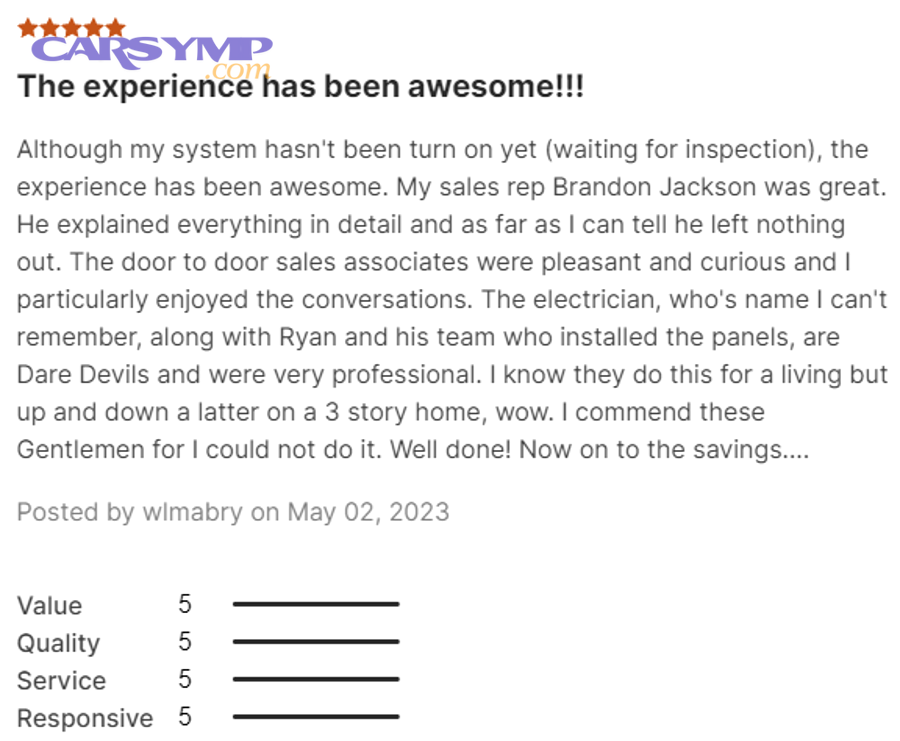
Different platforms serve different reading behaviors. Map-based listings are where many drivers decide “call or skip” quickly, so your first two sentences matter. Longer-form platforms and community forums are better when you want to explain nuance—like a complex diagnostic path or a warranty comeback that was handled responsibly.
If you’ve been researching where people compare shops, you may have seen roundup-style discussions titled “Best sites for auto repair shop reviews.” Keep that idea in mind, but don’t overthink it: the most helpful place is wherever your neighbors are already searching on their phone before booking.
How to choose in 30 seconds:
- Post at least one review on a map listing so locals can find it while navigating.
- Post a longer version where long reviews are common if your story includes diagnosis steps, multiple visits, or follow-up outcomes.
- Use the shop’s own feedback form when you want resolution, but still publish publicly if you want to help future drivers.
Also consider timing: post while the details are fresh, but after you’ve driven enough to confirm the repair actually solved the issue—especially for intermittent noises, leaks, or electrical faults.
What information should you gather before you write?
You should gather your core facts first—symptoms, dates, estimate and invoice highlights, and the exact repair performed—so you can write clearly without filling gaps with assumptions.
After that, you can add the human details that matter most: communication, transparency, and how the shop handled decisions.

Before you start typing, pull up the invoice (or receipt), any text/email updates, and your own quick notes. If you didn’t take notes, recreate a short timeline from memory: when you dropped off, when diagnosis happened, when you approved work, and when you picked up.
Capture these essentials:
- Vehicle context: make/model/year, approximate mileage, any recent related work.
- Initial symptoms: what you felt/heard/smelled/saw, and when it occurred.
- Diagnostic outcome: what they concluded and how they explained it.
- Repair performed: summarized in plain language (avoid copying the whole invoice).
- Cost structure: estimate vs final, and why it changed if it did.
- Results: what improved and what you’re still monitoring.
When people read reviews, they’re often trying to predict their own experience. The more you document the “inputs” (symptoms and constraints) and “outputs” (results and warranty handling), the more your review becomes useful rather than just expressive.
How do you describe the problem and symptoms without guessing?
Describe symptoms using what you observed—sounds, lights, behavior, and conditions—then avoid diagnosing; let the shop’s findings speak for the technical cause.
To make that easier for readers, organize your symptom description like a quick report: when, where, and how often.
How can you write symptoms like a “driver’s log”?
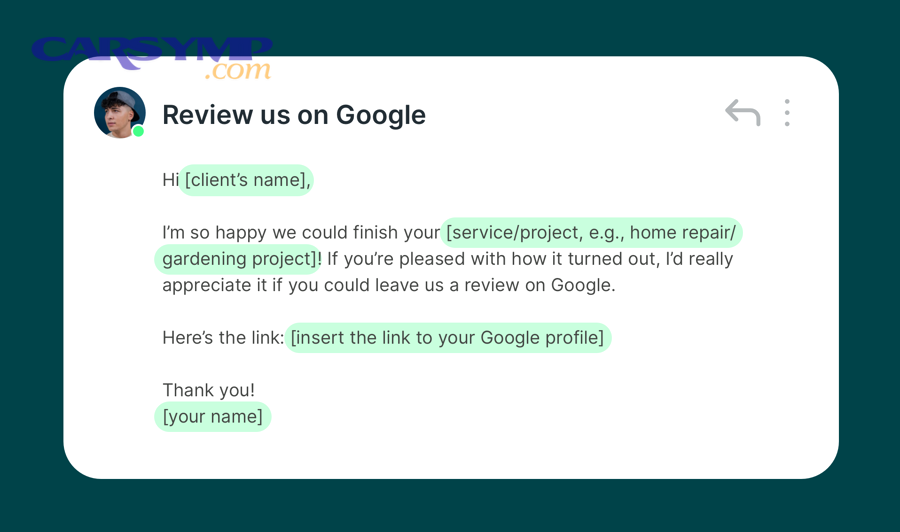
Write symptoms like a driver’s log by naming the trigger, frequency, and impact, such as “cold start,” “only at highway speeds,” or “happens after rain.”
Next, add one sentence that links the symptom to why you sought service, so the reader understands urgency and context.
For example: “Grinding noise when braking at low speed, worse in the morning; felt vibration in the pedal; booked an appointment because stopping distance seemed longer.” That’s more useful than “Brakes were bad,” because it helps other drivers compare.
What wording helps you avoid accidental misinformation?
Use “I noticed” and “they found” to separate observation from diagnosis, which keeps your review accurate even if you’re not mechanically inclined.
Then, summarize the shop’s explanation in plain language rather than repeating jargon you might misinterpret.
Instead of claiming “The alternator was definitely failing,” you can say, “They tested the charging system and explained the alternator output was below spec, which matched my battery warning light.” That stays honest and still informative.
How detailed is “too detailed” for most readers?
It’s too detailed when you copy every line item or speculate about internal shop decisions; it’s enough detail when a reader can understand the scenario and outcome in under a minute.
After that, you can offer optional detail in bullets for readers who want depth.
A practical approach is a short narrative plus a compact list: symptom, diagnosis, repair, cost context, and result. This is also a good foundation for readers comparing What review patterns predict quality service, because patterns come from consistent, structured reporting—not from long rants.
How do you evaluate communication, timing, and transparency fairly?
Evaluate communication fairly by describing how the shop set expectations, how they updated you, and whether they asked permission before doing extra work—then judge the timeline against what they promised, not what you hoped.
To keep it fair, separate “busy shop reality” from preventable confusion like missing updates or unclear approvals.
What should you say about estimates and approvals?
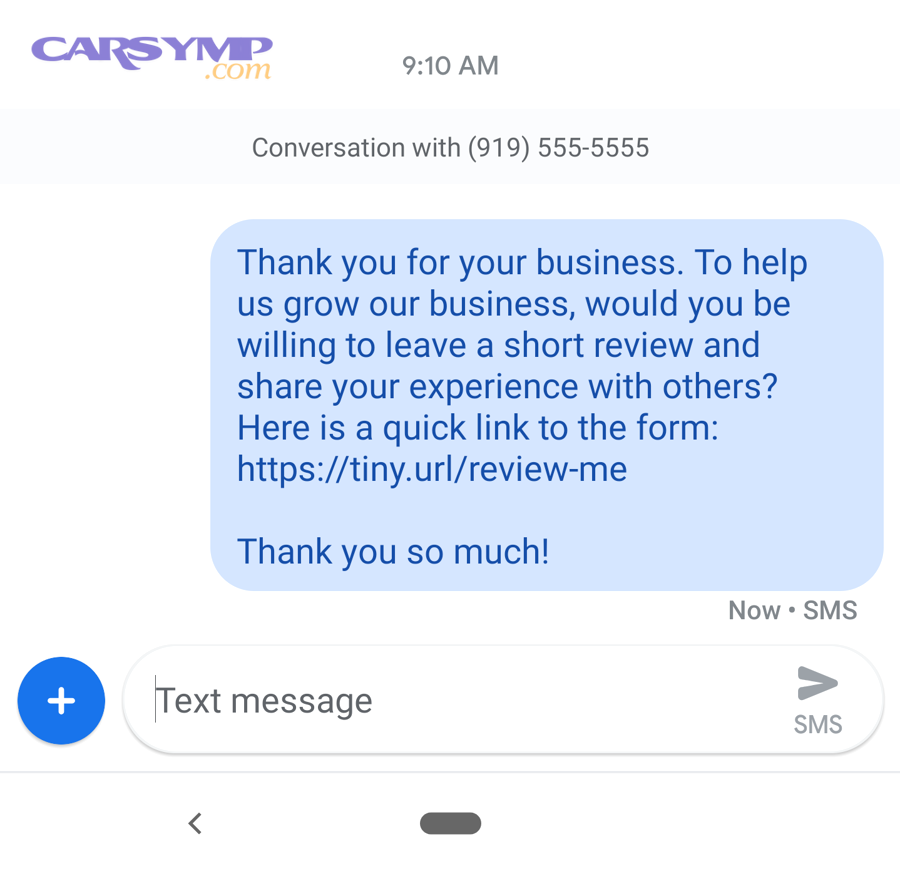
Say whether you received an estimate before work began, whether you approved changes, and whether the shop explained options and consequences.
Next, connect that process to how confident you felt, because confidence is what other readers borrow from your review.
You can write: “They called with a diagnosis, gave two repair options (OEM vs aftermarket), and waited for my approval before ordering parts.” That tells readers the shop respects consent and budget.
How do you describe timelines without blaming unfairly?
Describe timelines by stating what you were told and what happened, then mention any external constraints the shop communicated (parts availability, backlog, diagnostic complexity).
Then, focus your critique on controllable actions such as lack of updates or missed promised callbacks.
For example: “Quoted same-day completion if the part arrived by noon; part arrived late; they updated me proactively; finished next morning.” That reads fair and mature—even if the delay was inconvenient.
What signals “transparent” service that’s worth mentioning?
Transparent service looks like clear explanations, photos or measurements when relevant, and no surprise charges—so mention those behaviors explicitly.
After that, add a sentence about how the shop treated your questions, because tone influences trust.
Transparency can be as simple as: “They showed the worn belt, explained why it mattered now, and told me what could wait.” Those details help readers judge credibility beyond a star rating.
How do you talk about pricing and value without sounding unfair?
Talk about pricing fairly by sharing context—what was quoted, what changed, and why—then describe whether you felt the cost matched the clarity, workmanship, and outcome.
To keep your review useful, avoid declaring a price “too high” unless you explain what you’re comparing it to.

What’s the best way to mention the final amount?
The best way is to summarize the range and the major components (diagnostic fee, parts, labor) instead of posting personal payment details.
Next, link cost to the scope so readers don’t mistake a major repair for a minor service.
Example: “Total was in the mid-$400s including parts and labor for front brakes; they explained the rotor wear and provided the old parts on request.” Readers learn both price context and process quality.
How do you handle “upsell” feelings responsibly?
Handle upsell feelings by stating what was recommended, whether it was optional, and how it was framed (urgent safety vs preventive vs cosmetic).
Then, explain your decision and whether you felt pressured, because pressure is the real red flag—not the recommendation itself.
Sometimes a recommendation is appropriate preventive maintenance; your review becomes helpful when you describe how the shop presented it: “They recommended a coolant service but said it could wait until next interval; no pressure.” That clarity helps others interpret value.
How do you write about value when you’re unsure what’s “normal”?
If you’re unsure, write about value in terms of outcomes and transparency—what you got, how well it was explained, and whether the result held up—rather than claiming market pricing knowledge you don’t have.
Next, mention any warranty terms you were given, because warranty reduces perceived risk.
This is also where readers use reviews to triangulate price fairness. In discussions about Using reviews to estimate fair pricing, the most trustworthy reviews are the ones that include scope and outcome, not just a number.
How do you assess quality of work after pickup and over time?
Assess quality by checking immediate results (symptom resolved, no new issues) and then noting what happened after a reasonable test period, such as a week of normal driving or a few key trips under the conditions that triggered the problem.
After that, include whether the shop handled any comeback quickly and respectfully, because comebacks happen even in good shops.
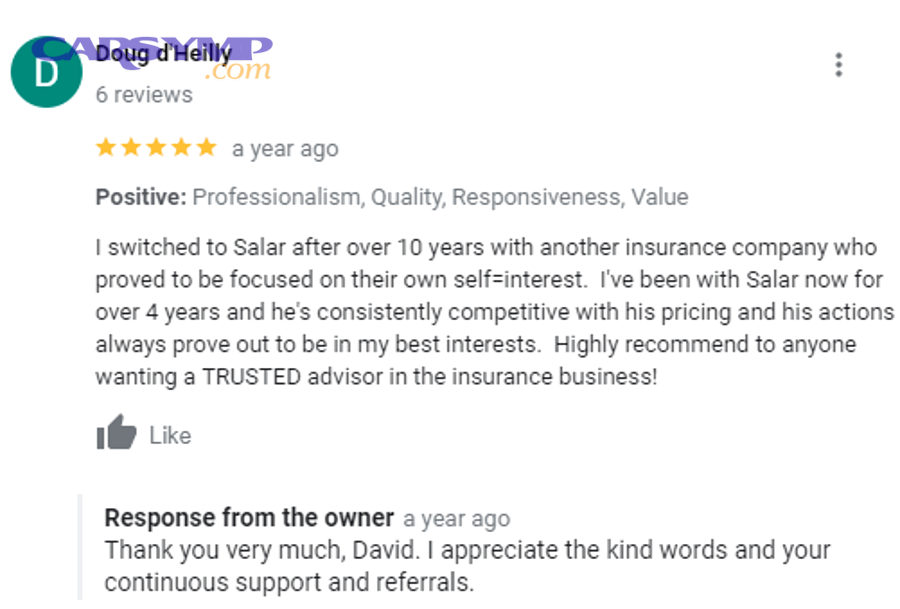
What should you test right after the repair?
Test the original symptom under safe conditions, confirm warning lights are off, and verify anything you can observe (brake feel, steering pull, leaks under the car, strange smells).
Next, mention if the shop invited a quick check or test drive, because that shows confidence and customer care.
Even small checks matter: “They walked me through the repair, confirmed fluid levels, and asked me to return if the noise reappeared.” That tells readers the shop stands behind the work.
How long should you wait before posting?
Wait long enough to confirm stability—often a few days to two weeks depending on the issue—unless the problem was immediately obvious and resolved (like a dead battery replacement).
Then, if you post early, consider adding that you’ll update later, which keeps your review honest and useful.
For intermittent problems, a delayed update can be the most valuable part: “Two weeks later, the intermittent misfire hasn’t returned.” Readers love follow-ups because they reduce uncertainty.
How do you write about a comeback without shaming?
Write about a comeback by describing the shop’s response: did they honor warranty, prioritize you, diagnose again, and resolve it without excuses?
Next, conclude with what you learned, because that helps readers interpret the situation fairly.
A comeback handled well can actually improve trust: “Issue returned; they rechecked same day, found a related connector problem, fixed it under warranty.” That’s actionable and balanced.
How do you rate the shop fairly when your outcome is mixed?
Rate fairly by separating categories—outcome, communication, value, and professionalism—then choose a rating that matches the overall experience while explaining what would have moved it up or down.
To keep the flow clear, write your rating rationale in one tight paragraph before adding details.

How can you explain a 3–4 star review without sounding inconsistent?
Explain it by stating one strong positive, one meaningful drawback, and one recommendation for who the shop is best for.
Next, tie those points to your rating so readers see a logical, not emotional, score.
Example: “Great diagnostics and respectful service, but the timeline slipped without updates; still recommend if you want thorough troubleshooting and can be flexible.” That’s coherent and helpful.
What if the repair fixed the issue but the experience felt sloppy?
Say the outcome was successful, then describe the friction points (unclear calls, messy paperwork, missed promised updates) and how those impacted you.
Then, suggest what the shop could improve, because constructive specifics are more useful than insults.
This kind of review helps future customers set expectations and helps the business improve—without denying that the technical work succeeded.
What if you loved the service but can’t verify long-term results yet?
Say you’re satisfied so far, specify the short-term result, and add that you’ll update after more driving.
Next, describe what impressed you (clarity, cleanliness, honesty) because those are real indicators even before long-term proof.
This approach keeps your review accurate and still valuable. It also improves the overall quality of the review ecosystem by discouraging overconfident claims.
How do you write your review so it’s easy to scan and credible?
Write credibly by using a simple structure—summary, what was wrong, what they did, what it cost in context, and how it turned out—then use short paragraphs or bullets so busy readers can scan.
Next, refine your language to sound calm and precise, because tone is a credibility signal.

What’s a reliable “5-sentence template” you can reuse?
A reliable template is: (1) overall verdict, (2) vehicle + symptom, (3) diagnosis + repair, (4) pricing/timeline context, (5) results and recommendation.
Then, add optional bullets for details like warranty or photo evidence.
This template works because it aligns with how people skim: they want your conclusion first, then your evidence. It also reduces rambling and keeps your review “portable” across platforms.
Which words increase trust, and which words reduce it?
Trust increases with precise verbs (“explained,” “measured,” “called,” “showed”) and decreases with absolutes (“always,” “never,” “scam”) unless you provide evidence.
Next, choose neutral phrasing for critiques so your review reads fair instead of vindictive.
Instead of “They lied,” consider “The final total differed from the estimate, and I wish they had called before adding the additional part.” The second version communicates the problem while staying credible.
How do you keep it helpful even if you’re frustrated?
Keep it helpful by writing after a short cool-down, sticking to facts, and describing impact rather than attacking character.
Then, end with a practical takeaway for readers (who to choose, what to ask, what to confirm).
Frustration is valid, but a review becomes powerful when it helps the next person avoid the same pain by asking the right question or confirming a process step.
What should you avoid to stay ethical, legal, and useful?
You should avoid sharing private information, making unprovable accusations, or posting in-the-moment emotional vents; instead, describe observable events and outcomes so your review remains fair and defensible.
To make that practical, treat your review like a public record: imagine the technician and your neighbor both reading it.
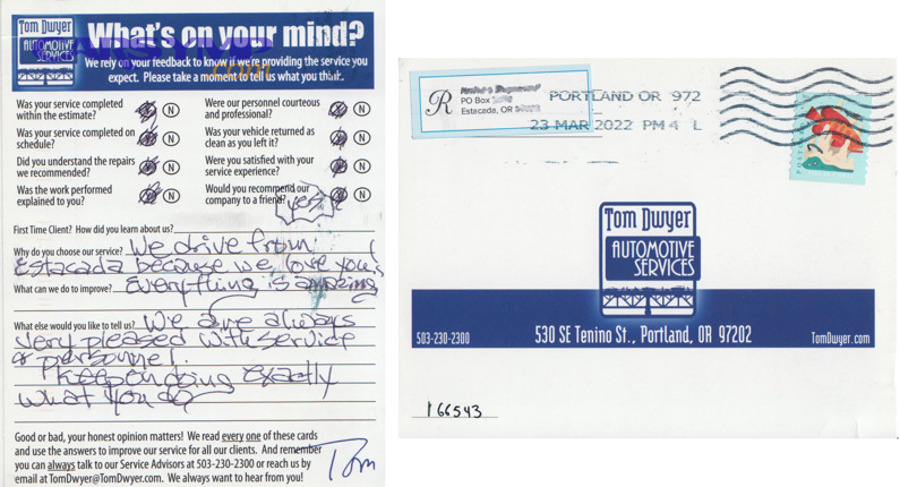
What personal details should you never include?
Never include license plates, full names of staff (unless they publicly use them), your home address, or any identifying payment information.
Next, include only the minimum context needed to make your story understandable.
You can praise a staff member by first name or role (“service advisor”) without exposing personal data. This protects privacy while still giving credit.
How do you criticize without defamation or exaggeration?
Criticize by reporting facts, quoting policy statements you were told, and describing impact (“I waited two days without an update”) rather than labeling motives (“They don’t care”).
Then, offer what would have fixed the situation, because that’s constructive and more persuasive.
This style keeps your review useful even if the business responds publicly. It also helps other readers interpret the situation with less drama and more signal.
Should you mention disputes or refunds?
Yes, but only with clear context: what was disputed, what resolution was offered, and what you accepted—without disclosing sensitive financial details.
Next, clarify whether the resolution changed your trust level, because that’s what readers care about.
A calm description of dispute resolution is highly valuable: it shows how the shop behaves when things aren’t smooth, which is often a better indicator than a perfect first-time visit.
How do you include photos, invoices, and evidence responsibly?
Include evidence responsibly by sharing only what supports your claims—photos of worn parts (if offered), screenshots of estimates (with personal info removed), and before/after images—while respecting privacy and the shop’s policies.
Next, use evidence to clarify, not to overwhelm; one or two meaningful images can be enough.

What kinds of photos actually help readers?
Helpful photos show the problem or the result: leaking fluid spots, warning lights (without VIN), worn components (if provided), or the finished work area if cleanliness is relevant.
Next, caption your photo in text so readers know what they’re seeing and why it matters.
A photo without explanation can confuse. A photo with one sentence—“Old serpentine belt had visible cracks; replaced belt eliminated squeal”—adds clarity.
How can you reference the invoice without posting the whole thing?
Reference the invoice by summarizing the main items, the diagnostic fee (if any), and whether labor and parts were explained, while omitting personal identifiers.
Then, highlight the single line item that mattered most to the decision, because that’s what future customers will compare.
This approach supports accuracy and reduces misunderstandings. It also respects the fact that invoices can include addresses, phone numbers, and other sensitive data.
How does evidence improve trust in crowded review spaces?
Evidence improves trust because it reduces ambiguity and makes your account harder to fake, especially when combined with a clear timeline and calm tone.
Next, keep your evidence aligned with your narrative so readers can connect the dots quickly.
In many comment threads about auto repair reviews, the most trusted posts are the ones where the story matches the proof: the symptom described, the repair performed, and the outcome verified.
How do you handle the shop’s response and update your review?
Handle a shop’s response by evaluating actions, not words—did they explain, correct, refund, re-check, or honor warranty—then update your review with what changed so readers see the full arc.
Next, make your update explicit and time-stamped in your writing, so it’s clear what happened first and what happened later.
When should you edit versus post a follow-up?
Edit when the platform supports updates and you want one consolidated story; post a follow-up when the platform preserves timelines better or when you want to document multiple stages clearly.
Next, summarize the resolution in one sentence at the top so readers don’t miss it.
A clean method is: start with “Update:” and one sentence of outcome, then keep the original details below. That preserves your first impressions while rewarding genuine fixes.
How do you stay fair if the shop improves after criticism?
Stay fair by acknowledging the improvement explicitly and describing what the shop did that restored trust—such as prioritizing the comeback, explaining the cause, or honoring warranty without hassle.
Then, adjust your rating only if your overall experience meaningfully changed, and explain why.
This is how review ecosystems become more accurate: businesses learn, customers feel heard, and future drivers see how problems are handled—not just whether they occurred.
What if the shop responds defensively or publicly argues?
If the shop responds defensively, keep your reply short, factual, and calm, or don’t engage at all; your goal is to inform readers, not to win a debate.
Next, let your evidence and timeline speak, because that’s what neutral readers evaluate.
You can say: “I’ve shared my timeline and what I was told; I’m happy to clarify privately.” That maintains professionalism and keeps the review useful.
Now that you have a complete method for writing accurate, fair reviews, you can optionally go one level deeper: protecting the community by handling suspicious review behavior carefully.
How can you spot and report suspicious review behavior without harming honest shops?
You can spot suspicious review behavior by looking for patterns—generic praise with no details, repeated phrasing across accounts, or sudden bursts of extreme ratings—then report it through the platform’s tools rather than launching public accusations.
Next, focus on improving signal: write your own clear review that stands on evidence, which naturally outweighs noise over time.

What “too-perfect” signals should make you cautious?
Be cautious of reviews that sound templated, mention no specific service, or read like advertising copy with repeated superlatives and no timeline.
Next, compare those reviews to detailed ones that describe symptoms, repairs, and outcomes, because detail is harder to manufacture consistently.
This doesn’t mean the shop is bad; it means you should weigh detailed accounts more heavily than vague hype when making your decision.
How should you report concerns the right way?
Report concerns using the platform’s reporting feature and provide a brief, factual reason (spam, conflict of interest, duplicated content) rather than speculating about intent.
Then, avoid turning your own review into an investigation, because that shifts attention away from your actual experience.
Reporting quietly keeps the focus on community safety while minimizing collateral damage to legitimate businesses.
How do you write a “signal-rich” review that counterbalances noise?
Write a signal-rich review by including a timeline, the repair scope, the authorization process, and a follow-up outcome, which gives future readers usable data.
Next, keep your tone neutral and your claims tied to what you observed, because credibility compounds over time.
This is how thoughtful reviewers elevate the whole ecosystem: your review becomes a reference point that others can compare against when deciding where to go.
Why is it better to improve your review than attack others?
It’s better because your review is within your control, and high-quality detail helps readers immediately, while public accusations can trigger defensiveness, confusion, or legal risk.
Next, channel your energy into clarity—what happened, what it cost in context, and what the outcome was—because that’s what drivers actually need.
In crowded review categories, calm specificity wins. That’s why readers who are comparing patterns across reviews tend to trust the reviews that read like careful reports rather than like campaigns.
Frequently asked questions
The questions below address common edge cases so your review stays helpful even when the situation is unusual or emotionally charged.
Next, use these answers as quick guardrails when you’re unsure what to include or how to phrase it.

Should you name the technician or service advisor?
Only name someone if they publicly use that name and you’re comfortable doing so; otherwise, use a role label like “advisor” or “tech” to protect privacy.
Next, describe the behavior you appreciated, because that helps the shop replicate good service even without a named shout-out.
Praising behaviors (“explained options,” “called before changes,” “showed measurements”) is more useful than naming, and it avoids personal-data risks.
Is it okay to review a shop after just one visit?
Yes, as long as you clearly state it was a single visit and you describe what you can verify—process and immediate outcome—without claiming long-term durability.
Then, consider updating later if the result holds or if issues return, because follow-ups are highly informative.
A single-visit review can still be valuable when it documents transparency, consent, and professionalism.
What if you don’t know the exact part or technical name?
That’s fine: describe what the shop said in plain language and what the repair accomplished, rather than forcing technical terms you might misuse.
Next, anchor your story to the symptom and the result, because those are the most transferable facts for other drivers.
You can write: “They replaced a sensor related to the check-engine light; light stayed off after a week.” That’s honest and still helpful.
How long should a helpful review be?
Long enough to include context, process, and outcome—often 150–300 words—plus optional bullets if the case was complex or involved multiple approvals.
Next, prioritize structure over length, because a short, well-organized review can beat a long, messy one.
If you only have time for a short review, use the five-sentence template and one bullet list of key facts; readers will still get real value.
Can you mention that you compared prices elsewhere?
Yes, but do it carefully: say you compared quotes for similar scope and that you chose this shop for a specific reason (clarity, warranty, specialization), not just “cheapest.”
Next, avoid implying wrongdoing; focus on your decision logic so the review remains fair and informative.
This kind of context helps readers understand value without turning your review into a price war, and it complements discussions about using reviews to estimate fair pricing by adding reasoning instead of just numbers.