


Overnight battery drain usually means your vehicle loses enough charge while parked (often 8–12 hours) that it cranks slowly, won’t start, or triggers low-voltage glitches. In plain terms, something is consuming power when it shouldn’t—or the battery can’t store what it should.
To narrow it down fast, you need two things: a realistic “normal” baseline for modern vehicles and a clear list of common causes of overnight battery drain (lights, modules, charging system leakage, add-ons, and wiring faults).
Then you’ll confirm the pattern with simple checks and move into a structured battery drain diagnosis workflow that avoids false results—especially on newer cars that “wake up” when you touch fuses, doors, or key fobs.
To begin, here’s the practical framework drivers use to separate normal standby power from true parasitic draw and fix the drain with fewer guess-and-replace mistakes.
What counts as overnight battery drain, and how much draw is “normal”?
Overnight battery drain is an abnormal loss of battery charge during a single parked period, typically caused by excessive key-off electrical draw that stays high after the car should be asleep. Normal standby draw exists, but it should not drop a healthy battery overnight.
To start, think in three layers: (1) battery condition, (2) charging health, and (3) key-off load. Next, you’ll define what “normal” looks like so your readings actually mean something.

Modern vehicles almost always pull some power after shutdown—clock memory, security systems, telematics, and body control modules. The key detail is sleep mode: after a period of inactivity, modules power down and the steady draw drops.
According to research by ALLDATAdiy from its DIY technical editorial team, in June 2023, a small parasitic draw under 1 amp may take days to drain a battery, while a draw over 1 amp can drain a battery overnight. That same source highlights an upper target of roughly 0.050 amps (50 mA) for many vehicles once fully asleep.
Because “normal” varies, use this simple interpretation rule:
- Stable low draw after sleep: usually normal, especially if it’s in the tens of milliamps.
- Draw that never settles: suspect a module staying awake, a relay stuck, or an accessory.
- Intermittent spikes: suspect wake events (keyless entry, telematics pings, aftermarket alarms).
Before you test anything, clean logic matters: a battery that is weak, sulfated, or undercharged can appear like it has a drain. That’s why your first step is not “pull fuses”—it’s verifying the battery is truly charged and capable of holding charge.
To make “normal vs abnormal” clearer, the table below summarizes what the numbers usually imply for drivers trying to diagnose a no-start after sitting overnight.
This table helps you interpret key-off current draw readings so you don’t chase a non-problem or ignore a real one.
| Key-off draw pattern | What it often means | Typical next move |
|---|---|---|
| Settles low after sleep | Normal standby loads, battery issue more likely | Load-test battery, check charging voltage |
| Stays moderately high | Module or relay not sleeping | Isolate circuit (fuse/voltage-drop method) |
| Very high and steady | Hard fault: light stuck on, short, failed component | Look for heat, stuck lamps, relays, add-ons |
| Low but frequent spikes | Intermittent wake events or smart devices | Check keyless entry, alarms, dashcam/OBD devices |
Which common causes drain a battery overnight?
There are five common cause groups of overnight battery drain: always-on lights, modules that won’t sleep, aftermarket accessories, charging-system leakage, and poor connections or battery defects. Next, you’ll recognize each group by its “signature.”
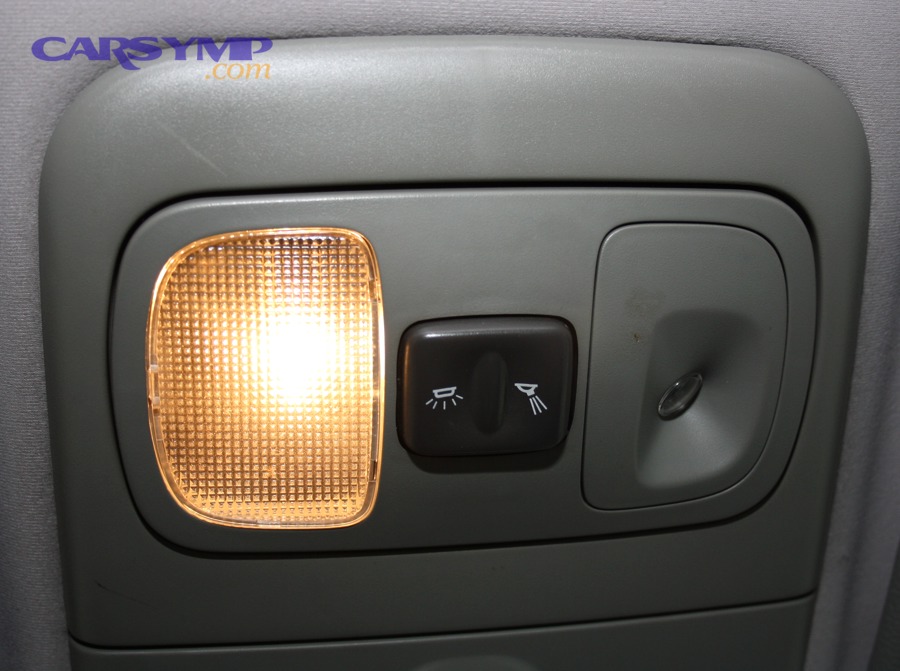
1) Lights that stay on when you think they’re off
Yes—overnight drain can be caused by a light staying on, and it’s common because it’s easy to miss and can draw enough power to flatten a battery fast. To begin, check interior, trunk, glove box, vanity mirror, and under-hood lights.
Common triggers include misadjusted door switches, partially latched doors, a stuck trunk latch switch, or aftermarket LED conversions that behave oddly with body modules. Even if the dome lamp looks off, small accent lights or switch illumination can stay on.
2) A module that never enters sleep mode
Modern cars can drain overnight when a control module stays awake, because “awake current” can be far higher than sleep current. Cụ thể, infotainment, body control, telematics, and keyless access systems are frequent players.
According to research by General Motors from the GM TechLink service information newsletter, in December 2020, some control modules may take up to 30 minutes or longer after ignition off before going to sleep, and certain systems can periodically wake modules depending on vehicle status. That means you must test after the vehicle has truly settled—or you’ll misdiagnose.
3) Aftermarket accessories and add-ons
Aftermarket add-ons can cause overnight drain because many are wired to constant power and may not have proper sleep behavior. Ngoài ra, some devices create intermittent wake-ups that look like “mystery spikes.”

Frequent culprits include dashcams, remote starters, audio amplifiers, GPS trackers, and phone chargers left plugged in. Even “smart” hardwire kits can fail or be installed incorrectly, leaving the camera or converter awake all night.
4) Charging-system leakage (alternator diode backfeed)
An alternator can cause overnight drain when a diode fails and allows current to leak backward into the alternator windings. Để minh họa, this can create a steady draw that looks like a parasitic load even though the car is “off.”
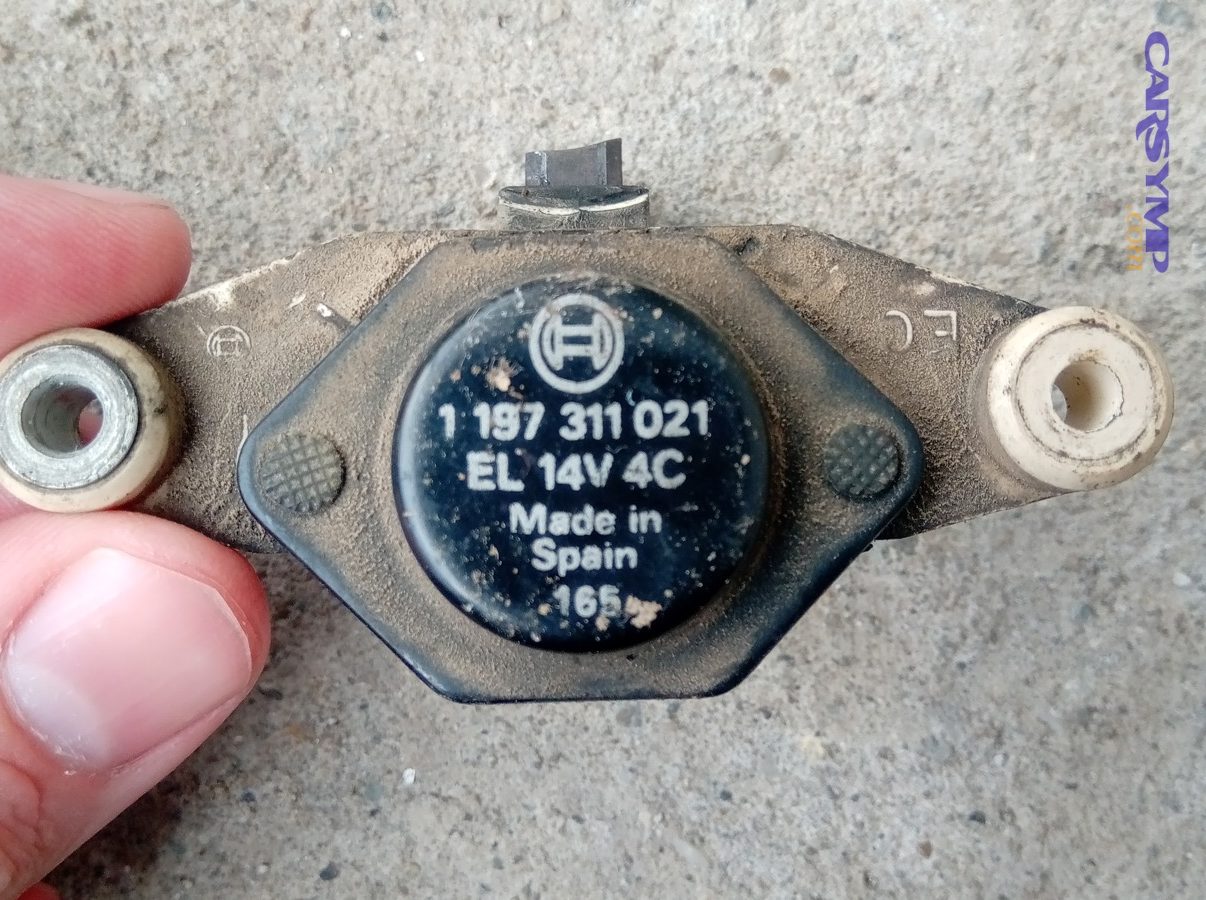
Symptoms often include a battery that dies overnight, a faint electrical smell, or a component that feels warm after sitting. This failure can be sneaky because the charging voltage while running may still look “okay” at first.
5) Battery weakness or poor connections that mimic a drain
Not every overnight no-start is a draw; a weak battery or corroded connections can make normal standby loads look like a drain. Quan trọng hơn, a battery can pass a quick voltage check and still fail under load.
Loose terminals, hidden corrosion inside cable ends, poor grounds, and aged batteries reduce usable capacity. In cold weather, the margin shrinks further—so a “small” load becomes enough to tip it over.
How can you tell parasitic draw from a weak battery or charging problem?
You can separate parasitic draw from battery or charging problems by combining three checks: battery state/health, charging performance, and key-off current behavior after sleep. Next, you’ll use quick measurements that prevent “parts cannon” repairs.

Start with these fast observations:
- If jump-starting works and it dies again after sitting: suspect draw or battery inability to hold charge.
- If it struggles right after you shut it off: suspect charging system or battery health.
- If it’s fine daily but dies after 2–3 days: suspect moderate draw or reduced capacity.
Then measure logically:
- Battery voltage at rest (after sitting, headlights off): low voltage suggests discharge—but doesn’t prove why.
- Charging voltage when running: if charging is low, the battery may never recover from normal standby loads.
- Key-off draw after sleep: this is where parasitic draw reveals itself.
According to research by Innova from its automotive diagnostics education team, in May 2024, parasitic draw testing with a multimeter should be performed after allowing modules time to enter sleep mode, and many vehicles’ acceptable key-off draw is often around 20–50 mA depending on manufacturer guidance.
One useful “signature” is time-to-fail:
- Dies in one night: often a high draw (stuck lamp, relay, alternator leakage, module awake).
- Dies in several days: moderate draw or small draw + weak battery capacity.
- Dies only in cold snaps: capacity loss + normal load or borderline battery health.
To connect the dots, remember: a healthy battery is a storage tank, the alternator is the refill pump, and parasitic draw is a leak. You must confirm which piece is failing before you start isolating circuits.
How do you run a parasitic draw test safely with a multimeter at home?
You can run a safe parasitic draw test by placing the multimeter in series with the battery cable, keeping the vehicle undisturbed until sleep mode, and then observing stabilized current before touching anything else. Tiếp theo, follow a disciplined, no-wake routine.
Here’s a reliable at-home sequence (avoid rushing—accuracy depends on patience):
- Fully charge the battery (or drive long enough to replenish). A low battery makes readings misleading.
- Turn everything off: lights, HVAC, infotainment, chargers, and unplug accessories.
- Prepare the car to “think it’s closed”: latch doors or tape door switches so interior lights stay off.
- Keep the key fob far away: keyless systems can wake the car if the fob is nearby.
- Disconnect the negative cable and connect the meter in series (meter set to amps on the correct fused input).
- Wait for sleep mode: the draw will usually drop in stages; do not open doors or pull fuses yet.
- Record stabilized draw and watch for spikes or patterns.
According to research by ALLDATAdiy from its DIY technical editorial team, in June 2023, the traditional “meter in series + pulling fuses” method can accidentally wake modules on newer vehicles and become time-consuming because you must wait again for sleep mode. That’s why you treat the vehicle like a sleeping computer—minimal disturbance.
If you want a visual walkthrough before you test, this video provides a practical demonstration:
Safety notes that matter more than most people think:
- Don’t crank the engine with the meter in series on a low range—starter current will blow the meter fuse or damage the meter.
- Start with a higher amp range if your meter supports it, then step down once stable.
- Keep the circuit stable: avoid bumping doors, key fobs, or the hood latch sensor.
When you do this correctly, you’ll know whether you have a real parasitic draw—and roughly how severe it is—before you isolate anything.
How can you isolate the draining circuit without creating false readings?
You can isolate the draining circuit by identifying which fuse or circuit reduces the draw when removed, but you must avoid “waking” the car and misreading temporary wake current as a drain. Sau đây, use a controlled isolation strategy.

Many DIYers use the Fuse pull method to isolate the circuit because it’s direct: pull one fuse, see if the draw drops, then narrow the culprit inside that circuit. The risk is that touching fuses can wake modules and reset timers—especially on newer vehicles.
To make the fuse approach more reliable:
- Verify the draw is stable and the vehicle is asleep before pulling any fuse.
- Pull one fuse at a time, wait briefly, and observe the meter trend rather than reacting to a momentary jump.
- Record each result: fuse location, fuse label, and the draw before/after.
- Start with the most likely fuse panels: interior fuse box often feeds body modules, lamps, and infotainment.
According to research by General Motors from the GM TechLink service information newsletter, in December 2020, normal conditions can include modules that periodically wake (keyless entry, telematics, and other systems). That’s exactly why you want to avoid disturbing the car repeatedly while you test.
If you want to reduce wake-ups even further, consider voltage-drop testing across fuses as an alternative, then confirm with targeted circuit checks. In practice, the best approach is whichever one you can perform without repeatedly reopening doors, cycling latches, or moving the key fob around.
To keep the process organized, the table below gives you a practical logging structure for circuit isolation.
This table helps you document fuse-by-fuse results so you can identify the circuit that changes the draw and avoid repeating the same steps.
| Fuse location | Fuse label (manual) | Draw before | Draw after | Interpretation |
|---|---|---|---|---|
| Cabin panel | Interior lamps | High/unstable | Drops noticeably | Look for stuck lamp, switch, wiring, module control |
| Cabin panel | Infotainment/Radio | Moderate | Drops to normal | Suspect head unit, amp, wake line, add-on interfaces |
| Under-hood | Charging/ALT sense | Moderate-high | Drops | Consider alternator diode leakage or related relay |
| Cabin panel | OBD/Diagnostic | Spiky | Spikes reduce | Check OBD devices, trackers, dongles |
After you find the circuit, what parts usually cause the drain?
After you find the circuit, the usual culprits are components that can stick on (lamps, relays), devices that misbehave (infotainment, telematics), and add-ons that don’t sleep (dashcams, alarms, OBD dongles). Bên cạnh đó, wiring faults can keep a circuit partially energized.

Work “down the circuit” in a logical order—simple, then complex:
Interior lighting circuits
These are high-confidence because they can draw enough to kill a battery fast. Check the obvious bulbs, then check the switch logic (door, trunk, glove box), then the body module command that controls them.
Infotainment and communication circuits
Head units, amplifiers, Bluetooth modules, and telematics can stay awake due to software glitches, network bus chatter, or failed sleep triggers. If the draw drops when you pull the infotainment fuse, unplugging subcomponents (amp, USB hub, phone integration module) often reveals the one holding the system awake.
Relays that stick, chatter, or backfeed
A relay stuck closed can keep a load energized. A relay that chatters can create spike patterns. Feel for warmth in suspect relay clusters after the vehicle has been off a while (warmth can be a clue, not proof).
Charging system leakage and alternator-related issues
If the drain disappears when you disconnect the alternator output cable (performed safely, with proper precautions), suspect diode leakage. Charging faults don’t always show up as a warning light—so don’t assume “no light = no problem.”
Security, keyless entry, and alarm systems
Keyless systems can wake the car if the fob is nearby, if approach sensors misbehave, or if the alarm module is faulty. Aftermarket alarms are especially likely to cause unpredictable spikes and overnight drains when wired incorrectly.
OBD and always-on devices
Anything plugged into the OBD port can keep modules awake or draw power continuously, including insurance dongles, Bluetooth scanners, and trackers.

According to research by AAMCO University from its technical training materials, in August 2019, key-off current measurements must be evaluated after allowing modules to go to sleep, and small baseline draws can be normal while higher or persistent draws indicate an issue worth isolating. This reinforces why “find the circuit” is only half the job—you still must find the part inside it.
How do you prevent overnight battery drain from coming back?
You prevent overnight battery drain by reducing unnecessary key-off loads, fixing the root cause in the identified circuit, and maintaining battery health so normal standby draw doesn’t become a no-start. Tóm lại, prevention is both electrical discipline and battery discipline.
Here’s the prevention checklist drivers can actually stick to:
- Remove or rewire problematic add-ons: hardwire kits should have proper low-voltage cutoff and correct ignition-switched triggers.
- Keep key fobs away from the vehicle overnight if you suspect approach detection wake-ups.
- Don’t leave OBD devices connected unless they’re designed for low-power sleep and verified not to wake modules.
- Fix corroded terminals and grounds: reduced capacity makes even normal standby loads risky.
- Drive long enough to recharge: short trips can leave the battery chronically undercharged.
- Address software/TSB updates if the drain is module-related (infotainment and telematics updates can matter).
According to research by ALLDATAdiy from its DIY technical editorial team, in June 2023, a key part of accurate parasitic drain work is ensuring the battery is fully charged and the vehicle is allowed adequate time to enter sleep mode before testing. Preventing repeat drains uses the same philosophy: avoid patterns that keep the vehicle “half-awake.”
If the root cause was a relay, module, or alternator leak, the best prevention is simply a verified repair plus a retest. After repairs, repeat your parasitic draw measurement the same way you tested initially and confirm the draw settles into the expected range for your vehicle.
Contextual border: Up to this point, the focus has been the most common causes and the most repeatable diagnostic path. Next, you’ll expand into rarer edge cases and misconceptions that can mimic overnight battery drain—especially in cold weather and in vehicles with advanced access/telematics behavior.
Rare edge cases that mimic overnight battery drain
Rare edge cases mimic overnight drain by shrinking usable battery capacity, creating intermittent wake events, or introducing hidden loads that don’t appear in simple checks. Để hiểu rõ hơn, treat these as “second-pass” explanations after you’ve verified the basics.

Cold temperatures that reduce available battery power
Cold can turn a borderline situation into an overnight no-start because battery chemistry slows down and available capacity drops. According to research by AAA from its Northeast automotive publication, in January 2026, a vehicle battery can deliver about 50% of its rated capacity at very low temperatures, meaning normal standby draw plus a slightly weak battery can look like a “mystery drain.”
Practically, if your drain “only happens when it’s cold,” don’t skip the battery load test and terminal inspection—even if you suspect an electrical leak.
Intermittent wake-ups from keyless entry or telematics
Intermittent wake-ups can create spiky current patterns and make the car die after sitting because the system never stays asleep long enough. According to research by General Motors from the GM TechLink service information newsletter, in December 2020, systems like remote keyless entry and telematics may periodically wake control modules and then go back to sleep depending on vehicle status.
If your readings show repeated spikes, treat “what wakes the car?” as the main question, not just “what draws current?”
Battery self-discharge and aging effects
Some batteries lose charge internally faster as they age or become sulfated, and that can be mistaken for parasitic draw. According to research by PV Education from its educational battery characteristics materials, in August 2025, battery capacity and behavior are strongly affected by temperature and aging-related factors, which can accelerate self-discharge and reduce usable capacity over time.
In real terms, a battery can “die overnight” with only moderate draw if its effective capacity has shrunk.
Hidden loads from poorly integrated aftermarket installs
Hidden loads include add-ons wired to constant power without proper sleep behavior, or accessories that keep communication lines awake. This is where your earlier isolation work pays off: once you identify the circuit, inspect every splice, converter, and add-on module tied into it.
Frequently asked questions
How long should I wait before measuring key-off current draw?
Wait until the vehicle has fully entered sleep mode; many vehicles drop in stages and may take 20–120 minutes depending on design. If you measure too soon, you may read normal “awake current” and misdiagnose a drain.
Can a small draw still kill my battery overnight?
Yes, if the battery is weak, undercharged, or cold. A draw that might be tolerable for a healthy battery in warm weather can become enough to prevent starting when available capacity is reduced.
Do I need a clamp meter, or is a basic multimeter enough?
A basic multimeter can work if used safely and correctly in series, but it’s easier to make mistakes that wake modules or blow the meter fuse. Many DIYers prefer approaches that reduce disturbance, then confirm with targeted measurements.
Why does pulling fuses sometimes make the reading worse?
Because pulling and reinstalling a fuse can wake up modules, switch networks into active states, and temporarily increase current. The key is to stabilize the vehicle first and interpret trends, not instant jumps.
What if the draw disappears randomly during testing?
You may be seeing an intermittent event that stops when the car is disturbed, or a timer-based module that goes to sleep. Try replicating the “overnight” conditions: doors closed, key fobs away, no movement, and a long enough wait.
Should I replace the battery first if it’s more than three years old?
Not automatically—but age increases the chance of reduced capacity. If the battery fails a load test or can’t hold charge, replacement is reasonable. If it tests good, prioritize isolating the draw so the new battery doesn’t get killed too.