


A parasitic draw test step-by-step is the most reliable way to find what’s draining your car battery when the vehicle is “off,” because it measures the real electrical load after the car’s computers go to sleep.
Next, this guide shows a practical parasitic drain test workflow that helps you confirm whether the drain is normal or excessive, then narrow it down to a circuit, and finally to a specific component.
Also, you’ll learn how to avoid the most common mistakes (like waking modules while testing) so your readings stay stable and meaningful.
To introduce a new idea: once you understand how “sleep mode” works, you can test faster, interpret results correctly, and stop swapping parts blindly.
What is a parasitic draw test, and when should you run a parasitic drain test?
A parasitic draw test measures the electrical current consumed by a parked vehicle with the ignition off, revealing whether normal standby loads have turned into an abnormal drain. Next, you’ll learn when symptoms truly point to a draw rather than a weak battery.
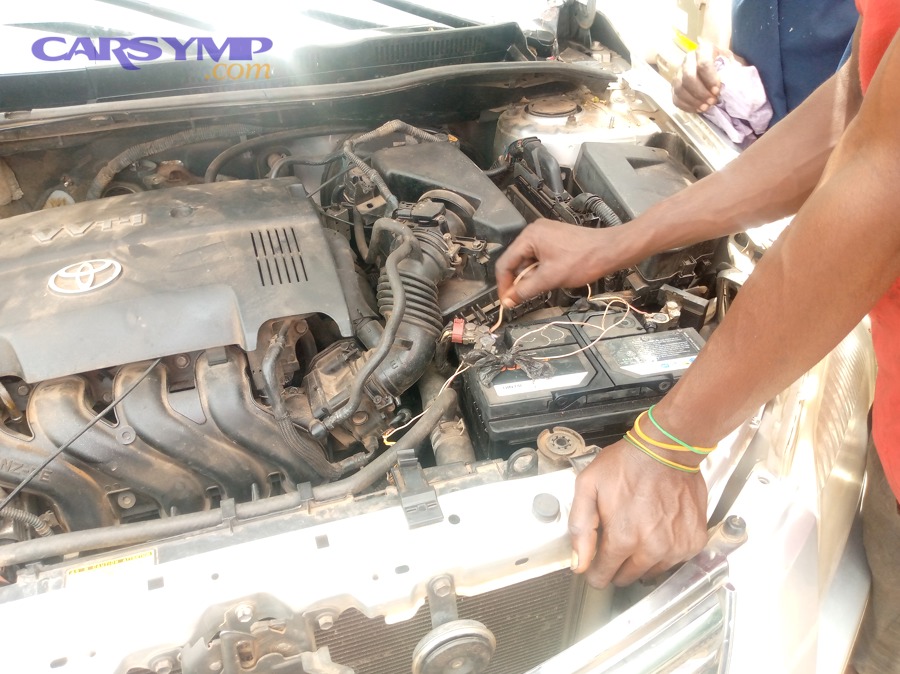
In modern cars, some battery use is normal even when parked. Clocks, keyless entry receivers, alarm systems, telematics, and control modules may remain awake briefly, then go into a low-power state. The key question is not “Is there any draw?” but “Is the draw reasonable after the vehicle sleeps?”
Which symptoms strongly suggest a parasitic draw instead of a worn-out battery?
A parasitic draw is likely when the battery tests healthy but repeatedly dies after sitting, especially if it starts fine after a drive and fails after an overnight or weekend park. Next, compare patterns—time-based failure often indicates a drain, while cold-crank weakness can indicate battery aging.
To make this concrete, look for these patterns:
- Repeatable time-to-dead: the car dies after roughly the same parking duration.
- Jump-start works immediately, then the car runs normally for days until it sits again.
- One specific event precedes failure, like using the trunk, charging a device, or locking with a certain key fob.
- Unusual signs: faint interior glow at night, warm module housings, or fans cycling with the car off.
What’s “normal” draw versus “too much” draw?
Normal draw varies by vehicle and features, but many technicians use a rule-of-thumb target in the “tens of milliamps” range after sleep; anything significantly higher, consistently, becomes suspect. Next, you’ll see how to test without waking the car and skewing the result.
Instead of obsessing over one universal number, anchor your decision to three practical checks:
- Stability: does the draw settle down and remain steady after sleep, or does it stay elevated?
- Time-to-failure: does the measured draw plausibly explain your battery going flat in the time you observe?
- Service info: does your vehicle’s manufacturer specify a maximum key-off current? If available, treat that as the real standard.
What kinds of problems does the test actually find?
A parasitic draw test finds circuits or components that remain powered when they shouldn’t—like lights, relays, modules, or accessories. Next, you’ll learn how to set up the car so the test measures true “sleep current,” not temporary wake current.
Common culprits include:
- Stuck relays powering a module or motor.
- Lights staying on (glovebox, trunk, vanity, puddle lamps) even when closed.
- Aftermarket accessories wired to constant power (dash cams, alarms, audio amps).
- Control modules that never sleep due to a network communication issue or a “keep awake” signal.
The “best” time to test is when the problem is present. If the drain is intermittent, you may need a longer monitoring approach (covered later), because a 5-minute snapshot can miss a drain that appears once per hour.
What tools and setup do you need before testing?
You need a stable measurement method, a safe way to keep battery power connected, and a plan to prevent waking modules. Next, you’ll choose between a multimeter-in-series method and lower-risk alternatives.
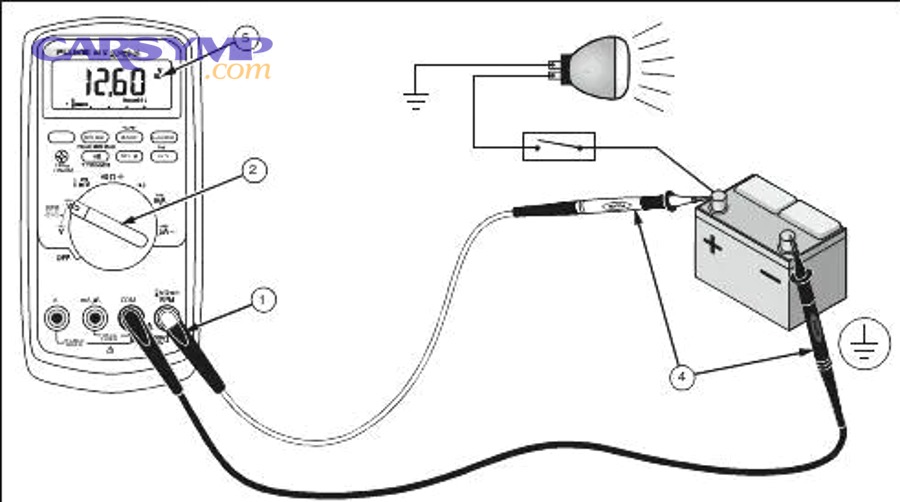
Most DIYers use a digital multimeter (DMM) in series with the battery. It works, but it also carries risk: if you open a door or power a circuit unexpectedly, you can blow the meter fuse or wake the car and ruin the reading. So the “tools” section is less about shopping and more about controlling variables.
What tools are strongly recommended?
A DMM with a fused high-current input, a set of test leads, and basic hand tools are the minimum; add a clamp meter or a memory saver method to reduce risk. Next, you’ll see how each option changes the workflow.
- Digital multimeter with a 10A fused input (or higher) and a mA range.
- Spare meter fuses (they blow easily during mistakes).
- Wrenches/sockets for battery terminals.
- Fuse puller or needle-nose pliers (carefully used).
- Work light that won’t keep the vehicle awake.
- Optional: DC clamp meter that can read low current, or an inline shunt tool.
Before the table: The table below compares common parasitic draw testing methods and helps you pick the safest approach for your situation.
| Method | Pros | Cons | Best for |
|---|---|---|---|
| Multimeter in series (battery cable) | Accurate, low cost, widely taught | Easy to blow meter fuse, can wake car, risky if you pull loads | Steady drains, careful step-by-step testing |
| DC clamp meter on battery cable | Non-invasive, less risk, easy to monitor over time | Low-current resolution varies; cheap clamps may be unreliable | Intermittent drains, long monitoring |
| Inline shunt / test lead bridge method | Stable readings, less module wake-up from disconnect | Extra setup; requires understanding of bridging | Vehicles sensitive to power loss, advanced DIY |
What safety rules prevent damage and false readings?
Safety is about preventing short circuits and preventing wake-ups; both can ruin the test or damage tools. Next, you’ll set the vehicle into a controlled “sleep-ready” state.
- Never start the car with the meter in series.
- Don’t switch on high loads (blower, headlights) while in series mode.
- Work on the negative terminal whenever possible to reduce shorting risk.
- Disable under-hood lights or latch the hood switch so it doesn’t create a draw spike.
- Use consistent access rules: doors closed, interior lights off, keys away.
How do you account for battery state and charging health before blaming a draw?
You should confirm the battery is charged and the charging system works, because a weak battery or poor charging can mimic a drain. Next, you’ll prep the vehicle to sleep so your draw reading represents reality.
Practical pre-checks:
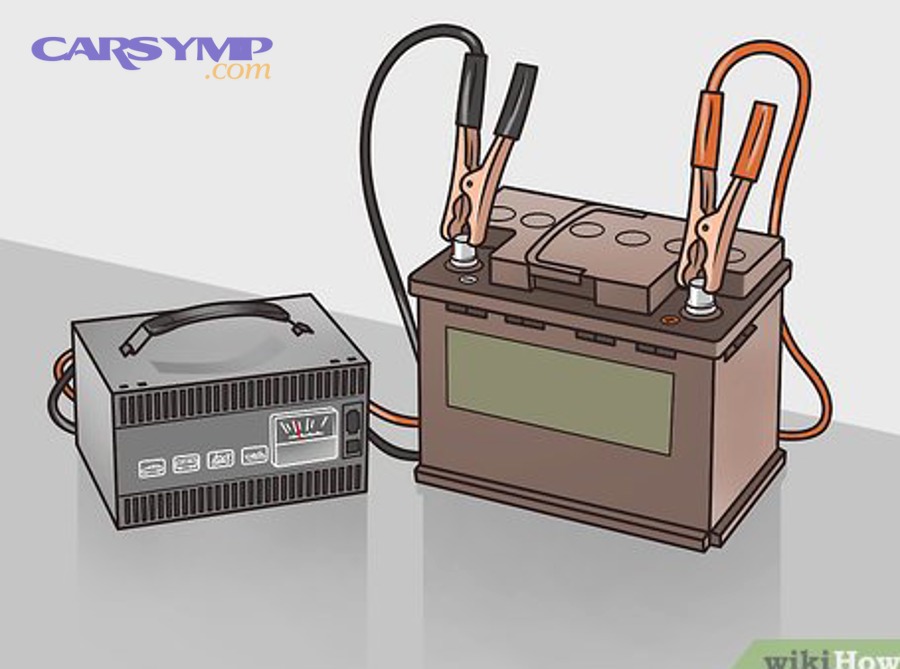
- Charge the battery fully before testing so the result isn’t distorted by low-voltage module behavior.
- Check terminal cleanliness and tightness; resistance can cause slow recharge and repeated failures.
- Verify charging behavior if you have a history of dim lights or repeated low-voltage warnings.
How do you prepare the vehicle so modules go to sleep?
You must prevent the car from waking while you connect your meter and during the waiting period, because wake activity can look like a “huge draw” that isn’t the real standby load. Next, you’ll create a repeatable sleep routine.
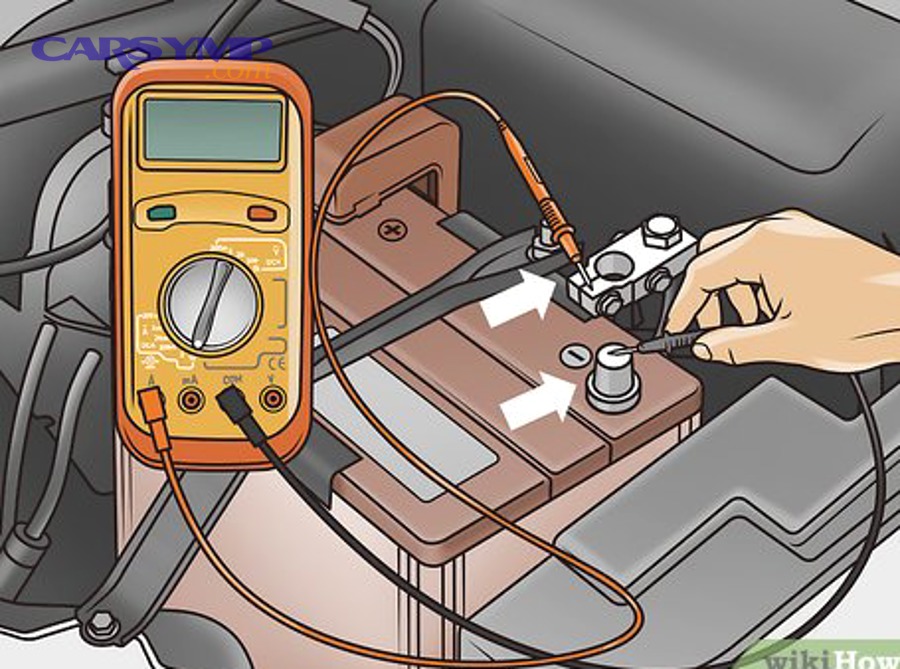
Vehicle “sleep” is not instant. Many cars keep modules awake for minutes after you lock them, and some wake periodically to check status. Your goal is to measure after the normal shutdown sequence completes.
What is the best pre-sleep routine for accurate results?
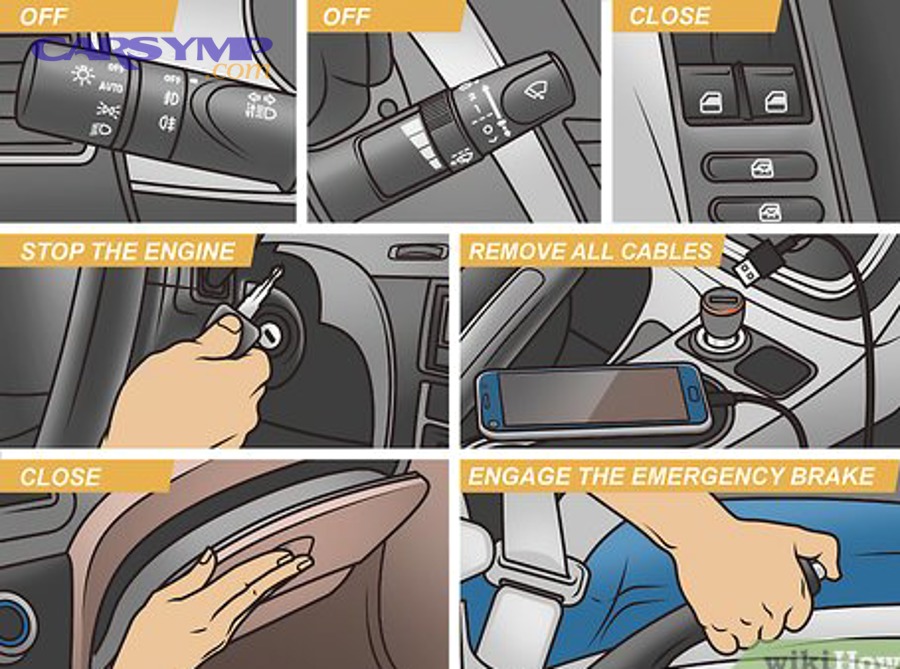
The best routine is consistent: close all doors, disable interior lighting triggers, keep keys away, and wait long enough for the vehicle to settle. Next, you’ll learn how to keep the circuit closed while inserting your meter to avoid resets.
- Choose a stable test location with minimal foot traffic (doors must stay closed).
- Turn everything off: lights, HVAC, radio, chargers.
- Remove keys and key fobs from the vehicle and keep them away from the cabin.
- Close all doors; if you must access fuse panels inside, plan a method to keep the latch “closed” while the door is open.
- Disable interior lights using the dome light switch or a safe latch technique.
- Wait for sleep: some vehicles settle in 10–30 minutes; others can take longer, especially with telematics.
How do you access fuse panels without waking the car?
You can access fuses without waking the system by using door-latch simulation and planning your pulls in advance, minimizing “open events.” Next, you’ll connect the meter in series while keeping power continuous.
Practical techniques:
- Door-latch trick: with the door open, use a tool to click the latch into the “closed” position so the car thinks the door is shut.
- Use the mechanical key if keyless entry wakes the network repeatedly.
- Pre-label fuses from the diagram before you begin pulling, so you don’t hover and wake modules.
What should you do if the draw never settles down?
If the draw never stabilizes, the vehicle may be repeatedly waking due to a fault, a network issue, or an external trigger; you must reduce triggers and then measure over time. Next, you’ll learn the core measurement steps that reveal the baseline current.
Key checks:
- Confirm no lights are on (including under-hood and trunk lights).
- Move keys farther away; some vehicles “ping” for the fob.
- Disconnect aftermarket devices temporarily to see if stability improves.
- Try a different access approach (avoid opening doors, use hood access only).
How do you measure parasitic draw step-by-step with a multimeter in series?
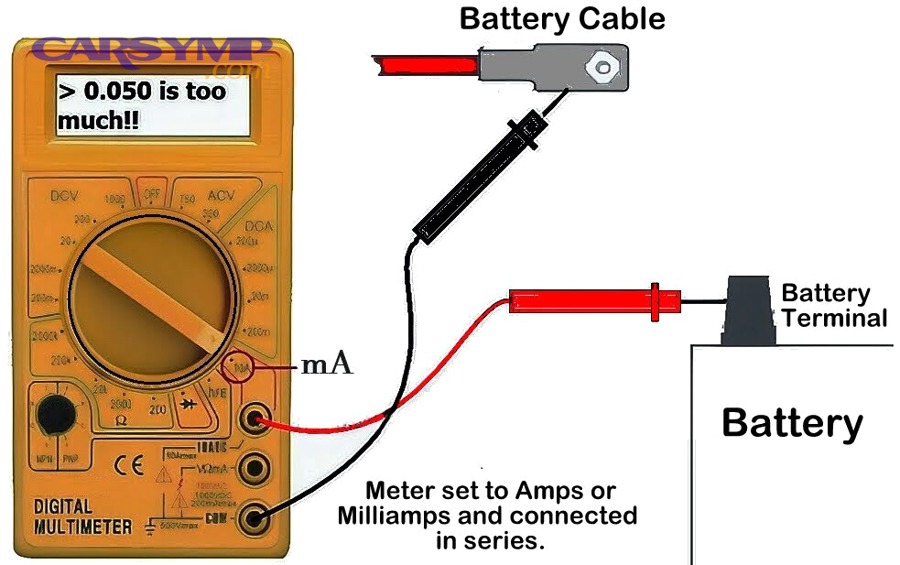
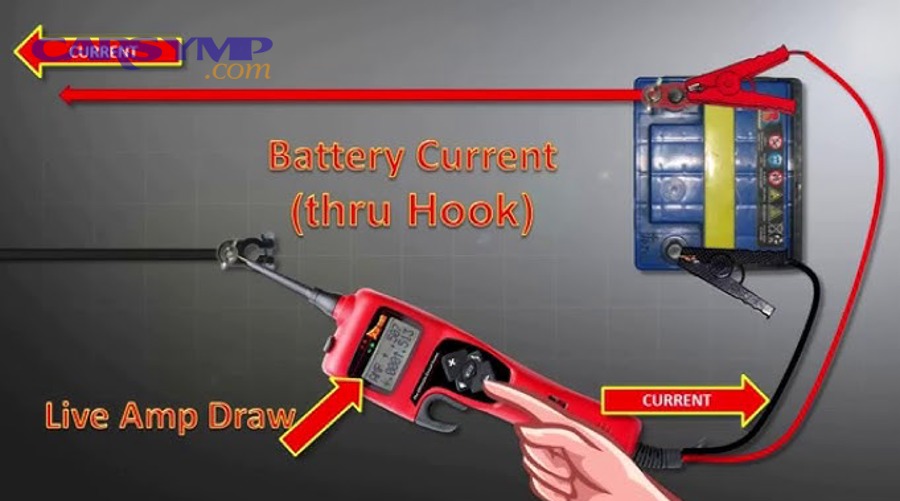
To measure parasitic draw correctly, connect the meter in series on the negative battery cable, start on a high-current range, let the car sleep, then read the stabilized value and switch to a lower range for precision. Next, you’ll follow a safe sequence that prevents blown fuses.
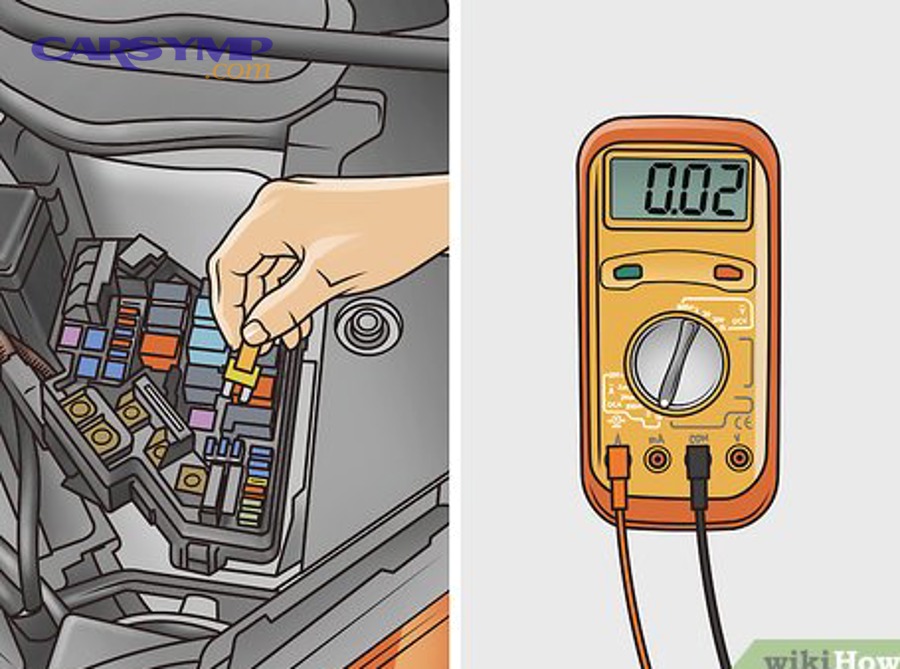
This is the “classic” parasitic draw test step-by-step method. The most important idea is bridging: you want to avoid completely disconnecting power because that resets modules and changes the shutdown behavior. So you keep current flowing through a controlled path before removing the cable.
Step-by-step: safe connection sequence
Use a staged approach: meter set to high current, leads in correct ports, then bridge the circuit before lifting the cable so you don’t break power suddenly. Next, you’ll wait for sleep and then refine the reading.
- Set the meter to amps (A), and move the red lead to the fused high-current input (often 10A).
- Verify the meter fuse is intact if your meter has previously been used for current tests.
- Turn the meter on and confirm it reads zero or near-zero when not connected.
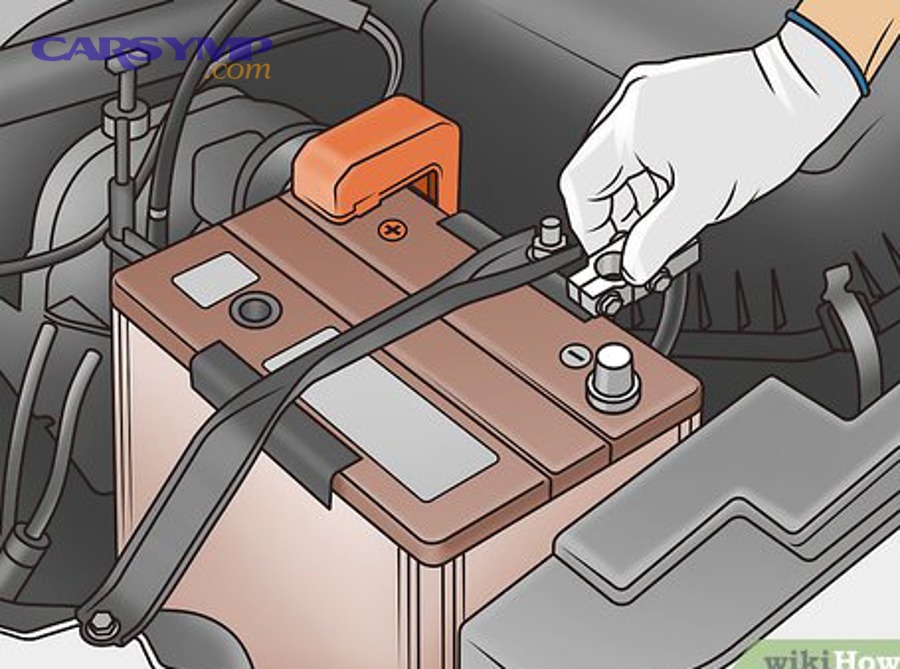
- Loosen the negative battery terminal but keep it seated on the post.
- Create a bridge path: touch the meter’s black lead to the battery negative post and the red lead to the negative cable clamp (still on the post).
- Lift the cable off the post while maintaining the meter leads in place, so current transfers through the meter rather than being interrupted.
- Secure the connections so they don’t slip—movement can wake modules or drop power.
Video demonstration:
How long should you wait before trusting the reading?
You should trust the reading only after the vehicle completes its normal shutdown sequence and the current stabilizes, which may take many minutes depending on the vehicle. Next, you’ll switch ranges carefully to capture a precise standby value.
To keep your process controlled:
- Start timing only after the car is “closed” (no doors opening, no fob interactions).
- Watch for step-down behavior: current often drops in stages as modules time out.
- Record the stabilized value and note the time it took to settle; this helps later comparisons.
How do you switch from amps to milliamps without losing the circuit?
Switch ranges only after current is low and stable, because moving leads or changing ports can open the circuit and reset modules. Next, you’ll use the measured baseline to decide whether isolation steps are warranted.
Practical method:
- Confirm the draw is low on the 10A range first (not spiking).
- Do not remove the meter abruptly; keep the circuit closed.
- If your meter requires port changes for mA, use a bridging lead or a second meter to maintain continuity.
- Only move to mA when you’re confident the draw is not high enough to blow the mA fuse.
Here’s a sanity check: if you see high current that never settles, stop and investigate what’s awake rather than immediately “chasing fuses.” That’s where technique matters most, because the act of testing can create the problem you’re measuring.
To integrate the required supporting phrases naturally: careful battery drain diagnosis starts with a stable baseline reading, especially after a Battery drain after new battery install situation where people assume the new battery is defective. That baseline is also the fastest way to spot Infotainment and module sleep issues that keep the network awake long after you walk away.
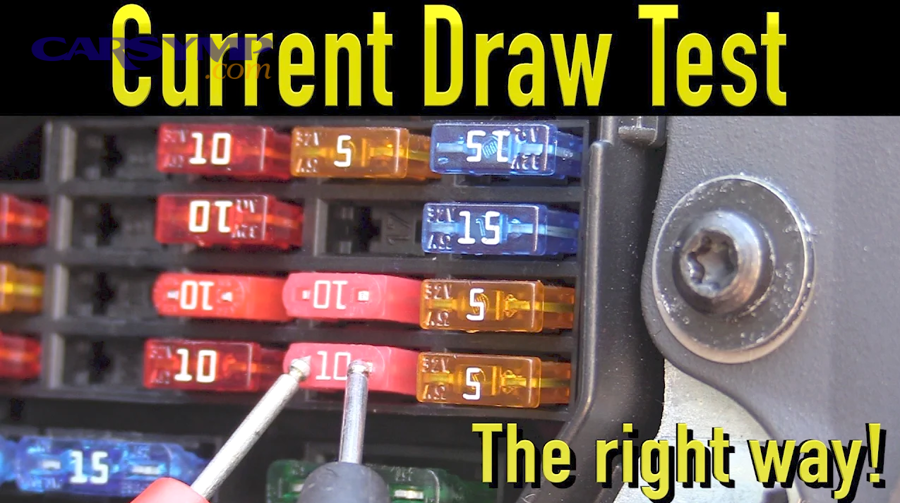
How do you isolate the drain using the fuse-pull method without chasing ghosts?
You isolate the drain by pulling fuses one at a time while watching for a meaningful drop from the stabilized standby current, which indicates the circuit responsible. Next, you’ll use a structured sequence to avoid waking modules and misreading temporary changes.
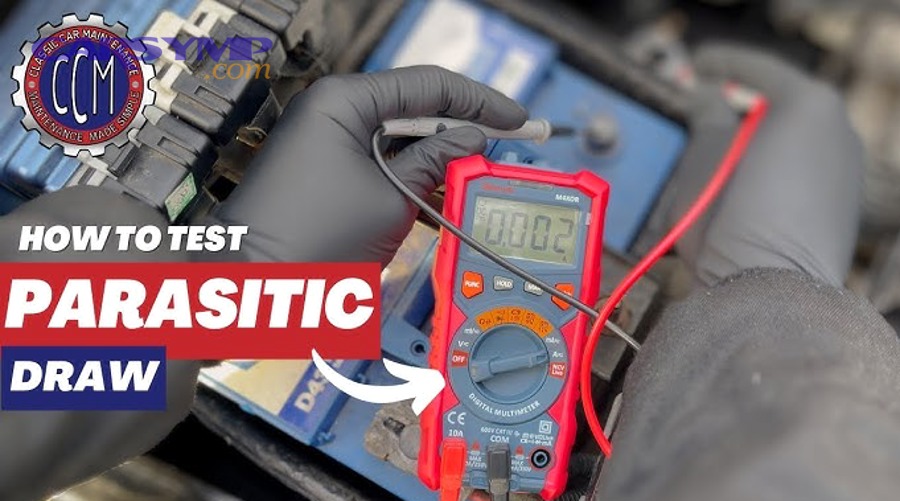
The fuse-pull method works best when the drain is steady. If the drain is intermittent, you can still use fuses, but you’ll need a longer observation strategy or a clamp meter that logs changes. Either way, you must protect the sleep state: opening doors or turning on the ignition can invalidate the test.
Step-by-step: fuse isolation workflow
Use a repeatable order: identify fuse boxes, prioritize always-hot circuits, pull one fuse, wait briefly for stabilization, then log the new current before reinstalling. Next, you’ll map the “winning fuse” to its downstream loads.
- Find fuse diagrams (owner’s manual or cover label) and mark which fuses are constant power.
- Choose a starting fuse box—often the interior panel for modules, then the under-hood panel for main feeds.
- Pull one fuse and observe the meter for a drop.
- Wait for stabilization after each pull; some modules react with a short spike then settle.
- Record the result: fuse ID, circuit name, current before/after.
- Reinstall the fuse before moving to the next, unless the fuse clearly identifies the problem circuit.
What counts as a “meaningful drop”?
A meaningful drop is one that persists and brings the standby current into a normal-looking range, not a brief dip caused by wake/sleep transitions. Next, you’ll verify by reinstalling the fuse and confirming the draw returns.
Use three confirmations:
- Persistence: the lower reading remains stable, not just momentary.
- Reversibility: reinstalling the fuse causes the draw to return.
- Repeatability: pulling it again recreates the drop.
How do you handle multiple circuits that show small changes?
If multiple fuses create small changes, you may be seeing normal module behavior or multiple minor loads rather than one culprit. Next, you’ll prioritize the fuse that produces the largest stable reduction and then narrow down within that circuit.
Practical triage:
- Start with the biggest stable change—that’s usually the real offender.
- Ignore “chatter” changes unless they consistently appear with the same fuse.
- Consider multiple drains if the draw improves but remains too high even after the biggest fuse is removed.
Once you have a suspect fuse, you’ve moved from “is there a drain?” to “where is it?” That transition is the key to saving hours and avoiding parts darts.
How do you pinpoint the exact component once you’ve found the suspect circuit?
After identifying a suspect fuse, you pinpoint the component by identifying everything powered by that fuse, then disconnecting loads one by one until the draw drops. Next, you’ll use a “branch-and-leaf” approach that’s faster than random unplugging.
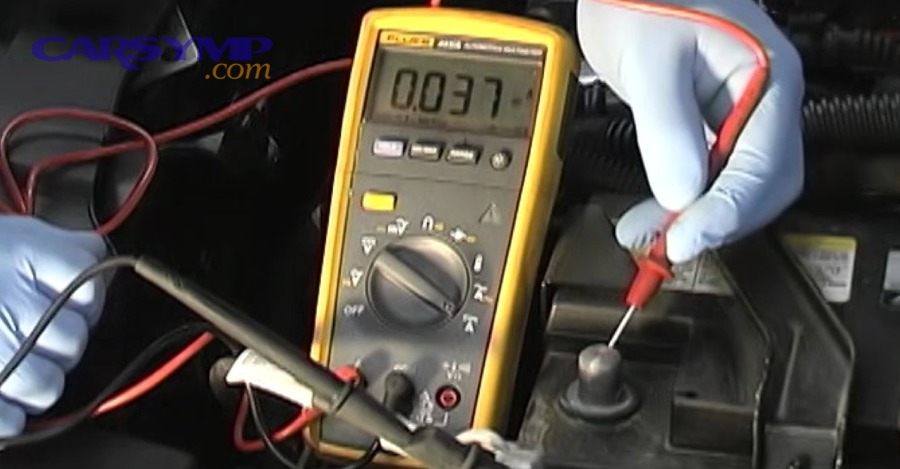
A fuse powers a circuit, and a circuit can feed multiple devices. Your job is to find which device is staying on. Think of the fuse as the tree trunk: the wiring branches out to leaves (devices). You don’t need to guess; you need to systematically remove leaves while watching the current.
How do you find what’s on that fuse?
You find what’s on the fuse by using the fuse label, wiring diagrams, and service information, then verifying physically by locating connectors and modules tied to that circuit. Next, you’ll create a short list of disconnect targets in a sensible order.
Sources to build your device list:
- Fuse panel legend (often gives the system name).
- Owner’s manual (sometimes lists protected circuits).
- Service diagrams (best, when available).
- Physical tracing (locate modules in the trunk, under seats, behind glovebox).
Which components are quickest to test first?
Test the easiest, highest-probability items first: relays, lights, aftermarket accessories, and modules known to remain powered. Next, you’ll use a method that confirms the fix instead of “hoping” it’s fixed.
- Relays: tap or swap with an identical relay if safe; a stuck relay can hold a large load.
- Lighting circuits: confirm trunk/glovebox lights truly turn off.
- Aftermarket add-ons: unplug them completely, not just switch them off.
- High-activity modules: infotainment, telematics, amplifier modules, seat modules.
How do you confirm you’ve actually fixed the problem?
Confirm the fix by restoring the circuit and re-running the sleep-and-measure sequence to see the standby current stabilize at a reasonable level again. Next, you’ll validate with a real-world park test that matches the original failure timing.
Confirmation checklist:
- Reconnect the suspect component if you unplugged it, then verify whether the drain returns.
- Repair/replace the component or wiring fault.
- Repeat the test from the beginning: sleep routine, stabilized reading, then optional fuse verification.
- Park-duration validation: leave the car parked for the time that used to kill the battery and confirm it starts normally.
When your measurement and real-world outcome agree, you have a trustworthy diagnosis rather than a coincidence.
What common mistakes ruin a parasitic draw test, and how do you avoid them?
The most common mistakes are waking modules during testing, connecting the meter incorrectly, and misinterpreting normal shutdown behavior as a fault. Next, you’ll learn prevention tactics that keep the test stable from start to finish.
Parasitic draw testing is less about “advanced electronics” and more about discipline. The car will try to wake up if you interact with it. Your meter will blow a fuse if you accidentally route a big load through the wrong port. And your brain will chase noise if you don’t wait for stability.
Mistake 1: Opening doors, pressing buttons, or moving the key fob too close
Any interaction can wake networks and spike current, making a normal vehicle look faulty. Next, lock down a strict “no interaction” rule and use latch simulation if you must access panels.
- Keep keys away and avoid repeated lock/unlock.
- Don’t sit in the car during the sleep period if it wakes occupancy sensors.
- Use the door-latch method to access interior fuses while the vehicle “thinks” the door is closed.
Mistake 2: Blowing the meter fuse and trusting a zero reading
A blown meter fuse can show near-zero current even when a drain exists, leading to false confidence. Next, verify your meter’s current function with a known load or by checking the fuse directly.
- Check the meter fuse if readings look “too perfect.”
- Always start on the high-current port before moving to mA.
- Use a spare fuse so you can recover quickly.
Mistake 3: Disconnecting power and resetting modules mid-test
Breaking power can reset modules and restart timers, which changes the shutdown profile and delays sleep. Next, use a bridging method so current flows continuously while you insert the meter.
- Bridge first, then lift the cable.
- Stabilize connections so they don’t slip off during the wait.
- Minimize range/port changes unless you can keep continuity.
Mistake 4: Pulling the wrong fuses first and waking the network
Pulling certain fuses can wake modules or cause network chatter, confusing the results. Next, start with always-hot circuits and avoid “ignition” or “network backbone” fuses until you have a stable baseline and a plan.
- Prioritize constant-power circuits that feed modules when the car is off.
- Pull one fuse at a time and wait for stabilization.
- Log results so you don’t repeat steps and wake the car unnecessarily.
In short: control the environment, protect continuity, and interpret patterns—not single moments. That’s how you turn a frustrating electrical mystery into a solvable workflow.
How do you decide whether the measured draw can actually kill the battery?
You decide by matching the measured standby current to your battery’s usable capacity and the time the car sits, because a drain that “seems small” can still flatten a battery over days. Next, you’ll translate the reading into real-world impact without overcomplicating math.
This step prevents overdiagnosis. Sometimes the parasitic draw is reasonable, but the battery is old, undercharged, or frequently subjected to short trips that never restore full charge. Other times, the draw is genuinely excessive and explains the failure perfectly.
What practical approach avoids misleading “perfect math”?
A practical approach uses rough buckets: a healthy, fully charged battery should tolerate normal standby loads for weeks, while higher steady drains shorten that dramatically. Next, you’ll factor in real-world losses like cold weather and partial charging.
- Battery age matters: older batteries have less usable capacity.
- State of charge matters: if the battery is never fully charged, the margin disappears.
- Temperature matters: cold reduces available capacity and cranking performance.
How do short trips and “new battery” scenarios confuse diagnosis?
Short trips may not recharge what starting used, so the battery slowly declines even with normal draw, and a new battery can mask the issue temporarily. Next, you’ll combine draw testing with charging habits to separate “drain” from “undercharge.”
Practical checks:
- Track driving pattern: many short trips can create chronic undercharge.
- Measure resting voltage after the car sits (as a general indicator, not a perfect health test).
- Re-test after full charge: if the same drain remains but the battery now survives longer, charging behavior may be a factor.
Where is the contextual border between “basic testing” and “advanced module behavior”?
The contextual border is reached when your baseline reading is unstable or intermittent and fuse pulling doesn’t produce a clear, repeatable drop—because then you’re dealing with sleep/wake cycles or communication-driven wakes. Next, you’ll shift from quick isolation to smarter monitoring.
At this point, the classic method still helps, but you need a different mindset. Instead of expecting one fuse to “solve it,” you may need to observe the system over time, identify what wakes it, and correlate wake events to a circuit or module.
How do modern electronics change parasitic drain testing?
Modern vehicles can appear to have a drain when they’re simply awake, and they can also hide a drain that happens in brief bursts; understanding sleep states, network wakes, and accessory logic is the difference between guessing and diagnosing. Next, you’ll handle rare but real edge cases.
How do you deal with intermittent drains that come and go?
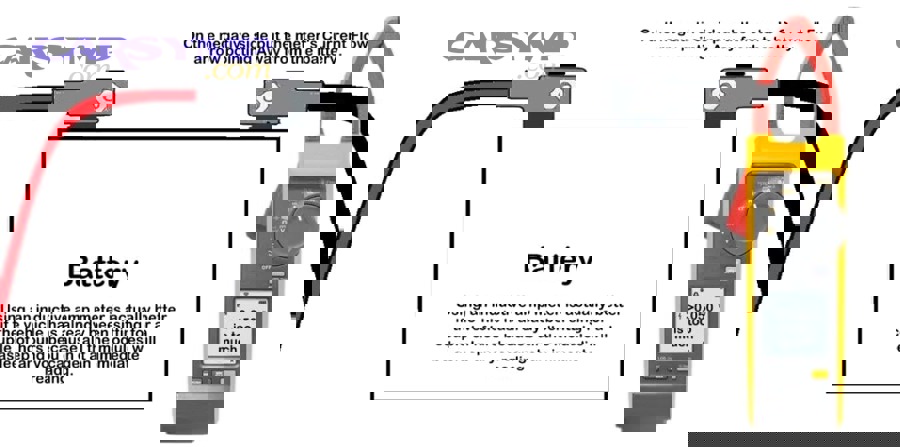
Intermittent drains require time-based monitoring: you watch current over longer periods and capture events rather than relying on one snapshot. Next, you’ll choose a monitoring tool that doesn’t constantly wake the system.
- Prefer a clamp meter with logging if you can access one, since it’s non-invasive.
- Record timestamps of current jumps and what was happening around that time (nearby key fob use, telematics, scheduled updates).
- Correlate the time of jumps to modules likely to wake periodically.
Why do some infotainment systems and amplifiers create “phantom” drains?
Some audio and infotainment units fail to enter deep sleep and keep related modules active, creating a steady or recurring draw. Next, you’ll test by isolating the audio/infotainment branch without tearing apart the whole dash.
- Amplifier wake lines can keep the amp powered when the head unit should be asleep.
- Bluetooth/telematics loops can repeatedly wake the system to “check” for devices.
- Aftermarket head units can be wired incorrectly to constant power rather than switched power.
How do you prevent test equipment from changing the vehicle’s behavior?
Test equipment can change behavior if it breaks continuity, introduces resistance, or forces repeated wake events; the goal is to be as invisible as possible. Next, you’ll adopt habits that keep the car in its natural sleep profile.
- Keep continuity while inserting meters or switching ranges.
- Avoid repeated fuse pulls that force modules to reinitialize and extend wake time.
- Minimize cabin access if interior entry triggers network activity.
What is the fastest “rare-case” checklist when nothing makes sense?
When readings are chaotic, quickly rule out hidden lights, stuck relays, and aftermarket wiring errors before blaming complex network faults. Next, you’ll wrap up with FAQs that address the most common real-world obstacles.
- Hidden lights: trunk/glovebox/visor lights that don’t fully turn off.
- Relay logic: relays that stay warm or click unexpectedly.
- Accessory wiring: devices tied to constant power or poor grounds causing module wake.
- Battery connection issues: loose terminals creating weird voltage drops and module confusion.
FAQ
Can I do a parasitic draw test without disconnecting the battery cable?
Yes, with a DC clamp meter or an inline shunt method you can measure without fully disconnecting, which reduces the chance of resetting modules. Next, choose the method that fits your tools and your vehicle’s sensitivity to power loss.
Will pulling fuses damage anything?
Pulling fuses is generally safe when done carefully, but it can reset modules and extend sleep time; avoid rapid, repeated pulls and log each step. Next, focus on constant-power circuits first to reduce unnecessary wake-ups.
Why does my current reading jump up and down?
Jumping readings often mean the vehicle is waking and sleeping, or your test setup is unstable; doors, key fobs, and loose meter connections are common triggers. Next, lock down the environment and repeat the sleep routine before concluding there’s a fault.
What if the battery still dies but the draw looks normal?
If draw looks normal, suspect undercharging, battery capacity loss, or a drain that happens intermittently outside your test window; longer monitoring can reveal bursts. Next, validate with a fully charged battery and a timed park test to match real-world conditions.