


You can test pulleys for bearing noise at home by isolating the belt drive, listening for the “signature” of a rough bearing, and confirming it with simple hands-on checks for drag, wobble, and heat.
You’ll also learn how to separate harmless belt chirps from true mechanical grinding, so you don’t replace the wrong part or miss a failing accessory.
And if you want a more confident verdict, you’ll see how technicians use stethoscopes, load changes, and pattern-based listening to pinpoint one pulley among many.
To get there, “Giới thiệu ý mới” we’ll build a step-by-step workflow that starts safe, gets specific fast, and ends with a clear repair decision.
What bearing-noise clues tell you a pulley is failing?
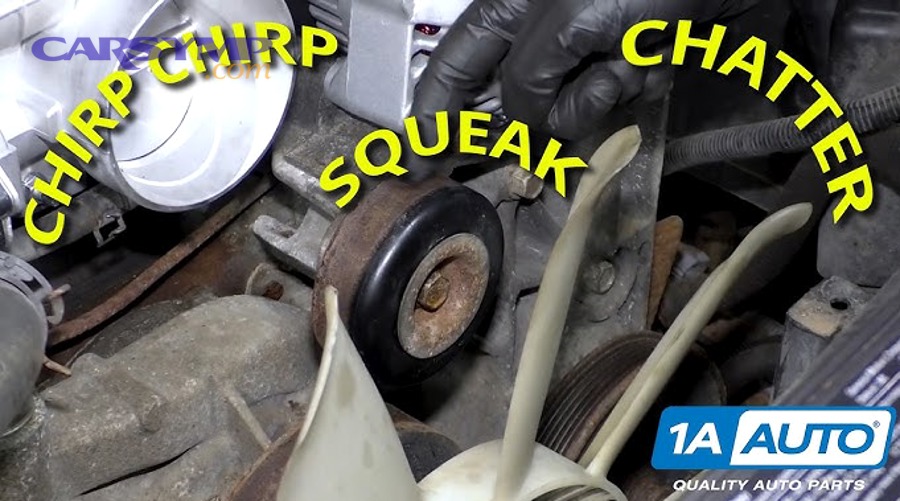
Bearing noise usually sounds like a dry hiss, growl, rumble, or gravelly rasp that changes with RPM, not a clean “squeak” that comes and goes with belt slip.
To begin, focus on how the sound behaves under light throttle and at idle, because behavior is the fastest fingerprint.
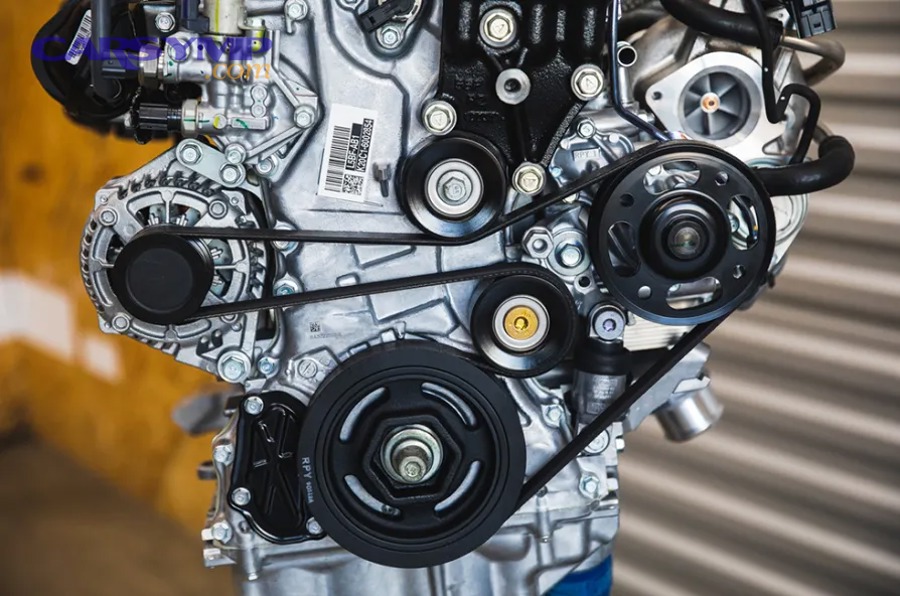
Cụ thể, a pulley bearing that’s breaking down often produces:
- Rough, broadband noise (a “shhh-grrr” texture) that gets louder as RPM rises.
- Intermittent growl that appears when the bearing warms up or when load shifts (A/C on, steering input, electrical load).
- Metallic tick or scrape if a shield is damaged or the bearing cage is failing.
In contrast, belt slip tends to be higher-pitched, more “bird chirp” or sharp squeal, and it often changes with humidity, spray moisture, or sudden torque demand. That difference matters because your goal is not only to find noise, but to find which physics is creating it.
To keep your diagnosis tight, listen for the “directional” feel: bearing noise often seems to come from one concentrated point, while belt noise can feel like it’s spread across the entire belt path.
When you later do belt squeal diagnosis, you’ll use this same idea—localized, textured noise suggests a bearing; distributed, sharp squeal suggests traction loss or misalignment.
Finally, remember that Serpentine belt squeal causes can include contamination and tension issues, but bearings fail too—especially on idlers and tensioners that spin fast with minimal lubrication reserve.
How do you make the test safe before touching the belt drive?
You make the test safe by preventing accidental starts, avoiding hot/rotating parts, and controlling clothing, tools, and hand placement around the belt path.
Next, set up a routine that you repeat every time so you don’t “forget” one safety step when you’re focused on the noise.
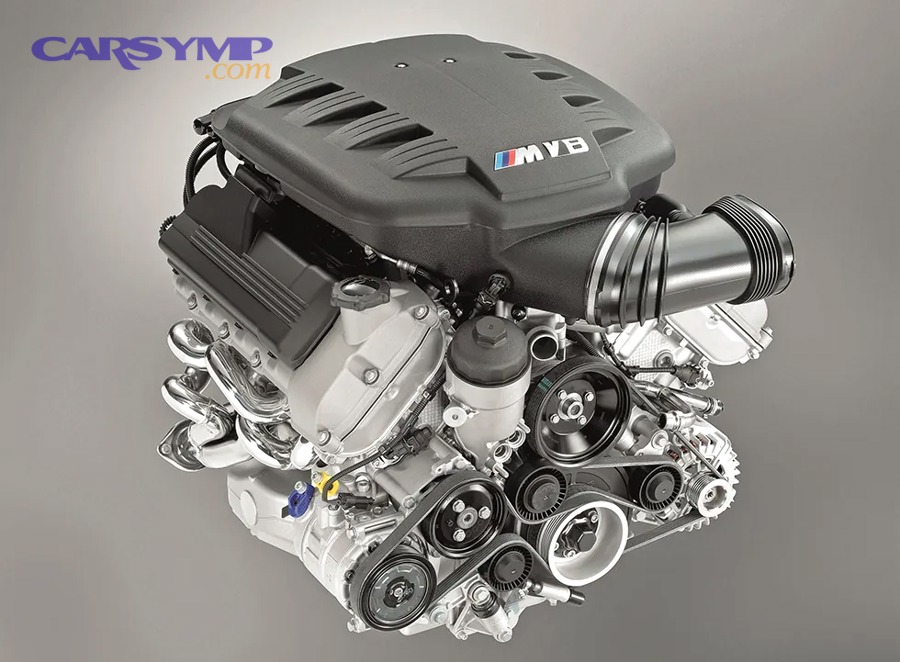
Safety checklist (do these first):
- Cold-ish engine when possible: A warm engine is fine for listening, but avoid hands near the belt until you’ve shut off and confirmed stop.
- Secure loose items: Hoodie strings, long hair, jewelry, lanyards, and dangling sleeves are belt magnets.
- Clear access and lighting: You need a stable stance and a clear view of the belt route and each pulley face.
- Disable surprise starts: Keep keys away from the vehicle or use a “no start” habit so nobody cranks while you’re near the front of the engine.
- Use the right “touch rules”: Never touch a rotating pulley or belt; only touch components after shutdown and full stop.
Besides safety, prep helps accuracy: have a flashlight, a small inspection mirror, gloves, and (if available) a mechanic’s stethoscope. If you don’t have one, you can still do strong diagnostics with listening and belt-off testing, but the stethoscope makes pinpointing faster.
How do you isolate pulley bearing noise with the belt off?
You isolate pulley bearing noise by removing belt load, then spinning each pulley by hand and feeling for roughness, drag, play, and “notchiness” that a healthy bearing won’t show.
After that, you compare each pulley’s feel to the best-feeling pulley as your baseline reference.
Step-by-step belt-off isolation:
- Document belt routing: Take a photo before removal so re-install is error-proof.
- Release tension correctly: Use the correct tool/drive size on the tensioner and move slowly to avoid pinch points.
- Spin each pulley by hand: Idler(s), tensioner pulley, alternator, A/C, power steering, and any accessory driven by the belt.
- Feel and listen up close: Put your fingertips lightly on the pulley rim while you spin; rough bearings “telegraph” vibration.
- Check for wobble/play: Wiggle the pulley front-to-back and side-to-side; any noticeable looseness is a red flag.
Cụ thể hơn, a good bearing feels smooth and “free” with consistent resistance. A failing bearing often feels dry, gritty, or uneven—as if it has tiny flat spots. Sometimes you’ll hear a faint sandpaper sound even without the belt.
Also check the pulley surface itself: grooves chewed up, glazing, or uneven wear can point to misalignment that stresses bearings and causes noise symptoms that mimic belt issues.
If you want an extra-confirmation trick, gently warm-run the engine first to reproduce the noise, shut down, then immediately do the belt-off spin. A bearing that gets louder when warm often feels worse right after shutdown.
How do you pinpoint the noisy pulley with a stethoscope and load changes?
You pinpoint the noisy pulley by listening at each component housing while the engine idles, then changing load (A/C on, steering input, electrical load) to see which sound rises and falls with that specific pulley.
To make this precise, use short listening “touches” and a consistent order so your ears don’t get confused.
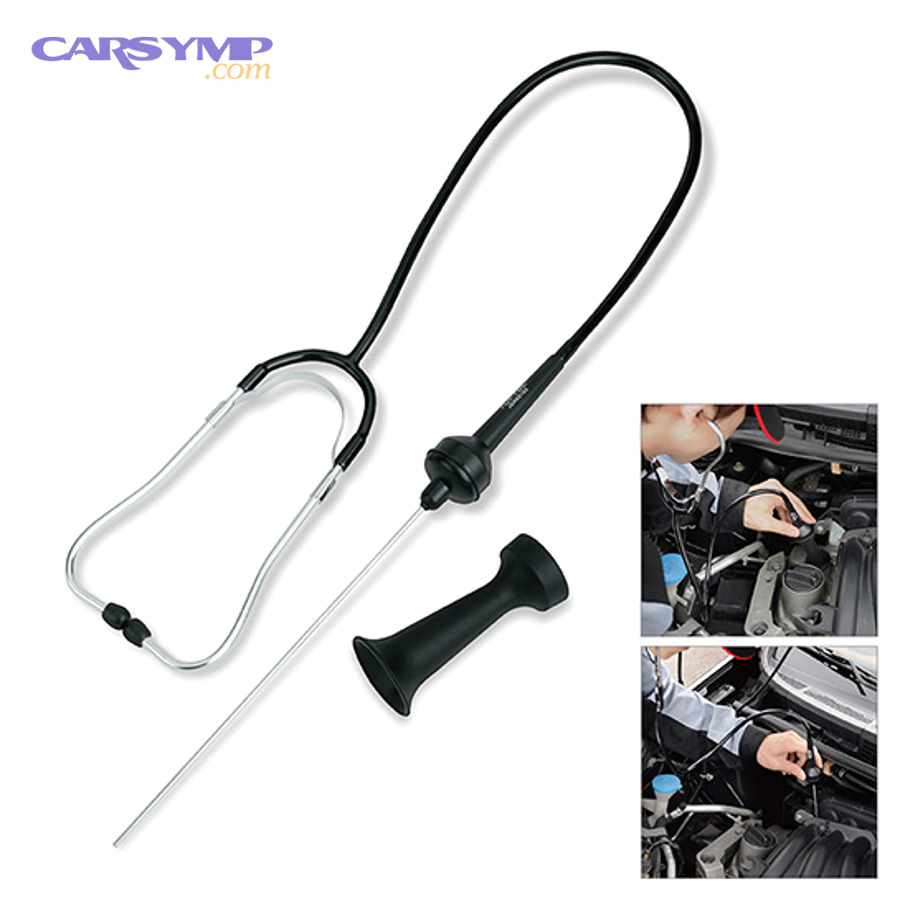
How to use the stethoscope effectively:
- Probe the housing, not the pulley: Touch the alternator case, tensioner arm base, idler bracket, or accessory body—never the spinning pulley.
- Compare “peaks,” not absolute loudness: Some housings transmit sound better; you’re hunting for the harshest, roughest texture.
- Move in a loop: Alternator → idler(s) → tensioner → A/C → power steering → water pump area (if belt-driven) and repeat.
Load-change tests that help:
- A/C on/off: If noise spikes with A/C engagement, suspect A/C clutch/pulley or belt traction changes affecting adjacent pulleys.
- Steering input (if hydraulic PS): Turning adds load; a weak bearing may growl more as the system works.
- Electrical load: Headlights + rear defrost can load the alternator, sometimes changing alternator bearing noise.
To keep your diagnosis honest, don’t jump to conclusions after one touch. Repeat the same listening order twice; the “real” bad bearing stays consistently ugly.
The deeper reason this works is that a damaged bearing creates abnormal vibration and acoustic energy. Theo nghiên cứu của Nature Scientific Reports từ nhóm nghiên cứu bài báo “Lightweight bearing fault diagnosis via decoupled…”, vào 03/2025, mô hình chẩn đoán đạt độ chính xác khoảng 98.95% và có bài toán đạt 100% trong các thử nghiệm phân loại lỗi—củng cố rằng đặc trưng âm thanh/rung động có thể phân biệt lỗi ổ bi rõ ràng.
How do you check pulley wobble, alignment, and tensioner travel?
You check wobble and alignment by sighting across pulley faces, measuring belt tracking, and confirming the tensioner moves smoothly through its range without bouncing, sticking, or sitting near its limit.
Next, link what you see to what you hear, because misalignment can create noises that imitate a bad bearing.
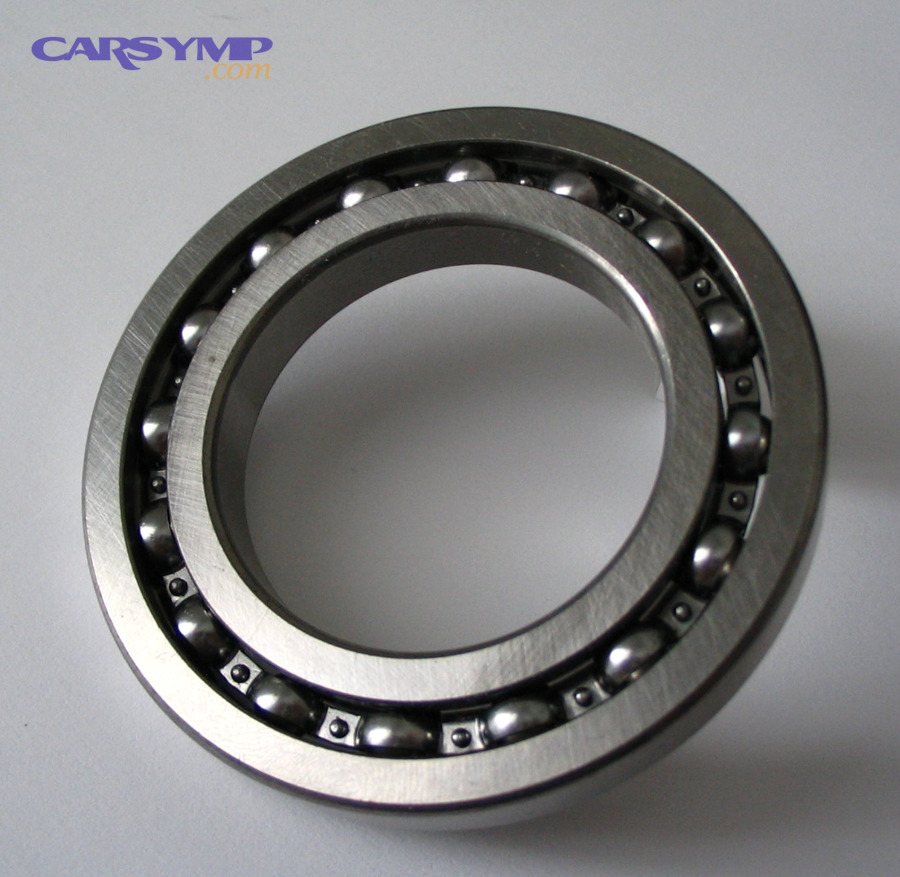
Visual and tactile checks that matter:
- Pulley face wobble (runout): With the engine idling, watch the pulley edge. A “waving” pulley suggests bearing play or a bent pulley.
- Belt tracking: The belt should ride centered in grooves; riding to one side indicates misalignment or damaged pulley grooves.
- Tensioner stability: A healthy tensioner arm moves slightly; violent flutter suggests a weak damper, wrong belt length, or accessory drag.
- Range position: Many tensioners have an indicator window/marks; if it’s near the end stop, belt length or routing may be wrong.
To measure alignment without special tools, use a straightedge (or a tight string line) across two pulley faces and look for a gap at one edge. Even small misalignment can create edge wear, chirp, and heat that eventually accelerates bearing wear.
Also check for contamination: coolant, oil, and power steering fluid change belt friction and can trigger noise during startup or steering—then you chase pulleys when the real culprit is a leak.
How do you confirm a bearing fault versus belt slip or accessory drag?
You confirm a bearing fault by combining three proofs: belt-off roughness/play, stethoscope “harshness” at one housing, and repeatable noise behavior with temperature or load—while belt slip typically responds to traction changes and accessory drag shows abnormal resistance.
To make the call quickly, use a “triangulation” workflow instead of one single test.
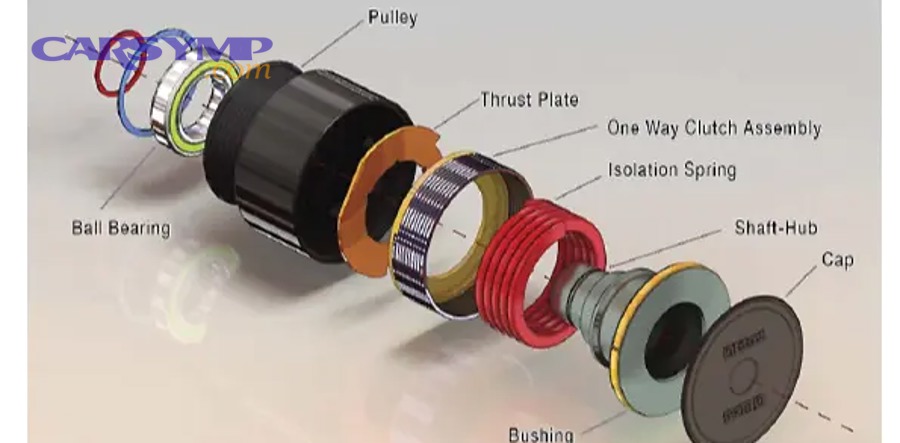
Triangulation workflow:
- Behavior first: Is it a sharp squeal (traction) or a textured growl (mechanical)?
- Location second: Does one housing consistently transmit the harshest sound?
- Belt-off confirmation third: Does that same pulley feel rough, loose, or uneven when spun by hand?
Here’s how common “look-alikes” differ:
- Belt slip: Often worst on cold start or sudden load; may reduce after a minute; sometimes changes with humidity. It can also be triggered by contamination or incorrect tension.
- Accessory drag: Feels hard to turn belt-off (alternator, A/C compressor, power steering pump), and may cause belt squeal because the belt is being asked to do too much work.
- Bearing failure: Feels gritty/notchy belt-off, may have play or wobble, and often gets worse with heat and time.
If you’re writing up a belt squeal diagnosis report, describe the outcome in plain language: “noise changes with load and is localized at X housing; belt-off test shows roughness at X pulley,” because that combination is hard to argue with.
For context on why pattern-based diagnosis is strong, Theo nghiên cứu của Mitsubishi Electric Research Laboratories từ TR2020-034, vào 04/2020, tổng quan cho thấy các phương pháp học sâu cho chẩn đoán lỗi ổ bi đã tăng mạnh trong vài năm gần đây nhờ khả năng khai thác đặc trưng rung/âm thanh tốt hơn các pipeline thủ công—gợi ý rằng dữ liệu âm thanh/rung động có tính phân biệt cao khi làm đúng quy trình.
When should you replace the pulley, and what actually works in DIY repair?
You should replace a pulley when you find measurable play, clear roughness by hand, consistent growl through the housing, or heat and wobble that repeat after a short drive—because these are structural bearing problems, not “adjustment” problems.
Next, decide whether you’re replacing just the pulley, the whole tensioner assembly, or an accessory component, based on what failed and why.
Replace now if you see any of these:
- Any noticeable wobble or looseness when you rock the pulley by hand.
- Grinding/rough rotation that you can feel through the pulley rim.
- Noise that escalates quickly over days/weeks (bearings rarely “heal”).
- Heat localized at one pulley compared with neighbors after a normal drive (careful: check after shutdown).
What DIY fixes that actually work (and why): cleaning contamination (oil/coolant) off pulleys and replacing a worn belt can stop traction noise, and correcting misalignment can prevent repeat squeal. But for a bearing that’s rough or loose, the real fix is replacement—because lubrication inside sealed bearings is not serviceable in normal automotive pulleys.
Be cautious with “quick sprays.” Some products can temporarily mask friction sounds, but they can also attract dirt and worsen belt wear, which leads you back to the same symptom loop. If you’re tracking Serpentine belt squeal causes, keep sprays as a last-resort diagnostic aid, not a repair strategy.
Replacement tips that prevent comebacks:
- Inspect the belt path: A new pulley on a misaligned path can fail early.
- Replace in pairs when appropriate: If the tensioner pulley is bad, the tensioner damping may be weak too; consider the full assembly if movement is unstable.
- Torque correctly: Over- or under-torquing can distort mounts and change alignment.
- Re-check after install: Confirm centered tracking and stable tensioner motion.
Contextual border: Once you’ve isolated the noisy pulley and confirmed it belt-off, the core diagnosis is complete; what remains is improving confidence, avoiding myths, and choosing parts and habits that stop the noise from returning.
Advanced shortcuts and common myths for pulley-noise testing
Advanced testing improves confidence by separating “noise masking” from true fixes, and by using feel, heat, and repeatable patterns to validate your conclusion without unnecessary parts swapping.
Below, we’ll sharpen your decision-making with practical checks that reduce false positives.
Can spray or “belt treatments” fix a noisy bearing?
No—sprays can change belt friction and temporarily alter noise, but a bearing with roughness or play is mechanically damaged and will continue to degrade until replaced.
In other words, if the noise changes dramatically with spray, that points you back toward traction and surface issues, not a healthy bearing magically healing.
If you’re diagnosing a squeal that reacts to moisture, treat that as evidence of friction-based noise, then re-check alignment, contamination, and belt condition before condemning a pulley.
What does a good vs bad pulley feel like in your hands?
A good pulley feels smooth, consistent, and quiet when spun, while a bad one often feels gritty, notchy, or uneven and may “coast” poorly or stop abruptly due to internal drag.
To sharpen this test, spin two pulleys back-to-back and pay attention to vibration through your fingertips, not just how long they spin.
Also, a failing bearing may feel fine cold and rough hot; if your noise occurs after driving, repeat the spin test shortly after shutdown (with safe handling).
How do you choose a replacement that won’t come back noisy?
You choose a durable replacement by matching the correct pulley type (grooved vs smooth), selecting reputable bearings/materials, and ensuring mounting geometry and belt routing match the original design.
Next, prioritize build quality over the cheapest option, because idlers and tensioners spin fast for long periods and rely on sealed lubrication.
When possible, replace worn mounting hardware and inspect the bracket face for burrs or corrosion that can tilt the pulley and create misalignment.
How do you prevent repeat pulley and belt noise after the repair?
You prevent repeat noise by fixing the root cause—misalignment, contamination leaks, wrong belt length, or unstable tensioner motion—so the new pulley isn’t forced to run hot, off-angle, or under abnormal load.
After that, verify the system under real conditions: idle, light rev, A/C on, steering load, and a short drive, then re-check tracking and listen again.
Finally, keep your notes: what changed the sound, what did not, and where the harshness was strongest. That record makes future diagnosis faster if any noise returns.
Frequently asked questions
Is it okay to drive with a noisy idler pulley bearing?
It’s risky: a failing bearing can seize, shred the belt, and take down charging, cooling (if the water pump is belt-driven), or steering assistance—so treat it as a near-term repair once confirmed.
What if the noise only happens on startup?
Startup-only noise often points to traction (belt slip, condensation, tension) but it can also be a marginal bearing that’s loudest before lubrication redistributes; use belt-off feel plus load-change listening to confirm.
Can a bad tensioner cause bearing-like sounds?
Yes: a weak tensioner damper can create belt flutter that produces rumble-like noise, and the tensioner pulley bearing itself can fail; watch arm stability and then do belt-off testing to separate the two.
Do I need special tools to diagnose pulley bearing noise?
No: belt-off spin/feel and careful listening often solve it. A mechanic’s stethoscope just makes pinpointing faster and reduces guesswork when multiple pulleys sound similar.
Should I replace the belt when I replace a pulley?
Often yes—if the belt shows glazing, cracking, missing ribs, contamination, or edge wear, replacing it reduces noise risk and protects the new pulley from abnormal traction behavior.
What’s the fastest “one-test” check if I’m in a hurry?
Remove the belt and spin/wiggle each pulley: the failing one usually feels wrong immediately—rough, loose, or uneven—while healthy pulleys feel smooth and stable.