


Labor cost to fix belt squeal usually depends less on the belt itself and more on how long it takes to pinpoint the true noise source and access the parts.
Many drivers want a realistic range for labor hours, shop rates, and the “hidden” time sinks that make one quote feel cheap and another feel expensive.
Others want to understand what mechanics actually do during diagnosis so they can judge whether a quote is fair—or whether it’s missing critical checks.
Giới thiệu ý mới: Below is a practical, step-by-step pricing map that connects common squeal scenarios to labor time, shop rate, and repair scope.
What labor cost range should you expect to fix belt squeal?
Most belt-squeal repairs fall into a simple range: quick labor for a belt/tension adjustment, or longer labor when the squeal is really a pulley-bearing or accessory problem.
To begin, treat labor as the “clock” that keeps running until the technician can confidently say what’s squealing and why—then the repair labor starts.
Why labor matters more than parts for squeal complaints
Labor dominates because squeal is a symptom, not a part number: a new belt can be cheap, but chasing intermittent noise can take time.
Next, remember that a correct fix often requires verifying alignment, tension, and pulley condition under the same conditions that trigger the squeal.
In real-world belt squeal diagnosis, the technician is paid for process—listening, isolating, inspecting, and validating—more than for the rubber belt itself.
Typical “bookend” scenarios: fast vs time-consuming
Fast scenario: the belt is visibly worn or contaminated, the tension is out of spec, and the fix is a straightforward belt replacement or tension correction.
However, time-consuming scenario: the belt looks okay, the noise appears only when cold or under load, and the culprit is an idler, tensioner, or accessory bearing that needs isolation tests.
That’s why “cheap vs expensive” quotes often reflect different assumptions about the root cause, not different ethics.
What “good” estimates usually include
A good estimate typically separates diagnostic labor from repair labor, and it states whether the shop will apply diagnostic time toward the final repair.
In addition, it should clarify if the quote includes a recheck drive and post-repair verification, which matters because squeal can be intermittent.
When you see a quote that bundles everything into one line, ask what’s inside that labor line item—because that’s where surprises hide.
What labor steps are included in diagnosing belt squeal?
Diagnosis labor is the time spent proving whether the noise comes from belt slip, pulley misalignment, failing bearings, or an accessory under abnormal load.
After that, the technician confirms the noise with controlled tests so they don’t replace parts based on guessing.
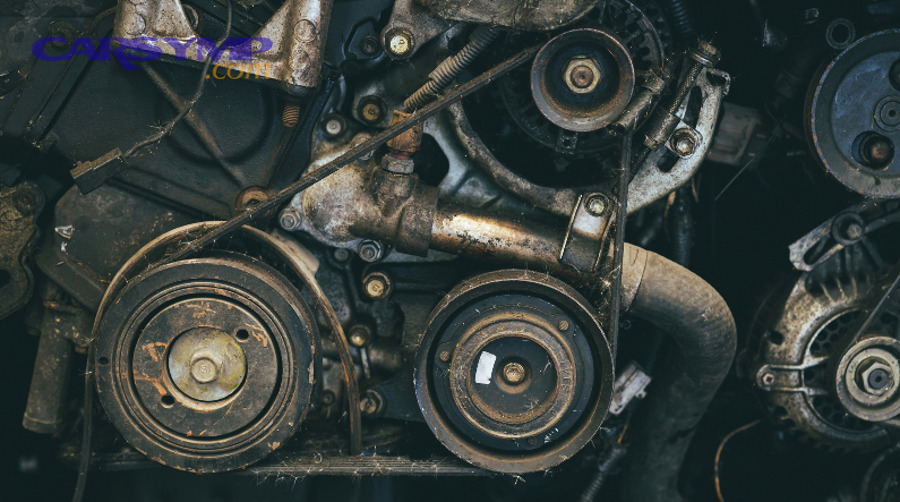
Step 1: reproduce the squeal under the right conditions
A technician first reproduces the sound: cold start, wet weather, high electrical load, steering at full lock, or A/C engagement—whatever triggers it.
Next, they listen for pitch and timing because different patterns hint at different causes (belt slip often changes with load, while bearings may grind or chirp).
This is where many Serpentine belt squeal causes separate into “slip” versus “bearing” categories.
Step 2: inspect belt condition, routing, and contamination
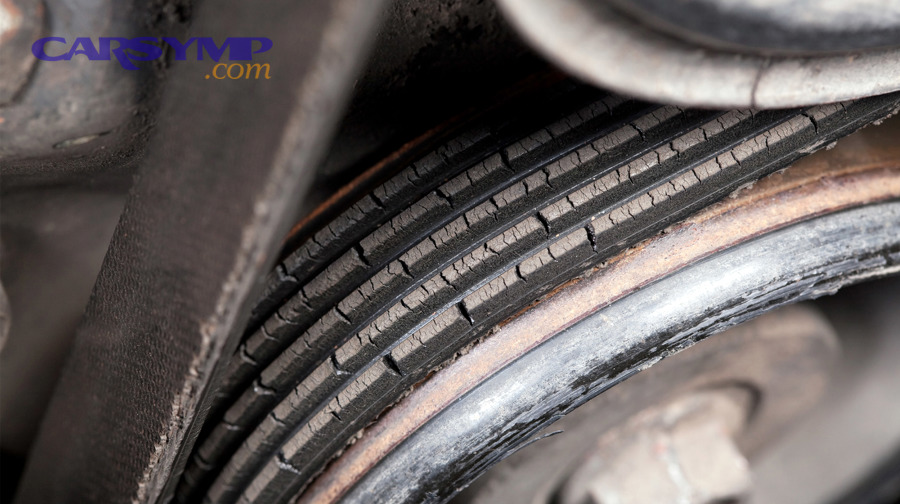
The belt is checked for glazing, cracks, missing ribs, fraying edges, and oil/coolant contamination that reduces friction.
Then, routing and rib alignment are checked—especially if a recent repair may have misrouted the belt or disturbed a bracket.
Even a slightly off-track belt can squeal and also accelerate pulley wear, so inspection time is not “wasted time.”
Step 3: isolate pulleys and bearings (the hidden labor sink)
When the belt looks acceptable, the tech isolates each pulley by checking wobble, roughness, and noise, often by spinning pulleys with the belt removed.
Next, they evaluate the tensioner’s damping and travel, because a weak tensioner can cause slip even when the belt is new.
This is where a proper Belt tensioner vs idler pulley diagnosis prevents costly misfires—because replacing the wrong spinning part wastes both labor and your money.
Step 4: verify alignment and accessory load
Misalignment can come from bent brackets, incorrect pulleys, or worn mounts; the technician checks for belt tracking and pulley plane alignment.
In addition, they evaluate accessory load—like a failing alternator bearing or power steering pump drag—that forces belt slip under stress.
That’s why “just spray something” is rarely the right first move, even when it temporarily quiets the belt.
How many labor hours do common belt squeal fixes take?
Labor hours depend on access, engine bay layout, and whether the repair is belt-only or involves pulleys, tensioners, or accessories.
To make this practical, the table below links common fixes to typical labor time ranges so you can sanity-check a quote.
This table summarizes typical labor time ranges for common belt squeal repairs, helping you compare estimates by job type and complexity.
| Repair Type | Typical Labor Time | Why Time Varies |
|---|---|---|
| Belt replacement only | 0.3–1.0 hr | Access, routing complexity, splash shields |
| Tensioner replacement | 0.7–1.8 hr | Bracket access, torque spec steps, tight bays |
| Idler pulley replacement | 0.5–1.5 hr | Number of idlers, seized bolts, clearance |
| Diagnostic-only visit | 0.5–1.5 hr | Intermittent noise, load testing, recheck |
| Alternator replacement (squeal root cause) | 1.0–3.0 hr | Electrical connections, access, belt routing |
| Power steering pump replacement | 1.5–4.0 hr | Fluid handling, bleeding, bracket complexity |
| A/C compressor related repair | 2.0–6.0+ hr | Refrigerant handling, evacuation/recharge steps |
What “labor time” means in practice
Labor time may come from a flat-rate guide (“book time”) or a time-and-material approach; either way, it should reflect real steps and access constraints.
Next, remember that squeal jobs often include a verification drive or load test, which is work even if it doesn’t involve turning bolts.
If a quote seems high, check whether it includes diagnostic time plus repair time in one total.
When a quick belt job becomes a longer job
A simple belt replacement becomes longer if fasteners are rusted, the belt path is blocked by covers, or the tensioner is difficult to access.
However, labor increases dramatically when the squeal is not belt slip but a bearing or accessory issue that requires additional disassembly and testing.
This is also where shortcuts can backfire: rushing a squeal complaint often leads to “parts darts” and repeat labor later.
How do shop labor rates and location change your final bill?
Your labor total is basically “hours × hourly rate,” and the hourly rate can vary widely by city, shop type, and specialization.
After that, add shop fees and taxes, and the same repair can land in very different totals without anyone “overcharging.”
Independent shop vs dealership labor pricing
Independent shops may offer lower hourly rates and flexible solutions, while dealerships may be higher but have model-specific procedures and tooling.
Next, the more specialized the shop (performance, European, heavy-duty), the more likely the hourly rate is higher because training and tooling costs more.
The key is value: higher rate can still be cheaper if the diagnosis is faster and correct the first time.
Urban vs rural rate differences
Urban areas often have higher overhead (rent, wages), so labor rates rise accordingly; rural areas may be lower but can have longer wait times or fewer specialists.
In addition, some regions price diagnostics separately as a firm minimum (for example, a one-hour diagnostic charge), even if the fix is quick.
To compare apples to apples, always compare total estimated labor hours and the policy on applying diagnostic fees toward repair.
Flat-rate estimates vs time-and-material billing
Flat-rate uses a standard labor guide, so the bill is predictable; time-and-material bills actual time, which can be fair for unusual access problems.
However, time-and-material should still be transparent: you should get an explanation of what extended the job (seized bolts, broken fasteners, added tests).
If you prefer predictability, ask for a not-to-exceed labor cap once the root cause is confirmed.
Which repairs drive labor cost up the most for belt squeal?
Labor spikes when squeal is caused by a component that requires significant disassembly, fluid handling, or additional system procedures.
Next, focus on the jobs that combine “hard access” with “must-verify” steps, because both add time.
Tensioner replacement and the “extra steps” factor
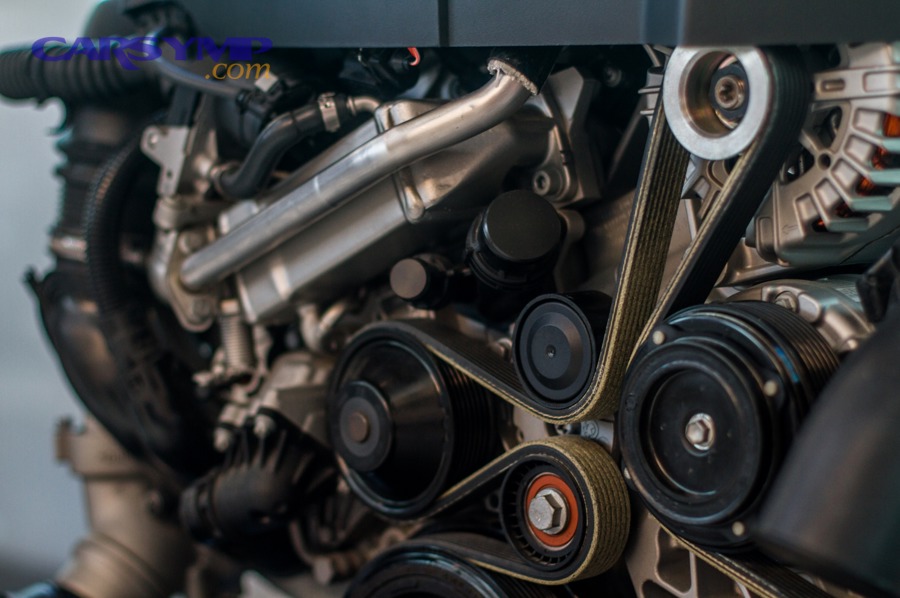
Replacing a tensioner is often straightforward, but labor grows when the tensioner sits behind mounts, brackets, or tight clearances.
In addition, a careful tech verifies pulley alignment and belt tracking after replacement, because a new tensioner can still squeal if another pulley is misaligned.
This is why a tensioner quote that includes verification can be smarter than a cheaper quote that skips it.
Idler pulleys, seized bolts, and why “simple” can become slow
Idler pulleys look simple, yet labor increases if bolts are seized, threads strip, or the pulley mount is corroded.
Next, a shop may need extra time to clean threads, chase bolts, or replace hardware properly so the pulley runs true and stays torqued.
Done right, that prevents recurring squeal and repeat labor later.
Alternator, power steering, and accessories that add load
An alternator bearing, power steering pump drag, or a failing clutch pulley can create belt slip that masquerades as a belt issue.
However, replacing accessories typically takes longer because of electrical connections, brackets, fluid handling, and system checks after installation.
If the squeal changes with electrical load or steering effort, it’s a clue that the “belt” is reacting to an accessory problem.
A/C compressor-related squeal and procedural labor
A/C-related squeal can involve compressor clutch issues, pulley bearings, or internal compressor drag, and labor often includes additional A/C service procedures.
In addition, many A/C repairs require evacuation and recharge steps, which add time and may be billed separately from mechanical labor.
If your estimate includes refrigerant service, confirm whether that is bundled or itemized.
How can you reduce labor cost without missing the real cause?
You can reduce labor cost by helping the shop reproduce the squeal quickly, narrowing the conditions, and avoiding “trial parts” that waste time.
After that, choose a repair strategy that targets the root cause while bundling related work that shares the same labor access.
Bring the best clues: when does it squeal and what changes it?
Write down when it squeals (cold start, rain, A/C on, steering, high RPM) and what stops it; this reduces diagnostic time.
Next, record a short audio/video clip from outside and inside the cabin, because intermittent squeal can disappear at the shop.
The faster the tech can reproduce the symptom, the less paid time is spent “waiting for it to happen.”
Ask for a diagnostic plan before approving parts
Request a brief plan: what will they test first, what evidence will confirm the culprit, and what parts are likely if the test is positive.
In addition, ask whether the shop will credit diagnostic time toward the repair if you approve work the same visit.
This helps you avoid paying twice: once to diagnose and again to “re-diagnose” after a guess didn’t work.
Bundle labor intelligently when access overlaps
If the belt must come off to replace an idler or tensioner, bundling a belt replacement can reduce total labor versus doing it later as a separate visit.
However, bundling only makes sense if the belt is near end-of-life or contaminated—otherwise you may replace a good belt unnecessarily.
To decide, ask the tech to show you the belt condition (glazing, cracks, rib wear) and explain the risk of reuse.
Be cautious with quick fixes that increase repeat labor
Some “quick fixes” quiet squeal temporarily but delay proper diagnosis, leading to repeat visits and repeated labor charges.
Next, if you hear advice about belt spray or dressing, treat it as a short-term diagnostic aid at best—not a repair plan.
In the real world, Belt dressing pros/cons often comes down to this: it may mask slip briefly, but it can also contaminate surfaces and make accurate diagnosis harder later.
When should you pay for deeper diagnosis instead of a quick belt swap?
You should pay for deeper diagnosis when symptoms suggest the squeal is load-related, intermittent, or tied to specific accessories rather than simple belt wear.
Next, use the following “decision triggers” to know when belt-only labor is likely to be wasted money.
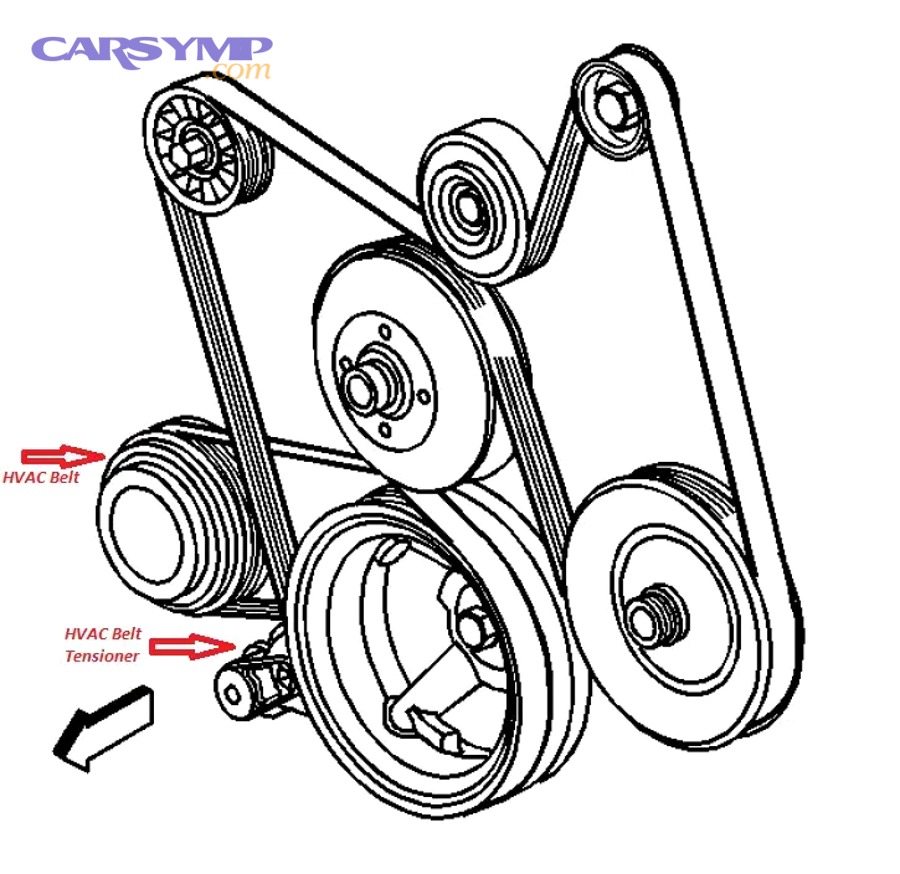
If the squeal changes with steering, A/C, or electrical load
If squeal spikes when you turn the wheel, switch on A/C, or add electrical load (lights, defroster), the belt is reacting to increased accessory resistance.
However, replacing the belt alone may not address the underlying drag, so the squeal returns and you pay labor again.
This is a strong sign to invest in targeted pulley/bearing isolation and accessory-load checks.
If the squeal persists with a new belt (or returns quickly)
A squeal that returns soon after a belt replacement often indicates tensioner weakness, misalignment, or a bearing issue that wasn’t corrected.
Next, it’s more cost-effective to pay for diagnosis now than to keep paying labor for repeated belt swaps.
A technician who explains what they verified—tensioner damping, pulley runout, alignment—typically saves you money long term.
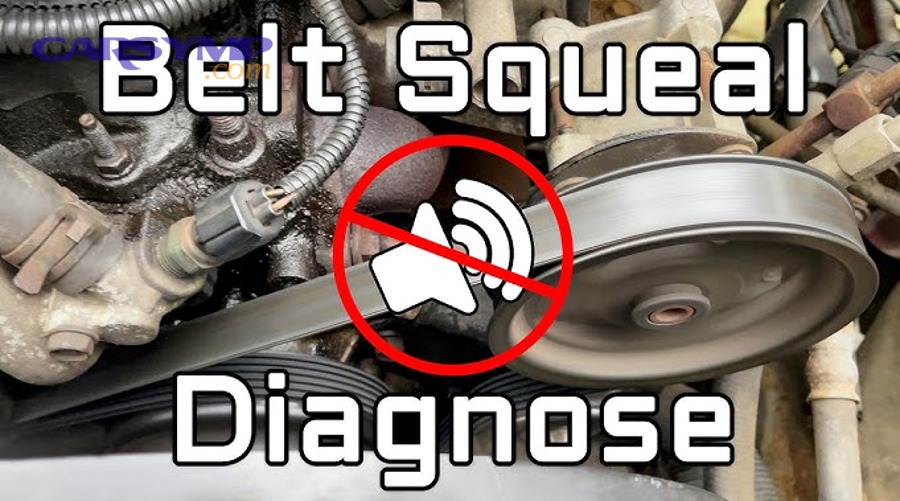
If the noise is more “chirp/grind” than “squeal”
High-pitched squeal often suggests slip, while chirping or grinding can indicate a dry or failing bearing in an idler, tensioner pulley, or accessory.
In addition, a bearing issue can become a safety problem if it seizes and throws the belt, so deeper diagnosis is a risk-management choice too.
Paying for correct identification now can prevent roadside failure later.
Should you replace the belt and tensioner together to save labor?
Replacing the belt and tensioner together can reduce total labor if both are near end-of-life, because overlapping access means less repeated disassembly.
After that, the best choice is to balance preventative value against unnecessary parts replacement.
When “together” makes financial sense
If the belt is worn or contaminated and the tensioner shows weak spring force, noisy pulley bearings, or poor damping, doing both at once is efficient.
Next, doing both reduces the chance you’ll pay labor again soon for a tensioner that fails shortly after a new belt is installed.
It’s also a cleaner diagnostic endpoint: if squeal persists after both are new and verified, attention shifts to accessories and alignment.
When replacing both is unnecessary
If the belt is worn but the tensioner tests strong with smooth pulleys and stable tracking, replacing both may not be needed.
However, some vehicles have tensioners that commonly weaken with age; in those cases, technicians may recommend replacement based on known failure patterns.
Ask for objective evidence: pulley roughness, wobble, tensioner oscillation, or belt tracking issues.
How bundling affects labor line items
Bundling can reduce labor because the belt removal step is shared, and the technician already has access opened up.
In addition, bundling can reduce repeat diagnostic time because one visit handles inspection, replacement, and verification in a single workflow.
This is one of the most reliable ways to keep the “labor cost to fix belt squeal” from turning into repeated labor across multiple visits.
Contextual border: what else can change labor cost beyond the obvious belt parts?
At this point, you know the standard labor drivers—diagnosis time, access difficulty, shop rates, and which component is actually failing. Next, we’ll cross the boundary into edge cases that quietly inflate labor even when the fix sounds simple.
Edge cases that change belt squeal labor cost
Edge cases raise labor cost when the vehicle layout, technology, or repair policy adds steps that aren’t present in a basic belt-and-pulley job.
In addition, these factors can explain why two vehicles with the “same squeal” get very different labor quotes.
Tight engine bays and extra disassembly
Some vehicles require removing covers, air boxes, wheel liners, or even engine mounts to access the belt path and tensioner safely.
Next, more disassembly increases the time for careful reassembly and verification, especially if clips or fasteners break during removal.
That extra time is labor you pay even though the part itself might be inexpensive.
Stop-start and hybrid systems adding safety procedures
Vehicles with stop-start or hybrid systems may require additional safety steps before working near moving accessories or high-voltage-related components.
In addition, technicians may need extra verification that the system will not automatically restart while hands are near belts or pulleys.
Those procedures are legitimate labor, not padding, because they reduce risk and liability.
Multiple belts, multiple accessories, and layered diagnostics
Some engines use multiple belts or have complex accessory layouts that complicate isolation: noise can migrate or reflect, and multiple rotating components can sound similar.
Next, layered diagnostics takes longer because each belt path may need separate checks to avoid misidentifying the culprit.
This is one reason squeal complaints can cost more on certain platforms than on simpler layouts.
Warranty, service bulletins, and policy-driven labor
If the vehicle is under warranty or has service bulletin guidance, the shop may follow required diagnostic steps and documentation procedures.
In addition, warranty policies can change whether diagnostic labor is billed to you, covered, or reimbursed only under specific conditions.
If you suspect coverage, ask what documentation they need and whether the diagnostic fee is refundable if warranty applies.
FAQ
These answers address the most common pricing and decision questions that come up right after you receive a belt squeal labor estimate.
Next, use them to compare quotes and decide whether to authorize diagnosis, a belt-only fix, or deeper pulley/accessory work.
Is it normal to pay diagnostic labor even if the squeal is obvious?
Yes—because “obvious squeal” still requires proof of the source, and shops are responsible for accuracy. Next, ask whether the diagnostic fee is applied toward the repair if you proceed.
Can a shop quote labor without seeing the car?
They can give a range, but a firm number usually requires confirmation of access and the actual root cause. However, you can improve accuracy by sharing when it squeals and what changes it.
Why do two shops give wildly different labor estimates?
Different estimates often reflect different assumptions about the cause and the diagnostic depth included. Next, compare whether each quote includes verification steps and whether it’s belt-only or includes pulley/tensioner isolation.
Does replacing only the belt usually fix squeal?
Sometimes—especially when the belt is worn or contaminated. However, if the squeal is load-related or returns quickly, the underlying cause may be tensioner weakness, misalignment, or a bearing issue.
Should I try a spray first to save money?
It may quiet noise temporarily, but it can also delay a proper fix and increase repeat labor. Next, if you’re considering any spray approach, treat it as a short-term experiment—not a repair plan—and prioritize diagnosis if symptoms suggest pulley or accessory drag.
What should be included on a fair invoice for belt squeal repairs?
A fair invoice typically shows diagnostic time (if charged), repair labor hours, shop rate, parts, and verification steps. Next, ask for a brief description of what was tested and what evidence confirmed the fix.
Key takeaway: Labor cost to fix belt squeal is driven by diagnosis time, access difficulty, and whether the squeal is belt slip or a pulley/accessory issue. Once you know which bucket you’re in, estimates become predictable—and you can avoid paying for repeat labor.