


If you want DIY fixes that actually work, you need to treat belt noise like a repeatable friction problem: confirm the source, remove the trigger, and verify the result under the same conditions that caused the squeal.
To make that practical, this guide shows quick tests you can do in your driveway, plus the few “small” corrections—cleaning, alignment checks, tensioner checks—that stop the noise without guesswork.
It also explains what DIY can’t solve, so you don’t waste time on sprays and shortcuts that mask symptoms while the belt or pulleys keep wearing.
To begin, here’s the core idea: your goal is not “silence at idle,” but “stable grip under load, heat, and moisture,” because that’s where squeal starts and comes back.
Which DIY fixes actually stop belt squeal instead of hiding it?
Yes—real fixes exist: confirm it’s belt slip, remove contamination, correct alignment, and verify tensioner/pulley health; those steps address the friction and motion that create squeal, not just the sound. After that, you only replace parts when a test proves they’re worn.
Before you touch anything, make the fix measurable. Your “success metric” is: the noise is gone during the exact trigger event (cold start, hard steering input, A/C engagement, wet morning, or quick throttle blip). Next, work in this order because it narrows the problem fastest:
- Confirm the sound is belt-related (not a bearing, exhaust shield, or accessory clutch).
- Eliminate contamination (oil, coolant, power steering fluid, and old belt dressing residues).
- Inspect belt condition (glazing, rib cracks, chunking, edge fray, missing ribs).
- Check pulley alignment and runout (bracket looseness, bent pulley, wobble).
- Check the tensioner and idlers (spring force, damping, bearing roughness).
- Re-test under the trigger condition.
According to research by SAE International (Technical Papers) in June 2009, wet belt interfaces can shift friction behavior in ways that increase slip and excite squeal, meaning “temporary quiet” is not proof the root cause is gone. So the best DIY fixes are the ones that stabilize friction and tracking, not the ones that add stickiness for a day.
What makes a DIY fix “real” for belt noise?
A real fix changes the mechanism: it increases stable traction (correct tension, clean ribs, correct alignment) or removes the instability (bad bearing, bouncing tensioner). In practice, you should be able to repeat your test and get the same quiet result for days, not minutes.
- Real: cleaning contaminated pulleys, tightening a loose accessory bracket, replacing a glazed belt, replacing a noisy idler bearing.
- Not real: coating the belt with sticky spray and calling it solved.
What are the most common “false wins” DIYers mistake for success?
The biggest false win is silence after spraying something, because it changes friction briefly while the belt continues to slip and polish itself. Then the noise returns worse, especially after rain or the next cold start.
To make the workflow easy, the table below summarizes what each driveway step targets and what “pass/fail” looks like.
| DIY step | Targets | Tools | Pass result | Stop DIY and replace when |
|---|---|---|---|---|
| Spray-bottle confirmation test | Belt slip vs bearing noise | Water spray bottle | Noise changes quickly with light mist | Noise unchanged and clearly metallic/rough |
| Clean pulleys + belt ribs | Oil/coolant residue, glazing film | Rag, mild soap/water, isopropyl alcohol | Noise reduced and doesn’t return | Fluid leak keeps returning or belt swells |
| Alignment check | Chirp, edge wear, tracking | Straightedge, flashlight | Belt runs centered, no sideways wander | Pulley wobble/runout or bracket damage |
| Tensioner/idler spin test | Bearing roughness, weak spring, bounce | Gloves, basic hand tools | Free smooth spin, no gritty feel | Grinding, play, or tensioner arm chatter |
How can you confirm the squeal is belt slip in under 60 seconds?
Use a light water-mist test: if the noise changes immediately—often quieter, sometimes briefly louder—it’s usually belt friction behavior, not an internal bearing grind. Next, repeat the test once to be sure you didn’t just hit a fan or splash a hot surface.
Safety first: keep fingers, sleeves, and the spray bottle away from rotating parts. You are misting, not soaking.
- Start the engine and reproduce the noise (idle with A/C on, turn steering, or brief throttle blip).
- From a safe distance, mist a small section of the belt rib surface (one or two quick sprays).
- Listen for an immediate change in sound within 1–3 seconds.
- Stop, let things settle, and repeat once for confirmation.
This is a practical gate in your belt squeal diagnosis workflow: if the sound changes with moisture, the belt/pulley friction interface is involved; if it doesn’t, move faster toward pulley bearings, misalignment, or a failing accessory. After that, your next best check is the “belt-off test” (brief run without the belt), but only if your vehicle can safely run for a short time without overheating.
According to research by SAE International (Technical Papers) in June 2009, water at the belt-pulley interface can change friction characteristics in a way that increases slip and self-excited noise—exactly why this mist test is informative when wet mornings trigger squeal. So if your squeal is worse in rain, take that as evidence, not coincidence.
What if the sound gets louder when you mist the belt?
That can still mean belt friction instability—water can temporarily reduce friction or create mixed lubrication that changes stick-slip behavior. Then you treat it the same way: inspect contamination, alignment, and tensioner health before you replace parts.
What if the sound doesn’t change at all?
If there’s no change, suspect a bearing, pulley runout, or an accessory clutch, because those noises are less sensitive to a tiny moisture change. Next, go to the pulley spin test and alignment check.
How do you remove contamination that makes a belt slip and squeal?
Clean the system at the source: stop leaks, clean pulley grooves and nearby surfaces, and replace any belt that has been oil- or coolant-soaked; contamination changes rubber grip and accelerates glazing. After that, re-test under load to confirm stability.
Contamination is the most “fixable” cause because it’s often visible and reversible—unless the belt material has already swollen or hardened. Here’s a safe, realistic approach:
- Find the source: look above the belt line for oil seep, coolant crust, or power steering mist.
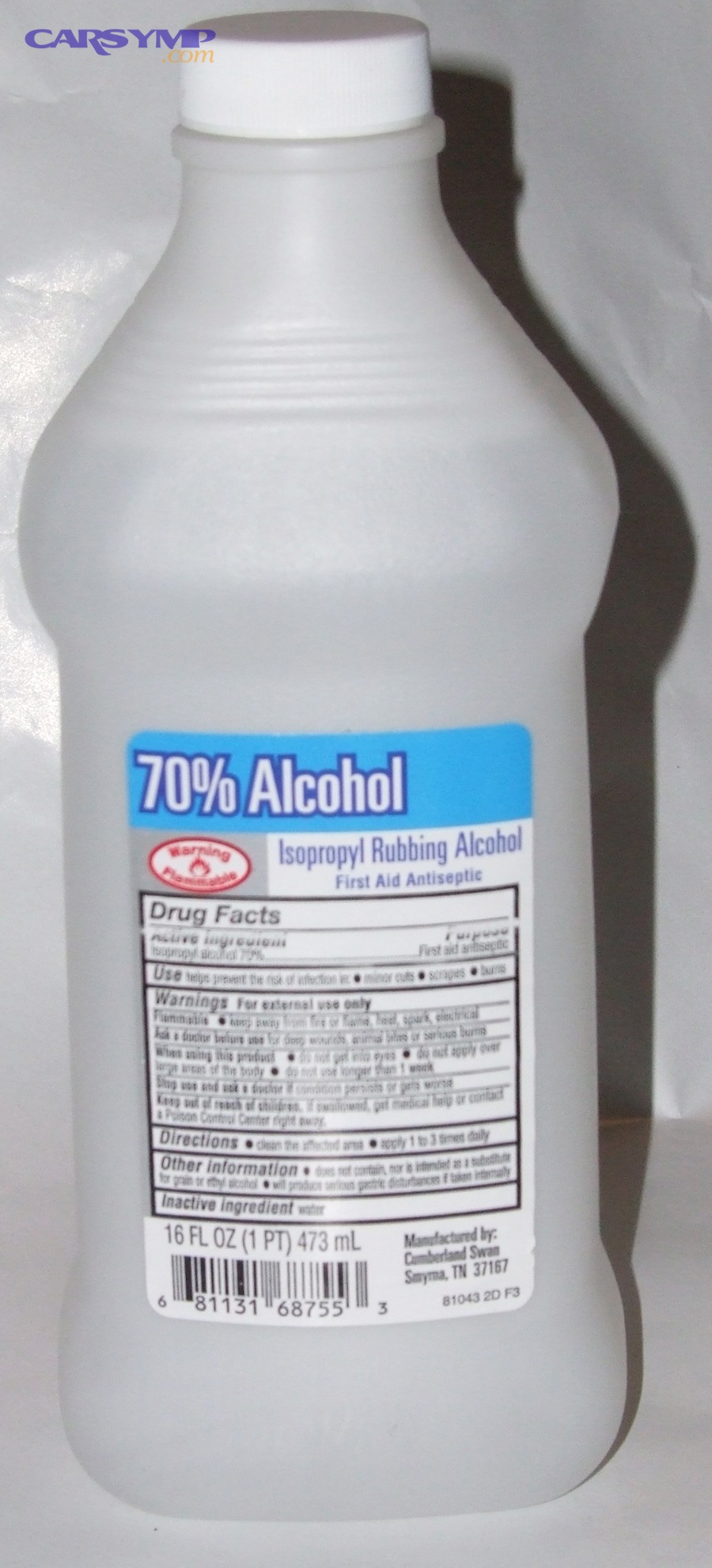
- Clean pulley faces and grooves: wipe reachable surfaces with a damp rag and mild soap solution first, then a small amount of isopropyl alcohol on a rag for final residue removal.
- Avoid soaking: don’t flood pulleys with aggressive solvents that can splash into bearings or sensors.
- Replace a soaked belt: if the belt ribs look swollen, shiny, or gummy, cleaning won’t restore its friction behavior reliably.
Many DIYers try to “fix” contamination by adding tacky spray. That often creates a sticky film that traps dust and forms an abrasive paste, which polishes the pulley grooves and makes the problem return. Instead, treat contamination like sand on a tire: remove it, don’t coat over it.
According to guidance from Gates Corporation (Accessory Belt Drive System bulletin) in 2017, belt noise can be linked to insufficient tension or bearing issues and should be diagnosed by inspecting pulleys and tensioner operation—steps that contamination can mask until damage is worse. So cleaning is valuable only if you also verify the hardware isn’t already failing.
What cleaners are “belt-safe” for DIY use?
Mild soap and water for grime, then small amounts of isopropyl alcohol on a rag for final wipe-down are generally safer than harsh sprays. Next, let everything dry before re-testing, because wet belts can behave differently than dry belts.
When does contamination force replacement, not cleaning?
If the belt has been soaked in petroleum fluids or coolant long enough to swell, soften, or develop permanent gloss, replacement is the real fix. Then, make sure the leak is solved or the new belt will fail the same way.
How can you spot glazing, rib wear, and “polished slip” quickly?
Look for shiny ribs, fine cracks, missing material, and hardened edges: these are signs the belt has been slipping and heat-polishing the rubber, which reduces grip and keeps squeal repeating. Next, pair the visual check with a simple bend-and-light inspection.
The phrase How to inspect belt wear and glazing sounds like a big procedure, but you can get 80% of the answer with a flashlight and two minutes. Use a bright light and inspect the rib side and edges:
- Glazing: rib surfaces look glossy like plastic rather than matte rubber.
- Micro-cracks: small cracks across ribs, especially near bends.
- Chunking: missing rubber pieces or torn ribs.
- Edge fray: fuzzy edges, stringing, or one side thinner—often alignment.
- Hardness: belt feels stiff and doesn’t flex smoothly.
A useful DIY trick: gently flex a belt section (engine off) so the ribs open slightly, then shine the light across them. Cracks that were invisible at rest show up fast. After that, compare wear patterns: one-side wear points to misalignment; uniform glazing points to slip or tension issues.
According to Dayco (Tech Hub) in March 2025, contamination and low tension are common causes of squeal and contaminated belts often must be replaced—because the material properties change. So if you see swelling or a permanently glossy, hardened rib surface, don’t bet on “cleaning only.”
Is belt squeal always a worn belt?
No: a new belt can squeal if alignment is off, a pulley is wobbling, or the tensioner is weak. Next, use the belt’s wear pattern as your map to the real cause instead of blaming age alone.
What wear pattern screams “alignment,” not “tension”?
Uneven edge wear, frayed outer ribs, or a belt that walks toward one side of a pulley points to alignment/runout problems. Then, a straightedge check is your fastest next move.
How do you check pulley alignment at home without special tools?
Use a straightedge sight line: check that pulley faces share the same plane and that the belt tracks centered; misalignment creates chirp, edge wear, and repeated squeal under load. Next, verify nothing is loose before you assume a bent part.
You don’t need a laser to catch most alignment problems. With the engine off:
- Pick two pulleys that should align (crank pulley and alternator pulley, for example).
- Hold a straightedge across pulley faces (not across ribs) and check for gaps.
- Inspect bracket bolts and mounting points for looseness or missing spacers.
- Look for shiny “rub marks” on pulley edges where the belt is being pushed sideways.
If alignment is off, find out why before you “adjust” anything. Common DIY-fixable causes include a loose accessory bracket bolt, a missing washer/spacer after a repair, or a tensioner/idler mounted crooked due to worn bushings. After that, if you see pulley wobble, you’re likely beyond “tighten it” and into replacement.
According to research summarized in SAE Technical Papers (Noise & Vibration conference literature) in the late 1990s, belt chirp and noise can be strongly influenced by belt entry friction conditions at the pulley, which alignment errors can worsen by forcing the belt to scrub sideways. So treating alignment as optional is how squeal returns even after a new belt.
What is the fastest sign of misalignment while the engine is running?
If you can safely observe from a distance, a belt that “hunts” side-to-side or rides near an edge under steady idle suggests misalignment or runout. Then, shut the engine off and check for looseness and wobble.
Can you fix misalignment without replacing parts?
Sometimes: tightening loose brackets, correcting missing spacers, and reseating an accessory can restore alignment. Next, re-check tracking after any change—because even a small tilt can create noise.
How do you test pulleys and the tensioner for bearing noise safely?
Spin and feel for roughness: with the belt off, rotate each idler and accessory pulley by hand; any grinding, notchiness, or play indicates bearing wear that DIY cleaning won’t cure. Next, check the tensioner arm’s damping and alignment behavior.
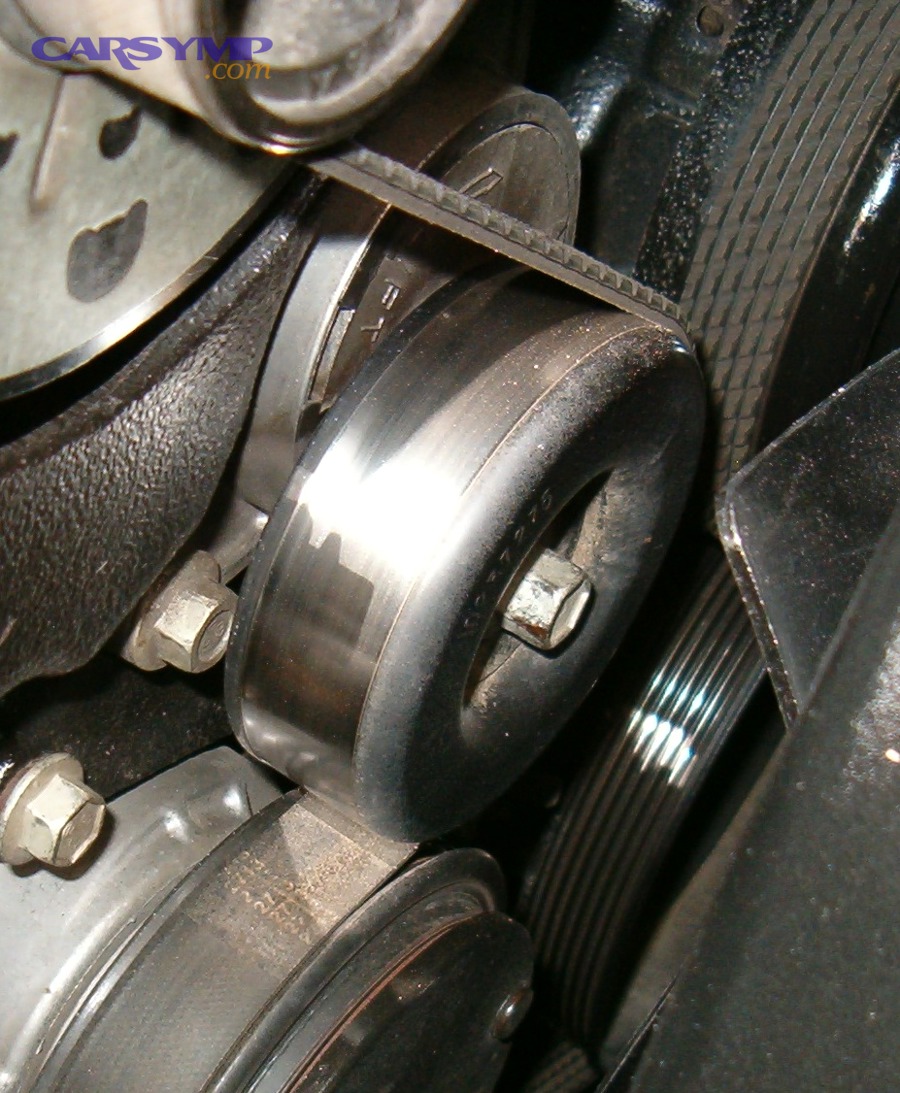
DIYers often focus on the belt because it’s visible, but a rough pulley bearing can create a squeal-like sound and also cause belt slip by adding drag. In your checklist, include How to test pulleys for bearing noise as a required step, not an optional one:
- Belt-off spin test: spin each pulley and listen for roughness; feel for vibration in your fingertips.
- Wiggle test: gently rock the pulley; any noticeable play is a red flag.
- Surface check: look for grooves, rust, or glazing on pulley surfaces that contact the belt.
Now test the tensioner behavior. A healthy automatic tensioner moves smoothly through its range and resists rapid bouncing. A worn tensioner can allow belt slip on load changes, making squeal appear “random.” After that, verify the belt length is correct; an incorrect belt can reduce tensioner range and create chronic noise.
According to Gates Corporation (Accessory Belt Drive System bulletin) in 2017, squeal can be caused by bearing failure in a pulley or weak spring tension in the tensioner, and pulleys should be rotated to check bearing conditions. So if your pulley feels gritty or your tensioner shows abnormal movement, replacing only the belt is rarely the lasting fix.
What does a “bad bearing” feel like by hand?
It feels gritty, notchy, or like sand inside the pulley, often with a faint scraping sound as it spins. Then, replace that pulley or component—lubricating a sealed bearing is not a reliable DIY solution.
What does a “weak” or “failed” tensioner look like?
Signs include excessive arm bounce, misalignment drift, or a tensioner that sticks instead of moving smoothly. Next, confirm you’re using the correct belt length because the wrong belt can mimic tensioner failure.
Can DIY cleaning fix belt squeal, or do you need a new belt?
Sometimes cleaning helps—but only when the belt material is still healthy and the problem is surface residue; if the belt is glazed, cracked, swollen, or hardened, replacement is the real fix. Next, use a “re-test under load” rule to decide.
Here’s a practical decision logic that prevents wasted effort:
- Clean-first if: belt looks matte, flexible, not cracked; pulleys are cleanable; noise started after a spill or leak you corrected.
- Replace-first if: belt ribs are glossy and hard, there are visible cracks/chunks, the belt was soaked in oil/coolant, or the belt has been squealing for weeks.
If you replace the belt, do not “stop thinking.” A belt is a friction element; it fails early when something else forces it to slip. After that, always repeat the pulley/tensioner checks so the new belt doesn’t become a new glazed belt.
According to Dayco (Tech Hub) in March 2025, contaminated serpentine belts often must be replaced and belt dressing is not the correct solution for noise; the fix is addressing contamination and component condition. So your DIY goal is “remove the cause,” not “add stickiness.”
What if the squeal disappears after cleaning but returns in a week?
That usually means the underlying trigger remains—often misalignment, a weak tensioner, or a slow leak that re-contaminates the belt. Then, treat the return as evidence and move to alignment and pulley testing.
Does belt age alone predict squeal?
No: belts can be quiet when old and loud when new if the system is misaligned or a pulley is failing. Next, prioritize condition and tests over mileage guesses.
Is belt dressing a DIY fix—or a trap?
Mostly a trap: belt dressing can quiet noise briefly but often worsens contamination and accelerates glazing, making squeal return; use it only as a short diagnostic clue, not a solution. Next, choose fixes that restore clean traction.
Belt dressing is tempting because it’s fast. But the mechanism is wrong for most modern belts: it changes surface tack and can trap dust, creating a polishing compound that reduces grip over time. Instead, treat belt dressing as a “symptom amplifier”—it can reveal that friction is involved, but it doesn’t explain why friction is unstable.
- When it can help (rare): as a one-time diagnostic, when you need to confirm belt slip and you’re already planning a proper repair.
- When it harms (common): when it becomes routine, or when a leak is present, or when the belt is already glazed—because you’re building layers on a slipping interface.
According to Dayco (Tech Hub) in March 2025, belt dressing should not be used to solve serpentine belt noise issues; the correct approach is inspecting tension, bearings, and replacing contaminated belts. So if your “fix” is a spray, it’s not a fix—your next step is diagnosis.
What’s the safe DIY alternative to dressing?
Cleaning and correcting the mechanical cause: remove residue, verify alignment, test the tensioner and pulleys, then replace the belt only if it fails inspection. Next, validate the result under the original trigger condition.
If dressing “works,” what does that prove?
It usually proves the belt/pulley interface is involved, not that the belt was “dry.” Then, use that clue to inspect contamination, tensioner performance, and alignment.
What DIY steps work when squeal happens mostly in wet weather?
Dry and stabilize the interface: clean pulley grooves, replace a glazed belt, verify tensioner damping, and confirm splash shields and leaks aren’t soaking the belt; moisture can trigger slip instability. Next, replicate the wet condition to validate the repair.
If the noise appears after rain, morning dew, or a car wash, you’re dealing with a friction interface that becomes unstable when lubricated by water. The phrase Wet weather belt noise diagnosis basically means: “Which condition changes when water is present?” Work through these DIY checks:
- Check for splash patterns: look for water tracks on the belt path that indicate missing shields or a belt exposed to direct spray.
- Clean pulley grooves: dirt in grooves holds water longer, extending the unstable period.
- Verify belt condition: glazed belts are more sensitive to moisture-triggered slip.
- Check tensioner damping: a bouncing tensioner turns small slip into repeated squeal bursts.
According to research listed in International Journal of Vehicle Noise and Vibration (belt wet friction studies) in January 2006, wet friction behavior can produce dynamic instability and noise, consistent with the real-world “only when wet” complaint. So your DIY fix must reduce slip sensitivity, not just dry the belt for one morning.
Why does the squeal stop after a few minutes of driving?
As the belt warms and dries, friction behavior often returns to a stable regime, masking the underlying weakness. Then, don’t declare victory—use the wet-trigger clue to find contamination, glazing, or tensioner issues.
What DIY change most often stops “only when wet” squeal?
Replacing a glazed belt and cleaning pulley grooves is the most common lasting combo, because it restores stable grip and reduces water retention. Next, confirm there are no leaks or splash exposure re-wetting the belt.
How can you fix squeal that happens on startup or when turning the wheel?
Match the trigger to the load: startup squeal often points to initial slip and belt condition, while turning squeal often points to power steering load, tensioner weakness, or pulley drag; test under each trigger and follow the result. Next, isolate which accessory load is changing friction.
When the squeal happens matters because it tells you when belt traction is being challenged.
- On startup: belt is cold, rubber is stiffer, and any glazing or contamination shows up as slip. Check belt condition first, then alignment, then tensioner behavior.
- When turning: steering load rises, increasing belt demand. Suspect tensioner weakness, a dragging power steering pump, or a pulley bearing starting to seize.
In your notes, connect this to Serpentine belt squeal causes without turning it into a guessing game: the cause is not “a squeal,” it’s a specific moment when demand exceeds stable grip. After that, reproduce the squeal deliberately—turn wheel to full lock briefly (don’t hold it), toggle A/C, switch headlights on—then see which action reliably triggers it.
According to Gates Corporation (Accessory Belt Drive System bulletin) in 2017, weak tension or bearing issues can cause squeal and should be verified by inspecting pulleys and tensioner function. So if turning the wheel triggers squeal, your DIY tests should focus on tensioner response and pulley smoothness, not sprays.
What’s the simplest DIY test for “turning squeal”?
With the hood open and a helper in the driver’s seat, listen while the wheel is turned slightly left/right at idle (never near moving parts). Then, repeat with A/C on to see if extra load changes the sound profile.
What if startup squeal happens only in cold weather?
Cold stiffness magnifies slip if the belt is glazed or the tensioner is weak, so your DIY priority is belt condition and tensioner damping. Next, re-test after cleaning/inspection rather than waiting for warmer days to “fix” it.
How do you know when DIY ends and replacement is the only real fix?
DIY ends when a test proves wear: gritty bearings, pulley wobble, tensioner bounce, or a belt that’s glazed/cracked/soaked won’t become reliable with cleaning; replacement restores mechanical stability. Next, replace the failed part and re-check the rest of the system.
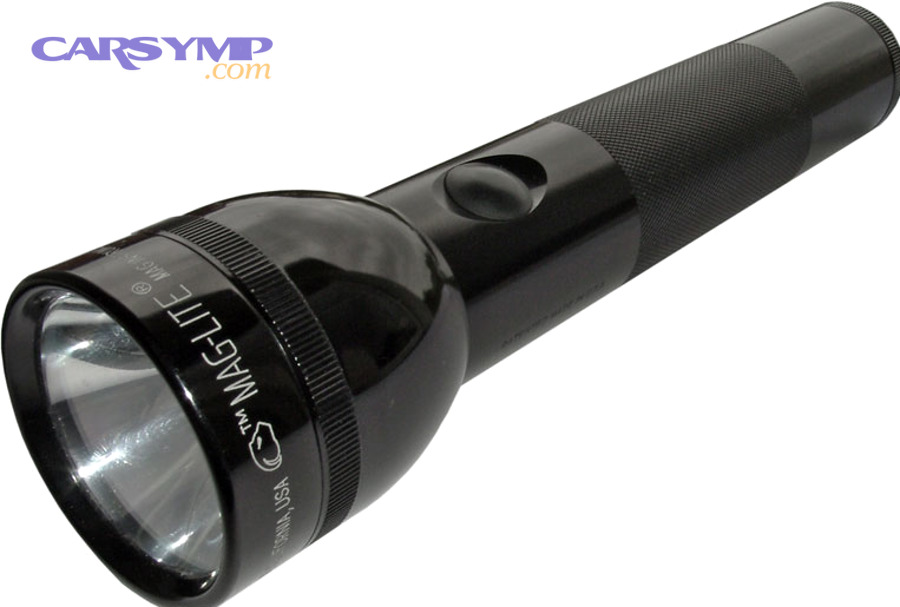
Use a flashlight to make this decision objective. If you can see or feel failure, you don’t “DIY” it away:
- Belt replacement indicators: glazing plus noise recurrence, cracks across ribs, chunking, missing ribs, swollen belt from fluids.
- Pulley replacement indicators: wobble/runout, rough/grinding spin, play when wiggled, overheated discoloration.
- Tensioner replacement indicators: arm chatter/bounce, sticking through range, misalignment from worn bushing, weak spring effect.
According to Gates Corporation (Accessory Belt Drive System bulletin) in 2017, abnormal chattering or bouncing of the tensioner arm indicates failure and replacement is recommended, and tensioners are wear items that should be inspected on schedule. So if you see bounce, your “DIY fix” is not to quiet it—it’s to replace the worn tensioner before it damages the belt and accessories.
Should you replace the belt and tensioner together?
Often yes when both show age or when the tensioner fails tests, because a weak tensioner can quickly ruin a new belt. Next, let the test results decide rather than replacing parts blindly.
What about labor cost and effort—how do you choose the best path?
If access is tight, doing belt and tensioner together can reduce repeated disassembly, but only if the tensioner shows wear. Then, prioritize safety and correctness over “cheapest today,” because repeated belt squeal often becomes repeated repairs.
Contextual border: what rare-but-real causes DIYers miss—and how to rule them out
There are a few uncommon causes: overrunning alternator pulleys, harmonic balancer wobble, incorrect belt routing/length, and pulley groove wear can all create persistent noise that looks like “a bad belt.” Next, use quick rule-out tests before you keep replacing belts.
Could an overrunning alternator pulley cause repeating squeal?
Yes: if the alternator decoupler pulley fails, it can add vibration and irregular loading that a tensioner can’t damp well. Then, you’ll often see tensioner arm flutter and intermittent chirp that returns despite belt replacement.
How does harmonic balancer wobble show up in belt noise?
A wobbling crank pulley forces the belt to track inconsistently, creating chirp and edge wear; you may observe visible pulley wobble at idle. Next, treat this as a mechanical fault—sprays and cleaning won’t stabilize a wobbling pulley.
Can the wrong belt length or routing create squeal even with “new parts”?
Yes: the wrong belt can place the tensioner outside its optimal range, reducing effective tension and increasing slip under load. Then, confirm belt routing and part number using the under-hood diagram or manufacturer documentation.
Do worn pulley grooves matter if the belt looks fine?
They can: worn grooves change contact geometry and increase slip and noise. After that, if grooves are visibly polished, sharp-edged, or uneven, replacement is more reliable than chasing noise with repeated belts.
FAQ: Quick answers to common DIY belt-noise questions
What’s the fastest “first move” when you hear belt squeal?
Confirm it’s belt-related with a safe mist test, then inspect for contamination and glazing; this prevents you from blaming the belt when the real issue is a pulley bearing or tensioner. Next, move to alignment and pulley checks if the mist test isn’t conclusive.
Why does the squeal come back right after you replace the belt?
Because the system still forces slip—misalignment, weak tensioner damping, or a rough pulley bearing remains. Then, the new belt polishes quickly and repeats the cycle.
Can you drive with belt squeal for a while?
You can sometimes, but it risks belt glazing, accessory bearing overheating, and eventual belt failure; treat persistent squeal as an early warning, not a soundtrack. Next, do the basic tests and fix the cause before it becomes a roadside breakdown.
What’s the most common real fix DIYers overlook?
Checking the tensioner and idlers for rough bearings and bounce, because those failures mimic “a bad belt” and defeat new belts quickly. Finally, validate your fix by repeating the exact condition that used to trigger the noise.