


If you want the safest, least “comeback-prone” fix, replace the serpentine belt and belt tensioner together when their wear timelines overlap, when noise/slip symptoms point to low tension, or when you’re already paying labor to access the front-end drive.
Beyond simple mileage, the smartest decision comes from what your belt is actually doing—slipping, glazing, rib wear, tracking sideways—and what your tensioner is failing to control: bounce, weak spring force, or pulley bearing roughness.
You’ll also want a practical plan: how to inspect wear on modern EPDM belts, how to confirm the tensioner isn’t the root cause, and how to bundle parts so you don’t replace a “new” belt twice.
Giới thiệu ý mới: Below is a decision framework you can use in minutes, then a step-by-step inspection routine that makes the replace-together choice feel obvious instead of guessy.
Should you replace the belt and tensioner together in most cases?
Yes—replace them together when the belt shows real wear or noise and the tensioner is anything less than smooth, stable, and aligned, because a worn tensioner can quickly destroy a new belt through slip and heat.
To connect that to a real-world outcome, bundling the repair prevents repeat failures like squeal, glazing, and premature rib loss that often happen when only one component is renewed.
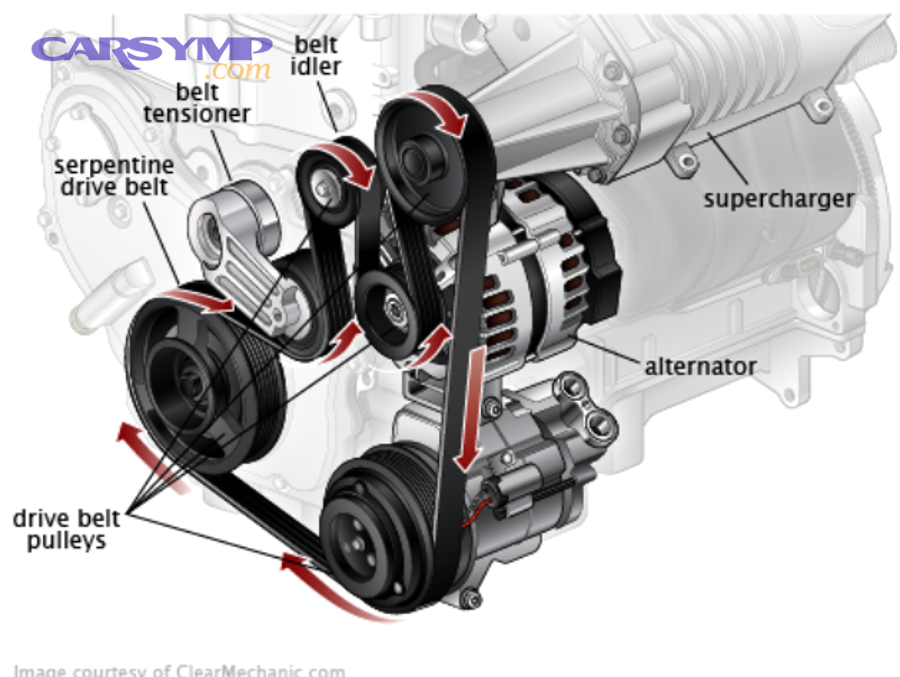
In an accessory drive system, the belt is a consumable and the tensioner is a wear item too—its internal damper, spring, pivot bushing, and pulley bearing all degrade with heat cycles and vibration. When that control fades, the belt doesn’t just “make noise”; it slips microscopically, heats up, and sheds material faster.
That’s why many manufacturers and training materials emphasize inspecting the whole system: belt, tensioner, idlers, and alignment—because any weak link can create the same symptom (squeal, chirp, or intermittent accessory output).
Here’s the practical rule: if the belt is due and the tensioner is anywhere near questionable, you replace both. If the belt is not due but you already have it off for an alternator, A/C, or power steering-related job, it’s still a high-leverage moment to replace the belt and tensioner together and save labor.
To avoid confusion, treat noise as a system clue, not a “spray fix” moment: in belt squeal diagnosis, the most common root is insufficient tension, contamination, or misalignment—often created or amplified by tensioner wear.
And if you’re looking for DIY fixes that actually work, the best “DIY” is a correct inspection plus correct parts, not temporary dressings that mask slip.
The quick yes/no test: If you can’t confidently say the tensioner is smooth, steady, and aligned, the answer is “yes, replace together.”
What mileage or age thresholds make replacing both together a smart default?
Use mileage and age as a default baseline: around 60,000 miles is the time to inspect the serpentine system closely, and around 90,000 miles is a common window where worn components often justify replacement together.
Next, tie that baseline to what modern belts do: EPDM belts can run a long time without obvious cracking, so relying on cracks alone can make you replace too late.
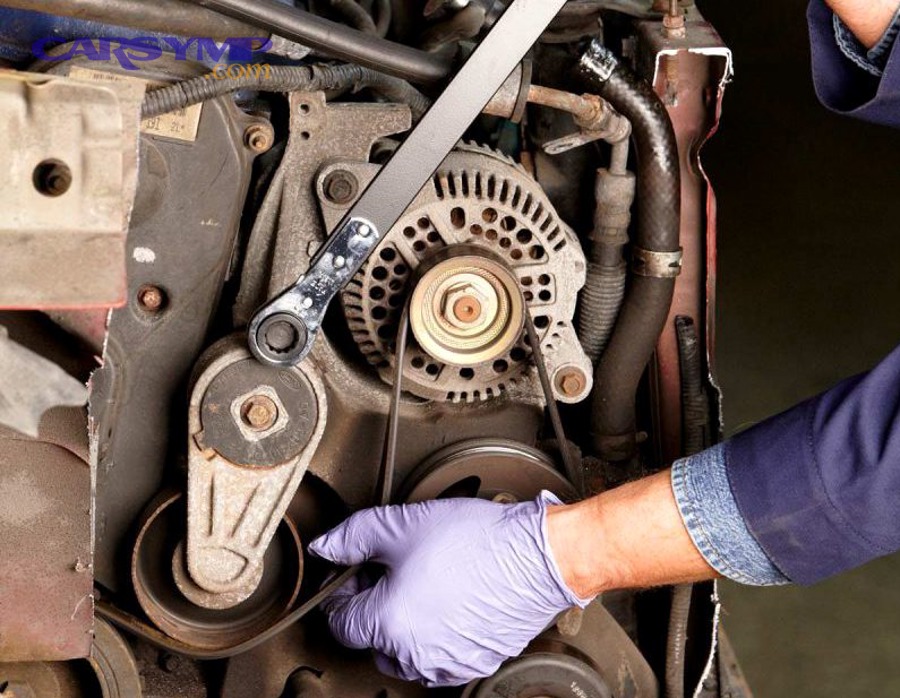
According to Dayco’s tech guidance, most OEMs recommend inspections around 60,000 miles and service around 90,000 miles, and they emphasize that replacing related front-end components together reduces noise issues and comebacks.
According to Gates’ technical bulletin on belt inspection, EPDM belts can run 100,000 miles or beyond with no visual cracks, making material loss a more reliable indicator than “crack counting.”
To make this concrete, here are “replace together” thresholds that work across many vehicles when you don’t have an OEM interval handy:
- 60,000 miles: begin serious inspection of belt wear, tensioner operation band, and pulley bearings.
- 90,000 miles: if you see any meaningful wear signals, plan belt + tensioner together (often plus idler pulleys).
- 4–6 years (low-mileage cars): rubber ages; heat cycles harden components even when mileage is low.
Theo nghiên cứu của Dayco Incorporated từ Tech Hub, vào 02/2025, most OEMs recommend inspections around 60,000 miles and service around 90,000 miles for serpentine systems to prevent noise and premature failures.
Also remember: labor bundling matters. If you’re already removing the belt for an alternator, A/C compressor, or power steering repair, you’re at the cheapest “access moment” to renew the tensioner and avoid paying for the same teardown again.
Which symptoms mean the tensioner is harming the belt right now?
If you see arm bounce/chatter, hear bearing roughness, or notice abnormal belt tracking, the tensioner has effectively failed and should be replaced—often together with the belt—because those symptoms directly cause slip, heat, and rapid wear.
To link symptom to decision, any sign that the tensioner can’t control belt tension under load makes “belt-only” replacement risky.
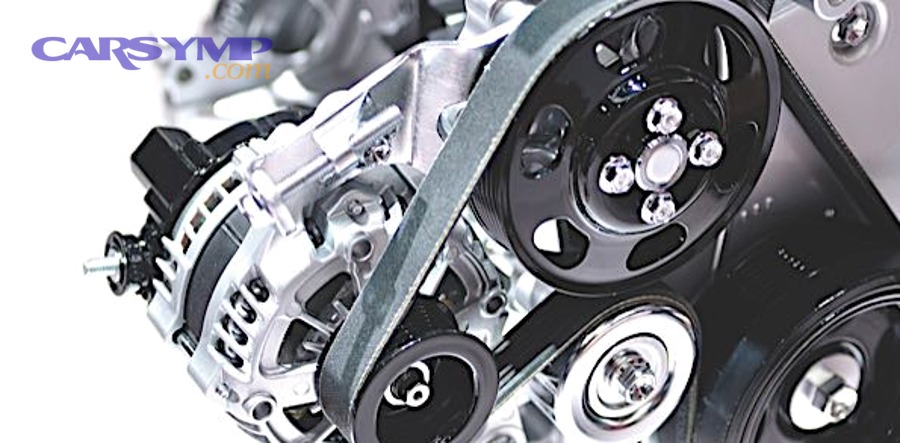
Gates notes that abnormal chattering or bouncing of the tensioner arm under normal operation indicates failure and replacement is needed, and that tensioner bounce induces slippage, heat, and premature belt failure.
Here are the most decision-relevant symptoms, organized by what they tell you:
Noise patterns that point to low or unstable tension
Squeal, chirp, or “start-up” noise often means the belt is slipping—typically from low tension, contamination, or misalignment—so you should assume the tensioner is suspect until proven healthy.
To move from sound to certainty, remove the belt and spin every pulley; a rough or gritty tensioner pulley bearing turns a noise complaint into a replace-now verdict.
- Squeal under load (A/C on, steering turned): belt slip from low tension or pulley drag.
- Intermittent chirp: misalignment or tension variation (tensioner damper wear).
- Persistent squeal after new belt: the “new belt, old tensioner” mismatch is common when the tensioner is weak or bouncing.
Visible tracking, wobble, or belt walk
If the belt tracks off-center, walks side-to-side, or rides unevenly, you should replace the tensioner (and inspect idlers) because alignment errors rapidly shred rib edges and polish the belt into glazing.
Next, verify the bracket and mounting surfaces are clean and flat, since corrosion or contamination can tilt the tensioner base and create tracking problems.
- Edges fraying, missing rib chunks, or a belt that “polishes” quickly are tracking clues.
- A tensioner pulley that looks “not in plane” with the belt path signals misalignment risk.
Accessory performance clues
If you see diminished charging, weak A/C output, or cooling performance issues that come and go, suspect belt slip driven by tensioner wear and treat it as a system repair, not a belt-only swap.
To connect it back to the decision, these symptoms imply the belt is not transmitting torque consistently.
Theo nghiên cứu của Gates Corporation từ Technical Department, vào 06/2017, abnormal tensioner arm bounce causes belt slippage, heat, and premature belt failure, and sustained bounce indicates the tensioner has already failed and should be replaced.
How do you inspect belt wear and tensioner health correctly with the belt off?
The best method is a short, systematic inspection: check belt rib profile/material loss, then test tensioner motion and pulley bearings by hand, because modern EPDM belts can look fine yet be worn out.
To make the inspection decisive, you’ll measure what matters (rib profile and wear) instead of guessing from surface cracks.
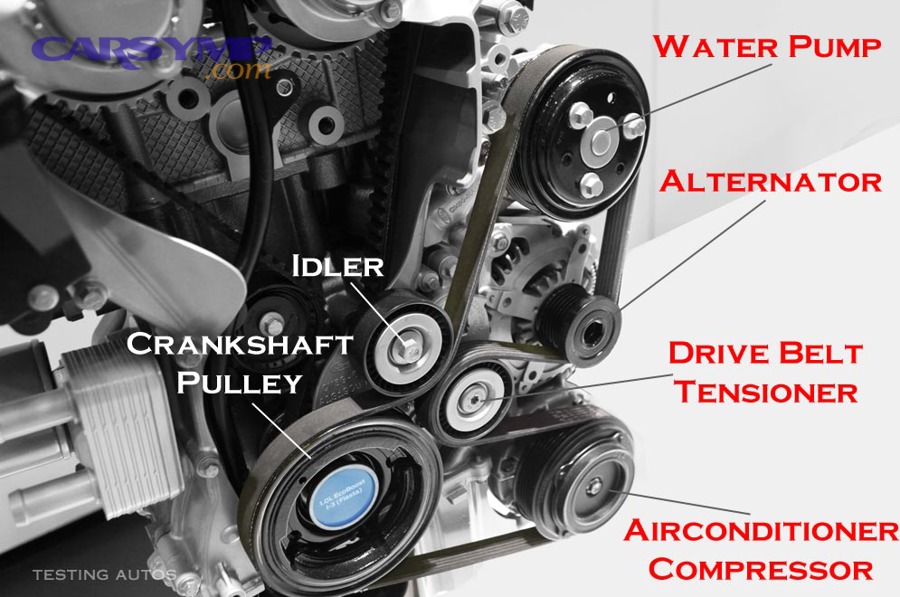
Gates explains that EPDM belts may show few cracks even past 100,000 miles, and that material loss and as little as 5% rib loss can create issues, making wear measurement more reliable than visual crack checks.
Dayco also describes how worn rib profiles shift from a “V” appearance to a “U,” reducing contact area and increasing slip.
Step-by-step: a 10-minute inspection routine
Use this sequence so each step “móc xích” into the next and you don’t miss the true root cause.
- Engine off, cool, keys out: confirm routing diagram and take a photo for reinstallation.
- Release tension and remove the belt: note whether the tensioner feels smooth through its range or binds/sticks.
- Inspect belt ribs and back: look for glazing (shiny polish), fraying edges, missing chunks, and rib wear profile.
- Check rib profile (“V” vs “U”): a “U” profile indicates wear/material loss and reduced grip.
- Spin every pulley by hand: alternator, idlers, tensioner pulley—listen/feel for roughness or play.
- Check pulley wobble: any side-to-side play is a bearing red flag and a strong “replace together” trigger.
- Recheck alignment surfaces: clean mounting faces; corrosion can tilt brackets and cause tracking.
To directly address the common query people search for—How to inspect belt wear and glazing—focus on material loss and polish: a belt that looks glossy or slick is often slipping and will not regain grip reliably just by tightening.
Consumer Reports recommends checking for glazing and notes glazed/slick belts can slip, overheat, or crack—use that as a “replace soon” indicator, then confirm whether the tensioner is the cause.
Theo nghiên cứu của Consumer Reports từ Cars/Car Repair & Maintenance, vào 05/2022, glazed or slick belts can slip and overheat, so glazing is a meaningful replacement clue rather than a cosmetic issue.
When is replacing only the belt reasonable, and when is it false economy?
Replacing only the belt is reasonable when the tensioner tests smooth, stable, and within its normal operating range, and when there are no tracking/noise symptoms; it becomes false economy when any tensioner weakness can rapidly ruin the new belt.
To bridge that to a practical choice, the “belt-only” path must be earned by inspection—not assumed by mileage.
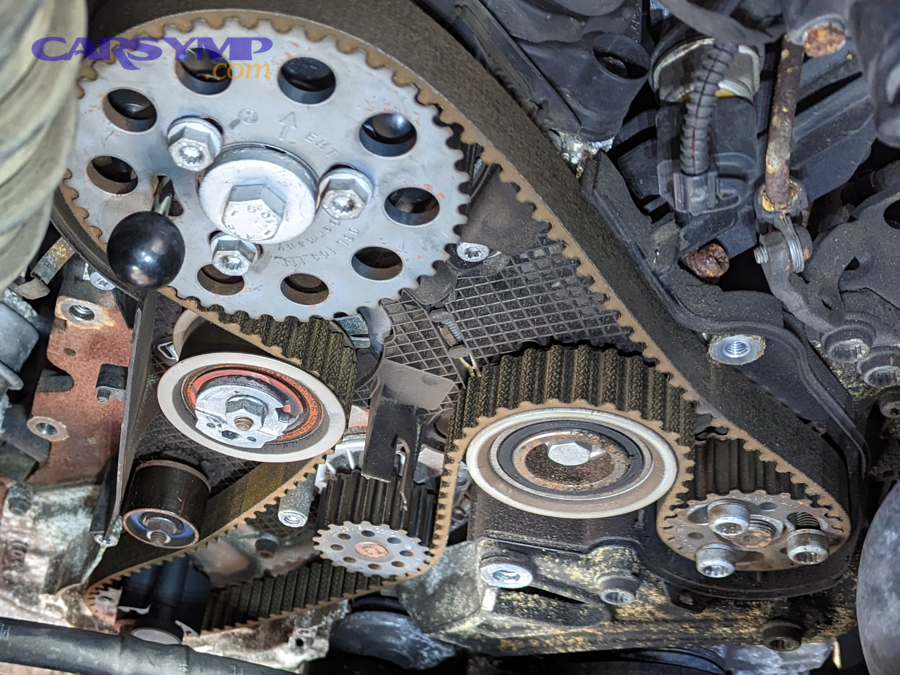
Even experienced technicians warn that EPDM belts can be misleading visually, and industry guidance emphasizes system-level checks rather than belt-only assumptions.
Replace only the belt if ALL of these are true
If the tensioner passes every hand test and you have no symptoms, belt-only replacement can be a valid maintenance move.
- Tensioner arm moves smoothly through full range with no sticking or roughness.
- No arm bounce/chatter observed with engine running (before teardown).
- Tensioner pulley spins quietly and freely, with no wobble/play.
- Belt tracking is centered and consistent across all pulleys.
- No history of squeal/chirp, and no glazing caused by slip.
It’s false economy when ANY of these are true
If any symptom suggests low or unstable tension, belt-only replacement risks paying twice.
- Any tensioner bounce/chatter, or tensioner outside its indicated operating band.
- Glazing, recurring squeal, or a “new belt got noisy fast” story.
- Rough pulley bearings (tensioner or idler) that can heat the belt and shred ribs.
- Misalignment evidence: belt walk, rib edge fray, or uneven wear marks.
To make the trade-off explicit, this table summarizes what “replace together” buys you and when belt-only is acceptable.
This table contains a decision matrix that maps symptoms and inspection results to the safest replacement scope.
| What you observe | Most likely cause | Best action | Why it matters |
|---|---|---|---|
| Glazing, squeal under load, or recurring chirp | Slip from low tension, contamination, or misalignment | Replace belt + tensioner (inspect idlers) | Worn tensioners can glaze and destroy a new belt quickly |
| Tensioner arm bounce/chatter | Damper wear; unstable tension | Replace tensioner (usually with belt) | Bounce induces slippage, heat, premature belt failure |
| Belt looks “fine” but rib profile is worn (“U”) | EPDM material loss | Replace belt; inspect tensioner closely | Material loss reduces grip and increases noise risk |
| All pulleys spin smooth; no bounce; tracking perfect | Normal system | Belt-only can be reasonable | Risk of repeat labor is low when tensioner is proven healthy |
Theo nghiên cứu của Dayco IP Holdings, LLC từ Drive Belt Training, vào 01/2019, EPDM belts should be inspected starting at 60,000 miles and worn components are commonly replaced around 90,000 miles to avoid system noise and failures.
How do you bundle the repair to avoid comebacks and protect accessories?
The most reliable approach is to treat the serpentine drive as a system: replace the belt and tensioner together when wear is present, then verify alignment and pulley bearings so the new parts aren’t forced to fail early.
To keep the flow practical, think “cause control”: correct tension, correct alignment, and smooth bearings—because those three determine belt life more than brand labels.
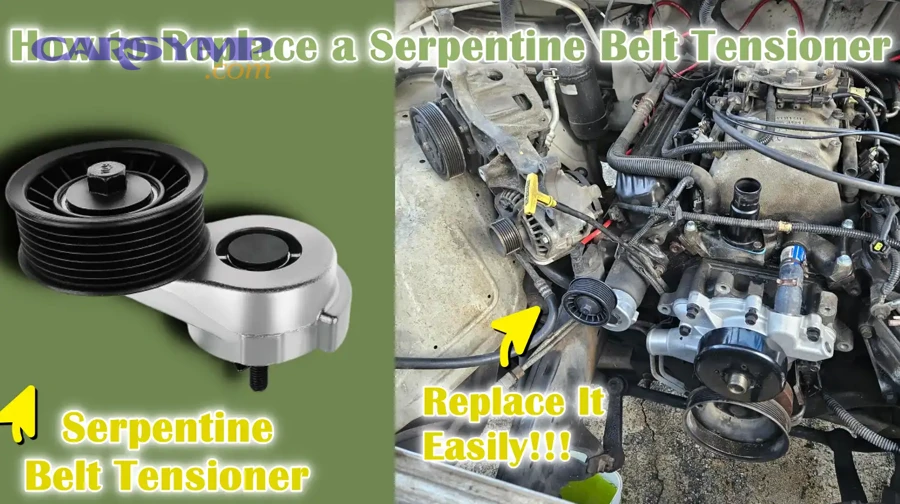
Dayco explicitly notes that replacing only the belt can lead to issues within weeks if a loose tensioner or pulley remains, and that worn tensioners can cause belts to slip and glaze, destroying the new belt.
What to replace together (typical best-practice bundle)
Start with the minimum bundle that removes the common failure chain, then expand only if inspection finds more wear.
- Always consider: serpentine belt + automatic tensioner.
- Strongly consider: idler pulley(s) if bearings feel rough or if mileage is high.
- Conditional: alternator decoupler pulley (if equipped), especially with charging complaints.
Alignment and mounting hygiene (the often-missed step)
If you replace parts but leave a tilted bracket or debris under the tensioner base, you create immediate tracking problems and “mystery noise.”
Next, clean the mounting surfaces, torque properly, and visually verify the belt runs true across every ribbed pulley face.
Confirm the system doesn’t “eat” belts
When belts fail early, the root is usually not “bad belt”—it’s drag, misalignment, or unstable tension that overheats the belt and scrubs material away.
As MOTOR describes, EPDM belt wear changes valley depth and can reduce effective tension; that’s why valley depth and system behavior matter, not just cracks.
Theo nghiên cứu của Dayco Incorporated từ Tech Hub, vào 02/2025, changing all front-end accessory drive components together helps prevent comebacks and reduces noise issues because worn tensioners and pulleys can quickly damage a new belt through slip and glazing.
How do labor, downtime, and risk change the “together vs separate” decision?
Replacing both together often lowers total cost and downtime when access labor is significant, because the belt must come off for many accessory repairs and it’s efficient to renew the tensioner while everything is exposed.
To connect cost to strategy, the goal is to pay labor once and reduce the probability of a second failure that strands you.
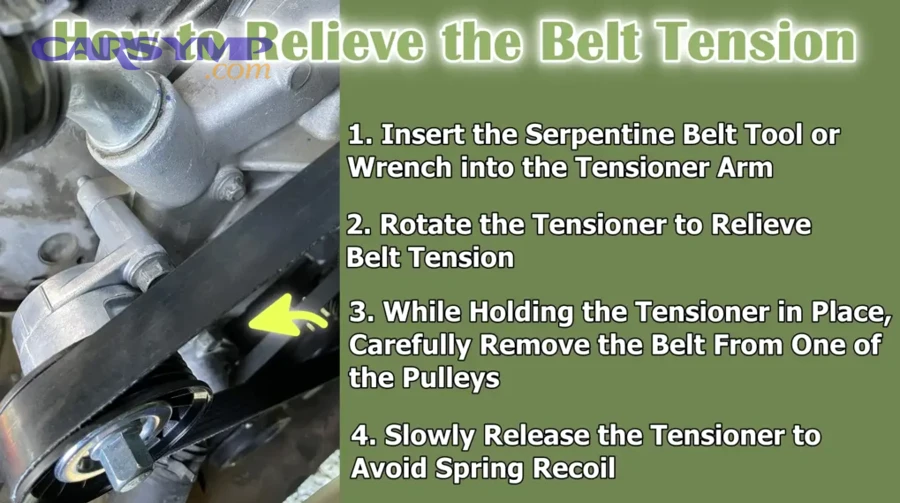
Gates highlights that when a technician already removes the belt for alternator/A/C/power steering work, it’s the perfect time to complete the repair and save labor by replacing the belt along with the tensioner and pulleys.
Why “labor stacking” favors replacing together
Even if the tensioner isn’t completely failed today, the marginal labor to replace it during a belt-off job is often small compared to repeating the entire procedure later.
Next, consider risk: a tensioner failure can stress accessories (alternator, A/C, water pump), so preventing slip and vibration protects more than just the belt.
Why separate replacement can be reasonable sometimes
If inspection proves the tensioner is stable, bearings are smooth, and there are no noise/tracking symptoms, belt-only can be a controlled choice—especially when you’re doing proactive maintenance far ahead of typical wear windows.
However, make that decision intentionally: document the inspection results, and recheck sooner if any noise begins.
Theo nghiên cứu của Gates Corporation từ PRO(TECT) TIP (Tensioner 101), vào 03/2025, replacing the belt along with the tensioner and pulleys while the belt is already removed can save labor costs today and reduce the chance of a future repair.
Key takeaway: Replace belt + tensioner together when symptoms exist, when mileage is near common service windows, or when labor access is already paid for—because the tensioner’s job is to keep the belt from slipping itself to death.
Contextual border: Up to this point, the decision has focused on standard wear and inspection logic. Next, we’ll widen the lens to edge cases—unique operating conditions and rare failure modes—that can change the replace-together timing.
Edge cases that change the timing (heat, contamination, misalignment, and modern EPDM wear)
Four edge cases can move your replacement earlier: extreme heat cycles, fluid contamination, persistent misalignment, and “invisible” EPDM wear that doesn’t crack but still loses material and grip.
To keep the flow clear, treat these as multipliers: they accelerate wear and make “replace together” more likely even at moderate mileage.
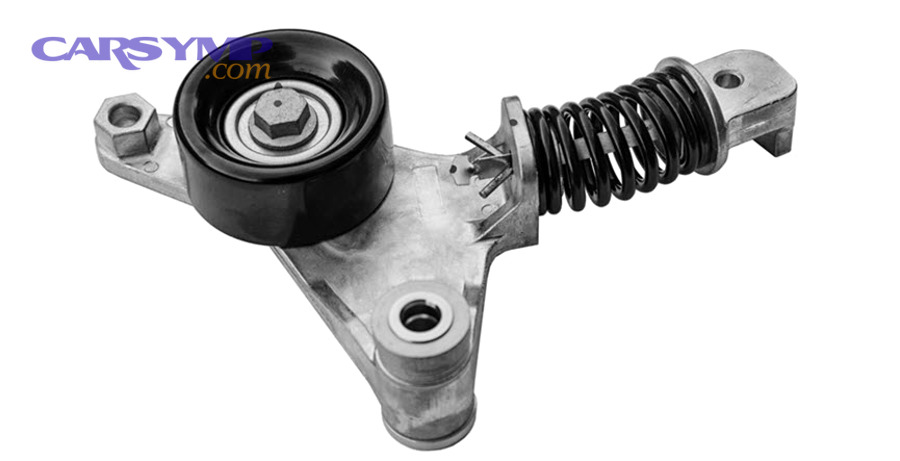
High heat and short-trip driving
Heat hardens rubber and degrades dampers; frequent heat cycling from short trips can age both the belt and tensioner faster than mileage suggests.
Next, if your vehicle lives in high-heat under-hood environments or heavy stop-and-go traffic, you should inspect earlier than the generic windows.
Fluid contamination (oil/coolant) and sudden glazing
If oil or coolant reaches the belt, it reduces friction and can create fast glazing; a glazed belt often won’t regain proper grip reliably.
Consumer Reports points out glazed/slick belts can slip and overheat—so contamination plus glazing is a strong “replace together” moment, followed by fixing the leak.
Chronic misalignment and bracket issues
Misalignment scrubs ribs, creates chirp, and produces edge fray; if misalignment persists, simply installing new parts can lead to rapid repeat wear.
Next, use straight-edge/laser checks where possible and ensure mounting faces are clean and flat before torqueing components.
Modern EPDM belts: wear that hides in plain sight
EPDM belts can resist cracking for a long time, so wear shows up as material loss and rib profile change; measuring rib wear can be more trustworthy than visual crack counts.
Gates emphasizes that EPDM belts may run 100,000 miles without cracks and that measuring wear is now critical; Dayco similarly teaches that rib profile shifts toward “U” as material is lost.
Frequently Asked Questions
Can I drive if the belt squeals but everything still works?
You can sometimes drive briefly, but it’s risky because squeal often means slip; slip generates heat and can accelerate belt wear, reduce accessory output, and trigger sudden failure—so inspect the system as soon as possible rather than waiting for a breakdown.
To stay safe, avoid long trips until you confirm the tensioner isn’t bouncing and pulleys aren’t dragging.
Do I need special tools to inspect belt wear on modern belts?
You don’t need expensive tools, but a wear gauge makes EPDM inspection more reliable because cracks can be misleading; you can also evaluate rib profile (“V” vs “U”) and look for glazing and edge fray.
Dayco and Gates both describe how modern belts wear by material loss rather than obvious cracking, which is why measurement helps.
Should I replace idler pulleys at the same time too?
Often yes when mileage is high or bearings feel rough, because a worn pulley bearing can create misalignment, noise, and belt damage; at minimum, always spin-test idlers with the belt off and replace any that feel gritty or loose.
To prevent repeat labor, bundle worn idlers during the same belt-off job when inspection shows bearing wear.
Why does a new belt sometimes start squealing right after installation?
Because the belt was not the root cause—common causes are a weak/bouncing tensioner, misalignment, contamination, or a pulley bearing beginning to seize, all of which can make a fresh belt slip and glaze quickly.
Dayco specifically warns that worn tensioners can cause belts to slip and glaze, destroying a new belt, which is why replacing related components together prevents “new belt, same noise” outcomes.